
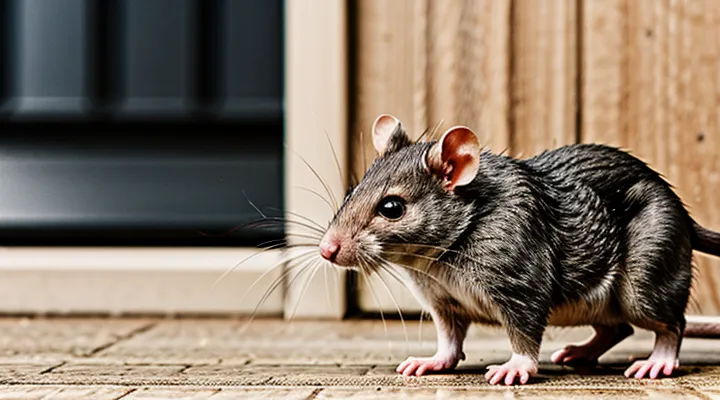
«Understanding Rat Behavior»
«Socialization and Trust Building»
«Recognizing Rat Body Language»
Understanding a rat’s body language is essential for successful taming. Observing posture, movements, and vocal cues reveals the animal’s comfort level and readiness to engage.
Typical signals include:
- Tail position – a relaxed, loosely hanging tail indicates calm; a stiff, upright tail signals alertness or agitation.
- Ear orientation – ears flattened against the head suggest fear or submission; ears pricked forward show interest or curiosity.
- Whisker direction – whiskers swept forward denote exploration; whiskers drawn back point to stress.
- Body posture – a low, crouched stance with a tucked abdomen reflects anxiety; an open, upright stance with a stretched neck signals confidence.
- Movement patterns – slow, deliberate steps suggest trust; rapid, erratic scurrying marks nervousness.
- Vocalizations – soft squeaks or chirps accompany contentment; high-pitched squeals or chattering indicate distress.
- Grooming behavior – frequent self‑grooming while stationary signals relaxation; excessive grooming or fur pulling may indicate irritation.
When a rat displays multiple calm indicators simultaneously, it is safe to approach, offer a hand, and begin gentle handling. Conversely, the presence of tension signs warrants a pause, reduced interaction, and a quieter environment to allow the animal to settle. Adjusting handling techniques based on these observable cues accelerates the taming process and builds a reliable bond.
«Establishing Positive Associations»
Establishing positive associations is the foundation of gaining a rat’s cooperation. Pair each interaction with a reward that the animal finds desirable, such as a small piece of fruit, seed, or commercial treat. Deliver the reward immediately after the rat exhibits the target behavior, ensuring the connection between action and benefit remains clear.
Consistent timing reinforces the link. Begin sessions of no more than five minutes, gradually extending the period as the rat becomes comfortable. Maintain a calm voice and steady movements; sudden noises or rapid gestures interrupt the learning process.
- Offer a treat when the rat approaches the hand voluntarily.
- Place a treat on the palm and allow the rat to take it without restraint.
- Gently stroke the back while the rat eats, associating touch with safety.
- Introduce a new object (e.g., a tunnel) and reward the rat for exploring it.
- Repeat each step daily, tracking progress to adjust the reward schedule if interest wanes.
By consistently coupling desired actions with immediate, appealing incentives, the rat learns to anticipate positive outcomes from human contact, laying the groundwork for further training phases.
«Preparing for Interaction»
«Creating a Safe Environment»
«Choosing the Right Space»
Choosing an appropriate enclosure is the first critical decision when beginning the rat‑domestication process. The space must accommodate the animal’s natural behaviors while ensuring safety and ease of maintenance.
- Size: a minimum of 2 sq ft of floor area per rat, with additional height for climbing structures. Larger enclosures reduce stress and allow more movement.
- Material: stainless steel or heavy‑gauge wire mesh prevents gnawing damage and resists corrosion. Avoid plastic cages that can be chewed through.
- Ventilation: at least six air changes per hour, achieved through mesh sides and a secure top. Proper airflow prevents respiratory issues.
- Security: lockable doors and a tight seal eliminate escape routes. Inspect hinges and latches regularly for wear.
- Location: place the cage in a quiet, low‑traffic area away from direct sunlight and drafts. Consistent ambient temperature (68–75 °F) supports health.
- Cleaning: smooth, non‑porous surfaces simplify disinfection. Include removable trays for waste to streamline routine sanitation.
- Enrichment: integrate platforms, tunnels, and chewable objects. These items encourage natural foraging and climbing, promoting mental stimulation.
The chosen space should be adaptable; modular components allow adjustments as the rat matures or as additional animals are introduced. Proper planning at this stage eliminates later complications and establishes a foundation for successful taming.
«Removing Potential Stressors»
Removing potential stressors creates a calm environment that encourages a rat to accept human interaction. A nervous animal will retreat, resist handling, and display aggressive or fearful behaviors that hinder progress.
Key stressors and practical measures:
- Unfamiliar sounds: Keep the room quiet, turn off televisions, radios, and loud appliances during training sessions.
- Sudden movements: Approach the cage slowly, avoid jerky gestures, and move in a predictable manner.
- Harsh lighting: Use soft, indirect light; avoid bright fluorescents that can startle the rat.
- Cluttered space: Clear the cage of excess toys, tunnels, and bedding that may hide predators or create confusion.
- Inconsistent routine: Schedule feeding, cleaning, and handling at the same times each day to build predictability.
- Strong odors: Eliminate strong-smelling cleaners, perfumes, or food aromas that can overwhelm the rat’s sensitive nose.
- Temperature fluctuations: Maintain a stable ambient temperature between 68‑75 °F (20‑24 °C) to prevent discomfort.
Implementing these adjustments reduces anxiety, allowing the rat to focus on the taming process rather than reacting to threats. Consistent application of a low‑stress setting accelerates trust building and improves handling outcomes.
«Gathering Necessary Supplies»
«Treats and Toys»
Treats serve as immediate reinforcement, encouraging repeat behavior. Choose items with high palatability and low risk of health issues. Recommended options include:
- Small pieces of fresh fruit such as apple or banana, limited to one‑two bites per session.
- Unsalted nuts, especially peanuts or almonds, offered in tiny fragments.
- Commercial rodent treats formulated without added sugars or artificial colors.
- Freeze‑dried insects (e.g., mealworms) for occasional high‑protein rewards.
Rotate flavors to maintain interest and prevent habituation. Store treats in airtight containers to preserve freshness.
Toys provide mental stimulation and a physical outlet for natural foraging instincts. Effective selections are:
- Chew blocks made from untreated wood or mineral paste to promote dental health.
- Labyrinthine tunnels and tubes that encourage exploration and problem‑solving.
- Puzzle feeders that release small treats when manipulated, reinforcing interaction.
- Hanging ropes or hammocks for climbing and stretching, enhancing muscle tone.
Introduce one new toy at a time, observe the rat’s response, and remove any item that causes stress or injury. Regularly rotate the toy collection to sustain engagement and reinforce the bond between caretaker and animal.
«Protective Gear»
When handling a wild or semi‑tame rat, personal protection prevents injuries and limits exposure to pathogens. Choose equipment that balances safety with the ability to maintain control of the animal.
- Thick, puncture‑resistant gloves (leather or nitrile) allow a secure grip while shielding hands from bites and scratches. Ensure a snug fit to preserve tactile feedback.
- A well‑fitting face shield or safety goggles protects eyes from accidental strikes and saliva splatter.
- A disposable mask or respirator filters airborne particles, reducing the risk of inhaling allergens or disease‑carrying droplets.
- Long‑sleeved, high‑collar shirts and sturdy trousers made of tightly woven fabric prevent skin contact with fur and urine. Over‑garments can be removed and laundered after each session.
- Closed‑toe, slip‑resistant footwear stabilizes stance on smooth surfaces and guards feet from sudden movements.
Inspect each item before use; replace damaged gloves, cracked lenses, or compromised masks immediately. Clean reusable gear with disinfectant after every handling session, following manufacturer guidelines. Store all protective equipment in a clean, dry area to maintain effectiveness for subsequent encounters.
«Initial Taming Steps»
«Passive Interaction»
«Allowing Acclimatization»
Allow the rat to become familiar with its new surroundings before any training begins. A calm, predictable environment reduces stress and encourages natural curiosity, laying the foundation for reliable behavior later.
Prepare the enclosure with stable lighting, moderate temperature, and a secure lid. Include several shelters such as tubes or small huts, and place food and water dishes in consistent locations. Keep the cage in a low‑traffic area to avoid sudden disturbances.
Steps for effective acclimatization:
- Introduce the cage: Place the rat inside the prepared enclosure and leave the door open for a few minutes each day, allowing voluntary exit and re‑entry.
- Provide hiding places: Ensure at least two shelters are available; the rat will use them to establish a sense of safety.
- Maintain routine: Feed and clean at the same times each day; predictable schedules reinforce security.
- Limit direct handling: Observe from a distance for the first 48–72 hours, intervening only to replenish food or water.
- Monitor behavior: Look for signs of calm exploration, such as steady movement and occasional grooming; persistent freezing or excessive hiding indicates the need for additional time.
Completing these actions before attempting obedience cues creates a stable baseline, increasing the likelihood of successful taming.
«Scent Recognition»
Rats rely on olfactory cues to assess safety, locate food, and recognize conspecifics. Their nasal epithelium contains millions of receptors that detect volatile compounds at concentrations far below human thresholds. This sensory capacity allows a rat to differentiate between familiar and unfamiliar individuals within seconds of contact.
When a rat encounters a new scent, the brain registers it as a potential threat. Repeated exposure to a neutral or positive odor reduces the threat perception, enabling the animal to accept the source as benign. Conditioning the animal to associate a specific scent with rewarding stimuli creates a predictable behavioral response.
Practical application of scent recognition in the taming process:
- Gather a small amount of the rat’s own bedding or a cotton swab rubbed on its fur; this serves as a baseline scent.
- Introduce the baseline scent on the handler’s hands, gloves, or a feeding utensil before each interaction.
- Pair the scent with a high‑value treat (e.g., seed mix) delivered consistently during the first few minutes of contact.
- Rotate the scent source (bedding, fur swab) every few days to reinforce the association without causing habituation.
- Maintain a clean environment; remove unfamiliar odors that could trigger stress responses.
Consistent use of the rat’s odor as a cue establishes trust, diminishes defensive behavior, and accelerates the overall conditioning program.
«Gentle Introduction»
«Hand Feeding Techniques»
Hand feeding is a fundamental step in establishing trust with a rat. The method requires consistency, calm movements, and appropriate food choices.
Begin by selecting a small, highly palatable item such as a piece of banana, a pea, or a piece of soft cheese. Offer the food directly from the fingertips, keeping the hand steady and close to the rat’s mouth. Avoid sudden gestures that could startle the animal.
Key practices:
- Approach – Move the hand slowly toward the cage, pause at the front, and extend a single finger with the treat.
- Presentation – Hold the treat between thumb and index finger, allowing the rat to sniff and then bite.
- Timing – Deliver the treat immediately after the rat makes eye contact; this reinforces the association between the hand and reward.
- Repetition – Conduct short sessions (2–3 minutes) several times daily; consistency accelerates habituation.
- Gradual Release – Once the rat reliably takes food from the hand, increase the distance between the hand and the cage opening, eventually offering treats without the cage barrier.
Safety considerations include washing hands before each session to remove strong scents, and avoiding foods that can cause digestive upset (e.g., citrus or sugary snacks). Monitor the rat’s response; if it retreats or displays stress signals, pause and resume after a brief interval.
Progression follows a clear pattern: initial acceptance of treats, followed by voluntary approach, and finally, the rat willingly climbs onto the hand for extended interaction. Mastery of hand feeding provides a reliable foundation for further training and handling techniques.
«Soft Vocalizations»
Soft vocalizations are low‑volume sounds that rats emit when they feel safe, curious, or content. Recognizing these cues provides immediate feedback on a rat’s emotional state, allowing adjustments to handling techniques without causing stress.
Typical soft vocalizations include:
- A gentle, high‑pitched squeak produced during gentle petting.
- A faint, rhythmic chirp when the animal explores a new enclosure.
- A subtle, continuous hum heard while the rat rests near a trusted hand.
When a rat produces any of these sounds, maintain the current interaction pattern; the animal signals acceptance of the contact. If vocalizations cease and the rat becomes silent, reduce proximity or pause handling to avoid escalation to defensive behavior.
To promote soft vocalizations, follow these steps:
- Approach the cage calmly, allowing the rat to sniff the hand before contact.
- Offer a warm, clean surface for the rat to climb onto, reducing fear of unfamiliar textures.
- Speak in a low, steady tone while moving slowly, matching the animal’s tempo.
- Provide a small treat after a brief period of gentle handling, reinforcing the positive association.
Consistent application of these practices cultivates a communication loop in which soft vocalizations become reliable indicators of trust, accelerating the taming process.
«Building Confidence»
«Gradual Physical Contact»
«Gentle Stroking»
Gentle stroking is a core technique for building trust with a rat during the taming process. Begin by allowing the rat to settle in a quiet environment, reducing external stimuli that could trigger stress. Approach the cage slowly, keeping movements smooth and hands relaxed.
- Place a hand flat on the cage floor, palm up, and let the rat sniff the scent for a few seconds.
- Lower the hand gradually, maintaining a calm posture, and rest the fingertips lightly on the rat’s back.
- Use slow, rhythmic strokes that travel from the shoulders toward the tail, applying minimal pressure.
- Observe the rat’s body language; a relaxed posture and gentle nudges indicate acceptance, while rapid movements suggest discomfort.
- If the rat withdraws, pause, withdraw the hand, and repeat the approach after a short interval.
Consistency reinforces the association between touch and safety. Limit each stroking session to two to three minutes, gradually extending duration as the rat shows increased tolerance. Over time, the rat will seek contact, signaling readiness for more advanced handling steps.
«Short Handling Sessions»
Short handling sessions are a cornerstone of the systematic process for taming a rat. Each interaction should last no longer than five minutes, allowing the animal to remain calm while the handler builds trust. Limit the number of daily sessions to two or three to prevent overstimulation and to give the rat time to recover between encounters.
Effective short sessions follow a consistent routine:
- Begin with gentle hand placement near the cage, allowing the rat to approach voluntarily.
- Offer a familiar treat to encourage forward movement.
- Once the rat steps onto the palm, maintain a light, steady grip, supporting the body without restricting movement.
- Keep the session brief; release the rat back into its enclosure after a few gentle strokes.
Observing the rat’s behavior provides immediate feedback. Signs of relaxation include whisker forward positioning, slow breathing, and occasional grooming. Conversely, rapid foot tapping, vocalizations, or attempts to escape indicate stress; in such cases, end the session promptly and resume after a longer interval.
Progression relies on incremental extension of both duration and frequency. After a week of consistent five‑minute sessions, increase the handling time by one minute each subsequent week, monitoring the animal’s response. Maintaining a calm environment—low lighting, minimal noise, and a stable temperature—enhances the effectiveness of each brief encounter.
«Play and Enrichment»
«Interactive Toys»
Interactive toys stimulate a rat’s natural curiosity, encouraging voluntary engagement that reduces fear of human contact. By presenting challenges that require manipulation, the animal learns to associate the owner’s presence with rewarding experiences.
Key functions of interactive toys in the taming process:
- Mental enrichment – puzzles and maze-like structures activate problem‑solving pathways, keeping the rat occupied while the handler observes.
- Physical activity – climbing frames and tunnels promote movement, releasing excess energy that might otherwise manifest as nervous behavior.
- Positive reinforcement – toys that dispense treats when solved create a direct link between the rat’s actions and a desirable outcome, reinforcing trust.
Implementation steps:
- Select toys made of safe, chew‑resistant materials; avoid painted or chemically treated items.
- Introduce one toy at a time in the cage, positioning it near the handler’s hand to encourage exploration.
- Allow the rat to investigate without pressure; monitor for signs of stress such as excessive freezing or aggression.
- Gradually increase complexity, adding removable parts or hidden compartments once the rat shows confidence with simpler items.
- Pair successful interaction with gentle vocal encouragement and occasional treat rewards to strengthen the bond.
Maintenance considerations:
- Clean toys weekly with mild soap and hot water; rinse thoroughly to eliminate residue.
- Inspect for worn edges or broken components; replace immediately to prevent injury.
- Rotate toys every two weeks to maintain novelty and prevent habituation.
By integrating interactive toys according to these guidelines, handlers can accelerate the rat’s adaptation to human interaction, laying a solid foundation for further training and companionship.
«Exploration Opportunities»
Exploring various environments enhances the effectiveness of a systematic rat‑training program. Domestic settings such as cages with interchangeable modules allow observation of the animal’s response to different textures, lighting, and spatial arrangements. Outdoor enclosures provide natural stimuli that can be leveraged to test adaptability and reinforce trust.
Hands‑on experimentation with enrichment tools reveals which objects encourage curiosity and cooperation. Items to test include:
- Puzzle feeders that require manipulation before release of food
- Tunnels and climbing structures that promote exploration of vertical space
- Scented objects that stimulate olfactory investigation
Social interaction offers additional avenues for progress. Introducing a familiar conspecific in controlled sessions can reduce fear and accelerate bonding. Rotating caretakers while maintaining consistent handling techniques exposes the rat to varied human cues, fostering resilience.
Monitoring outcomes through simple metrics—time to approach, duration of voluntary contact, and frequency of voluntary entry into new zones—provides data for refining each step of the training sequence. Continuous adjustment based on these observations creates a feedback loop that expands the practitioner’s repertoire of effective methods.
«Addressing Challenges»
«Dealing with Fear or Aggression»
«Patience and Retreat»
Patience is the cornerstone of any successful rat taming program. A rat that senses anxiety in its handler will instinctively flee, reinforcing fear rather than trust. Maintaining a calm demeanor allows the animal to observe the handler without interpreting the interaction as a threat. Consistent, low‑stress exposure to the handler’s presence gradually reduces the rat’s fight‑or‑flight response.
Retreat functions as a strategic pause, not a sign of weakness. When a rat retreats, the handler should:
- Stop all movement toward the animal.
- Give the rat several minutes of undisturbed space.
- Observe the rat’s body language for signs of comfort or lingering stress.
- Resume interaction only after the rat re‑establishes a neutral posture, such as grooming or exploring the cage.
Implementing these cycles of calm observation and deliberate withdrawal creates a predictable environment. The rat learns that proximity to the handler does not always lead to immediate handling, reducing anticipatory stress. Over repeated sessions, the animal’s willingness to approach voluntarily increases, laying the groundwork for more direct contact and eventual taming.
«Identifying Triggers»
Understanding what provokes defensive or stressed behavior in a rat is essential for successful domestication. Observe the animal’s reactions to specific stimuli and record patterns; consistent responses reveal the triggers that must be avoided or managed.
Typical triggers include:
- Sudden loud noises or abrupt movements that startle the rat.
- Direct eye contact or looming gestures, which can be perceived as threats.
- Handling by unfamiliar hands, especially when grip is too tight or the rat is lifted abruptly.
- Exposure to strong scents such as citrus, vinegar, or cleaning agents, which can overwhelm the sensitive olfactory system.
- Inadequate enclosure conditions, including overcrowding, poor ventilation, or insufficient hiding places.
By systematically noting when the rat exhibits signs of agitation—freezing, rapid breathing, tail flicking, or attempts to escape—caretakers can pinpoint the exact stimuli responsible. Adjusting the environment, moderating interaction techniques, and gradually desensitizing the animal to identified triggers will reduce stress and facilitate a smoother taming progression.
«Maintaining Progress»
«Consistent Interaction»
Consistent interaction establishes a reliable pattern that rats recognize as safe, reducing fear and encouraging cooperation. Repeated, predictable contact reinforces the animal’s expectation that human presence equals food, shelter, and gentle handling, which accelerates the taming process.
Practical application:
- Offer food at the same time each day, using the same hand or feeding dish.
- Approach the cage from a fixed direction, pause briefly, then extend a finger or a small treat.
- Spend a few minutes each session holding the rat gently, allowing it to explore your palm without sudden movements.
- Maintain the same routine for at least five consecutive days before introducing new stimuli.
The regularity of these actions conditions the rat to associate human interaction with positive outcomes, resulting in quicker acceptance and smoother handling.
«Observing for Regression»
Observing for regression is a critical component of any rat‑training protocol. Continuous monitoring allows the handler to detect setbacks early and to intervene before unwanted behaviors become entrenched.
During each training session, record the following indicators:
- Frequency of previously mastered commands (e.g., sit, come, target)
- Latency between cue and response
- Presence of avoidance or aggression cues (e.g., freezing, biting, retreat)
- Changes in appetite or grooming that may signal stress
Compare current data with baseline measurements taken during the initial learning phase. A noticeable increase in latency or a drop in response accuracy signals regression and warrants immediate corrective action.
Corrective measures should include:
- Re‑establishing the original cue‑response association with higher reinforcement frequency.
- Reducing session length to prevent fatigue, then gradually extending as performance stabilizes.
- Adjusting environmental variables such as lighting, noise, or cage layout that could contribute to stress.
- Providing supplemental enrichment to maintain motivation and confidence.
Document each adjustment and its effect on performance. Consistent, data‑driven observation creates a feedback loop that sustains progress and prevents the loss of previously acquired skills.