
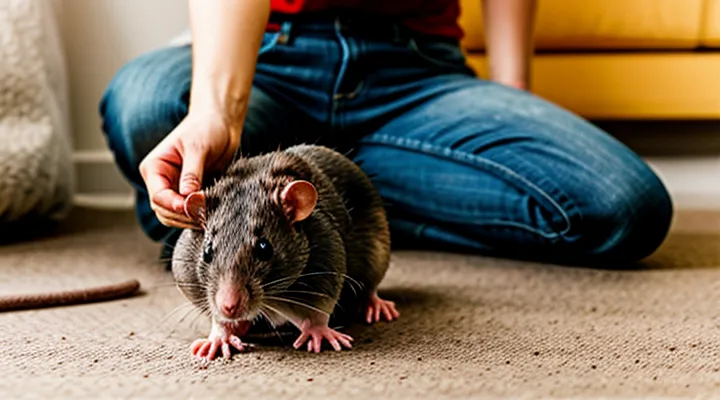
Understanding Rat Behavior and Temperament
Recognizing Your Rat's Personality
Observing a rat’s individual temperament provides the foundation for effective hand‑handling. Each rat displays a distinct mix of curiosity, boldness, and social inclination, which can be identified through consistent interaction and environmental cues.
First, note the animal’s response to new stimuli. A rat that approaches a novel object or enclosure promptly demonstrates high exploratory drive, indicating confidence and a readiness for close contact. Conversely, prolonged retreat or freezing suggests caution and a need for gradual exposure.
Second, assess social behavior toward conspecifics and humans. Rats that initiate grooming or sit beside a handler exhibit affiliative tendencies, while those that keep distance and display defensive postures—such as raised hair or rapid foot thumping—prefer limited physical interaction.
Third, evaluate activity patterns. Frequent, energetic movement across the cage, frequent climbing, and frequent use of enrichment items signal a proactive personality. A rat that remains largely stationary, prefers hidden corners, and engages minimally with toys reflects a more passive disposition.
Applying these observations to handling techniques:
- For confident, exploratory rats, introduce brief, gentle lifts and brief periods of palm support, increasing duration as the animal remains calm.
- For cautious or defensive individuals, begin with hand‑presence only: place the hand near the cage, allow sniffing, then offer a treat without direct contact. Progress to light touches on the back, extending to the chest once the rat shows relaxed posture.
- For highly social rats, incorporate regular petting sessions and brief hand‑holding intervals, reinforcing with positive reinforcement such as treats.
- For passive rats, limit handling to short sessions, focusing on calm voice tones and slow movements, extending time only when the rat exhibits relaxed breathing and lack of escape attempts.
Consistent documentation of these behavioral markers—response latency, proximity preference, and activity level—enables precise adjustment of handling strategies, fostering trust and reducing stress for both rat and caretaker.
Common Rat Behaviors During Taming
Rats display a predictable set of actions while they adjust to being held, and recognizing these signals streamlines the conditioning process.
- Exploratory sniffing – the animal investigates hands with rapid, short sniffs, indicating curiosity but not yet trust.
- Cheek pouch loading – food or objects are collected in the cheeks; this reflects a focus on foraging rather than social interaction.
- Freezing or stillness – the rat remains motionless, ears flattened, a defensive posture that precedes either escape or acceptance.
- Gentle nibbling – light bites on fingers signal curiosity combined with a testing of boundaries; they are not aggressive.
- Vocalizations – soft squeaks or chirps occur during close contact, serving as feedback on comfort level.
- Tail wrapping – the tail may coil around the handler’s hand, demonstrating increasing confidence and willingness to stay attached.
When a rat exhibits sniffing or cheek loading, maintain a calm presence and limit direct contact until the animal relaxes. A sudden freeze warrants a pause; avoid sudden movements that could reinforce fear. Light nibbling should be met with a gentle verbal cue and a brief withdrawal of the hand to teach bite inhibition. Positive reinforcement—treats delivered after vocalizations or tail wrapping—strengthens the association between hand handling and safety.
Consistent observation of these behaviors, paired with measured responses, accelerates the transition from tentative investigation to steady, voluntary hand-holding.
Creating a Safe and Comfortable Environment
A secure and comfortable setting is the foundation for successful hand interaction with a pet rat. The enclosure must provide adequate space, stable temperature, proper ventilation, and easy access for cleaning. Choose a cage that measures at least 24 × 18 × 18 inches, with solid flooring covered by absorbent, dust‑free bedding such as shredded paper or aspen shavings. Replace bedding weekly to prevent odor buildup and maintain hygiene.
- Hideaways: Supply multiple closed shelters and tunnels to reduce stress and encourage natural exploration.
- Temperature: Keep ambient temperature between 68–75 °F; avoid drafts and direct sunlight.
- Lighting: Provide a consistent light cycle of 12 hours, using low‑intensity bulbs to mimic daylight.
- Water and Food: Offer fresh water in a spill‑proof bottle and place food dishes on a stable platform to prevent tipping.
- Enrichment: Add chew toys, climbing ropes, and foraging opportunities to stimulate mental activity.
Designate a quiet, well‑lit area for handling sessions. Place a soft, non‑slip mat on a stable surface, and ensure the rat can retreat to a familiar hideout nearby. Clean the handling space before each session to remove lingering scents that could cause anxiety. By maintaining these conditions, the rat will feel safe, facilitating gradual trust and reliable hand‑taming progress.
Preparing for Hand Taming
Essential Supplies for Taming
Treats and Rewards
Treats and rewards serve as the primary mechanism for encouraging a pet rat to accept hand contact. Positive reinforcement creates a clear association between the handler’s presence and a pleasant outcome, accelerating the animal’s willingness to approach and remain still.
Key considerations when choosing treats:
- Small, soft pieces that fit easily in a rat’s mouth (e.g., bits of banana, raisins, or commercial rodent treats).
- High‑value items that the individual rat prefers, identified through observation.
- Nutritionally balanced options to prevent excessive weight gain during training sessions.
Effective delivery requires precise timing. Present the treat the instant the rat makes contact with the hand, such as when it climbs onto a fingertip or allows gentle stroking. Consistent, immediate reinforcement strengthens the desired behavior. Gradually increase the interval between treats while maintaining occasional rewards to prevent extinction.
Transitioning from constant treats to intermittent reinforcement solidifies the learned response. Introduce variable‑ratio schedules, where rewards appear after an unpredictable number of successful interactions, ensuring the rat remains motivated without reliance on continuous food incentives.
Play Area Setup
A suitable play area provides the safe space a pet rat needs to explore, exercise, and become comfortable with human contact. Choose a low‑profile enclosure that allows easy access from all sides; a plastic storage bin with a secure lid works well. Ensure the bottom is lined with a thin layer of paper bedding, which can be replaced frequently to maintain hygiene.
Include a variety of enrichment items that encourage natural behaviors while keeping the rat within reach. Recommended objects are:
- A wooden chew block to satisfy dental needs.
- A small tunnel or PVC pipe for hiding and crawling.
- A climbing ladder or rope for vertical movement.
- A few sturdy toys, such as plastic beads or wooden balls, that can be moved by the rat’s paws.
Position the play area on a stable, non‑slippery surface near the handler’s regular work zone. This placement allows the rat to observe human activity without feeling threatened. Keep the space free of cords, sharp edges, and heavy objects that could fall if the rat jumps.
Lighting should be gentle and consistent; a dimmable lamp set to a warm hue reduces stress and mimics natural conditions. Provide a water bottle and a small dish of fresh food within the enclosure, but place them away from the central activity zone to prevent clutter.
Regularly rotate toys and rearrange the layout every few days. Variation prevents boredom and encourages the rat to investigate new sections, increasing confidence when approached by hands. Monitoring the rat’s behavior during each session helps identify preferred areas and adjust the setup for optimal interaction.
Establishing a Routine
Establishing a consistent routine is essential for building trust and reducing stress during hand‑handling sessions with a pet rat. Regular timing signals safety, allowing the animal to anticipate interaction and respond predictably.
Begin each session with the same sequence of actions. This predictability conditions the rat to associate specific cues with gentle handling.
- Choose a fixed time of day, preferably when the rat is most active (early evening).
- Prepare a quiet, low‑traffic area free of sudden noises.
- Approach the cage calmly, speak softly, and allow the rat to sniff your hand before any contact.
- Offer a small treat to reinforce positive association, then gently scoop the rat using both hands.
- Hold the rat for a brief period (15–30 seconds) while monitoring its body language; release it promptly if signs of tension appear.
- Conclude with a treat and return the rat to its enclosure, maintaining the same order of steps.
Repeating this pattern daily creates a mental map for the rat, accelerating habituation to human touch. Adjust the duration gradually as confidence grows, but never deviate from the core sequence. Consistency, rather than frequency, drives progress in hand‑handling proficiency.
Building Initial Trust
Establishing trust is the first requirement for safe hand interaction with a pet rat. A rat that feels secure will allow gentle contact without stress.
Create a predictable environment: keep lighting, temperature, and feeding schedule constant. Approach the cage calmly, avoid sudden movements, and speak in a low, steady tone.
- Offer favorite treats directly from an open palm, allowing the rat to take the food voluntarily.
- Keep the hand near the cage for a few seconds, then withdraw without pressure; repeat several times a day.
- When the rat approaches, let it sniff the fingertips before attempting to lift.
- Gradually increase the duration of brief holds, supporting the body with both hands.
- Watch for signs of relaxation, such as a flat tail, relaxed whiskers, and steady breathing; cease the session if the rat shows signs of tension.
Repeat short sessions daily. Consistency reinforces the rat’s expectation that human contact equals reward, not threat. Over weeks, the animal’s willingness to enter the hand indicates that the trust foundation is solid, paving the way for confident handling.
The Hand Taming Process
Step 1: Gentle Introduction
Scent Familiarization
Scent familiarization accelerates a rat’s acceptance of human contact. Introduce a neutral, clean scent on your hands before each interaction; this reduces the animal’s perception of threat and creates a predictable olfactory cue associated with safety.
- Wash hands with unscented soap, dry thoroughly, and apply a thin layer of a mild, natural oil (e.g., almond or coconut) that the rat has not encountered before.
- Allow the rat to sniff the treated hand without attempting to touch it. Observe calm breathing and relaxed posture as indicators of reduced stress.
- Repeat the exposure daily, gradually decreasing the distance between the rat’s nose and your hand until the animal willingly approaches for petting.
Consistent olfactory conditioning complements visual and tactile training, establishing a reliable framework for hand handling. Regular reinforcement maintains the rat’s confidence and minimizes regression during subsequent sessions.
Voice Acclimatization
Voice acclimatization prepares a rat for calm interaction during hand‑handling sessions. Rats hear a wide frequency range and associate consistent vocal tones with safety. Introducing a soft, steady voice early reduces startle responses and builds trust.
Begin with brief, low‑volume utterances while the rat is in its enclosure. Speak for no more than ten seconds, repeat the same phrase each time. Observe the animal’s posture; relaxed ears and steady breathing indicate acceptance. If the rat flinches, lower the volume or pause until calm resumes.
- Choose a single word or short phrase (e.g., “good rat”) and repeat it at each feeding or cage cleaning.
- Maintain the same pitch and rhythm; variability can cause confusion.
- Pair the vocal cue with a gentle hand approach, allowing the rat to investigate at its own pace.
- Limit sessions to five minutes; extend only after the rat shows no signs of stress.
Consistency reinforces the association between voice and gentle handling. Over weeks, the rat will anticipate human contact when hearing the familiar tone, resulting in smoother transitions to direct hand‑holding. Regular reinforcement—daily during routine care—keeps the acclimatization effective.
Step 2: Offering Treats
Approaching with Treats
Treats serve as the primary incentive for a rat to associate human presence with positive outcomes. Choose foods that are safe, highly palatable, and easy to handle, such as small pieces of unsalted peanut butter, soft fruit cubes, or commercially formulated rodent treats. Avoid sugary or salty snacks that can cause health issues.
When introducing treats, follow a consistent routine:
- Place a single treat on the palm of an open hand, keeping the fingers relaxed and slightly curled.
- Hold the hand steady at the rat’s eye level, allowing the animal to sniff and approach voluntarily.
- If the rat hesitates, wait a few seconds before gently moving the treat closer to the mouth, never forcing contact.
- Reward any forward movement or nibble with an additional treat, reinforcing the behavior.
- Gradually reduce the distance between the hand and the rat’s cage over several sessions, maintaining the same treat‑based cue.
Timing matters; offer the treat when the rat is calm, typically after a brief period of quiet observation. Limit each session to a few minutes to prevent overstimulation. Consistent use of the same treat type helps the rat recognize the cue quickly, accelerating the transition to comfortable hand handling.
Hand-Feeding Techniques
Hand‑feeding a pet rat establishes a reliable food source while reinforcing trust. Begin with a quiet environment; sudden noises or movements can cause the animal to retreat. Offer small pieces of soft food—such as finely diced fruit, cooked vegetables, or commercial rat treats—directly from the fingertips. Hold the hand steady, palm up, and keep the fingers slightly apart to give the rat a clear target.
- Preparation – Use a clean hand, wash with mild soap, and dry thoroughly. Warm the food to room temperature; cold items may be rejected.
- Presentation – Place a single bite on the thumb or index finger. Allow the rat to sniff before attempting to take the morsel.
- Timing – Feed at consistent intervals, preferably twice daily, to create a predictable schedule.
- Progression – Start with the rat standing on a flat surface. Once comfortable, gradually lower the hand toward the cage floor, encouraging the rat to climb onto the palm.
- Observation – Watch for signs of stress: rapid breathing, tail whipping, or attempts to flee. Pause feeding if these appear, then resume after a brief rest.
Gradual increase in portion size and reduction of hand support help the rat transition from brief nibbling to longer handling sessions. Clean any spilled food promptly to prevent bacterial growth. Consistent hand‑feeding, paired with calm interaction, accelerates the rat’s willingness to accept direct contact, laying the groundwork for further training and handling.
Step 3: Encouraging Contact
Gradual Touching
Gradual touching builds trust between a rat and its caretaker. Begin with brief, light contact that does not exceed a few seconds. Observe the animal’s posture; relaxed ears and a steady breathing pattern indicate comfort. If the rat recoils, pause and retreat to a neutral distance before attempting again.
- Day 1‑2: Place a hand near the cage entrance without making contact. Allow the rat to approach voluntarily.
- Day 3‑4: Gently rest a fingertip on the rat’s back for one to two seconds, then withdraw promptly.
- Day 5‑7: Increase contact time to five seconds, extending the touch to the flank or head if the rat remains calm.
- Week 2 onward: Progress to holding the rat briefly in the palm, supporting the hindquarters, and offering a treat as reinforcement.
Consistency matters; repeat the sequence at the same time each day. Reduce sudden movements and maintain a steady, low voice to minimize stress. Successful gradual touching leads to a rat that accepts extended handling without defensive behavior.
Short Petting Sessions
Short petting sessions provide a controlled way for a rat to associate human contact with safety. Brief, consistent interactions reduce stress and encourage the animal to seek out the hand for comfort.
Guidelines for effective short petting:
- Limit each session to 2–3 minutes, especially during the early stages of training.
- Conduct sessions 2–3 times daily, spacing them evenly to avoid fatigue.
- Choose a quiet area free of sudden noises or movements.
- Approach the rat calmly, allowing it to sniff your hand before gentle strokes.
- Use a light, steady motion across the back and sides; avoid the head and tail until the rat shows relaxed behavior.
- Observe body language: relaxed posture, grooming, or quiet breathing indicate acceptance; rapid movements or vocalizations suggest discomfort.
Gradually extend the duration as the rat remains calm, aiming for longer handling periods without signs of stress. Consistency in timing, environment, and technique reinforces trust and accelerates the transition to confident hand handling.
Step 4: Introducing Lifting
Supported Lifts
Supported lifts are essential tools when conditioning a pet rat for safe hand interaction. They provide a stable platform that encourages the animal to step onto a surface without fear, facilitating gradual desensitization to human presence.
A typical lift system includes:
- A low‑profile platform placed near the cage opening, allowing the rat to approach from a familiar environment.
- Adjustable height steps that can be raised as the animal gains confidence, ensuring a smooth transition from floor to hand.
- Non‑slip surface material, such as textured silicone, which prevents accidental slips and reinforces the rat’s sense of security.
When introducing a lift, follow a progressive routine:
- Position the lift within the rat’s routine area and leave it unattended for several minutes to allow exploration.
- Place a small treat on the platform to create a positive association.
- Gradually reduce the distance between the lift and the hand, offering gentle encouragement without forcing the rat onto the lift.
- Increase the lift’s height only after the rat consistently steps onto the platform without hesitation.
Consistent use of supported lifts reduces stress responses, improves the rat’s willingness to climb, and ultimately streamlines the hand‑handling process. The combination of stable surfaces, incremental height adjustments, and positive reinforcement creates a reliable framework for effective rat taming.
Brief Holds
Brief holds are short, controlled contacts that introduce a rat to being restrained without causing stress. The goal is to build confidence in both animal and handler while maintaining safety.
During a brief hold, the handler supports the rat’s body with one hand while the other hand gently stabilizes the head or forelimbs. The hold should last no longer than a few seconds, followed by immediate release and a reward such as a treat or gentle petting.
Key elements of an effective brief hold:
- Position the hand under the rat’s chest, fingers spread to distribute pressure evenly.
- Use the opposite hand to cup the tail base, preventing sudden movements.
- Keep the rat’s spine aligned; avoid squeezing the ribcage.
- Observe the animal’s posture: relaxed ears, calm breathing indicate acceptance.
- Release promptly if signs of tension appear, then offer a positive reinforcement.
Progression follows a predictable pattern. Begin with a single brief hold per session, gradually increasing frequency as the rat shows tolerance. After several successful attempts, extend the duration by one to two seconds each session. Once the rat remains relaxed for 10–15 seconds, transition to longer, more comprehensive handling exercises.
Safety considerations include washing hands before and after each interaction, trimming nails to reduce accidental scratches, and ensuring the work surface is non‑slippery. Maintain a calm environment; sudden noises or movements can trigger a defensive response.
Consistent practice of brief holds establishes a foundation for more advanced handling, such as grooming or health checks, and reduces the likelihood of fearful behavior during routine care.
Step 5: Increasing Handling Time
Increasing the duration of hand contact is essential for a confident rat. Begin each session with a calm environment; eliminate sudden noises and bright lights. Place the rat on a secure, non‑slippery surface and allow it to explore the space before reaching for it. Extend the time the rat spends on your palm or in your cupped hand by a few seconds each day, never exceeding the animal’s tolerance.
Key practices for extending handling periods:
- Gradual extension – add 5‑10 seconds to each session once the rat remains relaxed for the previous length.
- Consistent timing – conduct sessions at the same time each day to create a predictable routine.
- Positive reinforcement – offer a small treat immediately after the rat stays on your hand for the target duration.
- Observation – watch for signs of stress (rapid breathing, attempts to escape) and reduce the time accordingly.
- Comfortable posture – keep your hand steady, fingers gently curved, and avoid gripping.
Maintain records of session lengths and rat responses. Over weeks, the accumulated exposure builds tolerance, enabling the rat to stay in hand for several minutes without agitation. This progressive approach ensures steady improvement while preserving the animal’s well‑being.
Troubleshooting and Advanced Tips
Dealing with Biting and Nipping
Understanding the Cause
Understanding why a pet rat resists hand handling is essential for successful training. Rats react to specific stimuli that trigger fear, stress, or discomfort. Recognizing these triggers allows the handler to modify the environment and approach, reducing anxiety and encouraging cooperation.
Common triggers include:
- Sudden movements or loud noises that startle the animal.
- Inadequate acclimation to the handler’s scent and presence.
- Improper grip that creates pain or restricts breathing.
- Lack of safe retreat options, causing a sense of entrapment.
- Inconsistent handling schedules that prevent predictability.
Observation of the rat’s body language provides reliable clues. Flattened ears, rapid breathing, whisker tension, and attempts to flee indicate heightened stress. Monitoring these signals during each interaction helps identify which trigger is active at any moment.
To address the identified cause, follow a systematic protocol:
- Introduce the handler’s scent gradually by placing a cloth with the handler’s scent in the cage for several days.
- Move slowly, maintaining a low, steady voice to avoid startling the rat.
- Offer a secure, open palm rather than a closed fist, allowing the rat to step onto the hand voluntarily.
- Ensure a clear escape route by leaving a gap in the cage wall or providing a small tunnel.
- Keep handling sessions brief (2‑3 minutes) and increase duration only after the rat shows relaxed behavior.
By isolating and eliminating the specific stressors, the rat learns that human contact is safe, paving the way for calm, repeatable hand handling.
Safe Correction Methods
Effective correction of undesirable behavior in a pet rat requires methods that preserve trust and avoid injury. The following techniques address common issues such as biting, jumping, or refusal to be handled.
- Gentle redirection – When the rat attempts to bite, calmly move its attention to a chewable toy or a safe object. Immediate substitution prevents reinforcement of the aggressive act.
- Brief time‑out – Place the rat in a quiet, secure container for 30–60 seconds after a repeated offense. The short isolation signals that the behavior ends the interaction without causing stress.
- Removal of reward – Discontinue offering treats or petting the moment the rat exhibits the unwanted action. Consistency teaches that the behavior eliminates positive outcomes.
- Clear verbal cue – Use a short, distinct word such as “no” or “stop” in a calm tone each time the rat misbehaves. Pair the cue with the corrective action so the animal learns the association.
- Physical restraint only when necessary – If a rat tries to escape during correction, gently guide it into a cupped hand without squeezing. Support the body to prevent injury and maintain a sense of security.
- Environmental adjustment – Eliminate stimuli that trigger the problem behavior, such as overly bright lights or noisy surroundings, before attempting correction.
Each method relies on consistency, timing, and minimal stress. Applying these strategies fosters cooperative hand handling while safeguarding the rat’s well‑being.
Addressing Fear and Anxiety
Patience and Consistency
Patience and consistency form the foundation of successful hand‑handling training for a pet rat. A rat learns to trust human contact through repeated, calm interactions; abrupt or irregular sessions create anxiety and impede progress.
- Offer treats at the same time each day, extending the duration of hand contact gradually.
- Begin with brief, gentle strokes; increase the length of each session only after the rat shows relaxed behavior.
- Maintain a quiet environment; eliminate sudden noises or movements that could startle the animal.
- Record the time and type of each interaction to identify patterns that produce the most positive responses.
Consistent routines reinforce the rat’s expectation that human touch is safe and rewarding. Patience prevents frustration: if a rat withdraws, pause and resume only after it resumes calm activity. Over time, the animal associates the handler’s hand with predictability and comfort, resulting in confident, voluntary handling.
Creating Positive Associations
Establishing positive associations is the cornerstone of encouraging a rat to accept hand contact. Pair every gentle touch with a highly valued reward, such as a small piece of fresh fruit or a favorite seed blend. The rat learns to link the presence of a human hand with a predictable, pleasant outcome, which reduces fear and increases willingness to be handled.
Consistent timing reinforces the connection. Offer the treat immediately after the hand makes contact, then withdraw the hand slowly while the rat continues to eat. This sequence teaches the animal that proximity to the hand leads directly to a benefit, creating a reliable expectation.
Use a calm, steady voice during each interaction. The sound of a familiar tone becomes an additional cue that the experience is safe. Repeating the same vocal pattern each session helps the rat differentiate handling from unexpected stimuli.
Gradual exposure expands the association:
- Start with brief, fingertip touches while the rat is perched on a secure surface.
- Progress to allowing the rat to climb onto the palm for a few seconds.
- Extend the duration of hand contact as the rat shows comfort, always ending with a treat.
Monitor body language closely. Signs of relaxation—such as a loose posture, whisker forward movement, and slow breathing—indicate that the rat perceives the hand as a source of positive reinforcement. Adjust the length and intensity of each session to maintain this state.
By systematically linking gentle handling with immediate, valued rewards, the rat develops a lasting, positive perception of human touch, facilitating smooth and confident hand interaction.
Maintaining a Strong Bond
Continued Interaction
Consistent, low‑stress contact solidifies the bond between a rat and its caregiver. Daily short sessions, lasting no more than five minutes, keep the animal accustomed to human presence without overwhelming its nervous system.
- Begin each meeting with a gentle voice and slow movements; the rat should be allowed to approach the hand voluntarily.
- Offer a favorite treat directly from the palm to associate the hand with positive outcomes.
- Gradually increase the duration of handling as the rat shows relaxed posture and normal grooming behavior.
- Rotate the hand used for interaction every few days to prevent the animal from developing a preference that limits overall adaptability.
Monitor the rat’s physiological signals: flattened ears, rapid breathing, or attempts to flee indicate stress and require a pause in the session. Resume interaction only after the animal resumes normal activity in its enclosure.
Maintain a regular schedule; missing several days disrupts the established routine and can reset progress. Even brief, predictable encounters preserve familiarity and reinforce trust, ensuring the rat remains comfortable with hand handling over the long term.
Play and Enrichment Activities
Pet rats thrive when provided with varied stimulation that encourages natural behaviors and builds confidence in human contact. Regular play sessions create predictable routines, allowing the animal to associate handling with positive experiences. Consistency reduces stress and promotes willingness to be held.
Effective enrichment options include:
- Tunnel systems: Plastic or cardboard tunnels mimic burrows, encouraging exploration and gentle chewing.
- Climbing structures: Wooden ladders, branches, or rope nets develop agility and provide elevated viewpoints.
- Puzzle feeders: Devices that release food only after manipulation stimulate problem‑solving and prolong feeding time.
- Interactive toys: Small balls, bells, or chewable cylinders keep the rat engaged and allow for brief hand‑held play.
- Sensory objects: Textured fabrics, safe aromatics, or gentle music introduce novel stimuli without overwhelming the animal.
During each session, allow the rat to approach the hand voluntarily. Offer a treat from the fingertips, then guide the animal onto the palm for a brief hold. Gradually increase the duration of contact, maintaining a calm voice and steady movements. Rotate enrichment items weekly to prevent habituation and reinforce curiosity.
Monitoring behavior provides feedback on progress. Signs of relaxation—purring vocalizations, relaxed posture, and grooming—indicate readiness for longer handling periods. Conversely, rapid retreat, vocal distress, or aggressive nibbling suggest the need to reduce intensity and revisit basic trust‑building steps.