
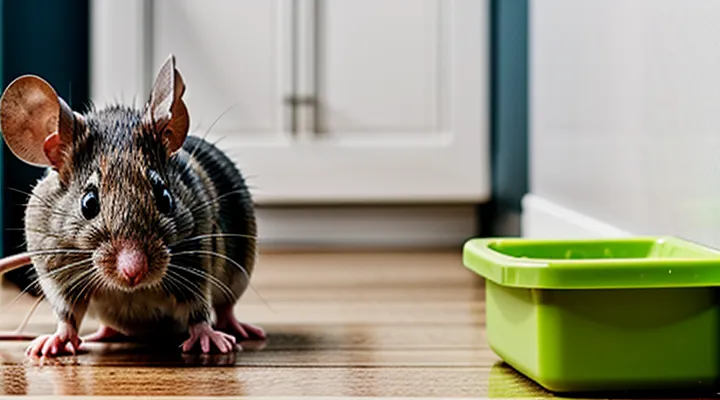
Understanding Your New Mouse
Mouse Behavior and Psychology
Signs of Stress in Mice
Recognizing stress in a pet mouse is essential for effective handling and well‑being.
Common indicators appear in behavior, physical appearance, and vocal output.
- Reduced activity: prolonged hiding, reluctance to explore, or sudden immobility.
- Excessive grooming: frantic fur ruffling, loss of coat sheen, or bald patches.
- Postural changes: hunched back, tucked tail, or stiff, rigid stance.
- Altered eating and drinking: noticeable decline in food intake or water consumption.
- Respiratory signs: rapid, shallow breathing or audible wheezing.
- Vocalizations: high‑pitched squeaks or continuous chirping beyond normal communication.
- Aggressive responses: biting, lunging, or defensive lunges when approached.
Monitoring these signs allows timely intervention, such as adjusting cage conditions, limiting handling frequency, or consulting a veterinarian, thereby supporting a calmer, more cooperative mouse.
Recognizing Happy Mouse Behavior
Recognizing a content mouse is essential for effective home care and taming. Visible signs of well‑being allow owners to adjust handling, diet, and environment with confidence.
Physical indicators of happiness include:
- Body relaxed, limbs loosely extended rather than curled tight.
- Fur smooth, free of patches or excessive grooming marks.
- Eyes bright, pupils normal size, no lingering squint.
- Tail held steady, not twitching erratically.
Behavioral cues reflect a positive mood:
- Regular self‑grooming, indicating comfort rather than stress‑induced fur loss.
- Exploration of the enclosure, climbing, and burrowing without hesitation.
- Interaction with humans or cage mates, such as gentle nibbling or brief contact.
- Soft chirps or purring sounds, contrasted with high‑pitched alarm cries.
Environmental responses provide additional confirmation. A mouse that consistently uses enrichment items—running wheels, tunnels, nesting material—and maintains a regular activity pattern demonstrates adaptation to its surroundings. Sudden changes in these patterns often signal discomfort.
Practical steps for caretakers:
- Observe daily for the listed physical and behavioral markers.
- Record deviations; minor fluctuations are normal, persistent changes require habitat adjustment.
- Provide consistent feeding schedule, fresh water, and safe chewable objects.
- Limit loud noises and sudden movements that can provoke fear responses.
By monitoring these explicit signs, owners can ensure a mouse remains calm, engaged, and receptive to taming efforts.
Creating a Safe and Stimulating Environment
Cage Setup Essentials
Appropriate Cage Size and Materials
A mouse requires a cage that permits natural movement while preventing escape. Minimum dimensions are 12 inches long, 6 inches wide, and 6 inches high for a single adult; each additional mouse adds at least 6 inches of floor space. A floor area of 120 sq inches per mouse provides sufficient room for climbing, nesting, and exercise.
Materials affect durability, hygiene, and comfort. Metal wire with a spacing of ½ inch or less blocks claws and prevents chewing through the enclosure. Acrylic or polycarbonate panels offer visibility and are easy to clean but must be reinforced to avoid breakage. Wooden frames provide a natural aesthetic; only untreated, non‑toxic wood should be used, and all surfaces must be sealed with a mouse‑safe varnish to prevent splintering.
When selecting a cage, consider the following criteria:
- Ventilation: At least 50 % of the cage surface should be open mesh to ensure airflow.
- Security: Latches must lock securely; a single loose hinge can result in escape.
- Ease of access: Doors or top openings large enough for hand cleaning simplify maintenance.
- Safety: No sharp edges, loose wires, or toxic coatings.
Proper sizing and material choice create a stable environment that supports taming efforts and promotes the mouse’s health.
Bedding and Substrate Choices
Choose bedding that minimizes dust and odor while providing absorbency. Paper‑based products, such as shredded paper or compressed paper sheets, offer low dust levels, easy cleaning, and are safe if ingested. Aspen shavings present a natural scent, moderate absorbency, and low aromatic oils, making them suitable for rodents sensitive to strong odors. Coconut fiber (coir) supplies excellent moisture retention and a soft surface but can become moldy if not changed regularly; it also produces more particulate matter than paper.
When selecting substrate, consider the following criteria:
- Dust content: low‑dust materials reduce respiratory irritation.
- Absorbency: high absorbency decreases the frequency of complete cage changes.
- Chemical safety: avoid cedar or pine, which contain phenols harmful to small mammals.
- Replacement interval: materials that retain moisture longer require weekly full changes; highly absorbent substrates may extend this to bi‑weekly.
Implement a layered approach for optimal hygiene. Place a thin layer of paper bedding at the bottom to capture waste, then add a secondary layer of aspen shavings for enrichment. Change the bottom layer completely each week; spot‑clean the top layer daily to remove visible droppings and food debris.
Monitor the enclosure for signs of excessive moisture, foul smell, or increased rodent scratching. Adjust substrate thickness or switch to a different material if any of these indicators appear. Consistent substrate management supports a calm, healthy mouse and reinforces taming efforts through a stable, comfortable environment.
Hiding Spots and Enrichment Toys
Providing secure hideaways reduces stress and encourages natural foraging behavior. Small, enclosed spaces mimic burrows and allow the mouse to retreat when frightened. Effective options include:
- A wooden house with multiple chambers and a removable roof for cleaning.
- A PVC pipe cut to length, capped at both ends, with interior bedding.
- A cardboard box folded into a tunnel, reinforced with tape.
- A stack of stacked tissue paper rolls, spaced to create gaps.
Enrichment toys stimulate curiosity and prevent repetitive movements that can lead to health issues. Choose items that promote climbing, chewing, and problem‑solving:
- Ladder or rope attached to the cage wall for vertical navigation.
- Chewable blocks made from untreated wood or compressed hay, refreshed regularly.
- Puzzle feeder containing seed mix, requiring the mouse to manipulate a sliding door.
- Small mirrors or reflective surfaces that attract attention without causing injury.
Rotate hideaways and toys weekly to maintain novelty. Clean all accessories with mild, unscented soap and rinse thoroughly before returning them to the enclosure. Monitoring the mouse’s interaction will reveal preferences and guide future selections.
Nutrition for a Healthy Mouse
Balanced Diet Recommendations
A well‑balanced diet is essential for a domesticated mouse’s health, behavior, and ability to respond to training. Nutrient‑rich food supports energy levels, muscle development, and cognitive function, all of which facilitate effective taming and handling.
Base nutrition should consist of a high‑quality commercial mouse pellet or mash formulated for small rodents. These products deliver precise ratios of protein (14‑18 %), fat (4‑6 %), fiber (5‑7 %), and essential vitamins and minerals. Consistency in the primary feed prevents nutritional gaps and reduces the risk of obesity or deficiencies.
Supplementary foods add variety and additional nutrients. Include the following items in limited quantities:
- Fresh vegetables: carrot slices, broccoli florets, kale leaves (wash thoroughly, remove uneaten pieces within two hours).
- Fresh fruits: apple wedges, blueberries, banana slices (offer no more than one teaspoon per day to avoid excess sugar).
- Protein treats: boiled egg white, mealworm larvae, low‑fat cottage cheese (limit to two small pieces weekly).
- Calcium source: crushed oyster shell or a small piece of plain, unsalted cheese (once or twice weekly).
Water must be available at all times, provided in a clean, tip‑free bottle to prevent contamination. Replace the water daily and clean the bottle weekly with mild detergent and rinsing.
Monitor the mouse’s intake and body condition. A healthy mouse maintains a sleek coat, bright eyes, and a steady weight appropriate for its age and strain. Adjust portion sizes if the animal shows signs of weight loss, excessive weight gain, or reduced activity.
Regularly rotate fresh foods to prevent dietary boredom and to expose the mouse to a broader spectrum of micronutrients. Record any adverse reactions, such as diarrhea or reduced appetite, and discontinue the offending item immediately.
Treats and Supplements
Treats and supplements form a practical component of a mouse‑training program, providing motivation and supporting health while the animal learns to accept human interaction.
Select treats that are palatable, nutritionally appropriate, and easy to handle. Common options include:
- Small pieces of fresh fruit (apple, banana, berries) no larger than a pea.
- Unsalted, unflavored nuts such as almonds or hazelnuts, broken into tiny fragments.
- Commercial rodent treats formulated without added sugars or artificial colors.
- Hard‑cooked egg yolk, diced into 1‑mm cubes.
When offering treats, present only one piece at a time, associate the reward with a specific cue, and limit total daily caloric intake to 5‑10 % of the mouse’s maintenance requirement to prevent obesity.
Supplements address nutritional gaps and reinforce conditioning. Essential additions are:
- Vitamin C powder, 0.1 mg per gram of food, mixed into a small portion of fresh greens.
- Calcium carbonate, 0.2 % of the diet, incorporated into a chewable block to promote dental health.
- Probiotic blend (Lactobacillus spp.), 1 × 10⁸ CFU per day, delivered via a sterile droplet of water.
- Omega‑3 fish oil, 5 µL per day, applied to a treat surface to improve coat condition.
Administer supplements consistently, record the exact amount given, and observe the mouse for any adverse reactions such as changes in stool consistency or reduced activity. Adjust dosages according to weight fluctuations and veterinary guidance.
Safe practice demands fresh water, regular cage cleaning, and storage of treats and supplements in airtight containers away from heat and moisture. Rotate treat varieties weekly to maintain interest and prevent nutritional monotony. Monitoring weight, behavior, and health markers ensures that treats and supplements remain beneficial rather than detrimental.
Fresh Water Access
A domesticated mouse requires constant access to fresh water to maintain hydration, support kidney function, and prevent urinary disorders. Dehydration can quickly lead to lethargy, weight loss, and increased susceptibility to disease, so reliable water provision is a non‑negotiable element of mouse care.
Place a small, stainless‑steel or ceramic water dish on the cage floor, ensuring it is shallow enough for the mouse to reach without risk of drowning. Clean the dish with mild, unscented soap and rinse thoroughly before each refill. Replace the water at least once every 24 hours; more frequent changes are advisable in warm environments or if the cage is heavily soiled.
Alternatively, install a calibrated water bottle with a sipper tube. Align the bottle so the tip rests just above the bedding, preventing contamination from droppings. Check the bottle daily for leaks, blockages, and proper flow. Refill with room‑temperature water, avoiding chilled or hot liquids that could stress the animal.
Best practices for fresh water access
- Use containers made of non‑porous material; avoid plastic bowls that can harbor bacteria.
- Position water sources away from food to discourage spillage and contamination.
- Monitor consumption; a sudden decrease may indicate illness or equipment failure.
- Keep the water source free from bedding, droppings, and chew marks.
- Conduct a weekly deep clean of the cage, replacing all water containers and sanitizing the bottle system.
The Taming Process
Building Trust Gradually
Initial Acclimation Period
The first days after bringing a mouse into a home environment determine the foundation for successful taming. During this initial acclimation period the animal must adjust to new surroundings, establish trust, and recognize basic resources.
Provide a secure enclosure with bedding, hiding spots, a water bottle, and a small amount of familiar food. Keep the cage in a quiet, temperature‑stable area away from sudden noises and bright lights. Allow the mouse to explore undisturbed for 10–15 minutes each day, extending the session as confidence grows.
Limit direct contact for the first 48 hours. When handling becomes necessary, use a gentle scoop motion rather than a grab, supporting the body fully. Observe signs of stress—excessive grooming, freezing, or rapid breathing—and shorten interaction if these appear.
Typical duration of the acclimation stage ranges from three to seven days, depending on the individual’s temperament. Consistency in routine, such as feeding at the same times, reinforces a sense of security and accelerates the transition to active taming.
Gentle Handling Techniques
Gentle handling is essential for building trust with a domestic mouse and reducing stress during training. Approach the animal slowly, keeping movements fluid and avoiding sudden gestures. Position your hand at the mouse’s side rather than directly above, allowing the creature to see the entry point and choose to enter voluntarily.
- Extend a fingertip and pause, letting the mouse sniff before contact.
- Use a light, steady grip that supports the body without constriction; thumb and forefinger should form a shallow cradle.
- Maintain eye level with the mouse to prevent a sense of threat; crouch if necessary.
- Limit handling sessions to five minutes initially, extending duration as the mouse becomes accustomed.
- Observe body language: relaxed ears, calm whisker position, and steady breathing indicate comfort; quick retreats or vocalizations signal the need to pause.
Consistent application of these methods encourages the mouse to associate human interaction with safety, facilitating smoother training and easier care routines.
Scent Familiarization
Scent familiarization provides a reliable pathway for establishing trust with a pet mouse in a home environment. Mice depend heavily on olfactory information; consistent exposure to a specific, non‑threatening scent reduces anxiety and encourages exploratory behavior.
Effective scent conditioning follows a clear sequence. First, select a mild, natural odor such as unscented cotton, dried herbs, or a small amount of unscented baby powder. Second, introduce the chosen scent into the mouse’s cage by placing a scented pad or a few drops on a cotton ball beneath the bedding. Third, allow the mouse to investigate the scented area for several minutes each day, avoiding direct handling during initial exposure. Fourth, combine scent exposure with gentle hand‑feeding or treat offering to link the odor with positive reinforcement.
- Use fresh bedding after each scent rotation to prevent odor buildup.
- Replace scented material every 3–4 days to maintain novelty without overwhelming the animal.
- Observe the mouse’s behavior; reduced freezing and increased grooming indicate successful familiarization.
Regularly alternate between two neutral scents to prevent habituation while preserving the calming effect. Document the scent schedule and behavioral responses to refine the protocol for each individual mouse. This systematic approach integrates olfactory conditioning into everyday care, supporting a smoother transition to handling and long‑term companionship.
Positive Reinforcement
Food Rewards and Association
Food rewards create a reliable link between desired behavior and positive outcome, making them essential for domestic mouse training. Present a small, highly palatable treat immediately after the mouse performs the target action; the brief interval reinforces the connection and encourages repetition.
- Choose foods with strong scent and taste, such as sunflower seeds, mealworms, or tiny pieces of cheese.
- Offer treats no larger than 0.5 cm³ to prevent weight gain and maintain focus on the reward rather than satiation.
- Use a consistent cue word or gentle tap before presenting the treat, establishing a predictable pattern.
- Limit reward frequency to one per successful attempt; overuse dilutes the motivational value.
- Rotate treat varieties every few sessions to sustain interest and avoid habituation.
Timing matters: the reward must follow the behavior within two seconds to ensure the mouse associates the action with the incentive. Avoid feeding the mouse outside training periods, as random food distribution can weaken the specific association. Consistency in reward type, size, and delivery schedule builds a clear, repeatable link, enabling the mouse to learn and respond reliably to cues.
Voice Familiarization
Voice familiarization is a practical tool for establishing trust with a household mouse. Consistent vocal exposure reduces the animal’s stress response, allowing the mouse to recognize the caretaker as a predictable presence. Over time, the mouse associates the specific tone and rhythm of the caretaker’s voice with safety and food availability.
Effective vocal training follows a simple routine:
- Speak in a calm, steady pitch for several minutes each day, preferably during feeding sessions.
- Use the same short phrase or name when offering treats, reinforcing the auditory link.
- Gradually increase the distance between the caretaker and the mouse while maintaining the same vocal pattern.
- Observe the mouse’s reaction; reduced startle movements indicate successful familiarization.
When combined with gentle handling and a stable environment, voice familiarization accelerates the taming process and improves the mouse’s willingness to approach the caregiver. Regular practice ensures the mouse remains responsive to auditory cues, facilitating safer and more predictable interactions in a home setting.
Handling Challenges
Biting and Nipping Behavior
Biting and nipping are defensive responses that domestic mice exhibit when they feel threatened, experience pain, or lack confidence in their environment. The behavior often intensifies during initial handling sessions, after sudden movements, or when the mouse perceives a breach of its personal space.
Typical triggers include:
- Exposure to unfamiliar scents or objects.
- Rough or abrupt handling techniques.
- Overcrowded cages that limit escape routes.
- Undiagnosed health problems such as dental issues or skin irritation.
Effective mitigation relies on gradual habituation, consistent gentle handling, and a stable, enriched habitat. Start by allowing the mouse to explore the hand without direct contact; progress to brief, light touches once the animal shows curiosity rather than alarm. Ensure the cage contains nesting material, chew toys, and climbing structures to reduce stress and provide outlets for natural behaviors.
Practical steps:
- Wash hands with mild, unscented soap before each interaction.
- Approach the cage slowly, keeping movements predictable.
- Offer treats from the fingertips to associate the hand with positive experiences.
- Limit handling sessions to 2–3 minutes initially, extending duration as tolerance improves.
- Conduct regular health checks; address dental overgrowth or skin lesions promptly.
Observe the mouse’s body language during each encounter. A relaxed posture, grooming, or voluntary approach indicates progress, while rapid tail flicks, vocalizations, or attempts to flee suggest the need to retreat and reassess the approach. Consistent application of these measures reduces biting incidents and fosters a cooperative relationship between owner and mouse.
Skittishness and Fear
Skittish behavior and fear are primary obstacles when attempting to domesticate a mouse in a household setting. Mice react instinctively to sudden movements, loud noises, and unfamiliar objects, which triggers a fight‑or‑flight response that hinders trust building.
Reducing fear requires consistent exposure to calm stimuli. Keep the enclosure in a quiet area, away from high‑traffic zones and loud appliances. Limit handling to brief, gentle sessions lasting no more than a few minutes, and increase duration only after the mouse shows relaxed posture—e.g., extended whiskers, calm breathing, and steady grooming.
Effective strategies:
- Gradual desensitization – introduce one new element (e.g., a hand, a tunnel) at a time, allowing several days of observation before adding another.
- Predictable routine – feed and clean the cage at the same times each day to create a stable environment.
- Soft voice – speak in a low, steady tone during interactions; sudden vocalizations amplify stress.
- Secure footing – provide textured surfaces (sandpaper, shredded paper) that prevent slipping, which can cause panic.
- Limited lighting – use dim or indirect light; bright illumination startles rodents.
Monitoring body language offers immediate feedback. A mouse that retreats quickly, freezes, or emits high‑pitched vocalizations is still experiencing heightened anxiety. Adjust handling frequency and environmental variables until signs of calmness dominate.
Consistent application of these measures gradually replaces skittishness with confidence, enabling more cooperative behavior and facilitating successful mouse taming at home.
Daily Care and Health Monitoring
Routine Cleaning and Maintenance
Cage Cleaning Schedule
A consistent cleaning routine prevents odor, disease, and stress for a pet mouse. Follow a structured timetable that balances daily upkeep with deeper weekly and monthly maintenance.
-
Daily:
• Remove uneaten food and replace fresh portions.
• Spot‑clean soiled bedding, discarding any clumps that are damp or contaminated.
• Inspect water bottle for leaks, refill with fresh water, and clean the nozzle if residue appears. -
Weekly:
• Empty the entire cage, discarding all bedding.
• Wash the cage interior with warm water and a mild, non‑toxic detergent; rinse thoroughly to eliminate soap traces.
• Scrub accessories (wheel, tunnels, hideouts) using a brush and the same cleaning solution; rinse and dry before returning them to the cage.
• Re‑line the cage with fresh, appropriate bedding material, ensuring a depth that allows nesting. -
Monthly:
• Disassemble the cage to clean hard‑to‑reach corners and joints.
• Soak metal components in a diluted vinegar solution (1 part vinegar to 4 parts water) for 15 minutes, then scrub to remove mineral buildup.
• Sanitize plastic parts with a diluted hydrogen peroxide solution (3% concentration, 1:10 dilution) for 5 minutes; rinse well to avoid chemical residue.
• Examine the cage for wear, replace damaged parts, and check the wheel for smooth operation.
Adhering to this schedule maintains a hygienic environment, supports the mouse’s health, and reduces the likelihood of aggressive behavior caused by discomfort. Regular observation during each cleaning step also helps identify early signs of illness or injury.
Spot Cleaning and Disinfection
Effective spot cleaning keeps a household mouse calm and reduces disease risk. Begin by identifying areas where the mouse frequently contacts surfaces—food bowls, cage corners, and nearby floor spots. Use a disposable paper towel to remove visible debris before applying a disinfectant.
- Choose an EPA‑registered disinfectant safe for pets; avoid bleach unless diluted to 1 % concentration.
- Apply the product according to label instructions; most require a contact time of 30–60 seconds.
- After the dwell time, wipe the area with a clean, damp cloth to remove residual chemicals.
- Allow the surface to air‑dry completely before allowing the mouse access again.
For accidental spills, act immediately. Blot excess liquid, then follow the same disinfectant protocol. Replace any contaminated bedding or nesting material with fresh, untreated fibers.
Regular spot cleaning, performed daily in high‑traffic zones and weekly in the broader living area, maintains a hygienic environment without disrupting the mouse’s routine.
Health Checks and Common Ailments
Recognizing Signs of Illness
Recognizing illness in a pet mouse prevents suffering and reduces the risk of rapid deterioration. Healthy mice display bright eyes, a clean coat, steady breathing, and normal activity levels. Deviations from these baseline indicators warrant immediate observation.
Common clinical signs include:
- Lethargy or prolonged inactivity
- Ruffled or unkempt fur
- Nasal or ocular discharge
- Labored or audible breathing
- Weight loss exceeding 5 % of body mass in a week
- Unusual aggression or sudden tameness
- Diarrhea or abnormal stool consistency
- Swelling of the abdomen or limbs
When any of these symptoms appear, isolate the mouse to limit stress and potential contagion. Conduct a quick physical check: palpate the abdomen for tenderness, examine the paws for wounds, and assess the temperature by feeling the ear or tail base. Record observations with dates and details to aid veterinary assessment.
Prompt veterinary consultation is essential if symptoms persist beyond 24 hours, if bleeding occurs, or if the mouse exhibits signs of respiratory distress. Early intervention improves outcomes and supports long‑term well‑being.
Basic First Aid for Mice
When a mouse sustains an injury, swift assessment determines the appropriate response. Check respiration, locate bleeding, and identify visible wounds before any treatment begins.
- Apply gentle pressure with a sterile gauze pad to stop bleeding; maintain pressure for 1–2 minutes.
- Rinse the wound using lukewarm saline solution; avoid harsh chemicals that can irritate delicate tissue.
- Dab a thin layer of veterinary‑approved antiseptic (e.g., chlorhexidine) onto the cleaned area; limit application to the immediate wound site.
- Observe the mouse for signs of infection—redness, swelling, discharge, or lethargy—for the next 24–48 hours.
- Contact a small‑animal veterinarian if bleeding persists, the wound enlarges, or systemic symptoms appear.
Due to the mouse’s small size, use fine‑pointed tools such as tweezers with rubber tips and cotton swabs. Maintain a warm environment (approximately 30 °C) during treatment to prevent hypothermia. Limit handling time to reduce stress.
Preventative care reduces the need for emergency intervention. Secure cage bars, provide chew‑resistant accessories, and keep the habitat free of sharp edges. Regular health checks identify minor issues before they develop into serious conditions, supporting successful mouse taming and overall well‑being.
When to Seek Veterinary Care
When a pet mouse shows signs that exceed normal behavioral or health variations, professional veterinary assessment becomes essential. Recognize the following indicators and act promptly:
- Persistent lethargy or inability to move normally.
- Sudden weight loss or failure to gain weight despite adequate feeding.
- Respiratory distress, including rapid breathing, wheezing, or nasal discharge.
- Unexplained bleeding, bruising, or sores that do not heal within 24–48 hours.
- Diarrhea or abnormal stool consistency accompanied by dehydration.
- Excessive scratching, hair loss, or skin lesions suggesting parasites or infection.
- Swelling of the abdomen, limbs, or facial area.
- Changes in eye appearance, such as cloudiness, discharge, or redness.
- Unusual aggression, tremors, or seizures.
If any of these conditions appear, arrange a veterinary visit without delay. Early intervention reduces the risk of complications and supports successful taming and long‑term well‑being.
Socialization and Enrichment
The Importance of Social Interaction
Benefits of Cagemates
Having multiple mice share a cage provides measurable advantages for taming and overall welfare.
- Social interaction reduces anxiety, making mice more receptive to handling.
- Presence of peers encourages natural behaviors such as grooming and nesting, which strengthen motor skills needed for gentle contact.
- Group living lowers the incidence of stereotypic actions, decreasing stress‑related health issues.
- Mice learn from each other; an experienced individual can demonstrate calm responses that novices imitate, accelerating the taming process.
- Shared enrichment objects distribute wear, prolonging their usefulness and maintaining a stimulating environment.
- Cohabitation supports immune function by reducing isolation‑induced cortisol spikes, leading to fewer illnesses that could interrupt training routines.
Introducing New Mice
Introducing a new mouse into an established household requires careful planning to prevent stress, aggression, and disease transmission. Proper integration supports the animal’s temperament development and enhances the overall success of taming efforts.
Before the encounter, isolate the newcomer in a clean cage for at least seven days. During this period:
- Provide a balanced diet identical to that of resident mice.
- Observe health indicators: clear eyes, clean fur, normal activity.
- Use a scent‑exchange method, such as swapping bedding, to familiarize both parties with each other’s odor.
When the isolation phase ends, follow a staged introduction:
- Place the cages side by side with a solid barrier, allowing visual and olfactory contact for 24‑48 hours.
- Introduce a neutral enclosure (e.g., a playpen) where both mice can explore together under supervision.
- Limit initial interactions to short intervals (5‑10 minutes), gradually extending the duration as calm behavior persists.
After each session, return the mice to separate cages and monitor for signs of injury, excessive grooming, or vocal distress. If aggression appears, repeat the neutral‑enclosure step and increase the barrier’s length before attempting direct contact again.
Consistent observation, routine health checks, and gradual exposure create an environment where a new mouse adapts smoothly, reinforcing the broader objectives of effective mouse taming and home care.
Interactive Play and Bonding Activities
Supervised Out-of-Cage Time
Supervised out‑of‑cage time is essential for building trust and reducing fear in a pet mouse. During these sessions the animal experiences new stimuli while remaining under direct observation, which prevents accidents and reinforces positive behavior.
Begin each session by clearing the area of small objects that could be swallowed or cause injury. Place a soft, non‑slip mat on the floor to give the mouse secure footing. Keep the space confined to a few square feet so the mouse cannot escape unnoticed.
When the mouse is released, move slowly and keep your hands open and relaxed. Allow the mouse to approach voluntarily; avoid sudden gestures that could trigger a flight response. If the mouse climbs onto your hand, support its body gently but do not grip tightly, as this may cause stress.
Maintain a consistent schedule. Short sessions of 5–10 minutes, repeated several times daily, produce steady progress. Extend the duration gradually only after the mouse shows calm behavior and reliable return to the hand.
Key points for safe supervised out‑of‑cage time:
- Remove hazards (wires, small items, toxic plants).
- Use a textured surface to prevent slipping.
- Limit the area to a manageable size.
- Observe the mouse’s body language; pause if signs of agitation appear.
- Reward calm exploration with a treat placed near the hand.
After each session, return the mouse to its enclosure promptly, check for injuries, and clean the play area. Regular, monitored exposure to a larger space accelerates habituation, encourages natural curiosity, and lays the groundwork for confident handling.
DIY Enrichment Ideas
Providing stimulating environments at home reduces stress and encourages natural behaviors in a pet mouse. Simple, low‑cost projects can be assembled from everyday items, ensuring the animal remains active and engaged.
- Cardboard tunnels: cut a sheet of corrugated cardboard into long strips, roll them into cylinders, and secure with non‑toxic glue. Connect multiple tunnels to create a maze that promotes exploration.
- Chewing blocks: bind untreated wood shavings with a small amount of natural honey, forming compact sticks. Mice gnaw these to maintain dental health while satisfying their instinct to chew.
- Foraging tubes: use empty paper towel rolls, fill them with a handful of seeds or small vegetables, and seal the ends with breathable tape. The mouse must work to extract the food, stimulating problem‑solving abilities.
- Climbing platforms: attach shallow wooden planks to the cage’s side walls with safe brackets. Position them at varying heights to encourage vertical movement.
- Sensory pads: lay a thin layer of sand or shredded paper on a corner of the enclosure. The texture offers tactile stimulation and a safe space for digging.
Rotate each enrichment item every few days to prevent habituation. Clean reusable components with mild soap and water, rinse thoroughly, and dry before returning them to the cage. Regularly inspect all DIY structures for wear or damage, replacing compromised pieces promptly to maintain a safe habitat.