
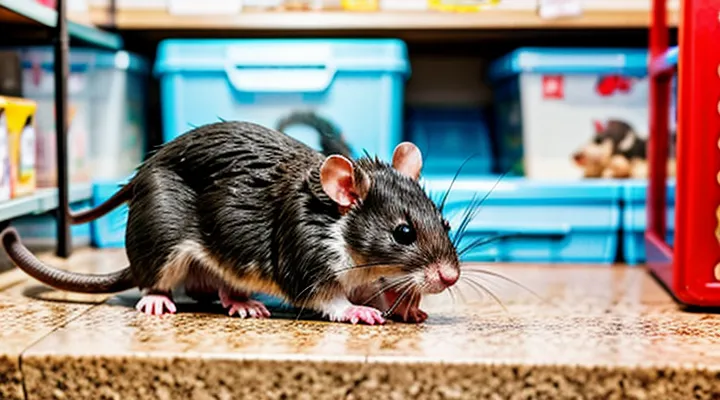
Understanding Your New Pet Rat
Why Pet Store Rats Can Be Fearful
Lack of Early Socialization
Lack of early socialization leaves a female rat vulnerable to fear and defensive biting. Without regular contact with humans and conspecifics during the first weeks of life, the animal fails to develop the confidence needed to explore new environments and accept handling.
Fear manifests as rapid retreat, vocalizations, and attempts to bite when approached. Defensive biting protects a perceived threat and signals that the rat has not learned to trust caretakers. These behaviors hinder any attempt at tameness and can increase stress for both animal and owner.
To mitigate the impact of insufficient early contact, follow a structured approach:
- Begin each session with short, calm introductions; keep hands stationary and allow the rat to approach voluntarily.
- Offer high‑value treats (e.g., small pieces of fruit or seed mix) directly from the fingertips to create positive associations.
- Gradually increase handling time by 30‑second increments each day, focusing on gentle stroking of the back and sides rather than the head or tail, which are more sensitive areas.
- Introduce a safe, enclosed tunnel or hideaway within the cage; place treats inside to encourage exploration and reduce anxiety.
- Provide consistent daily interaction for at least 10‑15 minutes; routine reduces unpredictability and reinforces trust.
« Rats are highly social mammals; early interaction shapes adult behavior » supports the notion that deliberate, patient exposure can reverse fear‑based aggression. Over several weeks, the rat typically shows reduced biting, increased willingness to be held, and a calmer demeanor during routine care. Implementing the above steps restores confidence and facilitates a smoother transition from a fearful pet to a cooperative companion.
Stress of the Pet Store Environment
The pet store environment generates acute stress for a newly acquired female rat. Crowded aisles, bright lighting, and constant human traffic elevate cortisol levels, leading to heightened vigilance and defensive behaviors such as biting. Limited hiding spaces force the animal into visible positions, preventing natural escape responses and reinforcing fear. Temperature fluctuations and unfamiliar scents further destabilize the animal’s physiological balance, reducing appetite and impairing immune function.
Observing stress indicators helps determine the appropriate handling approach. Common signs include rapid breathing, trembling, excessive grooming, and aggressive lunges when approached. A calm rat will display relaxed posture, steady respiration, and willingness to explore a new enclosure.
Mitigation strategies:
- Transfer the rat to a quiet, temperature‑controlled cage within 15 minutes of purchase.
- Provide multiple nesting materials and a concealed shelter to encourage retreat.
- Limit handling sessions to brief, gentle contacts lasting no more than two minutes.
- Introduce a familiar scent, such as a piece of clean cotton cloth, to the new enclosure.
- Maintain consistent lighting cycles (12 hours light, 12 hours dark) to support circadian rhythm.
Implementing these measures reduces the impact of the store’s stressors, facilitating the transition to a stable home environment and decreasing the likelihood of fear‑driven biting.
Natural Rat Defenses
Rats possess several innate defensive mechanisms that become pronounced when they feel threatened or insecure. Recognizing these responses is essential for effective handling and gradual desensitization.
- Sharp incisors: Continuous growth requires regular gnawing; a bite can cause deep puncture wounds. Gentle restraint and offering chewable objects reduce the likelihood of a defensive bite.
- Squeaking vocalizations: High‑frequency sounds signal distress and can trigger heightened alertness in nearby rats. Maintaining a calm environment lowers vocal stress signals.
- Tail flicking and rapid movement: Quick tail motions and sudden darts indicate an attempt to escape. Providing a secure enclosure with multiple escape routes allows controlled exploration without panic.
- Defensive posture: Flattened ears, raised fur, and a stiffened body signal readiness to fight. Observing body language enables timely intervention before escalation.
- Scent marking: Release of urine or glandular secretions marks territory and can intensify anxiety in unfamiliar settings. Regular cleaning of the habitat minimizes lingering odors that reinforce fear.
Understanding these natural defenses informs handling strategies. Gradual exposure, consistent routine, and the provision of appropriate gnawing materials create a safer interaction framework, allowing the animal to transition from defensive reactions to cooperative behavior.
Common Fearful Behaviors
Hiding and Fleeing
When a female rat repeatedly hides or attempts to escape, the behavior signals heightened fear and a defensive response. Recognizing the triggers that cause withdrawal allows the caretaker to intervene effectively.
Key actions to reduce hiding and fleeing:
- Provide a secure, enclosed habitat with multiple hiding spots; ensure each refuge is easily accessible and does not expose the rat to sudden movements.
- Limit loud noises, abrupt gestures, and unfamiliar scents that may startle the animal.
- Introduce handling sessions gradually: start with brief, gentle hand placements near the cage, then progress to brief lifts while supporting the body.
- Use a soft, consistent voice and slow motions to convey safety during interactions.
- Offer high‑value treats (e.g., small pieces of fruit or specialized rat biscuits) directly in the hand to encourage approach and reduce reliance on escape routes.
Monitoring the rat’s body language—flattened ears, rapid breathing, and quick retreats—provides immediate feedback on stress levels. Adjust the environment and handling pace accordingly to foster confidence and diminish the instinct to hide or flee.
Biting as a Defense Mechanism
Biting in female rats frequently reflects an instinctual defense response triggered by perceived danger. When a rat feels threatened, the natural reaction is to protect itself by delivering a bite, which can occur even in animals sourced from pet stores.
The behavior originates from several factors. Fear of an unfamiliar environment, sudden movements, or handling that mimics predatory attack activates the animal’s fight‑or‑flight circuitry. Pain or discomfort caused by improper grip or rough handling also prompts a defensive bite. Additionally, a rat may bite to establish dominance within a limited space, especially when introduced to other rodents or humans without gradual acclimation.
Observable cues often precede a bite. A rat may emit high‑pitched squeaks, flatten its ears, or adopt a rigid, upright posture. Whiskers may be drawn back, and the tail may be raised. Recognizing these signals enables intervention before the bite occurs.
Effective measures to diminish biting include:
- Gradual desensitization: Offer food from the hand, then progress to brief, gentle touches while the rat remains calm.
- Consistent handling routine: Approach the cage from the same direction, use slow movements, and support the body fully to reduce perceived threat.
- Positive reinforcement: Provide a small treat immediately after tolerant behavior to associate handling with reward.
- Environmental enrichment: Supply nesting material, tunnels, and chew objects to lower stress levels and redirect natural gnawing away from humans.
- Health assessment: Verify the absence of pain‑inducing conditions such as dental overgrowth or injuries that could provoke defensive biting.
Sustained application of these practices typically results in reduced aggression, enabling safer interaction and a more cooperative pet. Understanding that biting serves as a protective mechanism, rather than mere misbehavior, guides caregivers toward humane and effective taming strategies.
Freezing and Thrashing
Freezing occurs when a rat perceives a threat and temporarily ceases movement, a natural anti‑predator tactic that can make handling difficult. Thrashing follows the same stress trigger, manifesting as rapid, erratic limb movements that often result in bites. Both reactions signal heightened anxiety and indicate that the animal has not yet formed trust with the caretaker.
Addressing freezing requires gradual exposure to the handler’s presence.
- Place the rat’s cage in a quiet area, allowing visual contact without direct approach.
- Offer small, familiar treats at the cage edge to encourage voluntary movement.
- Introduce a gloved hand for brief, non‑invasive contact, retreating at the first sign of immobility.
Mitigating thrashing focuses on reducing perceived danger and providing a secure grip.
- Use a soft, well‑padded hand or a small towel to envelop the rat, limiting the ability to strike.
- Maintain a calm, steady posture; sudden motions amplify the animal’s fight response.
- Employ short, controlled sessions, ending before the rat exhibits excessive agitation.
Consistent application of these techniques reshapes the rat’s association between human interaction and safety, gradually replacing freezing and thrashing with relaxed exploration and gentle acceptance.
Creating a Safe and Positive Environment
Setting Up the Perfect Habitat
Cage Size and Enrichment
A properly sized cage provides the foundation for a calm, cooperative rat. Minimum dimensions should exceed 30 cm × 45 cm × 30 cm (L × W × H) for a single adult female; larger enclosures reduce stress, allow natural movement, and discourage aggression. Vertical space is essential because rats climb; incorporate sturdy platforms or hammocks positioned at least 15 cm above the floor.
Enrichment items promote exploration and divert biting impulses. Include:
- Solid‑wood chew blocks to satisfy dental needs and reduce oral fixation.
- Hide‑outs such as PVC tunnels or woven baskets, placed in quiet corners to offer security.
- Rope ladders or climbing branches anchored securely, encouraging exercise and confidence.
- Foraging opportunities: scatter small portions of fresh vegetables or pellets within a paper roll to stimulate problem‑solving.
All accessories must be non‑toxic, free of sharp edges, and easy to clean. Regular rotation of enrichment pieces prevents habituation and maintains interest. Cleaning schedule should involve weekly removal of waste, spot‑cleaning of soiled sections daily, and a full cage overhaul every two weeks, using mild, unscented soap and thorough rinsing.
Temperature should remain between 18 °C and 24 °C, with low humidity to avoid respiratory issues. Provide a consistent light‑dark cycle (≈12 hours each) to align with the rat’s nocturnal rhythm, reducing anxiety.
Optimal cage size combined with varied, safe enrichment creates an environment where a fearful, biting rat can gradually develop trust and exhibit calmer behavior.
Hiding Spots and Tunnels
Providing secure hiding places and tunnel systems reduces stress in a newly acquired female rat. When the animal perceives an environment that offers refuge, defensive biting decreases and willingness to explore increases.
A well‑designed enclosure includes multiple layers of cover. Natural‑scented hideaways, such as untreated wooden boxes, mimic burrow conditions. Plastic tunnels with rounded edges prevent injury while encouraging movement through the cage. Placement of these structures at opposite corners creates a clear escape route, allowing the rat to retreat instantly if startled.
Practical implementation:
- Install at least two distinct hideouts, each large enough for the rat to curl completely inside.
- Connect hideouts with a series of short tunnels; ensure tunnels are wide enough for comfortable passage.
- Anchor all items securely to the cage base to avoid shifting during exploration.
- Rotate the positions of hideouts periodically to maintain novelty without causing confusion.
- Clean hideouts weekly with mild, unscented soap to prevent odor buildup that could deter usage.
Food and Water Placement
Proper positioning of food and water is critical for reducing stress in a timid, bite‑prone female rat. Place the feeding dish on the cage’s far side from the entrance, far enough from the nesting area to discourage territorial guarding. Locate the water bottle on the opposite wall, ensuring a clear line of sight from the food dish and easy access from the cage floor. This arrangement allows the rat to approach each resource without feeling cornered.
Key considerations for placement:
- Use a shallow, solid dish for pellets or fresh food; a deep bowl encourages hoarding and can trigger defensive behavior.
- Secure the water bottle with a metal holder to prevent accidental displacement during sudden movements.
- Keep both items on a stable, non‑slippery surface to avoid spillage that could create a mess and increase anxiety.
- Rotate the location of the food dish weekly, maintaining the same distance from the entrance, to prevent the rat from developing a fixed, defensive route.
Maintain cleanliness by emptying and rinsing the dish and bottle daily. Replace stale food promptly; fresh provisions promote a calm demeanor and reduce the likelihood of biting during handling.
Establishing a Routine
Consistent Feeding Times
Consistent feeding times create a predictable environment that reduces anxiety in a newly acquired female rat. Predictability signals safety, allowing the animal to focus on positive experiences rather than defensive behaviors such as biting.
Regular schedules synchronize the rat’s internal clock with the caretaker’s routine. When meals occur at the same hour each day, the rat learns to anticipate food availability, which diminishes fear of sudden interactions. Anticipation of nourishment also encourages calm waiting behavior, replacing frantic searching that can trigger defensive bites.
Key benefits of a strict feeding regimen include:
- Stabilized metabolism, preventing hunger‑driven aggression.
- Strengthened trust, as the rat associates the caretaker with reliable provision.
- Facilitated training sessions, because the animal is less distracted by hunger cues.
Implementation steps:
- Choose two fixed times per day, spaced approximately 12 hours apart.
- Offer the same quantity and type of food at each session.
- Record the exact times in a log to ensure consistency.
- Avoid feeding outside the established windows; use treats only during designated training moments.
By adhering to these practices, the caretaker provides a foundation of security that supports gradual desensitization to handling, ultimately reducing fear‑driven biting.
Gentle Approach to Cage Cleaning
A gentle cage‑cleaning routine reduces stress for a timid, bite‑prone female rat and supports the taming process. The caretaker should handle the enclosure with calm movements, avoiding sudden gestures that could trigger fear responses.
Key steps for a low‑stress cleaning session:
- Prepare a clean, soft surface on which the cage will rest; this prevents the rat from falling and feeling insecure.
- Transfer the rat to a secure, ventilated carrier before any supplies are removed. Ensure the carrier is lined with familiar bedding.
- Use warm, unscented water and a soft cloth to wipe bars, corners, and the floor. Avoid harsh detergents; a mild, animal‑safe solution suffices.
- Rinse all surfaces with a damp cloth to eliminate residue. Dry quickly with a lint‑free towel to keep the environment warm.
- Return fresh, shredded bedding and hideouts to the cage. Arrange items so the rat can retreat easily, preserving a sense of safety.
Consistent, gentle cleaning maintains hygiene while reinforcing the rat’s trust in the caretaker’s handling.
Minimizing Sudden Noises and Movements
Minimizing abrupt sounds and swift gestures creates a predictable environment that reduces stress in a timid, bite‑prone rat. Sudden stimuli trigger defensive reactions; consistent calmness encourages trust.
- Keep the enclosure away from televisions, radios, and household appliances that produce unexpected noises.
- Perform all handling actions slowly, allowing the rat to see hand movements before contact.
- Approach the cage from the side rather than directly overhead to avoid startling the animal.
- Use soft, padded surfaces when moving the cage to dampen vibrations.
- Limit visitors and children who may unintentionally generate loud or rapid motions.
A quiet, steady setting enables the rat to focus on positive interactions rather than reacting defensively, facilitating gradual habituation to human presence.
Respecting Her Space
Avoiding Forced Interaction
Avoiding forced interaction is essential when a newly acquired female rat displays fear and aggression. The animal’s stress levels rise sharply if handling feels coercive, leading to increased biting and prolonged mistrust.
Key practices eliminate pressure and encourage voluntary engagement:
- Provide a quiet, secure enclosure where the rat can retreat at will.
- Place familiar bedding, hideouts, and a small water bottle to create a stable environment.
- Offer fresh food or a favorite treat on a clean surface near the cage opening, allowing the rat to approach without direct contact.
- Use a gentle hand‑over‑hand motion to hover above the cage rather than reaching inside; this signals safety and reduces perceived threat.
- Introduce a soft cloth or a small tunnel that the rat can explore, giving a sense of control over movement.
- Limit handling sessions to brief intervals (one to two minutes) and end them as soon as the rat shows signs of tension, such as rapid breathing or attempts to escape.
When interaction becomes necessary, follow a stepwise approach:
- Observe the rat’s posture; relaxed ears and slow whisker movement indicate readiness.
- Place a fingertip near the rat’s cheek, allowing it to sniff before any physical contact.
- If the rat remains calm, gently scoop it using both hands, supporting the body fully to avoid dangling.
- After each successful handling, reward the rat with a small treat placed in the palm, reinforcing the positive experience.
Consistently respecting the rat’s autonomy prevents the development of defensive behaviors. Over time, the animal learns that human presence is predictable and non‑threatening, reducing fear‑driven biting and facilitating a cooperative relationship.
Observing Her Behavior from a Distance
Observing a newly acquired female rat from a distance provides essential data for safe interaction.
Close‑up contact can amplify stress; maintaining a short visual gap allows the animal to display natural signals without immediate pressure.
Key indicators to monitor:
- Posture: A crouched body, flattened ears, and a tucked tail suggest heightened fear.
- Movement patterns: Repeated retreats to the cage’s hide‑outs or rapid, erratic scurrying indicate discomfort.
- Vocalizations: Soft squeaks or silent pauses often precede defensive actions.
- Bite precursors: Teeth flashing, lunging toward the hand, or sudden lunges from a corner are reliable warnings.
Documenting these behaviors in a simple log—time, observed sign, context—creates a baseline for progressive desensitization.
When the rat displays calm exploration, such as slow sniffing of the enclosure’s perimeter, brief, non‑threatening eye contact can be introduced. Gradual reduction of the observation distance, paired with calm hand movements, builds trust while minimizing the risk of biting.
Consistent, patient observation from afar establishes a clear behavioral profile, enabling targeted handling strategies that respect the animal’s innate caution.
Allowing Her to Initiate Contact
Allowing a nervous female rat to initiate contact reduces stress and encourages voluntary interaction. When the animal chooses the moment of approach, it perceives the handler as a safe presence rather than a threat, which diminishes defensive biting.
Key practices for supporting self‑initiated contact:
- Provide a secure, quiet enclosure with hiding places; the rat will emerge when comfortable.
- Place a hand or a soft object near the cage entrance without reaching in; the rat may step onto it of its own accord.
- Offer small, high‑value treats on the palm or a feeding dish; the scent of food draws the rat forward, allowing it to decide when to approach.
- Maintain a calm demeanor, avoiding sudden movements or loud sounds that could startle the animal.
- Limit handling sessions to brief intervals; extended contact may cause the rat to retreat and increase aggression.
Observing body language is essential. A relaxed posture, whisker forward movement, and exploratory sniffing indicate readiness to engage. If the rat retreats, withdraw the hand and allow additional time before attempting again. Consistent application of these steps gradually builds trust, leading to more frequent voluntary approaches and a reduction in biting incidents.
Building Trust Through Gradual Interaction
The Scent Introduction Phase
Wearing Old Clothes
Wearing garments that have been previously used creates a familiar scent environment for a nervous, bite‑prone female rat obtained from a pet shop. The animal’s olfactory system registers the residual human odor, which reduces the perception of a stranger and lowers stress levels during handling sessions.
Old clothing also offers increased durability compared to new, delicate fabrics. Repeated contact with sharp teeth or claws is less likely to cause tears, preserving the handler’s attire and preventing accidental injury to the rat when fabric gives way.
Practical guidelines for selecting and using old garments:
- Choose items without loose threads or decorative attachments that could be seized.
- Prefer thick, breathable fabrics such as cotton or fleece to cushion the rat’s movements.
- Wash once before the first session to remove strong detergents while retaining the wearer’s scent.
- Wear long sleeves and pants to protect arms and legs from unexpected bites.
- Keep the outfit simple; excess layers may hinder precise grip and observation.
Consistent use of these pre‑worn clothes establishes a predictable tactile and olfactory backdrop. The rat learns to associate the handler’s presence with a non‑threatening, familiar scent, facilitating calmer interactions and reducing the frequency of defensive bites.
Placing Hands Near the Cage
Placing hands near the cage is a fundamental step in gaining the confidence of a newly acquired female rat that exhibits fear and biting. The rat perceives the hand as a potential threat; therefore, the approach must be calm, predictable, and non‑intrusive.
Begin by positioning the body at a slight angle to the cage, avoiding direct eye contact that can be interpreted as aggression. Keep the hand low, palm facing down, and fingers relaxed. Extend the hand just enough to be visible without entering the cage, allowing the rat to sniff and investigate at its own pace.
- Stand still for several seconds before moving.
- Extend the hand slowly, maintaining a distance of approximately 5–10 cm from the cage bars.
- Hold the hand steady for 10–15 seconds, observing the rat’s reactions.
- If the rat retreats, withdraw the hand gradually and repeat after a short interval.
- Reward any approach with a small piece of fresh vegetable or a safe treat, placed on the cage floor.
Signs of discomfort include rapid breathing, raised whiskers, and attempts to flee. In such cases, increase the distance and repeat the exposure later. Consistent, low‑stress exposure to the hand conditions the rat to associate human presence with safety, laying the groundwork for eventual handling inside the cage.
Offering Treats Through the Bars
Offering treats through the cage bars creates a non‑threatening exchange that reduces fear and discourages biting. Small, soft treats placed just beyond reach encourage the rat to approach without direct contact. Consistent timing reinforces the association between the bar and a positive reward.
- Select treats no larger than a pea; options include tiny pieces of fruit, cooked egg, or commercial rodent bites.
- Hold the treat with a clean fingertip or tweezers, extending it through the bar opening.
- Pause after the rat sniffs the treat; allow it to retrieve the food at its own pace.
- Repeat the action several times a day, gradually moving the treat closer to the cage interior.
- Once the rat reliably reaches for the treat, introduce a hand‑off method by offering the treat just inside the bar, then gently guiding the rat onto a palm.
- Pair each successful interaction with a calm voice, using a consistent phrase such as «Good work». The phrase becomes a verbal cue linked to safety and reward.
Gradual reduction of the distance between the treat and the handler diminishes defensive bites and builds trust. Consistency, appropriate treat size, and patience are the essential components of this approach.
The Touch and Treat Method
Gentle Hand Placement in the Cage
Gentle hand placement inside the cage reduces stress and discourages biting in a timid female rat acquired from a pet store. Position the hand low, near the floor of the enclosure, and keep fingers relaxed. Avoid sudden movements that could trigger a defensive response.
Key principles for safe hand placement:
- Approach from the side rather than directly over the rat; the animal perceives a downward view as a threat.
- Extend the palm outward, fingers slightly curled, creating a shallow “bowl” that invites the rat to step onto the hand voluntarily.
- Maintain a steady, low‑volume voice while moving; auditory calmness complements the physical approach.
- Allow the rat to explore the hand at its own pace; do not force contact or grasp the tail, which often provokes biting.
Consistent use of these techniques builds trust. After several short sessions, the rat typically accepts the hand as a stable platform for climbing and for brief handling. Regular practice, combined with a quiet environment and minimal disturbances, accelerates the transition from fear to cooperation. «Patience and respect for the animal’s boundaries yield reliable progress».
Offering High-Value Treats
Offering high‑value treats creates a positive association with the caretaker and reduces fear‑driven aggression. Select foods that are nutritionally safe yet highly appealing, such as small pieces of cooked chicken, boiled egg yolk, or commercial rodent treats enriched with protein and fruit flavors. Avoid sugary or salty snacks that can cause digestive upset.
When introducing treats, follow a consistent routine:
- Place the treat in the cage near the animal’s preferred hiding spot.
- Allow the rat to approach and retrieve the treat without direct hand contact.
- Gradually decrease the distance between the hand and the treat, using a fingertip to hold the food once the rat shows willingness to approach.
- Increase the frequency of hand‑held treats as the rat becomes comfortable, limiting sessions to a few minutes to prevent overstimulation.
Monitor the rat’s response for signs of stress, such as rapid breathing or excessive grooming. Adjust treat size and type if the animal rejects the offering. Consistent, high‑value rewards reinforce trust and diminish biting behavior over time.
Allowing Her to Approach on Her Own Terms
Allow the rat to initiate contact rather than forcing proximity. A timid, nipping animal perceives pressure as threat, which reinforces fear and aggression. By creating a calm environment and remaining still, the rat can assess safety and choose to approach.
Key practices:
- Place food or a favorite treat within easy reach, then retreat to a neutral spot. The rat will move toward the reward on its own schedule.
- Keep the cage door open only when supervision is possible. A partially opened door offers a clear escape route, encouraging voluntary exploration.
- Use soft, slow movements when the rat is nearby. Sudden gestures trigger defensive bites.
- Maintain a consistent routine. Predictable feeding times and handling sessions help the rat form expectations, reducing uncertainty.
When the rat approaches, respond with gentle, brief contact. A brief touch followed by immediate withdrawal reinforces trust without overwhelming the animal. Repeating this pattern gradually extends the duration of interaction.
«Patience rewards confidence». Over weeks, the rat learns that approaching the handler leads to positive outcomes, diminishing fear‑driven biting.
Progressing to Handling
Short, Controlled Picking Up Sessions
Short, controlled picking‑up sessions reduce stress for a timid, nipping rat and facilitate trust building. Each interaction should last no longer than 15–20 seconds, focusing on gentle support and immediate release if the animal shows signs of agitation.
- Approach the cage calmly, open the door, and allow the rat to sniff the hand before contact.
- Position one hand under the thorax, the other supporting the hindquarters; avoid gripping the tail.
- Lift the rat just enough to confirm a secure hold, then lower it back into the cage within the allotted time frame.
- Observe body language: flattened ears, rapid breathing, or attempts to bite indicate the need for a shorter session.
Repeat the brief handling two to three times daily, gradually extending duration by 2–3 seconds only when the rat remains relaxed. Consistency in timing, grip, and environment reinforces a predictable routine, encouraging the rat to associate handling with safety rather than threat. Regular, measured exposure ultimately diminishes fear‑driven biting and promotes a cooperative companion.
Supporting Her Entire Body
Supporting a female rat’s entire body is essential for building trust and reducing defensive biting. Proper support begins with gentle, balanced handling that distributes weight evenly across the animal’s torso, limbs, and tail.
When lifting, place one hand under the chest, fingers spread to cradle the rib cage, while the other hand supports the hindquarters. This grip prevents pressure on the spine and allows the rat to feel secure. Avoid gripping the tail or squeezing the abdomen, as these actions trigger stress responses.
A stable environment reinforces physical support. Choose a cage with solid flooring and multiple levels to encourage natural climbing without excessive strain. Provide nesting material that offers cushioning for resting, and include smooth surfaces for easy movement.
Key practices for comprehensive body support:
- Use a soft, breathable carrier when transporting; line it with a towel to cushion the body.
- Offer regular handling sessions of short duration, gradually increasing time as the rat becomes accustomed to the pressure distribution.
- Monitor weight and posture daily; signs of hunched back or reluctance to move indicate discomfort that requires adjustment.
- Ensure the diet includes calcium‑rich foods and vitamin D to strengthen bones and muscles, facilitating better support during handling.
Consistent application of these measures promotes a calm, cooperative rat, reduces biting incidents, and contributes to overall health and well‑being.
Returning Her to the Cage Promptly
Promptly returning a frightened, biting rat to its enclosure reduces stress and prevents escalation of aggressive behavior. The animal perceives the cage as a safe zone; prolonged exposure outside this environment heightens anxiety and reinforces defensive biting.
Key actions for immediate return:
- Gently secure the rat using a soft cloth or a small, breathable cup to avoid further bites.
- Approach the cage calmly, keeping movements slow to avoid startling the rodent.
- Place the rat inside the cage, ensuring the door closes securely before releasing grip.
- Observe the rat for a brief period to confirm it settles without continued agitation.
Timing matters. Delay beyond a few seconds allows cortisol levels to rise, making future handling more difficult. Consistent, rapid returns condition the rat to associate brief handling with swift return to safety, thereby decreasing fear over time.
Environmental cues support this process. Maintain a quiet, low‑light area around the cage, and keep food and water readily accessible to encourage the rat to re‑enter voluntarily after brief handling.
«Return the rat immediately after any interaction» reinforces a predictable routine, fostering trust and reducing the likelihood of persistent biting.
Recognizing Signs of Discomfort
Recognizing signs of discomfort is essential for successful taming of a nervous, bite‑prone female rat. A rat that feels unsafe will exhibit specific behaviors that indicate stress and potential aggression.
• Rapid, shallow breathing or audible squeaking signals heightened anxiety.
• Rigid posture, with back arched and tail held upright, reflects defensive readiness.
• Frequent grooming of the same area, especially the fur near the face or tail, suggests self‑soothing attempts.
• Aggressive lunges, sudden bites, or attempts to escape the hand indicate fear escalation.
• Excessive hiding in the cage, refusal to explore, or avoidance of familiar objects demonstrate ongoing distress.
Observing these cues allows timely intervention. When a rat shows any of the above, pause handling, provide a calm environment, and gradually re‑introduce contact using gentle, short sessions. Consistent monitoring of discomfort signals reduces the likelihood of bites and supports steady progress toward trust.
Addressing Biting Behavior
Understanding the Cause of Biting
Fear and Anxiety
Fear and anxiety dominate the behavior of a newly‑acquired female rat, especially when the animal exhibits defensive biting. These emotional states trigger heightened vigilance, rapid breathing, and a tendency to retreat or lunge at perceived threats. Recognizing the physiological signs—piloerection, dilated pupils, and stiff posture—allows caregivers to intervene before aggression escalates.
Reducing anxiety requires a predictable environment. Consistent lighting, stable temperature, and minimal sudden noises create a sense of safety. Introducing a familiar scent, such as a piece of clean cloth previously handled by the owner, can further calm the animal.
Practical steps for managing fear:
- Provide a secure hideaway within the cage; ensure the hideout is large enough for the rat to enter fully.
- Offer small, frequent meals using a shallow dish to encourage calm feeding behavior.
- Conduct brief, gentle handling sessions, starting with a single fingertip and gradually increasing contact duration.
- Employ a soft, soothing voice during interactions; avoid loud or abrupt tones.
Gradual exposure to human contact desensitizes the rat to handling. Begin with the animal’s scent, then progress to light touches, and finally to brief lifts. Each stage should be repeated until the rat shows no signs of distress before advancing.
Monitoring progress involves tracking bite incidents and stress indicators. A decline in biting frequency, coupled with relaxed body language, signals successful mitigation of fear and anxiety. Consistent application of these techniques fosters a cooperative relationship and diminishes the need for corrective measures.
Territoriality
Territoriality determines how a rat perceives its surroundings and reacts to perceived intrusions. A female rat that feels insecure often defends the area it regards as its domain, which can manifest as fear‑driven biting.
Maintaining a stable enclosure reduces the need for the animal to re‑establish boundaries. Keep cage layout constant, provide a fixed nesting box, and place familiar objects such as tunnels and chew toys in the same positions for weeks at a time. Sudden rearrangements trigger defensive behavior.
When handling, approach from the side of the enclosure that the rat already uses for exploration. Use the same hand and the same spot for each session, allowing the rat to enter its personal space voluntarily. Gentle, brief contacts lessen the perception of threat and encourage the animal to accept the handler as part of its territory.
Key actions:
- Preserve cage configuration for at least two weeks before introducing new items.
- Supply a dedicated hideaway that remains untouched.
- Conduct handling sessions at a consistent time of day.
- Approach from the rat’s preferred entry point, using a calm, steady hand.
- Limit direct eye contact; focus on the rat’s whiskers and nose.
Applying these measures aligns the rat’s territorial instincts with the goal of reduced fear and fewer bites.
Pain or Illness
Pain or illness frequently triggers defensive biting in a newly acquired female rat. Discomfort heightens anxiety, causing rapid retreat and aggressive mouth movements when approached. Recognizing physiological distress prevents misinterpretation of aggression as solely fear‑based.
Observable indicators of pain include:
- Limping or uneven gait
- Reluctance to climb or explore
- Abnormal posture, such as hunching or tucking the tail
- Vocalizations that differ from normal squeaks
- Decreased appetite or water intake
- Excessive grooming of a specific area
When any of these signs appear, immediate veterinary evaluation is required. A thorough health check should encompass:
- Physical examination for wounds, dental overgrowth, or joint inflammation
- Laboratory tests to detect infections, parasites, or metabolic disorders
- Radiographic imaging if skeletal injury is suspected
- Assessment of environmental factors that may cause irritation, such as abrasive bedding
Pain management strategies contribute directly to successful taming. Administer prescribed analgesics according to veterinary guidance, ensuring dosage aligns with the rat’s weight. Provide a soft, low‑stress enclosure with ample hiding places to reduce movement‑induced discomfort. Maintain consistent, gentle handling sessions of brief duration, gradually increasing contact as the animal’s condition improves. Monitoring health status throughout the taming process enables adjustment of handling techniques, fostering trust and diminishing biting behavior.
Safe Handling Techniques to Prevent Bites
Approaching Slowly and Calmly
When a pet rat displays fear and a tendency to bite, the manner of initial contact sets the tone for all subsequent interactions. A slow, deliberate movement reduces the animal’s perception of threat and gives it time to observe the handler’s intentions.
- Keep the hand low and angled toward the rat’s body, avoiding sudden upward gestures.
- Extend the fingers gradually, allowing the rat to sniff and become familiar with the scent.
- Maintain a steady, quiet voice; abrupt sounds may trigger a defensive response.
- Pause for several seconds after each subtle motion, observing the rat’s body language before proceeding.
Consistent application of these practices conditions the rat to associate the handler’s presence with safety rather than danger, facilitating a calmer, more cooperative relationship.
Avoiding Sudden Movements
When a pet rat exhibits fear and biting, abrupt gestures trigger defensive reactions. Maintaining a calm, predictable presence reduces stress and encourages cooperation.
- Move slowly toward the cage; pause before reaching out.
- Approach from the side rather than directly in front, minimizing perceived threat.
- Keep hands steady, avoiding jerky motions that may startle the animal.
- Use gradual, deliberate gestures when offering food or handling tools.
- Allow the rat to observe the hand for several seconds before making contact.
Consistent restraint of sudden movements creates an environment where the rat can assess safety, gradually lowering anxiety and decreasing the likelihood of bites. This approach forms a foundational element of successful taming and long‑term trust building.
Using Gloves if Necessary (Temporarily)
Using gloves can protect both the handler and the rat when the animal shows fear‑driven aggression. Gloves should be considered a temporary measure, not a permanent habit, because direct skin contact promotes trust over time.
- Select thin, breathable gloves that allow tactile feedback; latex or nitrile with a snug fit works well.
- Put on gloves only when the rat exhibits persistent biting or extreme stress during handling sessions.
- Approach the rat calmly, allowing it to sniff the gloved hand before attempting to lift or guide it.
- Keep handling time short, no longer than a few minutes, to prevent the rat from associating the gloves with confinement.
- Remove gloves once the rat displays reduced fear responses, such as relaxed posture and willingness to explore the hand.
After each gloved interaction, wash the gloves thoroughly with mild soap to eliminate scent residues that might confuse the rat. Gradually increase ungloved contact as the animal becomes more tolerant, reinforcing positive experiences with treats and gentle strokes. This phased approach minimizes reliance on protective gear while encouraging the development of a secure bond.
Positive Reinforcement for Good Behavior
Rewarding Calmness with Treats
Rewarding calm behavior with treats creates a clear association between relaxation and a positive outcome. When a female rat exhibits stillness or gentle interaction, immediately present a small, high‑value food item. The timing must be precise; the treat should follow the calm action within one to two seconds to reinforce the connection.
Typical treat options include:
- Tiny pieces of fresh fruit (e.g., banana, apple)
- Small amounts of cooked egg white
- Commercial rodent treats formulated with added protein
Each reward should be no larger than a pea to prevent overfeeding. Record the type of treat and the context in which it was given; consistency aids learning.
Gradual reduction of treat frequency encourages the rat to maintain calmness without external prompts. Begin by offering treats after several consecutive calm episodes, then transition to occasional reinforcement after longer periods of steady behavior. This method solidifies the desired response while minimizing dependence on food incentives.
Ignoring Unwanted Biting (If Not Aggressive)
When a female rat exhibits occasional nipping without signs of true aggression, the most effective response is to withhold attention from the bite. Reinforcing the behavior, even unintentionally, increases the likelihood of recurrence. Immediate cessation of interaction signals that the bite yields no reward.
Key actions for handling nipping incidents:
- Pause contact the moment the bite occurs; keep hands still for several seconds.
- Release the rat gently, allowing it to retreat to a secure spot in the cage.
- Resume handling only after a calm interval, using a calm voice and slow movements.
- Offer a small treat after a successful, bite‑free session to reinforce desired behavior.
Consistent application of these steps teaches the rat that gentle interaction leads to positive outcomes, while biting results in loss of attention. Over time, the frequency of unwanted bites diminishes, fostering a more cooperative pet.
Ending Interaction on a Positive Note
Ending each session with a calm, rewarding conclusion reinforces trust and reduces the likelihood of future aggression.
After a handling period, follow these steps:
- Observe the rat’s body language; pause when signs of tension appear, such as rapid breathing or rigid posture.
- Offer a small, preferred treat — a piece of fresh fruit or a seed pellet — directly from the hand to associate the interaction with a positive outcome.
- Gently place the rat back into its cage, allowing it to retreat to a secure corner without sudden movements.
- Ensure the enclosure is clean, with fresh bedding and water, to provide a comfortable environment for post‑interaction recovery.
Concluding with a brief, pleasant gesture signals that the encounter is complete and encourages the animal to anticipate future sessions with reduced fear.
Consistent application of this routine builds a predictable pattern, fostering confidence and decreasing biting incidents over time.
What to Do When Bitten
Remaining Calm
Staying calm is the foundation for successful interaction with a timid, bite‑prone female rat obtained from a pet shop. A composed demeanor reduces the animal’s stress response, prevents escalation of defensive biting, and encourages trust building.
- Practice slow, diaphragmatic breathing for several minutes before handling.
- Maintain a relaxed posture; avoid sudden movements that could startle the rat.
- Speak in a soft, steady tone; high‑pitched or abrupt sounds increase anxiety.
- Keep hands steady and open, allowing the rat to approach without forced contact.
- Use a quiet, low‑traffic area to minimize external stimuli.
Consistent calm behavior signals safety, enabling the rat to focus on the handler rather than perceived threats. Over time, the animal learns to associate handling sessions with a non‑threatening environment, reducing fear‑driven aggression.
Cleaning the Wound
Prompt wound care reduces infection risk after a bite from a nervous female rat. Immediate action prevents bacterial proliferation and promotes faster recovery.
Necessary items include sterile gauze pads, antiseptic solution (chlorhexidine or diluted povidone‑iodine), clean disposable gloves, tweezers, and a bandage. A mild analgesic may be administered under veterinary guidance.
- Don disposable gloves to avoid contaminating the wound.
- Apply gentle pressure with sterile gauze to stop bleeding; maintain pressure for 1–2 minutes.
- Rinse the area with lukewarm water to remove debris.
- Dab the wound with antiseptic solution; avoid swabbing vigorously to prevent tissue damage.
- Place a fresh gauze pad over the site and secure with a light bandage.
- Observe the wound for signs of swelling, redness, or discharge; seek veterinary care if symptoms develop.
After cleaning, keep the rat’s enclosure dry and limit handling for several hours to allow the bandage to remain intact. Regularly inspect the wound during the next 24 hours and replace the dressing if it becomes wet or soiled. Maintain proper hygiene of all equipment to minimize reinfection.
Seeking Veterinary Advice if Needed
When a newly acquired female rat exhibits persistent fear, aggression, or abnormal behavior, professional veterinary assessment may become essential. Health problems such as dental overgrowth, respiratory infection, or pain can manifest as biting, and only a qualified clinician can differentiate these from behavioral issues.
Key indicators that justify a veterinary visit include:
- Persistent blood‑stained saliva after bites
- Noticeable weight loss or failure to gain weight
- Nasal discharge, wheezing, or labored breathing
- Visible sores, swelling, or excessive grooming
- Sudden changes in activity level or reluctance to move
Selecting a veterinarian with experience in small exotic mammals ensures accurate diagnosis. Verify credentials, inquire about recent cases involving rodents, and confirm that the clinic possesses appropriate diagnostic tools such as radiography and otoscopic equipment.
Preparation for the appointment should involve:
- Collecting a detailed health history: date of purchase, diet, enclosure conditions, and observed symptoms
- Bringing a clean, secure carrier that prevents escape and reduces stress
- Providing a sample of the rat’s food and any medications currently administered
Post‑consultation care may involve prescribed antibiotics, analgesics, or dental trimming. Follow the veterinarian’s dosage schedule precisely, monitor the rat’s response, and schedule any recommended follow‑up examinations to ensure full recovery and a smoother transition to handling.
Long-Term Taming and Bonding
Continuing Consistent Interaction
Daily Playtime and Socialization
Daily playtime provides the primary outlet for a newly acquired female rat that exhibits fear and biting. Regular interaction reduces stress hormones, encourages natural curiosity, and creates positive associations with human presence.
Each session should last five to ten minutes, conducted at the same time each day to establish predictability. The environment must be quiet, free of sudden movements, and contain secure escape routes such as tunnels or hideaways. Begin with the rat perched in a hand‑held position, allowing it to explore the palm before attempting any direct contact.
Recommended activities include:
- Gentle stroking of the back and neck while the rat remains in the hand.
- Introduction of chew‑safe wooden toys to satisfy gnawing instincts.
- Placement of a small foraging puzzle that releases seeds when manipulated.
- Allowance of short, supervised runs within a secure playpen containing tunnels and climbing structures.
Socialization extends beyond playtime. Consistent exposure to a calm voice, mild scent of the caretaker, and brief hand‑holding periods gradually diminish defensive biting. Avoid sudden grabs; instead, let the rat approach the hand voluntarily, rewarding calm behavior with a seed or piece of fruit.
Observe body language for signs of tension—rigid posture, rapid breathing, or excessive grooming. If such indicators appear, reduce the session length and increase the interval between interactions until the rat exhibits relaxed behavior.
A systematic schedule of daily play and controlled social exposure accelerates trust building, ultimately transforming a fearful, nipping pet into a cooperative companion.
Introducing New Toys and Stimuli
Introducing fresh toys and varied stimuli can reduce anxiety and redirect a fearful rat’s instinct to bite. Novel objects stimulate natural foraging behavior, encouraging exploration instead of defensive aggression. Rotating items every few days prevents habituation, keeping the environment engaging and preventing stress buildup.
Key considerations for selecting appropriate enrichment:
- Size and safety: toys must be large enough to avoid choking and free of sharp edges.
- Material: untreated wood, paper tubes, and chew‑safe plastics support dental health.
- Texture variety: rough surfaces, smooth balls, and pliable tunnels provide sensory contrast.
- Puzzle elements: treat‑dispensing devices motivate problem‑solving and distraction from threatening situations.
Implementation steps:
- Place a single new item in the cage for a limited period, observing the rat’s reaction.
- If the animal approaches calmly, add a second complementary object to create a mini‑play zone.
- Remove or replace toys after 3‑5 days to maintain novelty, monitoring for signs of stress such as excessive grooming or aggression.
Consistent enrichment, combined with gentle handling, builds confidence and lessens bite reflexes. Properly chosen toys become tools for behavior modification, fostering a cooperative pet rat.
Monitoring Her Progress
Monitoring a newly adopted female rat requires systematic observation to evaluate reductions in fear and biting. Begin with a daily log that records the time of each interaction, the type of contact (hand‑holding, feeding, gentle petting), and the rat’s reaction (retraction, vocalization, bite). Note any escalation or de‑escalation patterns; consistent improvement appears as shorter latency before approaching and fewer defensive bites.
Track weight and physical condition weekly. Stable or increasing weight indicates reduced stress, while loss may signal ongoing anxiety. Include measurements of grooming behavior; frequent self‑grooming suggests comfort, whereas excessive scratching can denote heightened tension.
Assess social engagement by noting the frequency of voluntary exploration outside the enclosure. An upward trend in exploratory trips reflects growing confidence. Conversely, persistent hiding signals the need for extended acclimation.
Utilize a simple checklist to ensure key indicators are reviewed each session:
- Approach latency (seconds)
- Bite incidence (count per session)
- Vocalizations (type and frequency)
- Weight change (grams)
- Grooming duration (minutes)
- Exploration frequency (times per day)
Compare data across weeks to identify steady progress or regression. Adjust handling techniques—shorter sessions, softer grip, increased treat rewards—based on observed trends. Consistent documentation enables precise evaluation and supports successful taming of the pet rat.
Recognizing Individual Personality
Some Rats Take Longer to Tame
Rats exhibit individual differences in tameness; some require considerably more time to become comfortable with human contact. Female rodents obtained from commercial sources often display heightened wariness, especially if they have experienced limited handling before purchase.
Factors extending the taming period include:
- Age at acquisition: younger individuals adapt faster, while adults may retain stronger fear responses.
- Prior exposure: rats previously confined in cages with minimal interaction tend to be more defensive.
- Health status: illness or discomfort can increase irritability and resistance to handling.
- Environmental stressors: loud noises, bright lights, and frequent cage disturbances heighten anxiety.
Effective strategies to shorten the adjustment phase are:
- Provide a quiet, stable enclosure free from sudden movements or loud sounds.
- Offer a balanced diet rich in fresh vegetables and protein to support overall well‑being.
- Conduct brief, gentle hand‑taps on the cage bars twice daily, allowing the rat to approach voluntarily.
- Introduce a soft cloth or gloved hand for short, calm sessions, rewarding proximity with a small treat.
- Gradually increase handling duration by a few seconds each day, monitoring for signs of stress such as excessive grooming or vocalization.
- Address biting promptly by pausing interaction, then resuming after a brief calm period; avoid punitive measures that may reinforce fear.
Consistency, patience, and a low‑stress environment collectively encourage even the most reluctant rat to accept human presence, ultimately reducing the time needed to achieve a trusting relationship.
Respecting Her Boundaries
When a newly acquired female rat displays fear and occasional bites, the first priority is to honor her personal limits. Recognizing signals of discomfort—freezing, rapid breathing, or retreating to the hide‑out—prevents escalation. Maintain a calm environment; sudden movements or loud noises increase anxiety and trigger defensive behavior.
Practical steps for respecting her boundaries:
- Provide a secure hide‑away in the cage; allow uninterrupted access at all times.
- Approach the cage from the side rather than directly over the enclosure; this reduces perceived threat.
- Initiate brief hand‑taps on the cage wall before reaching in; the rat can anticipate contact and choose whether to engage.
- Offer treats from a fingertip only after she approaches voluntarily; avoid forcing food into her mouth.
- Limit handling sessions to a few minutes initially; extend duration gradually as trust builds.
If a bite occurs, withdraw the hand immediately and refrain from reprimanding. The reaction reinforces the association between handling and pain, undermining progress. Instead, pause, observe the situation, and resume interaction after a short interval when the rat has settled.
Consistent observation of body language, combined with patient, low‑pressure interaction, cultivates a sense of safety. Over time, the rat learns that human contact does not threaten her personal space, leading to reduced fear and fewer bites. «Trust develops when the animal perceives that boundaries are consistently respected».
Adapting Your Approach as Needed
Adapting the handling strategy for a nervous, bite‑prone female rat requires continuous observation and flexible techniques. Initial sessions often reveal the animal’s specific triggers; these may include sudden movements, unfamiliar scents, or handling of particular body parts. When a trigger is identified, modify the environment or interaction to reduce stress.
Key adjustments include:
- Reducing the height of the hand’s approach, allowing the rat to climb onto a stable surface before direct contact.
- Switching from a firm grip to a gentle cradle, supporting the torso while leaving the limbs free to move.
- Introducing scent masking agents, such as a few drops of unscented mineral oil on the handler’s gloves, to minimize olfactory alarm.
- Shortening handling periods to a few seconds, then gradually extending duration as tolerance improves.
If biting persists, pause the session, return the rat to its enclosure, and allow a cooling‑off interval of at least ten minutes. During this interval, observe the rat’s posture and vocalizations for signs of heightened anxiety.
Progress assessment should be recorded after each interaction, noting changes in bite frequency, retreat behavior, and willingness to approach. When metrics indicate improvement, incrementally incorporate more complex tasks, such as gentle grooming or brief confinement in a transport cage.
Flexibility remains essential; a technique effective for one individual may prove ineffective for another. Continuous refinement, based on real‑time feedback, ensures the rat’s confidence builds without compromising safety.
The Joys of a Tamed Rat
Affectionate and Playful Behavior
Affectionate and playful behavior emerges when a timid female rat learns to trust her caretaker. Consistent, gentle handling reduces fear and encourages the animal to seek contact. Begin each interaction with a calm approach, allowing the rat to sniff the hand before any contact is made. Soft strokes along the back and cheeks stimulate grooming instincts, which often precede affectionate moments.
Introducing play elements reinforces positive associations. Suitable activities include:
- Offering small, chew‑safe objects such as wooden blocks or paper tubes; the rat will explore them with its paws and teeth, displaying curiosity rather than aggression.
- Using a fingertip or a thin brush to trace gentle circles on the rat’s fur; this mimics social grooming and can elicit nudging and licking.
- Providing a shallow tunnel or a cardboard maze; navigating these structures promotes confidence and encourages the rat to emerge for treats placed at the exit.
Reward‑based reinforcement consolidates the desired behavior. A tiny piece of fresh fruit or a seed pellet delivered immediately after a gentle nibble or a relaxed posture signals that calm interaction leads to food. Repeating this pattern several times daily creates a clear link between non‑threatening contact and positive outcomes.
Environmental enrichment supports ongoing playfulness. A rotating selection of toys prevents habituation, while a regular schedule for cleaning and rearranging the cage maintains novelty. Adequate bedding depth allows the rat to burrow, an instinctual activity that reduces stress and fosters a sense of security.
Patience and consistency are essential. Over time, the rat’s bites diminish, and she will exhibit spontaneous nuzzling, gentle head‑butts, and lively exploration—all indicators of affection and playfulness achieved through careful handling and enrichment.
Enhanced Quality of Life for Your Pet
A female rat acquired from a pet shop often exhibits fear and biting when first handled. Reducing stress and promoting trust directly improve the animal’s well‑being.
A spacious cage equipped with layered bedding, multiple hideouts, and chew‑safe toys provides physical comfort and mental stimulation. Recommended items include:
- Solid‑wood tunnels for exploration
- Unpainted wooden blocks for gnawing
- Hammocks or fabric nests for resting
- Puzzle feeders that release treats gradually
A balanced diet consisting of high‑quality rodent pellets, fresh vegetables, and occasional protein sources supports health and energy levels. Daily fresh water and occasional calcium supplements prevent nutritional deficiencies.
Handling should begin with short, quiet sessions. Place a treat inside the cage, allow the rat to approach voluntarily, then gently cup the animal’s body with both hands. Gradually increase contact time, rewarding calm behavior with additional treats. Wearing thin, breathable gloves reduces the risk of bites while maintaining tactile feedback.
Routine health checks detect early signs of illness. Observe coat condition, eye clarity, and activity patterns. Schedule veterinary examinations at least twice a year; address dental wear, respiratory health, and parasite control promptly.
Consistent application of these practices elevates the rat’s quality of life, fostering reduced aggression, increased activity, and a stronger bond with the caretaker.
A Rewarding Companion Experience
A well‑behaved rat transforms a pet store purchase into a reliable companion. Consistent, low‑stress handling reduces fear and biting, creating a foundation for mutual trust. The animal learns to anticipate gentle contact, which in turn encourages exploratory behavior and social interaction.
Key elements of a rewarding companion experience include:
- Gradual exposure to human touch, beginning with brief, calm sessions.
- Positive reinforcement using small food rewards immediately after the rat accepts contact.
- Routine handling at the same time each day, establishing predictability.
- Safe, spacious enclosure that allows the rat to retreat if discomfort arises.
«Patience yields trust»; the rat’s willingness to engage reflects the caregiver’s consistency. When the animal reliably approaches, it signals reduced anxiety and increased confidence, making daily interaction enjoyable for both parties. The result is a pet that exhibits curiosity, playfulness, and affection without resorting to defensive bites.