
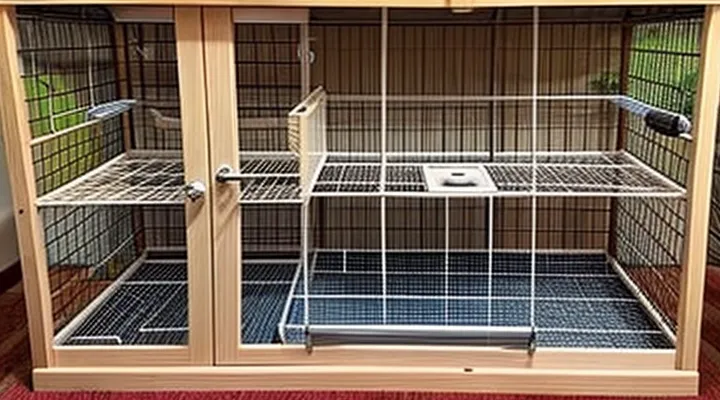
Why a Comfortable Cage is Crucial for Rats
Understanding Rat Needs
Social Nature
Rats thrive on interaction with conspecifics; a cage that accommodates their social nature reduces stress and promotes natural behaviors. Provide enough floor space for multiple individuals to move freely, avoiding overcrowding that can lead to aggression. Include vertical elements such as climbing ladders and platforms, allowing rats to establish hierarchical positions without direct confrontation.
Key aspects of a socially supportive enclosure:
- Minimum of 0.5 sq ft (≈0.05 m²) per rat on the cage floor; larger groups require proportionally more area.
- Multiple hiding spots positioned at different heights to give subordinate rats refuge.
- Shared enrichment items (toys, tunnels, chew blocks) placed throughout the cage to encourage group play while preventing monopolization.
- Separate feeding stations to reduce competition during meals.
When pairing rats, select individuals of similar age and temperament; observe initial interactions for signs of dominance or bullying. If conflict arises, introduce a neutral divider to allow visual contact without physical contact, then gradually remove the barrier as harmony develops.
Regular cleaning schedules must preserve scent cues essential for social communication; avoid excessive use of strong disinfectants that erase these signals. Replace bedding weekly, but retain a small amount of soiled material in corners to maintain familiar odors.
By aligning cage dimensions, enrichment distribution, and maintenance practices with the innate social tendencies of rats, the enclosure becomes a stable environment that supports health, activity, and group cohesion.
Activity Levels
Rats require ample room to move, explore, and exercise. A cage that restricts natural locomotion can lead to stress, muscle loss, and abnormal behavior. Provide a floor area of at least 2 sq ft per animal; larger spaces reduce competition for pathways and allow simultaneous activity.
- Include multiple levels or platforms to accommodate vertical climbing, a behavior innate to the species. Space each level with at least 4 inches of clearance to prevent injury.
- Install a solid running wheel sized 12 inches or larger; smaller wheels cause spinal curvature and hinder proper gait.
- Offer tunnels, tubes, and chewable objects distributed throughout the enclosure. Position items at varying heights to encourage both horizontal and vertical movement.
- Ensure the substrate is deep enough (1–2 inches) for burrowing, which satisfies digging instincts and promotes muscular engagement.
Lighting cycles should mimic a 12‑hour light/12‑hour dark pattern. Consistent darkness allows rest, while bright periods stimulate activity. Temperature must remain within 65‑75 °F; extremes suppress movement and may cause lethargy.
Monitoring activity levels helps identify health issues early. A rat that rarely uses the wheel, avoids climbing structures, or appears immobile may be ill or experiencing pain. Adjust cage dimensions, enrichment density, or health checks promptly to maintain optimal vitality.
Health and Well-being
A healthy rat requires a cage that supports proper nutrition, hygiene, temperature control, and mental stimulation.
Provide a balanced diet of commercial pellets, fresh vegetables, and occasional protein treats. Replace uneaten food daily to prevent spoilage and bacterial growth. Ensure water is available in a chew‑proof bottle, cleaned and refilled at least twice a day.
Maintain a clean environment by removing soiled bedding, droppings, and leftover food each evening. Use dust‑free, absorbent substrate such as paper‑based litter; replace the entire base weekly. Disinfect the cage with a mild, non‑toxic cleaner every two weeks, rinsing thoroughly before reassembly.
Regulate temperature between 18‑24 °C (65‑75 °F) and avoid drafts. Install a small, low‑wattage heat source only if ambient conditions fall below the lower limit; monitor with a reliable thermometer.
Promote mental health through enrichment items:
- Solid chew blocks to wear down continuously growing teeth
- Nesting material (e.g., shredded paper) for building shelters
- Tunnels or PVC pipes for exploration
- Climbing platforms and ladders to encourage activity
Rotate toys weekly to maintain novelty and reduce boredom.
Observe rats daily for signs of illness: lethargy, abnormal breathing, loss of appetite, or changes in fur condition. Record any deviations and consult a veterinarian promptly.
A cage that integrates clean bedding, stable temperature, appropriate diet, and varied enrichment directly supports the physical and psychological well‑being of pet rats.
Choosing the Right Cage
Size and Dimensions
Minimum Requirements for One Rat
A single rat needs a cage that provides enough space for movement, exercise, and resting. The enclosure should measure at least 18 × 12 × 12 inches (45 × 30 × 30 cm); larger dimensions are preferable for health and behavioral enrichment.
- Flooring: Solid base with a thick layer (2–3 inches) of absorbent, dust‑free bedding such as paper‑based or aspen shavings. Avoid pine or cedar, which release harmful oils.
- Food: A balanced commercial rat pellet formulated for rodents, supplemented with fresh vegetables and occasional fruit. Provide a small amount of protein source (e.g., boiled egg or mealworm) no more than twice weekly.
- Water: Stainless‑steel or heavy‑duty plastic bottle with a sipper tube, refilled daily to ensure constant access to clean water.
- Enrichment: One or two chew‑safe toys, a tunnel or hideout, and a climbing structure (e.g., wooden branch or platform). Rotate items regularly to prevent boredom.
- Cleaning: Spot‑clean waste daily; perform a full cage change weekly, replacing bedding and sanitizing surfaces with a mild, non‑toxic disinfectant.
Meeting these baseline criteria creates a safe, hygienic environment that supports the physical and mental well‑being of an individual rat.
Considerations for Multiple Rats
When housing more than one rat, space, social dynamics, and resource distribution become critical factors.
Rats are highly social; a group requires enough floor area to prevent crowding. Allocate at least 0.5 sq ft per adult rat, with additional space for enrichment items. A larger footprint reduces stress and supports natural behaviors such as foraging and nesting.
Multiple individuals compete for food, water, and shelter. Provide at least two feeding stations and two water bottles placed on opposite sides of the cage to allow simultaneous access. Include multiple nesting boxes—one per pair of rats—to give each animal a private retreat.
Ventilation and odor control intensify with additional occupants. Use a cage with a solid base and a well‑ventilated lid, and replace bedding regularly. Incorporate an absorbent layer (e.g., paper bedding) beneath a thin top layer to capture waste and reduce ammonia buildup.
Health monitoring must be systematic. Check each rat daily for signs of injury, illness, or aggression. Separate any individual showing persistent dominance or illness to prevent group-wide complications.
Key considerations can be summarized:
- Minimum floor space: 0.5 sq ft per rat
- Dual feeding and watering stations
- Multiple nesting boxes (one per pair)
- High airflow and regular bedding changes
- Routine health checks and isolation protocol
Applying these guidelines creates a stable, comfortable environment for a group of rats, supporting their well‑being and natural social structure.
Bar Spacing
Preventing Escapes
Preventing rat escapes is essential for a safe, comfortable enclosure.
Secure cage construction begins with appropriate bar spacing. Bars should be no more than ½ inch (1.27 cm) apart to block the smallest adult rat. Choose metal or sturdy acrylic panels that cannot be chewed through. A hinged lid with a lockable latch eliminates accidental openings; verify that the latch engages fully each time the cage is closed.
Seal all potential gaps. Inspect corners, ventilation holes, and the junction between the cage base and walls. Apply a thin layer of non‑toxic silicone sealant or use pet‑safe tape to close seams. Ensure that any removable accessories, such as water bottles or food dishes, fit tightly and do not create escape routes.
Provide enrichment that reduces escape attempts. Offer tunnels, chew blocks, and climbing structures that occupy the rats’ curiosity. When enrichment is plentiful, the incentive to explore gaps diminishes.
Maintain vigilance through regular checks.
- Examine bars, hinges, and latches weekly for wear or damage.
- Test the cage by gently applying pressure to the lid and side panels; any movement suggests a weak point.
- Replace compromised components immediately.
Consistent inspection and proper construction keep rats securely housed, allowing the owner to focus on health and well‑being rather than containment concerns.
Avoiding Injuries
When constructing a rat enclosure, the primary goal is to eliminate hazards that can cause bruises, fractures, or respiratory problems. Select cage bars with a spacing of no more than ½ inch to prevent escape and reduce the risk of paw entrapment. Use solid, non‑toxic flooring material; avoid hardwoods treated with chemicals that may irritate skin or lungs. Ensure all accessories—tunnels, wheels, chew toys—are free of sharp edges and securely attached to the cage frame.
Key preventive measures:
- Install a solid base or wire mesh with a smooth surface to stop foot injuries.
- Provide multiple levels with gentle ramps; steep inclines increase the chance of falls.
- Keep bedding shallow (no more than 2 inches) and use dust‑free, absorbent material such as paper pulp.
- Position water bottles and food dishes away from the cage’s edge to avoid accidental knocks.
- Perform regular inspections: replace cracked plastic, rusted metal, or worn fabric immediately.
Ventilation must be adequate but not drafty. Place the cage away from direct sunlight, heating vents, and draft sources that could cause temperature stress or respiratory irritation. Maintain a stable temperature between 65 °F and 75 °F; extreme fluctuations raise the likelihood of hypothermia or heatstroke.
Finally, handle rats gently and support their bodies during transfers. Use a clean, soft cloth or a dedicated handling tube to avoid sudden movements that could lead to sprains. Consistent monitoring and prompt correction of any emerging risk factor sustain a safe, injury‑free environment.
Cage Material and Type
Wire Cages
Wire cages remain the most common foundation for a rat enclosure because they combine durability with airflow. Choose a cage constructed from stainless steel or powder‑coated steel; both resist rust and withstand the chewing behavior of rats. Ensure the coating is non‑toxic and free of lead or cadmium, as rats will gnaw on the bars.
Bar spacing directly influences safety. Gaps no larger than ½ inch prevent escape and reduce the risk of finger injuries when handling the animals. Wider spacing may be acceptable for larger breeds, but standard pet rats require the tighter measurement.
Size determines comfort. A minimum floor area of 2 sq ft per rat provides sufficient room for movement, nesting, and enrichment. Height should allow vertical climbing; a cage with a minimum interior height of 12 inches accommodates ladders and hammocks without restricting airflow.
Ventilation is inherent to wire construction, yet additional openings can improve temperature regulation. Include a vented top or side panels with removable screens to control drafts while maintaining protection from predators.
Safety features include rounded corners on all interior edges and smooth finishes on bar ends. Sharp edges can cause cuts during routine cleaning or when rats explore the cage.
Cleaning considerations focus on accessibility. Removable tray or floor grate simplifies waste removal. Choose a cage with hinges or sliding doors that open fully without requiring disassembly. Materials that tolerate mild detergents and hot water extend the lifespan of the enclosure.
Enrichment integration benefits from the cage’s open design. Attach the following accessories using stainless‑steel clips or zip ties:
- Multi‑level platforms (minimum 2 inches thick)
- Wire mesh tunnels (spacing ≤ ¼ inch)
- Hanging hammocks (securely anchored to side bars)
- Chew‑resistant toys (ceramic or wood)
Placement of the cage influences comfort. Position the enclosure on a stable surface away from direct sunlight, drafts, and loud appliances. Maintain ambient temperature between 65–75 °F; the cage’s ventilation will help prevent overheating.
By selecting a rust‑free, appropriately sized wire cage with tight bar spacing, smooth edges, and easy‑access cleaning features, the foundation of a comfortable rat habitat is established. Subsequent bedding, nesting material, and enrichment items build upon this secure base.
Solid Bases
A solid base provides the foundation for a stable, hygienic rat enclosure. Choose a material that resists moisture, is easy to disinfect, and supports the cage’s weight. Common options include:
- High‑density polyethylene sheets: non‑porous, dishwasher‑safe, and lightweight.
- Acrylic panels: clear for visual inspection, rigid, and compatible with most cage designs.
- Stamped metal trays: durable, can be fitted with a removable grate for drainage.
The base must be level to prevent tipping and to allow rats to move freely without encountering uneven surfaces. Ensure the dimensions exceed the cage footprint by at least one inch on each side to accommodate clamps or brackets used in assembly. A slightly raised edge around the perimeter helps contain bedding and prevents spills onto surrounding surfaces.
Regular maintenance relies on the base’s accessibility. Opt for designs with removable sections or hinged lids so cleaning crews can replace soiled substrate and apply disinfectants without dismantling the entire cage. A well‑chosen solid base reduces stress on the animals, minimizes the risk of injury, and prolongs the lifespan of the enclosure.
Multi-Level Structures
Multi-level structures maximize usable space, encourage natural climbing behavior, and reduce stress by offering distinct zones for sleeping, exploring, and foraging. When designing a tiered enclosure, select sturdy platforms that can support the weight of several rats simultaneously. Stainless steel or powder‑coated metal frames prevent rust and simplify cleaning; attach them securely to the cage walls to avoid wobbling.
Key considerations for effective tiered layouts:
- Platform height should allow easy access; a gap of 2–3 inches between levels enables rats to jump without injury.
- Include textured surfaces such as rope, natural wood, or sandpaper to improve grip and protect claws.
- Provide a sheltered area on the upper tier for nesting; a small hideaway made of untreated wood or fabric reduces exposure to drafts.
- Install ramps or ladders with gentle slopes; a 30‑degree angle offers a comfortable ascent while preventing slips.
- Ensure ventilation on each level; perforated flooring or mesh panels maintain airflow and reduce odor buildup.
Materials must be non‑toxic and free of sharp edges. Regularly inspect joints and fasteners; replace any corroded or loosened components promptly. Cleaning routines should address each tier separately, using mild, unscented disinfectants that will not irritate the animals’ respiratory systems.
By integrating these principles, a multi-level cage creates a dynamic environment that mirrors the complexity of a rat’s natural habitat, promotes physical activity, and supports overall well‑being.
Essential Cage Furnishings
Substrate and Bedding
Safe Bedding Options
When building a rat enclosure, the substrate directly influences hygiene, respiratory health, and comfort. Choose materials that absorb moisture, resist mold, and lack aromatic oils that can irritate sensitive airways.
- Paper‑based bedding (e.g., shredded newspaper, plain paper pellets). Provides high absorbency, low dust, and easy disposal.
- Aspen shavings. Hardwood without aromatic compounds; offers a natural feel and moderate absorbency.
- Hemp fiber. Biodegradable, low‑dust, and supports natural digging behavior.
- Coconut coir. Retains moisture without becoming soggy; suitable for burrowing but requires regular replacement to prevent mold.
- Corncob bedding (processed, dust‑free). Lightweight, absorbent, and inexpensive; monitor for occasional dust in low‑quality brands.
Avoid pine or cedar products; their volatile oils increase the risk of respiratory irritation. Replace bedding at least once weekly, or sooner if it becomes damp or soiled, to maintain a clean environment and prevent bacterial growth. Selecting the appropriate substrate is essential for a safe, hygienic habitat that promotes the well‑being of pet rats.
Unsafe Bedding to Avoid
When designing a rat enclosure, bedding choice directly affects health and comfort. Certain materials pose serious risks and should be excluded from any habitat.
- Softwood shavings (pine, cedar): Contain aromatic oils that irritate respiratory passages and can cause liver damage.
- Dust‑heavy cellulose litter: Generates airborne particles that trigger sneezing, eye irritation, and chronic respiratory infections.
- Straw or hay with mold: Harbors fungal spores and bacteria, leading to skin infections and digestive upset if ingested.
- Scented or chemically treated fabrics: Release volatile compounds that may cause allergic reactions and toxic buildup in the cage environment.
- Plastic bead bedding: Lacks absorbency, creates moisture pockets, and can cause gastrointestinal blockage if chewed.
Choosing a safe substrate, such as plain paper-based bedding, kiln‑dried hardwood shavings, or fleece liners, eliminates these hazards while providing absorbency and comfort. Regular cleaning and monitoring for moisture further protect rats from bedding‑related health issues.
Depth of Bedding
Rats dig instinctively; sufficient depth enables natural burrowing and nest building. Shallow layers cause stress and increase the likelihood of escape attempts.
A depth of 2–3 inches (5–7 cm) provides enough material for most adult rats to tunnel and create comfortable nests. Younger or smaller rats may be satisfied with 1.5 inches (4 cm), while larger breeds benefit from up to 4 inches (10 cm).
- Aspen shavings: 2–3 inches, replace weekly to prevent odor buildup.
- Paper-based bedding: 2–2.5 inches, change every 5–7 days; monitor moisture.
- Coconut fiber: 3 inches, refresh bi‑weekly; ensure it remains dry.
- Hemp pellets: 2.5 inches, stir regularly to maintain loft.
Regularly assess the bedding surface; compacted spots indicate over‑use and should be loosened or replaced. Adding fresh material on top maintains depth without disturbing established tunnels. Monitoring weight and activity levels confirms that the chosen depth supports healthy behavior.
Food and Water
Food Bowls and Dishes
Choosing appropriate food containers is essential for a rat enclosure that promotes health and comfort. Bowls and dishes must accommodate the animals’ size, chewing behavior, and dietary needs while remaining easy to maintain.
- Material: Use heavy‑base ceramic or stainless‑steel dishes. Ceramic resists gnawing and can be glazed to prevent bacterial growth; stainless steel is durable and dishwasher‑safe. Avoid plastic, which can be chewed through and may harbor microbes.
- Size and depth: Provide shallow dishes (approximately 2–3 cm deep) with a diameter of 8–10 cm. Shallow depth prevents spillage and allows rats to eat without difficulty. Offer at least two separate containers: one for dry pellets and another for fresh foods or treats.
- Placement: Position bowls on the cage floor where rats naturally forage, typically near the back corner to reduce competition. Ensure the surface is stable; a weighted base prevents tipping during vigorous chewing.
- Cleaning routine: Remove and wash dishes daily with hot, soapy water, then rinse thoroughly. For ceramic, a mild bleach solution (1 % concentration) can be used weekly to sterilize. Stainless‑steel items can be placed in a dishwasher on a high‑heat cycle.
- Additional accessories: Consider a small, detachable lid for wet food to limit moisture buildup. A separate water bottle with a stainless‑steel spout should accompany the bowls, positioned at the same height to encourage simultaneous access to food and water.
Consistent use of these specifications supports optimal nutrition, reduces waste, and maintains a hygienic environment throughout the rat habitat.
Water Bottles
A reliable water supply is indispensable for a rat habitat. Choose a bottle designed for small rodents, featuring a stainless‑steel sipper tube that resists chewing and corrosion. Ensure the bottle’s capacity matches the cage size; a 150‑250 ml bottle typically suffices for one or two adult rats, while larger groups may require 300 ml or more.
Install the bottle securely on the cage side wall using the provided mounting bracket. Position the sipper tube at the lower front corner of the cage, allowing easy access without obstructing tunnels or accessories. Verify that the tube is angled downward slightly to prevent water pooling inside the bottle.
Maintain optimal hydration by following a regular cleaning schedule:
- Remove the bottle weekly; disassemble the sipper tube.
- Rinse with warm water, avoiding harsh detergents that leave residues.
- Soak in a dilute vinegar solution (1 part vinegar to 4 parts water) for 10 minutes to eliminate biofilm.
- Rinse thoroughly and reassemble before refilling with fresh, filtered water.
Inspect the bottle daily for signs of wear, leaks, or blockages. Replace the entire unit if the sipper tube cracks or the bottle develops scratches that could harbor bacteria. A well‑maintained water bottle contributes directly to the overall health and comfort of the rats.
Placement Considerations
When selecting a spot for a rat enclosure, prioritize stable ambient temperature, consistent lighting, minimal noise, and secure ventilation. Place the cage away from direct sunlight, drafts, and heating or cooling vents that could cause rapid temperature shifts. Position it on a sturdy, level surface to prevent wobbling and to support the weight of bedding and accessories.
- Temperature control: Keep the room between 18‑24 °C (64‑75 °F); avoid proximity to radiators or air conditioners.
- Lighting: Provide a regular light‑dark cycle (12 hours each); use indirect lighting to reduce glare.
- Noise reduction: Choose a quiet area, distant from televisions, loud appliances, or high‑traffic zones.
- Ventilation: Ensure at least one side of the cage has mesh or perforated panels; avoid sealed enclosures that trap humidity.
- Safety from predators: Keep the cage out of reach of cats, dogs, and other potential threats.
- Accessibility: Locate the cage where daily cleaning, feeding, and health checks can be performed without obstruction.
By adhering to these placement guidelines, the habitat remains comfortable, safe, and conducive to the rats’ well‑being.
Hiding Spots and Shelters
Types of Hides
A well‑chosen hide gives a rat a secure place to rest, reduces stress, and supports natural behaviors. Select hides that fit the cage dimensions, allow easy cleaning, and provide adequate ventilation.
Common hide options include:
- Wooden houses – solid construction, good insulation, must be untreated and sanded to prevent splinters.
- Plastic tunnels – lightweight, easy to disassemble, often feature multiple chambers for exploration.
- Ceramic igloos – sturdy, heat‑retaining, smooth interior that resists chewing; ensure the opening is large enough for the rat’s size.
- Natural materials – coconut shells, bark pieces, or hollowed gourds offer a rustic feel; verify they are pesticide‑free and monitor for mold.
- Fabric pouches – soft, cozy, typically made from fleece; require regular laundering and should have a zip or Velcro closure to keep the rat inside.
When evaluating hides, consider the following criteria:
- Size – interior space must allow the rat to turn around comfortably; a minimum of 4 × 4 inches is recommended for adult rats.
- Ventilation – openings should be sufficient to prevent humidity buildup while still providing concealment.
- Safety – avoid sharp edges, toxic paints, or small detachable parts that could be ingested.
- Ease of cleaning – smooth surfaces and removable components simplify routine hygiene.
Incorporating a variety of hide types encourages exploration and offers options for different activity levels. Position hides at various heights and corners to create a layered environment that mimics natural burrows while maintaining accessibility for cleaning.
Importance of Multiple Hides
Providing several separate hides in a rat enclosure satisfies the animal’s instinct to seek shelter, reduces stress, and promotes natural social dynamics. Each hide offers a distinct micro‑environment, allowing individuals to retreat without disrupting the group’s activity.
- Multiple hides prevent overcrowding in a single shelter, decreasing the likelihood of aggression.
- Separate hides create zones of varying temperature and humidity, supporting thermoregulation.
- Rotating hides encourages exploration, keeping rats mentally stimulated.
- Distinct materials (e.g., wood, fabric, PVC) allow for different textures, enhancing tactile enrichment.
- Isolated hides simplify cleaning; waste can be removed from one area while others remain undisturbed.
Integrating at least three hides of varying sizes and compositions ensures that every rat can find a preferred refuge, leading to a healthier, more content colony.
Enrichment and Toys
Chewing Toys
Chewing toys satisfy the natural gnawing instinct of rats and protect cage components from damage. Selecting appropriate items reduces the risk of dental problems and keeps the enclosure tidy.
Materials such as untreated wood, natural mineral blocks, and safe acrylic chew sticks are ideal. Avoid painted, stained, or chemically treated objects, as toxins can be ingested. Rotate toys every two to three weeks to maintain interest and prevent overuse.
Placement guidelines:
- Distribute toys evenly across the floor and platforms to encourage movement.
- Attach hanging toys at the top of the cage where rats can reach them without excessive strain.
- Secure loose items to prevent ingestion of small fragments.
Maintenance practices:
- Inspect each toy daily for splintering, sharp edges, or mold.
- Replace damaged pieces immediately.
- Clean reusable toys with warm water and mild soap; rinse thoroughly before returning them to the cage.
Providing a variety of chewable objects—branches, cardboard tubes, and mineral blocks—creates a stimulating environment that promotes healthy teeth and active behavior, essential for a well‑functioning rat habitat.
Climbing Toys
Climbing toys provide essential vertical space that mimics a rat’s natural habit of scaling surfaces. By incorporating sturdy platforms, ladders, and rope nets, the cage gains dimensional variety, encouraging muscle development and mental stimulation.
- Wooden or plastic ladders: attach securely to cage walls; spacing of rungs should allow easy foot placement without risking entrapment.
- Rope or sisal nets: suspend from the top bar; ensure knots are tight and material is untreated to prevent toxic residues.
- Branches and dowels: select smooth, pesticide‑free wood; drill small holes for anchoring, then test load capacity before introducing the animal.
- Multi‑level platforms: construct with solid base and non‑slip surface; position at varying heights to create a progressive climbing circuit.
Placement guidelines:
- Distribute toys evenly across the enclosure to avoid overcrowding in one area.
- Anchor each item to a solid frame element; avoid reliance on cage mesh alone.
- Keep climbing routes away from food and water stations to maintain hygiene.
- Rotate or replace toys periodically to sustain interest and prevent wear‑related hazards.
Maintenance procedures:
- Inspect joints and attachment points weekly for signs of wear or loosening.
- Clean rope and fabric components with warm water and mild detergent; rinse thoroughly and dry before reinstallation.
- Replace splintered wood or frayed rope immediately to eliminate injury risk.
Properly selected and positioned climbing toys transform a basic habitat into a dynamic environment that supports the physical health and exploratory behavior of pet rats.
Puzzle Toys
Puzzle toys stimulate a rat’s natural foraging instincts and provide mental enrichment that reduces boredom‑related behaviors. Incorporating them into a well‑designed cage enhances overall welfare.
When selecting puzzle toys, consider material safety, size, and complexity. Choose items made from untreated wood, solid plastic, or stainless steel to prevent ingestion of harmful chemicals. Ensure each piece is large enough that the rat cannot swallow it whole. Offer a range of difficulty levels; start with simple treat‑dispensing tubes and progress to multi‑stage puzzles that require sequential actions.
Placement of toys influences effectiveness. Distribute devices evenly throughout the cage to encourage movement and exploration. Anchor toys to the cage floor or side panels using zip ties or suction cups to prevent tipping. Rotate toys weekly to maintain novelty and prevent habituation.
Maintenance is straightforward. Clean removable components with warm, unscented soap after each use. Inspect for cracks or worn edges before each session; replace damaged items immediately. Regular cleaning prevents bacterial buildup and preserves the integrity of the enrichment.
A concise checklist for integrating puzzle toys:
- Verify non‑toxic, chew‑resistant material.
- Match toy size to the rat’s body length.
- Provide a gradient of difficulty.
- Securely attach toys to avoid accidental falls.
- Clean components after each use; inspect for wear.
By following these guidelines, puzzle toys become an integral, low‑maintenance component of a comfortable rat habitat, promoting active engagement and healthier behavior patterns.
DIY Enrichment Ideas
Providing rats with varied, self‑made enrichment improves health, reduces stress, and encourages natural behaviors. When constructing a habitat, include items that can be assembled from safe, readily available materials.
- Chew blocks: Cut untreated hardwood (e.g., apple or willow) into 2‑inch cubes, drill a small hole, and insert a wooden dowel. The dowel serves as a handle for the rat to gnaw and manipulate.
- Foraging tubes: Use PVC pipe (½‑inch diameter, 6‑inch length) with one end capped. Fill the interior with seeds, dried peas, or small pellets, then seal the opposite end with a removable plug. Rats must push the food through the tube, simulating natural foraging.
- Climbing ladders: Assemble a ladder from Popsicle sticks glued end‑to‑end, spaced 1‑inch apart. Attach the ladder to the cage wall with non‑toxic silicone, allowing vertical movement.
- Hide‑away nests: Fold a piece of fleece into a small pouch, stitch the edges, and tuck it into a corner. The fabric provides warmth and a private retreat.
- Rotating puzzles: Create a simple puzzle by drilling three holes in a plastic bottle, inserting a wooden dowel, and attaching small treats to the dowel. Rotate the bottle periodically to maintain novelty.
All DIY items must be free of paint, glue containing solvents, or metal components that could rust. Clean each object with warm water and mild soap before placing it in the cage, then rinse thoroughly. Replace worn pieces promptly to prevent injury. By integrating these handcrafted accessories, the enclosure becomes a stimulating environment that supports the rat’s physical and mental well‑being.
Hammocks and Sleeping Areas
Material Choices
Choosing the right materials determines durability, hygiene, and the animal’s comfort.
Cage structure
- Stainless‑steel wire: corrosion‑resistant, easy to clean, provides ventilation.
- Acrylic or polycarbonate panels: transparent, strong, allows visual monitoring.
- Solid wood (untreated hardwood): sturdy, eliminates gaps, requires regular sealing to prevent moisture damage.
Flooring
- Solid plastic base: non‑porous, prevents burrowing, simplifies waste removal.
- Wire mesh floor with removable tray: maximizes airflow, requires frequent cleaning.
- Thick, absorbent bedding (paper pulp, aspen shavings): cushions paws, controls odor, must be changed regularly.
Enrichment and accessories
- Chew‑safe wood (bamboo, untreated pine): satisfies gnawing instinct, reduces dental issues.
- Ceramic or metal water bottles: resistant to gnawing, maintain water purity.
- Fabric hideouts made from breathable cotton: provide warmth, must be washable.
Each material should be evaluated for toxicity, ease of cleaning, and compatibility with the rat’s natural behaviors. Selecting a combination that balances ventilation, durability, and comfort creates a stable environment that supports health and activity.
Placement and Security
When arranging a rat enclosure, choose a location that remains quiet, away from drafts, direct sunlight, and sudden temperature changes. A stable environment reduces stress and supports healthy activity levels.
Secure the cage to prevent escapes and protect against predators. Use sturdy wire mesh with a minimum aperture of ¼ inch, and verify that all panels are tightly fastened. Attach the cage to a solid surface—such as a shelf with brackets or a heavy table—so it cannot be tipped over.
Implement the following safety measures:
- Inspect hinges, latches, and door locks daily; replace worn components immediately.
- Position the cage on a non‑slip mat or rubberized base to avoid sliding.
- Ensure ventilation openings are covered with fine mesh to block entry of insects while allowing airflow.
- Anchor the cage to wall studs or a sturdy frame if it is large or placed on a high shelf.
Maintain clear pathways around the enclosure for easy cleaning and observation. Keep cords, chemicals, and other hazardous items at least three feet from the cage to eliminate accidental exposure. Regularly review the setup to confirm that placement and security standards remain uncompromised.
Cage Layout and Arrangement
Optimizing Space
Vertical vs. Horizontal Space
When designing a rat enclosure, allocating space in both dimensions influences health, enrichment, and social interaction. Horizontal area accommodates running wheels, tunnels, and communal zones, allowing multiple rats to move side‑by‑side without crowding. Adequate floor space reduces the risk of territorial disputes and supports natural foraging behavior.
Vertical space expands the cage’s usable volume without enlarging its footprint. Shelves, climbing structures, and multi‑level platforms encourage climbing, nesting, and exploratory instincts. Height also creates distinct zones for sleeping, feeding, and play, which can reduce stress by offering privacy options.
Key considerations for balancing dimensions:
- Provide at least 0.5 sq ft (0.05 m²) of floor per adult rat; larger groups require proportionally more horizontal area.
- Install one or two levels with a minimum clearance of 6–8 in (15–20 cm) between platforms to allow safe movement.
- Ensure all vertical elements are securely anchored to prevent collapse.
- Position food and water stations on the lower level to keep them stable and easily accessible.
- Use non‑slippery materials for both floor and platforms to prevent injuries.
Prioritizing a mix of broad floor space and well‑constructed vertical features yields an environment that supports exercise, exploration, and social harmony.
Creating Pathways and Tunnels
Effective pathways and tunnels transform a rat enclosure into a stimulating, secure environment. Use sturdy, non‑toxic materials such as untreated wood, PVC pipe, or acrylic tubes. Ensure all connections are smooth; sandpaper or a file eliminates sharp edges that could injure delicate paws.
- Design layout: Position tunnels to link feeding stations, nesting boxes, and play areas. A circular route encourages continuous movement, while a branching network offers choices that mimic natural foraging routes.
- Diameter and length: Choose a tunnel interior of 2–2.5 inches (5–6 cm) to accommodate adult rats comfortably without restricting posture. Lengths of 12–18 inches (30–45 cm) provide sufficient space for exploration; longer sections can be joined with angled connectors.
- Ventilation and cleaning: Incorporate open ends or mesh caps to promote airflow and simplify waste removal. Removable sections allow regular disinfection with a mild, rodent‑safe solution.
- Anchoring: Secure tunnels to the cage frame using zip ties or small brackets. A stable setup prevents sagging, which could create hazardous gaps.
- Enrichment integration: Embed chewable items, rope, or hideaways within tunnel walls. Rotating these elements maintains novelty and encourages natural gnawing behavior.
Regularly inspect joints and surfaces for wear. Replace any compromised components promptly to preserve a safe, engaging passage system throughout the rat’s lifespan.
Hygiene and Cleaning Stations
Litter Training Areas
A well‑designed litter training area reduces accidents, keeps the cage tidy, and supports your rat’s natural behavior. Position the litter zone away from food and water dishes to prevent contamination, yet close enough to the main activity zone that the rat can access it without difficulty. Use a solid, non‑slipping base such as a piece of untreated plywood or a thick plastic tray; this prevents the substrate from shifting and provides a stable surface for digging.
Choose a substrate that absorbs moisture, is dust‑free, and can be easily replaced. Recommended options include paper‑based bedding, shredded paper, or coconut fiber. Avoid cedar, pine, or scented litters, which can irritate respiratory tracts. Provide a shallow depression or a low wall made from acrylic or wooden slats to contain the substrate and guide the rat toward the designated spot.
Maintain cleanliness with a regular schedule:
- Remove soiled material daily; replace with fresh bedding.
- Spot‑clean any spills immediately to prevent mold growth.
- Perform a full substrate change weekly, washing the tray with mild, unscented soap and rinsing thoroughly before refilling.
Monitor the rat’s usage patterns. If the animal consistently avoids the area, adjust its location, size, or substrate type. Consistent placement and routine cleaning encourage reliable litter habits, contributing to a healthier, more comfortable living environment.
Designated Potty Spots
Place a specific area for elimination away from feeding and nesting zones. Rats naturally select a corner with a distinct substrate, so provide a low‑profile tray or shallow box filled with absorbent material such as paper bedding, aspen shavings, or recycled wood pellets. Keep the tray open and unobstructed to encourage regular use.
- Choose a location that receives minimal foot traffic.
- Use a substrate that stays dry and can be changed without disturbing the cage.
- Include a small piece of furniture, like a half‑cube, to define the spot.
- Replace the bedding weekly, or sooner if it becomes soiled.
Observe the rats during the first week. If they avoid the designated area, adjust the placement or change the substrate type. Consistent use reduces odor, simplifies cleaning, and supports overall health.
Accessibility for Rats and Owners
Easy Access for Cleaning
Design a cage with removable panels or doors that align with the cage’s frame. Hinged side walls, front doors, and top lids should open fully without obstruction, allowing quick entry to all interior surfaces. Secure latches must be simple to operate, minimizing the time spent unlocking and re‑securing the enclosure.
Select materials that slide smoothly on tracks or hinges. Stainless‑steel or coated aluminum frames reduce rust and resist wear, while clear acrylic panels provide visibility without compromising structural integrity. Ensure that any sliding components have a clear stop to prevent accidental disengagement during cleaning.
Key features that enhance cleaning efficiency:
- Full‑size removable floor tray that slides out on wheels or glides on low‑friction rails.
- Detachable wire mesh or solid panel sections that can be lifted away for spot cleaning.
- Quick‑release latch mechanisms positioned at the front and side for one‑hand operation.
- Integrated drainage channels beneath the tray to direct liquid waste away from the cage base.
Implementing these elements creates an enclosure where routine maintenance can be performed swiftly, reducing stress for both the animal and the caretaker.
Safe Entry and Exit Points
Safe entry and exit points are essential components of a well‑designed rat enclosure. They must allow unobstructed movement while preventing escapes and protecting the animals from injury.
- Openings should be at least 2 inches (5 cm) wide to accommodate adult rats without forcing them through tight spaces.
- Placement near the top of the cage reduces the risk of bedding blockage and facilitates cleaning.
- Lids or doors must incorporate a secure latch that engages with a single‑handed press and releases smoothly to avoid stress during handling.
- Mesh panels surrounding the opening should use stainless‑steel wire with a ¼‑inch (6 mm) spacing to block teeth and claws.
- A short, smooth ramp or ledge inside the entry point provides a stable transition from the exterior to the interior.
Install the entry system by aligning the latch with the cage’s structural frame, ensuring the screw holes do not protrude into the interior. Test each door repeatedly to confirm that it closes firmly and releases without snagging. Periodically inspect the mesh for signs of wear and replace damaged sections immediately to maintain a secure barrier.
Properly engineered entry and exit points enhance the rat’s comfort, streamline routine maintenance, and uphold the overall safety standards of the habitat.
Ongoing Maintenance and Comfort
Daily Spot Cleaning
Removing Droppings and Leftovers
Removing droppings and leftover food is essential for maintaining a hygienic rat enclosure and preventing odor buildup. Begin each cleaning session by emptying the cage’s bedding into a disposable container. Use a scoop or gloved hand to gather solid waste, placing it directly into a sealed bag. Discard the bag in an outdoor trash receptacle to minimize indoor contamination.
Next, address food remnants. Sweep the floor of the cage with a small, soft brush to loosen crumbs and residue. Transfer the material to a separate waste bag. For sticky or dried food, dampen a paper towel with warm water, wipe the affected area, and discard the towel immediately.
After waste removal, inspect all cage components—tunnels, platforms, and chew toys—for hidden droppings. A hand-held flashlight can reveal debris in dark corners. Remove any discovered material with tweezers or a cotton swab dipped in mild, pet‑safe disinfectant.
Finally, replace the bedding with a fresh, absorbent layer. Ensure the new substrate is evenly spread to a depth of at least two inches, providing sufficient capacity for future waste absorption. Perform this routine daily for fresh food areas and at least twice weekly for the entire cage to sustain a clean, comfortable environment.
Wiping Down Surfaces
Cleaning the interior of a rat enclosure is a fundamental step in establishing a suitable habitat. Residual food particles, urine, and droppings create odors and can harbor pathogens that compromise health and comfort.
- Select a non‑toxic, pet‑safe disinfectant; dilute according to manufacturer instructions.
- Remove all bedding, toys, and accessories.
- Rinse the cage with warm water to eliminate loose debris.
- Apply the disinfectant to all surfaces, including bars, corners, and the floor.
- Scrub with a soft brush or sponge to reach crevices.
- Rinse thoroughly to remove any chemical residue.
- Dry completely with a clean cloth or allow air drying before re‑adding bedding and objects.
Regularly wiping down surfaces after each cleaning cycle prevents buildup, maintains a neutral scent, and supports an optimal living environment for the rodents.
Weekly Deep Cleaning
Full Cage Disinfection
A thorough disinfection routine eliminates pathogens, controls odor, and preserves the health of pet rats. Begin by emptying the cage entirely, discarding bedding, toys, and food dishes. Place all removable components—shelves, ramps, water bottles—in a sink or basin.
- Wash each item with hot water (≥ 60 °C) and a mild detergent. Scrub surfaces to remove visible debris.
- Rinse thoroughly to eliminate soap residues.
- Soak non‑metal parts in a veterinary‑approved disinfectant (e.g., 0.5 % chlorhexidine or a quaternary ammonium solution) for the time specified by the manufacturer, typically 10–15 minutes.
- Rinse again with clean water to prevent chemical exposure to the animals.
- Allow all components to air‑dry completely before reassembly.
Clean the cage interior with the same hot‑water and detergent combination, using a brush to reach corners and grooves. After rinsing, apply the disinfectant directly to the cage walls, floor, and any built‑in features. Maintain contact time as recommended, then rinse and dry.
Reassemble the cage only after every surface is dry. Replace bedding with fresh, absorbent material and sterilize food dishes by boiling or using a dishwasher on a high‑heat cycle. Perform full disinfection weekly, and increase frequency after illness, breeding, or introduction of new rats. Store disinfectants out of reach of pets and follow safety data sheets to protect handlers.
Bedding Replacement
Regularly changing the bedding maintains hygiene, controls odor, and prevents skin irritation. Replace the substrate at least once a week, or sooner if it becomes damp or soiled.
Choose a material that absorbs moisture, is dust‑free, and does not contain harmful chemicals. Recommended options include:
- Paper‑based bedding (e.g., shredded paper, kiln‑dried pine shavings)
- Aspen chips
- Hemp or coconut fiber
Avoid cedar, aromatic pine, and scented litters, which can cause respiratory problems.
Procedure for bedding replacement:
- Remove the rat from the cage and place it in a secure temporary container.
- Dispose of the used substrate in a sealed bag to contain odors.
- Clean the cage floor with warm water and a mild, unscented detergent; rinse thoroughly.
- Dry the interior completely before adding fresh bedding.
- Spread a 2‑3 cm layer of the chosen material, ensuring even coverage.
Monitor the bedding condition daily. Replace any damp spots immediately to prevent bacterial growth. Consistent maintenance preserves a healthy environment and supports the animal’s well‑being.
Regular Toy Rotation
Preventing Boredom
Rats thrive on mental stimulation; lack of variety produces stress, repetitive behaviors, and health problems.
Effective boredom prevention combines physical enrichment, sensory variety, and social interaction.
- Provide chewable objects of differing textures (wood blocks, cardboard tubes, mineral chews).
- Install climbing structures such as ladders, branches, and hammocks at various heights.
- Offer foraging challenges: hide small food pieces in paper rolls, treat balls, or puzzle feeders.
- Rotate toys and accessories every 5‑7 days to maintain novelty.
- Include a partner or compatible cage‑mate; monitor interactions to avoid aggression.
- Change cage layout periodically by repositioning tunnels, hideouts, and feeding stations.
Observe the rats daily; signs of engagement (exploration, grooming, active play) indicate sufficient stimulation, while excessive pacing or repetitive circling suggest the need for additional enrichment. Adjust the environment promptly to sustain a dynamic, comfortable habitat.
Encouraging New Behaviors
Designing a rat enclosure that promotes exploration, problem‑solving, and social interaction requires purposeful enrichment. Place sturdy tunnels, climbing structures, and chewable items at varying heights to stimulate natural foraging and locomotion. Rotate these elements weekly to prevent habituation and maintain curiosity.
- Introduce puzzle feeders that release treats only after manipulation, encouraging dexterity and persistence.
- Provide nesting material of different textures, prompting construction behavior and comfort‑seeking.
- Use scent markers such as small pieces of fruit peel or herb sprigs to trigger investigatory sniffing and territorial marking.
- Schedule short, unpredictable play sessions with safe objects (e.g., wooden blocks) to foster spontaneous activity.
Monitor each rat’s response; adjust difficulty levels and placement based on observed engagement. Consistent reinforcement of successful interactions reinforces adaptive behaviors and contributes to overall welfare.
Monitoring Rat Behavior
Signs of Discomfort or Stress
Rats display clear physical and behavioral cues when their enclosure fails to meet their needs. Recognizing these signals allows prompt adjustments that preserve health and well‑being.
- Hunched posture, flattened back, or excessive grooming of a single area suggests pain or anxiety.
- Rapid, shallow breathing or audible wheezing indicates respiratory distress or heightened stress.
- Aggressive biting, sudden dominance, or persistent avoidance of a companion points to social tension.
- Loss of appetite, reduced water intake, or weight loss reflects discomfort or illness.
- Repetitive pacing along the cage walls, frantic digging, or repetitive chewing on bars reveals boredom or environmental frustration.
- Excessive urination or defecation in corners, especially outside typical latrine zones, signals a need for cleaner bedding or a more suitable nesting spot.
- Vocalizations that are louder or more frequent than normal, such as high‑pitched squeaks, often accompany fear or pain.
Observing these behaviors in conjunction with regular health checks enables caretakers to modify cage dimensions, enrichments, bedding quality, temperature, and social grouping, thereby ensuring a stable, low‑stress environment for the animals.
Adjusting the Environment as Needed
Regular monitoring of temperature, humidity, and lighting ensures the cage remains within the optimal range for rat health. Adjust thermostat settings, add or remove humidifiers, and reposition lamps as conditions change throughout the year.
- Increase bedding depth during colder months to provide insulation; reduce it when heat builds up.
- Replace worn tunnels or platforms when rats show signs of avoidance or damage.
- Reposition water bottles and food dishes if rats develop difficulty accessing them due to altered cage layout.
When rats exhibit stress behaviors—excess grooming, aggression, or reduced activity—review environmental variables promptly. Modify scent sources, reduce noise exposure, and introduce additional enrichment items to restore balance. Continual assessment and timely adjustments maintain a stable, comfortable habitat.