
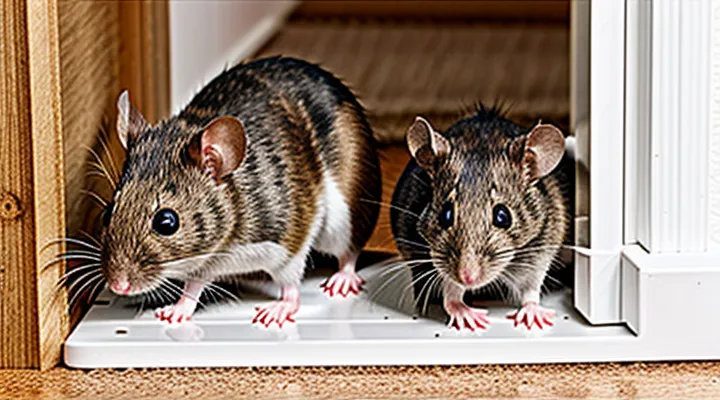
Understanding the Mouse Problem
Why Mice Are a Threat
«Health Risks Associated with Mice»
Mice entering residential spaces expose occupants to a range of serious health hazards. Their presence is not merely a nuisance; it creates pathways for pathogens that can cause acute and chronic illness.
- Hantavirus pulmonary syndrome, transmitted through inhalation of aerosolized rodent droppings, leads to severe respiratory distress and can be fatal.
- Salmonella and other bacterial infections arise when mice contaminate food supplies or kitchen surfaces with urine and feces.
- Leptospirosis spreads via contact with urine-soaked materials, producing flu‑like symptoms and potentially kidney damage.
- Lymphocytic choriomeningitis virus (LCMV) can be contracted through direct contact with infected rodents, resulting in meningitis or encephalitis.
Rodent droppings, urine, and gnawed materials introduce allergens and particulate matter that aggravate asthma and trigger allergic reactions. Repeated exposure elevates the risk of hypersensitivity, especially in children and individuals with pre‑existing respiratory conditions.
Contamination extends beyond food. Mice chew electrical wiring, creating fire hazards, and gnaw insulation, which can release harmful fibers into the indoor air. Their nests harbor ectoparasites such as mites and fleas, which may bite humans and transmit additional diseases.
The cumulative effect of these risks underscores the necessity of sealing entry points. By eliminating gaps and cracks, homeowners remove the primary route for rodents, thereby reducing the probability of disease transmission, allergic reactions, and secondary hazards associated with mouse activity.
«Structural Damage Caused by Mice»
Mice gnaw through insulation, electrical wiring, and wooden framing, creating pathways for heat loss, fire hazards, and compromised load‑bearing capacity. Their incisors continuously grow, prompting relentless chewing that weakens structural components and accelerates deterioration.
Typical damage includes:
- Insulation stripped from walls and attics, reducing thermal efficiency.
- Electrical cables chewed, exposing conductors and increasing short‑circuit risk.
- Drywall and plaster punctured, allowing moisture intrusion and mold growth.
- Structural timbers fractured, diminishing support for roofs and floors.
Repair costs often exceed the expense of preventive sealing because damaged materials must be removed, replaced, and inspected for safety compliance. Effective gap closure eliminates entry points, stops ongoing destruction, and preserves the integrity of the building envelope.
Identifying Mouse Entry Points
«Common Areas for Gaps»
Mice exploit any opening that connects the exterior to interior spaces. Identifying where these openings occur is the first step in preventing infestation.
- Gaps around exterior doors, especially at the bottom edge or where the frame meets the wall.
- Openings around windows, including cracked panes, faulty seals, and gaps between the sash and the frame.
- Spaces surrounding utility penetrations such as electrical wiring, plumbing pipes, and HVAC ducts.
- Cracks in the foundation or basement walls, often found near where concrete meets brick or where water drainage has eroded the surface.
- Openings at the roofline, including vent flues, chimney crowns, and gaps around attic access doors.
- Gaps around vent covers, dryer exhaust ducts, and laundry room dryer stacks.
- Small openings around garage doors, particularly at the threshold and where the door hinges attach to the wall.
- Gaps in siding, especially where vinyl panels have shrunk or where trim pieces have become loose.
- Openings around crawl‑space entry points, including vent covers and access doors.
Each of these locations can be sealed with appropriate materials—steel wool, caulk, expanding foam, or metal flashing—depending on size and exposure. Systematically inspecting and closing these gaps eliminates the pathways mice use to enter, reducing the likelihood of an infestation.
«Signs of Mouse Activity»
Mice leave distinct evidence that can be identified before any sealing work begins. Recognizing these indicators helps target the most vulnerable points and ensures that repairs address the actual entry routes.
Typical signs include:
- Small droppings, 1‑3 mm long, found along walls, behind appliances, or in cabinets.
- Gnaw marks on wood, plastic, or wiring, often rounded with fresh, light‑colored edges.
- Nests constructed from shredded paper, fabric, or insulation, usually hidden in concealed spaces.
- Scratching noises in ceilings or attics, especially during nighttime hours.
- Grease or smudge trails along walls, where rodents have traveled.
Additional clues are occasional sightings of live mice or carcasses, and the presence of urine stains that appear as dark, wet spots on surfaces. Detecting multiple signs in the same area suggests a direct path for entry, indicating where sealing measures should be applied.
Preparing for Sealing
Gathering Necessary Materials
«Recommended Sealing Products»
Effective rodent exclusion depends on selecting the right sealing materials. The following products provide reliable barriers against mouse intrusion and are compatible with common home construction.
- Silicone-based caulk – Remains flexible after curing, adheres to wood, metal, and masonry; fills irregular cracks up to ½ inch wide. Choose a formula labeled “rodent-resistant” or “pest-proof.”
- Expanding polyurethane foam – Expands to fill larger voids, up to 2 inches in diameter. Use low‑expansion variants to prevent pressure on surrounding structures. Trim excess once hardened and seal the surface with caulk.
- Steel wool (grade #1 or finer) – Compresses into gaps around pipes, vents, and foundation seams. Its dense mesh deters chewing; cover with caulk or mesh tape to protect against moisture.
- Copper mesh tape – Provides a metal barrier for openings larger than ¼ inch. Install over gaps before applying caulk for added durability.
- Self‑adhesive weatherstripping – Ideal for sealing door and window frames. Select closed‑cell foam or rubber strips that compress tightly when the door or window closes.
- Mortar or cement patch – Suitable for fixing cracks in concrete foundations and exterior walls. Apply a thin layer, smooth the surface, and allow full cure before exposing to moisture.
When applying these products, clean the target area, remove loose material, and ensure a dry surface. Combine flexible sealants with rigid barriers (e.g., steel wool plus caulk) for maximum protection. Regular inspection of sealed points helps maintain an impenetrable envelope against rodents.
«Essential Tools for the Job»
A successful rodent exclusion project begins with the right equipment. Selecting tools that match the size and material of each opening ensures a durable seal and eliminates future entry points.
- Steel wool or copper mesh – packs tightly into irregular cracks, resists chewing.
- Expanding polyurethane foam – fills larger gaps, hardens to a solid barrier.
- Silicone or acrylic caulk – seals seams around windows, doors, and baseboards.
- Metal flashing or sheet metal – covers gaps around pipes, vents, and utility lines.
- Weather‑resistant sealant tape – provides quick, temporary coverage for hard‑to‑reach spots.
- Power drill with appropriate bits – prepares holes for anchors and fasteners.
- Self‑tapping screws and anchors – secure flashing and mesh to wood or masonry.
- Utility knife and scissors – trim foam, caulk, and mesh to precise dimensions.
Apply each tool according to the specific opening: insert steel wool, cover with foam, then finish with caulk for a layered defense. Secure metal flashing with screws to prevent displacement. Regular inspection of installed seals confirms integrity and allows prompt repair of any wear.
Safety Precautions
«Personal Protective Equipment»
When sealing openings to prevent rodent intrusion, direct contact with insulation, caulking compounds, and potentially contaminated debris demands protective gear. Proper equipment shields the worker from sharp edges, chemical irritation, and airborne particles that may carry allergens or pathogens.
- Heavy‑duty gloves (nitrile or cut‑resistant) protect hands from sharp metal, fiberglass, and adhesive residues.
- Safety goggles or full‑face shields prevent splashes of sealant, dust, or debris from reaching the eyes.
- Disposable coveralls or long‑sleeve work shirts with sleeves taped at the wrists limit skin exposure to irritants.
- Respirators equipped with P100 or N95 filters guard against inhalation of fine particles, mold spores, and volatile organic compounds released by sealants.
- Slip‑resistant boots with steel toes safeguard feet from dropped tools and puncture hazards.
Before beginning work, inspect each item for damage, replace compromised components, and ensure a proper fit. Remove jewelry and tie back long hair to avoid entanglement. After the task, discard single‑use items, launder reusable garments according to manufacturer instructions, and store equipment in a clean, dry area to maintain its protective qualities.
«Handling Pest Control Materials»
Effective use of pest‑control products is a prerequisite for creating a mouse‑proof barrier. Improper handling can compromise the seal, expose occupants to hazards, and diminish the longevity of the repair.
Choose materials that match the gap type and environmental conditions:
- Steel wool or copper mesh for narrow openings around pipes and vents.
- Silicone or polyurethane caulk for cracks in walls, baseboards, and around doors.
- Low‑expansion foam for larger voids where structural movement is expected.
- Rodent‑repellent granules or sprays for perimeter treatment before sealing.
Before application, adopt the following safety measures: wear gloves, eye protection, and a respirator when using foam or spray products; ensure adequate ventilation; read the safety data sheet for each material; keep containers sealed when not in use.
Apply each product according to manufacturer instructions: clean the surface, remove loose debris, and dry the area; press mesh or wool firmly into the opening, then cover with caulk or foam to eliminate residual gaps; avoid excess foam that can contract and create new openings; verify the seal after curing.
Store chemicals in their original, clearly labeled containers, away from direct sunlight, heat sources, and reach of children or pets. Follow local regulations for disposal of empty containers and unused product, returning them to authorized collection points when possible.
Sealing Exterior Gaps
Foundation and Walls
«Sealing Cracks in Concrete and Brick»
Concrete and brick walls often contain tiny fissures that allow mice to gain entry. Even a hair‑width opening can be exploited, so every crack must be sealed securely.
Begin by inspecting the exterior and interior surfaces. Use a flashlight to locate gaps around foundation joints, window frames, and utility penetrations. Mark each defect with chalk or tape for systematic treatment.
Clean each crack thoroughly. Remove dust, loose debris, and any loose mortar with a wire brush or vacuum. Moisture must be eliminated; a damp cloth can wipe the area, but allow the surface to dry completely before proceeding.
Select the appropriate filler:
- Hydraulic cement for active water leaks; it expands as it cures, closing the gap.
- Epoxy mortar for structural cracks larger than ¼ in.; it bonds strongly to both concrete and brick.
- Polyurethane caulk for flexible joints around pipes and vents; it remains elastic under temperature changes.
- Low‑expansion spray foam for irregular cavities; trim excess after cure.
Apply the chosen material according to the manufacturer’s instructions:
- Press the filler deep into the crack, ensuring no voids remain.
- Overfill slightly to accommodate shrinkage.
- Smooth the surface with a putty knife or trowel, feathering the edges to the surrounding material.
- Allow the product to cure fully—typically 24 hours for cement, 4–6 hours for epoxy, and 30 minutes for caulk.
- If necessary, paint or apply a waterproof sealant over the repaired area to match the existing finish.
Regularly inspect repaired sections, especially after heavy rain or seasonal temperature shifts. Reapply sealant promptly if new cracks appear, maintaining a continuous barrier that prevents rodent intrusion.
«Repairing Gaps Around Pipes and Utilities»
Mice exploit any opening around plumbing, electrical conduits, and HVAC ducts. Gaps larger than a quarter‑inch provide a direct path into walls, floors, and crawl spaces. Sealing these openings eliminates a primary entry route and protects insulation, wiring, and structural components.
- Locate all pipe and utility penetrations. Inspect exterior walls, foundation, basement, and attic for visible cracks or holes. Use a flashlight and a mirror to see behind fixtures.
- Clean the area. Remove debris, old caulk, and loose material with a wire brush or vacuum. Dry the surface to ensure adhesion.
- Choose an appropriate sealant. For metal or PVC pipes, use a high‑temperature silicone or polyurethane caulk. For larger gaps, apply expanding spray foam, then trim excess after curing.
- Apply sealant. Insert the tip of the caulk tube or foam nozzle into the gap, fill completely, and smooth with a gloved finger or putty knife. Ensure the seal contacts both the pipe and surrounding wall material.
- Reinforce where needed. Install steel wool or copper mesh behind the sealant for added durability on high‑traffic or moisture‑prone areas.
- Allow the sealant to cure according to the manufacturer’s instructions before exposing the area to water or heat.
Regularly inspect sealed joints during seasonal maintenance. Reapply sealant if cracks appear or if the material shrinks over time. Consistent attention to pipe and utility gaps maintains a robust barrier against rodent intrusion.
Doors and Windows
«Weatherstripping and Door Sweeps»
Weatherstripping and door sweeps provide the most reliable barrier against rodent entry through exterior doors. These components close the narrow openings that mice exploit when seeking shelter and food.
Weatherstripping consists of flexible material—typically rubber, silicone, or foam—applied along the interior perimeter of a door frame. Choose a product with a compression rating that matches the door’s movement; too soft material will not maintain a seal, while overly stiff material can damage the frame. Install by cleaning the surface, measuring the length, cutting to size, and pressing the strip firmly into the adhesive backing. Ensure continuous coverage from top to bottom, paying special attention to corners where gaps tend to be larger.
Door sweeps attach to the bottom edge of a door and block the space between the door and the threshold. Select a sweep with a durable brush or rubber flap that extends at least ¼ inch beyond the threshold when the door is closed. To install, remove the existing sweep, align the new unit with pre‑drilled holes or mark new locations, and secure with screws. Verify that the sweep contacts the floor evenly without dragging, which would wear the material and reduce effectiveness.
Maintenance guidelines:
- Inspect weatherstripping quarterly for tears, compression loss, or mold; replace any compromised sections promptly.
- Clean door sweeps of debris and check for loose screws; tighten or re‑attach as needed.
- Test the seal by closing the door and feeling for air movement with a piece of paper; the paper should not slip out.
Combining properly installed weatherstripping with a well‑fitted door sweep eliminates the typical entry points that mice use, creating a continuous, rodent‑proof barrier around the home’s primary access points.
«Caulking Window Frames»
Caulking window frames creates a durable barrier that blocks the tiny entry points mice use to infiltrate a house. Proper preparation, the right materials, and correct application are essential for an effective seal.
- Clean each frame thoroughly; remove paint, dust, and debris with a scraper and a vacuum.
- Inspect for cracks, gaps, and joints where the frame meets the wall or sill.
- Choose a silicone‑based or polyurethane caulk designed for exterior use; these remain flexible in temperature fluctuations and resist moisture.
- Cut the caulk tube tip at a 45‑degree angle, creating an opening just large enough to fill the gap without excess.
- Apply steady pressure to lay a continuous bead of caulk into the crack, ensuring it penetrates fully.
- Smooth the bead with a caulk‑smoothing tool or a wet fingertip, pressing it against the surface to eliminate air pockets.
- Allow the sealant to cure according to the manufacturer’s instructions, typically 24–48 hours, before exposing it to weather.
Additional considerations:
- Prioritize frames with visible signs of wear; replace damaged weatherstripping before caulking.
- Use painter’s tape to mask adjacent surfaces for a clean edge, removing it while the caulk is still pliable.
- Inspect the sealed area periodically; reapply caulk where cracks reappear due to building movement.
By sealing window frames meticulously, homeowners eliminate a common pathway for rodents, reinforcing the overall strategy of keeping mice out of the living space.
Roof and Eaves
«Checking for Gaps in Roofing»
Inspect the roof surface for any openings that could allow rodents to enter the attic or interior spaces. Begin at the highest point and work downward, using a sturdy ladder and proper safety gear.
- Examine shingles for cracked, missing, or loose pieces; replace or reseal any damaged areas.
- Check flashing around chimneys, skylights, and vent pipes; ensure seams are intact and sealed with appropriate roofing cement or silicone.
- Look for gaps around roof penetrations such as satellite dishes, antenna mounts, and roof hatches; fill with expanding foam or metal flashing as needed.
- Inspect eaves and soffits for torn or deteriorated material; repair or replace to eliminate entry routes.
- Verify that vent covers are securely attached and have no broken mesh; install hardware cloth with openings no larger than ¼ inch if necessary.
- Walk the roof ridge line to detect any sagging or displaced sections that could create hidden spaces.
After visual inspection, use a bright flashlight and a thin probe (e.g., a bent wire) to test suspect areas. Any gap that allows the probe to pass must be sealed before it expands or becomes a permanent entry point. Apply a durable, weather‑resistant sealant, then reinforce with metal flashing or mesh where structural movement may reopen the seal. Regularly repeat the inspection after severe weather to maintain a mouse‑proof roof envelope.
«Securing Vents and Chimneys»
Vents and chimneys provide direct pathways for rodents to infiltrate living spaces; sealing them eliminates one of the most common entry points.
Begin by inspecting every vent, dryer exhaust, and chimney cap. Remove debris, verify that screens are intact, and note any gaps larger than ¼ inch. Check for damage to flashing, mortar, or vent louvers, and record locations that require repair.
- Install stainless‑steel or copper mesh with openings no larger than ¼ inch over all vent openings. Secure mesh with corrosion‑resistant screws and seal edges with silicone or polyurethane caulk.
- Replace damaged chimney caps with models that feature a tight‑fitting lid and a built‑in mouse guard. Ensure the cap sits flush with the chimney flue and seal the surrounding brickwork with high‑temperature mortar.
- Apply expanding foam sealant to cracks around vent frames and chimney bases, avoiding excess that could obstruct airflow. Trim cured foam to a smooth finish and coat with weather‑resistant paint.
Regularly revisit sealed areas after seasonal changes. Look for new wear, displaced mesh, or water damage that could create fresh openings. Promptly repair any compromise to maintain a continuous barrier against rodent intrusion.
Sealing Interior Gaps
Kitchen and Bathroom
«Sealing Gaps Under Sinks and Appliances»
Mice exploit the space beneath kitchen and bathroom sinks, as well as the clearance around refrigerators, dishwashers, and washing machines. These openings often result from uneven flooring, worn caulking, or gaps left after appliance installation. Because rodents can compress their bodies to fit through openings as small as ¼ inch, even minor cracks provide a direct route into cabinetry and food storage areas.
Identify all potential entry points by pulling appliances away from the wall, examining the perimeter of each sink base, and inspecting the floor‑to‑cabinet joint. Look for:
- Cracks in the countertop or backsplash
- Gaps between the sink flange and the countertop
- Openings behind the plumbing fixtures
- Spaces where the appliance base meets the floor or wall
Select sealants that resist chewing and remain flexible under temperature changes. Recommended products include:
- High‑grade silicone caulk, rated for kitchen use
- Polyurethane sealant, offering superior durability
- Steel‑wool mesh combined with expanding foam for larger voids
Apply the sealant in the following order:
- Clean the area with a degreaser; remove dust, grease, and old caulk.
- Dry the surface completely to ensure adhesion.
- Insert a thin strip of steel‑wool mesh into gaps larger than ¼ inch to provide a backing.
- Dispense silicone or polyurethane sealant over the mesh, smoothing it with a gloved finger or a caulking tool.
- For gaps exceeding ½ inch, fill the void with low‑expansion foam, then coat the surface with silicone to prevent chewing.
- Allow the sealant to cure according to the manufacturer’s instructions before reinstalling the appliance.
After sealing, re‑position the appliance, verify that it sits flush against the wall, and check that no new gaps have formed. Periodically repeat the inspection, especially after moving appliances or after seasonal temperature shifts, to maintain an impenetrable barrier against rodents.
«Addressing Plumbing Penetrations»
Plumbing fixtures create openings where pipes pass through walls, floors, and foundations. These gaps often measure only a few millimeters, yet they provide a direct route for rodents. Inspect every visible pipe entry, including sink drains, washing machine hoses, and water heater connections, and note any cracks, gaps, or loose fittings.
Seal each penetration using materials that resist chewing and remain flexible with building movement. Apply a high‑quality, rodent‑proof caulk or expanding foam around the pipe, then cover the joint with metal mesh or steel wool before finishing with a durable sealant. For larger holes, install a pipe collar or rubber gasket that fits snugly around the pipe and fasten it with stainless‑steel screws. Ensure the outer surface is smooth to eliminate crevices where mice could hide.
- Clean the area of dust and debris before sealing.
- Insert steel wool or copper mesh into the gap, leaving no open space.
- Apply rodent‑resistant silicone or polyurethane sealant over the filler.
- For exterior penetrations, wrap the pipe with a metal flashing and secure it with corrosion‑resistant fasteners.
- Inspect the sealed area regularly for signs of wear or new openings.
By treating each plumbing penetration with these steps, the home eliminates one of the most common entry points used by mice, strengthening the overall barrier against infestation.
Attic and Basement
«Inspecting and Sealing Wall Voids»
Inspect wall cavities for signs of rodent activity. Look for gnaw marks, droppings, or shredded insulation. Use a flashlight to scan behind baseboards, under cabinets, and around electrical outlets. If a cavity is concealed behind drywall, cut a small inspection panel to verify the condition without extensive demolition.
Identify entry points that lead into voids. Common sources include gaps around plumbing stacks, gaps between the foundation and framing, and unsealed penetrations for cables. Measure each opening with a tape measure; openings larger than ¼ inch allow mice to pass.
Choose an appropriate sealant for each type of gap. For small cracks, apply a high‑quality acrylic latex caulk, smoothing it with a putty knife. For larger openings around pipes or ducts, insert steel wool or copper mesh, then cover with expanding polyurethane foam. Ensure the foam expands fully, then trim excess material flush with the surrounding surface.
After sealing, reinstall any removed panels and repair damaged drywall with joint compound. Apply a final coat of paint to protect the area and discourage rodents from returning. Conduct a follow‑up inspection after two weeks to confirm that no new activity has appeared.
«Protecting Utility Openings»
Utility openings—such as dryer vents, cable conduits, plumbing penetrations, and HVAC ducts—provide direct pathways for rodents. Seal these points with durable, rodent‑resistant materials to prevent entry.
- Inspect every exterior wall, basement, and crawl‑space for visible gaps around pipes, wires, and vents.
- Use stainless‑steel mesh (¼‑inch or smaller) to cover openings larger than ¼ inch; mesh resists gnawing.
- Apply high‑quality silicone or polyurethane caulk to edges of mesh, ensuring a continuous seal.
- For round penetrations, insert a copper or steel pipe sleeve, then seal the joint with expanding foam labeled “rodent‑proof.”
- Replace damaged vent covers with metal models that include a tight‑fitting flange; secure with self‑drilling screws.
Maintain the integrity of sealed openings:
- Conduct quarterly visual checks; repair cracks or loose fittings immediately.
- Trim vegetation and debris within two feet of utility entries; foliage creates shelter for mice.
- Install flashing around roof‑mounted vents to redirect water and discourage nesting.
By treating each utility opening with appropriate barriers and regular maintenance, the home eliminates one of the most common routes rodents use to gain access.
General Interior Spaces
«Filling Gaps in Baseboards and Walls»
Inspect baseboards and wall junctions for cracks, gaps, and openings that allow rodent entry. Use a flashlight and a thin probe to locate seams larger than a quarter‑inch. Mark each opening with a pencil for systematic treatment.
Select appropriate sealant based on location and material. For gaps in wood baseboards, use a high‑quality acrylic latex caulk with a flexible finish. For larger voids or cracks in drywall, apply expanding polyurethane foam, then trim excess after curing. Keep a putty knife, caulking gun, and sandpaper ready.
Apply sealant in the following order:
- Clean the area; remove dust, paint chips, and loose material.
- Insert foam or caulk into the gap, filling it completely without over‑expansion.
- Smooth caulk with a damp fingertip or putty knife; for foam, allow it to expand, then cut flush with a utility knife.
- Allow the product to cure according to manufacturer instructions, typically 24 hours for foam and 30 minutes for caulk.
- Sand any rough edges, then repaint or refinish to match surrounding surfaces.
After sealing, conduct a final inspection. Run a thin wire or a piece of cheesecloth through each treated seam; any passage indicates incomplete coverage. Reapply sealant to any remaining openings before sealing other entry points in the home.
«Securing Electrical Outlets and Switches»
Mice frequently exploit gaps around electrical outlets and switches because these openings are often overlooked during home maintenance. The metal boxes sit flush with the wall, but the surrounding drywall, trim, or cover plates can leave small voids that rodents can squeeze through.
To eliminate these vulnerabilities, follow a systematic approach:
- Turn off power to the circuit and remove the cover plate. Inspect the perimeter for cracks, gaps, or damaged drywall.
- Insert a thin layer of steel wool into any opening. Steel wool compresses tightly and deters chewing.
- Apply a bead of high‑quality silicone caulk over the steel wool, smoothing it to create a seamless barrier.
- Install a purpose‑built outlet seal kit. These kits include a gasket that fits between the box and the wall, providing an additional airtight seal.
- Replace any cracked or broken cover plates with new, tightly fitting ones. Use screws rather than nails to prevent loosening over time.
- If the wall cavity is large, fill the space with expanding foam designed for pest control. Trim excess foam flush with the wall surface before reinstalling the cover.
- Reattach the cover plate, ensuring all fasteners are snug. Restore power and test the outlet.
Regularly revisit each outlet and switch, especially after renovations or after noticing signs of rodent activity. Maintaining a continuous, sealed barrier at these points significantly reduces the likelihood of mice gaining entry through electrical fixtures.
Post-Sealing Measures
Ongoing Monitoring
«Regular Inspections for New Gaps»
Regular inspections are a critical component of any rodent‑proofing strategy. Even after initial sealing, structures settle, weathering occurs, and new openings can appear unnoticed. Conducting systematic checks ensures that any breach is identified before mice can exploit it.
Key practices for effective monitoring:
- Schedule inspections at least quarterly; increase frequency after severe weather or construction activity.
- Examine exterior walls, foundation, and roof for cracks, gaps around vents, and loose siding.
- Inspect interior areas where utilities enter the home—pipes, cables, and ductwork—for signs of separation.
- Use a flashlight and mirror to view hard‑to‑reach spaces such as under appliances and behind cabinets.
- Document each finding, noting location, size, and material condition to prioritize repairs.
Promptly seal identified gaps with appropriate materials—steel wool, expanding foam, or caulk—matching the surrounding structure. Maintaining a consistent inspection routine reduces the likelihood of new entry points and reinforces the overall barrier against mouse intrusion.
«Monitoring for Signs of Re-entry»
After sealing potential entry points, continuous observation is critical to confirm that rodents have not found new routes. Look for fresh gnaw marks on wood, plastic, or insulation, especially near previously sealed seams. Notice droppings in corners, under appliances, or along baseboards; an increase in quantity or distribution suggests renewed activity. Pay attention to new grease or urine stains on walls, as these indicate repeated traversal. Listen for scratching sounds behind cabinets, in attics, or within wall cavities during quiet periods. Record any sightings of live mice or carcasses promptly.
Effective monitoring relies on a systematic approach:
- Inspect each sealed location weekly for the first month, then bi‑weekly for the next two months, and monthly thereafter.
- Use a flashlight and a mirror to examine dark, concealed areas such as behind radiators, under sinks, and inside crawl spaces.
- Place non‑toxic snap traps or electronic monitoring devices along suspected pathways; check them daily for captures or activity alerts.
- Deploy motion‑activated cameras in high‑risk zones (e.g., pantry, garage) to capture nocturnal movement.
- Maintain a log noting date, location, type of evidence, and any remedial actions taken.
Prompt detection of re‑entry signs enables swift reinforcement of barriers before an infestation escalates.
Maintaining Your Home
«Preventative Maintenance Tips»
Regular inspection of the building envelope prevents new entry points from forming. Walk the perimeter quarterly, looking for cracked plaster, damaged siding, or gaps around windows and doors. Use a flashlight to reveal hidden openings in the attic and crawl spaces.
- Apply silicone or acrylic caulk to seal cracks larger than ¼ inch in walls, baseboards, and around pipe penetrations.
- Install metal flashing or mesh over larger openings such as vent ducts and utility conduits before applying sealant.
- Replace worn weatherstripping on doors and windows with compression strips that compress when closed.
- Fit door sweeps to the bottom of all exterior doors; adjust them to make contact without hindering movement.
- Cover vent covers with fine‑mesh hardware cloth; secure with screws to prevent rodents from pushing them aside.
Maintain the surrounding environment to reduce attraction. Trim shrubs and trees at least two feet away from the foundation, eliminate standing water, and store firewood at least 18 inches off the ground and away from the house. Keep exterior garbage containers sealed with tight‑fitting lids.
Inside the home, store dry goods in airtight containers, and inspect pantry shelves regularly for signs of gnawing. Repair any damaged flooring or baseboard joints promptly, as mice exploit even minimal gaps.
Document each maintenance action in a log, noting date, location, and materials used. Review the log before each seasonal inspection to verify that no previously sealed areas have deteriorated. This systematic approach sustains a barrier that deters rodent intrusion over the long term.
«Professional Pest Control Services»
Professional pest‑control firms specialize in eliminating rodent access points through systematic inspection and remediation. Technicians employ calibrated tools to locate hidden cracks, utility penetrations, and structural deficiencies that allow mice to infiltrate a residence. Their expertise includes assessing building plans, identifying high‑risk zones, and applying industry‑standard sealing materials.
Typical sealing measures performed by experts include:
- Inserting steel‑wool or copper mesh into narrow openings before applying caulking.
- Using expanding polyurethane foam formulated for pest resistance to fill larger gaps around pipes and vents.
- Installing metal flashing or hardware cloth over crawl‑space vents and foundation seams.
- Applying silicone‑based sealants to door frames, window sills, and attic access points for long‑term durability.
Engaging a licensed service guarantees compliance with local building codes, reduces the likelihood of future infestations, and provides a documented warranty. Homeowners receive a detailed report outlining completed work, recommended maintenance schedules, and any additional structural repairs needed to sustain a rodent‑free environment.