
«Understanding the Problem»
«Why Mice Are a Threat»
«Health Risks»
Mice infiltrating a home through gaps in the foundation expose occupants to a range of health hazards. Direct contact with rodent urine, feces, or saliva can transmit pathogens such as Hantavirus, Leptospira bacteria, and Salmonella. Inhalation of aerosolized particles from dried droppings may cause respiratory irritation, allergic reactions, and asthma exacerbations. Contamination of food storage areas leads to gastrointestinal infections, while gnawing damage to wiring or insulation creates fire risk and exposure to toxic fumes from burned materials.
Key health concerns include:
- Zoonotic diseases – infections that jump from rodents to humans, often presenting with fever, muscle aches, and severe respiratory symptoms.
- Allergic sensitization – proteins in rodent dander trigger immune responses, resulting in sneezing, nasal congestion, and skin rash.
- Foodborne illness – bacterial growth on contaminated surfaces produces nausea, vomiting, and diarrhoea.
- Secondary injuries – bites or scratches can introduce bacteria, requiring medical attention.
Effective sealing of foundation fissures eliminates the primary entry point, reducing the likelihood of rodent presence and the associated medical risks. Regular inspection and maintenance of sealed areas ensure the barrier remains intact, preserving indoor air quality and safeguarding resident health.
«Structural Damage»
Structural damage compromises the integrity of a building’s foundation, creating pathways for rodents to infiltrate interior spaces. Cracks, settlement gaps, and spalling concrete weaken load‑bearing capacity and serve as direct entry points for mice seeking shelter and food.
Identifying damage requires visual inspection and, when necessary, probing with a screwdriver or moisture meter. Common indicators include:
- Horizontal or vertical fissures larger than ¼ inch
- Displaced or bowed foundation walls
- Crumbling or flaking concrete surfaces
- Evidence of water intrusion or efflorescence
Addressing these defects involves a sequence of corrective actions:
- Clean the crack to remove debris, dust, and loose material.
- Apply a high‑strength epoxy or polyurethane sealant that adheres to both fresh and cured concrete.
- For larger gaps, insert a backer rod or hydraulic cement before sealing to restore structural continuity.
- Reinforce the repaired area with a fiber‑reinforced polymer wrap or steel brackets if the surrounding concrete shows signs of stress.
- Conduct a final inspection to verify the seal’s integrity and confirm that no additional openings remain.
Prompt remediation of structural damage not only restores the foundation’s load‑bearing function but also eliminates the primary conduit through which mice access the building. Regular monitoring and maintenance prevent recurrence, preserving both structural safety and pest‑free conditions.
«Common Entry Points»
«Foundation Cracks»
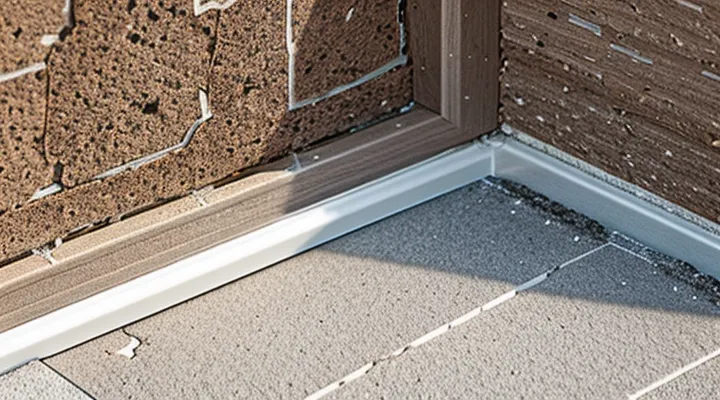
Foundation cracks are gaps that develop in concrete or masonry footings due to settlement, moisture movement, temperature fluctuations, or structural stress. Their size, orientation, and depth determine the level of vulnerability to rodent intrusion.
Typical characteristics include:
- Horizontal fissures up to ¼ in. wide, often found near the top of the slab.
- Vertical or diagonal cracks extending from the footing to the interior wall.
- Hairline splits that widen over time as soil shifts.
Detecting cracks requires visual inspection and tactile probing. Use a flashlight to illuminate shadowed areas, and run a thin steel probe along the seam; resistance indicates a sealed joint, while free movement confirms an opening. Moisture stains or pest droppings often accompany active entry points.
Effective sealing involves three sequential actions:
-
Prepare the surface
- Remove loose debris, soil, and vegetation with a wire brush or vacuum.
- Clean the crack with a pressure washer or detergent solution; allow it to dry completely.
- Enlarge narrow fissures to a minimum width of ½ in. using a rotary hammer or chisel, creating a V‑shaped profile that improves adhesive contact.
-
Apply a suitable sealant
- For cracks ≤ ½ in., use a polymer‑modified acrylic caulk with rodent‑resistant properties.
- For larger openings, inject expanding polyurethane foam, then overlay with a cementitious mortar or hydraulic cement.
- Ensure the sealant penetrates the full depth of the crack; back‑fill with a backer rod when necessary to support the material.
-
Reinforce and protect
- Install a metal flashing or rigid foam board over the repaired area to shield against future soil pressure.
- Cover the exterior footing with a waterproofing membrane or elastomeric coating to deter moisture ingress, which accelerates crack propagation.
- Schedule periodic inspections, especially after heavy rains or ground movement, to verify the integrity of the seal.
Choosing the correct material depends on crack dimensions and exposure conditions. Polyurethane expands up to 200 % of its original volume, making it ideal for irregular gaps, while hydraulic cement sets quickly and resists water penetration. Both products should be rated for exterior use and comply with local building codes.
By systematically cleaning, sealing, and protecting foundation cracks, homeowners eliminate primary pathways for mice, enhance structural durability, and reduce the likelihood of future infestations.
«Utility Openings»
Utility openings—penetrations for plumbing, electrical, HVAC, and gas lines—provide direct pathways from the ground into a building’s foundation. Unsealed gaps around these penetrations allow mice to squeeze through openings as small as a quarter inch, making them a primary target for pest control.
Inspect each opening from the interior and exterior. Remove any loose debris, verify that the surrounding concrete or masonry is sound, and note gaps larger than 1 mm. Use a flashlight to reveal hidden cracks behind fittings and check for signs of gnawing, such as fresh bite marks or droppings.
Clean the area with a wire brush, then apply a primer compatible with the chosen sealant. Ensure the surface is dry; moisture impedes adhesion and may attract rodents seeking shelter.
- Expandable polyurethane foam: inject into gaps, allow expansion, trim excess, and seal surface with a waterproof caulk.
- Hydraulic cement: mix per instructions, press into cracks, smooth with a trowel, and let cure before covering.
- Mortar or concrete patch: blend to match existing foundation, pack into larger openings, cure fully, then apply a protective coating.
- Metal or PVC sleeves: insert around pipe sections, fasten with stainless‑steel screws, and seal joints with silicone or cement.
After sealing, verify that all sleeves remain tight and that no new cracks appear after settling. Schedule periodic inspections, especially after heavy rain or seasonal temperature shifts, to maintain a continuous barrier against rodent intrusion.
«Weep Holes»
Weep holes are intentional openings in foundation walls that allow moisture to drain from behind the structure. Their size typically ranges from 1 ½ to 3 inches in diameter, and they are positioned near the base of the wall to facilitate gravity‑driven water flow.
Because mice can exploit any gap larger than a quarter‑inch, unsealed or deteriorated weep holes become direct pathways into the crawl space. Water accumulation behind the foundation also creates a humid environment that attracts rodents, increasing the likelihood of infestation.
To prevent mouse entry while preserving drainage, follow these steps:
- Inspect each weep hole for cracks, corrosion, or blockage.
- Clean debris and verify that water can exit freely.
- Install a stainless‑steel or copper mesh screen (¼‑inch opening) over the opening to block rodents but allow airflow.
- Apply a flexible, waterproof sealant around the perimeter of the mesh to seal gaps without impeding drainage.
- Periodically re‑examine the weep holes for wear and replace the mesh if damage occurs.
Properly maintained weep holes retain their moisture‑removal function and eliminate a common route for mice to infiltrate the foundation.
«Preparation for Sealing»
«Inspection and Assessment»
«Identifying Crack Types»
Identifying the nature of foundation cracks is the first step in any effective rodent‑exclusion plan. Different crack formations demand distinct repair methods, and misclassification can lead to persistent entry points for mice.
Common crack categories include:
- Hairline fissures – thin, often less than 1 mm wide; typically result from minor settlement and may expand with moisture fluctuations.
- Vertical or horizontal splits – wider than hairline, usually 1–5 mm; indicate structural movement or pressure from soil shifts.
- Step cracks – offset joints where one wall segment drops relative to another; suggest differential settlement or foundation slumping.
- Diagonal or stair‑step cracks – intersecting lines forming a stair‑step pattern; frequently associated with foundation bowing or heaving.
- Expansion joints – intentional gaps designed for movement; can become compromised if not properly sealed.
Accurate classification guides material selection: epoxy injectants for narrow fissures, hydraulic cement for broader splits, and flexible sealants for joints that must accommodate movement. Matching repair technique to crack type ensures a durable barrier that deters mouse infiltration.
«Locating All Entry Points»
Identifying every potential opening in a building’s foundation is the first step in preventing rodent intrusion. Small gaps, uneven mortar, and damaged caulking can all serve as passageways for mice.
- Walk the perimeter of the structure and visually scan for cracks larger than ¼ inch.
- Use a flashlight to examine the underside of joists, crawl spaces, and basement walls.
- Run a thin piece of wire or a flexible rod along seams; resistance indicates a blockage, while free movement suggests an opening.
- Apply a dust or flour trail near suspected gaps; a disturbed pattern reveals active entry.
- Employ a moisture meter; areas with excess dampness often correlate with structural fissures that attract rodents.
After locating each opening, mark its position with a waterproof marker or tape. Document the size, location, and surrounding material to select the appropriate sealing method later. Comprehensive documentation ensures that no entry point is overlooked during the repair phase.
«Gathering Materials»
«Sealants and Fillers»
Effective rodent exclusion begins with selecting the right sealant or filler for foundation cracks. Polyurethane caulk, epoxy putty, and hydraulic cement each provide distinct advantages: polyurethane remains flexible and adheres to concrete, epoxy hardens into a durable barrier, and hydraulic cement expands as it sets, sealing active fissures. Choose a product that matches the crack width, exposure to moisture, and expected movement of the foundation.
Preparation determines sealant performance. Clean the crack of debris, loose particles, and organic material using a wire brush or vacuum. Moisture remaining on the surface must be removed; a damp cloth followed by a brief air‑dry period ensures proper adhesion. For cracks wider than ½ inch, insert backer material—foam or metal lath—before applying the filler to prevent sagging.
Application proceeds in three steps. First, inject polyurethane caulk into the seam using a caulking gun, pushing the material deep enough to fill the void completely. Second, for epoxy or hydraulic cement, mix according to manufacturer instructions, then pack the compound into the crack with a putty knife, smoothing the surface flush with the surrounding concrete. Third, allow the material to cure for the recommended period, typically 24–48 hours, before exposing the area to traffic or moisture.
Regular inspection maintains the barrier. Examine the sealed sections quarterly for signs of cracking, shrinkage, or new entry points. Reapply sealant where deterioration appears, and address any underlying settlement that may reopen gaps. Consistent maintenance preserves the integrity of the foundation and deters mice from re‑entering the structure.
«Tools Required»
A successful sealant job begins with the right equipment. The following tools are essential for closing foundation cracks and blocking rodent ingress:
- Protective gear – safety glasses, gloves, and a dust mask to prevent exposure to debris and chemicals.
- Utility knife or scraper – removes loose concrete, paint, or sealant remnants from the crack surface.
- Wire brush or stiff-bristled brush – cleans out dust and loose particles, ensuring proper adhesion of the sealant.
- Shop vacuum or compressed air – eliminates fine debris that a brush cannot capture.
- Caulking gun – delivers a steady flow of sealant material into the crack.
- Polyurethane or epoxy sealant – flexible, waterproof compounds that expand slightly to accommodate minor movement while resisting chewing.
- Putty knife or trowel – smooths the sealant flush with the surrounding concrete, eliminating gaps.
- Moisture meter (optional) – verifies that the area is dry enough for optimal curing.
- Lighting source – portable work lamp to illuminate low‑lying foundation sections.
Having these tools on hand streamlines the repair process, reduces the likelihood of missed spots, and creates a durable barrier against mice penetration.
«Safety Precautions»
«Personal Protective Equipment»
When repairing foundation fissures to block rodent access, selecting appropriate personal protective equipment (PPE) safeguards health and ensures work quality.
Wear chemical‑resistant gloves to prevent skin contact with sealants, epoxy, and cleaning solvents. Choose nitrile or neoprene material, depending on the chemicals used.
Eye protection is mandatory; safety goggles with side shields guard against splashes and airborne particles generated during drilling or caulking.
A disposable respirator equipped with an organic vapor filter protects the respiratory tract from fumes emitted by adhesives, primers, and any mold‑remediation agents. If work is performed in confined spaces, upgrade to a half‑mask respirator with appropriate cartridges.
Coveralls or a durable work shirt and trousers, preferably made of polyester‑cotton blend, keep clothing free of contaminant penetration. Reinforced knee pads reduce strain when crouching or kneeling near low‑lying cracks.
Foot protection should include steel‑toe boots with slip‑resistant soles to prevent injuries from falling tools and to maintain traction on uneven surfaces.
Recommended PPE checklist
- Nitrile or neoprene gloves
- Safety goggles with side shields
- Disposable respirator (organic vapor filter) or half‑mask respirator
- Coveralls or work shirt and trousers
- Knee pads
- Steel‑toe, slip‑resistant boots
Proper use of each item—donning, adjusting, and removing according to manufacturer instructions—minimizes exposure risk and supports effective sealing of foundation openings.
«Working Safely Around the Foundation»
When sealing foundation fissures to block rodent access, personal safety must be the first priority. Wear a properly fitted respirator to protect against dust and chemical fumes generated by sealants and cleaning agents. Gloves resistant to chemicals, safety glasses, and hearing protection are essential for tasks involving power tools or abrasive equipment.
Before beginning, inspect the work area for unstable soil, loose masonry, or standing water. Remove debris and ensure the surface is dry; moisture can cause slip hazards and reduce sealant adhesion. If the foundation is adjacent to a basement or crawl space, confirm that ventilation is adequate to prevent buildup of volatile compounds. Use a fan or open exterior vents when working in confined areas.
When accessing low‑lying cracks, employ a stable ladder or scaffold that meets load‑bearing specifications. Secure the ladder on firm ground and maintain three points of contact while climbing. For elevated sections, consider a portable lift with guardrails; always follow the manufacturer’s load limits.
Apply sealant according to the product’s safety data sheet. Mix only the required amount to avoid excess exposure, and apply with a tool that minimizes splatter, such as a caulking gun or brush. After application, allow the material to cure in a well‑ventilated environment; avoid re‑entering the area until the recommended drying time has elapsed.
Dispose of waste material in accordance with local regulations. Contain used rags, empty containers, and excess sealant in sealed bags before placing them in a designated hazardous‑waste bin. Clean all protective equipment promptly to prevent residual chemicals from contacting skin or clothing later.
Finally, conduct a brief safety review after completion. Verify that all tools are turned off, cords are stored safely, and the work site is free of tripping hazards. Document any incidents or near‑misses to improve future procedures.
«Sealing Techniques for Different Cracks»
«Hairline Cracks»
«Using Caulk and Sealant Guns»
Using a caulk gun and appropriate sealant provides a direct, durable method for closing foundation fissures that rodents exploit. Select a sealant rated for exterior concrete and capable of remaining flexible under temperature fluctuations; polyurethane or high‑performance silicone are preferred. Verify that the product lists resistance to moisture, soil pressure, and rodent chewing.
Before application, remove loose debris, soil, and vegetation from the crack. Flush the opening with water, allow it to dry, then insert a backer rod if the gap exceeds ¼ inch to ensure the sealant fills only the outer surface. Load the cartridge into the gun, cut the nozzle at a 45‑degree angle, and adjust the plunger for consistent pressure.
Apply the sealant in a continuous bead, pressing the tip into the crack while pulling the gun steadily along the joint. Overfill slightly to compensate for shrinkage, then smooth the surface with a putty knife or a damp finger to eliminate air pockets. Follow the manufacturer’s cure time—typically 24 hours for silicone, up to 48 hours for polyurethane—before exposing the area to moisture or soil backfill.
After curing, inspect the seal for cracks, gaps, or bulges. Reapply sealant at any weak spots and consider a secondary coating for high‑traffic sections. Regular visual checks, especially after heavy rain or seasonal temperature changes, maintain the barrier’s integrity and keep rodents from re‑entering through the foundation.
«Application Tips»
When applying sealant to foundation cracks, prepare the area thoroughly. Remove loose debris, dust, and any vegetation that could interfere with adhesion. Use a wire brush or vacuum to achieve a clean surface.
Select a sealant compatible with both concrete and the expected moisture conditions. Polyurethane or silicone‑based products provide flexibility and long‑term durability. Follow the manufacturer’s temperature guidelines; most sealants cure properly between 40 °F (4 °C) and 85 °F (29 °C).
Apply the sealant with a caulking gun or pump, pushing the material deep into the crack. For openings wider than ¼ inch (6 mm), first insert a backer rod to fill the void and control the sealant depth. Ensure the sealant forms a continuous bead that contacts the surrounding concrete on all sides.
After filling, smooth the surface with a putty knife or a gloved finger to eliminate air pockets and promote a flat finish. Excess material should be removed promptly, as it can attract debris and compromise the seal.
Allow the sealant to cure undisturbed for the period specified by the product—typically 24–48 hours. During curing, protect the area from rain, direct sunlight, and foot traffic. Once cured, inspect the joint for gaps or shrinkage; reapply sealant where necessary.
Maintain the seal by checking the foundation annually. Re‑seal any new cracks or areas where the original material has deteriorated to sustain an effective barrier against rodent intrusion.
«Medium Cracks»
«Applying Hydraulic Cement»
Hydraulic cement provides a fast‑setting, water‑resistant barrier that expands as it cures, making it ideal for filling foundation cracks that could serve as entry points for rodents.
Begin by exposing the crack. Remove loose debris, soil, and any deteriorated mortar with a wire brush or vacuum. Ensure the surface is dry; moisture impedes adhesion.
Prepare the cement according to the manufacturer’s instructions, typically mixing the powder with water to a peanut‑butter consistency. Avoid over‑mixing, which reduces expansion properties.
Apply the mix directly into the crack using a trowel or a mortar gun. Press firmly to eliminate voids, then overfill slightly to allow for expansion. Smooth the surface level with the surrounding concrete.
Allow the cement to set for the recommended time, usually 15–30 minutes for initial hardening and 24 hours for full strength. During curing, keep the area protected from excessive moisture or freezing temperatures.
Safety measures: wear gloves, eye protection, and a dust mask. Work in a well‑ventilated area to prevent inhalation of particulate matter.
Key points for effective rodent exclusion:
- Clean and dry the crack before application.
- Use the correct water‑to‑cement ratio for optimal expansion.
- Overfill slightly to accommodate the material’s swelling.
- Ensure complete curing before back‑filling soil or installing coverings.
When hydraulic cement is applied correctly, the repaired foundation eliminates gaps that mice exploit, reinforcing the structural integrity of the building and maintaining a pest‑free environment.
«Reinforcement Methods»
Reinforcement of repaired foundation cracks adds structural integrity and eliminates pathways that rodents exploit. Selecting a method that bonds securely to existing concrete and resists moisture intrusion is essential for long‑term performance.
Common reinforcement techniques include:
- Epoxy injection – low‑viscosity epoxy penetrates fine fissures, hardens into a monolithic mass, and restores compressive strength. Apply under pressure, allow full cure, then smooth the surface.
- Hydraulic cement – expands on contact with water, filling gaps while creating a hard, water‑tight seal. Suitable for larger voids where rapid set is required.
- Fiber‑reinforced polymer (FRP) wrap – strips of carbon or glass fiber impregnated with resin are wrapped around the crack area, providing tensile reinforcement and preventing future widening.
- Steel reinforcement bars (rebar) with grout – insert short rebar segments into drilled holes across the crack, then fill with high‑strength grout to tie the sections together.
- Polyurethane foam sealant – expands to fill irregular spaces, offering flexibility and resistance to shrinkage. Best for non‑structural cracks that need a flexible barrier.
After reinforcement, finish with a compatible concrete patch or sealant to restore a smooth exterior surface. Regular inspection confirms that the reinforced area remains intact and continues to block rodent entry.
«Large Gaps and Holes»
«Using Backer Rods and Expanding Foam»
Backer rods and expanding foam provide a reliable two‑component solution for sealing foundation openings that permit rodent intrusion. The rod creates a cavity‑filling space, while the foam expands to fill the void, forming a durable, waterproof barrier.
Select a backer rod whose diameter matches the crack width. Closed‑cell polyethylene or flexible foam rods accommodate movement without compressing permanently. For gaps wider than ¼ inch, use a split‑type rod that can be compressed to fit irregular profiles.
Installation proceeds in four steps:
- Remove debris, dust, and loose material from the crack with a wire brush or vacuum.
- Press the backer rod into the opening until it sits slightly below the surface, leaving a uniform gap of ¼ to ½ inch.
- Apply a low‑expansion polyurethane foam directly over the rod, injecting from the deepest point toward the surface.
- Smooth the foam with a putty knife, trim excess, and allow the material to cure according to the manufacturer’s specifications.
The combination offers several advantages:
- The rod prevents foam from sagging into the crack, ensuring a consistent seal thickness.
- Expanding foam adheres to concrete, masonry, and wood, creating a continuous barrier against moisture and pests.
- Low‑expansion formulations limit pressure on surrounding structures, reducing the risk of new cracks.
Periodic inspection is essential. Look for signs of foam degradation, rod displacement, or new cracks. Re‑insert a backer rod and reapply foam where the seal has failed to maintain continuous protection against mouse entry.
«Patching with Concrete Repair Mix»
Concrete repair mix provides a durable barrier that blocks rodent ingress through foundation fissures. The material adheres to both vertical and horizontal surfaces, expands slightly during curing, and hardens to a strength comparable to surrounding concrete, eliminating gaps that mice can exploit.
To apply the mix effectively:
- Clean the crack thoroughly; remove loose debris, dust, and any organic material with a wire brush or vacuum. Moisture should be eliminated, but the substrate must remain slightly damp to improve adhesion.
- Prepare the repair compound according to the manufacturer’s instructions, mixing only the amount needed for immediate use to prevent premature setting.
- Fill the crack using a trowel or a caulking gun equipped with a nozzle that matches the crack width. Press the mix deep into the void, ensuring no air pockets remain.
- Overfill slightly to compensate for shrinkage; smooth the surface level with the surrounding concrete.
- Allow the patch to cure undisturbed for the recommended period, typically 24–48 hours, before exposing it to foot traffic or backfilling.
Regular inspection of patched areas confirms integrity; any new fissures should be addressed promptly with the same procedure to maintain a continuous, mouse‑proof foundation envelope.
«Post-Sealing Measures and Maintenance»
«Curing and Drying Times»
«Protecting Sealed Areas»
Sealing foundation fissures eliminates the primary entry point for rodents, but the effectiveness of the repair depends on maintaining the integrity of the sealed surfaces over time.
After the sealant has cured, protect the area by:
- Applying a corrosion‑resistant metal flashing or a durable waterproof membrane over the sealant joint.
- Installing a thin layer of cement‑based patch or epoxy coating to reinforce the seal and resist abrasion.
- Covering the repaired zone with a protective mesh or hardware cloth where foot traffic or landscaping work is expected.
- Ensuring the surrounding soil slopes away from the foundation to keep moisture levels low, which prevents sealant degradation.
- Removing vegetation, mulch, or debris that could trap moisture against the repair and create a conducive environment for rodents.
Implement a monitoring schedule:
- Inspect the sealed sections quarterly for cracks, gaps, or signs of water intrusion.
- Test the adhesion of the protective overlay by gently probing with a screwdriver; any looseness indicates a need for re‑application.
- Verify that drainage systems, such as French drains or gutters, continue to divert water away from the foundation.
Consistent upkeep of the protective layers preserves the barrier’s performance, reduces the likelihood of new openings, and sustains long‑term rodent exclusion.
«Regular Inspection Schedule»
«Seasonal Checks»
Seasonal inspections are essential for maintaining a rodent‑proof foundation. Each change of weather reveals different vulnerabilities that, if left unchecked, allow mice to exploit gaps and enter the structure.
- Spring – Inspect the foundation after thawing. Look for new cracks caused by soil expansion, verify that existing sealants have not deteriorated, and clear debris that could conceal openings.
- Summer – Dry conditions accelerate sealant shrinkage. Re‑apply flexible caulk to joints that show signs of cracking, and ensure that drainage systems direct water away from the foundation to prevent moisture‑induced settlement.
- Fall – Leaf accumulation and precipitation increase the risk of moisture seeping into small fissures. Examine exterior walls for gaps around utility penetrations, tighten any loose flashing, and reinforce vulnerable areas with epoxy‑based fillers.
- Winter – Freeze‑thaw cycles stress concrete and masonry. Check for frost‑heaved cracks, confirm that insulation around the foundation remains intact, and verify that vent openings are protected with fine mesh to block entry while allowing airflow.
Conducting these checks on a quarterly basis reduces the likelihood of mouse infiltration by identifying and sealing weaknesses before they become permanent entry points. Regular documentation of findings and repairs creates a reliable maintenance record, facilitating timely interventions and preserving the integrity of the building envelope.
«Addressing New Cracks Promptly»
Prompt repair of emerging foundation fissures stops rodents from exploiting fresh entry points. Early detection relies on routine visual inspections and moisture‑sensitive tape that reveals new openings when it adheres to damp surfaces. When a crack appears, follow these steps without delay:
- Clean the gap with a wire brush to remove debris and loose particles.
- Apply a moisture‑resistant epoxy filler, pressing it into the crack to fill voids completely.
- Overlay the epoxy with a flexible polyurethane sealant to accommodate slight movement of the foundation.
- Install a metal or PVC flashing strip over the repaired area for added mechanical protection.
Complete the repair within 24 hours of discovery. Delays allow mice to gnaw through untreated gaps, creating larger passages that require extensive remediation. Regularly monitor repaired sections for signs of re‑opening; repeat the sealing process if movement is observed. By treating new cracks immediately, the structural integrity of the foundation remains intact and rodent intrusion is effectively prevented.
«Additional Deterrents»
«Landscaping Adjustments»
Landscaping modifications can reduce the likelihood that mice exploit foundation openings. Proper grading directs water away from the structure, keeping soil moisture low and limiting the conditions that attract rodents. Maintaining a clear perimeter prevents vegetation from contacting the foundation, eliminating pathways for mice to climb.
- Grade the soil to slope at least 6 inches per 10 feet away from the building.
- Trim shrubs, trees, and vines so they stop at least 2 feet from the foundation wall.
- Remove mulch piles, leaf litter, and debris within a 3‑foot radius of the perimeter.
- Install a solid, impermeable barrier (e.g., landscape fabric) under decorative stone or gravel beds adjacent to the foundation.
- Use low‑profile, non‑organic groundcovers (e.g., crushed stone) instead of dense plantings near the base of the house.
These adjustments complement crack‑sealing measures by limiting mouse access routes, decreasing moisture that can soften sealants, and creating an environment that discourages rodent activity around the foundation.
«Exclusion Techniques»
Effective exclusion of mice requires sealing all potential entry points in the foundation. Identify each crack, gap, or joint that could admit rodents, then apply an appropriate barrier.
- Inspect and clean: Remove debris, soil, and vegetation from the crack surface. Use a wire brush to expose sound material.
- Select sealant: Choose a high‑grade polyurethane or epoxy caulk that remains flexible after curing. These products adhere to concrete, mortar, and brick while resisting chewing.
- Apply filler: For cracks wider than ¼ inch, insert backer material such as steel wool, copper mesh, or expanding foam to fill the void before sealing. This creates a physical obstacle that mice cannot bypass.
- Seal the surface: Press the caulk into the prepared crack, smoothing it to ensure complete contact. Allow the manufacturer‑specified cure time before exposing the area to moisture.
- Reinforce vulnerable zones: Install metal flashing or rigid waterproof membrane over high‑traffic sections. Secure with corrosion‑resistant screws and sealant at all seams.
Additional measures enhance durability:
- Drainage control: Grade soil away from the foundation and install gutters to keep water from saturating the base, which can expand cracks over time.
- Regular monitoring: Conduct quarterly visual checks for new openings, especially after severe weather or ground movement.
By systematically locating, preparing, and sealing foundation imperfections with durable, rodent‑resistant materials, the structure becomes effectively sealed against mouse intrusion.