
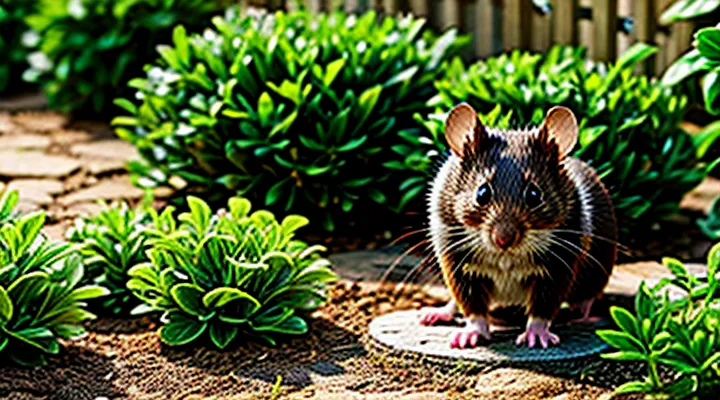
Understanding the Mouse Problem in Gardens
Why Mice are Attracted to Your Garden
Food Sources
Mice are drawn to gardens primarily by accessible food. Seeds, grains, and fresh produce provide high‑energy nutrition, encouraging foraging and nesting. Pet food left outdoors, birdseed spillage, and fallen fruit create additional attractants that sustain populations throughout the growing season.
To reduce these incentives, adopt the following measures:
- Store all feed in sealed, rodent‑proof containers; metal or heavy‑wall plastic containers with tight lids are most effective.
- Collect fallen fruit and vegetables daily; discard in a locked compost bin or process immediately.
- Install bird feeders with built‑in trays that catch excess seed; clean trays regularly to prevent accumulation.
- Keep pet feeding stations indoors or within insulated, lockable housings; remove uneaten food after each meal.
- Use raised garden beds with smooth, non‑porous surfaces that discourage debris buildup; line beds with fine mesh to block entry from the soil.
Eliminating readily available nourishment deprives mice of the energy needed for reproduction and foraging, thereby lowering their presence without resorting to toxic chemicals.
Shelter and Nesting Opportunities
Mice exploit garden structures that provide shelter and suitable nesting sites. Dense vegetation, wood piles, compost heaps, and uncovered debris create micro‑habitats where rodents can hide, breed, and store food. Eliminating these refuges reduces the likelihood of colonisation and limits the population’s ability to persist.
Key actions to deny shelter and nesting opportunities:
- Trim shrubs and grasses to the ground level, removing low‑lying cover that offers concealment.
- Relocate or stack firewood at least two metres above ground on a pallet, leaving space underneath for airflow.
- Secure compost bins with tight‑fitting lids; avoid adding soft organic material that can serve as bedding.
- Clear garden waste, fallen leaves, and plant debris regularly; store them in sealed containers.
- Install raised beds with smooth, hard‑surface edges to prevent mice from burrowing beneath.
By systematically removing potential hideouts, the garden becomes an inhospitable environment for rodents, supporting long‑term, non‑chemical control.
Water Availability
Mice require regular access to water; reducing readily available moisture diminishes the garden’s appeal to these rodents.
Eliminate sources that provide free water.
- Remove puddles created by heavy rain or irrigation overflow.
- Replace open water troughs with sealed containers.
- Install drip‑irrigation systems that deliver water directly to plant roots, preventing surface runoff.
Control soil moisture without creating excess dampness. Apply water only when soil reaches the threshold needed for plant health; avoid saturation that leaves the surface wet for extended periods. Use mulch that promotes evaporation while retaining enough moisture for roots.
Maintain cleanliness of garden fixtures. Regularly clean birdbaths, pet‑water dishes, and compost bins to prevent accumulation of moisture that could serve as a drinking source for mice.
Integrating water management with other non‑chemical deterrents—such as habitat modification and physical barriers—strengthens overall protection against rodent intrusion.
Signs of Mouse Activity
Droppings
Droppings serve as a reliable indicator of mouse activity in garden beds, compost piles, and near plant roots. Their presence confirms foraging routes and potential nesting sites, allowing targeted intervention before damage escalates. Moreover, rodent feces carry pathogens such as Hantavirus, Salmonella, and leptospirosis, posing health risks to humans and pets that come into contact with contaminated soil or vegetables.
Safe removal of droppings follows a strict protocol:
- Wear disposable gloves and a mask to prevent inhalation of dust and aerosolized bacteria.
- Moisten the affected area with a mild bleach solution (1 part bleach to 9 parts water) to reduce particle dispersal.
- Scrape droppings into a sealed plastic bag using a disposable tool; avoid direct hand contact.
- Disinfect the surface with the same bleach solution, allowing a contact time of at least five minutes.
- Dispose of the sealed bag in an outdoor trash container, never in indoor recycling streams.
Preventing new deposits relies on eliminating shelter and food sources. Strategies include:
- Maintaining clear ground cover by trimming dense vegetation and removing debris where mice can hide.
- Storing compost and feed in sealed containers to deny access to attractive materials.
- Installing physical barriers such as fine‑mesh fencing or copper tape around vulnerable plant rows, which discourages gnawing and entry.
- Deploying non‑chemical repellents—e.g., ultrasonic devices or predator scent stations—at regular intervals to create an environment perceived as unsafe for rodents.
By recognizing droppings as both a diagnostic tool and a health hazard, and by applying the outlined sanitation and preventive measures, garden managers can reduce mouse presence without resorting to toxic chemicals.
Gnaw Marks
Gnaw marks appear as shallow, crescent‑shaped bites on plant stems, roots, wooden trellises, and garden tools. The pattern distinguishes mouse activity from insect chewing, which typically produces irregular holes. Recognizing these signs enables timely intervention before extensive damage occurs.
Mice create gnaw marks while seeking shelter, accessing food sources, or enlarging entry points. Each bite compromises structural integrity of supports and can introduce pathogens to vulnerable plants. Persistent gnawing reduces yield and may encourage secondary pest infestations.
Effective, non‑toxic measures to mitigate gnaw marks include:
- Placement of steel‑wire mesh (minimum ¼‑inch gauge) around the base of vulnerable plants and along garden borders to block rodent access.
- Installation of natural deterrents such as dried peppermint leaves, crushed garlic, or citrus peels on the soil surface; refresh weekly to maintain potency.
- Deployment of ultrasonic emitters calibrated for garden use; position units at ground level and ensure unobstructed coverage.
- Regular inspection of garden structures; repair any gaps or holes promptly with cement or metal flashing to eliminate entry points.
- Introduction of predatory birds by installing perches and nesting boxes; maintain clear sightlines to encourage avian activity.
Monitoring gnaw marks after implementing these steps confirms efficacy; a decline in new bite marks indicates successful rodent deterrence while preserving garden safety.
Burrows and Tunnels
Mice construct extensive burrow networks beneath garden soil, providing shelter and concealed routes that enable rapid re‑entry after surface treatments. These tunnels compromise root stability, increase moisture loss, and create hidden pathways for further infestation.
Effective detection relies on observing fresh soil mounds, droppings near plant bases, and gnawed stems. Motion‑activated cameras placed at tunnel entrances confirm activity without disturbing the habitat.
Safe preventive actions focus on disrupting burrow integrity and limiting access:
- Compact soil around vulnerable plants to reduce tunnel formation.
- Remove leaf litter, wood chips, and other debris that conceal entrances.
- Install low‑profile metal or plastic edging around garden beds; ensure edges extend at least 30 cm underground to block tunnel expansion.
- Apply natural repellents, such as crushed peppercorns or dried mint, directly into visible openings; reapply after rain.
- Introduce predatory birds or safe, garden‑approved rodent‑deterring plants (e.g., lavender, rosemary) to create an unfriendly environment for burrow occupants.
Regular inspection and prompt sealing of newly discovered openings maintain a burrow‑free garden, supporting plant health and reducing the need for chemical interventions.
Damaged Plants
Rodent foraging frequently leaves visible injury to garden vegetation, reducing vigor and yield. Recognizing the patterns of damage enables timely intervention before infestations spread.
Common indicators of injury include:
- Chewed stems or tender shoots, often near ground level.
- Missing leaves or irregular bite marks along leaf edges.
- Small, neatly cut holes in seed pods or fruit skins.
- Freshly exposed roots or hollowed stems after burrowing activity.
Preventive measures that avoid toxic chemicals focus on habitat modification and physical barriers:
- Install low‑profile fencing of fine mesh around vulnerable beds; ensure the barrier extends at least 12 cm below soil to block tunneling.
- Apply a thick layer of mulch or wood chips, creating an uneven surface that discourages nesting.
- Introduce natural repellents such as crushed garlic, peppermint oil‑infused cotton balls, or dried lavender placed at entry points; refresh every two weeks for sustained effect.
- Maintain a clean garden perimeter by removing debris, fallen fruit, and excess vegetation that could provide shelter.
When damage has already occurred, remedial actions should prioritize plant recovery:
- Trim affected stems back to healthy tissue, using sterilized tools to prevent pathogen entry.
- Apply a balanced organic fertilizer to support regrowth, focusing on nitrogen‑rich formulations.
- Encourage beneficial insects and birds by installing birdhouses or insect‑friendly plants; these predators help control rodent populations indirectly.
Consistent application of these safe strategies protects «Damaged Plants» from further loss while preserving ecological balance in the garden.
Non-Toxic and Humane Mouse Repellent Strategies
Garden Design and Maintenance for Pest Control
Removing Attractants
Removing sources that draw mice to a garden is a prerequisite for any safe deterrence strategy. Food residues, shelter, and water access create a favorable environment; eliminating them reduces the likelihood of infestation.
Typical attractants include:
- Fallen fruit, vegetable scraps, and seed spillage.
- Compost piles lacking proper covering.
- Dense low‑lying vegetation, mulch, and debris that provide concealment.
- Standing water in saucers, birdbaths, or clogged drainage.
- Pet food left outdoors overnight.
Effective actions consist of regular sanitation, proper waste management, and habitat modification. Collect fallen produce daily and store it in sealed containers. Cover compost with a tight‑fitting lid and turn it frequently to discourage rodent activity. Trim grass and prune shrubs to maintain an open canopy, removing dense ground cover that offers hiding places. Eliminate standing water by emptying containers, repairing leaks, and ensuring proper drainage. Store pet feed in metal or thick‑walled containers and feed only at designated times.
By systematically removing these incentives, the garden becomes inhospitable to mice, supporting long‑term, non‑toxic protection.
Garden Cleanliness
Garden cleanliness directly influences mouse activity. Food remnants, fallen fruit, and compost piles attract rodents; eliminating these sources reduces the likelihood of infestation.
Regular removal of debris prevents hiding places. Sweep pathways, prune dense foliage, and clear mulch layers that become compacted. Maintain a tidy perimeter by discarding plant cuttings promptly and storing garden tools in sealed containers.
Key practices include:
- Collect fallen fruits and vegetables daily; store them in airtight bins.
- Keep compost bins covered with tight‑fitting lids; avoid adding meat, dairy, or oily waste.
- Trim grass and weeds to a height of 5 cm or less, eliminating ground cover that shelters mice.
- Dispose of pet food after each feeding; store it in sealed containers.
- Inspect and repair garden structures, sealing gaps around fences, sheds, and raised beds.
Water management also affects rodent presence. Eliminate standing water by fixing leaks, draining puddles, and using drip irrigation instead of overhead sprinklers. Dry soil conditions discourage nesting.
Periodic inspection reinforces cleanliness. Conduct weekly walkthroughs to identify new debris, damaged barriers, or signs of activity such as gnaw marks. Immediate correction sustains an environment hostile to mice without resorting to chemicals.
Protecting Vulnerable Plants
Mice pose a direct threat to tender seedlings, herbs, and young perennials. Their gnawing can damage stems, roots, and leaves, leading to reduced vigor or plant loss. Preventing access to these vulnerable plants reduces the need for later chemical intervention and supports overall garden health.
Effective, non‑toxic tactics include:
- Install low, dense barriers of copper mesh or hardware cloth around the perimeter of beds; rodents cannot chew through metal.
- Apply a thin layer of powdered cayenne pepper or crushed red pepper on soil surfaces near susceptible plants; the strong scent deters foraging.
- Deploy motion‑activated ultrasonic emitters at ground level; frequencies above 20 kHz irritate rodents without affecting humans or pets.
- Plant deterrent species such as lavender, mint, or rosemary around the edges of vulnerable zones; their strong aromatic oils discourage mouse activity.
- Maintain clean, debris‑free mulch; remove fallen fruit and excess organic matter that attract foraging.
Regular monitoring of barrier integrity and prompt replacement of damaged sections preserve protection. Combining physical exclusion with olfactory repellents creates a multi‑layered defense that safeguards delicate flora while maintaining a safe, chemical‑free garden environment.
Natural Repellents
Scent-Based Deterrents
Scent‑based deterrents provide a non‑toxic option for reducing mouse activity in garden beds. Strong odors disrupt the rodents’ sensory pathways, prompting avoidance of treated zones.
Common aromatic agents include:
- «peppermint oil» – high concentration of menthol irritates nasal passages.
- «clove oil» – eugenol component acts as a repellent.
- «cayenne pepper» – capsaicin creates an unpleasant taste.
- «garlic» – sulfur compounds generate an aversive scent.
- «predator urine» – mimics presence of natural enemies.
Effective application follows three principles. First, dilute essential oils with water or a mild carrier (e.g., vegetable oil) at a ratio of roughly 1 % to prevent phytotoxicity. Second, apply the solution to the soil surface, around plant bases, and along pathways where mice travel. Third, reapply every 3–5 days, especially after rain, to maintain potency.
Precautions protect garden health. Test a small area before full coverage to detect possible leaf scorch. Avoid direct contact with pollinator‑attracting flowers, as strong odors may deter beneficial insects. Store concentrated oils in sealed containers away from sunlight to preserve efficacy.
When integrated with physical barriers and habitat management, scent‑based methods contribute to a comprehensive, safe strategy for mouse control in outdoor cultivation.
Plant-Based Repellents
Plant-derived repellents offer a non‑chemical option for deterring rodents in cultivated areas. These botanicals emit volatile compounds that mice find unpleasant, reducing the likelihood of burrowing and feeding.
- «peppermint» – leaves or essential oil release menthol, a strong sensory irritant.
- «lavender» – fragrant flowers produce linalool, which disrupts rodent navigation.
- «rosemary» – aromatic needles contain camphor, discouraging settlement.
- «sage» – dried foliage emits thujone, a compound that mice avoid.
- «marigold» – petals release thiophenes, known to repel small mammals.
To maximize efficacy, plant the listed species along perimeter rows, near compost bins, and around vegetable plots. Space seedlings 30–45 cm apart to ensure dense foliage. Apply crushed leaves or diluted essential oil at the base of each plant weekly during peak activity months. Combine plant barriers with physical obstacles—such as fine mesh or raised beds—to limit entry points.
Regular pruning maintains strong aromatic output; older growth loses potency. Monitoring rodent activity weekly allows timely reinforcement of plant lines before populations establish. Integrating these botanical measures with habitat sanitation creates a comprehensive, garden‑friendly defense against mice.
Physical Barriers and Traps
Fencing and Exclusion
Fencing creates a physical barrier that prevents mice from entering cultivated areas, offering a reliable, non‑chemical solution. Effective exclusion relies on material choice, installation depth, and maintenance of continuity.
A mesh with openings no larger than ¼ inch (6 mm) blocks the smallest rodents. Galvanized steel or heavy‑duty plastic provides durability against weather and gnawing. The fence should extend at least 12 inches (30 cm) below ground to stop burrowing; a shallow trench filled with fine gravel or concrete adds extra security.
Secure all entry points by sealing gaps around garden beds, raised planters, and compost containers. Overlap fence sections by 2–3 inches (5–8 cm) and fasten with rust‑resistant staples or wire ties. Regular inspection for damage, vegetation contact, or displaced panels preserves barrier integrity.
Key components for a robust exclusion system:
- Mesh size ≤ ¼ inch (6 mm)
- Material: galvanized steel or UV‑stable plastic
- Height: minimum 24 inches (60 cm) above ground
- Underground extension: 12 inches (30 cm) with buried trench
- Overlap and secure fastening of panels
- Routine visual checks and prompt repairs
Implementing these measures reduces mouse activity in the garden without resorting to poisons or traps, supporting a safe environment for plants, pets, and people.
Live Traps and Relocation
Live traps provide a humane alternative for garden mouse management. The device captures rodents without lethal injury, allowing owners to remove the animals from the property and release them elsewhere.
Key considerations for selecting and positioning live traps:
- Choose traps constructed of sturdy wire mesh with a trigger mechanism sensitive enough to react to a mouse’s weight of 20–30 g.
- Place traps along established runways, near burrow entrances, or adjacent to food sources; rodents prefer low‑visibility routes.
- Bait with high‑protein items such as peanut butter or sunflower seed paste to increase capture rates.
- Check traps at intervals of no more than two hours to reduce stress and prevent overheating.
Relocation guidelines ensure ethical and legal compliance:
- Transport captured mice to a location at least 2 km from the garden to discourage immediate return.
- Select release sites offering natural cover, abundant food, and minimal predator presence, such as undisturbed woodland edges.
- Release each animal during daylight hours, gently opening the trap to allow immediate exit.
- Verify local wildlife regulations; some jurisdictions restrict the release of certain rodent species.
When employed correctly, live traps and responsible relocation reduce mouse populations without chemical interventions, preserving garden health and biodiversity. Regular monitoring of trap performance and prompt removal of captured rodents sustain the effectiveness of this safe control method.
Ultrasonic Repellents: Effectiveness and Limitations
Ultrasonic repellents emit high‑frequency sound waves that exceed the audible range of rodents, causing discomfort and prompting avoidance of the treated area. The devices operate continuously or on programmable cycles, drawing power from mains electricity or batteries.
Effectiveness depends on several factors. Laboratory tests demonstrate that exposure to frequencies between 20 kHz and 65 kHz can disrupt mouse activity for short periods. Field observations indicate reduced foraging near active units when vegetation is sparse and ambient noise is low. Consistent results require direct line‑of‑sight between the speaker and the target, as solid obstacles absorb ultrasonic energy.
Limitations are notable. Sound attenuation limits coverage to approximately 10–15 m³ per unit; dense foliage, mulch, or garden structures diminish range. Mice quickly habituate to constant tones, lowering long‑term deterrence. Weather conditions such as rain or high humidity further reduce signal strength. Devices do not affect underground burrows, leaving hidden nests untreated.
Advantages
- No chemical residues
- Silent to humans when properly calibrated
- Easy installation and low maintenance
Disadvantages
- Restricted radius, necessitating multiple units for large gardens
- Rapid habituation, requiring periodic frequency variations
- Ineffectiveness in cluttered or moist environments
Optimal deployment combines ultrasonic units with complementary strategies: physical barriers, habitat modification, and regular monitoring of activity signs. Position devices at ground level, aim speakers toward open pathways, and rotate frequencies weekly to mitigate habituation. Integration with non‑chemical methods enhances overall success in deterring mice from garden spaces.
Integrated Pest Management for Sustainable Mouse Control
Combining Multiple Methods
Combining several safe deterrent techniques creates a more reliable barrier against garden rodents. Each method targets a different aspect of mouse behavior, reducing the chance that individuals will adapt to a single strategy.
Effective combinations typically include:
- Physical exclusion: install fine‑mesh wire or hardware cloth around beds, raised beds, and compost bins; seal gaps under sheds and storage structures.
- Habitat modification: clear fallen fruit, trim dense vegetation, and keep grass trimmed to eliminate hiding places and food sources.
- Natural repellents: scatter dried peppermint leaves, crushed garlic cloves, or commercially prepared essential‑oil sprays along planting rows and perimeter fences.
- Predator encouragement: install owl boxes or encourage raptor perches; the presence of natural predators deters mouse activity.
- Mechanical traps: place snap traps or electronic devices in high‑traffic zones; position them away from edible crops to avoid accidental capture of non‑target species.
Integrating these measures follows a logical sequence: first secure entry points, then remove attractants, apply repellents, and finally add monitoring devices. Regular inspection confirms that barriers remain intact and that repellents retain potency. Adjustments, such as rotating peppermint locations or tightening mesh, sustain effectiveness throughout the growing season.
Regular Monitoring and Adjustment
Regular observation of garden conditions determines the effectiveness of mouse‑deterrent strategies. Early detection of activity patterns prevents minor incursions from becoming infestations.
Key monitoring actions include:
- Inspection of plant beds and mulch for gnaw marks or droppings.
- Examination of bait stations and deterrent devices for displacement or weather damage.
- Recording of rodent sightings, tracks, and audible signs on a weekly log.
- Assessment of vegetation health, noting any regrowth that creates shelter.
When data reveal reduced efficacy, immediate adjustments are required. Replace or reposition repellent devices to maintain coverage of vulnerable zones. Refresh natural deterrents, such as peppermint oil or crushed horseradish, every two weeks to preserve potency. Seal newly formed gaps in fences, raised beds, or compost piles promptly. Increase trap density in hotspots identified by the monitoring log.
Continuous refinement based on systematic records sustains a mouse‑free garden while preserving ecological balance.
Long-Term Prevention Strategies
Effective mouse deterrence in garden environments requires sustained, non‑toxic measures that address the rodents’ needs for food, shelter, and safe travel routes. Altering habitat conditions diminishes attraction and limits population growth.
- Remove all fallen fruit, seeds, and vegetable debris promptly; stored produce should be kept in sealed containers.
- Trim dense vegetation, especially low‑lying shrubs and tall grasses, to eliminate cover and nesting sites.
- Install hardware cloth or fine‑mesh fencing around garden beds, raised planters, and compost piles; mesh size of ¼ inch (6 mm) prevents entry while allowing airflow.
- Apply natural repellents such as crushed pepper, dried mint, or predator urine granules along perimeter rows; reapply after heavy rain.
- Place raised platforms or stone barriers around vulnerable plants to disrupt ground‑level movement.
Regular inspection reinforces prevention. Conduct weekly surveys for signs of activity—gnaw marks, droppings, or burrows—and repair any breaches in barriers immediately. Rotate crop placement annually to avoid creating consistent food sources in the same location. Maintain compost piles at high temperature and cover them with a tight‑fitting lid to discourage habitation. Consistent implementation of these practices establishes a garden environment that remains inhospitable to mice over the long term.