
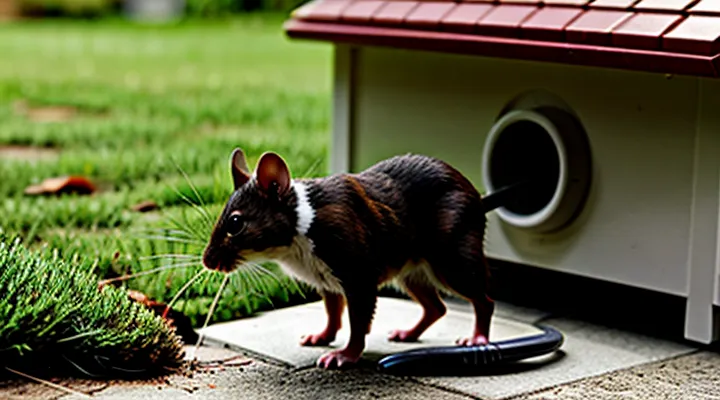
Understanding the Mice Problem
Signs of a Mouse Infestation
Droppings and Urine Trails
Droppings and urine trails provide direct evidence of mouse presence and guide effective control measures. Fresh droppings appear as small, dark pellets, typically 3‑5 mm in length, and are often found near food sources, nesting sites, or along walls. Urine leaves a faint, oily sheen that may dry to a yellowish film; it releases a characteristic odor detectable in confined spaces.
Identifying these signs enables targeted intervention. When droppings are observed, locate the nearest trail to determine travel routes and potential entry points. Seal identified gaps with steel wool, caulk, or metal mesh to prevent re‑entry. Cleaning must eliminate scent cues that attract rodents. Recommended steps:
- Wear disposable gloves and a mask.
- Remove solid waste with a paper towel; discard in a sealed bag.
- Apply a solution of diluted bleach (1 part bleach to 10 parts water) or an enzymatic cleaner to the contaminated area.
- Allow the surface to remain wet for at least five minutes before wiping dry.
- Dispose of cleaning materials in a sealed container.
Natural repellents, such as peppermint oil, can be applied after thorough cleaning to mask residual odors. For chemical deterrence, use a registered rodent disinfectant containing quaternary ammonium compounds; follow label instructions for concentration and contact time.
Regular monitoring of droppings and urine trails, combined with prompt sanitation and barrier reinforcement, reduces the likelihood of infestation and limits disease transmission associated with rodent waste.
Gnaw Marks and Damage
Gnaw marks appear as clean, crescent‑shaped bites on wood, plastic, cables and stored food. Fresh scratches display bright, white interiors; older marks darken as material oxidizes. Identifying the size and location of these incisions helps determine the severity of an infestation and the most effective countermeasures.
Typical damage includes:
- Severed electrical wiring, creating fire hazards and intermittent power loss.
- Compromised structural timber, weakening frames and doors.
- Ruined packaging, leading to contamination of dry goods and grain stores.
- Chewed insulation, reducing thermal efficiency and encouraging moisture buildup.
Presence of gnaw marks signals the need for immediate intervention. Natural deterrents, such as peppermint oil‐soaked cotton balls, dried mint leaves, and ultrasonic emitters, target rodents through scent or sound without chemical residues. Chemical options, including rodenticide baits, sealed dust formulations and anticoagulant blocks, provide rapid population reduction but require careful placement to avoid accidental exposure.
Selection criteria:
- Extent of damage – extensive wiring cuts favor chemical agents for swift elimination.
- Occupancy – households with children or pets benefit from non‑toxic natural repellents.
- Accessibility – hard‑to‑reach gnaw sites allow placement of concentrated dust or granules.
Monitoring gnaw marks after treatment confirms efficacy; reduction in new bites indicates successful suppression, while persistent activity calls for escalation to stronger chemical controls.
Strange Noises
Strange noises emanating from walls, ceilings or attics often signal rodent activity; mice produce scratching, scurrying or squeaking sounds that intensify during nighttime hours. Detecting these audial cues early enables timely implementation of deterrent measures.
Natural deterrents
- Peppermint oil applied to cotton balls and placed near entry points creates a scent mice avoid.
- Steel‑wool packed into gaps blocks access and irritates rodents without chemicals.
- Ultrasonic emitters generate frequencies above human hearing that disrupt mouse communication.
Chemical deterrents
- Rodenticide baits formulated with anticoagulants attract mice and cause mortality after ingestion.
- Repellent sprays containing capsaicin or citronella provide a volatile barrier on surfaces.
- Insecticide‑grade dusts (e.g., diatomaceous earth) placed in concealed crevices abrade the exoskeletons of rodents, leading to dehydration.
Monitoring and verification
- Install motion‑activated acoustic sensors to log persistent noises; compare recordings before and after treatment to assess efficacy.
- Position snap traps or live‑catch traps along identified pathways; successful captures confirm the source of the sounds.
Addressing strange noises through a combination of scent‑based, physical and chemical interventions reduces mouse presence and eliminates the auditory disturbances associated with infestations.
Natural Repellent Methods
Essential Oils and Scents
Peppermint Oil
Peppermint oil is a widely recognized natural deterrent against house mice. The volatile menthol compounds produce a strong aroma that interferes with rodents’ olfactory receptors, discouraging entry and nesting.
The oil’s effectiveness derives from its high concentration of menthol and menthone, which create an environment perceived as hostile by mice. Continuous exposure to the scent reduces foraging activity and encourages relocation to untreated areas.
Practical applications include:
- Soaking cotton balls with undiluted peppermint oil and placing them in known travel routes, such as behind appliances, under sinks, and along baseboards.
- Mixing 10–15 drops of oil with 250 ml of water, transferring the solution to a spray bottle, and applying to door frames, window sills, and cracks weekly.
- Adding a few drops to wooden shims or small fabric pouches, then inserting them into wall voids or attic spaces where mice are suspected.
Safety considerations demand proper ventilation during use and avoidance of direct contact with skin or eyes. Peppermint oil should not be applied near food preparation surfaces or pet habitats. Effectiveness diminishes after 2–3 weeks; regular replacement sustains the repellent barrier.
Clove Oil
Clove oil, a volatile essential oil extracted from Syzygium aromaticum, serves as an effective natural deterrent against rodents. Its primary active component, eugenol, produces a pungent aroma that mice find intolerable, disrupting their foraging and nesting behavior.
Application methods:
- Soak several cotton balls with a few drops of «clove oil» and place them in areas where mouse activity is observed, such as behind appliances, under sinks, and within wall voids.
- Prepare a spray by mixing 10 ml of «clove oil» with 250 ml of water and a few drops of liquid soap to emulsify. Apply the solution to baseboards, entry points, and surfaces prone to contamination.
- Reapply the cotton balls or spray weekly, or after cleaning, to maintain an uninterrupted scent barrier.
Safety considerations include using gloves during preparation, ensuring adequate ventilation, and keeping the oil away from pets and children. The oil’s strong fragrance also masks food odors, reducing attraction to stored provisions.
Eucalyptus Oil
Eucalyptus oil («Eucalyptus Oil») possesses a potent, menthol‑like aroma that rodents find highly aversive. The volatile compounds disrupt the olfactory receptors mice use to locate food and shelter, prompting avoidance of treated areas.
Effective deployment includes:
- Saturating cotton balls with undiluted oil and placing them behind appliances, in cupboards, and along baseboards.
- Preparing a spray solution of one part oil to ten parts water, adding a few drops of dish‑soap to emulsify, then misting cracks, entry points, and nesting sites.
- Using an ultrasonic diffuser to disperse oil vapor continuously in rooms where activity is observed.
Safety guidelines require limiting exposure for pets and children; direct skin contact may cause irritation. Store the oil in a sealed container, keep it away from open flames, and ensure adequate ventilation after application.
Combining eucalyptus oil with physical barriers—such as sealing gaps, installing snap traps, or employing chemical baits—enhances overall efficacy, reducing the likelihood of reinfestation.
Household Items and Plants
Dryer Sheets
Dryer sheets are frequently mentioned as a low‑cost option for discouraging mice in residential settings. The strong fragrance emitted by the fabric softener compounds in the sheets creates an environment that mice find unpleasant, prompting them to avoid treated areas.
The repellent effect relies on volatile compounds released when the sheet is exposed to air. These compounds interfere with the rodents’ olfactory receptors, reducing the likelihood of foraging or nesting nearby. Because the scent diminishes over time, regular replacement is necessary to maintain efficacy.
Effective use follows a simple routine:
- Place a sheet in each suspected travel corridor, such as under cabinets, behind appliances, and near entry points.
- Replace the sheet every three to five days, or sooner if the fragrance fades.
- Avoid direct contact with food preparation surfaces; remove the sheet before cooking or cleaning.
Dryer sheets do not address the underlying cause of infestation. They provide a temporary barrier while structural measures—such as sealing cracks and eliminating food sources—remain essential for long‑term control.
Cotton Balls Soaked in Vinegar
Cotton balls soaked in vinegar provide a simple, low‑cost deterrent for house mice. The strong acetic scent disrupts the rodents’ olfactory cues, discouraging entry into treated areas.
To apply the method, follow these steps:
- Soak standard cotton balls in white distilled vinegar until fully saturated.
- Place each saturated ball in locations where mouse activity is observed, such as along baseboards, behind appliances, and near entry points.
- Replace balls every 3–4 days to maintain potency, or when the scent diminishes.
Effectiveness relies on consistent exposure; the volatile acid evaporates quickly, limiting duration. The approach is safe for households with children and pets, as vinegar poses no toxic risk. However, strong odor may be undesirable for some occupants, and the method does not eradicate established infestations. For persistent problems, combine this natural tactic with sealing gaps and, if necessary, approved chemical baits.
Bay Leaves
Bay leaves contain essential oils that emit a strong aroma mice find unpleasant. Dried leaves placed in strategic locations create a barrier that discourages rodents from entering cabinets, pantry shelves, and crawl spaces.
Typical application involves:
- Crumbling several dried leaves and sprinkling them along the edges of countertops, under appliances, and in the back of drawers.
- Packing whole leaves in breathable fabric pouches and positioning them near entry points such as door thresholds and vent openings.
- Replacing the leaves every two weeks to maintain potency, as the scent diminishes with exposure to air.
Effectiveness is limited to small infestations; dense populations may bypass the aromatic deterrent. Bay leaves do not harm pets or humans, making them a safe option for households with children. For enhanced results, combine bay leaves with additional natural repellents, such as peppermint oil or steel wool barriers, to address multiple entry routes.
Monitoring is essential. If signs of activity persist after a month of consistent placement, escalation to more robust chemical treatments may be warranted.
Mint Plants
Mint plants constitute a widely recognized natural deterrent against indoor rodents. Their strong aromatic oils interfere with the sensory receptors of mice, prompting avoidance of areas where mint is present.
Effective species include spearmint (Mentha spicata), peppermint (Mentha × piperita) and cornmint (Mentha arvensis). Each variety produces a high concentration of menthol and pulegone, compounds documented for repellent properties.
Planting instructions emphasize well‑drained soil, partial sunlight and regular trimming to maintain vigorous growth. Potted mint can be positioned on windowsills, kitchen counters or near entry points; soil‑bound plants thrive in garden beds adjacent to the home’s foundation. Replace wilted foliage weekly to preserve potency.
The repellent mechanism relies on volatile organic compounds released from leaf surfaces. When mice encounter these vapors, olfactory overload triggers a behavioral aversion, reducing the likelihood of nesting or foraging in the vicinity.
For optimal results, combine mint with complementary strategies:
- Seal cracks and openings larger than ¼ inch.
- Deploy snap traps or electronic devices in high‑traffic zones.
- Maintain a clean environment free of accessible food residues.
- Rotate fresh mint foliage every 3–4 days to sustain scent intensity.
Regular monitoring of mouse activity and timely renewal of mint plants ensure sustained effectiveness within an integrated pest‑management plan.
Exclusion Techniques
Sealing Entry Points
Sealing entry points eliminates the primary pathway for rodents, reducing the likelihood of infestation.
Begin by inspecting the building envelope. Look for gaps around pipes, vents, windows, doors, and the foundation. Pay special attention to cracks in drywall, gaps under appliances, and openings behind cabinetry.
Select durable, rodent‑proof materials. Expandable polyurethane foam works for small cracks, while steel wool combined with caulk blocks larger voids. For structural gaps, use cement‑based sealant or metal flashing.
Apply sealing measures in a systematic order:
- Clean each opening to remove dust and debris.
- Insert steel wool or copper mesh to fill the gap.
- Cover the filler with a layer of caulk or sealant, smoothing the surface.
- For exterior cracks, press expanding foam into the void, allow it to cure, then trim excess and coat with weather‑resistant sealant.
After completion, verify integrity by conducting a visual check and, if necessary, a smoke test to confirm no airflow through sealed areas. Schedule periodic inspections, especially after seasonal temperature changes, to repair any new openings promptly.
Consistent maintenance of sealed entry points forms a reliable barrier, complementing other natural and chemical deterrents in a comprehensive mouse‑control program.
Maintaining a Clean Environment
A tidy living space removes the primary incentives that draw rodents into a residence. Food residues, spilled liquids, and clutter create accessible nourishment and shelter, encouraging infestation. Eliminating these resources deprives mice of the conditions required for survival and reproduction.
- Store dry goods in airtight containers; inspect packaging for damage before use.
- Clean countertops, floors, and appliances immediately after meals; wipe up crumbs and spills with a damp cloth.
- Dispose of garbage daily; use bins with tight‑fitting lids and empty them before they become overfilled.
- Remove clutter from storage areas, basements, and attics; keep boxes off the floor and stack items neatly.
- Seal cracks, gaps, and openings around pipes, vents, and doors; employ steel‑wool or silicone sealant to block entry points.
- Conduct weekly inspections of pantry shelves, cabinets, and behind appliances; note any droppings, gnaw marks, or nesting material.
A clean environment works synergistically with both natural deterrents and chemical treatments. Natural repellents such as peppermint oil or ultrasonic devices lose effectiveness when food sources persist, while rodenticides achieve quicker results if mice cannot hide within accumulated debris. Maintaining hygiene therefore enhances the overall efficacy of any mouse‑control strategy, reducing reliance on repeated chemical applications and supporting long‑term prevention.
Chemical Repellent Methods
Baits and Traps
Snap Traps
Snap traps provide immediate, lethal control of house mice. The mechanism consists of a spring‑loaded bar that closes rapidly when the mouse triggers a pressure plate, delivering a fatal blow. Construction typically involves a wooden or plastic base, a metal bar, and a trigger platform that can be loaded with a small amount of bait.
Placement determines success. Ideal locations include:
- Along walls where mice travel, usually within 1–2 inches of the baseboard.
- Near entry points such as gaps around pipes, doors, and cabinets.
- In concealed areas like behind appliances, under sinks, and within pantry corners.
Bait selection influences capture rates. Effective attractants are:
- Peanut butter – strong scent, adheres to the trigger.
- Small pieces of cheese – traditional, appealing to rodents.
- Sunflower seeds – high fat content, readily accepted.
Safety considerations are mandatory. Position traps out of reach of children and pets; use protective gloves when handling to avoid accidental activation. Dispose of captured rodents promptly, sealing them in a disposable bag before discarding in a sealed trash container.
Advantages of snap traps include rapid results, no reliance on chemicals, and low cost. Limitations involve the need for regular monitoring and the requirement to replace traps after each capture. Integrating snap traps with exclusion techniques—such as sealing entry points—and with natural deterrents, like peppermint oil, enhances overall efficacy in managing mouse infestations.
Glue Traps
Glue traps provide a passive, non‑chemical option for mouse control. The device consists of a flat surface coated with a strong adhesive that immobilises rodents upon contact. Once captured, the mouse cannot escape, allowing for subsequent removal.
Placement determines success. Effective locations include:
- Along walls where mice travel, typically within 2 inches of the baseboard.
- Near entry points such as gaps around pipes, doors, and vents.
- Behind appliances, under sinks, and inside cabinets where food residues attract rodents.
Proper positioning reduces the likelihood of accidental contact with non‑target animals and children. Traps should be positioned with the adhesive side facing the expected travel direction of the mouse, often perpendicular to the wall.
Advantages of glue traps:
- Immediate capture without the need for poison.
- Low cost and compact size, facilitating discreet deployment.
- No odor or residue that could affect indoor air quality.
Disadvantages:
- Requires frequent monitoring to prevent prolonged suffering of captured rodents.
- Ineffective against larger rodents or when multiple individuals avoid the trap.
- Potential risk of accidental capture of beneficial insects or pets if not carefully placed.
Disposal must follow local regulations. Captured mice should be sealed in a disposable bag, then placed in a waste container for proper removal. Some jurisdictions advise wearing gloves and using a second bag to avoid direct contact with the adhesive.
When integrating glue traps into a broader pest‑management plan, combine them with exclusion techniques (sealing entry points) and sanitation measures (removing food sources) to enhance overall effectiveness.
Bait Stations
Bait stations provide a controlled delivery system for rodent attractants and toxicants. The device consists of a sealed container with a small access opening that allows mice to enter, retrieve the bait, and retreat without exposing non‑target animals or humans to the poison.
Placement is critical for effectiveness. Install stations along walls, behind appliances, and near known activity zones, positioning them 2–3 inches from the floor to match mouse travel paths. Space devices 10–15 feet apart to create overlapping coverage.
Two principal categories exist:
- Chemical bait stations – contain anticoagulant or neurotoxic compounds formulated for rapid ingestion. Labels require compliance with local regulations; many products carry secondary‑poisoning warnings.
- Natural bait stations – use food‑based attractants such as grain or peanut butter combined with low‑toxicity agents like diatomaceous earth. These options reduce health risks but may require more frequent replenishment.
Maintenance involves regular inspection, removal of dead rodents, and replacement of depleted bait. Clean stations with mild detergent before refilling to prevent mold growth. Record dates of service to track efficacy and ensure timely rotation of active ingredients, mitigating resistance development.
Safety protocols mandate that stations be out of reach of children and pets. Secure mounting brackets or place devices in inaccessible locations. When handling chemical baits, wear gloves and avoid direct skin contact.
Overall, bait stations deliver targeted control while limiting environmental exposure, making them a core component of integrated mouse‑repellent strategies for residential settings.
Repellents and Sprays
Ultrasonic Repellents
Ultrasonic repellents emit high‑frequency sound waves that are inaudible to humans but disturb the auditory system of mice. The device converts electrical energy into oscillations ranging from 20 kHz to 65 kHz, creating a hostile acoustic environment that discourages rodents from entering or remaining in the treated area.
Effectiveness depends on several factors. Proper placement is critical: units should be positioned at least 30 cm from walls, furniture, or other obstacles that can block sound propagation. Coverage area is typically specified by the manufacturer; multiple devices may be required for larger rooms or multi‑level homes. Continuous operation ensures that mice cannot acclimate to a brief exposure period.
Safety considerations include avoiding direct exposure to pets with sensitive hearing, such as cats and small rodents, because the same frequencies can cause stress or hearing damage. Devices should be turned off when pets are in the vicinity or placed in rooms where pets are not permitted.
Limitations are notable. Ultrasonic waves do not penetrate solid materials, so mice can bypass the barrier by moving through walls, ceilings, or floor gaps. Field studies have shown variable results, with some populations exhibiting reduced activity while others quickly adapt and ignore the sound. Consequently, ultrasonic repellents are most effective when combined with physical exclusion measures, such as sealing entry points and maintaining cleanliness to remove food sources.
Practical guidelines for homeowners:
- Install devices in all rooms where mouse activity has been observed.
- Keep the area free of clutter to prevent sound reflection and dead zones.
- Replace batteries or ensure a stable power source to maintain constant emission.
- Monitor for signs of rodent presence after installation; if activity persists, supplement with traps or natural deterrents such as peppermint oil.
In summary, ultrasonic repellents provide a non‑chemical, low‑maintenance option for discouraging mice, but they should be integrated into a comprehensive rodent‑control program that includes habitat modification and, when necessary, complementary methods.
Chemical Sprays
Chemical sprays represent a primary option for indoor rodent control. Formulations combine toxicants with attractants to ensure rapid ingestion by mice. Common active ingredients include anticoagulants (e.g., bromadiolone, difenacoum), neurotoxins (e.g., chlorpyrifos), and desiccants (e.g., silica gel). Each class operates through a distinct physiological pathway, providing multiple avenues for eradication.
Effectiveness depends on proper placement and dosage. Sprays should be applied in concealed areas where mice travel—behind appliances, within wall voids, and near entry points. A thin, even coating prevents excess residue that could attract non‑target species. Follow manufacturer‑specified concentration limits; over‑application offers no additional benefit and increases health risks.
Safety considerations are mandatory. Protective gloves and eyewear reduce dermal exposure. Ensure adequate ventilation during and after application. Store containers out of reach of children and pets, and seal openings after use. Disposal of empty containers must comply with local hazardous‑waste regulations.
Key advantages of chemical sprays:
- Immediate toxicity after ingestion
- Ability to cover hard‑to‑reach spaces
- Compatibility with integrated pest‑management programs
Limitations include:
- Potential resistance development in rodent populations
- Risk of secondary poisoning for predators
- Regulatory restrictions on certain active ingredients
When selecting a product, verify registration status with relevant authorities and review label instructions for target species, application frequency, and required safety measures. Combining sprays with exclusion techniques—sealing cracks and removing food sources—maximizes long‑term control.
Professional Pest Control
When to Call an Expert
When DIY traps, repellents, or over‑the‑counter rodenticides fail to reduce activity, professional assistance becomes necessary. Persistent signs indicate that self‑managed methods are insufficient and that a qualified exterminator should be engaged.
- Multiple sightings in separate rooms despite regular baiting.
- Evidence of gnaw marks on structural components, wiring, or insulation.
- Presence of droppings larger than ½ inch, accumulated over weeks.
- Damage to stored food or packaging that cannot be contained by sealing.
- Signs of disease risk, such as urine stains near food preparation areas.
Choosing a specialist requires verification of licensing, insurance, and experience with integrated pest‑management approaches. Request documentation of pest‑control certifications and inquire about the use of low‑toxicity products when possible. Confirm that the provider offers a written guarantee covering re‑infestation within a specified period.
Prompt engagement of a professional limits property damage, reduces health hazards, and restores a sanitary environment more quickly than continued amateur attempts.
Types of Professional Treatments
Professional mouse control services employ targeted strategies that complement household prevention measures. Certified technicians assess infestation severity, identify entry points, and design interventions that minimize risk to occupants and pets.
Common categories of professional treatments include:
- Integrated Pest Management programs that combine monitoring, habitat modification, and selective use of rodenticides.
- Baiting services that place tamper‑resistant stations containing anticoagulant or non‑anticoagulant formulations, calibrated to local regulations.
- Trapping services that deploy snap, live‑catch, or electronic traps, positioned according to proven placement guidelines.
- Exclusion services that seal structural gaps, reinforce door sweeps, and install chimney caps to prevent re‑entry.
- Fumigation or gas‑based treatments applied in severe, inaccessible infestations, performed by licensed personnel under controlled conditions.
- Rodenticide application by trained applicators, using products with restricted‑use labels to ensure proper dosage and disposal.
Each method requires documentation of site conditions, adherence to safety protocols, and post‑treatment verification. Selecting an appropriate professional approach depends on infestation level, property layout, and regulatory constraints. Continuous monitoring after service completion confirms effectiveness and guides any necessary follow‑up actions.
Prevention and Long-Term Solutions
Home Maintenance
Regular Cleaning Practices
Regular cleaning eliminates food residues that attract rodents, reducing the likelihood of infestation. Removing crumbs, spills, and uncovered waste deprives mice of the nutrition required for survival and reproduction.
Key practices include:
- Storing dry goods in airtight containers made of glass, metal, or heavy‑duty plastic.
- Disposing of garbage daily and sealing trash cans with tight‑fitting lids.
- Sweeping and mopping floors after each meal preparation to eliminate scattered particles.
- Vacuuming upholstery, curtains, and corners weekly to extract hidden debris.
- Cleaning behind appliances and under furniture where food particles often accumulate.
Maintaining a clutter‑free environment further limits hiding places. Shelves and countertops should remain clear, and cardboard boxes should be broken down or stored away from living areas. Regular inspection of pantry shelves for torn packaging allows prompt replacement, preventing entry points for rodents.
Consistent application of these cleaning measures creates an inhospitable setting for mice, supporting both natural deterrents and any supplemental chemical controls employed in the home.
Proper Food Storage
Proper food storage constitutes a critical barrier against rodent intrusion. Food left uncovered or stored in compromised containers provides an attractive scent trail that draws mice into living spaces, undermining both natural deterrents and chemical treatments.
Key practices for secure food management include:
- Use airtight, heavy‑wall containers made of glass, metal, or thick plastic; ensure lids seal completely.
- Transfer bulk items such as grains, cereals, and pet food into smaller, sealed portions to reduce exposure time.
- Store perishables in the refrigerator or freezer promptly; avoid leaving fruit, vegetables, or leftovers on countertops.
- Position storage units away from walls and corners, eliminating concealed pathways that rodents might exploit.
- Clean spills immediately and wipe down shelves regularly to remove crumbs and residue.
Consistent implementation of these measures deprives mice of nutritional incentives, thereby enhancing the effectiveness of any employed repellent—whether botanical oils, ultrasonic devices, or rodenticides. By eliminating accessible food sources, the household creates an inhospitable environment that discourages settlement and supports long‑term control.
Yard and Garden Management
Trimming Vegetation
Trimming vegetation around a residence reduces shelter and food sources that attract mice, making the perimeter less inviting for infestation. Dense shrubs, tall grass, and overgrown vines create hidden pathways that allow rodents to approach the foundation undetected. By maintaining a clear zone of at least three feet between plants and the building, entry points become more visible and easier to seal.
Key actions include:
- Cutting back shrubs to ground level, removing lower branches that touch walls or doors.
- Mowing lawns weekly during growing season to keep grass short.
- Pruning vines away from exterior siding and roof eaves.
- Removing leaf litter, fallen fruit, and compost piles from the immediate vicinity.
- Disposing of garden waste in sealed containers to prevent rodents from foraging.
These practices complement chemical deterrents such as rodent‑resistant granules applied to the trimmed perimeter. The physical barrier created by vegetation management limits the effectiveness of natural repellents, like peppermint oil or ultrasonic devices, by ensuring they are not concealed by foliage. Consistent upkeep of the landscape therefore forms a foundational element of an integrated mouse‑control strategy.
Securing Outdoor Bins
Outdoor waste containers often become a primary food source for rodents, encouraging entry into residential areas. Properly securing these bins reduces the attraction and limits the risk of infestation.
- Choose bins with tight‑fitting, lockable lids; metal hinges prevent easy prying.
- Ensure lids close flush with the rim; gaps larger than ¼ inch allow mouse entry.
- Position containers away from building foundations and garden beds; distance discourages travel toward shelter.
- Elevate bins on a sturdy platform or stand; ground contact facilitates nesting material accumulation.
- Clean bin interiors regularly; remove residue, especially sugary or greasy leftovers, to eliminate lingering scents.
- Apply natural deterrents such as peppermint oil or dried lavender sachets around the lid seal; scent discourages rodents without chemicals.
- Employ chemical repellents approved for outdoor use, spraying the exterior and lid hinges with rodent‑specific formulations; reapply according to manufacturer instructions.
Routine inspection of latch mechanisms and seal integrity prevents wear‑related openings. Combining physical barriers with periodic use of deterrents creates a comprehensive defense against outdoor‑bin‑related mouse activity.