
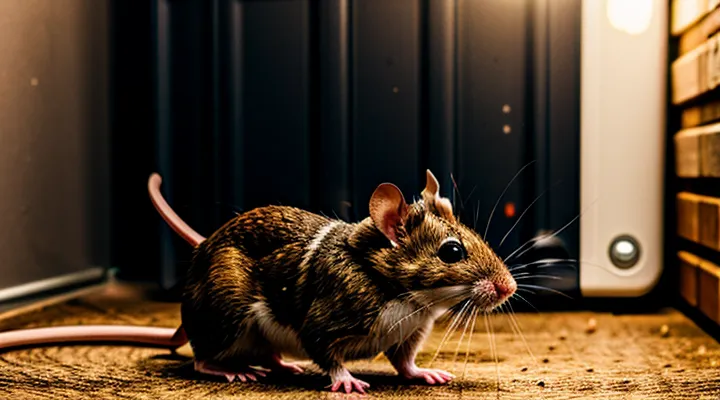
Understanding the Odor and Its Source
The Nature of Decomposition Odors
Why Dead Animals Smell
Dead animals generate odor because their tissues undergo rapid decomposition after death. Enzymes released from cells break down proteins, fats, and carbohydrates, creating a nutrient-rich environment for bacteria and fungi. These microorganisms multiply, producing metabolic by‑products that are volatile and detectable by the human nose.
The most offensive smells arise from specific gases released during decay:
- Putrescine and cadaverine – amine compounds formed from protein breakdown; they have a strong, foul odor.
- Hydrogen sulfide – produced by anaerobic bacteria; it smells like rotten eggs.
- Methanethiol – a sulfur‑containing gas with a skunk‑like scent.
- Indole and skatole – aromatic compounds derived from tryptophan; they contribute a fecal note.
In a basement, limited airflow and cool, damp conditions slow removal of these vapors, allowing them to accumulate and intensify the foul smell. Effective remediation therefore requires eliminating the source, ventilating the space, and neutralizing the volatile compounds with appropriate cleaning agents.
Health Risks Associated with Carcasses
Dead rodents in a basement create a micro‑environment that supports harmful microorganisms and chemicals. Decomposition releases bacteria such as Salmonella and E. coli, which can survive in dust and be inhaled or ingested. Parasites like tapeworms and roundworms may develop in the carcass and contaminate surfaces, posing infection risks to occupants. Fungal spores thrive in the moist, nutrient‑rich decay, increasing the likelihood of respiratory irritation and allergic reactions.
Chemical by‑products of decay also threaten health. Ammonia and sulfide gases accumulate as proteins break down, producing irritant vapors that can cause eye, nose, and throat discomfort. High concentrations may exacerbate asthma or provoke headaches and nausea. Heavy metals stored in rodent tissue, such as lead from environmental exposure, can leach into surrounding dust, contributing to long‑term toxicity.
Key health hazards associated with a dead mouse in a lower‑level space include:
- Bacterial infection (e.g., Salmonella, E. coli)
- Parasitic infestation (tapeworms, roundworms)
- Fungal spore proliferation
- Ammonia and hydrogen sulfide vapor irritation
- Heavy‑metal dust contamination
- Allergic sensitization and asthma aggravation
Prompt removal of the carcass, thorough cleaning, and proper ventilation reduce these risks and restore a safe indoor environment.
Locating the Source
Visual Inspection Techniques
Visual inspection provides the initial evidence needed to locate and eliminate the odor caused by a deceased rodent in a basement. Direct observation reveals the carcass, contaminated insulation, or moisture‑damaged areas that trap the smell, allowing targeted remediation.
- Clear clutter and store‑away movable items to expose floor, walls, and ceiling.
- Use a high‑intensity flashlight or headlamp; angle the beam low to highlight shadows where a body may hide.
- Examine corners, behind appliances, and under shelving for discoloration, stains, or insect activity.
- Inspect insulation and wall cavities by removing small sections of drywall or paneling where the odor is strongest.
- Look for signs of decay such as dark spots, liquid residue, or a thin film on surfaces.
- Verify ventilation ducts and vent covers for buildup; remove grilles to view interior.
A portable inspection mirror extends visibility into tight spaces, while a moisture meter identifies damp zones that accelerate decomposition. For concealed areas, a borescope camera inserted through a drilled hole offers a clear view without extensive demolition.
Once the source is identified, seal the affected area, remove the carcass, and clean surrounding materials with a disinfectant solution. Replace any damaged insulation, repair moisture sources, and restore ventilation to prevent recurrence.
Olfactory Tracing Methods
Olfactory tracing methods provide a systematic approach to locating the source of a decaying rodent odor in a basement, enabling targeted remediation. The process begins with a qualitative assessment of the scent’s intensity and direction, followed by the application of specialized detection tools.
- Human nose assessment – Trained personnel move slowly through the space, noting changes in odor strength to narrow the area of interest.
- Canine detection – Trained scent dogs identify volatile organic compounds associated with decomposition, pinpointing the exact spot within minutes.
- Electronic nose (e‑nose) devices – Sensors calibrated to recognize cadaveric compounds (e.g., putrescine, cadaverine, indole) generate real‑time concentration maps displayed on a handheld interface.
- Portable gas chromatography–mass spectrometry (GC‑MS) units – Sample air from suspect zones, analyze for specific degradation markers, and confirm the presence of a dead mouse.
- Infrared thermal imaging combined with odor probes – Heat signatures reveal hidden cavities; integrated odor probes verify the presence of foul-smelling gases.
After pinpointing the carcass, removal follows standard hygiene protocols: protective equipment, containment, and thorough sanitation. Once the source is eliminated, residual odor can be treated with enzymatic cleaners, activated charcoal absorbers, or ozone generators, applied directly to the identified area to neutralize lingering volatile compounds.
Utilizing Specialized Tools «e.g., endoscopes, thermal cameras»
Specialized inspection devices enable precise identification of a dead rodent’s location, preventing unnecessary demolition and reducing exposure to harmful bacteria. An endoscope, inserted through small access points, provides real‑time visual confirmation of the carcass and surrounding debris. A thermal imaging camera detects temperature differentials that reveal decay zones hidden behind insulation or concrete slabs. Combining these tools with a moisture meter highlights areas where fluid seepage has accelerated odor development.
- Endoscope: Flexible, waterproof probe; insert through wall or floor gaps; observe live video on a handheld monitor; pinpoint exact position of the remains.
- Thermal camera: Handheld infrared sensor; scan walls, floors, and joists; identify warm spots indicating recent decomposition; mark for targeted removal.
- Moisture meter: Detects elevated humidity; locate saturated wood or drywall that sustains smell; prioritize drying or replacement.
- Portable air scrubber with activated carbon filter: Deploy after removal; capture lingering volatile compounds; maintain air quality during cleanup.
After locating the source, extract the carcass using protective gloves and sealed containers. Clean the affected area with an enzymatic cleaner to break down organic residues, then disinfect with a bleach solution (1 part bleach to 9 parts water). Replace any compromised insulation or drywall, and run the air scrubber for several hours to ensure residual odor is neutralized. This systematic approach minimizes structural damage while fully eradicating the foul scent.
Removing the Carcass and Initial Cleaning
Safety Precautions
Personal Protective Equipment «PPE»
When addressing a decomposing rodent in a basement, protecting respiratory pathways, skin, and eyes is essential. Wear a N95 or higher‑rated respirator to filter volatile organic compounds and ammonia released by decay. Select a respirator with a tight seal; perform a fit check before entering the space. Disposable nitrile gloves prevent direct contact with tissue and contaminated surfaces. Pair gloves with a fluid‑resistant apron or disposable coveralls to avoid skin exposure.
Eye protection must be sealed against splashes and dust. Use polycarbonate safety goggles or a full face shield if the respirator lacks a visor. Footwear should be dedicated, waterproof, and easy to clean; consider disposable shoe covers for added barrier. After the task, remove PPE in the order of highest contamination risk to lowest—respirator, goggles, gloves, then coveralls—to limit cross‑contamination.
Recommended PPE for odor‑removal work
- N95/FFP2 respirator (or higher) with proper fit test
- Disposable nitrile gloves (double‑gloving for extended tasks)
- Fluid‑resistant apron or disposable coveralls
- Polycarbonate safety goggles or full face shield
- Waterproof boots or shoe covers
Dispose of all single‑use items in sealed bags and sanitize reusable equipment according to manufacturer instructions before storage.
Ventilation Strategies
Eliminating odor from a basement caused by a dead rodent requires effective air movement. Stagnant air traps the volatile compounds responsible for the foul smell, so introducing fresh air and expelling contaminated air is essential.
Ventilation reduces concentration of the odor molecules, accelerates drying of moist areas, and prevents mold growth that can worsen the smell. Proper airflow also aids any cleaning agents applied to the source.
- Open all accessible windows and exterior doors to create a direct path for indoor air to exit.
- Position high‑velocity fans near openings to draw stale air outward and pull fresh air inward.
- Install a dedicated exhaust vent in the lowest part of the basement; connect it to a powered blower that runs continuously for several hours.
- Use a portable air purifier equipped with an activated‑carbon filter; place it centrally to capture remaining odor particles.
- Create a cross‑draft by placing one fan to push air into the space and another to pull it out on opposite sides.
- Adjust the home’s HVAC system to increase the fresh‑air intake setting; run the system on “vent” mode rather than recirculation.
- For rapid removal, generate temporary negative pressure by sealing the basement’s interior doors and operating a strong exhaust fan.
After each ventilation session, close openings to maintain the cleared air, monitor humidity levels, and repeat the process until the smell dissipates completely. Continuous airflow combined with thorough cleaning ensures the basement returns to a neutral odor condition.
Carcass Removal
Proper Handling and Disposal
Proper handling and disposal of a deceased rodent in a basement is essential to eliminate lingering odor and prevent health hazards. Begin by equipping yourself with disposable gloves, a mask rated for particulate protection, and a disposable coverall if available. These barriers prevent direct contact with bacterial residues and reduce inhalation of volatile compounds.
Locate the carcass, then place it in a sturdy, sealable plastic bag. Expel excess air before sealing to limit the release of fumes. For multiple specimens, use a double‑bagging technique: place the first bag inside a second, sealing both securely.
Dispose of the sealed bags according to local regulations. Many municipalities accept animal carcasses as household waste, but some require drop‑off at a veterinary clinic or animal control facility. Verify the appropriate channel to avoid illegal dumping.
After removal, clean the area thoroughly. Apply an enzymatic cleaner to the surface where the mouse was found; these products break down organic matter and neutralize odor molecules. Follow the manufacturer’s contact time before wiping with disposable towels. For porous materials such as carpet or insulation, consider removal and replacement, as they can retain scent compounds.
Ventilate the space continuously. Position a high‑efficiency fan near an open window to draw fresh air through the basement. If the odor persists, use an activated‑carbon air purifier to adsorb residual volatile organic compounds.
Finally, inspect the basement for entry points that allowed the rodent inside. Seal gaps around utility pipes, foundation cracks, and vents with steel wool and caulking. Preventing future infestations reduces the likelihood of repeat odor problems.
Disinfection of the Immediate Area
After eliminating the carcass, clean the surrounding surfaces promptly. Begin by removing any visible debris, such as bedding, insulation, or cardboard, and discard them in sealed bags.
-
Ventilation – Open windows and doors, then run fans to circulate fresh air for at least 30 minutes. Position a dehumidifier to lower humidity, which slows bacterial growth.
-
Surface preparation – Spray the area with a commercial enzymatic cleaner. Allow it to sit for the manufacturer‑specified dwell time (usually 5–10 minutes) to break down organic residues.
-
Disinfectant application – Apply a broad‑spectrum disinfectant (e.g., a 1:10 dilution of household bleach, hydrogen peroxide, or an EPA‑registered product). Ensure the solution contacts all hard surfaces: concrete floors, walls, shelving, and any exposed pipes. Use a spray bottle or mop, and keep the surface wet for the recommended contact period, typically 10 minutes.
-
Rinse and dry – After the contact time, rinse surfaces with clean water to remove chemical residues. Dry thoroughly with clean towels or allow air flow to finish the process.
-
Absorbent treatment – Place activated charcoal bags or zeolite packets in the room to capture lingering odors. Replace them weekly until the smell disappears.
-
Final inspection – Smell the area; if any trace remains, repeat the enzymatic cleaning and disinfection cycle. Ensure all personal protective equipment (gloves, goggles, mask) is removed and disposed of safely after work.
Initial Deodorization Steps
Airing Out the Basement
Ventilation is the most immediate method to disperse the odor left by a deceased rodent in a basement. Fresh air replaces contaminated indoor air, reducing the concentration of volatile compounds responsible for the smell.
- Open all available windows and exterior doors.
- Position one or more high‑velocity fans to draw air out of the space; direct opposite fans inward to promote cross‑flow.
- Keep the fans running for at least several hours; extend the period if the odor persists.
- Use a dehumidifier concurrently to lower humidity, which slows bacterial activity and odor development.
Maintain airflow for 24–48 hours, checking the scent level every few hours. If the smell diminishes but remains detectable, repeat the ventilation cycle and consider sealing any cracks that allow stagnant air to linger. Continuous exchange of air, combined with moisture control, accelerates the removal of the unpleasant odor from the basement environment.
Using Absorbents «e.g., baking soda, activated charcoal»
Absorbent materials are the most reliable method for neutralizing the odor left by a dead rodent in a basement. They work by binding volatile compounds and preventing their release into the air.
-
Sprinkle a generous layer of baking soda over the affected area. Use at least 1 cup per square foot if the surface is porous; for concrete, ½ cup per square foot is sufficient. Leave the powder in place for 24–48 hours, then vacuum or sweep it up. Repeat the process if the smell persists.
-
Place activated charcoal in open containers or breathable bags near the source of the odor. Allocate 200–300 grams of charcoal for a typical 100‑square‑foot basement. Arrange the material on shelves, in corners, and on top of any remaining debris. Replace the charcoal every 2–3 weeks, or sooner if the odor reappears.
Combine both absorbents for maximum effect: lay baking soda on the floor, then position charcoal bags above it to capture rising fumes. Ensure continuous airflow by running a dehumidifier or an exhaust fan during treatment.
Handle all substances with dry hands, avoid inhaling dust, and keep them out of reach of children and pets. After the absorbents have done their work, clean the area with a mild detergent to remove residual residue.
Deep Cleaning and Deodorization
Cleaning Contaminated Surfaces
Identifying Affected Areas
Locate the source by tracing the odor’s intensity. Begin at the strongest point of smell and move outward, noting where the scent diminishes. This gradient reveals the approximate center of contamination.
Inspect all materials that can retain odor:
- Wooden joists, beams, and subfloor panels.
- Insulation in walls and ceiling cavities.
- Carpet, padding, and floor coverings.
- Drywall, especially near seams and corners.
- Plastic or metal ducts that may have absorbed moisture.
Check for visual signs of decay: discoloration, slime, or insect activity. Use a flashlight to examine hidden spaces behind walls and under floorboards. If the odor persists despite a clean surface, the problem likely resides within the structure’s interior layers.
Assess moisture levels, since damp conditions accelerate decomposition and odor absorption. A handheld hygrometer can identify areas with relative humidity above 60 %. Elevated moisture often coincides with the most affected zones.
Document each inspected area, marking those that exhibit strong odor, visible decay, or high humidity. Prioritize these locations for cleaning, removal, or replacement before proceeding to broader remediation steps.
Cleaning Solutions for Organic Matter
Decomposing rodents release volatile compounds that cling to porous surfaces, flooring, and insulation. Removing these odors requires agents that break down proteins, fats, and cellular debris rather than merely masking the smell.
- Enzymatic cleaners: contain proteases and lipases that hydrolyze organic residues; apply liberally, allow 15–30 minutes for activity, then rinse with clean water.
- Oxidizing agents: hydrogen peroxide (3–6 %) or sodium percarbonate generate hydroxyl radicals that oxidize odor molecules; dilute according to label, spray on affected areas, let stand, then wipe dry.
- Acidic solutions: white vinegar (5 % acetic acid) neutralizes basic odor compounds; use undiluted on non‑metal surfaces, soak for 10 minutes, rinse thoroughly.
- Odor‑absorbing powders: activated charcoal or zeolite particles adsorb lingering volatiles; spread thinly, leave for several hours, then vacuum.
Apply the chosen solution with a pump sprayer or mop, ensuring full coverage of walls, joists, and flooring. Wear gloves and eye protection; maintain ventilation by running exhaust fans or opening windows to prevent buildup of vapors. After treatment, rinse surfaces with warm water to remove residual cleaning agents, then dry completely with a dehumidifier.
Once the organic matter is neutralized, seal exposed wood or drywall with a primer‑sealer designed for odor control. Monitor the area for recurring scent over the next 48 hours; repeat application if trace odor persists. Proper disposal of contaminated rags and cleaning containers prevents re‑contamination.
Scrubbing and Rinsing Procedures
Effective elimination of odor requires thorough cleaning of all affected surfaces. Begin by removing any visible debris, then apply a strong enzymatic cleaner directly to the contaminated area. Allow the solution to penetrate for at least 10 minutes to break down organic residues.
- Wear gloves and protective eyewear.
- Saturate the surface with the cleaner; do not dilute unless instructed by the product label.
- Scrub with a stiff‑bristled brush, applying firm, consistent pressure.
- Focus on seams, cracks, and porous materials where odor compounds may linger.
Rinse the area with warm water immediately after scrubbing. Use a garden hose or a high‑pressure sprayer to flush out dissolved waste. Ensure water flows freely through drainage channels to prevent re‑absorption.
- Repeat the scrubbing‑rinse cycle if the odor persists.
- After the final rinse, mop the floor with a solution of one part white vinegar to four parts water to neutralize remaining smells.
- Dry the surface completely using fans or a dehumidifier; moisture promotes bacterial growth and can reintroduce odor.
Complete the process by sealing any cracks or gaps with a suitable caulk to block future infiltration of odors. Regular ventilation and periodic cleaning maintain a fresh environment in the lower level.
Advanced Deodorization Methods
Commercial Odor Eliminators
Commercial odor eliminators provide a rapid, targeted approach for neutralizing the odor of a deceased rodent in a basement environment. These products are formulated with oxidizing agents, enzymatic compounds, or adsorbent media that break down volatile organic compounds responsible for the foul scent. The active ingredients typically include hydrogen peroxide, potassium peroxycarbonate, or activated charcoal, each delivering a specific mechanism: oxidation, biochemical degradation, or physical capture of odor molecules.
Effective application follows a systematic process:
- Clear visible debris and remove the carcass using protective gloves and a sealed bag.
- Ventilate the area by opening windows and operating fans for at least 30 minutes.
- Apply the commercial eliminator according to the manufacturer’s instructions, covering all affected surfaces, including concrete floors, joist cavities, and insulation.
- Allow the product to dwell for the recommended contact time, often 10–15 minutes, then wipe or rinse if instructed.
- Repeat the treatment in high‑absorption zones such as carpet padding or stored boxes, using a spray or fogger variant for thorough coverage.
When selecting a commercial solution, prioritize products certified for indoor use, low toxicity, and compatibility with common basement materials. Verify that the label specifies efficacy against animal decay odors, and confirm that the safety data sheet outlines appropriate personal protective equipment. Properly executed, these eliminators eradicate the source odor more reliably than ordinary air fresheners, restoring a neutral atmosphere without lingering chemical scent.
Enzyme-Based Cleaners
Enzyme-based cleaners break down organic matter by catalyzing the conversion of proteins, fats, and carbohydrates into harmless substances. The biochemical reaction eliminates the source of the foul odor left by a deceased rodent, rather than merely masking it with fragrance.
When selecting a product, prioritize formulations that list protease, lipase, and amylase among the active enzymes. Choose a solution with a neutral pH to protect concrete and drywall, and verify that the label states suitability for indoor use and non‑toxic residues.
Application procedure:
- Remove visible debris and vacuum the area thoroughly.
- Dilute the enzyme cleaner according to the manufacturer’s instructions; excessive concentration can hinder enzyme activity.
- Apply the solution generously to the contaminated surface, ensuring penetration into cracks and porous materials.
- Allow the mixture to sit for at least 30 minutes; longer dwell times increase enzymatic action.
- Rinse with clean water, then dry the area with a fan or dehumidifier to prevent mold growth.
Regular monitoring after treatment confirms odor elimination. If a faint smell persists, repeat the application once more, focusing on hidden crevices where residual tissue may remain. Enzyme cleaners provide a scientifically proven method for eradicating the lingering scent of a dead mouse without introducing harmful chemicals.
Ozone Generators «Cautions and Best Practices»
Ozone generators can neutralize the odor of a deceased rodent in a cellar by oxidizing volatile compounds. The device creates ozone gas, which reacts with malodorous molecules and breaks them down into harmless substances.
Cautions
- Ozone concentrations above occupational safety limits cause respiratory irritation and lung damage.
- Do not operate the unit while the space is occupied; evacuate people, pets, and plants.
- Avoid direct exposure to ozone‑producing components; keep the generator out of reach of children.
- Do not use the equipment near open flames or electrical sparks, as ozone is a strong oxidizer.
- Verify that the generator complies with EPA and local regulations before purchase.
Best Practices
- Remove visible debris and clean surfaces before initiating ozone treatment.
- Seal cracks, vents, and door gaps to contain ozone within the target area.
- Position the generator centrally, away from walls and obstacles, to promote even distribution.
- Set a timer according to the manufacturer’s dosage guidelines; typical cycles range from 30 minutes to 2 hours depending on room volume.
- After the cycle, ventilate the cellar thoroughly by opening windows and using fans for at least 30 minutes before re‑entry.
- Measure residual ozone with a calibrated detector; acceptable levels are below 0.05 ppm.
Following these precautions and procedures maximizes odor elimination while protecting occupants from ozone‑related health risks.
HEPA Filters and Air Purifiers
HEPA filters capture particles as small as 0.3 microns with 99.97 % efficiency, removing fur, dander, and mold spores that contribute to the foul odor left by a dead rodent in a basement. When combined with an activated‑carbon element, the unit also adsorbs volatile organic compounds (VOCs) and sulfur‑containing gases responsible for the characteristic decay smell.
Effective odor control requires a purifier capable of continuous circulation of the basement’s air volume. Choose a model that:
- Matches or exceeds the room’s cubic‑foot rating (CFM ≥ basement volume ÷ 2 hours).
- Incorporates a sealed HEPA cartridge to prevent bypass leakage.
- Includes a replaceable activated‑carbon filter rated for at least 500 g of adsorption capacity.
- Offers a timer or auto‑shutdown function to conserve energy during periods of inactivity.
Placement influences performance. Position the device near the source of the odor, but avoid direct contact with damp walls or water‑logged flooring. Elevate the unit on a stable surface at least 12 inches above the floor to improve airflow and prevent dust accumulation on the intake grille.
Maintenance schedules are critical. Replace HEPA filters according to the manufacturer’s usage hours—typically every 12 months for residential units. Swap carbon filters more frequently, often after 3–6 months, when odor reduction plateaus. Clean the exterior and intake vents with a damp cloth weekly to maintain optimal suction.
Integrating HEPA filtration with proper ventilation—such as running a dehumidifier to lower humidity below 50 % and opening any available windows—accelerates the removal of the decay odor. The combined approach eliminates airborne contaminants, reduces lingering smells, and restores a breathable environment in the basement.
Addressing Residual Odor
Sealing Porous Surfaces
Sealing porous surfaces prevents odor absorption and blocks lingering fumes after a rodent carcass has decomposed in a basement.
Identify all materials that can absorb liquids or gases: unfinished concrete, brick, drywall joints, wooden studs, and floor joists. Test each area by applying a few drops of water; if the liquid disappears quickly, the surface is porous and requires treatment.
Prepare the area before sealing. Remove debris, clean visible residue with a detergent solution, and allow the surface to dry completely. Apply a suitable primer designed for low‑odor environments; a shellac‑based primer creates a barrier that adheres to both masonry and wood.
Select a sealant that offers vapor resistance and durability. Options include:
- Epoxy coating for concrete floors and walls
- Polyurethane sealant for wood framing
- Acrylic latex sealant for drywall seams
Apply the sealant according to the manufacturer’s instructions, typically in two coats spaced 24 hours apart. Use a roller or brush to achieve full coverage, paying special attention to cracks, joints, and any penetrations such as pipe sleeves.
After the final coat cures, verify the barrier by spraying a scented solution near the sealed area; the odor should not penetrate the surface. If any seepage is detected, repeat the sealing process on the affected spot.
Complete the odor‑removal procedure by ventilating the basement, using activated charcoal or ozone generators, and maintaining low humidity to discourage microbial growth. The sealed surfaces will retain the treatment’s effectiveness, ensuring the foul smell does not return.
Repainting with Odor-Blocking Primers
Repainting the basement with an odor‑blocking primer directly addresses lingering scent from a deceased rodent. The primer seals porous surfaces, traps odor molecules, and creates a barrier that prevents further emission into the air.
Effective application requires thorough preparation. Begin by removing all debris, furniture, and insulation that may have absorbed the smell. Clean walls with a detergent solution, rinse, and allow to dry completely. Apply a mold‑killing disinfectant if mildew is present, then wipe away residue.
The following steps outline the repainting process:
- Choose a primer specifically labeled as odor‑neutralizing or sealant.
- Stir the primer thoroughly to ensure uniform distribution of blocking agents.
- Use a roller or brush to apply a thin, even coat, covering all walls, ceilings, and any exposed wood.
- Allow the primer to cure according to the manufacturer’s time frame, typically 2–4 hours.
- Inspect the surface for missed spots; reapply primer where necessary.
- Once the primer is fully cured, apply a high‑quality topcoat paint in the desired color.
- Maintain adequate ventilation during and after painting to expedite drying and dissipate any residual odor.
After completion, verify that the basement no longer emits the previous odor. If traces remain, repeat the priming step on affected areas. Proper sealing with an odor‑blocking primer eliminates the source of the smell and restores a neutral environment.
Replacing Contaminated Materials «e.g., insulation, drywall»
Removing the odor caused by a deceased rodent in a basement often requires replacing porous building components that have absorbed the scent. Insulation, drywall, and ceiling tiles act like sponges; once contaminated, cleaning alone rarely restores a neutral environment.
Begin by identifying all affected materials. Look for discoloration, moisture stains, or a persistent odor near the source. Use a flashlight and a moisture meter to confirm hidden saturation. Mark each item for removal.
Replacement procedure
- Shut off electricity and ventilation to prevent aerosol spread.
- Wear a certified respirator, disposable gloves, and protective clothing.
- Cut out contaminated drywall with a utility knife, removing at least 2 inches beyond the visible damage.
- Extract insulation by pulling it away from studs; discard it in sealed, labeled bags.
- Install new drywall sheets, securing them with corrosion‑resistant screws.
- Fit fresh insulation rated for moisture resistance; seal edges with vapor barrier tape.
- Apply a mold‑inhibiting primer before repainting to block residual odors.
Dispose of all removed materials according to local hazardous‑waste regulations. Seal bags, label them as “rodent‑contaminated,” and transport them to an authorized landfill. After replacement, run dehumidifiers and activated‑carbon air purifiers for several days to ensure complete odor elimination.
Preventing Future Infestations
Rodent Control Strategies
Sealing Entry Points
Sealing gaps that allow rodents to enter the basement stops new sources of decay and prevents the spread of existing odor. Once the dead animal is removed, any open cracks, vents, or utility openings become pathways for fresh waste, which re‑introduces the smell.
- Inspect walls, floors, and ceilings for holes larger than a quarter‑inch.
- Use steel wool or copper mesh to fill narrow openings; the material resists gnawing.
- Apply expanding polyurethane foam around larger gaps; allow the foam to cure fully before trimming excess.
- Install weather‑stripping on basement doors and repair damaged thresholds.
- Cover vent covers with fine mesh screen that fits tightly.
After sealing, verify the integrity of each repair by running a light source along the sealed areas; any light leakage indicates an unfilled gap. Periodically repeat the inspection, especially after seasonal temperature changes, to maintain a barrier that keeps both rodents and their odor out of the basement.
Trapping and Baiting Techniques «Safe and Humane Options»
Effective control of rodents in a basement requires methods that capture the animal without causing unnecessary suffering. Safe, humane options focus on live‑catch traps and non‑lethal baits, allowing removal and proper disposal while preventing further odor problems.
Live‑catch traps, such as multi‑catch cages or single‑entry snap‑free traps modified with a release mechanism, provide immediate containment. Position traps along walls, near suspected travel routes, and in dark corners where mice seek shelter. Check traps at least twice daily; captured rodents should be released far from residential areas or euthanized according to local regulations.
Humane baiting supplements trapping by attracting mice to a safe feeding station. Use the following non‑toxic attractants:
- Peanut butter or almond butter (strong scent, minimal mess)
- Sunflower seed kernels (high palatability)
- Commercial rodent‑attractant gels (certified non‑lethal)
Place bait on a small platform inside the trap, ensuring the mouse must enter fully to reach the food. Avoid poison‑based baits, which exacerbate odor issues and pose health risks.
Maintenance practices reinforce trapping success:
- Seal entry points with steel wool and caulk to prevent re‑entry.
- Reduce clutter and store food in airtight containers to limit attractants.
- Keep humidity low with a dehumidifier; moisture accelerates decomposition and odor.
By employing live‑catch devices paired with safe bait, a basement can be cleared of rodents quickly, limiting the source of foul odors and facilitating subsequent cleaning and odor‑removal steps.
Professional Pest Control Services
A dead rodent in a basement releases volatile compounds that linger long after the body is removed. Homeowners often lack the equipment and expertise to eliminate the odor completely, which is why professional pest‑control providers are essential.
These specialists begin with a thorough inspection to locate all sources of contamination, including hidden carcasses and seepage into insulation or porous flooring. Certified technicians use personal protective equipment and containment methods that prevent cross‑contamination, then employ specialized extraction tools to remove tissue and debris without dispersing odor particles.
Typical service steps include:
- Identification of the carcass and any secondary contamination zones.
- Safe removal of the animal using sealed containers.
- Application of enzymatic cleaners that break down odor‑causing proteins.
- Use of ozone generators or hydroxyl air purifiers to oxidize residual smells.
- Post‑treatment verification with odor detection meters to confirm compliance with indoor‑air quality standards.
Engaging a licensed firm offers several advantages: guaranteed disposal according to health regulations, reduced risk of secondary infestations, and a documented service record that can satisfy insurance or rental‑agreement requirements. The result is a basement free of foul odor and safe for continued use.
Maintaining a Clean Environment
Regular Basement Inspections
Regular inspections of the basement provide early detection of carcasses, moisture problems, and ventilation failures that generate unpleasant odors. Detecting a dead mouse before decomposition progresses eliminates the need for intensive odor‑removal procedures.
Inspections should occur at least once every three months, with additional visits after heavy rain, flooding, or any pest‑control activity. Consistent scheduling creates a reliable record of conditions and reduces the likelihood of hidden sources.
- Visually scan all corners, insulation, and stored boxes for signs of rodents or droppings.
- Check for damp spots on walls, floors, and foundations; moisture accelerates decay.
- Test ventilation pathways, ensuring air filters are clean and exhaust fans operate correctly.
- Use a handheld odor detector or a simple cotton ball with a strong scent to identify faint smells that may indicate hidden remains.
- Record findings in a log, noting location, severity, and any corrective actions taken.
Documented results guide timely intervention. If an inspection uncovers a dead animal, remove it promptly, disinfect the area with an appropriate cleaner, and treat the space with an enzymatic odor neutralizer. Follow up with a second inspection within 48 hours to confirm that the smell has dissipated and that no secondary issues have emerged.
Integrating routine checks with remediation steps creates a systematic approach that prevents persistent odor problems, safeguards indoor air quality, and maintains the basement’s structural integrity.
Eliminating Food Sources and Water
Eliminating food sources and water is essential for halting decomposition and preventing lingering odor in a basement where a mouse has died. Remove any accessible food, including crumbs, pet kibble, and stored pantry items, because even small residues provide nutrients for bacteria and insects that exacerbate the smell. Seal containers tightly, discard spoiled products, and clean surfaces with a degreasing detergent to eliminate residue.
Address moisture by locating and fixing leaks in pipes, walls, or the foundation. Dry any damp areas with a dehumidifier or industrial fans, and wipe down wet surfaces with a disinfectant solution. Ensure that the basement remains below the relative humidity level that supports microbial growth (generally under 50 %).
Key actions:
- Inspect the entire floor and walls for spills, condensation, or standing water; wipe away immediately.
- Empty trash bins, replace liners, and clean the interior with a solution of water and a mild bleach or enzymatic cleaner.
- Store all food items in airtight containers made of glass or heavy‑wall plastic.
- Run a dehumidifier continuously for at least 48 hours after cleanup, monitoring humidity with a hygrometer.
- Ventilate the space by opening windows or using exhaust fans to promote air exchange and reduce moisture buildup.
By removing all edible material and eliminating water sources, bacterial activity slows, and the odor dissipates more rapidly, allowing subsequent cleaning steps to be more effective.
Proper Storage Practices
Effective odor control in a basement after a rodent incident begins with disciplined storage habits. Keeping potential attractants sealed and organized reduces the likelihood of further decay and simplifies cleanup.
- Store food in airtight containers; metal or heavy‑plastic bins prevent leakage and deter pests.
- Place cleaning agents, chemicals, and solvents on high shelves away from moisture; label each item to avoid accidental spills.
- Use sealed trash cans with tight‑fitting lids; empty them regularly and keep them outside the living area when possible.
- Install moisture‑resistant shelving for seasonal items; dry environments discourage bacterial growth that intensifies foul smells.
- Maintain a clear pathway to ventilation grates; unobstructed airflow assists natural dispersion of any lingering odor.
Consistent application of these practices limits sources of decay, facilitates swift removal of contaminants, and supports a faster return to a neutral basement environment.