
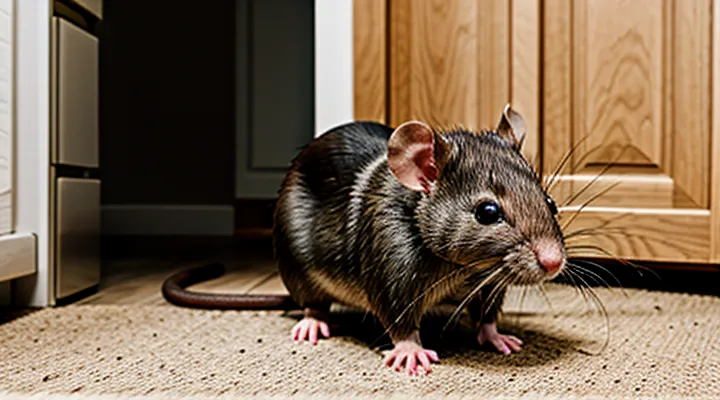
Understanding the Rat Problem
Identifying Signs of a Rat Infestation
Droppings and Urine Trails
Rats leave small, dark, cylindrical droppings about one‑inch long, typically found along walls, behind appliances, in pantry corners, and near food sources. Fresh droppings are glossy and retain moisture, while older ones become dry and crumbly. Urine appears as dark, oily stains that may fluoresce under ultraviolet light; it often follows the same routes as droppings, forming visible trails on surfaces, insulation, or building materials.
These excretions carry pathogens such as Leptospira, Salmonella, and hantavirus, capable of contaminating food, water, and air. Direct contact or inhalation of aerosolized particles from dried droppings can cause respiratory irritation, fever, and severe systemic illness. Prompt identification and removal reduce exposure risk for occupants and pets.
Effective decontamination follows a three‑step protocol:
- Wear disposable gloves, N‑95 respirator, and eye protection; isolate the area to prevent spread of particles.
- Dampen droppings and urine stains with a 10 % bleach solution or commercial disinfectant, allowing at least five minutes for chemical penetration.
- Remove the material with a disposable scoop or paper towel, place it in a sealed plastic bag, and discard according to local hazardous‑waste guidelines. Rinse the treated surface with additional disinfectant, then allow it to dry completely.
Because droppings and urine trails map a rat’s movement, they guide placement of traps and bait stations. Concentrated clusters indicate nesting sites, while linear trails reveal travel routes to food or water. Mapping these patterns enables targeted intervention, improving success rates of control measures and preventing reinfestation.
Gnaw Marks and Damage
Rats leave distinctive gnaw marks that signal structural compromise and health risks. Their incisors continuously grow, prompting relentless chewing on wood, plastic, wiring, and insulation. The resulting damage can be categorized as follows:
- Wooden structures: round, shallow bites on beams, baseboards, and furniture; weakened joints and splintered surfaces.
- Electrical systems: stripped insulation on cables, exposed conductors, increased fire hazard.
- Plumbing: chewed PVC or rubber hoses, leading to leaks and water damage.
- Insulation and HVAC: torn fiberglass or foam, reduced thermal efficiency and contaminated airflow.
- Food storage: gnawed packaging, contaminated supplies, accelerated spoilage.
Identifying these marks early enables prompt intervention, prevents costly repairs, and reduces the likelihood of disease transmission. Inspection should focus on high‑traffic zones such as attic corners, pantry shelves, and behind appliances, where fresh bite patterns are most visible.
Strange Noises and Odors
Rats produce audible signs that differ from normal household sounds. Scratching occurs behind walls, in ceilings, or within insulation, especially at night when rodents are most active. Squeaking, chattering, and scurrying noises often indicate movement through concealed pathways such as crawl spaces or behind appliances. Listening for these sounds near structural joints, vent openings, and storage areas helps pinpoint infestation zones.
Odors accompany rodent activity. Fresh urine emits a sharp, ammonia‑like scent; accumulated urine creates a lingering, pungent smell that penetrates fabrics and carpets. Fecal deposits release a musky, oily odor, particularly in enclosed spaces like attics or basements. A distinct, metallic odor may signal nesting material soaked with droppings. Identifying these smells directs cleaning and removal efforts.
When strange noises and odors are detected, follow a systematic response:
- Locate the source by tracing sounds and tracking odor intensity.
- Inspect entry points; seal gaps larger than ¼ inch with steel wool, caulk, or hardware cloth.
- Deploy appropriate traps (snap, electronic, or live‑capture) near identified activity zones.
- Apply rodent‑specific bait in tamper‑resistant stations, adhering to label instructions.
- Remove contaminated materials; disinfect surfaces with a solution containing at least 10 % bleach.
- Monitor for recurring sounds or smells for at least two weeks after intervention.
Consistent observation of auditory and olfactory cues, combined with targeted control measures, eliminates rat presence and prevents re‑infestation.
Rat Sightings
Rat sightings are the most immediate indicator that a rodent problem exists within a residence. Recognizing the specific signs helps determine the severity of the infestation and guides the choice of control measures.
Typical evidence of rat activity includes:
- Fresh droppings, approximately ½ inch long, found near food sources, cabinets, or along walls.
- Gnaw marks on wood, plastic, wiring, or insulation.
- Scratching sounds in ceilings, attics, or behind appliances, especially at night.
- Grease smears along baseboards, where rats travel.
- Nests constructed from shredded paper, fabric, or insulation, often hidden in concealed spaces.
Each sign provides actionable information. For example, droppings concentrated in the kitchen suggest a food‑attracting population, prompting immediate sanitation and bait placement. Gnaw damage to electrical wiring signals a fire hazard and requires sealing entry points and repairing compromised materials. Audible activity in upper levels indicates vertical movement, so traps should be positioned in stairwells or attic openings.
Assessing sightings systematically allows homeowners to prioritize interventions, reduce exposure to disease, and implement proven rat control techniques efficiently.
Understanding Rat Behavior
Habitat and Nesting Habits
Rats thrive in environments that provide shelter, food, and water. They favor dark, secluded areas where they can avoid predators and human disturbance. Common indoor locations include wall voids, crawl spaces, attics, basements, and behind appliances. Exterior sites such as burrows, dense vegetation, and debris piles serve as stepping stones to the interior.
Nesting behavior follows the same preference for protection and proximity to resources. Rats construct nests from soft materials—paper, fabric, insulation, shredded cardboard—shaped into compact balls or layered structures. Nest sites are typically located near food sources, often in corners of cupboards, under sinks, inside ceiling panels, or within wall cavities. Multiple nests may exist in a single infestation, each positioned to reduce travel distance to water and food.
Key characteristics of rat habitats and nests that influence control measures:
- Warmth: nests are placed where temperature remains stable, especially in winter.
- Moisture: proximity to leaky pipes or condensation points supports nest building.
- Accessibility: entry points such as gaps around pipes, vents, and foundation cracks allow rats to move between exterior and interior spaces.
- Concealment: clutter, stored boxes, and unused items create additional hiding spots.
Understanding these patterns enables targeted sealing of entryways, removal of food and water sources, and disruption of nesting materials, thereby reducing the likelihood of successful infestation.
Feeding Patterns and Preferences
Rats locate food sources by scent, visual cues, and activity patterns. They favor high‑calorie, carbohydrate‑rich items such as grains, cereals, fruit, and sugary snacks. Protein‑laden foods—including meat scraps, pet food, and nuts—also attract them, especially when moisture is present. Waste that is not sealed, including compost, garbage bags, and kitchen leftovers, provides a reliable feeding ground and encourages repeated visits.
Key feeding behaviors include:
- Nocturnal foraging: Rats emerge after dark, exploiting reduced human activity to access food.
- Scavenging: They will consume a wide range of organic matter, from crumbs to spoiled produce.
- Food hoarding: Small caches are created in concealed locations, often near wall voids or under appliances.
- Opportunistic adaptation: When preferred foods are scarce, rats shift to alternative sources such as pet bedding or insulation.
Understanding these patterns enables targeted control measures. Secure all food containers, eliminate standing water, and maintain strict sanitation in storage areas. By removing attractants that match rats’ dietary preferences, the likelihood of infestation declines dramatically.
Reproduction Cycle
Rats reproduce rapidly, creating the primary source of infestation in residential settings. A female can become fertile at six weeks of age, after a gestation period of 21‑23 days. Each litter typically contains 6‑12 pups, and a single female may produce up to five litters annually under favorable conditions. Off‑spring reach sexual maturity within five weeks, allowing successive breeding cycles to overlap and drive exponential population growth.
Key reproductive parameters:
- Gestation: 21‑23 days
- Age of sexual maturity: 5‑6 weeks
- Litter size: 6‑12 pups
- Breeding frequency: up to five litters per year
- Potential offspring per female per year: 30‑60
Population spikes occur in late summer and early autumn when food availability and temperature support higher breeding rates. Indoor environments that provide shelter, warmth, and abundant food enable rats to complete multiple cycles without the seasonal constraints that limit outdoor colonies.
Understanding this cycle informs timing of control actions. Interventions that target breeding females before they produce a litter—such as snap traps, electronic traps, or bait stations placed near nesting sites—prevent the addition of new pups to the population. Sanitation measures that eliminate food sources and reduce nesting opportunities disrupt the conditions required for successful reproduction. Regular monitoring during peak breeding months reduces the likelihood of unnoticed population buildup.
Effective rat elimination therefore depends on interrupting the reproductive process: identify and remove pregnant females, block access to food and water, and maintain a schedule of inspection and trapping that aligns with the known breeding timeline. This approach limits the rapid expansion of the infestation and supports long‑term control.
Preparation Before Rat Removal
Safety Precautions
Protecting Children and Pets
Rats pose a direct health hazard to children and pets through disease transmission, contamination of food, and aggressive bites. Effective control measures must prioritize the safety of vulnerable household members while eliminating the infestation.
- Seal all entry points using steel wool, metal flashing, or concrete; avoid toxic sealants that could be ingested.
- Deploy snap traps or electronic traps in concealed locations, such as behind appliances or inside wall cavities, where children and pets cannot reach them.
- If using bait stations, choose tamper‑resistant models with built‑in lock mechanisms; place them at heights or locations inaccessible to non‑target animals.
- Maintain a strict cleaning routine: remove food residues, store pet food in sealed containers, and regularly dispose of garbage in sealed bags.
- Conduct regular inspections of attics, basements, and crawl spaces; look for droppings, gnaw marks, and nesting material, and address findings promptly.
When chemical rodenticides are considered, select products classified for limited indoor use and apply only by a licensed professional. Ensure the area is vacated by children and pets during application and for the recommended re‑entry interval. Keep all containers locked away and out of sight.
Educate household members on recognizing signs of rat activity, such as squeaking noises, gnawing sounds, and urine stains. Prompt reporting of sightings allows rapid response, reducing exposure time for children and pets.
Implementing these precautions creates a controlled environment where rat removal methods operate effectively without compromising the well‑being of young family members and companion animals.
Handling Rodenticides Safely
Rodenticides eliminate rats efficiently, but mishandling poses health and environmental risks. Proper safety practices protect occupants, pets, and non‑target wildlife.
- Store products in a locked, ventilated cabinet away from food, water, and children's reach.
- Keep original containers; avoid transferring to unmarked vessels.
- Label each container with active ingredient, concentration, and hazard symbols.
Wear disposable gloves, goggles, and a mask whenever mixing or applying bait. Avoid skin contact; wash hands thoroughly after each session. Use a dedicated applicator to prevent cross‑contamination of surfaces and tools.
Apply bait only in sealed stations that block access by non‑target animals. Place stations along walls, behind appliances, and in concealed corners. Do not scatter loose poison; this increases accidental ingestion. Check stations regularly, replenish as needed, and remove any unused bait promptly.
In case of spillage, isolate the area, wear protective gear, and absorb the material with absorbent pads. Dispose of contaminated pads in a sealed, labeled bag according to local hazardous‑waste regulations. Never flush rodenticides down drains.
Maintain records of product type, batch number, application dates, and locations. Verify compliance with municipal and federal regulations, including licensing requirements for certain active ingredients. Regular audits ensure that safety protocols remain effective and legally sound.
Personal Protective Equipment
When confronting rodent infestations, wear equipment that shields skin, eyes, and respiratory pathways from bites, droppings, and aerosolized pathogens.
- Heavy‑duty gloves (nitrile or leather) protect hands from scratches and contamination.
- Disposable coveralls or thick work shirts prevent fur and urine from reaching clothing.
- Safety goggles or full‑face shields block debris and urine splashes from the eyes.
- N95 or higher‑rated respirators filter dust, urine particles, and potential allergens.
- Sturdy, slip‑resistant boots with steel toe caps guard feet against traps and sharp objects.
- Ear protection may be necessary when using loud mechanical devices.
Before each use, inspect all items for tears, cracks, or compromised seals. Replace damaged pieces immediately. Don the gear in the correct order—boots, coveralls, gloves, goggles, respirator—to avoid cross‑contamination. After the operation, remove PPE from the outermost layer inward, seal disposable items in a plastic bag, and launder reusable gear according to manufacturer instructions. Dispose of contaminated waste in sealed containers.
Proper protective gear reduces exposure risk, maintains hygiene, and enables safe removal of rodents from residential environments.
Sealing Entry Points
Inspecting the Exterior
Inspecting the exterior of a residence is the first defensive measure against rodent intrusion. A thorough perimeter assessment reveals gaps, damage, and attractants that allow rats to enter and establish colonies.
- Walk the foundation, noting cracks larger than ¼ inch, gaps around utility lines, and open vents.
- Examine roof eaves, soffits, and gutter seams for missing flashing or loose shingles.
- Check doors, windows, and garage doors for worn weatherstripping or misaligned frames.
- Look for signs of activity: droppings, gnaw marks, burrows, and fresh tracks in dust or mulch.
- Survey surrounding landscape: overgrown bushes, tree branches touching the house, and debris piles that provide shelter.
Repair identified openings with steel wool, metal flashing, or cement‑based sealants; replace damaged weatherstripping; install tight‑fitting door sweeps. Trim vegetation to maintain a clear zone of at least two feet from the building, and ensure gutters direct water away from the foundation.
Maintain a schedule of monthly exterior checks, especially after severe weather, to confirm that all barriers remain intact and that no new entry points have emerged. Continuous monitoring prevents re‑infestation and supports long‑term rodent control.
Repairing Gaps and Cracks
Rats enter homes through openings as small as a quarter‑inch; sealing these passages blocks access and forces the pests to look elsewhere.
Typical entry points include foundation cracks, gaps around doors and windows, utility penetrations, vent covers, and spaces around pipes or wires. Each opening creates a direct route for rodents, so thorough inspection is mandatory before any repair work begins.
Required materials: steel wool or copper mesh, expanding polyurethane foam, cement or mortar, caulk, weather‑proof sealant, and a sturdy patching compound for larger holes. Tools: screwdriver, utility knife, hammer, chisel, drill with appropriate bits, and a putty knife.
Repair process
- Walk the interior and exterior perimeter, exposing hidden cracks with a flashlight.
- Remove loose debris, dirt, and any existing insulation from the opening.
- For gaps under ¼ in., pack steel wool or copper mesh tightly, then apply expanding foam to fill remaining space.
- For larger cracks, clean the edges, apply a bonding agent, then fill with cement or a patching compound, smoothing the surface.
- Seal the outer surface with a weather‑proof caulk or sealant to prevent moisture intrusion.
- Allow all materials to cure fully before re‑installing trim or covering panels.
Regularly inspect repaired areas, especially after heavy rain or seasonal temperature changes, and reseal any new fissures promptly. Maintaining a tight envelope around the structure reduces the likelihood of future rodent intrusion.
Using Rodent-Proof Materials
Rodent‑proof materials are the most reliable barrier against rat intrusion. Selecting the right product and installing it correctly eliminates the pathways rats use to enter a residence.
Commonly effective materials include:
- Stainless‑steel mesh (hardware cloth) – minimum ¼‑inch openings, resistant to gnawing.
- Copper or steel wool – suitable for sealing gaps around pipes and cables; combine with caulk for lasting protection.
- Metal flashing – durable for covering vent openings and roof eaves.
- Concrete and cement‑based sealants – fill cracks in foundations, walls, and floors; cure to a solid, impermeable surface.
- Expandable polyurethane foam – fills irregular voids; choose a formulation that hardens to a dense, chew‑resistant block.
Installation guidelines:
- Inspect the entire building envelope for gaps larger than ¼ inch.
- Clean each opening to remove debris, then apply the chosen material snugly, ensuring no gaps remain.
- Secure hardware cloth with corrosion‑resistant screws or staples; overlap seams by at least 2 inches and seal with metal tape.
- For pipe penetrations, wrap steel wool tightly, then encase with a layer of expanding foam; smooth the surface to prevent future damage.
- Apply concrete or sealant to foundation cracks, allowing full cure time before exposing to moisture.
Maintenance involves periodic visual checks, especially after severe weather or settlement. Replace any damaged sections immediately to preserve the integrity of the barrier. Consistent use of these materials reduces rat activity and supports long‑term exclusion.
Sanitation and Food Storage
Cleaning Up Food Spills
Cleaning food spills eliminates a primary attractant for rats, directly supporting effective rodent control in residential settings. Prompt removal of residues deprives rodents of easy nourishment, reducing the likelihood of infestation.
- Immediately wipe surfaces with a disposable cloth or paper towel; discard used material in a sealed bag.
- Apply a mild detergent solution to countertops, floors, and appliances; rinse thoroughly to prevent lingering odors.
- Vacuum carpets and upholstery to extract crumbs and dried particles; follow with a HEPA-filtered vacuum for maximum extraction.
- Store leftover food in airtight containers; label containers with inspection dates to ensure timely disposal.
- Empty trash bins daily; line bins with heavy‑duty bags and secure closures to prevent scavenging.
Regularly scheduled cleaning routines reinforce these actions, creating an environment where rats find no accessible food sources. Consistency in spill management complements other proven rat‑removal techniques, such as sealing entry points and deploying traps, to achieve lasting results.
Storing Food in Airtight Containers
Storing food in airtight containers eliminates easy access points for rodents, reducing the attraction of a home to rats. Proper containers prevent odors and crumbs from escaping, which are primary cues that draw rats into kitchens and pantries.
- Choose containers made of heavy‑duty plastic, glass, or metal with sealed lids that lock or snap shut.
- Verify that seals are intact; replace any container with warped or cracked lids.
- Keep all dry goods—cereals, grains, nuts, and pet food—in these containers, even after each use.
- Label containers with purchase dates to encourage regular rotation and prevent spoilage.
- Store containers on shelves rather than on the floor; elevate food away from potential gnaw points.
Regularly inspect containers for damage and clean them with hot, soapy water before refilling. This practice removes residual scents that could still attract rodents. By eliminating exposed food sources, the likelihood of a rat infestation diminishes significantly.
Managing Garbage Properly
Proper garbage management directly reduces rat attraction and supports long‑term control. Store waste in containers that seal tightly; lids must close flush without gaps. Keep containers away from walls and elevate them on a platform or stand to prevent rodents from climbing directly from the floor.
- Use metal or heavy‑duty plastic bins with lockable lids.
- Empty indoor bins daily; outdoor bins should be emptied at least twice a week.
- Clean bin interiors with a disinfectant solution after each emptying.
- Position bins on non‑combustible surfaces and keep the surrounding area free of debris.
- Inspect seals regularly for cracks or wear and replace damaged components immediately.
Eliminate food residue by rinsing recyclables and food‑wrapped items before discarding. Compost bins must be sealed and located far from the house, with regular turning to avoid buildup of edible material. Consistent adherence to these practices removes a primary food source, making the home environment inhospitable to rats.
Proven Rat Removal Methods
Trapping Methods
Snap Traps: «Traditional and Effective»
Snap traps represent the oldest mechanical solution for rat control, relying on a spring‑loaded bar that delivers an instantaneous kill when the animal triggers the trigger plate. The device consists of a sturdy wooden or plastic base, a lethal spring mechanism, a trigger plate, and a holding platform for bait. When a rat steps on the plate, the spring releases, snapping the bar against the neck or spine and causing rapid mortality.
Effective deployment requires precise placement. Position traps along walls, behind appliances, in attics, or near known runways, because rats travel close to surfaces. Use baits that appeal to omnivorous rodents—peanut butter, dried fruit, or small pieces of meat—applied directly to the trigger plate to encourage contact. Set traps in the late afternoon, allowing the mechanism to rest overnight when rats are most active. Check traps daily; replace bait and reset devices as soon as a capture occurs.
Safety measures protect non‑target occupants. Place traps out of reach of children and pets, or enclose them in a protective cage that still permits rat entry. Wear thick gloves when handling captured rodents to avoid disease transmission. Dispose of dead rats in sealed plastic bags, then discard according to local regulations.
Advantages of snap traps include:
- Immediate kill, preventing prolonged suffering.
- No reliance on chemicals or electricity.
- Low cost and reusable after each capture.
- Minimal environmental impact compared with poison.
Limitations consist of the need for regular monitoring, potential avoidance by wary rats, and the requirement for careful positioning to prevent accidental activation by humans or domestic animals. When integrated with complementary methods—such as sealing entry points and maintaining cleanliness—snap traps provide a reliable, time‑tested component of a comprehensive rat‑removal program.
Live Traps: «Catch and Release Considerations»
Live traps provide a humane alternative to lethal devices when dealing with a rat infestation. The success of a catch‑and‑release program depends on careful planning and consistent execution.
Select traps that close securely without crushing the animal. Models with spring‑loaded doors or weighted lids are preferred because they reduce stress on the captured rat. Place traps along established runways, near walls, and close to food sources. Rats avoid open spaces; positioning traps against a wall increases capture rates.
Bait choice influences trap performance. High‑protein foods such as peanut butter, cheese, or cooked bacon attract rats more reliably than grain‑based options. Apply a small amount of bait to the trigger mechanism, ensuring the rat must fully enter the trap to reach it.
Check traps at least twice daily. Prolonged confinement raises the risk of injury, dehydration, and heat stress. When a rat is captured, wear thick gloves, cover the trap with a cloth, and transport the animal to a release site within 30 minutes of capture.
Release sites must meet legal and ecological criteria. Choose locations at least two miles from the residence, with abundant shelter and food, such as wooded areas or vacant lots. Verify local wildlife regulations to avoid prohibited releases.
After each capture, disinfect the trap with a dilute bleach solution or commercial disinfectant. This prevents disease transmission and eliminates scent cues that could deter future rats. Inspect the surrounding area for entry points; seal gaps, repair damaged screens, and trim vegetation that provides climbing access.
Maintain a log of capture dates, locations, and bait types. Data analysis reveals patterns, allowing adjustments to trap placement and bait selection. Consistent record‑keeping supports long‑term reduction of rat activity without resorting to lethal methods.
Electric Traps: «Modern Solutions»
Electric traps represent a high‑voltage approach to residential rat control. They deliver a lethal shock instantly when a rodent contacts the trigger plate, eliminating the need for poison or cumbersome snap devices.
Key advantages include:
- Immediate kill, preventing suffering and secondary infestation.
- Containment of carcass within a sealed chamber, reducing odor and sanitation issues.
- Reusability after each capture, lowering long‑term costs.
- Compatibility with battery or mains power, allowing placement in diverse locations.
Effective deployment follows a simple protocol:
- Identify pathways and activity zones by observing droppings, gnaw marks, and run‑ways.
- Position the trap perpendicular to the wall, with the trigger plate facing the expected travel direction.
- Set the sensitivity to the appropriate voltage level for the target species.
- Activate the unit and monitor for capture, emptying the chamber daily to maintain efficiency.
Safety measures are mandatory. Always disconnect power before servicing, wear insulated gloves when handling captured specimens, and keep traps out of reach of children and pets. Regular inspection of wiring and battery condition prevents malfunction.
Maintenance consists of cleaning the interior with a mild disinfectant after each use, checking the trigger mechanism for debris, and replacing depleted batteries or faulty components promptly. Adhering to these practices maximizes the trap’s reliability and supports a rapid reduction of rat populations in the home.
Placement Strategies for Traps
Effective trap placement maximizes capture rates while minimizing exposure to non‑target species. Identify the primary pathways rats use to travel between shelter and food, then concentrate devices along those routes.
- Position traps within 1–2 feet of walls; rodents prefer to run close to surfaces.
- Align baited ends toward the direction of travel, allowing rats to approach from the safe side.
- Place devices in concealed but accessible areas: behind appliances, under cabinets, inside crawl spaces, and at attic entry points.
- Install traps near known food sources: pantry shelves, garbage bins, pet feeding stations, and compost containers.
- Set traps at low points where rats can hide, such as basement corners, foundation cracks, and utility chases.
Maintain a stable, flat surface for each trap to prevent tipping. Avoid locations frequented by humans or pets, and ensure there is no immediate disturbance from cleaning activities. Rotate traps weekly to prevent bait desensitization and to cover new activity zones that emerge as the infestation shifts.
Baits and Rodenticides
Types of Rodenticides: «Anticoagulants and Non-Anticoagulants»
Rodenticides are chemical agents employed when physical traps are insufficient for rat suppression. They are divided into two principal categories, each with distinct mechanisms and safety considerations.
-
Anticoagulants: interfere with blood clotting, causing internal hemorrhage after ingestion. They are further classified as first‑generation (e.g., warfarin, chlorophacinone) and second‑generation compounds (e.g., brodifacoum, difethialone). Second‑generation agents are more potent, require lower dosages, and persist longer in the environment, increasing the risk of secondary poisoning. Proper placement in tamper‑proof bait stations mitigates accidental exposure to non‑target species.
-
Non‑anticoagulants: act through alternative toxic pathways. Common types include bromethalin, which disrupts cellular energy production, and zinc phosphide, which releases phosphine gas upon contact with stomach acid. These agents typically produce rapid mortality and are less likely to cause delayed secondary poisoning. Their use demands strict adherence to label instructions, especially regarding ventilation and bait formulation.
Selection between anticoagulant and non‑anticoagulant rodenticides depends on infestation severity, presence of pets or children, and regulatory restrictions. Anticoagulants suit low‑density problems where baiting can be controlled; non‑anticoagulants are preferred for high‑risk environments or when rapid elimination is required. Always follow integrated pest management principles, combining chemical control with sanitation and exclusion measures to achieve lasting rat eradication.
Safe Bait Station Placement
Place bait stations where rodents travel but children and pets cannot reach them. Install stations along walls, behind appliances, in attics, and within crawl spaces, keeping a minimum of 12 inches from any food preparation surface.
- Mount stations at least 4 inches above the floor to deter non‑target animals.
- Secure stations to a solid surface using screws or brackets; avoid loose placement that can be knocked over.
- Position stations near known droppings, gnaw marks, or active burrows, but maintain a 3‑foot buffer from children’s play areas.
- Use weather‑resistant housings for outdoor or damp locations; ensure seals remain intact after rain.
- Label each station with a warning sign visible to household members, indicating “Poison – Keep Away from Children and Pets”.
Check stations weekly for damage, displacement, or depleted bait. Replace compromised units promptly. Record the location and inspection date on a maintenance log to track coverage and ensure ongoing safety.
Risks and Environmental Impact
Rats in residential settings pose health hazards, but the methods used to eliminate them can create additional risks and affect the environment.
Chemical rodenticides deliver acute toxicity to rodents but also present acute and chronic exposure threats to humans, children, and pets through accidental ingestion or dermal contact. Residues may persist on surfaces, increasing the likelihood of secondary poisoning for scavenging wildlife. Improper disposal of bait containers can lead to leaching of anticoagulant compounds into soil and groundwater, contaminating drinking water sources and disrupting microbial communities.
Mechanical devices such as snap traps and live‑catch traps avoid chemical exposure but can cause injury to non‑target species if placed in accessible areas. Glue boards, while non‑lethal, generate prolonged suffering for captured animals and often result in unintended capture of insects, reptiles, or small mammals, contributing to local biodiversity loss.
Biological control agents, including predatory birds or feral cats, introduce predation pressure that may alter existing urban ecosystems, potentially increasing predation on native bird populations.
Integrated pest management (IPM) strategies reduce environmental impact by combining sanitation, exclusion, and targeted use of low‑toxicity baits. Benefits include:
- Lowered chemical load in the home and surrounding soil.
- Reduced risk of resistance development in rat populations.
- Minimized non‑target mortality through precise bait placement.
- Enhanced long‑term control through habitat modification.
Choosing methods that limit toxic exposure, prevent secondary poisoning, and preserve ecological balance mitigates the unintended consequences of rat eradication efforts while maintaining effective control.
Exclusion and Prevention
Reinforcing Entry Points
Sealing all potential openings eliminates the primary pathway rats use to enter a residence. Once gaps are blocked, the likelihood of infestation drops dramatically, and existing populations lose access to food and shelter.
Typical entry points include gaps around utility penetrations, vent covers, foundation cracks, door frames, window casings, and the space beneath appliances. Small openings as narrow as ¼ inch can accommodate a rat; therefore, every visible and hidden seam must be examined.
- Apply steel wool or copper mesh to irregular cracks before applying sealant; rodents cannot chew through metal.
- Use high‑grade silicone or polyurethane caulk to fill gaps around pipes, cables, and wiring sleeves.
- Install weather‑stripping on exterior doors and windows; replace worn pieces promptly.
- Fit metal flashing over vent openings and soffit gaps; secure with stainless‑steel screws.
- Reinforce foundation cracks with epoxy mortar or cement patch; smooth the surface to prevent future widening.
After repairs, conduct a systematic walk‑through every month for the first six months. Look for fresh gnaw marks, droppings, or new gaps caused by building settlement. Reapply sealant or replace damaged materials immediately to maintain a continuous barrier.
Maintaining Yard and Garden
A well‑kept yard reduces the likelihood that rats will seek shelter near the house. Overgrown grass, dense shrubbery, and accumulated debris create hiding places and travel routes for rodents, allowing them to move undetected from the garden to the building foundation.
- Remove fallen fruit, vegetable scraps, and pet food promptly; store waste in sealed containers.
- Keep grass trimmed to a maximum height of 4 inches; mow regularly to eliminate ground cover.
- Prune shrubs and vines away from walls and fences, creating a clear zone of at least 12 inches.
- Stack firewood off the ground and cover it with a tarp; avoid leaving piles of logs near the foundation.
- Maintain compost bins with tight lids; turn compost frequently to discourage nesting.
- Eliminate standing water by fixing leaks, draining puddles, and using drip irrigation instead of overhead sprinklers.
- Seal gaps under decks, porches, and shed floors; install metal or hardware cloth around the perimeter of garden beds.
- Place rat‑proof feeders for birds and wildlife, preventing accidental food spillage.
Regular inspection of the perimeter identifies new entry points before they become established routes. Prompt repair of cracks in sidewalks, driveways, and foundation walls removes additional access. By integrating these yard‑care practices, homeowners create an environment that is inhospitable to rats, reinforcing interior control measures and reducing the overall risk of infestation.
Regular Inspections
Regular inspections are a cornerstone of any successful rat‑control program in a residence. By systematically surveying the property, homeowners can detect early signs of infestation and intervene before populations expand.
Inspections should be performed at least once a month and increased to weekly during peak rodent activity periods, typically from late summer through early winter. Seasonal weather changes and food‑storage habits dictate the optimal schedule.
During each inspection, focus on the following items:
- Fresh droppings, gnaw marks, or shredded materials.
- Chewed wiring, insulation, or structural components.
- Visible nests, burrows, or urine stains.
- Gaps larger than ¼ inch around doors, windows, vents, and utility penetrations.
- Accumulated debris, clutter, or standing water that could provide shelter or water sources.
Record findings in a log, noting location, type of evidence, and date. Use the log to prioritize repair work, set traps, or apply bait stations. After corrective actions, re‑inspect the same areas within 48‑72 hours to confirm that the issue has been resolved.
Consistent, documented inspections enable rapid identification of new entry points, reduce the likelihood of large infestations, and support long‑term rat‑free living environments.
Post-Removal and Ongoing Prevention
Cleaning and Disinfection
Removing Dead Rats Safely
When a rat dies inside a residence, prompt and safe removal prevents health hazards and secondary infestations. Follow these steps:
- Wear disposable nitrile gloves and a face mask rated N95 or higher.
- Open windows to increase ventilation and reduce odor buildup.
- Use a sturdy plastic bag or a sealable container; place the carcass inside, avoiding direct contact.
- Seal the bag tightly, then double‑bag to contain fluids and scent.
- Dispose of the sealed package according to local regulations, typically via a licensed waste collection service or a designated landfill.
If the dead rat is located in a wall cavity or crawl space, use a flexible inspection camera to confirm position. Cut a small access opening, insert a disposable bag, and retrieve the carcass with a long‑handled grabber. Seal the opening with fire‑rated insulation material to deter future entry.
After removal, clean the area with a detergent solution, then apply a disinfectant containing at least 1,000 ppm chlorine bleach. Allow the surface to remain wet for ten minutes before wiping dry. Dispose of cleaning materials in a sealed bag.
Finally, inspect the premises for signs of remaining rodents, droppings, or gnaw marks. Seal entry points with steel wool and expanding foam, and consider setting traps or bait stations to eliminate any surviving population. Regular monitoring reduces the risk of future deaths and the associated health concerns.
Disinfecting Contaminated Areas
After eliminating a rat infestation, the affected rooms must be disinfected to eliminate pathogens, urine, and fecal residues that can cause disease. Begin by removing all visible debris and waste, placing it in sealed bags for disposal according to local regulations.
- Ventilate the area for at least 30 minutes, opening windows and using fans to disperse airborne contaminants.
- Wear disposable gloves, N‑95 respirator, and protective eyewear before handling any contaminated material.
- Apply an EPA‑approved disinfectant (e.g., a quaternary ammonium solution or a bleach mixture of 1 part sodium hypochlorite to 9 parts water) to surfaces that rats have contacted, including floors, countertops, walls, and cabinetry.
- Scrub porous surfaces—such as fabric, upholstery, and insulation—with the disinfectant, allowing the solution to remain wet for the manufacturer‑specified dwell time, typically 5–10 minutes.
- Rinse non‑food surfaces with clean water if the disinfectant leaves a residue, then dry thoroughly using clean towels or air flow.
For items that cannot be disinfected (e.g., electronics, books), isolate them in sealed containers and consider professional cleaning or safe disposal. After completing the disinfection process, conduct a final visual inspection to confirm that no stains, droppings, or odor remain. Dispose of all protective gear and cleaning materials in sealed waste bags to prevent re‑contamination.
Odor Removal Techniques
Rats leave a strong, lingering smell that can attract further infestations and create an unpleasant living environment. Effective odor control begins with thorough removal of all contaminated material and continues with targeted cleaning methods.
- Identify and discard any soiled food, bedding, or nesting material. Place waste in sealed bags and dispose of it promptly.
- Wash all surfaces with a detergent solution to eliminate surface residues. Follow with a disinfectant that contains quaternary ammonium compounds or hydrogen peroxide to break down organic matter.
- Apply enzymatic cleaners to hard-to-reach areas such as cracks, vents, and behind appliances. Enzymes break down urine proteins, neutralizing the source of the odor rather than merely masking it.
- Use absorbent powders like baking soda or activated charcoal on carpets, upholstery, and storage boxes. Allow several hours before vacuuming to capture lingering molecules.
- Increase airflow by opening windows and operating exhaust fans. Supplemental portable air purifiers equipped with HEPA and activated carbon filters capture airborne particles and volatile compounds.
- For persistent, deep‑seated smells, consider a professional ozone treatment. Ozone oxidizes odor molecules; ensure the space is unoccupied and ventilated after treatment to avoid health risks.
- Seal any entry points and repair water damage promptly. Moisture encourages bacterial growth, which can exacerbate odor problems.
After cleaning, schedule regular inspections and maintain a dry, well‑ventilated environment. Consistent sanitation prevents the reappearance of rat‑related odors and supports a healthier home.
Long-Term Monitoring
Setting Up Surveillance
Effective rodent control begins with identifying the exact locations where rats travel, hide, and feed. Surveillance provides the data needed to target interventions precisely, reducing the number of traps and chemicals required.
Install a small number of motion‑activated cameras in suspected activity zones such as attics, crawl spaces, behind appliances, and along walls. Choose models with infrared capability to capture movement in low‑light conditions. Position each camera at a height of 4–6 feet, angled downward to cover a 90‑degree field of view. Secure devices with zip ties or brackets to prevent displacement by the animals.
Connect cameras to a continuous power source or high‑capacity batteries. When using battery power, select units with a minimum 30‑day runtime and schedule weekly recharges. For wired setups, run low‑voltage cables through conduit to avoid exposed wiring that rats could chew.
Configure recording settings to trigger only on motion events. This conserves storage and simplifies review. Store footage on a cloud service or a local NAS with automatic backup. Set alerts to be sent to a smartphone or email address whenever motion is detected, enabling immediate response.
During the review process, look for repeated patterns: entry points, preferred pathways, and nesting sites. Mark these locations on a floor plan and prioritize them for trap placement or exclusion measures. Repeat surveillance after each intervention to verify that activity has declined; if motion persists, adjust trap locations or reinforce sealing of entry points.
Maintain equipment hygiene by cleaning lenses weekly and checking battery levels. Replace cameras that show reduced image quality or intermittent operation. Consistent surveillance, combined with targeted trapping and sealing, creates a feedback loop that accelerates the elimination of rat populations from residential spaces.
Ongoing Inspection Routines
Regular monitoring is essential for sustaining a rat‑free environment. Systematic checks reveal new activity before infestations expand, allowing prompt intervention.
- Daily visual sweep of kitchen counters, pantry shelves, and waste bins.
- Weekly examination of exterior foundations, door thresholds, and utility penetrations.
- Monthly comprehensive audit of attic spaces, crawl‑spaces, and wall voids.
Inspectors should focus on concrete evidence:
- Fresh droppings, typically dark and pellet‑shaped.
- Gnaw marks on wood, plastic, or wiring.
- Grease or urine stains along baseboards and behind appliances.
- Fresh burrows or nesting material in concealed areas.
Record each observation in a logbook or digital tracker, noting location, date, and severity. Immediate corrective steps include sealing gaps with steel wool and caulk, setting traps at identified pathways, and disposing of contaminated materials.
Integrate inspection data with broader control measures—bait placement, exclusion work, and sanitation improvements—to maintain continuous pressure on rodent populations and prevent re‑establishment.
Professional Pest Control
When to Call an Expert
Rats can cause structural damage, contaminate food, and spread disease. Homeowners often try DIY traps and sealants, but certain conditions make professional intervention essential.
- Infestation spreads beyond a few sightings, with active nests in walls, attics, or crawl spaces.
- Damage to wiring, insulation, or plumbing is evident, increasing fire or flood risk.
- Signs of disease vectors, such as droppings in food preparation areas, appear despite cleaning efforts.
- Traps and baits fail repeatedly, indicating bait shyness or learned avoidance.
- Legal or insurance requirements demand documented pest control for rental properties or commercial spaces.
When any of these indicators emerge, contact a licensed pest‑control specialist. Professionals can:
- Conduct a thorough inspection to locate hidden entry points and breeding sites.
- Apply integrated pest‑management strategies, combining baiting, trapping, and exclusion techniques tailored to the species and building layout.
- Provide certification of eradication, which may be required for health inspections or tenancy agreements.
- Offer ongoing monitoring to prevent re‑infestation, including seasonal assessments and maintenance recommendations.
Delaying professional assistance often leads to escalating damage and higher remediation costs. Prompt engagement ensures effective removal, safeguards health, and protects property value.
Services Offered by Professionals
Professional pest‑control firms provide a complete suite of interventions designed to eliminate rodent infestations and prevent recurrence. Their offerings combine inspection, exclusion, eradication, and follow‑up monitoring to address every stage of a rat problem.
- Site assessment: Certified technicians locate entry points, evaluate food sources, and map activity patterns using visual inspection and, when needed, infrared equipment.
- Exclusion services: Specialists install steel‑wool, metal flashing, or concrete barriers to seal gaps in foundations, walls, and utility penetrations, ensuring rodents cannot re‑enter.
- Eradication methods: Trained operators deploy snap traps, electronic devices, or bait stations calibrated to local regulations, applying bait formulations that minimize risk to non‑target species.
- Sanitation and cleanup: After removal, crews sanitize affected areas, dispose of contaminated materials, and advise on waste‑management practices that deter future infestations.
- Ongoing monitoring: Clients receive periodic inspections and trap checks, with reports documenting activity levels and corrective actions.
Choosing a qualified provider requires verification of licensing, insurance coverage, and adherence to integrated pest‑management (IPM) standards. Companies that document their protocols, offer warranties on exclusion work, and maintain a record of pest‑control certifications demonstrate reliability.
Benefits of engaging professionals include rapid reduction of health hazards, compliance with local health codes, and a systematic approach that eliminates hidden populations. The combination of expert assessment, targeted removal, and preventive measures delivers lasting control of rat activity in residential settings.