
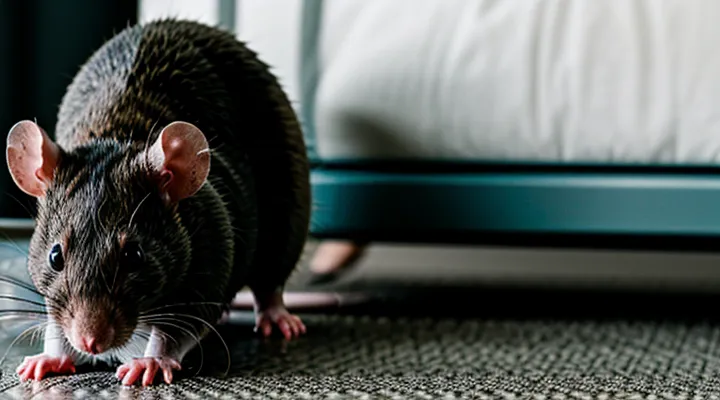
Ethical Considerations and Risks
Safety Concerns
Risks to Humans
Using an electric shock to eliminate a rat introduces several direct hazards to people in the vicinity. The high‑voltage apparatus can generate unintended electrical exposure, produce harmful physiological effects, and create environmental conditions that compromise safety.
- Accidental contact with live wires may cause electric burns, cardiac arrhythmia, or fatal shock.
- Faulty insulation or damaged cables can create arc flash, releasing intense heat and ultraviolet radiation.
- Improper grounding may lead to voltage leakage, affecting nearby electronic devices and increasing the risk of electrocution.
- Release of toxic gases from heated components or burnt insulation can irritate respiratory passages and exacerbate asthma.
- Sudden animal movement during discharge may result in bites or scratches, introducing bacterial infections.
Preventive measures include securing all connections, using insulated tools, wearing dielectric gloves, verifying proper grounding, and ensuring adequate ventilation. Regular equipment inspection and adherence to electrical safety standards minimize the probability of injury.
Risks to Other Animals
Using an electric device to eliminate a rat can expose non‑target animals to unintended injury. Conductors such as metal cages, water dishes, or wiring nearby may transmit the discharge, causing shock to pets, wildlife, or livestock that come into contact with them.
Potential hazards include:
- Direct contact with the energized element, leading to burns, cardiac arrhythmia, or death in small mammals, birds, and reptiles.
- Secondary injury from startled animals fleeing the area, resulting in collisions with objects or falls.
- Damage to electronic equipment that shares the same power source, creating fire risk or further electrical exposure.
- Disruption of local ecosystems if wild species are affected, potentially altering predator‑prey dynamics.
Mitigation measures require isolating the shock apparatus, disabling power to adjacent circuits, and securing the area to prevent access by other animals during and after activation. Regular inspection of the setup ensures that no unintended pathways for electricity remain.
Ineffectiveness and Cruelty of Electric Shock
Pain and Suffering
Electric shock devices are designed to deliver a rapid, high‑voltage pulse that disrupts the central nervous system of a rodent, causing immediate incapacitation. The physiological response includes intense muscular contraction, loss of consciousness, and cessation of vital functions within seconds. This abrupt termination eliminates prolonged distress but generates acute pain at the moment of exposure.
Key aspects of the animal’s experience:
- Voltage and current: Sufficient to breach the skin barrier and induce neuronal depolarization, producing a sharp, unavoidable sensation.
- Duration of shock: Typically measured in milliseconds; longer exposure extends the period of discomfort before loss of consciousness.
- Thermal effects: Minimal heat generation, yet the rapid electrical discharge can cause localized tissue burning, adding to the pain profile.
- Psychological stress: Prior exposure to electrical devices may trigger anticipatory fear, amplifying suffering before the shock is applied.
Ethical evaluation rests on the balance between immediate pain and the avoidance of prolonged suffering. The brief, intense agony is considered acceptable by many pest‑control standards only when it results in swift death, thereby preventing extended agony, starvation, or injury that would accompany alternative methods.
Regulatory guidelines often require:
- Verification that the device delivers the minimum effective dose to ensure rapid incapacitation.
- Documentation of device performance, confirming that the shock consistently produces immediate loss of consciousness.
- Training for operators to apply the device correctly, minimizing misfires that could cause unnecessary pain.
Understanding these factors allows practitioners to assess whether the use of an electric shock aligns with humane pest‑management principles, ensuring that any inflicted pain is brief and that suffering does not persist beyond the moment of incapacitation.
Inhumane Practices
Electric shock devices are employed to eliminate rodents quickly, yet the method raises significant animal‑welfare concerns. The high‑voltage discharge causes immediate pain, muscle contractions, and potential cardiac arrest, indicating a severe level of suffering. Regulatory frameworks in many jurisdictions classify such tactics as cruel, limiting their use or requiring specific permits. Veterinary and wildlife‑conservation authorities advise against reliance on shock as a primary control measure because it fails to guarantee a humane outcome and often results in prolonged distress before death.
Key points illustrating the cruelty of this approach include:
- Rapid onset of intense electrical pain that exceeds thresholds for humane treatment.
- Risk of non‑lethal injuries, leaving surviving animals with burns, neurological damage, or chronic stress.
- Lack of selectivity, leading to accidental harm of non‑target species sharing the environment.
- Absence of monitoring mechanisms to confirm immediate death, creating uncertainty about the animal’s condition.
Professional pest‑management guidelines recommend alternatives that minimize suffering, such as live‑capture traps followed by euthanasia performed by licensed personnel, or integrated pest‑management strategies that reduce rodent populations without lethal force. These methods align with ethical standards and legal requirements, offering effective control while respecting animal welfare.
Alternative and Humane Rat Removal Methods
Prevention Strategies
Sealing Entry Points
Sealing entry points is essential for any electrical rodent control strategy. By blocking access, the shock device can target only the animals already inside, reducing the risk of repeated intrusions and limiting the need for repeated applications.
Identify all potential openings: gaps around pipes, vents, foundation cracks, door sweeps, and utility penetrations. Inspect both interior and exterior walls, roof eaves, and crawl spaces. Use a flashlight and a mirror to detect hidden cracks.
- Fill gaps larger than ¼ inch with steel wool, then apply a cement-based sealant or expanding foam.
- Install metal flashing around vents and pipe sleeves; secure with screws and sealant.
- Replace damaged weatherstripping on doors and windows; ensure a tight closure.
- Cover foundation cracks with hydraulic cement; allow proper curing time before exposure to moisture.
- Apply rodent‑proof mesh (¼‑inch hardware cloth) to larger openings such as attic vents or basement windows.
After sealing, monitor the area for new activity. If fresh gnaw marks appear, re‑inspect and reinforce the affected spot. Continuous maintenance of the sealed envelope maximizes the effectiveness of the electric shock method and prevents future infestations.
Food Storage
Effective food storage reduces the likelihood that rats will encounter baited electric shock devices, thereby improving the overall success of the control method. Secure containers prevent rodents from accessing crumbs and spills that attract them to the area where the apparatus operates.
Key practices for safe food storage:
- Use airtight, metal or heavy‑plastic containers with lockable lids.
- Keep storage areas clean; wipe down surfaces after each use.
- Position food supplies away from walls and corners where rats travel.
- Store bulk items on raised platforms to eliminate direct floor contact.
- Inspect containers regularly for damage and replace compromised units immediately.
When electric shock equipment is installed, maintain a clear perimeter around the device. Ensure no food items are placed within the activation zone, as conductive debris can interfere with the shock circuit and pose a hazard to humans. Route power cords away from storage shelves to avoid accidental contact. Regularly verify that the device’s safety interlocks function correctly; a malfunction could discharge unintentionally if food packaging is inadvertently placed nearby.
Combine rigorous food management with the electric shock approach to create an environment where rats have no incentive to linger, while the control system remains effective and safe for occupants.
Trapping Methods
Live Traps
Live traps provide a humane alternative for capturing rats before applying an electric termination device. The traps consist of a spring‑loaded door that closes instantly when the rodent steps on a trigger plate, keeping the animal alive and unharmed.
Key advantages of using live traps in conjunction with an electric shock system include:
- Immediate containment prevents the rat from escaping into hidden areas.
- Allows precise placement of the shock electrode at the moment of release.
- Reduces the risk of collateral damage to non‑target species.
- Facilitates inspection of the captured rat to confirm species and health status.
When selecting a live trap, prioritize models with a sturdy cage, secure latch, and a smooth interior surface that discourages injury. Size the trap to accommodate adult rats, typically 10–12 inches long, to ensure comfortable capture without excessive stress.
Proper deployment follows a simple sequence:
- Position the trap along known runways, near walls, or adjacent to food sources.
- Bait with high‑protein items such as peanut butter or dried fruit to attract the rat.
- Check the trap at regular intervals, preferably every 30 minutes, to minimize confinement time.
- Once a rat is secured, transfer it to the designated electric apparatus, aligning the animal’s body with the electrode to guarantee an instantaneous, lethal shock.
Maintenance of live traps is critical. Clean the cage after each use, disinfect with a mild bleach solution, and inspect the latch mechanism for wear. Replace any damaged components before the next deployment to maintain reliability.
Integrating live traps with an electric elimination method streamlines rodent control, ensuring swift capture, accurate targeting, and humane termination without unnecessary suffering.
Snap Traps
Snap traps remain a practical option when dealing with a rodent that has survived an electrically induced shock attempt. The device delivers a rapid, high‑force closure that severs the spinal cord, ensuring immediate mortality. Construction typically includes a steel spring‑loaded bar, a trigger platform, and a metal base that grounds the animal, preventing escape. Because the mechanism does not rely on electricity, it can be deployed in areas where power sources are unavailable or where the shock device has malfunctioned.
Key considerations for snap traps in this context:
- Placement along established runways, close to points where the shock device was applied, maximizes encounter probability.
- Bait selection (e.g., peanut butter or dried fruit) should complement the odor profile of the electric method to attract wary rats.
- Regular inspection prevents trap saturation and reduces the risk of secondary injury to other wildlife.
- Disposal of captured specimens follows local health regulations; wearing gloves and using a sealed container are recommended for hygiene.
Integrating snap traps with an electric shock strategy provides redundancy, increasing overall success rates while maintaining humane standards.
Professional Pest Control
When to Call an Expert
If a rat‑removal device that delivers an electric shock fails to eliminate the pest, professional assistance becomes necessary. Delays increase the risk of injury, property damage, and legal liability.
Indicators that an expert should be engaged
- The device does not activate or delivers insufficient voltage despite correct setup.
- The rat remains active after multiple shock attempts, suggesting resistance or a larger infestation.
- Electrical components show signs of wear, corrosion, or malfunction.
- The operation occurs in a location with strict safety regulations, such as food‑processing areas, hospitals, or schools.
- Attempts to isolate the animal jeopardize structural integrity, for example, when the rodent has entered walls, ducts, or confined electrical panels.
- The homeowner lacks experience with high‑voltage equipment, increasing the chance of accidental discharge.
Consequences of postponing expert intervention
- Escalating rodent population can spread disease and contaminate surfaces.
- Repeated misuse of the shock system may cause fire hazards or damage to wiring.
- Legal exposure arises if local wildlife or pest‑control statutes are violated.
When any of these conditions are present, contacting a certified pest‑control professional ensures safe, effective removal and compliance with safety standards.
Integrated Pest Management (IPM)
Integrated Pest Management (IPM) is a systematic approach that combines biological, cultural, physical, and chemical tactics to keep pest populations below economically damaging levels while minimizing risks to human health and the environment. Core elements include accurate pest identification, regular monitoring, threshold‑based decision making, and the selection of control methods that target the pest with the least collateral impact.
Electrically induced rat control devices can be incorporated into an IPM program when they meet criteria for efficacy, specificity, and safety. These devices deliver a rapid high‑voltage pulse that immobilizes the target rodent, allowing immediate removal. Because the method acts directly on the individual animal, it reduces reliance on poisons and limits exposure to non‑target species.
To embed electric shock technology within an IPM framework, follow these steps:
- Conduct a site survey to identify rat activity hotspots, entry points, and environmental conditions that favor infestation.
- Establish action thresholds based on population density, damage reports, or health risk indicators.
- Choose electric devices that comply with safety standards, feature adjustable voltage, and include mechanisms to prevent accidental discharge.
- Position units strategically near identified hotspots, ensuring access for maintenance while avoiding human traffic zones.
- Monitor trap performance daily, record capture data, and assess whether thresholds are being met.
- Review outcomes weekly, adjust placement or voltage settings as needed, and integrate complementary tactics such as habitat modification and exclusion to sustain long‑term control.
By aligning electric shock removal with the IPM cycle—assessment, threshold setting, targeted intervention, and continuous evaluation—operators achieve effective rat management while adhering to the principles of ecological responsibility and regulatory compliance.