
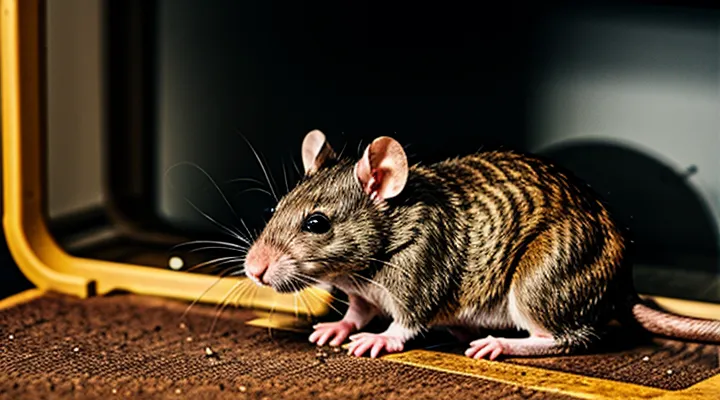
The Gestation Period in Rats
Typical Duration
Rats generally complete the entire birthing sequence within a short window. From the first visible signs of labor until the last pup is expelled, the process typically lasts between 30 and 90 minutes. The most critical phase is the delivery of each pup, which occurs at regular intervals of 2 to 5 minutes. After the final pup, the mother usually spends an additional 10 to 20 minutes cleaning and arranging the litter.
- Onset of visible contractions: 1–2 hours before delivery.
- Interval between successive pups: 2–5 minutes.
- Total duration of active birth: 30–90 minutes.
- Post‑birth maternal care: 10–20 minutes.
Variations depend on litter size, the mother’s age, and environmental conditions, but the ranges above represent the norm for healthy laboratory and pet rats.
Signs of Approaching Labor
Rats exhibit distinct cues as they near delivery, allowing caretakers to anticipate the event with confidence.
- Increased nest building: the female gathers bedding, rearranges materials, and creates a secluded area.
- Restlessness and frequent repositioning: she moves repeatedly, appears uneasy, and may pace the cage.
- Vocalizations: higher‑pitched or more frequent squeaks signal discomfort and impending labor.
- Abdominal enlargement: the belly swells noticeably as the uterus expands.
- Mammary gland development: nipples become larger, pinker, and may produce a milky secretion.
- Perineal swelling and a slight discharge: a clear or slightly pink fluid may appear as the birth canal prepares.
- Temperature shift: body temperature may drop a few degrees shortly before the first pup is born.
These observable changes collectively indicate that parturition is imminent. Monitoring them closely enables timely intervention if complications arise.
Behavioral Changes Before Birth
Nesting Behavior
Gathering Materials
Before observing a rodent in labor, assemble a set of reliable supplies. Proper equipment eliminates guesswork and ensures that subtle signs are not missed.
- Secure, escape‑proof nesting enclosure
- Absorbent, low‑dust bedding (e.g., shredded paper or aspen shavings)
- Digital thermometer with a narrow probe
- Disposable nitrile gloves
- High‑resolution video camera or smartphone tripod
- Whiteboard or notebook for timestamped notes
- Small flashlight with a red filter (to reduce disturbance)
- Clean water bottle and fresh food for post‑birth care
The enclosure provides a stable environment where the female can exhibit natural behavior without external stress. Low‑dust bedding reveals changes in nest material, such as increased moisture or displacement, which often precede delivery. A thermometer monitors the drop in body temperature that typically occurs a few hours before birth. Gloves protect both caretaker and animal from contamination when handling newborns. Video recording captures the exact moment of pup emergence, allowing later review of contraction patterns and delivery duration. Detailed notes with timestamps create a chronological record that correlates physiological data with observed events. A red‑filtered light permits brief inspection without triggering a stress response. Fresh water and food support the dam’s recovery immediately after littering.
Having these items prepared in advance creates a controlled setting where the onset of rat parturition can be identified promptly and documented accurately.
Building the Nest
Rats prepare a nest immediately before parturition. The structure serves as a safe environment for the newborns and reflects the female’s imminent labor.
Typical features of a pre‑birth nest include:
- Compact arrangement of soft materials such as shredded paper, tissue, cellulose, or fur.
- Elevated or concealed location, often in a corner of the cage, behind a barrier, or within a shelter.
- Multiple layers: a base of loose debris covered by finer, tightly packed fibers.
- Rounded shape with a shallow depression, facilitating pup positioning and temperature regulation.
Observing these characteristics provides a reliable indicator that the female is close to delivering. Continuous monitoring of nest construction helps anticipate the exact timing of birth and allows prompt provision of appropriate care.
Increased Agitation and Restlessness
Rats approaching delivery often display marked agitation. They may pace the cage, repeatedly push against the walls, and exhibit sudden bursts of activity that interrupt normal grooming or feeding routines. This heightened restlessness typically intensifies a few hours before the onset of contractions and can persist until the first pup is born.
Key behaviors to watch for include:
- Frequent, erratic movement across the nesting area.
- Repeated attempts to escape or burrow deeper into bedding.
- Vocalizations that become louder or more frequent than usual.
- Sudden, short bouts of frantic grooming followed by periods of stillness.
These signs signal that the female is preparing for parturition. Providing a quiet, undisturbed environment and ensuring ample, soft nesting material can help the rat complete the birthing process with minimal stress.
Reduced Appetite and Thirst
Reduced food and water intake often signals the onset of parturition in laboratory rats. As the uterus contracts and hormonal changes intensify, the animal’s metabolic priorities shift toward supporting fetal development and the upcoming delivery. Consequently, the rat may consume noticeably less chow and drink less frequently than usual.
Key characteristics of this behavior include:
- Sharp decline in meal size within 24‑48 hours before birth.
- Decreased frequency of water bottle visits, sometimes limited to brief sips.
- Absence of typical grooming or exploratory activity that usually accompanies normal feeding.
- Return to normal intake shortly after the litter is expelled, usually within a few hours.
Monitoring feed and water consumption provides a reliable, non‑invasive indicator that the female is approaching labor. Consistent daily records enable early detection and timely intervention if complications arise.
Physical Signs of Impending Labor
Swollen Abdomen
A markedly enlarged abdomen signals that a female rat is entering the birthing phase. The distension results from developing fetuses and accumulated amniotic fluid, producing a rounded, taut appearance that differs from the normal, slightly rounded shape of a non‑pregnant adult.
Key observations include:
- Rapid increase in girth over a period of 24–48 hours.
- Tight, glossy skin stretched over the abdomen.
- Visible movement of pups through the abdominal wall, sometimes seen as faint outlines or shadows.
- Reduced activity levels and a tendency to nest, often accompanied by gathering of bedding material.
Distinguishing a pregnant swelling from pathological conditions is essential. Fluid accumulation due to infection or organ failure typically presents with a softer, irregular bulge, accompanied by lethargy, loss of appetite, or discharge. In contrast, a healthy gestational swelling maintains firm tension and lacks signs of distress.
Monitoring the progression of abdominal enlargement provides a reliable timeline. When the abdomen reaches its maximum size, delivery usually occurs within 12–24 hours. Observing the onset of contractions—visible as rhythmic tightening of the abdomen—confirms that labor is imminent.
Visible Contractions
Visible contractions provide the most reliable external cue that a rat has entered labor. When a female begins to push, the abdominal wall contracts rhythmically, causing the skin to wrinkle and the belly to flatten momentarily. These movements are often accompanied by a brief tightening of the hind‑limb muscles, and the animal may assume a hunched posture as each contraction occurs.
Observing the pattern of contractions reveals the progression toward delivery. Initial contractions appear irregular, occurring every few minutes and lasting one to two seconds. As labor advances, the interval shortens to 30–60 seconds, and each contraction lengthens to three or four seconds. The final series—often termed “active labor”—features a steady rhythm of contractions every 30 seconds or less, persisting for 10–20 minutes before each pup is expelled.
Practical monitoring steps:
- Position the cage so the rat’s abdomen is clearly visible from the side.
- Record the time between successive contractions using a stopwatch or a simple note‑taking method.
- Note any change in the intensity of skin wrinkling or the depth of the belly flattening.
- Watch for simultaneous behaviors such as grooming of the genital area, vocalizations, or repeated nesting attempts, which often accompany contraction cycles.
Consistent documentation of these visible signs enables precise determination of when the rat is actively giving birth and helps ensure timely intervention if complications arise.
Vaginal Discharge
Color and Consistency
During a rat’s parturition, the appearance of the discharge provides the most reliable indicator. The fluid typically shifts from a clear or slightly pink hue to a milky white or opaque color as the birth progresses. A sudden increase in opacity often coincides with the delivery of the first pups. Consistency changes in parallel: early-stage secretions are thin and watery, while later-stage material becomes viscous, resembling a thick cream. The transition to a gelatinous texture signals that the uterus is actively expelling the offspring.
Key observations:
- Color progression: clear → pinkish → milky/opaque.
- Viscosity shift: watery → creamy → gelatinous.
- Volume increase: modest at onset, markedly higher during active labor.
These visual cues, when monitored regularly, allow caretakers to determine precisely when a rat has entered the birthing phase and to intervene appropriately if complications arise.
Amount of Discharge
The amount of vaginal discharge is a reliable indicator that a female rat is entering labor. During the early stages of parturition, the discharge appears as a clear or slightly milky fluid, and its volume rises sharply within a few hours. An increase from the baseline secretion—typically a few drops per day—to a continuous stream signals that the uterus is preparing for delivery.
Key observations regarding discharge volume:
- Baseline vs. labor: Normal daily secretion remains under 0.5 ml; during labor, output frequently exceeds 1 ml per hour.
- Progression: The fluid becomes more copious as contractions intensify, often persisting until the first pups are expelled.
- Post‑delivery: After the litter is born, discharge diminishes rapidly, returning to baseline within 24–48 hours.
The consistency of the fluid also changes. Early discharge is thin and watery; as labor advances, it may thicken slightly and acquire a faint pink tint from blood vessels rupturing during cervical dilation. Excessive blood or a foul odor suggests complications such as infection rather than normal birthing processes.
Monitoring the quantity of discharge, alongside other signs like nesting behavior and abdominal contractions, enables precise determination of the onset of rat parturition. Timely identification allows caretakers to provide appropriate support and intervene only when abnormal patterns emerge.
The Birthing Process
Stages of Labor
First Stage: Dilation
The initial phase of rat parturition, known as dilation, involves the opening of the cervix to allow passage of the offspring. Cervical tissue expands from a closed state to approximately 2–3 mm in diameter, a change detectable only through close observation or veterinary examination.
During this period, females display distinct behavioral and physiological cues. Common indicators include:
- Frequent grooming of the perineal area.
- Increased nesting activity, such as gathering bedding material.
- Restlessness and intermittent vocalizations.
- Slight swelling of the abdomen without the presence of milk secretion.
Physical signs become apparent as the cervix softens and the vulva may appear slightly reddened. The animal may assume a hunched posture and intermittently shift positions, reflecting discomfort associated with tissue stretching.
The dilation stage typically lasts 30 minutes to 2 hours, after which uterine contractions intensify, leading to the expulsion of pups. Continuous monitoring throughout this window enables timely intervention if complications arise.
Second Stage: Expulsion of Pups
The second stage of rat parturition marks the moment when the mother begins to push the newborns from her birth canal. Contractions intensify, and the abdomen may appear visibly strained as the rat arches its back to facilitate delivery.
Observable indicators during this phase include:
- Sudden, rhythmic abdominal thrusts lasting several seconds each.
- Emergence of a thin, translucent membrane (amniotic sac) that the mother quickly removes with its mouth.
- Appearance of tiny, hairless pups, each about the size of a grain of rice, emerging one after another.
- Immediate licking of each newborn by the dam, which stimulates breathing and helps clear the umbilical cords.
The interval between successive pups typically ranges from 5 to 15 minutes, though occasional shorter gaps may occur. The mother may pause briefly after a few deliveries, then resume pushing. Continuous monitoring of these behaviors confirms that the expulsion stage is underway.
Third Stage: Expulsion of Placentas
During the final phase of rat parturition, the mother releases the placental membranes that once surrounded each pup. This event typically follows the birth of the last litter member and lasts from a few minutes to half an hour.
Visible cues include:
- Small, pale sacs emerging from the birth canal, often accompanied by a slight twitch of the abdominal muscles.
- The mother may pause, then begin to lick and consume each placenta, a behavior that reduces infection risk.
- A faint, musky odor may become noticeable as the membranes break down.
- The uterine area may appear slightly swollen and moist, with occasional blood-tinged discharge that diminishes quickly.
Monitoring these indicators confirms that the expulsion stage has concluded and that the rat is transitioning to the postpartum recovery period.
Duration of Labor
The labor period for a pregnant rat is brief compared to larger mammals, typically lasting between 15 and 30 minutes from the onset of visible contractions to the delivery of the first pups. The process can be divided into three distinct stages:
- Stage 1 (pre‑delivery): The female exhibits restlessness, frequent nesting behavior, and a slight rise in body temperature. Contractions begin subtly and may be felt as a gentle tightening of the abdomen.
- Stage 2 (expulsion): Strong, rhythmic contractions occur at intervals of 2–5 minutes. Each contraction propels a single pup, accompanied by a distinct squeak or chirp. The interval between pups shortens as delivery progresses, often reaching one pup every 1–2 minutes near the end.
- Stage 3 (post‑delivery): After the last pup is expelled, contractions subside within a few minutes. The mother immediately begins cleaning the litter and may display milk let‑down, evident by the pups' attempts to nurse.
Overall, the complete birthing sequence, from the first contraction to the final pup’s arrival, rarely exceeds half an hour. Deviations—such as prolonged intervals exceeding five minutes or an absence of visible contractions—may indicate complications requiring intervention.
Sounds and Vocalizations During Birth
During rat parturition, vocal output changes markedly and provides a reliable indicator of labor progress. The mother emits a series of distinct sounds that correspond to specific stages of delivery.
- Low‑frequency grunts appear early, often when the uterus contracts and the cervix begins to dilate. These sounds are brief, lasting less than a second, and repeat at intervals of 30–60 seconds.
- High‑pitched squeaks emerge as the first pups are expelled. The squeaks increase in frequency, reaching a rate of 3–5 per minute, and are louder than baseline chatter.
- Rapid chirping bursts follow each pup’s birth, lasting 1–2 seconds. The bursts serve to stimulate the newborns and clear the birth canal.
- Soft whines occur immediately after delivery, signaling the mother’s transition to nursing behavior. The whines are continuous for several minutes before diminishing.
The timing and pattern of these vocalizations differentiate active labor from post‑delivery care. Continuous, low‑tone grunting without accompanying high‑pitched squeaks suggests that the uterus is contracting but no pup has yet emerged. The onset of rapid squeaks and chirps confirms that pups are being delivered. A shift to prolonged, low‑volume whines indicates that the litter is complete and the mother is attending to the neonates.
Recognizing these acoustic cues enables accurate monitoring of rat birthing events without invasive observation, supporting effective husbandry and research protocols.
Post-Birth Observations
Caring for Newborn Pups
When a female rat completes labor, newborn pups require immediate and consistent attention to survive. The mother typically assumes most responsibilities, but human intervention becomes necessary if conditions deviate from normal.
First hours after birth demand a controlled environment. Maintain ambient temperature between 75 °F and 80 °F; use a heat lamp or heating pad set on low, covered with a towel to prevent burns. Ensure the nest material stays dry yet retains moisture, providing a humidity level around 50 %. Observe the dam for signs of neglect or aggression; intervene only if pups are left unattended for more than a few minutes.
- Temperature regulation: Verify that pups remain warm by gently feeling their backs; coolness indicates inadequate heat.
- Humidity control: Mist the nest lightly if it becomes overly dry; excess moisture encourages fungal growth.
- Feeding support: The dam should nurse each pup within the first 12 hours. If a pup shows no suckling response, gently stimulate the mouth with a soft, damp cotton swab and consider supplemental formula designed for rodents.
- Sanitation: Replace soiled bedding daily. Use unscented paper towels or shredded paper to minimize irritation.
- Health monitoring: Check for signs of dehydration (skin tenting), respiratory distress (labored breathing), or injury. Record weight daily; a loss greater than 10 % of birth weight signals a problem.
Beyond the initial week, focus on gradual weaning and environmental stability. Reduce supplemental heat as the litter grows, allowing pups to acclimate to room temperature. Introduce solid food around day 14, offering small portions of softened rodent chow. Continue to monitor the dam’s behavior; excessive grooming or aggression may indicate stress that requires separation of the litter.
Consistent observation, precise temperature and humidity management, and prompt response to feeding or health issues form the core of effective newborn pup care.
Maternal Behavior After Birth
After delivery, a rat mother exhibits a series of predictable actions that confirm successful parturition. She immediately positions herself over the litter, providing warmth and protection. The abdomen contracts to expel residual fluids, and the mother cleans each pup with her forepaws, stimulating respiration and circulation. Milk secretion begins within a few hours, and the pups attach to the nipples for the first feeding session.
Key maternal behaviors include:
- Nest maintenance: the female continuously adjusts bedding to preserve a stable micro‑environment.
- Pup grooming: rapid licking of each pup removes amniotic membranes and triggers thermoregulation.
- Nursing posture: the mother adopts a crouched stance, exposing nipples while remaining alert to external disturbances.
- Vocal monitoring: soft chirps indicate pup distress; the mother responds by repositioning or increasing nursing frequency.
- Protective aggression: the female may confront intruders or relocate the litter if the enclosure is compromised.
These actions signal that the birth event has concluded and that the mother is actively supporting neonatal survival. Observers can rely on the presence of these behaviors to confirm that a rat has given birth, even when visual confirmation of delivery is limited.
Potential Complications During or After Birth
When a female rat goes into labor, several medical problems can arise that threaten both the mother and her newborns. Recognizing these issues early improves the chance of successful intervention.
Common complications include:
- Dystocia – difficulty delivering due to oversized pups, malposition, or uterine inertia. The mother may strain for hours without producing offspring.
- Uterine rupture – rare but fatal; symptoms are sudden collapse, profuse bleeding, and loss of consciousness.
- Hemorrhage – excessive blood loss during or after delivery, indicated by pale mucous membranes and rapid heart rate.
- Retained placental tissue – failure to expel all membranes leads to infection, swelling of the abdomen, and foul odor.
- Mastitis – inflammation of the mammary glands, marked by swollen, hot nipples and reduced nursing behavior.
- Neonatal distress – pups that are limp, not breathing, or fail to nurse may be hypoxic or chilled.
Key observations for caretakers:
- Monitor the length of active labor; a single delivery should not exceed 30 minutes. Prolonged effort suggests dystocia.
- Inspect the abdomen for swelling, discharge, or blood after the litter is born.
- Check each pup for movement, breathing, and ability to attach to the mother’s nipples.
- Observe the mother’s temperature and behavior; lethargy, loss of appetite, or excessive grooming of the abdomen may signal infection.
If any of the above signs appear, immediate veterinary care is essential. Stabilizing the mother with fluid therapy, pain management, and, when necessary, surgical correction of uterine rupture or removal of retained tissue can prevent fatal outcomes. Prompt assistance for distressed pups—warming, gentle stimulation, and supplemental feeding—also reduces mortality.