
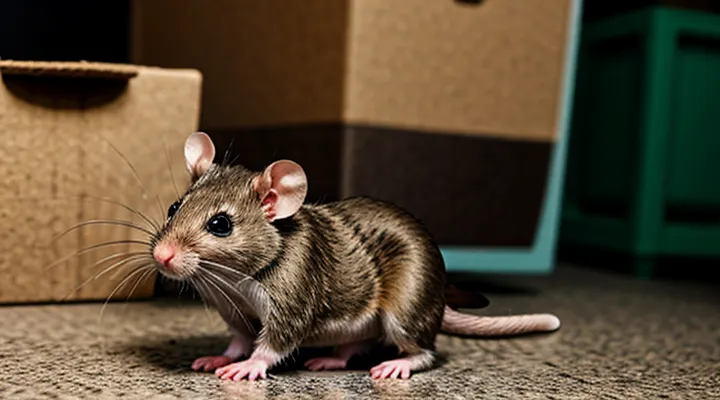
Understanding Rat Pregnancy
The Basics of Rat Reproduction
«Gestation Period»
The gestation period for a fancy rat lasts approximately 21 to 23 days, with occasional extensions to 24 days in larger litters. This timeframe is consistent across most breeds and provides a reliable schedule for monitoring reproductive progress.
During the first half of pregnancy, the female’s abdomen shows minimal enlargement; weight gain remains modest. By day 10, nipples become pink and more pronounced, a condition known as “pinking up.” Around day 14, the abdomen begins to swell noticeably, and the rat may exhibit increased nesting behavior. By day 18, the belly is distinctly rounded, and the mother often shows a protective attitude toward her nest material. The final 48‑hour window is marked by a drop in activity, frequent rest periods, and the development of a visible “pouch” that houses the upcoming litter.
- Day 1‑9: No external signs; subtle hormonal changes.
- Day 10‑13: Pink nipples, slight weight increase.
- Day 14‑17: Visible abdominal expansion, intensified nest building.
- Day 18‑21: Pronounced belly, reduced movement, preparation for delivery.
«Mating and Conception»
Mating in fancy rats occurs during the female’s estrus cycle, which repeats roughly every four to five days. The receptive phase lasts 12–24 hours, during which the female exhibits lordosis, a pronounced arching of the back when a male approaches. Males detect this posture through scent and visual cues, then initiate copulation by mounting and delivering several brief intromissions. Each intromission lasts 2–3 seconds, and the pair may repeat the act multiple times within the receptive window.
Conception follows successful intromission when sperm reach the oocyte in the oviduct. Fertilization typically occurs within 6–12 hours after mating. The resulting zygote implants in the uterine lining around day 5 of gestation, marking the beginning of embryonic development. Early embryonic growth is rapid; by day 10, the embryo’s heart begins to beat, though external signs remain undetectable.
Key points for recognizing the onset of pregnancy after mating:
- Observe a decrease in the female’s estrus behavior after the receptive period.
- Note a reduction in vocalizations and increased nesting activity.
- Monitor weight gain starting around day 12, with a typical increase of 1–2 grams per day.
- Palpate the abdomen gently after day 15; embryos become palpable as small, firm masses.
- Conduct a brief ultrasound between days 15–18 to confirm fetal development.
Understanding these mating and conception mechanisms provides the foundation for accurate detection of pregnancy in a pet fancy rat.
Early Signs of Pregnancy
Behavioral Changes
«Increased Nesting Activity»
Pregnant fancy rats exhibit a marked escalation in nest‑building behavior. The animal gathers more bedding, rearranges it frequently, and constructs a larger, more insulated structure than during normal cycles. This activity often begins several days before parturition and intensifies as the gestation progresses.
Key characteristics of heightened nesting include:
- Volume of material: the rat collects twice or more the usual amount of soft fibers, paper, or tissue.
- Complexity: tunnels, chambers, and layered bedding appear, indicating purposeful design.
- Location preference: the nest is placed in a quiet, secluded corner, often away from the main cage traffic.
- Frequency of maintenance: the rat enters and exits the nest repeatedly, adding or adjusting material every few hours.
These patterns differ from the occasional nest building seen in non‑pregnant rats, which typically involves modest amounts of bedding and less structured arrangements. Observing the described escalation provides reliable evidence of gestation in a fancy rat.
«Changes in Appetite»
Pregnancy in a fancy rat often alters feeding behavior. An increase in overall food consumption is common as the developing embryos require additional calories. Rats may visit the feeder more frequently, consume larger portions, or stockpile pellets for later use. Conversely, some females exhibit a temporary reduction in appetite during early gestation, possibly due to hormonal shifts or mild nausea. This dip typically lasts a few days before intake rises again.
Key patterns to watch for include:
- Higher frequency of meals – visits to the food bowl every few hours rather than the usual 2‑3 times per day.
- Larger portion sizes – finishing a full scoop of pellets that a non‑pregnant rat would leave partially uneaten.
- Food hoarding – gathering extra pellets in the cage corner or nest area.
- Selective eating – preference for high‑calorie items such as seeds, nuts, or fortified treats.
- Initial appetite suppression – reduced interest in food during the first week after conception, followed by a noticeable increase.
These changes accompany other physiological signs, such as abdominal enlargement and nipple development, and together they provide reliable evidence of gestation. Monitoring feed patterns daily helps distinguish normal fluctuations from those linked to pregnancy, allowing timely care adjustments for the expectant rat.
«Alterations in Temperament»
Pregnant fancy rats often display noticeable changes in behavior that differ from their usual disposition. These shifts provide reliable clues when assessing reproductive status.
- Enhanced calmness: Many expectant females become less active, spending extended periods stationary or quietly observing their environment.
- Intensified nesting drive: Construction of elaborate nests, frequent gathering of bedding, and constant rearrangement of materials indicate a heightened maternal instinct.
- Altered social interaction: Some pregnant rats show reduced tolerance for cage mates, responding with brief bouts of aggression or avoidance, while others become unusually affectionate toward humans.
- Fluctuating appetite: A temporary decline in food intake followed by increased consumption of high‑calorie foods may accompany hormonal changes that affect mood.
- Heightened sensitivity to stimuli: Pregnant individuals often react more sharply to sudden noises or handling, displaying startle responses that differ from their baseline reactivity.
Observations should be recorded over several days to distinguish temporary mood variations from consistent pregnancy‑related patterns. Consistency across multiple indicators strengthens the assessment, while isolated changes warrant further monitoring.
Physical Manifestations
«Subtle Weight Gain»
Pregnancy in a fancy rat often begins with a barely perceptible increase in body mass. The abdomen may appear slightly fuller, but the change is not always obvious to a casual observer. This gradual weight gain typically starts around the third week after conception and progresses steadily until parturition.
Key characteristics of subtle weight gain include:
- Uniform expansion of the midsection rather than localized swelling.
- Slightly heavier feel when the rat is lifted, noticeable against a baseline weight measurement.
- No significant change in overall activity level or appetite that would suggest other health issues.
Monitoring the rat’s weight with a digital scale at regular intervals (e.g., twice weekly) provides the most reliable data. A consistent upward trend of 1–2 grams per week, after accounting for normal growth, strongly indicates gestation.
«Mammary Gland Development»
Mammary gland development provides one of the most reliable visual cues for detecting pregnancy in a pet fancy rat. During the estrous cycle, female rats possess small, inconspicuous nipples. When fertilization occurs, hormonal shifts—primarily estrogen and progesterone—trigger rapid glandular growth. Within 7‑10 days after conception, the glands enlarge, become more vascular, and the nipples darken and protrude noticeably.
Observable changes include:
- Swelling of the mammary tissue, especially along the ventral abdomen.
- Darkening and increased prominence of the nipples.
- Development of a soft, pliable feel to the glands.
- Occasional milky secretion from the nipples as gestation progresses.
These characteristics intensify as gestation advances, reaching peak development around days 14‑18 of the typical 21‑day pregnancy. The degree of gland enlargement correlates with litter size; larger litters produce more pronounced mammary hypertrophy. Monitoring these physical transformations, alongside behavioral and physiological indicators, enables accurate assessment of reproductive status in a fancy rat.
Advanced Stages of Pregnancy
Palpation and Abdominal Changes
«Gentle Palpation Technique»
Gentle palpation is a reliable method for detecting gestation in a fancy rat when performed correctly and at the appropriate stage of development. The technique relies on the ability to feel the enlarged uterus through the abdominal wall without causing distress.
The optimal window for palpation occurs between days 12 and 20 of gestation, when embryos have grown sufficiently to be distinguishable from normal abdominal contents but remain small enough to avoid injury. Before beginning, the rat should be gently restrained in a calm environment, using a soft towel or a specialized restraining device that supports the limbs while leaving the abdomen accessible.
Steps for a safe and effective examination:
- Warm your hands to body temperature; cold contact can trigger a stress response.
- Place the rat on its back on a soft surface, ensuring the spine is supported.
- Position one hand over the lower abdomen, fingers flat and relaxed.
- Apply a light, steady pressure moving from the ventral midline toward the pelvic region. The pressure should be enough to feel underlying structures but not compress the organs.
- Feel for a smooth, elongated mass that moves as a single unit, distinct from the irregular shape of the gastrointestinal tract. In early gestation, the mass may feel slightly firmer than surrounding tissue.
- Note any asymmetry; a uniformly enlarged uterus suggests multiple fetuses, while a localized swell may indicate a single large embryo or a pathological condition.
Key considerations:
- Conduct the examination no more than once per week to avoid repeated stress.
- Observe the rat’s behavior; signs of agitation, vocalization, or rapid breathing indicate the need to stop immediately.
- If the uterus cannot be palpated, it does not confirm the absence of pregnancy; the gestation may be too early or the rat may have a low body condition score.
Documentation of findings—date, gestational age estimate, and any abnormalities—provides a reference for subsequent checks and assists veterinary assessment if complications arise.
«Visible Abdominal Enlargement»
Visible abdominal enlargement is one of the most reliable external cues that a fancy rat may be pregnant. The abdomen begins to swell noticeably after the second week of gestation, becoming progressively larger as the embryos develop. By the fourth to fifth week the increase is typically sufficient to be distinguished from normal body condition.
Key characteristics of pregnancy‑related swelling include:
- Symmetrical expansion of the lower abdomen, extending laterally and ventrally.
- Smooth, rounded contour without localized masses.
- Absence of palpable pain or resistance when gently pressed.
- Gradual growth rather than abrupt bulging, which often indicates tumors or severe constipation.
Differentiating factors:
- Obesity produces uniform thickness but lacks the distinct bulge of the uterine cavity.
- Abdominal tumors present as firm, irregular lumps and may cause discomfort.
- Severe constipation results in a hard, distended colon that feels gritty on palpation.
Monitoring the progression of enlargement helps confirm gestation. Regular visual inspection combined with gentle abdominal palpation can track the size increase and detect any deviations that suggest alternative health issues. If the swelling does not follow the expected gradual pattern or is accompanied by signs of distress, veterinary evaluation is warranted.
Late-Stage Physical Indicators
«Rapid Weight Increase»
Rapid weight gain often signals gestation in a fancy rat. An adult female typically weighs between 250 g and 350 g; during pregnancy, daily increases of 5 g to 10 g are common. By the third trimester, total gain may reach 30 %–40 % of the pre‑pregnancy body mass.
Consistent measurement is essential. Use a digital scale with 0.1 g precision. Record weight at the same time each day, preferably after a brief rest period. Plotting values on a simple chart reveals the upward trend and helps differentiate pregnancy from fluctuations caused by diet or fluid balance.
Potential confounders include:
- Overfeeding: excess calories produce similar weight gain without gestation.
- Edema: fluid accumulation may temporarily inflate body mass.
- Obesity: baseline weight above the normal range can mask early pregnancy signs.
To verify that rapid weight increase results from pregnancy, assess additional indicators such as enlarged abdominal profile, visible nipples, and behavioral changes. When weight gain persists alongside these signs, the likelihood of gestation is high. If weight continues to rise without accompanying reproductive cues, re‑evaluate diet and health status.
«Hair Loss Around Nipples»
Hair loss around the nipples is a reliable indicator that a female fancy rat may be pregnant. The fur surrounding each mammary gland becomes thin, patches appear dull, and skin may be more visible. This change usually begins in the second week after conception and intensifies as the gestation period progresses.
Key observations:
- Fur thinning is most pronounced on the ventral side, directly adjacent to the nipples.
- Skin coloration may shift to a pinkish hue due to increased blood flow.
- The alteration is symmetric; both sides of the abdomen show similar patterns.
- The condition persists until parturition, after which normal fur regrowth occurs during lactation.
Distinguishing pregnancy‑related hair loss from other causes, such as hormonal imbalance or skin infection, requires attention to additional signs. Pregnant rats often exhibit abdominal enlargement, increased appetite, and nesting behavior. In contrast, alopecia caused by dermatitis is typically accompanied by redness, scabbing, or itching and may affect irregular areas. If hair loss appears without these complementary pregnancy signs, a veterinary assessment is advisable.
Preparing for the Birth
Creating a Safe Environment
«Optimal Nesting Materials»
Pregnant fancy rats require a nest that retains heat, supports comfort, and minimizes health risks. Selecting appropriate nesting material directly influences litter survival and maternal well‑being.
- Paper-based products (shredded paper, tissue, unprinted newspaper): absorb moisture, provide insulation, and are easy to replace.
- Soft wood shavings (aspen, pine-free): offer cushioning without aromatic oils that can irritate respiratory systems.
- Fleece strips (pre‑cut, untreated): retain warmth, resist bacterial growth, and can be washed regularly.
- Coconut fiber (coir): breathable, moisture‑wicking, and biodegradable; suitable for short‑term use when combined with a softer layer.
When evaluating material, consider:
- Dust content – low‑dust options reduce respiratory strain.
- Absorbency – high absorbency prevents wet conditions that foster infection.
- Chemical safety – avoid scented, dyed, or treated products that may release toxins.
- Ease of cleaning – materials that can be sterilized or replaced without stressing the dam are preferred.
Materials to exclude include: pine or cedar shavings (contain phenols), scented litters, and any fabric treated with dyes or flame retardants. Providing a combination of the listed optimal materials creates a stable, hygienic environment that supports gestation and early pup development.
«Isolation Considerations»
When a fancy rat is suspected of being pregnant, isolating the individual can influence both the accuracy of observation and the animal’s welfare. Separate housing eliminates the risk of misidentifying pregnant females with other females that may be nursing or exhibiting similar abdominal enlargement. It also prevents aggressive encounters that could mask subtle signs of gestation.
Key points for isolation:
- Provide a cage with adequate space, enrichment, and nesting material to reduce stress.
- Maintain a consistent temperature and humidity level; fluctuations can alter body condition and obscure visual cues.
- Limit handling to brief, gentle interactions; excessive disturbance may trigger hormonal changes that affect reproductive status.
- Record daily weight measurements; a steady increase of 2–3 g per week often indicates embryonic development.
- Observe for behavioral shifts such as reduced activity, increased nesting behavior, and a calmer demeanor; these patterns become more pronounced when the rat is not competing for resources.
Implementing these measures creates a controlled environment that enhances the reliability of pregnancy detection while safeguarding the rat’s health. Continuous monitoring and documentation allow for timely confirmation and appropriate care throughout gestation.
Post-Pregnancy Care Overview
«Monitoring the Mother»
Monitoring the pregnant mother rat requires systematic observation and regular health assessments.
Daily visual checks should focus on abdominal size, which typically expands noticeably after the second week of gestation. The increase is gradual; a sudden, sharp enlargement may indicate complications. Nipple development is another reliable indicator: the mammary glands become pinker, larger, and may produce a milky secretion as parturition approaches.
Behavioral changes provide additional clues. Expect increased nesting activity; the rat will gather soft materials and arrange a secluded area. A shift toward reduced aggression and heightened calmness is common, while some individuals may exhibit heightened territoriality. Record any deviations from baseline temperament, as stress can affect fetal development.
Weight measurement offers quantitative data. Use a digital scale with a precision of at least 0.1 g. Record the weight each morning before feeding. A steady gain of 1–2 g per week suggests normal progression; a plateau or loss warrants veterinary consultation.
Nutrition and hydration must be monitored closely. Provide a high‑protein diet supplemented with calcium‑rich foods such as boiled egg or cottage cheese. Ensure fresh water is always available; reduced intake may signal distress.
Environmental conditions influence maternal health. Maintain a stable temperature between 20–24 °C and a humidity level of 40–60 %. Reduce noise and limit handling to essential interactions, as excessive disturbance can trigger premature labor.
Periodic veterinary examinations are essential. A veterinarian experienced with small rodents should perform palpation, ultrasonography, or radiography as appropriate. Blood work may be recommended to assess hormonal status and detect infections.
A concise monitoring checklist:
- Observe abdominal enlargement and nipple changes daily.
- Note nesting behavior and temperament shifts.
- Weigh the rat each morning; log values.
- Verify diet quality, calcium intake, and water consumption.
- Keep temperature and humidity within optimal ranges.
- Schedule veterinary checks at least once per trimester.
Consistent adherence to these practices enables early detection of abnormalities and supports a successful pregnancy outcome.
«Caring for Newborn Pups»
Recognizing that a fancy rat is pregnant prepares the owner for the arrival of a litter. Once the dam gives birth, the priority shifts to providing a stable environment for the neonates.
Maintain a temperature of 30‑32 °C in the nest area. Use a heat‑safe pad or a warm water bottle wrapped in cloth; monitor with a thermometer to prevent overheating. Keep the nest dry and free of drafts; replace soiled bedding daily.
Provide the dam with high‑quality, protein‑rich food and constant access to fresh water. The mother will nurse the pups exclusively for the first ten days; supplemental feeding is unnecessary unless the dam is ill or unable to care for the litter.
Observe each pup for signs of distress:
- Lack of movement or limp limbs
- Absence of a visible milk line on the abdomen
- Sudden weight loss (weigh daily with a gram‑scale)
If any of these indicators appear, consult a veterinarian promptly.
Maintain hygiene without disrupting the litter. Change bedding only after the dam has cleared the nest. When pups reach 14‑21 days, introduce solid food gradually and reduce reliance on maternal milk. Separate weaning individuals into individual cages once they consume solid food consistently to prevent competition and disease spread.