
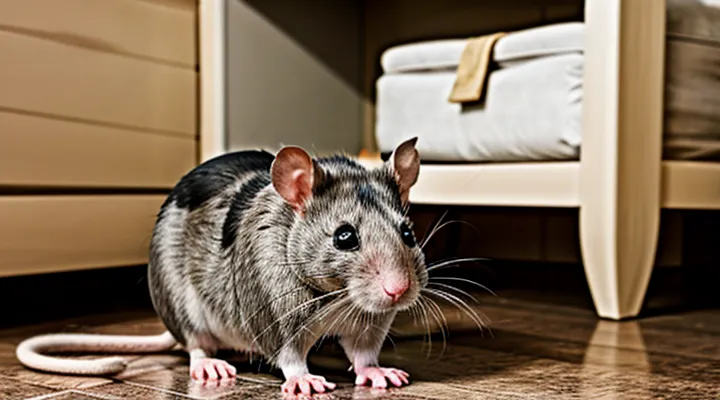
The Lifespan of a Domestic Rat
Average Lifespan
Domestic rats typically live between two and three years under optimal conditions. The exact duration depends on genetics, sex, diet, and housing quality. In laboratory strains such as Sprague‑Dawley, median survival is approximately 2.5 years, while outbred pet varieties often reach close to three years when provided with enriched environments and balanced nutrition.
- Short‑lived strains (e.g., Wistar): 1.8–2.2 years
- Standard pet rats (mixed genetics): 2.5–3.0 years
- Exceptional cases (careful breeding, minimal stress): up to 3.5 years
Males generally exhibit slightly shorter lifespans than females, a difference of about 2–3 months on average. Environmental factors that shorten life expectancy include chronic stress, poor diet, and inadequate veterinary care. Conversely, regular health monitoring, enrichment, and a high‑fiber, low‑fat diet extend longevity and delay the onset of age‑related decline.
Understanding the typical lifespan range enables owners to anticipate when physiological changes—such as reduced activity, weight loss, or dental wear—signal the transition into senior stages. Accurate age estimation relies on correlating observed health markers with the known lifespan benchmarks outlined above.
Factors Influencing Longevity
Understanding which variables affect a pet rat’s lifespan provides a practical basis for detecting age‑related changes. Longevity determines the window in which physical, behavioral, and physiological markers appear, allowing owners to interpret observations accurately.
- Genetic background: strains with predisposed health issues tend to have shorter lives, while robust lines exhibit delayed onset of age signs.
- Nutrition: balanced diets rich in protein, essential fatty acids, and vitamins extend healthspan; chronic over‑ or under‑feeding accelerates tissue degeneration.
- Housing conditions: clean bedding, adequate ventilation, and temperature stability reduce infection risk and stress‑induced wear.
- Veterinary care: routine health checks, parasite control, and prompt treatment of illnesses prevent premature decline.
- Social environment: stable group dynamics or appropriate solitary housing minimize chronic stress, which shortens lifespan.
- Physical activity: regular opportunities for climbing and exploration maintain muscle tone and cardiovascular function, slowing functional loss.
Each factor leaves observable traces. Genetic disorders may manifest as early skeletal deformities; poor nutrition often leads to coat dullness and weight fluctuations; suboptimal housing results in respiratory problems and skin lesions; inadequate veterinary oversight appears as untreated tumors or dental disease; social tension produces repetitive behaviors and reduced grooming; inactivity correlates with reduced agility and slower response to stimuli. Tracking these signs in conjunction with known longevity influences sharpens the assessment of a rat’s age.
Consistent monitoring of diet quality, environmental hygiene, health interventions, and behavioral patterns supplies reliable data for estimating maturity. By aligning observed changes with the established longevity determinants, owners can differentiate normal aging from pathological conditions and respond with appropriate care.
Physical Signs of Aging
Changes in Fur and Skin
Greying and Thinning Fur
Grey fur that appears on the back, head or tail of a pet rat often indicates a reduction in melanin production associated with advancing age. The change is usually subtle at first, progressing from a faint silver sheen to a pronounced lightening of the original brown or black coat. In older rodents the affected areas may expand, eventually covering large portions of the body.
Thinning fur manifests as a decrease in hair density, resulting in visible skin patches and a softer texture when the animal is handled. The hair shafts become shorter and less resilient, and the coat may feel silky rather than coarse. This condition frequently coincides with a slower growth cycle of hair follicles, which is typical for senescent mammals.
Key observations for differentiating age‑related greying and thinning from other causes:
- Uniform color loss on the dorsal surface and tail tip, rather than irregular spots.
- Progressive reduction in hair count over several weeks, without accompanying hair loss from acute injury.
- Absence of scaly skin, redness or crusting that would suggest dermatological disease.
- Maintenance of normal grooming behavior; decreased grooming may indicate systemic illness rather than normal aging.
When these signs appear together, they provide reliable evidence that the rat is entering the later stages of its lifespan. Monitoring the extent of fur changes helps owners adjust care routines, such as providing warmer bedding and a diet enriched with essential fatty acids to support skin health.
Dry or Flaky Skin
Dry or flaky skin is a reliable indicator that a pet rat is entering later life stages. Healthy adult rats possess a smooth, glossy coat that adheres closely to the skin. When the skin begins to lose moisture, patches of dry fur appear, often accompanied by visible flakes or slight scaling.
Observable characteristics include:
- Localized or generalized areas where fur looks dull and separates easily from the skin.
- Small, white or grayish flakes that can be brushed off with gentle pressure.
- Increased scratching or grooming behavior focused on affected regions.
- A subtle change in the texture of the skin, which may feel rough to the touch.
Underlying factors commonly associated with this condition are:
- Decreased sebaceous gland activity, leading to reduced natural lubrication.
- Nutritional deficiencies, particularly low levels of essential fatty acids and vitamin E.
- Environmental stressors such as low humidity or drafts.
- Chronic health issues, including renal disease or skin infections, which become more prevalent with age.
Assessment steps:
- Conduct a visual inspection of the coat daily, noting any new dry patches.
- Gently palpate the skin to evaluate texture and detect scaling.
- Record the frequency of grooming or scratching episodes.
- If the condition persists for more than a week or worsens, consult a veterinarian for diagnostic testing and possible treatment.
Management measures:
- Increase dietary omega‑3 and omega‑6 fatty acids through high‑quality rodent pellets or supplemental fish oil.
- Ensure the habitat maintains a relative humidity of 45‑55 % to prevent excessive moisture loss.
- Provide a balanced vitamin E supplement if a deficiency is suspected.
- Apply a veterinarian‑approved moisturizer or barrier ointment to affected areas, following the recommended dosage.
Monitoring the progression of dry or flaky skin offers a practical method for tracking the aging process in domestic rats and enables timely interventions that support overall health and comfort.
Loss of Elasticity
Loss of elasticity is a reliable indicator of senescence in a pet rat. Skin and connective tissues become less pliable, leading to visible changes in appearance and mobility.
Observable signs include:
- Skin that resists gentle stretching and recoils slowly after being pinched.
- Reduced flexibility of the abdominal wall, causing a tighter, firmer feel during handling.
- Diminished suppleness of the tail and ears, which may appear stiff or less responsive to touch.
- Decreased joint range of motion, evident when the rat hesitates to bend or rotate limbs.
Physiological basis involves degradation of collagen and elastin fibers, reduced hyaluronic acid production, and altered fibroblast activity. These changes reduce the tissue’s ability to return to its original shape after deformation.
Practical assessment steps:
- Gently lift the rat’s skin over the back; note the speed of recoil.
- Press lightly on the ear or tail; observe resistance and rebound.
- Manipulate the hind limbs; record any reluctance or limited extension.
- Compare findings with baseline observations from younger individuals of the same strain.
Consistent documentation of these parameters enables early detection of age-related elasticity loss, informing care adjustments such as softer bedding, reduced handling stress, and dietary supplements that support collagen synthesis.
Changes in Eyes and Vision
Cloudiness or Cataracts
Cloudy appearance of the eye lens or the presence of cataracts is a reliable indicator of senescence in a pet rat. The condition manifests as a milky or grayish veil over the normally clear cornea and pupil, reducing visual acuity. In advanced stages, the lens may develop distinct opaque spots that scatter light and cause the animal to appear disoriented or reluctant to navigate familiar surroundings.
Observation techniques:
- Gently restrain the rat and examine each eye in natural daylight; a healthy eye should allow clear view of the pupil and blood vessels.
- Look for a uniform haze (early cataract) or localized white patches (mature cataract).
- Note any asymmetry between the two eyes; unilateral cloudiness may suggest trauma or infection rather than age‑related change.
Typical onset occurs between 12 and 18 months of age, coinciding with other age‑associated signs such as reduced activity, weight loss, and greying of fur. Progressive cataract formation can impair feeding and increase the risk of injury, making veterinary assessment essential. A veterinarian may confirm the diagnosis with a slit‑lamp examination and recommend supportive care, which may include dietary antioxidants, environmental modifications to reduce hazards, and, in severe cases, surgical lens removal.
Monitoring eye clarity regularly provides an early warning system for declining vision, allowing owners to adapt housing, enrichments, and handling practices to maintain the rat’s quality of life.
Decreased Reactivity to Light
Rats exhibit a measurable reduction in visual responsiveness as they advance in age. The decline manifests as longer reaction times to sudden illumination, diminished startle reflexes, and a weaker avoidance of brightly lit areas. Owners often notice that an older rat will remain in a lit enclosure longer than a younger counterpart before relocating to darkness.
Assessment typically involves a controlled light‑stimulus test. Place the rat in a neutral arena, expose it to a brief, intense light pulse, and record the interval before the animal moves away or exhibits a blink response. Repeat the trial three times to obtain an average latency; values exceeding the established baseline for young adults indicate age‑related attenuation.
Key indicators of reduced light reactivity include:
- Extended latency (≥ 2 seconds) from light onset to movement.
- Decreased frequency of blink or ear‑flap reflexes.
- Preference for dimmer zones in a light/dark preference assay.
- Consistent performance across repeated trials, confirming reliability.
These observations, when combined with other physiological markers, provide a reliable criterion for recognizing senescence in domestic rats.
Poor Depth Perception
Rats experience a gradual decline in binocular vision as they age, leading to reduced depth perception. The visual system relies on precise alignment of images from both eyes; aging disrupts this alignment, causing misjudgment of distances and heights.
Observable signs include:
- Hesitation before climbing ladders, tubes, or elevated platforms.
- Frequent missteps when navigating narrow gaps or dropping from low ledges.
- Preference for flat surfaces where depth cues are minimal.
- Increased reliance on whisker contact to assess obstacles.
To evaluate depth perception, place a short ramp with a clear drop at the end. A younger rat will quickly assess and either cross or avoid the drop, while an older rat may pause, rear, or attempt the crossing without proper assessment. Repeating the test with varying heights provides a reliable measure of visual decline.
Management strategies focus on environmental modification and sensory support. Install gradual ramps instead of steep drops, secure all openings with low barriers, and maintain consistent lighting to reduce glare. Supplement tactile cues by adding textured flooring or low‑profile obstacles that the rat can explore with its whiskers, compensating for the loss of visual depth information. Regular monitoring of these behaviors helps distinguish normal age‑related changes from pathological conditions that may require veterinary intervention.
Changes in Mobility and Posture
Stiffness and Arthritis
Stiffness and arthritis frequently appear as physical markers of senescence in pet rats. Reduced joint flexibility often accompanies the gradual loss of cartilage, leading to discomfort and altered movement patterns.
Typical manifestations include:
- Reluctance to climb or explore familiar environments;
- Decreased speed when navigating narrow tunnels or tubes;
- Visible wavering or “shuffling” gait, especially on hard surfaces;
- Audible clicking or grinding sounds during limb extension;
- Preference for resting on soft bedding rather than hard platforms;
- Swelling or palpable thickening around elbows, knees, or hips.
Management strategies focus on minimizing pain and preserving mobility:
- Provide low‑profile ramps and gently sloped pathways to reduce joint strain;
- Use orthopedic bedding and soft nesting material to cushion weight bearing;
- Offer balanced diets enriched with omega‑3 fatty acids and glucosamine supplements, following veterinary guidance;
- Schedule regular veterinary examinations to monitor progression and adjust analgesic therapy as needed.
Reduced Agility
Reduced agility is a reliable indicator that a pet rat is entering later life stages. Owners should watch for slower locomotion, hesitancy to climb vertical surfaces, and diminished ability to jump onto platforms that were previously easy to reach. Changes in gait—shorter strides, uneven foot placement, or occasional dragging of hind limbs—signal muscular weakening or joint stiffness. Reaction times lengthen; a rat that once darted away from a sudden noise may pause before moving.
Observable signs can be grouped for quick assessment:
- Movement speed: noticeable delay when crossing a familiar enclosure.
- Climbing behavior: avoidance of ladders, tubes, or cage bars that were regularly used.
- Jump height: reduced distance when leaping onto raised feeders or toys.
- Gait alterations: irregular footfall pattern, limping, or dragging of hind paws.
- Exploratory activity: fewer forays into new areas, increased time spent resting in one spot.
- Response latency: slower reaction to auditory or tactile stimuli.
These manifestations arise from age‑related sarcopenia, decreased joint flexibility, and reduced cardiovascular efficiency. Regular monitoring of agility allows early identification of functional decline, enabling timely veterinary evaluation and adjustments in cage design, diet, and enrichment to maintain welfare.
Hunching or Tremors
Hunched posture and tremors are common external indicators that a pet rat is entering the later stages of life. A rat that consistently arches its back, lowers its head, and appears reluctant to move may be experiencing age‑related musculoskeletal weakening. The curvature is often subtle at first, progressing to a pronounced slump that interferes with normal activities such as climbing or feeding. Observe the animal’s stance while it is stationary and during brief locomotion; persistent deviation from the typical upright silhouette signals the need for closer attention.
Tremors manifest as rhythmic shaking of the limbs, whiskers, or body and can reflect neurological decline associated with senescence. Tremors may appear during rest, while the rat is handling food, or in response to minor stimuli. Frequency and amplitude vary; low‑intensity tremors may be intermittent, whereas high‑intensity shaking often occurs continuously and disrupts normal behavior. Distinguish these from occasional shivering caused by temperature changes by ensuring the environment remains within the rat’s comfort range.
Key observational points:
- Persistent hunching that limits access to food or water.
- Reduced willingness to climb or explore, accompanied by a lowered rear.
- Tremors present during both activity and rest, without external triggers.
- Progression from occasional to constant tremor episodes.
- Accompanying signs such as weight loss, dull coat, or decreased grooming.
When multiple items are evident, schedule a veterinary assessment to rule out underlying conditions and to discuss supportive care options for an aging rat.
Weight and Body Condition Changes
Unexplained Weight Loss
Unexplained weight loss often signals physiological changes associated with senior rats. As muscle mass declines and metabolic efficiency drops, rats may consume the same amount of food yet lose body condition. Observe the animal’s dorsal and ventral contours; a pronounced ribcage or flattened abdomen indicates a negative energy balance.
Key considerations for distinguishing age‑related loss from pathology:
- Food intake remains stable or only slightly reduced.
- Coat appears dull but not alopecic; no focal lesions or parasites.
- Activity level declines gradually rather than abruptly.
- Fecal output stays consistent, without diarrhea or blood.
If weight loss persists for more than two weeks despite adequate nutrition, evaluate potential medical causes. Conduct a physical exam to check for tumors, dental problems, or gastrointestinal obstruction. Laboratory tests—including complete blood count, serum chemistry, and thyroid panel—help rule out systemic disease. Imaging (X‑ray or ultrasound) may reveal internal masses or organ enlargement.
Management strategies focus on supporting caloric intake and muscle preservation:
- Offer high‑energy foods such as boiled egg, unsalted peanut butter, or specially formulated rodent supplements.
- Provide frequent, small meals to accommodate reduced appetite.
- Enrich the cage with low‑impact exercise devices to maintain muscle tone.
- Monitor body weight weekly using a calibrated scale; record changes to assess treatment efficacy.
Prompt veterinary intervention combined with nutritional adjustments can mitigate the impact of unexplained weight loss, improving quality of life for aging pet rats.
Muscle Atrophy
Muscle atrophy is a reliable indicator of senescence in a domestic rat. The condition manifests as a visible reduction in limb and trunk musculature, a tendency to adopt a hunched posture, and diminished ability to grasp or climb. Owners often notice that the rat’s movement becomes slower and that the animal prefers resting on soft surfaces rather than exploring its cage.
Observable signs include:
- Loss of muscle bulk on the hind limbs and forepaws, detectable by gentle palpation.
- Decreased grip strength, measurable with a simple pull‑test using a lightweight string or a calibrated grip meter.
- Altered gait, such as dragging of the hind feet or a shuffling walk.
- Reduced body weight that is not accounted for by changes in food intake.
Practical assessment steps:
- Perform a weekly visual inspection, noting any thinning of muscle outlines.
- Record body weight and compare it to baseline values established during the rat’s adult phase.
- Conduct a grip strength test: attach a thin filament to the rat’s forepaws and gently pull until the animal releases; compare the force required to previous measurements.
- Use a body condition scoring chart to evaluate the proportion of muscle to fat, focusing on the spine and ribcage areas.
Mitigation strategies focus on preserving muscle mass:
- Provide daily opportunities for voluntary exercise, such as climbing structures, tunnels, and running wheels designed for small rodents.
- Ensure a protein‑rich diet that includes high‑quality lab rodent chow supplemented with occasional lean meat or boiled egg.
- Incorporate short, low‑impact enrichment sessions that encourage the rat to reach, chew, and manipulate objects, thereby stimulating muscular activity.
- Monitor health status regularly; consult a veterinarian if muscle loss accelerates, as underlying disease may be present.
Increased Fat Deposits
In older domestic rats, subcutaneous and visceral fat accumulation becomes more pronounced. Fat deposits appear as thickened skin folds along the neck, abdomen, and hindquarters, and may be palpable as soft, rounded masses beneath the fur. These changes often accompany a reduction in muscle mass, making the overall body condition appear heavier despite a possible decline in activity.
Key observations for increased adiposity in aging rats:
- Visible thickening of the dorsal and ventral skin, especially around the lumbar region.
- Palpable, pliable lumps under the tail base and flank areas.
- Reduced definition of the rib cage and hind limb musculature.
- Stable or slightly increased body weight combined with slower movement and decreased grooming.
Distinguishing age‑related fat gain from obesity requires monitoring trends over time. Consistent weight gain without a corresponding increase in food intake, together with the physical signs above, suggests a metabolic shift typical of senescence rather than simple overfeeding.
Management includes adjusting diet composition, providing low‑calorie enrichment, and encouraging gentle exercise to maintain muscle tone. Regular veterinary assessment of body condition scores helps track the progression of adipose accumulation and informs timely interventions.
Dental Issues
Overgrown or Misaligned Teeth
Rats possess continuously growing incisor pairs that require regular wear through gnawing. In older animals, the balance between eruption and abrasion often deteriorates, producing overgrown or misaligned teeth that signal physiological decline.
Typical manifestations include:
- Visible elongation of incisors beyond the lip line, sometimes curving inward or outward.
- Uneven chewing surfaces causing difficulty in processing food, leading to weight loss or selective feeding.
- Redness, swelling, or ulceration of the oral mucosa where elongated teeth impinge on soft tissue.
- Audible grinding or clicking sounds during mastication, indicating abnormal occlusion.
Inspection should begin with a gentle restraint, allowing a clear view of the front teeth. Use a bright, focused light to assess length, symmetry, and alignment. Compare the right and left incisors; a discrepancy of more than 2 mm suggests misalignment. Palpate the gingival margins for inflammation or ulceration.
If overgrowth is confirmed, corrective measures are necessary. Professional trimming by a qualified veterinarian restores proper bite length and prevents secondary infections. Regular provision of appropriate chew objects—hard wood blocks, untreated branches, or specially designed rat toys—maintains natural wear and reduces the likelihood of recurrence.
Monitoring dental health weekly, especially in rats older than twelve months, enables early detection of overgrowth. Prompt intervention preserves feeding efficiency, prevents pain, and contributes to overall longevity.
Difficulty Chewing
Difficulty chewing often signals age‑related decline in a pet rat’s oral health. As molar wear increases and muscle strength diminishes, the animal may take longer to break down food or abandon hard items altogether. This behavior contrasts with the rapid, efficient chewing observed in younger counterparts.
Observable indicators include:
- Preference for soft or soaked diet, avoidance of pellets or seeds.
- Drooling or excessive saliva while attempting to bite.
- Audible grinding or clicking of teeth during attempts to chew.
- Weight loss despite unchanged feeding schedule, suggesting inadequate nutrient intake.
Management strategies focus on maintaining nutrition and reducing oral strain. Offer softened kibble, cooked vegetables, and moisture‑rich fruits. Provide dental chew toys designed for gentle wear, monitoring for signs of over‑hardness. Regular veterinary examinations should assess tooth length, gum condition, and muscle tone, allowing early intervention such as dental filing or dietary adjustments.
Gum Recession
Gum recession is a reliable indicator of advancing age in pet rats. As the animal matures, the gingival margin may withdraw from the tooth crown, exposing the root surface. Visible signs include a noticeable gap between the gum line and the tooth, reddened or inflamed tissue, and occasional bleeding when the rat chews or is examined.
Key observations for caretakers:
- Progressive loss of gum tissue around the incisors and molars.
- Exposure of dentin, which may appear yellowish and be more sensitive to temperature changes.
- Accumulation of plaque or calculus in the recessed area, increasing the risk of infection.
- Reduced ability to grasp food, leading to altered eating patterns.
Regular oral examinations can detect recession early. Use a gentle, bright light and a soft-tipped instrument to lift the lip and assess the gingival edge. Record measurements of the distance from the gum margin to the tooth crown to monitor progression over time.
Management strategies focus on preventing secondary complications:
- Provide a high-fiber diet to promote natural tooth wear and reduce plaque buildup.
- Offer chew toys made of safe, abrasive materials to stimulate gum circulation.
- Clean the oral cavity with a veterinarian‑approved oral rinse or swab, avoiding human products.
- Schedule veterinary check‑ups at six‑month intervals for rats over one year of age, or more frequently if recession progresses rapidly.
Recognizing gum recession promptly allows owners to adjust nutrition, hygiene, and veterinary care, thereby maintaining oral health and overall well‑being in aging laboratory rats.
Behavioral Indicators of Aging
Decreased Activity Levels
More Time Spent Sleeping
Rats enter a prolonged resting phase as they age, with daily sleep duration increasing noticeably compared to younger counterparts. Young adults usually remain active for 12–14 hours a day, interspersed with brief naps. Senior rats often exceed 18 hours of sleep, displaying longer, uninterrupted periods, especially during the light cycle.
The shift in sleep architecture includes:
- Extended bouts of deep sleep lasting 30 minutes or more.
- Reduced frequency of short, exploratory naps.
- Preference for sleeping in secluded corners rather than communal nesting areas.
Monitoring these changes provides a reliable indicator of physiological aging. To assess sleep patterns, keep a log for at least one week, noting:
- Total hours asleep each day.
- Length of each sleep episode.
- Location and posture during rest.
- Any deviation from the rat’s usual activity schedule.
Consistently elevated sleep time, combined with the characteristics above, signals that the animal is progressing into the later stages of its lifespan.
Less Exploration
Reduced exploratory behavior is a reliable indicator that a pet rat is entering later life stages. Young rats routinely investigate new objects, tunnels, and food sources, displaying high locomotor activity and curiosity. As physiological functions decline, the drive to explore diminishes, making this change one of the first observable signs of senescence.
Typical manifestations include:
- Decreased frequency of entering novel compartments or climbing structures.
- Shorter duration of time spent sniffing or investigating unfamiliar items.
- Preference for familiar corners or nesting areas over open spaces.
- Slower response to baited enrichment devices compared to earlier assessments.
These patterns arise from age‑related alterations in the central nervous system, muscle strength, and sensory perception. Declining dopamine signaling reduces motivation, while joint stiffness limits mobility. Sensory deficits, particularly in olfaction, lessen the appeal of new stimuli.
To assess exploration loss, follow a consistent protocol:
- Introduce a standardized novel object (e.g., a PVC tube) into the cage for a fixed period (5 minutes).
- Record the number of approaches, time spent investigating, and any interaction attempts.
- Compare results with baseline data collected when the rat was younger.
- Repeat the test weekly to track trends.
A progressive decline over several sessions signals advancing age. Coupling this observation with other age‑related signs—such as reduced grooming, weight fluctuations, and slower gait—provides a comprehensive picture of the rat’s health status. Early detection enables timely adjustments in diet, enrichment, and veterinary care to maintain quality of life.
Reduced Playfulness
Reduced playfulness is a reliable indicator of advancing age in a pet rat. Younger rats engage in frequent bouts of chasing, wrestling, and object exploration; older individuals display markedly fewer initiations of these activities.
Observable changes include:
- Decreased frequency of spontaneous running or climbing.
- Shorter duration of any play episode that does occur.
- Preference for solitary rest over group interaction.
- Reluctance to investigate novel toys or tunnels.
When assessing a rat’s behavior, compare current activity levels with baseline patterns established during its juvenile period. A consistent decline over weeks, rather than occasional lethargy, suggests age‑related reduction in play drive.
Complementary signs often accompany diminished play, such as slower movement, increased grooming pauses, and a shift toward nesting behavior. Monitoring these traits together provides a comprehensive picture of the animal’s physiological aging.
Changes in Grooming Habits
Less Frequent Grooming
Reduced grooming frequency is a reliable indicator of advancing age in pet rats. Adult rats normally devote several minutes each day to cleaning their fur, ears, and paws. When grooming sessions become shorter, less regular, or absent, the animal is likely experiencing age‑related decline in mobility, sensory perception, or motivation.
Observable changes include:
- Decreased duration of grooming bouts, often falling below the typical 5‑10 minute total per day.
- Infrequent or incomplete cleaning of hard‑to‑reach areas such as the ventral side and rear limbs.
- Accumulation of visible debris or matting in the coat despite a clean environment.
These patterns differ from illness‑related grooming loss, which usually accompanies additional signs such as lethargy, loss of appetite, or respiratory distress. Age‑related decline often occurs without systemic symptoms; the rat remains active but shows a gradual reduction in self‑maintenance.
Physiological factors contributing to the change are:
- Diminished joint flexibility and muscle strength, limiting the reach of the forepaws.
- Reduced tactile sensitivity in the whiskers and paws, making grooming less effective.
- Lowered energy levels that prioritize essential activities over grooming.
Owners should monitor grooming behavior daily and adjust care accordingly. Providing softened bedding, low‑profile enrichment, and regular gentle brushing can compensate for the rat’s reduced self‑grooming ability, helping maintain coat health and preventing skin infections. If grooming loss is abrupt or accompanied by other health concerns, veterinary evaluation is recommended.
Unkempt Appearance
An aging rat often shows a decline in coat condition. The fur becomes dull, uneven, and may develop patches of missing hair. These changes result from reduced grooming efficiency and slower skin regeneration.
- Sparse or ragged whiskers indicate weakened vibrissae growth.
- Skin may appear thinner, with visible blood vessels or slight discoloration.
- Grooming behavior decreases; the rat spends less time cleaning itself, leading to accumulated debris and a generally scruffy look.
Observe the rat’s overall silhouette. A loss of muscular tone can cause the body to appear flabbier, contributing to a less tidy appearance. Combined with the coat signs, unkempt grooming provides a reliable indicator of advancing age in a pet rat.
Matted Fur
Matted fur frequently appears on older rats as the coat loses its natural elasticity and grooming efficiency declines. The texture becomes uneven, with clumps that stick together and resist gentle separation. These patches often develop along the back, hind limbs, and tail base, where the animal cannot reach easily.
- Coarse, tangled sections that do not smooth out with light brushing.
- Darkened or discolored fur within the mat, indicating trapped debris or moisture.
- Reduced flexibility of the coat, causing the rat to appear less agile.
- Increased scratching or grooming attempts focused on the affected area.
Mats form because aging rats experience slower metabolism, reduced skin oil production, and diminished oral dexterity. The combination allows dirt, saliva, and dead hair to accumulate, eventually bonding into dense knots. If left untreated, mats can lead to skin irritation, secondary infections, and pain, which may further reduce activity levels.
Effective management includes:
- Regular inspection of the coat at least three times weekly.
- Gentle detangling with a fine-toothed comb or a specialized small animal brush; apply a pet-safe detangling spray if resistance is high.
- Softening mats with a warm, damp cloth before attempting to separate fibers; avoid pulling to prevent skin damage.
- Consulting a veterinarian if mats are extensive, inflamed, or accompanied by hair loss, as professional trimming may be required.
Preventive measures focus on maintaining grooming habits: provide chew toys that encourage oral activity, keep the cage environment clean to reduce debris, and schedule routine health checks to monitor coat condition as part of overall age-related assessment.
Altered Social Interactions
Increased Irritability
Irritability in a pet rat often appears as heightened aggression, sudden retreat, or reluctance to interact with familiar handlers. As the animal ages, these behaviors become more frequent and may replace the calm curiosity typical of younger individuals.
Older rats demonstrate irritability through specific actions:
- Quick snapping or biting when approached
- Rapid vocalizations accompanied by stiff body posture
- Persistent avoidance of handling, even by trusted caretakers
- Increased territorial marking or aggressive dominance displays toward cage mates
The shift toward irritability usually reflects physiological changes rather than acute illness. Age‑related decline in sensory acuity, reduced mobility, and hormonal fluctuations can lower tolerance for stressors that younger rats readily endure. Persistent pain, dental overgrowth, or metabolic disorders can amplify irritability, so concurrent health assessment is essential.
To identify age‑linked irritability, observe the rat in a familiar environment over several days. Record frequency of aggressive responses, note any correlation with handling time, and compare behavior to baseline patterns established when the rat was younger. Sudden escalation beyond gradual progression may indicate underlying pathology requiring veterinary evaluation.
Management focuses on minimizing triggers and supporting comfort. Provide a stable cage layout, reduce sudden movements during interaction, and offer enrichment that does not demand high physical exertion. Adjust diet to include softer foods if dental wear is suspected, and consult a veterinarian for pain management or hormonal therapy when appropriate. Consistent, low‑stress handling can help preserve a calm demeanor despite the natural increase in irritability associated with aging.
Reduced Interest in Cagemates
Reduced interest in cagemates often signals advancing age in pet rats. Older individuals may spend less time grooming, huddling, or engaging in play with their companions. This shift can be observed during routine cage checks: the rat may remain isolated in a corner, ignore social invitations, or show delayed responses to scent cues from other rats.
Key observations include:
- Decreased frequency of mutual grooming sessions.
- Preference for solitary resting spots over shared nests.
- Reduced initiation of chase or wrestling behaviors.
- Slower reaction to vocalizations or movements of cage mates.
Physiological factors contributing to social withdrawal encompass declining sensory acuity, joint stiffness, and diminished energy reserves. Cognitive decline may also impair recognition of familiar conspecifics, leading to reduced interaction.
Management recommendations:
- Monitor interaction patterns daily; note any consistent decline over several days.
- Provide easy‑access food and water stations to compensate for reduced mobility.
- Adjust cage enrichment to include low‑impact items, such as soft bedding and gentle climbing structures.
- Consult a veterinarian if social disengagement coincides with weight loss, altered grooming, or other health concerns.
Documenting these behavioral changes supports accurate assessment of age‑related decline and informs appropriate care adjustments.
Seeking Solitude
Rats that begin to withdraw from group interaction often signal the onset of physiological decline. In healthy adults, regular social play, mutual grooming, and shared nesting are baseline behaviors; a shift toward prolonged periods alone in a corner or hidden area deviates from this pattern.
Isolation may accompany other age‑related alterations, including:
- Decreased locomotor activity and slower response to stimuli.
- Reduced frequency of self‑grooming, leading to a rough coat.
- Diminished appetite and gradual weight loss.
- Increased latency before re‑entering communal spaces after disturbance.
When solitary tendencies emerge, systematic observation is essential. Record the duration and location of solitary episodes, note any concurrent changes in food intake, mobility, and coat condition. Maintain a stable, low‑stress environment while providing easy access to food and water. Prompt veterinary assessment should follow persistent isolation, as it may indicate underlying health issues such as arthritis, sensory decline, or metabolic disorders.
Monitoring for withdrawal behavior, alongside complementary physiological markers, enables early detection of senescence in a pet rat and supports timely intervention.
Cognitive Decline
Disorientation
Disorientation often appears as a primary indicator that a pet rat is entering the later stages of life. Owners may notice the animal moving hesitantly, pausing frequently, or taking circuitous routes to familiar locations such as food dishes, water bottles, or nesting areas.
- Repeatedly circles the cage before reaching a target
- Frequently bumps into cage walls or obstacles
- Shows delayed response when prompted to climb or explore
- Appears lost when placed in a new enclosure, requiring assistance to locate exits or shelter
- Exhibits reduced speed and frequent stops during routine activities
These behaviors differ from occasional curiosity or temporary confusion caused by environmental changes. Consistent patterns suggest neurological decline associated with aging. Monitoring should include daily observation of navigation efficiency, recording the frequency of missteps, and noting any escalation over several days. If disorientation intensifies, providing a simplified layout—removing excess objects, stabilizing lighting, and ensuring easy access to food and water—can reduce stress and support the rat’s wellbeing.
Forgetting Routines
Rats that are beginning to age often show a decline in their ability to follow established daily patterns. This loss of routine manifests in several observable ways.
- A familiar feeding schedule no longer prompts immediate approach; the animal may wander before eating or skip meals altogether.
- Previously reliable navigation of the cage layout becomes erratic; the rat may repeatedly explore areas it once avoided or fail to locate hiding spots.
- Interaction with enrichment items, such as tunnels or wheels, diminishes; the rat may abandon regular exercise sessions or display hesitation before entering known structures.
- Response to caretaker cues, such as a hand signal for handling, becomes delayed or absent, indicating reduced memory retention of the cue‑reward association.
These behavioral shifts suggest that the rat’s hippocampal and cortical functions, which support spatial memory and procedural learning, are deteriorating. Monitoring frequency and severity of routine disruptions provides a practical method for assessing senescence in a pet rat. Early detection allows owners to adjust care—offering more frequent, smaller meals, simplifying cage layouts, and providing gentle, consistent handling—to accommodate the animal’s reduced cognitive capacity.
Reduced Problem-Solving Abilities
Reduced problem‑solving ability is a reliable indicator of senescence in pet rats. Older individuals show slower acquisition of new tasks, diminished speed in navigating mazes, and frequent failure to adapt when conditions change.
Observable signs include:
- Prolonged hesitation before entering a familiar tunnel or ladder.
- Repeated errors when presented with a novel puzzle feeder.
- Inability to remember the location of hidden food after a short delay.
- Decreased exploration of novel objects in a cage enrichment setup.
Assessment can be performed with simple, repeatable tests. A basic maze with a food reward at the end measures latency and error count; repeated trials reveal learning curves that flatten with age. A two‑choice discrimination task, where the rat must select the correct lever for a reward, highlights declines in flexibility when the correct choice is reversed. Consistent performance deficits across these tasks confirm reduced cognitive function associated with aging.
Changes in Appetite and Thirst
Picky Eating
Picky eating often emerges as a reliable indicator that a pet rat is entering later life stages. Older rats may reject foods they previously accepted, show reduced enthusiasm for fresh produce, or limit intake to familiar, bland items. This shift reflects diminished sensory perception, altered metabolism, and possible dental wear, all of which accompany senescence.
Key observations include:
- Refusal of vegetables or fruits that were formerly consumed.
- Preference for soft, moist foods over dry pellets.
- Decreased overall food volume, leading to weight loss.
- Reluctance to explore new dietary supplements or treats.
These behaviors warrant close monitoring because inadequate nutrition accelerates health decline. Owners should track daily consumption, weigh the animal regularly, and compare current habits with baseline records established during adulthood.
If selective feeding persists, adjust the diet by offering easily chewable, nutrient‑dense options such as soaked pellets, finely chopped greens, and formulated senior rat foods. Supplementation with vitamin‑rich powders can compensate for reduced intake, but should be introduced gradually to avoid gastrointestinal upset. Consulting a veterinarian experienced with rodents ensures that dietary modifications address the specific needs of an aging rat.
Decreased Water Intake
Decreased water consumption often signals physiological changes associated with senescence in pet rats. As renal function declines, thirst regulation becomes less efficient, resulting in a measurable reduction in daily fluid intake. Owners should monitor bottle volume or weigh water dispensers each day; a consistent drop of 20 % or more compared to baseline warrants further assessment.
- Record baseline water use for at least two weeks in a healthy adult.
- Compare current measurements to baseline; note any sustained decline.
- Observe accompanying signs such as dry skin, reduced urine output, or lethargy.
- Conduct a veterinary examination if the decline persists for more than three days, as dehydration and kidney impairment may develop rapidly in older rodents.
Increased Thirst (Potential Health Issue)
Increased water consumption often signals age‑related health concerns in pet rats. Older rodents may drink more frequently or consume larger volumes than younger counterparts. This behavior can indicate renal insufficiency, diabetes mellitus, or dehydration resulting from diminished kidney function.
Key observations:
- Persistent licking of the water bottle or bowl.
- Wet fur around the mouth or paws after drinking.
- Noticeable weight loss despite higher fluid intake.
- Elevated urine output, sometimes accompanied by a change in color or odor.
When increased thirst appears, follow these steps:
- Record daily water intake, noting any rapid escalation.
- Monitor body weight and food consumption for concurrent declines.
- Examine urine for signs of glucose, protein, or blood using a veterinary test strip.
- Schedule a veterinary examination promptly; diagnostic tests may include blood chemistry, urinalysis, and kidney imaging.
Early detection allows intervention before chronic conditions worsen. Adjusting diet to lower sodium, providing fresh water at multiple points, and maintaining a stable temperature can support renal health while the underlying issue is addressed.
Health Concerns Associated with Aging
Increased Susceptibility to Illness
Weakened Immune System
Aging rats experience immunosenescence, characterized by a gradual decline in both innate and adaptive defenses. The process reduces the ability to combat pathogens and increases susceptibility to disease.
Observable indicators of a weakened immune system include:
- Frequent or persistent respiratory, gastrointestinal, or skin infections
- Delayed wound closure or chronic ulceration
- Noticeable weight loss despite adequate nutrition
- Reduced activity levels, prolonged lethargy, or poor grooming behavior
Laboratory assessment reinforces clinical observation. Typical findings are:
- Decreased total white‑blood‑cell count, especially lymphocytes
- Lower serum immunoglobulin concentrations, reflected in reduced antibody titers after vaccination
- Altered cytokine ratios, such as diminished interleukin‑2 and increased interleukin‑10 levels
Routine monitoring helps detect immunodeficiency early. Recommended practices are:
- Conduct weekly physical examinations, focusing on coat condition, nasal discharge, and wound status.
- Perform monthly fecal examinations to identify parasitic or bacterial overgrowth.
- Schedule quarterly blood panels to track leukocyte profiles and immunoglobulin levels.
- Evaluate vaccine response by measuring antibody titers six weeks after administration.
Prompt identification of immune decline enables targeted interventions, such as dietary supplementation, environmental hygiene improvements, and adjusted veterinary care, thereby extending the health span of senior pet rats.
Respiratory Infections
Respiratory infections increase in frequency as pet rats advance in age, providing a reliable indicator of physiological decline.
- Nasal or ocular discharge, often serous or purulent
- Frequent sneezing or audible wheezing
- Increased respiratory rate or effort, especially during rest
- Reduced activity, loss of appetite, and weight loss accompanying breathing difficulty
Evaluation begins with a thorough physical examination, followed by auscultation to detect abnormal lung sounds. Thoracic radiographs reveal pulmonary infiltrates or pleural effusion; nasal swabs cultured on specialized media identify bacterial or mycoplasmal agents.
Common age‑related pathogens include Mycoplasma pulmonis, Streptococcus spp., and opportunistic Gram‑negative bacteria such as Pseudomonas. These organisms exploit weakened mucosal immunity and diminished ciliary function typical of older rodents.
Treatment protocols combine targeted antibiotics—tetracyclines for Mycoplasma, beta‑lactams for bacterial pneumonia—with supportive measures: humidified environments, supplemental oxygen, and fluid therapy to maintain hydration. Monitoring response through daily respiratory assessments and repeat imaging ensures timely adjustment of therapy.
Prevention focuses on minimizing exposure to infectious sources and reducing stressors that compromise immune defenses. Strategies comprise regular cage cleaning, isolation of new or symptomatic animals, provision of high‑quality nutrition to support immune function, and routine health checks that record respiratory patterns and body condition. Early detection of subtle respiratory changes enables intervention before systemic deterioration, thereby extending the functional lifespan of domestic rats.
Tumors and Cancers
Tumors and cancers become increasingly common as pet rats advance in age, providing clear markers of senescence. Malignant growths typically appear as firm, irregular masses beneath the skin or within internal organs; benign tumors present as smooth, movable swellings. In older rodents, the most frequent neoplasms include mammary adenocarcinomas, lymphoma, and hepatic carcinomas.
Clinical observation should focus on the following indicators:
- Rapidly enlarging subcutaneous nodules
- Asymmetrical abdominal distension suggesting organ involvement
- Weight loss despite normal or increased food intake
- Persistent lethargy or reduced activity levels
- Unexplained bleeding or ulceration at tumor sites
Diagnostic confirmation relies on palpation, imaging (radiography or ultrasound), and cytological or histopathological analysis of biopsy specimens. Early identification of neoplastic lesions permits timely intervention, which may extend lifespan and improve quality of life for aging rats.
Management strategies include surgical excision for accessible benign tumors, chemotherapy protocols for specific malignant types, and palliative care focusing on pain control and nutritional support. Regular veterinary examinations, beginning at the onset of middle age, are essential for detecting these age‑related neoplastic changes before they compromise organ function.
Kidney Disease
Increased Urination
In older pet rats, a noticeable rise in the frequency or volume of urine is a reliable indicator of physiological decline. The change manifests as more trips to the cage’s corner, larger puddles on bedding, or dampness on the cage floor that was absent in younger animals.
Key observations include:
- Frequency: More than three urination events per hour, compared with the typical one‑to‑two.
- Volume: Wet spots covering an area larger than a fingertip imprint.
- Behavioral cues: Restlessness, increased grooming of the genital area, or reluctance to enter the nest box.
Underlying mechanisms often involve reduced renal concentrating ability, loss of bladder control, or age‑related hormonal shifts. Concurrent signs such as weight loss, fur dullness, or decreased activity strengthen the diagnosis of senescence.
When increased urination appears without an obvious cause (e.g., water spillage or cage contamination), a veterinary assessment is warranted. Diagnostic steps may include urinalysis, blood chemistry, and imaging to rule out infection, urinary calculi, or metabolic disorders. Early intervention—dietary adjustment, fluid regulation, and supportive care—can mitigate discomfort and prolong quality of life.
Excessive Thirst
Excessive thirst, or polydipsia, frequently appears as rats advance in age. The animal will seek water more often than younger counterparts, drink large volumes in a single session, and may spill water from the bottle or bowl. Persistent polyuria—frequent, dilute urine—often accompanies this behavior, indicating an inability to conserve fluids.
Key considerations for interpreting increased water intake in an aging rat:
- Physiological changes – reduced kidney concentrating ability and altered hormonal regulation (e.g., antidiuretic hormone) diminish fluid retention.
- Metabolic disorders – diabetes mellitus and renal insufficiency become more common with age and manifest through heightened thirst.
- Medication effects – diuretics or corticosteroids prescribed for age‑related ailments can stimulate water consumption.
- Environmental factors – elevated ambient temperature or low humidity exacerbate fluid loss, prompting compensatory drinking.
When evaluating polydipsia, record the amount of water consumed daily, note any changes in urine output, and observe accompanying signs such as weight loss, lethargy, or changes in appetite. A sudden, dramatic increase warrants immediate veterinary assessment to rule out life‑threatening conditions. Routine monitoring, balanced diet, and access to fresh water at all times help manage this symptom and support overall health in senior rats.
Lethargy
Lethargy in a pet rat often signals the onset of senescence. The animal may spend prolonged periods resting, show reduced willingness to explore, and react sluggishly to stimuli that previously prompted rapid movement. Unlike acute illness, which typically presents with fever, nasal discharge, or sudden weight loss, age‑related lethargy develops gradually and is accompanied by other subtle changes such as diminished grooming and slower response to handling.
Key observations for caretakers:
- Duration of inactivity extends beyond normal nap cycles; the rat remains motionless for several hours at a stretch.
- Exploration of familiar environments declines; the rat avoids tunnels, wheels, and climbing structures it once used regularly.
- Food and water intake may decrease modestly, but the rat continues to eat and drink without refusal.
- Vocalizations become quieter, and social interaction with cage mates less frequent.
Monitoring strategy:
- Record daily activity levels, noting the length of rest periods and frequency of voluntary movement.
- Compare current behavior with baseline data from the rat’s younger months.
- Assess physical condition concurrently—coat texture, eye clarity, and weight trends—to differentiate normal aging from disease.
- Schedule a veterinary examination if lethargy intensifies rapidly, is accompanied by loss of appetite, respiratory distress, or abnormal stool.
Veterinary assessment may include blood work, urinalysis, and imaging to rule out metabolic disorders, organ failure, or neoplasia. Early detection of age‑related lethargy enables adjustments in diet, enrichment, and habitat design, supporting a higher quality of life for the aging rat.
Heart Conditions
Labored Breathing
Labored breathing in pet rats often indicates diminished respiratory efficiency associated with advancing age. The condition manifests as increased effort to inhale or exhale, visible through exaggerated chest movements, audible wheezing, or a prolonged pause between breaths. Observers may notice the animal’s nostrils flaring, the abdomen rising and falling irregularly, or the rat adopting a hunched posture to facilitate airflow.
Key indicators include:
- Audible wheeze or crackle during respiration.
- Rapid, shallow breaths that require visible muscular effort.
- Intermittent pauses or irregular rhythm in the breathing cycle.
- Nasal flaring or mouth breathing when at rest.
Physiologically, age‑related changes such as reduced lung elasticity, weakened diaphragm muscles, and accumulation of pulmonary fibrosis limit the capacity for efficient gas exchange. These alterations force the respiratory system to work harder to maintain oxygen levels, producing the observed labored pattern.
Veterinary assessment should be sought if breathing difficulty persists for more than a few minutes, worsens during activity, or is accompanied by cyanosis, lethargy, or weight loss. Diagnostic tools may include thoracic radiographs, pulse oximetry, and blood gas analysis to differentiate aging‑related decline from infections, heart disease, or environmental irritants.
Management strategies focus on supportive care: maintaining optimal ambient temperature, reducing stress, providing high‑quality nutrition, and ensuring adequate humidity to ease airway resistance. In some cases, supplemental oxygen or bronchodilator therapy may be prescribed, but these interventions require professional supervision.
Monitoring frequency of labored breaths and documenting any changes in pattern enable caregivers to track progression and adjust care plans promptly, thereby improving comfort and longevity for aging rats.
Fluid Retention
Fluid retention is a frequent indicator of physiological decline in pet rats. As the circulatory and renal systems lose efficiency, excess fluid accumulates in tissues, producing observable changes.
Visible signs include:
- Swelling of the abdomen (distended belly) that does not resolve after brief rest.
- Puffed paws or limbs, especially when the rat is seated.
- Loose or stretched skin over the lower back and flanks.
- Reduced mobility due to discomfort from tissue edema.
Internal assessment requires gentle palpation of the ventral abdomen and limb joints to detect fluid pockets. Weight monitoring can reveal rapid gain unrelated to food intake, suggesting fluid buildup. Blood tests may show elevated hematocrit or electrolyte imbalances consistent with dehydration despite apparent swelling.
Distinguishing age‑related fluid retention from disease‑related edema involves:
- Excluding cardiac insufficiency by listening for abnormal heart sounds.
- Ruling out liver dysfunction through liver enzyme panels.
- Testing kidney function with blood urea nitrogen and creatinine levels.
Management focuses on stabilizing fluid balance. Strategies include:
- Adjusting dietary sodium to lower intake.
- Providing constant access to fresh water to support renal clearance.
- Introducing low‑dose diuretics under veterinary supervision for severe cases.
- Ensuring a stress‑free environment to reduce hormonal factors that exacerbate retention.
Regular observation of the described external signs, combined with periodic veterinary evaluation, enables timely identification of fluid retention as part of the broader aging process in domestic rats.
Reduced Stamina
Reduced stamina is a reliable indicator that a pet rat is entering later life stages. Energy levels decline noticeably, affecting daily activity patterns and physical performance.
Typical manifestations include:
- Shorter periods of active exploration before resting.
- Reluctance to climb or navigate vertical structures.
- Decreased speed during chase or foraging tests.
- Frequent pauses during treadmill or wheel sessions.
Assessment methods:
- Record the duration of uninterrupted movement in a familiar arena; compare with baseline data from younger adults.
- Measure distance covered on a running wheel within a set time frame; note any reduction of 20 % or more.
- Conduct a simple grip test by gently pulling the rat toward a low platform; observe hesitation or inability to maintain grip.
Management strategies focus on supporting residual endurance while minimizing stress. Provide low‑impact exercise equipment, such as a short, gently inclined ramp, to encourage gentle activity. Adjust diet to include easily digestible proteins and antioxidants that aid muscle maintenance. Monitor weight and joint health regularly, as reduced stamina often coincides with musculoskeletal wear.
Consistent observation of these parameters enables early detection of age‑related stamina loss and informs appropriate care adjustments.
Arthritis and Pain Management
Limping or Favoring Limbs
Limping or preferential use of one or more limbs is a common indicator of age‑related decline in pet rats. The condition usually reflects joint degeneration, muscle atrophy, or neurological impairment that develops with advancing years.
Observation should focus on gait irregularities during routine movement. Look for reduced weight‑bearing on a limb, a dragging motion, or hesitation before stepping onto a surface. Note whether the pattern is consistent or intermittent, and whether it worsens after activity or during colder periods.
Typical underlying causes include:
- Osteoarthritis: cartilage loss leads to pain and reduced joint mobility.
- Muscular wasting: decreased muscle mass limits support and stability.
- Peripheral neuropathy: nerve degeneration impairs sensation and coordination.
When limping is detected, assess the following:
- Frequency: daily, occasional, or only after exertion.
- Severity: mild favoring versus complete refusal to use the limb.
- Associated signs: swelling, heat, or audible clicks in the joint.
If the limp persists for more than 24 hours, intensifies, or is accompanied by swelling, seek veterinary evaluation. Early intervention may involve analgesics, anti‑inflammatory medication, joint supplements, or environmental modifications such as soft bedding and ramps to reduce strain.
Monitoring limb use provides a reliable, non‑invasive method for tracking senescence in domestic rats and facilitates timely care decisions.
Vocalization of Pain
Vocalizations that accompany pain provide a reliable metric for assessing age‑related health decline in pet rats. As rodents mature, the acoustic profile of distress signals shifts: younger animals emit brief, high‑frequency squeaks, while older rats produce longer, lower‑frequency cries that may be audible to the human ear. This transformation reflects both muscular weakening and altered respiratory control, making vocal response a valuable indicator of senescence‑linked discomfort.
Accurate interpretation requires systematic observation and recording. Researchers and caretakers should:
- Use ultrasonic microphones to capture frequencies above 20 kHz, ensuring detection of subtle, high‑pitched emissions.
- Complement ultrasonic data with audible recordings for lower‑frequency calls that emerge in aged individuals.
- Correlate vocal intensity and duration with known painful stimuli (e.g., gentle tail pinching, joint manipulation) to establish baseline thresholds for each animal.
- Document changes over time, noting increases in call length, reduction in peak frequency, and decreased latency between stimulus and response.
When evaluating an older rat, consider the following patterns as potential signs of pain‑related vocalization:
- Persistent, low‑frequency whines during routine handling.
- Prolonged vocal bursts following movement of joints or spinal region.
- Elevated call rate when the animal is placed on a cold surface or subjected to mild pressure.
Consistent monitoring of these acoustic cues, combined with physical examinations, enables early detection of age‑associated ailments and informs timely veterinary intervention.
Difficulty with Movement
Movement problems frequently indicate advancing age in pet rats. Owners should watch for slower gait, reduced willingness to climb, and occasional stumbling when navigating familiar tunnels. A rat that once sprinted across a cage may now pause frequently, appear hesitant to jump onto platforms, or display a shuffling stride.
Key observations include:
- Decreased speed when running on a wheel or during play.
- Reluctance to explore elevated areas, such as hammocks or ladders.
- Occasional loss of balance, leading to brief falls or clumsy turns.
- Preference for resting on the ground rather than perching.
These signs often stem from joint degeneration, muscle loss, or reduced coordination associated with senescence. To evaluate severity, gently encourage the rat to move between two points and note the time taken, any pauses, and the quality of movement. Compare current performance with baseline behavior recorded when the animal was younger.
Management strategies focus on reducing strain and maintaining mobility:
- Provide low‑height platforms and smooth, non‑slippery surfaces.
- Offer soft bedding to cushion joints during rest.
- Adjust the cage layout to minimize the need for frequent climbing.
- Supplement the diet with omega‑3 fatty acids and vitamin E to support joint health.
- Consult a veterinarian for possible anti‑inflammatory medication or physiotherapy techniques.
Regular monitoring of locomotor ability, combined with environmental modifications, helps preserve quality of life as the rat ages.
Providing Care for an Aging Rat
Dietary Adjustments
Softer Foods
Older rats often develop dental wear or reduced jaw strength, which can be detected through changes in food preference. A shift toward softer items may signal the onset of age‑related oral issues.
- Cooked oatmeal
- Soft boiled eggs
- Mashed sweet potato
- Commercial rat pâté or moist pellet formulations
- Fresh fruit purées (banana, apple)
When an aging rat begins to favor these options, caregivers should observe the quantity consumed and the speed of eating. Reduced intake of standard hard pellets combined with increased demand for the items above suggests difficulty processing firmer textures.
Signs that softer foods are required include:
- Dropping or abandoning dry pellets.
- Prolonged chewing time before swallowing.
- Audible grinding or clicking of teeth while eating.
- Weight loss despite regular feeding schedules.
Providing a balanced diet that incorporates the listed softer foods ensures nutritional needs are met while minimizing stress on compromised dentition. Regular monitoring of eating behavior, coupled with veterinary examinations, offers a reliable method for identifying age‑related changes in domestic rats.
Nutritional Supplements
Nutritional supplements play a critical role when evaluating age‑related changes in a pet rat. Proper supplementation can accentuate physiological markers, support organ function, and mitigate decline, thereby clarifying the animal’s health status.
Key supplements for aging rats include:
- Omega‑3 fatty acids – improve coat condition, reduce inflammation, and support cardiovascular health; typical dose 100 mg per 100 g body weight, divided daily.
- Antioxidant blends (vitamins E, C, selenium) – counteract oxidative stress that accelerates cellular aging; administer 5 IU vitamin E and 10 mg vitamin C per kilogram body weight.
- Probiotic complexes – maintain gut microbiota balance, enhancing nutrient absorption and immune response; provide 1 × 10⁹ CFU per day.
- Joint support formulas (glucosamine, chondroitin) – address cartilage degeneration common in older rodents; give 50 mg glucosamine sulfate per kilogram body weight.
- B‑vitamin complex – sustain energy metabolism and neurological function; supply B12 at 0.02 mg/kg and B6 at 0.05 mg/kg.
When integrating supplements, observe the following protocol:
- Introduce one product at a time, allowing a 7‑day observation period to detect adverse reactions.
- Record changes in activity level, grooming behavior, and weight; improvements often correlate with reduced signs of senescence.
- Adjust dosages based on body weight fluctuations, ensuring the total supplement load does not exceed 10 % of daily caloric intake.
- Consult a veterinarian experienced with rodents before combining multiple agents, as interactions may obscure diagnostic cues.
By carefully selecting and monitoring these nutrients, caregivers can sharpen the assessment of age‑related decline and promote a higher quality of life for domestic rats.
Increased Hydration
Older rats often display a noticeable rise in daily water consumption. This change reflects alterations in renal function, reduced ability to concentrate urine, and a shift in metabolic demands that accompany senescence.
Monitoring fluid intake provides a practical method for detecting age‑related decline. Keep a record of the volume dispensed each day; an increase of 20–30 % above the baseline established during early adulthood typically signals a physiological shift. Compare the measured amount with the average intake for healthy mature rats (approximately 10 ml per 100 g body weight) to assess deviation.
Key considerations when evaluating heightened thirst:
- Observe the pattern of drinking: frequent, small sips versus large, intermittent bouts.
- Correlate increased intake with other age‑associated signs such as weight loss, reduced activity, or changes in fecal consistency.
- Verify that water sources are clean; contamination can exaggerate consumption and mask underlying aging processes.
- Adjust diet moisture content if necessary, but maintain a consistent baseline to avoid confounding the assessment.
When sustained excess hydration is confirmed, conduct a veterinary examination to rule out renal disease, diabetes mellitus, or hyperthyroidism, conditions that become more prevalent with age. Early detection through careful observation of water consumption supports timely intervention and improves the quality of life for senior pet rats.
Environmental Modifications
Easier Access to Food and Water
Older rats often show reduced mobility, which can affect their ability to reach food and water. When food dispensers or water bottles are positioned high or require complex manipulation, an elderly rat may spend more time struggling or may avoid the source altogether. Observing a sudden decline in feeding frequency or an increase in time spent near the dispenser can indicate age‑related weakness.
- Decreased speed in approaching food or water containers
- Preference for lower, easily reachable sources
- Frequent pauses or hesitations before drinking or eating
- Dropped or spilled food indicating difficulty handling the supply
Providing low‑placed, stable feeders and water bottles eliminates the physical barrier, allowing the caretaker to differentiate between normal reduced appetite and mobility‑related avoidance. Consistent monitoring of intake patterns under these conditions yields reliable data on the rat’s physiological state and helps differentiate age‑related decline from environmental constraints.
Soft Bedding
Soft bedding directly influences the ability to detect age‑related changes in pet rats. Older individuals often exhibit reduced mobility and altered comfort preferences, which become apparent through their interaction with the substrate.
Observable bedding‑related indicators of aging include:
- Decreased frequency of burrowing or nesting activity.
- Preference for deeper, more pliable layers rather than shallow or coarse material.
- Longer periods spent immobile on the bedding surface, indicating joint stiffness or reduced stamina.
- Reluctance to reposition or rearrange bedding, suggesting diminished strength or coordination.
These behaviors provide measurable data that complement visual assessments of coat condition, gait, and eye clarity. Monitoring the quantity of bedding displaced during a set observation period yields quantitative insight into locomotor function.
For optimal observation and welfare, select bedding that remains soft and pliable throughout its lifespan. Materials such as shredded paper, compressed wood pulp, or high‑grade cellulose strips maintain consistent texture without fragmenting into sharp particles. Replace bedding regularly to prevent hardening, clumping, or contamination, which could mask subtle age‑related changes. Maintaining a uniform, gentle substrate ensures that deviations in nesting and movement are attributable to the rat’s physiological state rather than environmental variables.
Reduced Climbing Opportunities
Reduced climbing activity is a reliable indicator of physiological decline in pet rats. Adult rodents normally explore vertical surfaces several times a day; a noticeable drop in this behavior reflects weakening muscles, joint stiffness, or impaired coordination associated with aging.
Observable changes include:
- Fewer attempts to climb ladders, tubes, or cage bars.
- Slower ascent speed and frequent pauses.
- Preference for low or horizontal platforms over elevated ones.
- Reluctance to engage with new climbing structures.
Assessment should involve regular monitoring of climbing frequency and performance. Record the number of climbs per day, the maximum height reached, and the time required for each ascent. Compare data against baseline values established when the rat was younger.
Reduced climbing opportunities often coincide with other age‑related signs such as diminished grip strength, altered gait, and decreased exploratory drive. Recognizing this pattern enables timely adjustments to the environment, including lower‑height enrichment and supportive surfaces, to maintain welfare as the animal ages.
Regular Veterinary Check-ups
Early Detection of Illness
Early detection of disease in a pet rat hinges on monitoring subtle physiological and behavioral changes that accompany the aging process. Regular observation of weight, coat condition, activity level, and eating habits reveals deviations from baseline health. A sudden loss of body mass or a ragged, dull fur often signals metabolic distress or dermatological infection.
Respiratory patterns provide critical clues. Increased breathing frequency, audible wheezing, or nasal discharge indicate respiratory infection, which progresses rapidly in older rodents. Eye examination should include checking for cataracts, cloudiness, or discharge, as ocular problems frequently emerge with age and may precede systemic illness.
Dental health directly affects nutrition. Overgrown incisors, malocclusion, or visible tooth wear lead to reduced food intake and weight loss. Palpating the abdomen for organ enlargement, fluid accumulation, or pain response helps identify internal pathology early.
A structured health‑check routine improves consistency:
- Weigh the rat weekly; record fluctuations greater than 5 % of baseline.
- Inspect fur and skin for lesions, parasites, or alopecia.
- Observe activity for lethargy, reluctance to explore, or altered grooming.
- Examine eyes and nose for discharge, cloudiness, or swelling.
- Listen for abnormal breathing sounds; count respiratory rate at rest.
- Assess dental alignment; note any difficulty chewing or drooling.
- Perform gentle abdominal palpation; note tenderness or masses.
Laboratory testing should accompany clinical signs. Blood chemistry panels reveal renal or hepatic compromise, while complete blood counts identify anemia or infection. Urinalysis detects urinary tract issues common in senior rats. Prompt veterinary consultation is warranted when any parameter falls outside normal ranges.
Implementing these measures creates a reliable early‑warning system, allowing interventions before disease becomes severe and improving longevity and quality of life for aging domestic rats.
Pain Management Strategies
Recognizing age‑related discomfort in a pet rat demands immediate attention to pain control. Chronic arthritic changes, dental wear, and reduced mobility often coexist with observable signs such as decreased activity, altered grooming, and vocalization during handling. Prompt intervention prevents secondary health decline.
Assess pain through a combination of behavioral observation and physiological measurement. Indicators include reluctance to explore, flattened posture, weight loss, and elevated heart rate. Scoring systems tailored for rodents, such as the Rat Grimace Scale, provide quantifiable data for treatment decisions.
Pharmacologic options must reflect altered metabolism in older animals.
- Non‑steroidal anti‑inflammatory drugs (e.g., meloxicam) administered at reduced doses every 24 hours alleviate mild to moderate inflammation.
- Opioid analgesics (e.g., buprenorphine) given at 0.01–0.05 mg/kg every 8–12 hours address severe pain; monitor for respiratory depression.
- Gabapentin, starting at 30 mg/kg once daily, reduces neuropathic discomfort; titrate slowly.
All medications require veterinary approval, renal and hepatic function assessment, and careful observation for adverse effects.
Non‑pharmacologic measures complement medication. Provide soft bedding, low‑profile hideouts, and easy‑access food dishes to reduce strain on joints. Maintain ambient temperature between 20–24 °C to prevent shivering‑induced soreness. Gentle handling, avoiding sudden movements, minimizes stress‑related pain amplification.
Continuous monitoring ensures efficacy and safety. Re‑evaluate pain scores every 24 hours, adjust dosages based on response, and schedule regular veterinary examinations. Documentation of observations and interventions supports optimal long‑term comfort for aging rats.
Quality of Life Assessments
Assessing quality of life provides objective evidence of age‑related decline in companion rats and guides timely interventions. By quantifying physical function, behavior, and physiological status, caretakers can differentiate normal senescence from disease‑related deterioration.
Key parameters for evaluation include:
- Body condition score and weight trends.
- Mobility: gait analysis, ability to climb, and balance on narrow surfaces.
- Grooming behavior: frequency and completeness of self‑cleaning.
- Social interaction: response to conspecifics and human handling.
- Feeding and drinking patterns: changes in quantity, timing, and preference.
- Pain indicators: facial expression scoring, reluctance to move, and vocalizations.
- Clinical markers: blood glucose, renal biomarkers, and inflammatory cytokines.
Standardized tools such as the Rat Aging Quality of Life (RAQL) index combine the above measures into a numeric score. Scores are recorded bi‑monthly for rats over twelve months of age; a downward trend exceeding 15 % signals the need for veterinary assessment or environmental modification. Implementing this systematic approach ensures that aging rats receive care aligned with their functional capacity and welfare requirements.