
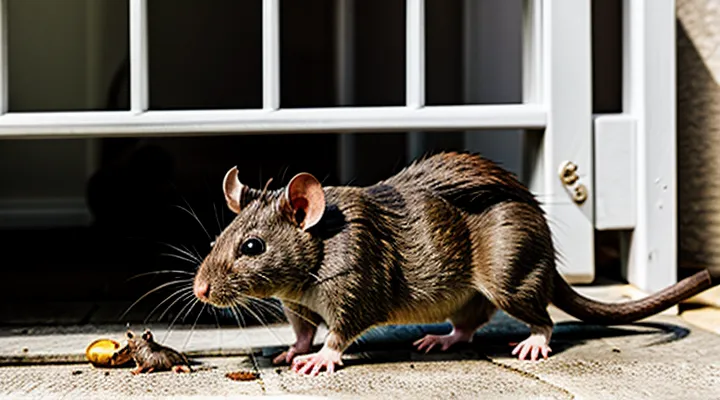
Understanding the Rat Infestation
Signs of a Rat Presence
Droppings and Urine Trails
Droppings and urine trails are the most reliable indicators of a rat infestation. Fresh droppings appear as small, dark pellets about the size of a grain of rice; older deposits darken and become crumbly. Urine stains are invisible to the naked eye but can be detected with a blacklight, revealing a faint, glowing pattern along walls, baseboards, and behind appliances. Mapping these signs pinpoints active pathways and nesting sites, allowing targeted intervention.
Health risks stem from pathogens carried in rodent waste. Bacteria such as Leptospira and Salmonella can survive in droppings for weeks, while urine may contain hantavirus particles that become airborne when dried material is disturbed. Direct contact or inhalation of contaminated dust can cause severe illness. Immediate removal of waste eliminates the source of infection and reduces the attraction for additional rodents.
Effective cleaning protocol:
- Wear disposable gloves, a mask rated N95, and eye protection.
- Ventilate the area by opening windows and using a fan to direct airflow outward.
- Collect solid droppings with a disposable scoop; place them in a sealed plastic bag.
- Apply an enzymatic cleaner to urine‑stained surfaces; allow the solution to soak for the manufacturer’s recommended time.
- After the enzymatic action, wipe the area with a disposable cloth soaked in a diluted bleach solution (1 part bleach to 10 parts water).
- Dispose of all used materials in a sealed bag and discard it in an outdoor trash container.
- Allow the treated area to dry completely before reinstating food storage or furniture.
By accurately identifying waste deposits, understanding their health implications, and following a strict decontamination routine, homeowners can eradicate the immediate threat and disrupt the rats’ navigation system, facilitating rapid and effective removal from the residence.
Gnaw Marks and Damage
Rats leave unmistakable signs that reveal the extent of their intrusion. Fresh gnaw marks indicate active chewing, while older scars suggest long‑term habitation. Identifying these traces early prevents structural deterioration and mitigates health hazards.
Typical damage includes:
- Electrical wiring: exposed or chewed cords create fire risk.
- Wooden framing: perforated studs weaken load‑bearing capacity.
- Insulation: shredded material reduces thermal efficiency.
- Plumbing: damaged PVC or copper pipes lead to leaks and contamination.
- Food storage: gnawed packaging compromises safety and invites bacterial growth.
Inspect corners, attics, basements, and behind appliances. Look for parallel bite marks, usually ¼‑inch wide, and irregular holes around entry points. Examine surfaces for fresh saliva stains, which darken with oxidation and signal recent activity.
When gnaw marks appear, isolate the affected area. Turn off electricity to damaged circuits, shut off water to compromised pipes, and seal openings with steel wool or metal flashing. Replace compromised structural elements promptly; use rodent‑resistant materials such as cement board or metal brackets where feasible.
Repair steps:
- Document damage: photograph each mark, note location, and assess severity.
- Remove contaminated material: discard chewed insulation, damaged wiring, and compromised wood.
- Sanitize surfaces: apply a disinfectant solution to eliminate urine and saliva residues.
- Restore integrity: install new wiring, replace damaged studs, and re‑insulate with rodent‑proof products.
- Reinforce barriers: apply sealant around vents, gaps, and utility entries to prevent re‑entry.
Addressing gnaw marks promptly restores the home’s structural soundness and reduces the likelihood of a renewed infestation.
Unusual Noises
Unusual sounds often serve as the first indication that rodents have infiltrated a dwelling. Scratching noises behind walls, especially during nighttime, suggest gnawing activity as rats test structural integrity. High‑pitched squeaks emitted from ceiling voids typically accompany movement in insulation or nesting material. Thumping or thudding sounds emanating from attics may reveal large individuals traveling across joists.
To interpret these acoustic clues effectively, follow a systematic approach:
- Locate the source – Move quietly toward the noise, noting the exact room and direction.
- Identify the pattern – Continuous, rhythmic sounds often correspond to feeding or grooming; intermittent bursts indicate movement between hideouts.
- Correlate with visual evidence – Look for droppings, gnaw marks, or shredded material near the identified area.
Recognizing and documenting each type of noise accelerates the deployment of targeted control measures. Early detection allows for precise placement of traps, bait stations, or exclusion devices, minimizing the time required to eradicate the infestation and reducing collateral damage to the home’s structure.
Why Rats are a Problem
Health Risks
Rats inhabiting a dwelling create immediate health dangers. Their droppings, urine, and saliva contaminate surfaces, food, and air, introducing pathogens that can infect occupants.
- Leptospirosis – bacterial infection transmitted through urine; symptoms include fever, headache, muscle pain, and potential kidney damage.
- Hantavirus Pulmonary Syndrome – inhalation of aerosolized particles from dried droppings or urine; can cause severe respiratory distress and fatality.
- Salmonellosis – ingestion of food contaminated by rat feces; leads to gastrointestinal distress, dehydration, and possible septicemia.
- Lymphocytic Choriomeningitis Virus (LCMV) – spread via rodent excreta; may cause meningitis, encephalitis, or congenital defects if contracted during pregnancy.
- Allergic reactions – exposure to rodent dander and droppings can trigger asthma attacks, rhinitis, and skin irritation.
Secondary hazards arise from structural damage caused by gnawing. Compromised insulation and wiring increase fire risk, while moisture accumulation from urine fosters mold growth, further aggravating respiratory conditions. Prompt eradication of rodents eliminates these vectors, reduces disease transmission, and restores a safe living environment.
Property Damage
Rats compromise structural integrity by gnawing on wood, insulation, and electrical wiring. Their incisors can create holes in joists, drywall, and support beams, leading to weakened floors and walls that may require costly repairs.
The presence of rodents introduces health hazards through contamination. Urine and feces carry pathogens that can stain fabrics, upholstery, and food surfaces, rendering them unsuitable for use and necessitating thorough cleaning or replacement.
Common signs of damage include:
- Fresh bite marks on plastic, cardboard, or cables.
- Frayed or exposed wiring that may cause short circuits or fire risk.
- Chewed insulation material leaving gaps that reduce thermal efficiency.
Addressing the infestation promptly halts further destruction. Sealing entry points, deploying traps or bait stations, and conducting a post‑removal inspection ensure that existing damage is identified and repaired before it escalates.
Rapid Reproduction
Rats reach sexual maturity within five to six weeks, allowing a single pair to generate dozens of offspring in a single breeding season. Female rats can produce a litter of eight to twelve pups every three to four weeks, and each newborn becomes fertile after another month. This exponential growth can transform a minor infestation into a severe problem within a few months, demanding immediate intervention.
Effective control must address both existing individuals and the potential for new generations. Key actions include:
- Eliminate all sources of food, water, and shelter; secure garbage bins, seal cracks, and repair structural gaps.
- Deploy snap traps or electronic devices in high‑traffic zones; place them along walls, behind appliances, and near nesting sites.
- Apply rodenticides strictly according to label directions; rotate active ingredients to prevent resistance.
- Conduct weekly inspections; replace or reposition traps, and remove any trapped or dead rodents promptly.
- Perform thorough cleaning after each removal; disinfect surfaces to eradicate pheromone trails that attract new arrivals.
Monitoring continues for at least three reproductive cycles—approximately three months—to confirm that the population has been suppressed and no new litters are emerging. Persistent vigilance and comprehensive sanitation prevent the rapid reproductive capacity of rats from overwhelming the household again.
Immediate Action and Prevention
Sealing Entry Points
Inspecting the Exterior
Inspect the building envelope to identify every potential rat ingress point before any control measures are applied. Begin at ground level and move clockwise around the property, noting gaps, cracks, and openings in walls, foundations, and utility penetrations.
- Examine foundations for fissures wider than a quarter‑inch; seal with cement or expandable foam.
- Verify that all doors and windows close tightly; install weatherstripping or metal flashing where gaps exist.
- Inspect vents, chimney flues, and exhaust fans; attach mesh screens of ¼‑inch or smaller to prevent rodent entry.
- Check utility lines (electric, water, gas) for gaps around conduits; use metal clamps or steel wool combined with caulk to close openings.
- Survey the roofline for damaged eaves, soffits, or missing shingles; replace or repair to eliminate shelter.
- Evaluate the exterior of the garage and outbuildings; ensure walls are intact and that any crawl spaces have sealed access points.
After documenting all deficiencies, prioritize repairs that address the largest openings and those nearest to food sources. Immediate sealing of identified gaps greatly reduces the likelihood of rats gaining foothold, allowing subsequent interior interventions to focus on existing infestations rather than new invasions.
Blocking Holes and Cracks
Rats gain access to homes through openings as small as a quarter‑inch. Sealing these gaps removes the primary pathway for infestation and prevents re‑entry after removal efforts.
Identify entry points by inspecting the exterior foundation, walls, roof eaves, utility penetrations, and interior crawl spaces. Look for:
- Gaps around pipes, cables, and vent pipes
- Cracks in concrete slabs, brickwork, or siding
- Unfilled holes around doors, windows, and garage doors
- Openings at the base of chimneys, fireplaces, and HVAC ducts
Select sealing materials based on the size and location of each opening. Common options include:
- Steel wool or copper mesh for small gaps, covered with caulk or expanding foam
- Heavy‑duty silicone or polyurethane sealant for cracks in masonry
- Metal flashing or sheet metal for larger holes around vents and ducts
- Cement‑based mortar or concrete patch for substantial foundation cracks
Apply the sealing process in a systematic sequence:
- Clean each opening to remove debris, dust, and loose material.
- Insert steel wool or mesh into the smallest gaps, ensuring a tight fit.
- Apply sealant over the filler, smoothing it to create a continuous barrier.
- For larger openings, cut metal flashing to size, secure it with screws or rivets, then seal edges with caulk.
- Allow all sealants to cure according to manufacturer instructions before exposing the area to moisture or traffic.
- Conduct a final walkthrough to verify that no gaps remain, paying special attention to areas previously missed.
Regularly inspect sealed areas, especially after severe weather or building renovations, and repair any new cracks promptly. Maintaining an airtight envelope eliminates the structural advantage rats exploit, supporting rapid and lasting removal of the pests.
Securing Vents and Pipes
Securing vents and pipes prevents rodents from entering hidden pathways that lead to living spaces. Unsealed openings around HVAC ducts, dryer exhausts, and utility conduits provide direct access to nests and food sources. Proper closure eliminates these routes and reduces the likelihood of re‑infestation after treatment.
- Inspect all exterior and interior vents, ensuring grills are intact and fitted with mesh screens of ≤¼‑inch openings. Replace damaged screens immediately.
- Apply steel wool or copper mesh to gaps around pipe penetrations before sealing with high‑temperature silicone or expanding foam. Metal barriers resist chewing more effectively than plastic.
- Install flashing or metal collars around vent shafts that protrude through walls or roofs; tighten screws and seal edges with weather‑proof caulk.
- Verify that dryer vents are routed outdoors, not into attics or crawl spaces. Use rigid metal ducting rather than flexible plastic, and seal joints with foil tape.
- Conduct a quarterly walkthrough to locate new cracks, especially after seasonal temperature shifts. Repair any discovered gaps promptly.
By systematically sealing these entry points, homeowners create a physical barrier that complements traps and bait stations, ensuring a comprehensive approach to rapid rodent removal.
Sanitation and Food Management
Proper Food Storage
Proper food storage eliminates attractive food sources, reducing rat activity and supporting swift elimination efforts. Secure containers prevent rodents from accessing crumbs, spills, and open packages, forcing them to search elsewhere and exposing them to traps and deterrents.
- Store dry goods in airtight, metal or heavy‑plastic containers with sealed lids.
- Keep pet food in sealed containers; discard leftovers after each feeding.
- Refrigerate perishable items promptly; clean spills immediately.
- Place garbage cans with tight‑fitting lids away from walls; empty them daily.
- Use pantry dividers to separate items, limiting bulk access points.
Regular inspection of storage areas identifies breaches before infestations expand. Replace damaged containers, repair seals, and maintain a clutter‑free environment to sustain long‑term rodent control.
Regular Cleaning Practices
Consistent housekeeping removes food sources and shelter that attract rodents. Store pantry items in sealed containers, discard expired products, and keep countertops free of crumbs. Vacuum daily, focusing on corners, under appliances, and behind furniture where droppings may accumulate.
Implement a routine that includes:
- Sweeping and mopping floors each evening to eliminate residue.
- Cleaning pet feeding areas after every meal and disposing of uneaten food.
- Washing dishes promptly and rinsing cookware before storage.
- Emptying garbage bins nightly, sealing lids tightly, and relocating bins away from the building’s exterior walls.
- Inspecting and wiping down basements, attics, and crawl spaces to remove dust and debris that could conceal nests.
Regular maintenance deprives rats of essential resources, thereby accelerating their removal from a private residence.
Waste Disposal
Effective waste management is essential for preventing rodent incursions in residential settings. Food residues and unsecured garbage provide the primary attractants for rats; eliminating these sources removes the incentive for the pests to enter the home.
- Store all food in airtight containers made of glass, metal, or heavy‑duty plastic.
- Keep kitchen counters and floors free of crumbs; wipe surfaces after each meal.
- Use trash cans with tight‑fitting lids; replace bags daily and do not allow overflow.
- Position outdoor bins away from the house, elevate them on a platform, and ensure lids close securely.
- Schedule regular collection with the municipal service or a private hauler; avoid accumulation beyond 24 hours.
- Compost bins must be rodent‑proof, featuring solid walls and a secure lid; turn compost only after the material has cooled.
- Dispose of pet food promptly; do not leave bowls out overnight.
In addition to proper storage, maintain the disposal area by sealing entry points around dumpsters, utility chutes, and garage doors. Install metal flashing or mesh to block gaps larger than ¼ inch. Regularly inspect for signs of gnawing or nesting and repair damage immediately.
By adhering to these practices, homeowners remove the nutritional support that sustains rat populations, thereby accelerating the removal process and reducing the likelihood of re‑infestation.
Effective Rat Removal Strategies
Trapping Methods
Snap Traps
Snap traps provide immediate, lethal control of rodents in residential settings. The mechanism consists of a spring‑loaded bar that snaps shut when the trigger is activated, killing the rat instantly. This method eliminates the need for prolonged exposure to poison and reduces the risk of secondary poisoning.
Effective deployment requires strategic placement. Position traps along walls, behind appliances, and near known activity zones such as droppings or gnaw marks. Align the trigger end toward the wall so the rat approaches from the side, increasing the likelihood of contact. Use a single trap per suspected pathway; multiple traps in the same line create redundancy without improving capture rates.
Bait selection influences success. Peanut butter, dried fruit, or small pieces of meat attract rats reliably. Apply a pea‑sized amount to the trigger platform, avoiding excess that could allow the animal to feed without activating the mechanism. Replace bait daily to maintain freshness and scent potency.
Safety considerations include wearing gloves when handling traps, securing them out of reach of children and pets, and disposing of captured rodents in sealed bags before discarding them in a trash receptacle. Regularly inspect traps for missed catches; replace any that have become dull or jammed to preserve effectiveness.
Key points for rapid results
- Use high‑quality, stainless‑steel snap traps.
- Place traps perpendicular to walls at 1‑2 ft above the floor.
- Bait with strong‑smelling, protein‑rich foods.
- Check and reset traps every 12 hours.
- Wear protective gloves during setup and disposal.
Live Traps
Live traps provide a humane method for removing rats from a residence while preserving the captured animals for release elsewhere. The device consists of a sturdy cage with a trigger mechanism that closes the door when the rodent enters to reach bait.
Choosing an appropriate trap involves several criteria:
- Size adequate for the target species (minimum interior dimensions 12 × 8 × 6 in).
- Sensitive trigger that activates with a weight of 5–30 g.
- Secure latch that prevents accidental reopening.
Placement determines capture success. Position traps along known runways, near walls, behind appliances, or close to food sources. Align the trigger side opposite the wall to force the rat to approach head‑first.
Effective bait combines attractiveness with durability. Preferred options include peanut butter, dried fruit, or small pieces of meat. Apply a pea‑sized amount to the trigger platform; avoid excess that may allow the rat to feed without activating the mechanism.
Inspect traps at least twice daily. Remove captured rats promptly to reduce stress and prevent escape. Transfer each animal to a pre‑selected release site, preferably a wooded area at least 2 miles from the home, following local wildlife regulations.
After each capture, clean the trap with hot, soapy water and disinfect with a diluted bleach solution (1 part bleach to 9 parts water). Allow the cage to dry before resetting.
Maintain a sanitary environment to discourage reinfestation. Seal entry points, store food in sealed containers, and eliminate standing water. Regularly monitor for new activity and adjust trap locations accordingly.
When employed correctly, live traps can rapidly reduce a rat population without resorting to lethal methods, providing a controlled and accountable solution for homeowners.
Electronic Traps
Electronic traps provide immediate, humane elimination of rats without the mess associated with traditional snap or glue devices. The device delivers a high‑voltage shock that kills the rodent within seconds, allowing homeowners to monitor capture through an illuminated indicator or audible alert.
Key advantages:
- Instant mortality reduces the risk of surviving rats reproducing or causing damage.
- Enclosed chamber prevents exposure to poison or dead bodies, simplifying cleanup.
- Reusable construction eliminates recurring expenses for bait or consumables.
- Battery‑powered models operate during power outages, ensuring continuous protection.
Effective deployment requires strategic placement and adherence to safety protocols. Position traps along walls, near known gnawing sites, or behind appliances where rats travel. Insert fresh batteries, test the indicator, and lock the access panel to avoid accidental contact. Check the chamber daily; dispose of carcasses according to local regulations and reset the device promptly to maintain uninterrupted control.
Baiting Techniques
Selecting the Right Bait
Choosing the appropriate bait determines the success of any rat‑control effort in a residence. Live‑caught rodents are attracted to food sources that mimic their natural diet, so the bait must contain strong olfactory cues and high protein or fat content. Commonly effective options include:
- Peanut butter mixed with wheat germ or oats; the sticky texture prevents removal by the animal.
- Commercial rodent blocks formulated with soy, fish, or meat extracts; these products offer consistent potency and reduced spoilage.
- Fresh fruit or vegetables such as apple slices or carrots; suitable for short‑term deployments where non‑toxic bait is required.
Select bait based on the target rat species, the area’s moisture level, and the presence of competing food sources. In kitchens, avoid using items already present in the pantry to prevent habituation. For attic or crawl‑space placements, opt for non‑perishable, weather‑resistant formulations.
Safety considerations dictate that bait be secured in tamper‑proof stations to protect children, pets, and non‑target wildlife. Position stations along walls, behind appliances, and near known gnawing marks, keeping a minimum of 10 cm between stations to discourage bait saturation and ensure continuous attraction.
Monitor bait consumption daily. Replace depleted stations with fresh bait, and rotate formulations every two weeks to prevent bait aversion. Consistent observation, coupled with strategic bait selection, accelerates rat elimination while minimizing collateral risks.
Strategic Placement of Baits
Effective bait deployment demands precise location, quantity, and timing. Place stations along walls where rodents travel, avoiding open floor space. Target concealed routes such as behind appliances, under cabinets, and within crawl‑space openings. Secure baits in tamper‑resistant containers to protect children and pets while maintaining rodent access.
- Identify active runways by observing droppings, gnaw marks, and grease trails.
- Position bait 1–2 feet from the wall, with the front edge touching the baseboard.
- Deploy multiple stations per 100 sq ft, spaced 10–15 feet apart to saturate the foraging area.
- Rotate bait types (e.g., grain‑based, protein‑rich, scented) every 3–5 days to prevent habituation.
- Replace stations after each capture or when bait is depleted; record dates for pattern analysis.
Maintain a clean perimeter around each station; remove competing food sources to concentrate rodent attention on the bait. Monitor placement regularly, adjusting locations based on shifting activity signs, and ensure disposal follows local hazardous‑waste regulations. This systematic approach maximizes attraction, accelerates removal, and reduces the likelihood of secondary infestations.
Safety Precautions for Bait Use
When using rodent bait inside a residence, protect humans and non‑target animals by following strict safety measures.
- Store bait in its original sealed container until placement.
- Keep all bait out of reach of children and pets; lock the container in a cabinet or high shelf.
- Apply bait only in concealed locations such as wall voids, under appliances, or inside tamper‑proof bait stations.
- Wear disposable gloves during handling; discard gloves after each use and wash hands thoroughly.
- Label each baited area with a visible warning sign that specifies “Poison – Keep Away from Children and Pets.”
- Avoid placing bait near food preparation surfaces, food storage, or open trash cans.
- Follow the manufacturer’s dosage instructions precisely; do not exceed recommended amounts.
- Monitor bait stations regularly; remove and replace spent or contaminated bait promptly.
- In case of accidental exposure, have the product’s emergency contact information readily available and seek medical assistance immediately.
Document the bait locations and inspection dates in a logbook. Maintain the log for at least three months after the last bait is removed to provide a record of compliance and to support any future pest‑management decisions.
Repellents and Deterrents
Natural Repellents
Natural repellents offer a chemical‑free method for deterring rats in a home environment. Their effectiveness hinges on strong odors or tastes that rodents find intolerable, creating an inhospitable setting without trapping or poisoning.
- Peppermint oil: concentrate 10 ml of pure oil in 1 L of water, soak cotton balls, and place them in concealed points such as wall voids, attic corners, and behind appliances. Refresh every 48 hours to maintain potency.
- Ammonia: seal a small container of ammonia in a perforated plastic bottle; position near suspected entryways. The vapor mimics urine, prompting rats to avoid the area. Replace weekly.
- Garlic and onion powder: sprinkle a thin layer along baseboards and around pipe openings. The pungent compounds irritate the rat’s olfactory receptors, discouraging travel.
- Citrus peels: distribute fresh orange or lemon rinds in crawl spaces and under sinks. The citric scent repels rodents for up to three days before decomposing.
- Mothballs (naphthalene): place a few pieces in sealed cloth pouches within hidden cavities. Use sparingly; excessive exposure can pose health risks to humans and pets.
Application guidelines:
- Identify all potential entry points and travel routes; focus repellent placement at these locations.
- Combine multiple repellents to address varied sensory sensitivities, increasing overall deterrence.
- Maintain a clean interior: eliminate food residues, store grains in airtight containers, and repair leaks that provide water sources.
- Monitor activity with motion‑activated cameras or non‑lethal traps to verify reduction in rat presence.
- Replace or refresh repellents according to their effective lifespan; stale substances lose efficacy.
Limitations:
- Natural repellents deter rather than eliminate; a persistent infestation may require complementary control measures.
- Strong odors can affect occupants with sensitivities; ensure adequate ventilation.
- Some compounds, such as naphthalene, are toxic in high concentrations; follow safety data sheets and keep out of reach of children and pets.
When deployed systematically, natural repellents create an environment that discourages rats, supporting rapid and effective removal of the pests from a private residence.
Ultrasonic Devices
Ultrasonic repellents emit high‑frequency sound waves beyond human hearing, intended to irritate the nervous system of rats and force them to vacate the area. The devices typically operate between 20 kHz and 65 kHz; frequencies above 30 kHz are most disruptive to rodent hearing. The emitted pulses are intermittent, preventing habituation and maintaining deterrent effect.
Effective deployment requires strategic placement. Position units at least 12 inches off the floor, away from walls, and in each room where activity has been observed. Overlap coverage zones by spacing devices 15–20 feet apart, ensuring no dead zones where rats could shelter. Avoid covering large open spaces with a single unit; multiple devices provide uniform exposure.
Limitations must be considered. Solid barriers such as concrete, brick, or dense furniture attenuate ultrasonic waves, reducing reach. Open‑air environments, garages, and outdoor areas are unsuitable. Young rats may exhibit reduced sensitivity, and some individuals can become accustomed after prolonged exposure, diminishing efficacy.
Safety aspects are straightforward. The sound frequency is harmless to humans and most pets; however, animals with acute hearing, such as hamsters or guinea pigs, may experience distress. Turn off devices when infants or sensitive pets occupy the space.
Maintenance involves periodic cleaning of the speaker grille to prevent dust buildup, which can impair output. Replace units according to manufacturer recommendations, typically every 2–3 years, as transducer performance degrades over time.
Ultrasonic repellents are most reliable when integrated with complementary measures: seal entry points, remove food sources, and employ traps for any remaining individuals. This combined approach maximizes the speed and completeness of rodent eradication in a private residence.
Professional Services
Professional pest‑control firms provide the most reliable means of eliminating a rat infestation in a residential setting. They begin with a thorough inspection that identifies entry points, nesting sites, and activity routes. The inspection guides a targeted plan that minimizes disruption to the household.
Typical services include:
- Site assessment – detailed mapping of infestation hotspots.
- Trapping and removal – placement of baited traps or live‑capture devices, monitored until activity ceases.
- Exclusion work – sealing gaps, repairing vents, and installing barriers to prevent re‑entry.
- Sanitization – cleaning contaminated areas, disposing of droppings, and applying rodent‑specific disinfectants.
- Follow‑up visits – verification that the problem is resolved and reinforcement of exclusion measures.
Professional operators possess licensed knowledge of rodent behavior, access to EPA‑approved products, and the authority to apply them safely. Their protocols include documentation and guarantees that most homeowner‑performed methods cannot match.
When choosing a provider, verify the following criteria:
- Current state licensing and pest‑control certification.
- Comprehensive liability insurance covering property damage.
- Prompt response time, ideally within 24 hours of the initial call.
- Written warranty outlining the duration of service coverage and conditions for re‑treatment.
Engaging qualified experts eliminates rats efficiently, reduces health risks, and safeguards the home against future invasions. The investment in professional services translates directly into faster resolution and long‑term protection.
Post-Removal Measures
Cleaning and Disinfection
Safely Removing Carcasses
When a rat dies inside a residence, the carcass becomes a source of odor, disease, and attraction for other pests. Immediate, controlled removal prevents contamination of living spaces and reduces health risks.
First, protect yourself. Wear disposable gloves, a mask, and eye protection. Seal the area by closing doors and windows to limit airflow that could spread particles. Use a disposable bag or a sealed container for the carcass; avoid direct hand contact.
Steps for safe disposal:
- Locate the dead animal and assess its position. If it is in an inaccessible spot, use a long-handled tool to retrieve it without breaking the container.
- Place the carcass into a heavy‑duty trash bag, expel excess air, and seal the bag tightly.
- Transfer the sealed bag into a rigid, leak‑proof container (e.g., a small plastic bin with a lid) for added protection during transport.
- Dispose of the container according to local regulations—typically by placing it in a municipal waste bin designated for animal remains or by taking it to a licensed disposal facility.
- After removal, clean the surrounding area with a disinfectant solution (e.g., diluted bleach 1:10). Allow the surface to remain wet for at least five minutes, then wipe dry with disposable cloths.
- Wash hands thoroughly with soap and water, even if gloves were worn.
Finally, inspect the premises for signs of additional dead rodents or ongoing infestation. Replace any damaged insulation, seal entry points, and consider professional pest management to prevent future occurrences.
Sanitizing Contaminated Areas
After confirming that rats have been removed, treat every area they accessed as a contamination zone. Begin by sealing off rooms that show evidence of activity to prevent the spread of pathogens.
- Don protective gear: disposable gloves, N‑95 respirator, goggles, and a disposable coverall.
- Collect droppings, urine stains, and nesting material with a dampened paper towel; place directly into a sealed plastic bag.
- Dispose of the bag in an outdoor trash container; do not compact or compact the waste.
Next, clean all surfaces that may harbor bacteria or viruses. Use a detergent solution to scrub floors, countertops, walls, and any removable objects. Rinse thoroughly, then apply an EPA‑approved disinfectant at the manufacturer‑specified concentration. Allow the disinfectant to remain on the surface for the required contact time before wiping or air‑drying.
Ventilate the treated spaces for at least 30 minutes by opening windows and using fans. After ventilation, inspect the area for residual debris; repeat cleaning if any residue remains. Finally, document the sanitization process, noting dates, products used, and personnel involved, to maintain a record for future reference.
Odor Removal
Rats leave behind urine, feces, and dead tissue that generate strong, lingering odors. Effective odor control requires immediate removal of contaminants, thorough cleaning, and targeted neutralization.
First, eliminate all visible waste. Wear disposable gloves and a mask, place droppings and soiled materials in sealed bags, and discard them according to local hazardous‑waste guidelines. Scrape contaminated surfaces, then wash with hot water and a heavy‑duty detergent.
Second, treat porous items that cannot be laundered. For upholstery, carpets, and insulation, apply an enzymatic cleaner designed to break down organic residues. Follow the product’s contact time, then rinse or extract excess solution with a wet‑vacuum.
Third, apply an odor‑absorbing agent to non‑porous areas. Options include:
- Activated charcoal bags placed in corners and under cabinets.
- Baking soda sprinkled on floors and left for several hours before vacuuming.
- Commercial odor‑neutralizing sprays containing cyclodextrin or ozone‑free formulations.
Fourth, enhance ventilation. Open windows, run exhaust fans, and use HEPA‑rated air purifiers equipped with activated‑carbon filters to capture volatile compounds.
Finally, monitor for recurrence. Re‑inspect hidden spaces weekly for fresh droppings or damp spots, and repeat cleaning steps if needed. Consistent application of these measures eliminates residual smells and discourages re‑infestation.
Ongoing Monitoring
Regular Inspections
Regular inspections are a cornerstone of any successful rat control program in a residence. They provide early detection of activity, verify the effectiveness of existing measures, and reveal new entry points before infestations become severe.
Conduct inspections at least once a week during the first month after initial treatment, then reduce to bi‑weekly or monthly once the population is confirmed absent. Increase frequency after severe weather, renovations, or when new food sources appear.
During each inspection, follow a systematic checklist:
- Examine walls, ceilings, and attics for gnaw marks, droppings, and urine stains. Look for fresh droppings that are dark and moist; older deposits turn yellow and crumble.
- Inspect baseboards, cabinets, and pantry shelves for shredded packaging, grease smears, and nesting material such as shredded paper or fabric.
- Test all potential entry points: gaps around pipes, vents, doors, and windows. Measure openings; any gap larger than ¼ inch (6 mm) permits rodent ingress.
- Verify the condition of traps and bait stations. Replace depleted baits, reset sprung traps, and relocate devices if they show no activity for several days.
- Record findings in a log: date, location, type of evidence, actions taken. Consistent documentation enables trend analysis and informs future preventive steps.
Use a flashlight with a focused beam and a portable mirror to see hidden areas. A handheld infrared camera can reveal nocturnal movement without disturbing the environment. Wear disposable gloves and a mask when handling droppings to prevent disease transmission.
If inspections uncover new signs of activity, respond immediately: seal identified gaps with steel wool and caulk, reposition traps, and consider a targeted bait application. Prompt corrective actions prevent a minor problem from escalating into a full‑scale infestation.
Maintaining Prevention Measures
Maintain prevention measures continuously to ensure that rat infestations do not recur after removal.
Identify and seal all potential entry points. Inspect the building envelope, including gaps around pipes, vents, doors, windows, and foundation cracks. Use steel wool, copper mesh, or cement‑based sealants that rodents cannot gnaw through.
Control food sources. Store pantry items in airtight containers, keep countertops clear, and promptly clean spills. Place garbage bins with tight‑fitting lids outside the home and remove waste regularly.
Eliminate shelter. Trim vegetation, remove debris, and keep storage areas organized to deny rats hiding places. Store firewood and other bulk items off the ground and elevate them from walls.
Implement regular monitoring. Conduct monthly visual inspections of known activity zones. Use non‑lethal tracking stations or motion‑activated cameras to detect early signs of presence.
Maintain traps and bait stations. After each use, clean, reposition, and replenish devices according to manufacturer guidelines. Replace worn or damaged equipment promptly.
Document actions. Keep a log of inspections, repairs, and observations to track trends and verify that preventive steps remain effective.
By adhering to these systematic practices, homeowners create an environment that discourages rat colonization and supports long‑term pest‑free conditions.