
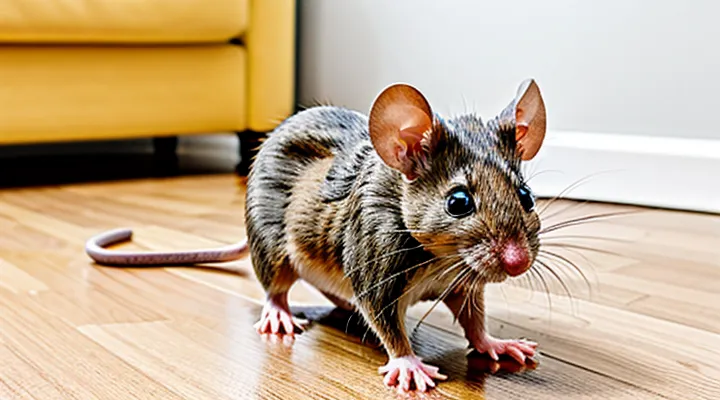
Understanding the Mouse Problem
Signs of a Mouse Infestation
Droppings and Urine Smells
Mice droppings and urine odors are the most reliable signs that a rodent infestation exists in a living space. Detecting these signs early allows immediate action, preventing population growth and health hazards.
Fresh droppings appear as small, dark, rice‑shaped pellets, typically found near food sources, along walls, or in hidden corners. Urine stains are invisible but leave a strong, ammonia‑like smell that intensifies in confined areas such as cabinets, closets, or behind appliances.
Health risks associated with rodent waste include exposure to hantavirus, salmonella, and leptospirosis. Inhalation of aerosolized particles from cleaning disturbed droppings can transmit disease, making proper protective measures essential.
Cleaning protocol
- Wear disposable gloves, a N‑95 mask, and eye protection.
- Ventilate the room by opening windows and using a fan to direct airflow outward.
- Collect droppings with a damp paper towel; avoid dry sweeping to prevent dust release.
- Disinfect the area with a solution of 1 part bleach to 10 parts water; let it sit for at least 10 minutes before wiping clean.
- Dispose of contaminated materials in a sealed plastic bag and discard them in an outdoor trash container.
Odor elimination
- After disinfection, apply an enzymatic cleaner to break down residual urine proteins.
- Place activated charcoal or ozone generators in the affected room for several hours to absorb lingering smells.
- Replace or clean HVAC filters to prevent odor recirculation.
Removing droppings and neutralizing urine odors eliminates the primary attractants that encourage mice to return, supporting rapid and lasting eradication of the pest problem.
Gnaw Marks
Gnaw marks are the most reliable visual evidence of mouse activity inside a dwelling. They appear as shallow, parallel grooves on wood, plastic, cardboard, or insulation, typically ranging from ¼ inch to ½ inch long. The width of each groove matches the animal’s incisors, allowing you to distinguish mouse damage from that of larger rodents or insects.
Identifying gnaw marks accurately helps prioritize treatment zones and prevents unnecessary work. Look for the following characteristics:
- Parallel lines cut into the material’s surface, often with a clean, crisp edge.
- Uniform depth and width consistent with a mouse’s small jaw.
- Locations near food sources, hidden corners, or entry points such as gaps around pipes and vents.
- Repeated patterns along the same pathway, indicating a travel route.
Once gnaw marks are located, take immediate action to halt further damage:
- Seal entry points. Use steel wool, copper mesh, or silicone caulk to close holes no larger than ¼ inch.
- Remove accessible food. Store pantry items in airtight containers; clean crumbs and spills promptly.
- Apply targeted baits or traps. Place them directly adjacent to the identified gnawing zones for maximum effectiveness.
- Repair damaged surfaces. Replace compromised wood or insulation, then treat the area with a rodent‑resistant coating to discourage re‑gnawing.
- Monitor regularly. Re‑inspect the same locations weekly for new marks, adjusting control measures as needed.
Understanding and responding to gnaw marks accelerates the eradication process, limits structural damage, and reduces the likelihood of a recurring infestation.
Scratching Noises
Scratching noises heard at night or behind walls often signal rodent activity. Mice create these sounds while moving through insulation, chewing on structural elements, or nesting in concealed spaces. Recognizing the pattern—intermittent, high‑pitched scratches during quiet periods—helps differentiate them from other household noises such as settling or pet movements.
Identifying the source location reduces the time needed for removal. Follow these steps:
- Observe the floor plan and mark spots where noises are strongest.
- Use a flashlight to inspect adjacent baseboards, cabinets, and behind appliances for gnaw marks or droppings.
- Apply a portable audio recorder near suspected areas; playback can reveal the exact timing and frequency of the scratches.
- Seal visible entry points with steel wool and caulk before proceeding with trapping.
Once the activity zone is confirmed, implement targeted control measures:
- Place snap or electronic traps directly along the identified pathways, positioning them perpendicular to the wall to intercept mice as they travel.
- Deploy non‑toxic repellents—such as peppermint oil‑infused cotton balls—near the noise source; replace every 48 hours to maintain potency.
- Reduce available shelter by clearing clutter, removing cardboard boxes, and storing food in sealed containers.
- Monitor trap results daily; replace or relocate devices if catches are absent after 48 hours, indicating the mice may have shifted routes.
Eliminating scratching sounds quickly confirms that the infestation is being contained. Continuous observation after trap placement ensures that any remaining individuals are detected before they establish new nesting sites.
Why Mice are Attracted to Apartments
Food Sources
Mice persist where food is readily available. Eliminate all potential nourishment to break the attraction cycle.
Store dry goods—cereals, grains, nuts, pet food—in airtight containers made of metal or heavy‑wall plastic. Inspect pantry shelves for spills; clean immediately with a detergent solution, then dry thoroughly. Keep countertops clear of crumbs and avoid leaving dishes uncovered overnight.
Reduce access to hidden sources. Inspect cabinets, drawers, and under‑sink areas for stored snacks; discard expired items. Seal garbage cans with tight‑fitting lids and empty them daily. Use trash bags that close securely, and place outdoor bins far from building entrances.
Maintain a strict cleaning schedule. Sweep floors after each meal, vacuum upholstery, and mop surfaces with a mild bleach solution. Wipe down kitchen appliances, especially the interior of microwaves and refrigerators, to remove residue.
Limit outdoor food attractants that can enter the apartment. Store birdseed, pet feed, and compost in sealed containers. Keep windows and balcony doors closed or fitted with fine mesh screens to prevent rodents from carrying food inside.
Key actions to deny mice food:
- Transfer all pantry items to sealed containers.
- Clean spills and crumbs within minutes.
- Dispose of waste in containers with secure lids.
- Perform daily inspections of storage areas.
- Implement a routine deep‑cleaning regimen weekly.
By removing every edible incentive, the environment becomes inhospitable, forcing mice to abandon the dwelling and preventing new infestations.
Shelter and Warmth
Mice seek out any area that offers protection from predators and stable temperatures. Open cabinets, cluttered closets, and gaps around pipes create hidden chambers where rodents can nest and stay warm. Unsealed vents, poorly insulated walls, and accumulated debris increase the likelihood that a mouse will establish a permanent shelter inside an apartment.
Eliminate these conditions by sealing entry points, reducing indoor clutter, and controlling ambient temperature.
- Install steel‑wool or copper mesh in cracks larger than ¼ inch.
- Apply caulk around baseboards, window frames, and utility penetrations.
- Store food in airtight containers; keep countertops clean.
- Remove piles of newspapers, fabric, or cardboard that could serve as bedding.
- Insulate exposed pipes and ducts to prevent heat pockets.
- Maintain a constant indoor temperature of 68–72 °F; avoid localized warmth from appliances left on overnight.
After modifications, monitor the environment for fresh droppings or gnaw marks. Re‑inspect sealed openings weekly for new activity. Consistent removal of shelter and heat sources deprives mice of essential survival needs, forcing them to leave the dwelling.
Entry Points
Mice enter apartments through openings that are often invisible to occupants. Identifying and sealing these gaps removes the primary pathway for infestation and prevents new rodents from establishing a foothold.
Common entry points include:
- Cracks in foundation walls and floor slabs
- Gaps around plumbing, electrical, and HVAC penetrations
- Unsealed utility openings for cable, telephone, and gas lines
- Openings around windows, especially where frames meet the wall
- Spaces beneath doors, particularly in older or poorly fitted frames
- Vents, dryer exhausts, and chimney flues lacking mesh screens
- Roof eaves and soffit cracks that connect the attic to the exterior
Effective sealing techniques:
- Pack steel wool into gaps, then apply silicone caulk to lock it in place
- Install hardware cloth (¼‑inch mesh) over larger openings, fastening with screws or staples
- Use expanding polyurethane foam for irregular cracks, trimming excess after cure
- Attach door sweeps to the bottom of interior doors, ensuring a tight seal when closed
- Fit weatherstripping around windows and exterior doors, replacing damaged sections promptly
- Cover vent openings with metal screening, securing with wire or screws
After sealing, conduct a systematic inspection. Use a flashlight to examine concealed areas, test door sweeps by sliding a piece of paper beneath, and monitor for fresh gnaw marks. Repeat the survey weekly for the first month to confirm that all entry routes remain blocked.
Immediate Actions for Mouse Removal
Setting Up Traps
Snap Traps: Pros and Cons
Snap traps are a widely used mechanical method for eliminating mice in an apartment. They operate by releasing a spring‑loaded bar that quickly kills the animal upon contact, leaving no chemical residues.
Advantages
- Immediate result; the mouse is killed instantly, allowing rapid reduction of the infestation.
- Low cost; a single unit costs a fraction of the price of electronic or bait stations.
- No toxicity; safe for households with children or pets when placed out of reach.
- Easy disposal; the dead rodent can be removed and discarded without special handling procedures.
- Reusability; the trap can be reset and reused multiple times, extending its utility.
Disadvantages
- Requires precise placement; effectiveness depends on positioning near established pathways.
- Potential for non‑target capture; accidental killing of harmless insects or small reptiles may occur.
- Visible kill; some occupants find the sight of a dead mouse unsettling.
- Limited to single catches; each trap captures one mouse before it must be reset.
- Maintenance needed; regular checking and resetting are necessary to maintain efficacy.
When speed and affordability are priorities, snap traps provide a reliable solution, provided they are installed correctly and monitored consistently.
Live Traps: Humane Options
Live traps provide a humane method for eliminating mice without lethal force. The devices consist of a cage with a one‑way door; once a mouse enters seeking bait, the door closes and the animal remains inside until the owner releases it.
Placement is critical. Position traps along walls, behind appliances, and near known gnawing sites. Mice rarely cross open space, preferring concealed pathways. Secure each trap at a distance of 2–3 feet from other traps to avoid competition and increase capture probability.
When selecting bait, use high‑protein items such as peanut butter, cooked egg, or small pieces of cheese. Apply a pea‑sized amount to the trigger mechanism to ensure the mouse must step onto the sensor to reach the food.
Check traps at least twice daily. Prompt removal prevents stress and potential injury to the captured mouse. Release the animal at least 200 meters from the apartment, preferably in a wooded or field area where shelter and food sources are abundant. Wear gloves during handling to avoid disease transmission.
After each capture, disinfect the trap with a mild bleach solution (1 part bleach to 9 parts water) and rinse thoroughly. This practice eliminates scent trails that could deter further activity.
Maintain a clean environment to reduce attractants. Store food in sealed containers, seal cracks around pipes and baseboards, and dispose of garbage regularly. Combining these sanitation measures with strategically placed live traps maximizes the speed and humane nature of mouse removal from an apartment.
Baiting Strategies
Effective baiting requires precise selection, placement, and management to eliminate rodents swiftly.
Choose attractants that match mouse preferences. Common options include:
- Peanut butter mixed with oats.
- Small pieces of dried fruit.
- Commercial grain‑based pellets.
- Low‑dose anticoagulant blocks, used according to label instructions.
Position bait stations where activity is highest. Target areas such as:
- Along walls, near baseboards, and behind appliances.
- Inside concealed spaces like cabinets, closets, and under sinks.
- At points of entry, including cracks and gaps around pipes.
Secure bait to prevent accidental contact with children or pets. Use tamper‑resistant containers or place stations out of reach, for example on shelving that requires a step stool.
Rotate bait types every few days to maintain interest and prevent habituation. Monitor stations daily; replace consumed or spoiled bait promptly.
Dispose of captured rodents and used bait according to local health regulations. Clean the area with a mild disinfectant after removal to eliminate scent trails that could attract additional mice.
Sealing Entry Points
Identifying Common Entry Points
Recognizing how rodents gain access to a living space is the first step in any rapid‑removal plan. Mice exploit any opening larger than a quarter‑inch, and apartments typically contain several vulnerable sites.
- Gaps around plumbing, gas, and electrical lines that pass through walls or floors.
- Cracks in foundation walls, especially near the slab or basement perimeter.
- Unsealed spaces around window frames, especially where weather‑stripping is worn or missing.
- Door thresholds lacking sweeps or with damaged weather‑stripping.
- Ventilation openings, including dryer vents, bathroom exhaust fans, and HVAC ducts, if not equipped with mesh screens.
- Utility penetrations for cable, cable‑TV, or telephone lines that are not tightly sealed.
- Small holes behind appliances such as refrigerators, stoves, or dishwashers, often created by shifting cabinets.
- Openings at the underside of cabinets, especially where the floor meets the wall.
Inspect each potential entry point during daylight, using a flashlight and a thin probe (e.g., a coat hanger) to test for gaps. Seal confirmed openings with steel wool, copper mesh, or appropriate caulk before applying any bait or trap. Ensure that all repairs are durable; mice can gnaw through soft materials such as rubber or plastic. By eliminating these pathways, the likelihood of re‑infestation drops dramatically, allowing other control measures to work efficiently.
Materials for Sealing Gaps
Effective rodent exclusion begins with sealing every potential entry point. Choose materials that resist gnawing, withstand moisture, and adhere securely to various surfaces.
- Steel wool (grade #0000) – tightly packed into cracks, then covered with caulk to prevent mice from pulling it out.
- Silicone or acrylic caulk – fills small gaps around pipes, windows, and baseboards; remains flexible for slight house movement.
- Expanding polyurethane foam – suitable for larger voids; apply conservatively, then trim excess and coat with caulk for added durability.
- Metal flashing or sheet metal – install over gaps in foundations, vents, or under doors; provides a hard barrier that rodents cannot chew through.
- Hardware cloth (¼‑inch mesh) – reinforces openings in crawl spaces, utility chases, and vent covers; secure with screws and seal edges with caulk.
- Concrete or mortar – fills foundation cracks and floor joist gaps; once cured, it offers a permanent, chew‑proof seal.
- Self‑adhesive rubber gaskets – line door sweeps and window sashes; replace worn sections regularly.
Apply each material according to the size and location of the gap. For openings under ¼ inch, combine steel wool with caulk; for gaps between ¼ inch and ½ inch, use hardware cloth backed by caulk. Larger voids require foam or concrete, followed by a caulk overlay to close surface seams. Inspect sealed areas weekly for signs of wear or new openings, and repair promptly to maintain an impenetrable barrier.
Importance of Ongoing Inspection
Continual monitoring of living spaces enables early detection of mouse activity. Visual checks of kitchens, storage areas, and utility rooms reveal droppings, gnaw marks, and nesting material before populations expand. Identifying fresh evidence allows immediate intervention, preventing the need for extensive extermination measures.
Regular inspection of structural gaps, door sweeps, and vent covers uncovers new entry points. Prompt sealing of these openings removes access routes, reducing the likelihood of reinfestation after initial control actions. Maintaining a schedule—daily in high‑risk zones, weekly elsewhere—ensures that any breach is addressed before mice establish a foothold.
Key benefits of ongoing inspection:
- Immediate recognition of infestation signs
- Timely repair of structural vulnerabilities
- Verification of the effectiveness of control methods
- Reduction of chemical or trap usage through preventive action
Long-Term Prevention and Maintenance
Sanitation Practices
Proper Food Storage
Proper food storage eliminates a primary attractant for rodents, making it a fundamental step in any rapid mouse‑removal strategy for an apartment.
Seal all dry goods in containers with snap‑tight lids or heavy‑duty zip locks. Plastic or glass jars with airtight seals prevent scent leakage. Store pet food in the same manner, and keep it in a cupboard that can be closed completely.
- Keep fruits, vegetables, and leftovers in the refrigerator; discard spoiled items promptly.
- Transfer opened packages of cereal, nuts, and snacks to sealed containers within 24 hours of opening.
- Use metal or thick‑wall plastic bins for bulk items such as flour, rice, and sugar; avoid paper bags that rodents can tear.
Maintain a clean surface on countertops and tables. Wipe crumbs and spills immediately with a damp cloth; avoid leaving sugary residues that attract mice. Empty trash daily, and place garbage bins on top of sealed lids. Store recycling material in a separate, closed container to reduce odor buildup.
Consistent application of these storage practices removes food cues, discourages mouse activity, and supports faster eradication of any existing infestation.
Regular Cleaning Routines
Effective mouse control in a dwelling begins with disciplined cleaning habits. Food residues, crumbs, and spilled liquids create a predictable foraging trail; eliminating these cues removes the primary incentive for rodents to enter and remain.
- Sweep and vacuum floors daily, paying special attention to corners, under furniture, and behind appliances where particles accumulate unnoticed.
- Wipe countertops, tables, and cabinet interiors after each meal; use a disinfectant that leaves no sweet or oily scent.
- Store dry goods in airtight containers made of glass, metal, or heavy‑wall plastic; never leave bags open on shelves.
- Empty trash cans each evening, seal lids tightly, and keep outdoor bins at least three meters from building entrances.
- Clean pet feeding areas after every use; wash bowls with hot water and detergent, then dry thoroughly.
- Inspect and mop kitchen backsplashes, stove tops, and microwave interiors weekly to remove grease buildup that attracts rodents.
Maintain a schedule for bathroom and laundry spaces as well. Damp towels, standing water, and laundry detergent residues can draw mice seeking moisture. Replace towels promptly, fix leaks, and dry surfaces after use.
Regularly declutter storage closets, basements, and attic spaces. Remove cardboard boxes, paper piles, and fabric stacks that provide nesting material. Organize items on shelves, leaving at least six inches of clearance around walls to discourage concealment.
Implement a daily checklist: floor sweep → surface wipe → food storage check → waste disposal → moisture control. Consistent execution reduces food availability, eliminates shelter, and creates an environment where mice cannot thrive, accelerating their removal from the apartment.
Waste Management
Effective waste management directly reduces the attraction of mice to an apartment. Food residues, packaging, and organic debris provide a reliable food source; eliminating these resources forces rodents to seek alternatives outside the living space.
- Store all food in sealed containers made of glass, metal, or thick plastic.
- Dispose of kitchen waste daily in a trash bin equipped with a tight‑fitting lid.
- Transfer the bin to an outdoor dumpster at least once every 24 hours; avoid letting garbage accumulate inside the unit.
- Clean crumbs and spills immediately; wipe countertops, floors, and appliances after each use.
- Compost only in sealed, rodent‑proof containers kept outside the apartment, never on kitchen counters.
Regularly inspect and replace damaged seals on garbage cans, pantry doors, and refrigerator drawers. Maintaining a clean, waste‑free environment removes the primary incentive for mice, accelerating their departure from the premises.
Natural Deterrents
Peppermint Oil
Peppermint oil is a natural repellent that interferes with the olfactory receptors of rodents, causing discomfort and prompting avoidance of treated areas. Its strong menthol scent is perceived as a threat by mice, which rely heavily on smell for navigation and foraging.
Application guidelines:
- Dilute 10‑15 drops of peppermint essential oil in 200 ml of water; add a small amount of liquid soap to improve surface tension.
- Soak cotton balls in the solution and place them in concealed locations such as behind appliances, under sinks, and within wall voids where mouse activity is observed.
- Refresh the cotton balls every 3‑4 days, or sooner if the scent diminishes.
- For larger spaces, use a spray bottle to mist corners, baseboards, and entry points, ensuring even coverage without oversaturation.
Effectiveness depends on consistent reapplication, as the volatile compounds evaporate quickly. Peppermint oil should complement, not replace, structural exclusions (sealing cracks, installing door sweeps) and sanitation measures (removing food sources, storing waste in sealed containers).
Safety considerations:
- Keep the oil away from children and pets; ingestion or direct skin contact can cause irritation.
- Test a small area before widespread use to detect any adverse reactions on upholstery or painted surfaces.
- Store the concentrate in a cool, dark place to preserve potency.
When integrated into a comprehensive rodent‑control plan, peppermint oil provides a non‑chemical, low‑toxicity option that reduces mouse presence while maintaining a pleasant indoor environment.
Ultrasonic Repellents
Ultrasonic repellents emit high‑frequency sound waves that rodents find uncomfortable. The devices operate in the 20–65 kHz range, a spectrum beyond human hearing but audible to mice, causing agitation that discourages them from occupying the treated area.
When choosing a unit, prioritize models that specify a coverage radius of at least 500 sq ft, include a safety certification (e.g., CE, UL), and allow frequency adjustment. Devices with a timer function enable scheduling to conserve energy and reduce the chance of habituation.
Effective placement follows three rules:
- Position each unit in the center of the target space, away from walls, furniture, or curtains that can block the sound.
- Install one unit per 400–600 sq ft; larger rooms may require multiple devices to ensure overlapping fields.
- Avoid locations near large metal objects or appliances that generate electromagnetic interference, as these can diminish output.
Studies indicate that ultrasonic repellents reduce mouse activity by 30–50 % when used alongside exclusion and sanitation measures. Their impact wanes if rodents become accustomed to a constant frequency; rotating the emitted tone or combining devices with different frequency ranges helps maintain deterrence.
Maintenance tasks are minimal: replace batteries annually (or use a plug‑in model for continuous power), wipe the exterior with a dry cloth to prevent dust buildup, and verify operation with a handheld detector or smartphone app that measures ultrasonic output.
For comprehensive rodent control, integrate ultrasonic devices with the following actions:
- Seal cracks, gaps, and utility openings larger than ¼ in.
- Remove food sources and store perishables in airtight containers.
- Deploy snap traps or live‑catch traps in high‑traffic zones.
- Conduct regular inspections to locate new entry points or signs of activity.
Ultrasonic repellents provide a non‑chemical, low‑maintenance option that, when correctly installed and combined with structural and mechanical controls, accelerates the removal of mice from an apartment.
Other Home Remedies
Mice infestations can be tackled with several household solutions that avoid chemicals and traps. These remedies rely on scent, texture, and environmental disruption to deter rodents.
- Peppermint oil: Saturate cotton balls with a few drops and place them near entry points, cabinets, and behind appliances. The strong aroma interferes with mice’s olfactory cues, reducing their willingness to explore the area.
- Ammonia: Mix equal parts water and ammonia in a spray bottle. Apply to the perimeter of rooms, especially along walls and ceiling edges. The sharp vapour mimics predator urine, prompting mice to vacate the space.
- Steel wool: Pack steel wool tightly into cracks, gaps around pipes, and holes in walls. Its abrasive texture prevents rodents from chewing through, sealing potential pathways.
- Baking soda and powdered sugar: Combine in a 1:1 ratio and sprinkle in areas where droppings are visible. Mice ingest the mixture, leading to internal gas production that is fatal to the animal.
- Hot pepper flakes: Distribute a thin layer in pantry shelves and near food storage. Capsaicin irritates the nasal passages of mice, causing avoidance behavior.
Implement the chosen methods consistently for at least three days, reapplying aromatic solutions daily and inspecting barriers for wear. Combining multiple remedies enhances effectiveness, creating an environment that is both uninviting and hostile to mice without resorting to professional pest control.
Professional Pest Control
When to Call an Exterminator
If DIY measures fail to curb a mouse problem, professional intervention becomes necessary. Call an exterminator under the following conditions:
- Persistent activity after traps and bait – multiple days of captured or dead rodents despite correctly placed snap traps, live‑catch traps, or sealed bait stations.
- Evidence of a hidden infestation – droppings, gnaw marks, or urine stains in walls, ceilings, or concealed spaces that suggest a large, unseen population.
- Structural damage – chewed wiring, insulation, or piping that poses fire or flood risks, requiring specialized remediation.
- Health concerns – presence of children, elderly residents, or individuals with compromised immune systems, where exposure to pathogens must be minimized.
- Regulatory compliance – rental agreements or local housing codes that mandate professional pest control after a certain threshold of damage or sightings.
- Repeated re‑infestation – new rodents appear shortly after previous elimination attempts, indicating ineffective sealing or reinvasion routes.
- Lack of time or expertise – inability to safely set traps, handle hazardous baits, or identify entry points, making professional assessment more efficient.
When any of these indicators are present, contact a licensed exterminator promptly. Professionals can conduct a thorough inspection, implement integrated pest‑management strategies, and provide guarantees that DIY methods cannot match. Delay increases the risk of property damage, disease transmission, and escalating control costs.
What to Expect from Professional Services
Professional pest‑control operators begin with a thorough inspection of the apartment. They identify entry points, locate activity zones, and assess the extent of infestation. The inspection report forms the basis for a tailored treatment plan that specifies the products, placement of devices, and timing of applications.
The treatment phase follows the plan precisely. Technicians apply certified baits, traps, or gel formulations in concealed locations to maximize efficacy while minimizing exposure to residents. All chemicals used meet local safety standards and are applied according to label instructions.
After the initial application, the service includes a monitoring period. Technicians revisit the site to check trap performance, replace consumables, and verify that mouse activity has ceased. Most providers offer a guarantee period during which additional visits are provided at no extra charge if signs of rodents reappear.
Clients receive written documentation that details:
- Inspection findings and identified access routes
- Products and devices deployed, with safety data sheets attached
- Schedule of follow‑up visits and guaranteed response time
- Cost breakdown, including any optional preventive measures
The overall experience is characterized by punctual arrivals, clear communication of procedures, and adherence to health‑regulation compliance. Selecting a licensed operator ensures that the removal process is swift, effective, and legally sound.
Preventative Maintenance Plans
Preventative maintenance plans reduce the likelihood of mouse activity and simplify emergency removal. Regular inspection of entry points, structural repairs, and sanitation routines form the core of an effective program.
Identify and seal gaps larger than a quarter inch. Use steel wool combined with caulk for small openings and hardware cloth for larger breaches. Inspect exterior doors, windows, and utility penetrations monthly; replace weatherstripping that shows wear.
Maintain a clean interior environment. Store food in airtight containers, clean crumbs immediately, and keep garbage bins sealed. Remove clutter that provides nesting material; dispose of cardboard, fabric scraps, and stored papers that are not needed.
Schedule systematic actions:
- Quarterly visual survey of walls, floors, and ceilings for gnaw marks or droppings.
- Semi‑annual testing of traps and bait stations to confirm functionality.
- Annual professional pest‑control audit to verify that all preventive measures meet current standards.
Document findings, repairs, and dates of action. A written record enables quick response when signs of infestation appear, limiting the time required to eliminate the problem.