
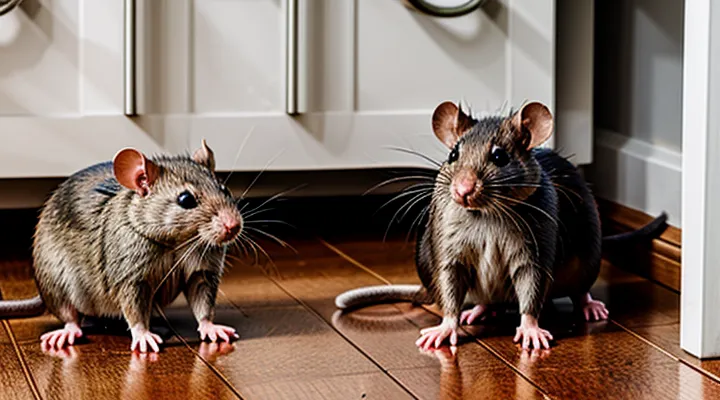
Understanding the Rat Problem
Identifying Signs of a Rat Infestation
Droppings and Urine Smells
Rats leave feces and urine that create strong odors and health hazards. Droppings contain pathogens such as Salmonella, Leptospira, and Hantavirus; inhalation of dried particles can cause respiratory illness. Urine stains release ammonia, intensifying the smell and attracting additional pests.
Identify contaminated zones by looking for dark, pellet‑shaped droppings (1‑2 cm long) and discolored surfaces. Use a flashlight to examine hidden areas behind appliances, in attics, and under cabinets. Record all locations before cleaning.
Cleaning protocol:
- Ventilate the room for at least 30 minutes; open windows and use fans.
- Wear disposable gloves, N‑95 respirator, and protective clothing.
- Moisten droppings with a 10 % bleach solution; avoid dry sweeping to prevent aerosolization.
- Scrub surfaces with the same bleach mixture, allowing a 10‑minute contact time.
- Rinse with clean water and dry thoroughly.
- Dispose of contaminated materials in sealed, double‑bagged waste; label as biohazard.
Odor elimination:
- Apply enzymatic cleaners that break down urine proteins; follow manufacturer’s dilution guidelines.
- Place activated charcoal or baking soda in the affected area for 24 hours to absorb residual smells.
- If the odor persists after cleaning, consider ozone treatment performed by a certified professional.
Prevent recurrence by sealing entry points, removing food sources, and maintaining regular inspections. Prompt removal of droppings and thorough deodorization are essential steps in restoring a safe, odor‑free home after a rodent intrusion.
Gnaw Marks and Damage
Rats leave distinctive gnaw marks that signal both current infestation and potential structural compromise. Identifying these signs early prevents escalation and guides effective eradication measures.
Typical gnaw patterns include:
- Parallel scratches on wood, plastic, or insulation, often ¼‑inch deep.
- Rounded holes in wires, piping, or cable bundles.
- Chewed corners of furniture, baseboards, and door frames.
Damage assessment should focus on three areas:
- Structural integrity – Examine load‑bearing beams, joists, and drywall for weakened sections that may require reinforcement.
- Electrical safety – Inspect exposed wiring for exposed conductors; replace or reroute compromised cables to eliminate fire hazards.
- Sanitation – Collect gnawed debris, urine stains, and droppings; disinfect surfaces to reduce disease transmission.
Remediation steps:
- Seal all entry points larger than a quarter inch; use steel wool, metal flashing, or cement‑based caulk.
- Replace or repair compromised materials; prioritize areas where gnaw marks intersect with utilities.
- Deploy bait stations or traps near identified gnaw sites; monitor daily and adjust placement based on activity patterns.
- Conduct a post‑removal inspection to verify that no new gnaw marks appear, confirming that the population has been eliminated.
Addressing gnaw marks directly cuts off the rats’ access to food, shelter, and nesting material, thereby accelerating the removal process and safeguarding the home’s structural and health conditions.
Strange Noises
Strange noises are often the first clue that rodents have entered a residence. Common sounds include scratching on walls or ceiling panels, scurrying within insulation, and high‑pitched squeaks heard at night. These noises typically occur behind closed surfaces, making visual confirmation difficult.
When such sounds are detected, follow these steps:
- Record the time and location of each noise to identify patterns.
- Inspect accessible areas—attics, crawl spaces, and wall voids—for entry points, droppings, or gnaw marks.
- Seal gaps larger than ¼ inch with steel wool and caulk, as rats can squeeze through smaller openings.
- Place snap traps or electronic traps along walls where noises are most frequent, positioning them perpendicular to the flow of traffic.
- Use motion‑activated ultrasonic devices as a supplemental deterrent, ensuring they are positioned near the source of the sound.
If noises persist after initial measures, consider hiring a professional pest‑control service to conduct a thorough inspection and apply targeted bait stations. Prompt response to auditory evidence prevents infestation growth and reduces damage to structural components.
Sightings
When rats enter a dwelling, the first indication of their presence is the sight of the animals themselves. Typical locations include kitchen countertops, pantry shelves, behind appliances, and in wall voids. Observations during daylight are rare; most encounters occur at dusk or during nighttime activities.
Common visual evidence of infestation includes:
- Live rodents moving along baseboards, under cabinets, or across floors.
- Droppings resembling small black grains, often found near food sources or nesting sites.
- Gnaw marks on wood, plastic, or wiring, indicating routes used for exploration.
- Grease or urine stains on surfaces, especially around food preparation areas.
Documenting each sighting—date, time, and exact location—helps track activity patterns. Frequent observations in the same area suggest an established pathway, while sporadic appearances may signal a transient presence. Accurate records enable targeted interventions, reducing the need for broad, indiscriminate measures.
Prompt response to sightings prevents population growth. Immediate actions involve sealing entry points, removing food attractants, and setting traps in identified hotspots. Continuous monitoring after treatment confirms the effectiveness of the removal strategy and ensures the home remains rat‑free.
Understanding Rat Behavior
Entry Points and Hiding Spots
Identifying how rodents gain access and where they nest is the first step in eliminating an infestation. Without blocking openings and removing shelter, any extermination effort will be short‑lived.
Common entry points include:
- Gaps around utility pipes, typically ¼‑inch or larger.
- Unsealed cracks in foundation walls, especially near basements.
- Openings beneath doors and windows, often hidden by weather‑stripping wear.
- Holes in roof eaves, soffits, and vent covers.
- Unscreened vents, dryer exhausts, and chimney flues.
Typical hiding spots inside a residence are:
- Attics, where insulation provides warmth and concealment.
- Wall cavities, especially behind drywall or paneling.
- Under floorboards and crawl spaces, offering darkness and proximity to food sources.
- Kitchen cabinets, pantry shelves, and behind appliances where crumbs accumulate.
- Storage boxes, cluttered closets, and piles of laundry that obscure movement.
To secure a home, inspect each potential opening, measure the size, and apply appropriate materials: steel wool, copper mesh, or concrete for small gaps; metal flashing or hardware cloth for larger holes. Replace worn door sweeps and install tight‑fitting screens on vents. In hidden spaces, remove debris, vacuum droppings, and consider using rodent‑proof containers for stored food. Regularly repeat the inspection after seasonal weather changes to ensure new breaches have not formed.
Food Sources and Attractants
Rats are attracted to any readily available food, so eliminating those sources is essential for rapid and effective rodent control in a residence. Secure all edible items in sealed containers; glass or heavy‑plastic jars with tight‑fitting lids prevent access. Remove pet food after each feeding and store it in the same manner. Clean spills and crumbs immediately, focusing on kitchen counters, dining tables, and floor edges. Dispose of garbage in containers with locking lids and take out waste regularly to avoid buildup.
Typical attractants include:
- Uncovered pantry shelves and open packages of grains, cereals, nuts, and dried fruit.
- Pet food left out overnight or stored in soft bags.
- Fruit bowls, vegetable scraps, and compost bins placed indoors.
- Birdseed, fish bait, and other outdoor feeding stations positioned near windows or doors.
- Grease, oil residues, and food‑preparation messes in the kitchen or garage.
Eliminate these items, maintain strict sanitation, and inspect storage areas weekly to deny rats any nutritional incentive. This systematic removal of food sources dramatically reduces the likelihood of infestation and supports swift eradication efforts.
Breeding Habits
Rats reproduce quickly; a single female can produce several litters each year, each containing up to a dozen offspring. Gestation lasts about 21–23 days, and sexual maturity is reached at 5–6 weeks, allowing populations to expand dramatically within months.
Breeding occurs in concealed locations that provide warmth, protection, and easy access to food and water. Typical sites include wall voids, attic insulation, under appliances, and cluttered storage areas. Females construct nests from shredded material, often near sources of moisture.
Key behaviors that sustain rapid growth:
- Nocturnal activity; most breeding and foraging happen after dark.
- Aggressive territorial marking; scent trails guide mates and defend nesting zones.
- High reproductive turnover; females can become pregnant again within hours of giving birth.
- Preference for warm, humid microclimates; temperatures between 20 °C and 30 °C accelerate development.
Effective removal strategies must interrupt these cycles. Identify and seal entry points, eliminate hidden nesting habitats, and reduce food and water availability. Conduct inspections during the early evening when rats are most active to locate fresh droppings, gnaw marks, and nest material. Apply traps or baits promptly after disrupting nests to prevent new litters from emerging. Regular sanitation and structural repairs sustain long‑term control by removing the conditions that support breeding.
Immediate Actions for Rat Removal
Securing the Home
Sealing Entry Points
Sealing entry points stops rats from re‑entering a house and is essential for lasting control. Begin with a thorough inspection of the building envelope. Examine walls, foundations, roofs, and utility penetrations for holes larger than ¼ inch. Pay special attention to:
- Gaps around pipes, cables, and vents
- Openings beneath doors and windows
- Cracks in brickwork, siding, and foundation slabs
- Unfinished attic or crawl‑space vents
Repair methods depend on material and size. Use steel wool or copper mesh to fill small openings, then cover with caulk or expanding foam for airtight sealing. For larger gaps, install metal flashing, concrete patch, or hardware cloth (minimum ½ inch mesh). Apply weather‑resistant sealant around doors and windows, and install door sweeps that close flush with the floor.
Maintain the barrier by regularly checking for new damage caused by settling, weather, or pest activity. Replace worn seals promptly and reinforce vulnerable areas after renovations. Consistent upkeep prevents future infestations and supports an effective rodent‑removal strategy.
Eliminating Food and Water Sources
Secure food and water are the most compelling attractants for rodents. Removing them cuts the primary incentive for rats to enter or remain in a residence.
- Store dry goods in airtight containers made of metal or heavy‑wall plastic; avoid cardboard boxes that can be chewed through.
- Keep countertops, tables, and floors free of crumbs; wipe surfaces after each meal, and sweep under appliances where debris accumulates.
- Dispose of kitchen waste daily in bins equipped with tight‑fitting lids; cleanse the interior of trash cans regularly to eliminate residues.
- Relocate pet feeding stations to areas inaccessible to rodents; remove uneaten food after each feeding session and store dry pet food in sealed containers.
- Eliminate standing water by fixing leaky pipes, dripping faucets, and condensation on cold surfaces; dry sinks, bathtubs, and basins before leaving the house.
- Empty bird feeders and outdoor pet water dishes at night; store them indoors or use designs that prevent leakage onto the ground.
- Inspect and seal gaps around utility lines, vents, and under doors where water or food sources might seep into hidden spaces.
Consistently applying these measures deprives rats of nourishment, forces them to seek alternative habitats, and accelerates their departure from the home environment.
Decluttering and Cleaning
Removing rodents from a residence requires eliminating the conditions that attract them. Excess clutter provides hiding places, while dirt and food residues supply nourishment. Reducing these factors shortens the time needed to eradicate the infestation.
Begin by clearing all unnecessary items from storage areas, basements, and attics. Store only essential belongings in sealed containers. Dispose of broken furniture, piles of newspapers, and unused fabrics that could harbor nests.
Next, conduct a thorough cleaning routine:
- Sweep floors, vacuum carpets, and mop surfaces to remove droppings and crumbs.
- Wipe countertops, cabinets, and appliance exteriors with a disinfectant solution.
- Empty trash bins daily, replace liners, and keep lids tightly sealed.
- Clean pet feeding stations after each meal, and store pet food in airtight containers.
- Inspect and clean behind appliances, under sinks, and inside closets where debris may accumulate.
Finally, maintain the cleared environment by performing weekly inspections, promptly repairing water leaks, and ensuring doors and windows close securely. Consistent decluttering and sanitation create an inhospitable setting for rats, accelerating their removal and preventing future invasions.
Trapping Strategies
Choosing the Right Traps
Selecting the appropriate trap determines the speed and safety of rat eradication in a residence. Different designs address varying infestation levels, structural constraints, and homeowner preferences.
- Snap traps: mechanical, immediate kill, reusable, require precise bait placement.
- Electronic traps: deliver lethal voltage, contain carcass, reduce exposure to pathogens.
- Live‑catch traps: capture without killing, allow relocation, demand prompt release to prevent stress.
- Adhesive boards: immobilize, suited for minor sightings, pose hygiene concerns and limited effectiveness for large rodents.
Effective trap selection depends on several factors:
- Target size – choose a model that accommodates adult rat dimensions (approximately 9–12 inches body length).
- Placement feasibility – snap and electronic traps fit in tight wall cavities; live‑catch traps need larger openings.
- Bait compatibility – peanut butter, dried fruit, or meat work across most designs; avoid strong scents that repel.
- Safety considerations – ensure traps are inaccessible to children and pets; opt for enclosed mechanisms when risk is high.
- Local regulations – some jurisdictions restrict live‑catch or glue devices; verify compliance before purchase.
Placement guidelines enhance trap performance:
- Position devices along walls, behind appliances, and near known gnaw marks, as rats travel close to surfaces.
- Install at a height of 2–4 inches above the floor, matching typical rat runways.
- Space multiple traps 5–10 feet apart in heavily infested zones to increase capture probability.
Routine maintenance sustains effectiveness:
- Inspect traps daily; remove captured rodents promptly to prevent odor attraction.
- Reset or replace bait after each capture to maintain lure potency.
- Clean surrounding area with disinfectant to eliminate scent trails that may deter further activity.
Choosing the right trap type, aligning it with environmental constraints, and following disciplined placement and upkeep practices result in rapid, humane, and reliable rat removal from a private dwelling.
Proper Trap Placement
Place traps where rats travel most often. Identify active runways by observing droppings, gnaw marks, and grease lines along walls, behind appliances, and near food storage. Position traps perpendicular to these paths, with the entry side facing the wall, so rodents must run into the bait rather than bypass it.
Secure traps on a stable surface. Use a small amount of peanut butter, dried fruit, or a piece of meat as bait, placing it at the far end of the trigger mechanism to ensure the rat reaches the trigger before feeding. Avoid over‑baiting; excess food can allow the animal to eat without activating the trap.
Select trap type appropriate to the location. Snap traps work best in confined spaces such as closets or under sinks, while live‑capture cages suit areas where removal without killing is preferred. Ensure the trap size matches the target rodent; a standard 4‑inch snap trap captures adult rats effectively.
Check traps regularly, at least twice daily. Remove captured rats promptly to prevent scent buildup, which can deter further activity. Reset traps with fresh bait after each capture, and rotate placement if activity declines in a given spot.
Maintain a clear perimeter around each trap. Keep cords, wires, and decorative items away from the trigger area to prevent accidental activation or obstruction. Seal gaps larger than ½ inch in walls, floors, and foundations to limit re‑entry after traps have cleared the infestation.
Baiting Techniques
Baiting remains one of the most direct methods for eliminating rats from a residence. Effective bait selection, placement, and monitoring determine the speed and completeness of control.
- Choose anticoagulant blocks or zinc phosphide pellets that match the target species’ feeding habits.
- Pre‑bait the area with non‑lethal food for three to five days to establish a foraging pattern, then replace with lethal bait.
- Position bait stations near walls, behind appliances, and in concealed corners where rats travel.
- Use tamper‑resistant containers to protect children, pets, and non‑target wildlife.
- Rotate bait types every two weeks to prevent bait aversion.
Place stations at a height of 4–6 inches above the floor, aligning with the rat’s natural runways. Secure each station to prevent displacement by wind or accidental contact. Record the exact locations and dates of placement to facilitate systematic inspection.
Inspect stations daily for signs of activity. Remove and replace any consumed or contaminated bait promptly. Dispose of dead rodents in sealed bags, following local health regulations, to avoid secondary poisoning and disease spread.
Consistent monitoring, combined with proper bait rotation and secure placement, yields rapid reduction of the rat population and minimizes the likelihood of reinfestation.
Humane Trapping Methods
Humane traps provide a safe, non‑lethal solution for removing rats from a residence while preventing collateral damage to pets and family members. These devices capture rodents alive, allowing release at a suitable distance from the home.
- Live‑catch cage traps – sturdy metal or plastic enclosures with a trigger mechanism; place near walls, behind appliances, or along known runways. Check traps at least twice daily to avoid stress or dehydration of captured animals.
- Multi‑catch retractable traps – feature a spring‑loaded door that closes automatically after each capture; ideal for high‑traffic areas such as basements or garages. Empty the collection chamber regularly and reset the trigger.
- Bucket‑and‑ladder traps – a simple construct using a narrow ladder leading to a baited platform over a bucket; once the rat climbs, the platform tips, dropping the rodent into the container. Ensure the bucket contains a soft lining to reduce injury.
- Electronic humane traps – emit a low‑frequency pulse that incapacitates the rat briefly, allowing it to be moved without harm. Follow manufacturer guidelines for power source and placement.
Key practices for successful humane trapping:
- Identify activity zones – locate droppings, gnaw marks, and fresh tracks; position traps along these paths.
- Choose appropriate bait – use high‑protein foods such as peanut butter, dried fruit, or small pieces of cooked meat; replace stale bait promptly.
- Seal entry points – after each capture, block holes and cracks with steel wool, caulk, or metal mesh to prevent re‑entry.
- Release protocol – transport captured rats at least 2 miles away from the property; release in a wooded or agricultural area with adequate cover.
By deploying these humane trapping methods correctly, homeowners can eliminate rat infestations quickly, maintain a safe environment, and uphold ethical standards for pest control.
Lethal Trapping Methods
Lethal trapping provides the fastest reduction of a rat infestation inside a residence. The method eliminates pests directly, preventing further breeding and damage.
- Snap traps – spring‑loaded devices that kill with a single strike. Place them perpendicular to walls, with the trigger end facing the mouse’s travel path.
- Electronic traps – battery‑powered units deliver a high‑voltage shock. Position them in high‑traffic zones; they require minimal handling after each kill.
- Kill‑glue boards – adhesive surfaces coated with a toxic bait. Rats become immobilized and die from exposure. Use only where children and pets cannot reach the board.
Effective placement follows three principles: locate traps along walls, target known runways, and set multiple devices concurrently. Check traps at least twice daily; replace bait or reset mechanisms promptly.
Observe local regulations concerning lethal pest control. Wear gloves when handling traps, and keep tools out of reach of non‑target animals. After capture, transfer the carcass to a sealed bag and dispose of it according to municipal waste guidelines.
Regular sanitation—sealing entry points, storing food in airtight containers, and removing clutter—prevents re‑infestation and maximizes the impact of lethal traps.
Using Baits and Repellents
Understanding Rodenticides
Rodenticides are chemical agents designed to control rat populations by interfering with vital physiological processes. They fall into two main categories: anticoagulants and non‑anticoagulants. Anticoagulants, such as bromadiolone and difenacoum, prevent blood clotting, leading to internal hemorrhage after several days of ingestion. Non‑anticoagulants include bromethalin, which disrupts cellular energy production, and zinc phosphide, which releases phosphine gas in the stomach.
When selecting a rodenticide, consider the following factors:
- Target species and size of the infestation.
- Presence of children, pets, or non‑target wildlife.
- Duration of action required; some products act quickly, others provide delayed mortality to reduce bait avoidance.
- Local regulations governing purchase, labeling, and disposal.
Proper placement of bait stations maximizes effectiveness while minimizing risk. Bait should be concealed in tamper‑proof containers, positioned along walls, behind appliances, and near known runways. Rotate bait locations periodically to prevent habituation. Record the type of product, concentration, and placement date for future reference and compliance verification.
Safety protocols are essential. Wear disposable gloves when handling rodenticides, avoid direct skin contact, and wash hands thoroughly after use. Store unused product in its original container, locked away from unauthorized access. In the event of accidental exposure, seek immediate medical attention and provide the product’s safety data sheet to professionals.
Disposal of dead rodents and residual bait must follow municipal guidelines. Do not place carcasses in regular trash; instead, use sealed bags or designated biohazard containers. Empty bait stations after the infestation is resolved, and clean the area with a mild detergent to remove any lingering residues.
Understanding the mode of action, regulatory constraints, and safe application practices enables homeowners to employ rodenticides as a controlled component of an integrated pest‑management strategy, reducing rat activity efficiently and responsibly.
Natural Repellents
Rats avoid strong scents, volatile compounds, and uncomfortable textures. Deploying natural deterrents can reduce infestations without chemicals.
- Peppermint oil – Apply 10–15 drops on cotton balls, place them in attic corners, behind appliances, and near entry points. Refresh weekly; the volatile menthol vapour irritates rodent olfactory receptors.
- Eucalyptus oil – Similar to peppermint, dilute 5 ml in 100 ml water, spray along baseboards and crawl spaces. The phenolic compounds repel and mask food odors.
- Clove oil – Mix 1 teaspoon with 1 cup water, soak rags, and tuck them in wall voids. Eugenol disrupts nerve signaling in rodents.
- Ammonia – Soak small containers in ammonia solution and position them away from children and pets. The sharp ammonia fumes create an inhospitable environment.
- Mothballs (naphthalene or paradichlorobenzene) – Place sealed sachets in concealed areas. The sublimating crystals emit vapours toxic to rats; use sparingly and avoid direct contact with food storage.
- Cedar shavings – Spread a thin layer in closets, basements, and under furniture. The natural resin deters gnawing and nesting.
- Hot pepper flakes or powder – Sprinkle around holes and near garbage bins. Capsaicin causes irritation to the mucous membranes of rodents.
Effectiveness depends on proper placement, regular renewal, and sealing of structural gaps. Combine repellents with physical exclusion—install steel mesh, repair cracks, and eliminate food sources—to achieve rapid and lasting control.
Professional-Grade Baits
Professional‑grade rodent baits provide the fastest, most reliable method for eliminating rats in a residential setting. These products contain high concentrations of anticoagulant or neurotoxic active ingredients, formulated to attract rats through palatable matrices such as grain, peanut butter, or fish oil. The potency ensures that a single ingested dose delivers a lethal effect within 24–48 hours, reducing the need for repeated applications.
Key characteristics of professional baits include:
- Regulated active ingredients – EPA‑approved compounds with documented efficacy against Rattus norvegicus and Rattus rattus.
- Enhanced attractants – Proprietary flavor blends that outcompete natural food sources.
- Secure bait stations – Tamper‑resistant containers that protect children, pets, and non‑target wildlife while maintaining bait integrity.
- Long‑lasting stability – Formulations resistant to moisture, temperature fluctuations, and degradation for up to 12 months in storage.
Effective deployment follows a systematic approach:
- Identify high‑traffic rat pathways: near walls, behind appliances, in attics, and along utility lines.
- Place bait stations at 1–2 meter intervals along these routes, ensuring the bottom of each station is flush with the floor to prevent avoidance.
- Monitor stations daily for consumption and replace any emptied or compromised units.
- After a 5‑day period of confirmed activity, remove all stations, clean the area, and seal entry points to prevent re‑infestation.
Safety considerations are mandatory. Wear disposable gloves when handling baits, avoid direct skin contact, and store unused product in its original sealed container. Follow label instructions regarding dosage limits and disposal procedures to comply with local regulations.
When integrated with thorough sanitation and exclusion measures, professional‑grade baits achieve rapid population reduction, minimizing damage to property and health risks associated with rat activity.
Long-Term Prevention and Maintenance
Ongoing Home Maintenance
Regular Inspections
Regular inspections are essential for maintaining a rat‑free household. By systematically checking vulnerable areas, homeowners can detect early signs of infestation, such as gnaw marks, droppings, or nesting material, before populations expand.
Key actions during each inspection:
- Examine entry points around doors, windows, and utility penetrations; seal gaps larger than ¼ inch.
- Inspect food storage zones for spills, unsecured containers, and crumbs; clean and organize immediately.
- Look under appliances, inside cabinets, and within wall voids for droppings, urine stains, or gnaw marks.
- Verify that trash receptacles have tight‑fitting lids and are emptied regularly.
- Use motion‑activated cameras or bait stations to monitor activity between inspections.
Conduct inspections weekly for the first month after any control measures, then reduce to bi‑weekly for six months, and finally to monthly maintenance. Document findings, repair actions, and any recurrence to ensure consistent progress toward eliminating rodents from the residence.
Sealing New Gaps
Sealing newly created openings is essential for preventing rats from re‑entering a home after an initial removal. Begin by conducting a thorough walk‑through of each room, attic, basement, and exterior wall to locate fresh cracks, gaps around plumbing, vents, and utility penetrations. Use a flashlight to examine dark corners and a mirror to view concealed areas.
- Apply steel wool or copper mesh to gaps larger than a quarter‑inch before covering with caulk or expanding foam.
- Install metal flashing around pipe entries, HVAC ducts, and cable conduits; secure with screws and sealant.
- Replace damaged weatherstripping on doors and windows; ensure a tight fit when closed.
- Fill foundation cracks with hydraulic cement; allow proper curing time before applying a protective sealant.
After repairs, perform a final inspection to verify that no openings exceed the size of a pencil eraser. Schedule periodic checks, especially after seasonal weather changes, to maintain a barrier that blocks future rodent intrusion.
Landscaping Considerations
Landscaping directly influences rodent activity around a residence. Overgrown plants, dense ground cover, and improperly stored waste create shelters and food sources that attract rats, making eradication inside the house more difficult.
Maintain clear boundaries between garden beds and the building’s foundation. Trim shrubs and vines at least twelve inches from walls, remove low‑lying branches, and keep grass cut to a uniform height. Regular pruning eliminates climbing routes and reduces hiding places.
Select ground materials that discourage burrowing. Replace thick layers of mulch with coarse gravel or stone near the perimeter, and avoid deep wood chips that retain moisture. Store compost in sealed containers; keep it away from the house and turn it frequently to prevent rodent habitation.
Manage external structures that could serve as entry points. Keep firewood stacked off the ground and covered with a waterproof tarp. Eliminate piles of leaves, debris, or garden waste that provide nesting material. Install a solid barrier—metal or concrete—between the soil and any raised beds or fences.
Key landscaping actions:
- Trim vegetation to create a minimum twelve‑inch gap from the exterior walls.
- Replace deep mulch with coarse, non‑organic ground cover near the foundation.
- Store compost and firewood in sealed, elevated containers.
- Remove all debris, leaf litter, and standing water from the property.
- Install physical barriers to prevent rats from climbing or burrowing.
Implementing these measures reduces the likelihood of rats entering the home, supporting rapid and lasting control of the infestation.
Professional Pest Control
When to Call an Expert
Rats that have established a presence in a residence often become difficult to eradicate with DIY methods alone. Professional intervention should be considered under the following conditions:
- Evidence of large or multiple nests, indicating a breeding population that exceeds the capacity of traps or bait stations.
- Continuous activity despite consistent use of approved rodenticides and mechanical controls.
- Signs of structural damage, such as gnawed wiring, insulation, or building components, posing safety hazards.
- Presence of disease‑related concerns, for example, droppings in food preparation areas or high‑traffic zones.
- Legal or insurance requirements that mandate certified pest‑management services for liability reasons.
- Lack of access to appropriate equipment, including sealed bait stations, ultrasonic devices, or specialized exclusion tools.
When any of these factors are observed, contacting a licensed pest‑control professional ensures that eradication follows regulatory standards, minimizes health risks, and prevents recurrence. Prompt expert assessment reduces the likelihood of extensive property damage and protects occupants from potential health threats.
What to Expect from a Professional Service
Professional rat‑removal services begin with a thorough inspection of all interior and exterior access points. Inspectors identify nesting sites, droppings, gnaw marks, and structural vulnerabilities. The findings produce a written report that includes:
- Specific species identified
- Estimated infestation level
- Recommended control methods
- Estimated timeline for eradication
After approval, technicians deploy an integrated approach. It typically combines bait stations, traps, and sealing of entryways. All products used comply with local health regulations and are placed to minimize risk to residents, pets, and food storage areas.
Clients receive a detailed work schedule. The schedule outlines:
- Date and time of initial treatment
- Duration of each visit
- Expected milestones (e.g., bait placement, trap monitoring, entry‑point sealing)
Follow‑up visits are scheduled to verify success. During each visit, technicians remove captured rodents, replenish bait, and inspect sealed openings. A final inspection confirms the absence of activity before the service is closed.
Professional providers offer written guarantees. Guarantees specify a period during which any recurrence triggers free re‑treatment. They also include advice on sanitation and preventive measures to discourage future invasions.
Cost estimates are presented up front. The estimate breaks down labor, materials, and any additional services such as structural repairs or deep‑cleaning of contaminated areas. Transparent pricing eliminates surprise charges.
Overall, a professional rat‑control service delivers a systematic, regulated, and accountable process that removes the infestation efficiently while protecting health and property.