
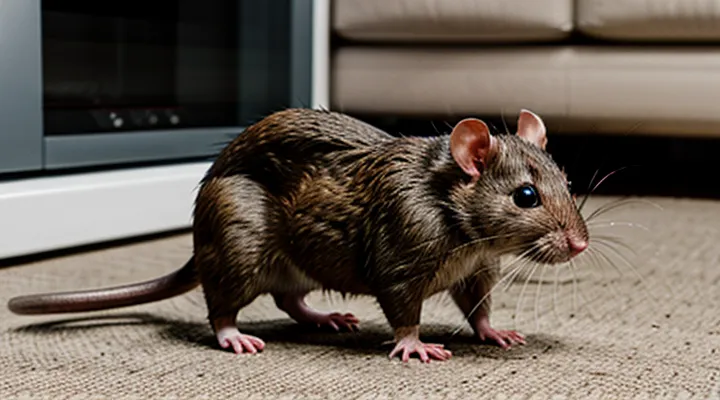
Understanding the Rat Problem
Signs of a Rat Infestation
Droppings and Urine Trails
Rat droppings and urine trails provide the most reliable indicators of activity and the optimal placement for traps. Fresh droppings appear as small, dark, rice‑shaped pellets, typically found along walls, near food sources, and in concealed corners. A cluster of three or more pellets signals a high‑traffic corridor. Urine trails manifest as darkened surfaces or a faint, musky odor; they often accompany droppings and can be detected with a blacklight, which causes fresh urine to fluoresce.
To translate these signs into an effective capture strategy, follow these steps:
- Locate all droppings clusters and urine streaks. Use a disposable glove and a damp paper towel to confirm freshness; wet droppings will darken further.
- Map the identified points on a simple floor plan, drawing lines between clusters to reveal the rat’s preferred routes.
- Position snap or live‑catch traps directly in the middle of each identified route, aligning the trigger mechanism with the direction of the urine trail.
- Apply a small amount of fresh droppings or urine onto the trap’s bait platform. The scent reinforces the trap’s appeal and encourages immediate investigation.
- Check traps at least twice daily. Replace bait and reposition traps if no activity is recorded for 24 hours.
Cleaning after trap deployment eliminates residual scent that could deter remaining rodents. Use a bleach solution (1 part bleach to 10 parts water) to disinfect surfaces where droppings or urine were found, then allow thorough drying before resealing entry points. This systematic use of droppings and urine trails maximizes capture efficiency while minimizing unnecessary exposure to rodent waste.
Gnaw Marks and Damage
Rats leave unmistakable evidence through their constant chewing, and recognizing these signs is essential for any effective home‑based control plan. Their incisors can cut through wood, plastic, and wiring, creating damage that not only confirms an infestation but also guides trap placement.
Typical gnaw damage includes:
- Chewed edges on baseboards, cabinets, and furniture legs.
- Exposed or frayed electrical cords, often near outlets.
- Holes in drywall or insulation, especially around concealed spaces.
- Shredded packaging, paper, or fabric near food storage areas.
Inspecting these areas provides a map of the rodent’s pathways. Begin at suspected entry points, follow the direction of fresh gnaw marks, and note the size of the bite—rat incisors leave holes roughly ¼ inch in diameter. Freshness can be judged by the presence of reddish tissue or clean, smooth edges, whereas older damage shows discoloration and splintered material.
Using the damage pattern to position traps maximizes success. Place snap or electronic devices directly behind active chew sites, ensuring the bait is within a few centimeters of the gnawed edge. For wiring damage, secure the area with protective tubing before setting a trap to prevent accidental contact. In locations where gnaw marks are dense, deploy multiple traps in a line to increase capture probability.
Regular monitoring of gnaw marks allows rapid adjustment of trap locations. Replace or relocate devices if marks shift, indicating a change in the rat’s route. Promptly repairing chewed structures eliminates shelter and reduces the likelihood of repeat activity.
Unusual Noises
Unusual noises often provide the first reliable clue that a rodent is present inside a residence. Rats generate distinct sounds that differ from common household creaks, allowing swift identification and targeted removal.
Typical auditory indicators include:
- Scratching on walls, ceilings, or stored boxes, especially during nighttime when the animal is most active.
- High‑pitched squeaking or chattering, usually heard near concealed entry points such as gaps under doors or vents.
- Soft thumping or pattering when the creature moves through insulation, crawl spaces, or stored items.
- Wet, slurping noises produced while drinking from sinks, pet water bowls, or leaking pipes.
Each sound conveys specific location information. For example, consistent scratching behind a pantry door suggests nesting activity, while intermittent thumping in the attic points to travel routes. Recognizing the pattern helps narrow the search area, reducing the time needed to set traps.
Effective response steps:
- Isolate the source by listening from multiple positions to triangulate the noise.
- Seal all obvious entry points in the identified zone to prevent escape.
- Place snap or live‑catch traps directly along the rodent’s travel path, aligning with the direction of the sounds.
- Use a small amount of attractive bait—peanut butter, dried fruit, or meat scraps—near the trap’s trigger mechanism.
- Check traps after each night, repositioning them if noise persists in a different location.
By treating unusual auditory signals as precise indicators rather than vague disturbances, homeowners can eliminate a rat problem quickly and with minimal effort.
Why Rats are a Problem
Health Risks and Diseases
Rats carry a wide range of pathogens that can infect humans through direct contact, bites, scratches, or contamination of food and surfaces. Exposure to rodent droppings, urine, or saliva introduces bacteria, viruses, and parasites into the household environment, creating immediate and long‑term health threats.
Common diseases transmitted by rats include:
- Leptospirosis – bacterial infection acquired from urine; symptoms range from fever and muscle pain to kidney failure.
- Hantavirus pulmonary syndrome – inhalation of aerosolized droppings or urine; leads to severe respiratory distress and can be fatal.
- Salmonellosis – ingestion of food contaminated by feces; causes gastrointestinal cramps, diarrhea, and fever.
- Rat‑bite fever (Streptobacillus moniliformis infection) – results from bites or scratches; produces fever, rash, and joint pain.
- Lymphocytic choriomeningitis virus (LCMV) – transmitted through contaminated secretions; may cause meningitis, encephalitis, or flu‑like illness.
- Typhus (Rickettsia typhi) – spread by fleas that infest rats; leads to high fever, headache, and rash.
- Ectoparasite infestations – fleas, mites, and ticks can bite humans, serving as vectors for additional diseases.
Inhalation of dried rodent droppings releases microscopic particles that settle deep in the lungs. Prompt ventilation and protective equipment reduce this risk during trap placement or cleanup. Wearing gloves and masks while handling traps, disposing of carcasses, or sanitizing contaminated areas prevents skin exposure and accidental ingestion.
Decontamination protocols require thorough disinfection of surfaces with bleach solutions (1 part bleach to 10 parts water) after any rat activity. Food storage must be sealed, and waste containers should be tightly covered to eliminate attractants. Regular inspection of entry points and immediate sealing of gaps limit future infestations, thereby decreasing disease exposure.
Failure to address these health hazards can result in acute illness, chronic conditions, or severe outbreaks within a household. Implementing strict hygiene measures alongside effective trapping strategies safeguards occupants from the full spectrum of rodent‑borne threats.
Property Damage
Rats cause extensive property damage that can compromise the safety and value of a home. Their gnawing habit weakens structural components, including wooden beams, drywall, and insulation. Damage to electrical wiring creates fire hazards and may lead to costly repairs. Contamination of food stores, countertops, and surfaces results in waste and potential health violations. Water pipes, especially soft copper or PVC, are vulnerable to bite marks, causing leaks and mold growth.
Key damage categories:
- Structural erosion: gnawed wood, plaster, and support beams.
- Electrical impairment: chewed cords, exposed wires, increased fire risk.
- Plumbing degradation: punctured pipes, water damage, mold development.
- Food and surface contamination: droppings, urine, bacterial spread.
Prompt removal of the rodent reduces the duration of exposure, limiting the extent of deterioration. Effective control measures include:
- Inspecting hidden areas such as attics, basements, and crawl spaces for fresh gnaw marks.
- Sealing entry points with steel wool and caulk to prevent re‑entry.
- Deploying snap traps or electronic devices in identified activity zones.
- Monitoring trapped locations daily, disposing of carcasses securely, and sanitizing the area with a bleach solution.
Implementing these steps quickly curtails ongoing damage, preserves structural integrity, and protects the homeowner’s investment.
Preparation and Safety
Essential Supplies
Traps: Types and Considerations
Choosing the appropriate device is the first decisive step when trying to eliminate a rodent problem inside a residence. Different trap models target specific behaviors and environments; selecting the right one reduces effort and increases success rates.
- Snap traps: metal jaws deliver an instantaneous kill, ideal for high‑traffic pathways. Require careful placement to avoid accidental triggering by humans or pets.
- Live‑catch cages: enclosed chambers capture the animal unharmed, allowing relocation. Effective when humane handling is a priority, but demand frequent monitoring to prevent stress.
- Glue boards: adhesive surfaces immobilize the rodent. Useful in concealed areas such as wall voids, yet present ethical concerns and risk of non‑target captures.
- Electronic traps: powered plates deliver a rapid electric shock. Provide a clean kill and easy disposal, but depend on reliable electricity and may be costlier.
When deploying any device, consider the following factors:
- Placement accuracy: position traps perpendicular to walls, with the entry side facing the mouse’s natural travel route.
- Bait selection: use high‑protein foods (peanut butter, cooked meat) or strong scents to entice the rat. Rotate bait types if capture stalls.
- Safety measures: secure traps out of reach of children and domestic animals, and wear gloves when handling captured specimens.
- Maintenance routine: inspect traps daily, replace bait, and reset or dispose of catches promptly to maintain effectiveness.
- Legal and ethical constraints: verify local regulations regarding live capture and disposal methods to avoid penalties.
Implementing these guidelines streamlines the process, ensuring rapid and reliable removal of unwanted rodents from the home environment.
Bait: Effective Choices
Choosing the right bait determines the success of a home rat trap. Effective attractants share strong odor, high fat content, and easy accessibility for the rodent.
- Peanut butter: dense, aromatic, adheres to trap mechanisms, remains appealing for several days.
- Bacon or cooked sausage: rich protein and fat emit a powerful scent that rats cannot ignore.
- Sunflower seeds (shelled): small size fits most traps, natural taste encourages quick bites.
- Cheese (hard varieties): strong flavor, low moisture reduces spoilage risk.
- Fruit mash (banana or apple): sweet and moist, suitable for traps placed near kitchen waste.
Apply a thin layer of the selected bait to the trigger area, ensuring the rat must contact the mechanism to obtain it. Rotate bait types every few days to prevent habituation. Store unused bait in airtight containers to preserve potency and avoid attracting other pests.
Safety Gear
When attempting to capture a rodent inside a residence, personal protection prevents disease transmission, injuries from bites, and exposure to traps’ mechanisms.
Essential safety equipment includes:
- Thick‑walled rubber or nitrile gloves that cover the wrist and forearm.
- Disposable coveralls or a full‑body apron made of impermeable material.
- Protective eyewear with side shields to block splashes.
- Respirator or dust mask rated N95 or higher for aerosolized contaminants.
- Sturdy, closed‑toe shoes with slip‑resistant soles.
- Long‑sleeved shirt and pants to minimize skin exposure.
Apply each item before handling traps or the animal. Verify glove integrity, replace damaged garments, and dispose of single‑use components after each capture. Clean reusable gear with a disinfectant solution, rinse thoroughly, and store in a sealed container to maintain effectiveness for future use.
Prioritizing Safety
Protecting Children and Pets
When setting traps for a house‑bound rodent, prioritize barriers that prevent accidental contact by children and pets. Choose devices that activate only when a specific weight threshold is exceeded, such as snap traps calibrated for adult rats but too heavy for a small child’s hand or a pet’s paw.
Select bait locations out of reach of curious youngsters and animals. Place traps inside cabinets, behind appliances, or on elevated surfaces where only an adult can safely access them. Secure loose cords and wires that might attract pets, and keep all trapping equipment locked away when not in use.
Implement the following safety checklist:
- Use enclosed snap traps or electronic models that contain the kill mechanism.
- Position traps on shelves at least 3 feet above floor level.
- Store extra traps in a locked container.
- Inspect the area daily; remove captured rodents promptly.
- Dispose of dead rats in sealed bags, then place in an outdoor waste bin.
Maintain a clean environment to reduce attractants. Remove food scraps, seal garbage, and repair cracks that allow rodent entry. A controlled, well‑managed approach eliminates the need for hazardous, improvised methods and safeguards vulnerable household members.
Handling Rats Safely
When attempting to trap a rat inside a residence, personal safety must be the first priority. Wear thick, puncture‑resistant gloves, a disposable mask, and long sleeves to prevent scratches and exposure to droppings that can carry disease. Use sealed containers for any captured animal to avoid accidental release.
Prepare the trapping area by removing food sources, sealing gaps, and placing baited traps where rodent activity is evident. Follow these steps:
- Select a snap or live‑catch trap rated for rats; avoid improvised devices that can fail or cause injury.
- Attach a piece of cheese, peanut butter, or dried fruit to the trigger mechanism.
- Position the trap against a wall, perpendicular to the rodent’s usual path.
- Set the trap just before dusk; rats are nocturnal and more likely to engage at night.
- Check the trap every 30 minutes; do not leave a live rat unattended for extended periods.
After a rat is secured, handle the trap with gloved hands, place it in a heavy‑duty bag, and seal it tightly. Dispose of the animal according to local regulations—typically by placing the bag in a trash container that is emptied promptly. Clean the trap with a disinfectant solution before storage or reuse. These precautions minimize health risks while ensuring efficient removal of the pest from the home.
Effective Rat Trapping Strategies
Setting Up Traps
Strategic Placement
Strategic placement determines whether a trap will intercept a rat’s regular routes. Identify high‑traffic zones such as along walls, behind appliances, near food storage, and in dark corners. Position traps perpendicular to these paths, with the trigger end facing the wall so the rat must run into it. Ensure the trap is stable; a wobbling device can alert the animal and cause avoidance.
Key considerations for optimal placement:
- Locate traps near signs of activity (droppings, gnaw marks, burrow entrances).
- Space multiple traps 2–3 feet apart along a single runway to increase capture probability.
- Use separate bait stations for each trap; keep bait fresh and secure to prevent spillage.
- Avoid areas with high human traffic to reduce accidental triggers.
- Rotate trap locations after each capture attempt to prevent rats from learning trap patterns.
Implementing these tactics maximizes the likelihood of a swift and effective home rat removal.
Proper Baiting Techniques
Effective baiting begins with selecting attractants that match a rat’s diet preferences. Peanut butter, dried fruit, and small pieces of bacon provide strong olfactory cues; combine a fatty component with a sweet element to increase appeal. Use a minimal amount—about a teaspoon per trap—to prevent spillage and maintain focus on the target area.
Placement determines success. Position baited traps along established run lines, typically within 12–18 inches of walls, behind appliances, and near concealed entry points. Secure the bait to the trigger mechanism to avoid premature dislodgement. Ensure traps are set on flat surfaces; uneven flooring reduces activation reliability.
Timing influences capture rates. Deploy traps in the evening when rats are most active; check and reset them at dawn. Replace bait daily to preserve freshness and scent strength. Rotate bait types weekly to prevent habituation and maintain curiosity.
Safety considerations include wearing disposable gloves when handling bait to avoid contaminating the environment with human scent. Store unused bait in sealed containers away from children and pets. Dispose of captured rodents according to local regulations, using sealed bags to prevent secondary infestations.
A concise checklist for proper baiting:
- Choose high‑fat, sweet, or protein‑rich bait.
- Apply ≤1 tsp per trap, affixed securely.
- Locate traps along wall edges and known pathways.
- Set traps on level ground, away from disturbances.
- Deploy in the early evening; inspect each morning.
- Refresh bait daily; rotate varieties weekly.
- Wear gloves; store bait safely; dispose of catches responsibly.
Types of Traps and Their Use
Snap Traps: The Traditional Method
Snap traps are a long‑standing device for rodent control, relying on a spring‑loaded bar that delivers an instantaneous strike when the baited trigger is disturbed. The mechanism requires no electricity and functions reliably in a variety of indoor environments.
Key benefits include:
- Immediate kill, preventing prolonged suffering and reducing the chance of disease transmission.
- Low cost; a pack of ten traps typically costs less than a few dollars.
- Simple maintenance; the only consumable is the bait and the trap itself.
Effective deployment follows a concise sequence:
- Choose a location where rat activity is observed—near walls, behind appliances, or along known runways.
- Secure the trap on a flat surface, ensuring the trigger plate faces the expected direction of approach.
- Apply a small amount of attractive bait, such as peanut butter or dried fruit, to the trigger platform.
- Set the spring mechanism according to the manufacturer’s instructions, testing the trigger to confirm sensitivity.
- Check the trap at regular intervals, typically every few hours, and replace bait if necessary.
When a rat is captured, wear disposable gloves, carefully lift the trap, and place the dead rodent in a sealed bag for disposal in an outdoor trash container. Reset the trap promptly if further capture is required, and store unused traps out of reach of children and pets.
Live Traps: Humane Solutions
Live traps provide a humane alternative for homeowners seeking to remove rats without lethal methods. The device captures the animal intact, allowing safe relocation away from the residence.
- Constructed from sturdy wire mesh or plastic, preventing escape once the trigger activates.
- Equipped with a one‑way door that closes automatically when the rat enters.
- Designed for easy cleaning; removable basins can be emptied and sanitized without disassembly of the entire unit.
When choosing a live trap, prioritize the following criteria:
- Size: Interior dimensions must accommodate adult rats, typically 10–12 inches in length.
- Trigger sensitivity: Adjustable pressure plates ensure reliable closure without false activations from pets or debris.
- Portability: Lightweight models facilitate placement in multiple locations and quick transport for release.
Set the trap along established runways—near walls, behind appliances, or in dark corners. Bait with high‑protein foods such as peanut butter, dried fruit, or small pieces of meat. Check the trap every few hours to minimize stress on the captured rat. When release is required, relocate the animal at least one mile from the property, preferably in a wooded area with natural cover.
Regular maintenance extends trap effectiveness. Clean the interior after each capture, inspect the door mechanism for wear, and replace worn springs or latch components promptly. Proper care ensures consistent performance and humane outcomes for rodent control.
Electronic Traps: Modern Approaches
Electronic traps represent a contemporary method for rapid indoor rat control. They combine a detection system with an instantaneous high‑voltage discharge, delivering a lethal shock the moment a rodent enters the chamber. Sensors—typically infrared or pressure‑based—activate the circuit only when movement is sensed, preventing unnecessary power consumption.
Key benefits include:
- Immediate termination of the target, eliminating prolonged suffering.
- No reliance on toxic baits, reducing risk to children and pets.
- Reusable design; the unit can be emptied and reset after each capture.
- Minimal odor, preventing secondary attraction of other pests.
Effective deployment requires strategic placement near known activity zones, such as along walls, behind appliances, or close to food storage areas. Position the device on a stable surface, ensure a reliable power source—either a wall outlet or a high‑capacity rechargeable battery—and verify that the safety interlock prevents accidental discharge. Regular inspection of the capture chamber maintains optimal performance and prolongs device lifespan.
When selecting an electronic trap, prioritize models with adjustable voltage settings, transparent chambers for easy monitoring, and built‑in indicators that confirm successful activation. Proper usage, combined with diligent sanitation, maximizes the likelihood of swift and humane rat removal from the household environment.
Monitoring and Maintenance
Regular Trap Checks
Consistent monitoring of traps determines whether a rodent control effort succeeds or stalls. Each inspection reveals whether a device is set correctly, whether bait remains attractive, and whether a capture has occurred. Prompt removal of a caught rat prevents odor buildup, secondary infestations, and health hazards.
During a check, follow these steps:
- Open the trap carefully, wearing disposable gloves.
- Examine the capture chamber for a live or dead rodent; dispose of the animal in a sealed bag.
- Inspect the trigger mechanism for wear or blockage; repair or replace as needed.
- Refresh bait with a fresh portion of high‑protein food or scented attractant.
- Reset the trap in the same location, ensuring alignment with the rodent’s travel path.
Conduct inspections at intervals that match the trap type: snap traps and electronic models should be examined every 2–4 hours, while live‑catch cages can be checked once daily. Maintaining this schedule eliminates prolonged suffering, reduces the chance of escape, and keeps the environment sanitary, thereby accelerating the overall elimination process.
Re-baiting and Relocation
Re‑baiting restores the lure’s effectiveness after a rat becomes accustomed to the initial bait. Use fresh, high‑protein foods such as peanut butter, cooked egg, or small pieces of meat. Apply a thin layer to the trap surface, then cover with a thin film of waxed paper to protect the scent from humidity. Replace the bait every 24 hours or when it shows signs of spoilage.
When a rat is captured, relocation must follow humane and legal guidelines. Place the trapped animal in a sturdy, ventilated container with a small opening for airflow. Transport the container to a wooded area at least 200 meters from the residence, preferably near natural cover and water sources. Release the rat by opening the container on the ground, allowing it to exit without handling.
Key considerations for successful re‑baiting and relocation:
- Verify local wildlife regulations; some jurisdictions prohibit moving rodents.
- Wear disposable gloves during bait handling and trap inspection to prevent disease transmission.
- Disinfect traps with a diluted bleach solution after each use to eliminate residual scent.
- Monitor the trap site for repeated activity; if captures cease, adjust bait type or placement before re‑setting.
By maintaining fresh bait and executing relocation responsibly, the likelihood of repeated incursions diminishes, supporting an efficient, low‑stress solution for household rat control.
Post-Capture and Prevention
Dealing with Captured Rats
Disposal of Deceased Rats
After a rat is captured, the carcass must be removed promptly to prevent disease transmission, odor buildup, and attraction of other pests. Delayed handling increases the risk of bacterial contamination on surfaces and in the air.
Effective disposal methods include:
- Place the dead rodent in a sturdy, sealed plastic bag; double‑bag for added protection.
- Dispose of the sealed bag in an outdoor trash container that is emptied regularly.
- If local regulations allow, bury the carcass at least 12 inches deep, away from vegetable gardens and water sources.
- Contact a licensed pest‑control service for collection and incineration, especially when dealing with multiple dead rats.
During removal, wear disposable gloves and a mask. After the carcass is sealed, wash hands thoroughly with soap and hot water. Clean and disinfect any surfaces the rat contacted using a solution of one part bleach to nine parts water, allowing a contact time of at least five minutes before rinsing.
Releasing Live-Caught Rats
When a rodent is trapped alive, the next critical phase is safe release. Mishandling can cause injury to the animal, expose the handler to disease, or encourage the rat to return to the property.
First, verify local regulations. Some jurisdictions require permits for relocating wildlife, while others prohibit release of captured rodents outside the original site. Failure to comply may result in fines or legal action.
Prepare a suitable release site before moving the trap. Choose an area at least 200 meters away from the home, with dense vegetation, access to water, and minimal human activity. Wear disposable gloves, a mask, and long sleeves to reduce the risk of bites and pathogen transmission.
Release steps
- Transport the trap in a sturdy container to prevent escape during transit.
- Place the container on level ground, open the door gently, and step back.
- Allow the rat to exit voluntarily; do not prod or chase it.
- Close the trap once the animal has left the immediate area.
- Dispose of gloves and disinfect any equipment used.
After release, inspect the capture zone for additional signs of infestation. Seal entry points, remove food sources, and consider baited traps for remaining individuals. Maintaining a rodent‑free environment reduces the likelihood of future captures and subsequent releases.
Preventing Future Infestations
Sealing Entry Points
Sealing entry points is the most effective preventive measure before attempting any trap placement. Identify all possible openings that rats could use to access the interior: gaps under doors, cracks around windows, utility penetrations, vent covers, and holes in walls or floors. Inspect the exterior perimeter, focusing on areas where pipes, cables, or wiring enter the building.
- Measure each opening with a ruler or tape.
- Choose a material that matches the gap size and durability requirements:
- Steel wool combined with caulk for gaps smaller than ¼ inch.
- Sheet metal or hardware cloth for larger openings.
- Expanding foam for irregular cracks, followed by a layer of mesh for reinforcement.
- Apply the sealant or insert the barrier, ensuring a tight fit that eliminates any residual space.
- Reinforce high‑traffic zones with weather‑strip or door sweeps to block gaps that may reopen due to movement.
After sealing, verify the integrity by checking for drafts, listening for squeaks, and observing for fresh gnaw marks. A fully sealed environment forces rodents to remain in exposed areas, increasing the likelihood of successful capture with traps. Regularly re‑inspect seals, especially after seasonal temperature changes or building renovations, to maintain a rat‑proof barrier.
Eliminating Food Sources
Eliminating food sources deprives rats of the energy they need to survive and reproduce, making control efforts far more effective. Begin by sealing all containers that hold dry goods, pet food, or leftovers; use airtight lids or transfer items to glass jars. Remove any standing water, including pet water bowls after use, and repair leaky faucets or pipes that create damp spots.
- Store groceries in sealed containers; do not leave cereal, grains, or nuts exposed.
- Clean countertops, floors, and cabinets daily to remove crumbs and spills.
- Dispose of kitchen waste in bins with tight‑fitting lids; empty them regularly.
- Keep compost bins outdoors and away from the house; use a metal container with a secure lid.
- Eliminate outdoor attractants such as fallen fruit, birdseed, or unsecured trash cans.
By systematically removing these nutritional incentives, the rat population loses its primary incentive to enter the home, allowing traps or other control methods to work with minimal interference.
Maintaining a Clean Environment
Maintaining a clean environment directly reduces the likelihood of rat activity. Food residues, clutter, and standing water provide the resources rats need to survive and reproduce. Eliminating these elements removes the attraction and limits shelter options.
Effective cleaning actions include:
- Removing all food waste from countertops, floors, and pet dishes immediately after use.
- Storing dry goods in sealed containers made of glass, metal, or heavy‑wall plastic.
- Sweeping and mopping floors daily to eliminate crumbs and spilled liquids.
- Vacuuming upholstery, corners, and behind appliances weekly to capture hidden debris.
- Disposing of garbage in containers with tight‑fitting lids; empty them at least once a day.
- Repairing leaks under sinks, around pipes, and in basements to eliminate moisture sources.
A regular maintenance schedule reinforces these practices. Perform daily surface cleaning, schedule weekly deep cleaning of hard‑to‑reach areas, and conduct monthly inspections for hidden food sources or water accumulation. Document tasks in a simple checklist to ensure consistency.
Additional measures enhance the overall hygiene plan. Keep pet feeding areas separate from human food storage, clean pet bowls after each meal, and avoid leaving pet treats unattended. Use disposable, sealed bags for kitchen waste, and position trash cans away from walls to prevent rats from gnawing through.
Consistent implementation of these steps creates an environment that offers little incentive for rats to enter or remain, supporting rapid and effective control efforts.