
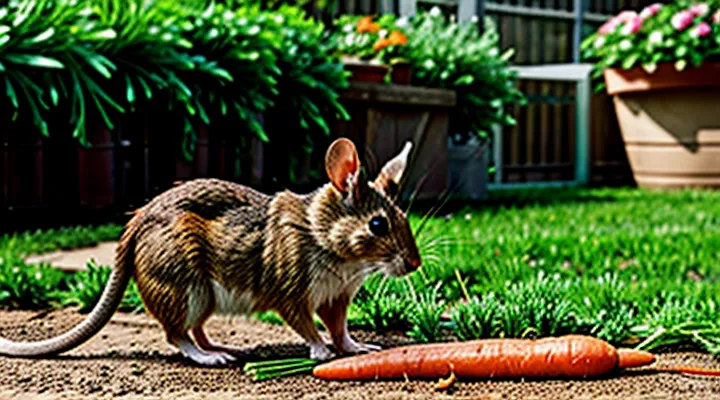
Understanding the Threat: Mice and Carrots
Why Mice are Attracted to Carrots
Mice are drawn to carrots primarily because the roots contain high levels of sugars and carbohydrates, which provide an immediate energy source. The sweet taste of young carrots stimulates the rodents’ gustatory receptors, making the vegetable a preferred snack when other food is scarce.
The texture of carrot roots also contributes to their appeal. Soft, moist tissue is easy for mice to gnaw, allowing quick access to the nutrient‑rich interior without expending excessive effort. This physical accessibility aligns with the species’ foraging behavior, which favors foods that can be harvested with minimal chewing.
Aromatic compounds released by carrots during growth act as olfactory cues. Volatile substances such as terpenes and phenolics disperse through the soil and air, signaling a viable food source to mice whose sense of smell is highly developed. These chemicals intensify as carrots mature, increasing detection range.
Carrots often grow in close proximity to other garden crops that attract rodents, such as lettuce, beans, or corn. The presence of multiple attractive plants creates a foraging corridor, encouraging mice to explore adjacent carrot patches.
Key factors that make carrots attractive to mice:
- High sugar and carbohydrate content
- Soft, moist root structure
- Emission of volatile aromatic compounds
- Placement near other rodent‑friendly crops
Understanding these motivations clarifies why carrot beds become frequent targets and informs the selection of effective deterrent strategies.
Signs of Mouse Damage in the Garden
Carrots are vulnerable to rodent activity; early detection of mouse damage prevents extensive loss. Recognizable indicators appear before visible feeding damage becomes severe.
- Small, crescent-shaped bite marks on seedling stems and foliage.
- Clean, straight cuts on carrot tops where mice have severed the plant at ground level.
- Fine, dark pellets scattered near planting rows, often found near the base of seedlings.
- Fresh, shallow tunnels in loose soil, typically 2–4 inches deep, leading to the root zone.
- Displaced or missing seedlings, especially when surrounding plants remain intact.
- Chewed seed packets, mulch, or garden fabric showing ragged edges.
- Tracks or footprints in damp soil, frequently accompanied by tail drag marks.
- Accumulations of shredded plant material, leaves, or twine used for nesting.
These signs warrant immediate intervention, such as reinforcing barriers, removing debris, and applying deterrents, to protect carrot crops from further mouse intrusion.
Proactive Prevention Strategies
Garden Layout and Site Selection
Effective rodent control begins with careful garden placement and design. Selecting a site that reduces mouse activity limits the need for chemical or mechanical interventions and supports healthy carrot growth.
Key factors for choosing a location:
- Distance of at least 30 feet from known mouse burrows, compost piles, and dense vegetation.
- Well‑drained soil to prevent moisture accumulation, which attracts rodents.
- Full sun exposure, as cooler, shaded areas encourage mouse foraging.
- Soil with a loose, crumbly texture that allows easy root development without creating tunnels.
Layout strategies that deter mice:
- Construct raised beds at a minimum height of 12 inches; elevate soil above ground level and line the base with hardware cloth (½‑inch mesh) to block entry.
- Install a perimeter barrier of metal or plastic edging, extending 6 inches below the soil surface to interrupt burrowing.
- Space rows at least 12 inches apart, providing room for mulch or straw covers that can be lifted for inspection.
- Incorporate companion plants such as mint or rosemary along the bed edges; their strong scent repels rodents without harming carrots.
Implementation steps:
- Survey the garden area for signs of mouse activity and mark a safe zone.
- Prepare the bed foundation, lay the mesh barrier, and fill with amended soil.
- Position edging around the bed, securing it firmly into the ground.
- Plant carrots at recommended depths, maintain proper spacing, and apply a thin mulch layer.
- Conduct weekly inspections, lifting mulch to check for tunnels and repairing any breaches in the barrier.
By adhering to these site‑selection and layout principles, gardeners create an environment where mice find it difficult to access carrot crops, thereby reducing damage and improving harvest quality.
Physical Barriers and Exclusion Methods
Fencing and Netting Options
Effective physical barriers remain the most reliable method for preventing rodents from accessing carrot beds. Properly installed fencing and netting create a continuous exclusion zone that mice cannot breach.
Select a fence with a mesh aperture no larger than ¼ inch (6 mm). Galvanized wire or hardware cloth of 20‑gauge thickness offers durability and resistance to corrosion. Anchor the fence at least 12 inches (30 cm) below ground level to block burrowing, and secure the top with a 12‑inch (30‑cm) outward flare to deter climbing. Use sturdy staples or U‑shaped pins to attach the material to the soil, and reinforce corners with additional stakes.
When netting over rows, choose fine mesh (≤ 1 mm) made of UV‑stabilized polyethylene. Lay the netting a few centimeters above the soil surface, then secure it to stakes or a low‑profile trellis. Tension the netting to eliminate slack, which can become a passage for mice. Overhead netting should extend at least 6 inches (15 cm) beyond the row edges to prevent entry from the sides.
Regular inspection is essential. Check for gaps caused by wind, animal damage, or plant growth, and repair immediately. Replace worn sections before holes enlarge beyond the specified mesh size.
Key fencing and netting options
- Galvanized hardware cloth, ¼‑inch mesh, 20‑gauge
- Welded wire fence, ¼‑inch mesh, 16‑gauge, reinforced posts
- UV‑treated polyethylene netting, ≤ 1 mm mesh, rolled for easy coverage
- Combination of low‑profile edging and overlapped netting for double protection
Implementing these measures creates a robust physical barrier that significantly reduces mouse intrusion, safeguarding carrot yields without reliance on chemical controls.
Burying Barriers Effectively
Effective buried barriers are a reliable method for keeping mice away from carrot crops. The principle relies on creating a physical obstacle that mice cannot tunnel through, forcing them to search elsewhere.
Choose a sturdy, rod‑like material such as galvanized steel mesh, hardware cloth, or thick plastic sheeting. The mesh should have openings no larger than ¼ inch to prevent rodent passage. Cut the material into strips at least 12 inches wide; this width provides sufficient coverage around each row.
Installation steps:
- Dig a shallow trench 6–8 inches deep along the perimeter of the carrot bed and between rows if multiple rows are present.
- Lay the barrier material in the trench, ensuring the mesh faces outward so the smooth side contacts the soil.
- Backfill the trench with soil, pressing firmly to eliminate gaps.
- Overlap adjacent strips by at least 4 inches and secure the overlap with garden staples or wire ties to maintain continuity.
Depth is critical; mice can dig up to 12 inches, so a trench deeper than 8 inches adds a safety margin. In areas with loose or sandy soil, increase trench depth to 10 inches and compact the backfilled soil to reduce tunnel formation.
Maintenance involves periodic inspection after heavy rain or irrigation, as moisture can shift the barrier or create new openings. Repair any displaced sections promptly to preserve the barrier’s integrity.
By following these steps, gardeners create a durable underground shield that deters mice without chemical intervention, protecting carrot yields throughout the growing season.
Repellents and Deterrents
Natural Repellents
Carrots are especially vulnerable to rodent damage, and natural repellents offer a chemical‑free alternative for garden protection. These substances deter mice by exploiting their aversion to strong odors, irritating textures, or predator cues, reducing the need for traps or poisons.
Effective natural repellents include:
- Peppermint oil: Mix 10 ml with a liter of water and spray the solution on soil and foliage; the volatile menthol overwhelms mouse scent trails.
- Garlic and onion slurry: Blend equal parts crushed garlic and onion with water, let steep for 24 hours, then apply to the planting area. Sulfur compounds create an unpleasant environment for rodents.
- Crushed eggshells: Distribute thin layers around carrot rows; the sharp edges cause discomfort when mice attempt to cross.
- Predator urine: Dilute commercially available fox or hawk urine with water according to label instructions and mist the perimeter of the carrot patch. The scent signals danger and discourages foraging.
- Chili pepper powder: Sprinkle a thin coating on the soil surface; capsaicin irritates rodent mucous membranes without harming plants.
Application guidelines:
- Reapply after rain or irrigation, as moisture diminishes potency.
- Rotate at least two different repellents each season to prevent habituation.
- Combine repellents with physical barriers, such as fine mesh, for maximum efficacy.
Monitoring remains essential: inspect carrots weekly for signs of gnawing, adjust repellent concentrations, and remove any debris that could shelter mice. Consistent use of these natural deterrents sustains carrot yields while preserving ecological balance.
Commercial Repellents
Commercial repellents provide a practical option for deterring mice that target carrot crops. Formulations typically fall into three categories: ultrasonic devices, scent‑based sprays, and granules containing rodent‑active chemicals.
Ultrasonic units emit frequencies above the hearing range of humans but uncomfortable for rodents. Placement near the perimeter of the carrot bed and at ground level maximizes coverage. Power sources vary from mains‑plugged to battery‑operated; continuous operation is required for consistent effect.
Scent‑based sprays rely on volatile compounds such as peppermint oil, garlic extract, or capsaicin. Application guidelines advise thorough coating of soil surface and plant foliage every 7‑10 days, especially after rainfall. Dilution ratios supplied by manufacturers must be followed to prevent phytotoxic damage.
Granular repellents contain substances like sulfur, copper sulfate, or commercial rodent‑deterrent powders. Recommended spread rates range from 0.5 to 1 kg per 10 m². Incorporation into the top 2‑3 cm of soil creates a barrier that mice avoid crossing. Reapplication is necessary after heavy rain or soil disturbance.
Effectiveness varies with environmental conditions and mouse pressure. Independent trials indicate:
- Ultrasonic devices: 40‑60 % reduction in mouse activity when installed correctly.
- Peppermint‑oil sprays: 30‑45 % reduction, diminishing after two weeks.
- Sulfur granules: 50‑70 % reduction, sustained through a growing season with re‑application.
Safety considerations include avoiding repellents that contain toxic metals or pesticides restricted for edible crops. Products labeled for use on vegetables comply with residue limits set by regulatory agencies.
Cost analysis shows that ultrasonic units represent a higher upfront expense (approximately $50‑$80 per device) but lower recurring costs. Spray bottles cost $5‑$10 per liter, requiring frequent replenishment. Granular formulations range from $15‑$25 per 5‑kg bag, with application rates that balance expense and coverage.
When selecting a commercial repellent, prioritize products with documented field trials, clear usage instructions, and certifications for vegetable gardening. Combining two methods—such as a perimeter ultrasonic device with periodic scent sprays—often yields the most reliable protection for carrot harvests.
Cultural Practices to Discourage Mice
Garden Cleanliness and Sanitation
A clean garden reduces the likelihood that mice will locate and infiltrate carrot beds. Rodents are attracted to food residues, fallen foliage, and unmanaged compost; eliminating these resources forces them to search elsewhere.
- Remove plant debris and harvested carrots promptly.
- Store compost in sealed containers; turn it only when temperatures exceed 50 °C.
- Keep mulch thin and regularly raked to expose soil surface.
- Trim weeds and grass within a one‑meter perimeter of the carrot rows.
- Dispose of animal feed and birdseed in rodent‑proof bins placed away from the vegetable patch.
Consistent sanitation lowers the population pressure on the carrot crop, complements physical barriers, and minimizes the need for chemical interventions. Implementing these practices creates an environment where mice find little sustenance, thereby protecting the carrots effectively.
Crop Rotation Benefits
Crop rotation directly reduces mouse pressure on carrot beds by interrupting the food source continuity that rodents rely on. When carrots are grown in the same location year after year, mouse populations become familiar with the predictable harvest, leading to increased foraging activity. Rotating carrots with non‑host crops forces mice to search elsewhere, lowering the likelihood of infestation.
Key advantages of rotating crops in a carrot garden include:
- Disruption of rodent foraging patterns, decreasing the number of mice that locate the plot.
- Reduction of weed species favored by mice, limiting shelter and alternate food.
- Prevention of soil‑borne diseases that weaken carrots and make them more attractive to pests.
- Enhancement of soil structure and nutrient balance, promoting healthier plants that are less vulnerable to damage.
- Diversification of habitat, creating a less uniform environment that discourages large mouse colonies.
Implementing a systematic rotation schedule—such as moving carrots to a new bed each season and following them with legumes, brassicas, or leafy greens—maximizes these benefits while maintaining overall garden productivity. The practice creates a dynamic ecosystem where rodents find fewer reliable resources, resulting in more secure carrot harvests.
Integrated Pest Management for Mice
Trapping and Removal Techniques
Types of Traps
Effective carrot protection relies on selecting appropriate trap types. Each option offers distinct mechanisms, deployment considerations, and maintenance requirements.
-
Snap traps: Spring‑loaded devices that deliver a rapid lethal strike. Ideal for high‑traffic areas where quick results are needed. Position with bait such as peanut butter or seed mix, set at ground level, and check daily to remove captured mice.
-
Live‑catch traps: Cage‑style enclosures that confine rodents without killing them. Suitable when relocation is preferred or when humane practices are mandated. Use attractive bait, place near known pathways, and release captured mice at least 200 meters from the garden to prevent immediate return.
-
Electronic traps: Battery‑powered units that emit a high‑voltage shock upon entry. Provide instant kill and minimal mess. Require power source and periodic cleaning of the interior chamber. Effective for indoor storage areas or sheltered garden structures.
-
Bait stations with poison blocks: Enclosed containers that house anticoagulant or bromethalin pellets. Designed to protect non‑target species by restricting access. Install at ground level, conceal with mulch, and monitor for depletion. Follow local regulations regarding toxic rodent control.
-
Ultrasonic repellers: Devices that emit high‑frequency sound waves intended to deter mice. Best used as supplemental measures alongside physical traps. Place several units throughout the carrot beds to cover the entire area; effectiveness may vary with environmental noise.
Proper trap placement follows mouse behavior patterns: align devices along walls, under plant rows, and near shelter spots such as compost piles. Rotate bait types periodically to maintain attraction. Record capture data to assess trap efficiency and adjust density accordingly. By employing a combination of these trap categories, gardeners can sustain carrot yields while minimizing mouse damage.
Safe and Humane Trapping Practices
Effective mouse control in carrot beds relies on traps that safeguard the crop while respecting animal welfare. Choose devices that capture without injury, monitor them regularly, and release captured rodents far from the garden.
- Live‑catch cages with smooth interior surfaces prevent bruising; secure a latch that closes automatically when the mouse enters.
- Bucket traps fitted with a ramp and a bait station hold the animal inside a smooth container; line the bucket with a soft cloth to avoid scratches.
- Multi‑catch wooden boxes equipped with a one‑way door allow several mice to be collected before emptying; ensure the door swings inward only.
Placement matters. Position traps along established runways, near the base of carrot rows, and close to sheltering debris. Space devices 10‑15 cm apart to cover the entire planting area. Bait with a small amount of peanut butter or oat flakes; avoid excessive quantities that may attract additional pests.
After capture, transfer mice to a wooded area at least 500 m from the garden. Release during daylight to reduce predation risk and give the animal a chance to find shelter. Clean traps with mild soap and water after each use; disinfect with a diluted bleach solution to prevent disease transmission.
Integrating these humane methods with complementary practices—such as removing mulch, sealing soil cracks, and maintaining predator habitats—creates a comprehensive barrier that protects carrot yields without resorting to lethal measures.
Biological Control: Encouraging Predators
Attracting Owls and Hawks
Attracting owls and hawks creates a natural deterrent for rodents that threaten carrot crops. Birds of prey hunt mice opportunistically, reducing the population that can damage seedlings and mature roots.
Effective measures to encourage these predators include:
- Installing tall, sturdy perches or dead‑tree stumps at the field’s perimeter; owls and hawks use them as observation points.
- Providing nesting boxes designed for barn owls, with entrance holes of 5 cm diameter, mounted 3–4 m above ground and sheltered from direct sunlight.
- Maintaining open flight corridors by avoiding dense hedgerows near the carrot bed; clear lines of sight facilitate hunting.
- Limiting pesticide use that could harm raptors or their prey; organic soil amendments preserve a healthy food chain.
- Installing reflective tape or small wind‑driven devices near perches; motion stimulates predator activity without deterring them.
Monitoring raptor presence through periodic observation or motion‑sensor cameras confirms the strategy’s impact. Consistent habitat enhancements sustain predator populations, delivering ongoing protection for carrot yields.
Other Natural Predators
Carrots are vulnerable to small mammals, but a range of native predators can reduce pressure on the crop without chemical intervention.
Ground‑dwelling birds such as robins, thrushes and sparrows hunt insects and occasionally capture young mice, creating a deterrent effect. Installing modest birdhouses or leaving undisturbed brush piles encourages their presence.
Reptiles, especially garter snakes and common grass snakes, actively chase rodents. Providing low, sunny stone walls or log piles creates heat‑retaining habitats that attract these snakes while remaining safe for gardeners.
Small carnivorous mammals—ferrets, weasels and stoats—track mouse activity and can be introduced under controlled conditions. Their natural hunting behavior limits mouse populations quickly, but owners must ensure secure enclosures to prevent escape.
Amphibians, notably common toads and frogs, consume insects that attract mice and may also eat juvenile rodents. Maintaining shallow, moist depressions or installing simple pond liners supports amphibian colonies.
Beneficial insects such as ground beetles and predatory wasps prey on mouse eggs and larvae. Mulching with shredded leaves and avoiding broad‑spectrum insecticides preserves these arthropods.
Key natural predators to consider:
- Birds (robins, thrushes, sparrows) – attracted by nesting sites.
- Snakes (garter, grass) – drawn to warm, sheltered stones.
- Small carnivores (ferrets, weasels) – introduced with secure housing.
- Amphibians (toads, frogs) – supported by moist microhabitats.
- Predatory insects (ground beetles, wasps) – sustained by organic mulches.
Integrating these organisms into a vegetable plot creates a self‑regulating ecosystem that diminishes mouse damage to carrots while enhancing overall biodiversity.
Post-Harvest Protection
Proper Storage Techniques
Storing Carrots to Deter Pests
Storing carrots properly reduces mouse attraction and limits damage. Place harvested roots in a cool, dry environment where temperature stays between 32 °F and 40 °F (0 °C–4 °C). Moisture should be kept below 65 % relative humidity to prevent sprouting and rot, which draw rodents.
- Use a ventilated crate or perforated plastic bin; fill gaps with clean sand, peat moss, or sawdust to create a barrier against chewing.
- Cover the container with a tight‑fitting lid or tarp; reinforce edges with tape to eliminate entry points.
- Position the storage unit on a raised platform or pallet, keeping it at least six inches off the ground to avoid direct contact with soil.
- Inspect the stock weekly; remove any carrots showing signs of decay or gnaw marks, and replace the bedding material if it becomes damp.
Seal the storage area with rodent‑proof doors and screens, and maintain a clean perimeter free of fallen leaves or debris. Consistent monitoring and adherence to these practices keep carrots safe from mouse intrusion while preserving their quality for later use.
Inspecting Stored Carrots
Regular examination of stored carrots is a critical step in preventing rodent damage. Early detection of mouse activity reduces loss and limits the need for extensive control measures.
Inspect storage containers weekly. Choose airtight bins, metal boxes, or heavy‑duty plastic containers. Position them off the ground, away from walls, and ensure lids seal tightly. Check the surrounding area for gnaw marks, droppings, or shredded material.
- Presence of small holes or chewed edges on containers
- Droppings or urine stains near storage sites
- Carrot tops with bite marks or missing pieces
- Unusual odors indicating spoilage or contamination
If any sign appears, remove affected carrots immediately. Discard damaged produce, clean the storage unit with hot, soapy water, and apply a rodent‑proof sealant to gaps. Replace the container with a more secure model if necessary, and consider adding non‑chemical deterrents such as steel wool or ultrasonic devices.
Consistent inspection, prompt removal of compromised carrots, and reinforcement of storage integrity create a reliable barrier against mice in the garden harvest.