
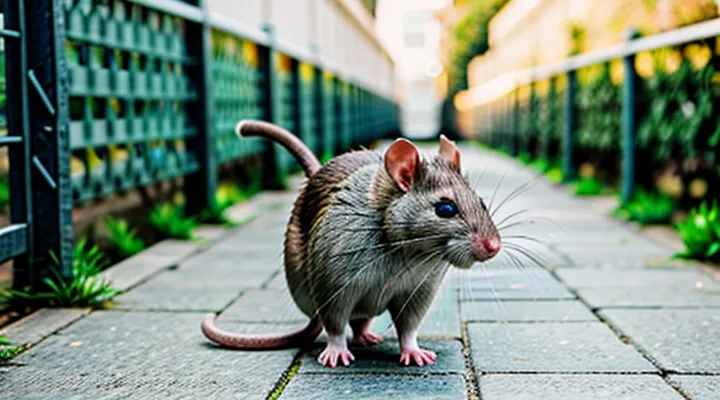
The Benefits of Walking Your Rat
Enrichment and Mental Stimulation
Providing mental stimulation during a rat promenade enhances the animal’s willingness to explore and reduces stress. Interactive elements keep the rodent focused on the activity rather than on environmental distractions.
Key enrichment techniques for a rat on a leash include:
- Introducing novel textures (e.g., silicone tubing, soft rope) that the rat can chew or manipulate while moving.
- Placing small, scent‑laden objects (herb sprigs, citrus peel) along the path to encourage investigative behavior.
- Using lightweight puzzle toys that can be carried in a harness pouch, prompting problem‑solving during pauses.
- Varying route geometry (curves, gentle inclines) to challenge spatial navigation and maintain engagement.
Consistent rotation of these stimuli prevents habituation. Each session should last 5–10 minutes, allowing the rat to encounter at least two distinct enrichment items. Monitoring the animal’s response—quick pauses, focused sniffing, or active manipulation—indicates successful mental stimulation.
Integrating enrichment into regular walking routines builds a predictable yet varied experience, fostering confidence and reducing anxiety in the rat. This approach yields a more cooperative companion and promotes overall welfare.
Physical Health Advantages
Walking a rat on a leash provides measurable cardiovascular benefits. Regular, moderate‑intensity sessions raise heart rate and improve blood circulation, reducing the risk of age‑related cardiac decline. Consistent movement also strengthens skeletal muscles, particularly the hind limbs and core, supporting better posture and agility.
Joint health improves through gentle, weight‑bearing activity. Controlled walking promotes synovial fluid production, which lubricates cartilage and mitigates the onset of degenerative joint disease. Maintaining a healthy body weight becomes easier when the animal expends calories through daily outings, preventing obesity‑related complications such as fatty liver disease and insulin resistance.
Physical exercise stimulates neuro‑muscular coordination. Navigating varied terrain enhances proprioception and balance, leading to quicker reflexes and reduced incidence of accidental injuries. Moreover, regular outings encourage the development of stronger forelimb grip, essential for climbing and foraging behaviors.
Key health advantages can be summarized as follows:
- Enhanced heart function and circulation
- Increased muscle mass and tone
- Improved joint lubrication and flexibility
- Effective weight management
- Better coordination and reflex response
Implementing a structured walking routine, with gradual duration increases and appropriate harness fitting, ensures these benefits are realized while minimizing stress on the animal’s musculoskeletal system.
Strengthening Your Bond
Walking a rat on a leash creates predictable interaction, reinforcing trust and mutual confidence. Consistency, gentle handling, and clear cues transform a routine outing into a bonding experience.
- Begin each walk with a brief calm period; allow the rat to sniff the leash and harness before attachment.
- Use a lightweight, well‑fitted harness rather than a collar to prevent pressure on the neck and to signal safety.
- Apply a steady, low‑tone voice when giving direction; pair verbal cues with a light tug to mark the intended path.
- Keep the pace slow enough for the rat to explore without feeling rushed; pause frequently to let the animal investigate interesting scents or objects.
- Reward progress with a small treat or a brief petting session immediately after the rat follows a cue correctly.
Regular short walks—five to ten minutes, three to four times weekly—maintain the rat’s interest and prevent fatigue. Gradually extend distance and duration as the animal demonstrates confidence. Over time, the rat associates the leash with positive experiences, strengthening the emotional link and enhancing overall cooperation.
Preparing for the Walk
Essential Gear
Choosing the Right Harness
Choosing an appropriate harness is the first step toward safe, controlled outings with a rat. A well‑fitted harness prevents escape, distributes pressure evenly, and reduces stress on the animal’s spine and limbs.
Fit is the most critical factor. Measure the rat’s chest circumference just behind the front legs and select a harness that allows one to slip a finger between the strap and the body. The harness should sit snugly without restricting breathing or movement. Adjustable buckles enable fine‑tuning as the animal grows or gains weight.
Materials influence comfort and durability. Soft, breathable fabrics such as fleece or padded nylon minimize chafing, while metal hardware provides reliable closure. Avoid harnesses made of stiff plastic or rough leather, which can cause abrasions.
Key features to consider:
- Escape‑proof clasp (quick‑release for emergencies only)
- Wide, padded straps to spread pressure
- Lightweight design to avoid hindering agility
- Reflective elements for visibility in low light
- Easy‑clean surfaces to maintain hygiene
Before each walk, inspect the harness for frayed stitching, loose buckles, or signs of wear. Test the clasp by gently pulling on the harness while the rat is stationary; it should hold firm without slipping. After use, wash the fabric according to manufacturer instructions and store it in a dry, dust‑free container.
By adhering to these criteria, the harness becomes a reliable tool that supports confident, enjoyable outings for both rat and handler.
Leash Selection
Choosing the right leash is the first step toward a safe and controlled walk with a pet rat. An unsuitable leash can cause stress, escape, or injury, while a well‑matched one supports the animal’s natural movement and the handler’s control.
- Material: lightweight nylon or soft leather reduces weight and prevents skin irritation; avoid metal chains that can pinch delicate paws.
- Length: 12–18 inches (30–45 cm) provides enough freedom for exploration without allowing the rat to bolt; longer leads increase the risk of tangling and loss.
- Attachment: a secure, quick‑release clasp fitted to a snug‑fitting harness prevents the leash from slipping off the collar, which is unreliable for rodents.
- Adjustability: a leash with a sliding knot or adjustable loop permits fine‑tuning of tension as the rat moves, maintaining consistent guidance.
- Visibility: bright‑colored or reflective sections aid monitoring in low‑light environments and help locate the animal quickly if it darts into dense vegetation.
A harness designed specifically for rats should be used in conjunction with the leash. The harness must encircle the torso without restricting breathing, and the leash should connect to a reinforced D‑ring on the back of the harness. Before each outing, inspect the leash for frayed fibers, broken clasps, or loose stitching; replace any compromised component immediately. Practice short indoor sessions to acclimate the rat to the harness‑leash combination, then gradually extend the distance outdoors, maintaining a steady, gentle tension to guide movement without pulling.
Carrying Pouch or Carrier
Choosing a suitable pouch or carrier is essential for safe and comfortable rat walks. The device must fit the rat’s body without restricting movement, provide ventilation, and allow quick access in case of emergency.
Key characteristics of an effective carrier:
- Size: Interior dimensions should accommodate the rat’s length plus a few centimeters of extra space; the opening must be large enough for the animal to enter and exit without stress.
- Material: Breathable fabrics such as mesh or lightweight canvas prevent overheating while maintaining structural support.
- Closure system: Secure, snap‑type or Velcro fasteners keep the pouch closed during transit but can be released with one hand.
- Handles: Reinforced straps or a detachable leash attachment enable the handler to keep the carrier stable while walking.
When securing the rat, place a soft, washable liner at the bottom of the pouch. Gently guide the animal into the carrier, allowing it to explore briefly before sealing the opening. Hold the carrier close to the body to reduce swinging and maintain a steady pace.
During the walk, monitor the rat for signs of distress—excessive panting, attempts to escape, or unusual silence. If any appear, pause, open the carrier, and assess the situation. Regularly check that the carrier remains clean and free of sharp edges that could injure the pet.
Proper selection and use of a carrying pouch or carrier directly influence the rat’s willingness to accompany its owner on outdoor excursions, fostering confidence and reducing the risk of injury.
Safety Precautions
Identifying Safe Walking Areas
When choosing a location for a rat walk, prioritize environments that eliminate hazards and reduce stress for the animal. Assess the area for the following criteria:
- Smooth, non‑slippery flooring such as untreated wood, tile, or sealed concrete. Avoid surfaces that are glossy, waxed, or covered with loose fibers.
- Absence of small gaps, cracks, or loose tiles that could trap a foot or tail. Seal openings larger than a quarter‑inch.
- Low traffic zones where human movement is minimal. Designate a quiet corner of a room or a dedicated enclosure.
- Controlled temperature, ideally between 68 °F and 78 °F, with stable humidity to prevent overheating or dehydration.
- No exposed electrical cords, sharp objects, or abrasive materials that could injure the rat’s paws or whiskers.
- Adequate ventilation without drafts that could cause sudden temperature drops.
Inspect the chosen space before each session. Walk the rat on a clean surface, remove any debris, and verify that all potential escape routes are blocked. Consistent evaluation of these factors ensures a safe and comfortable walking experience for the animal.
Weather Considerations
When taking a rat for a walk, weather conditions determine safety, comfort, and health outcomes. Adjust the outing plan according to temperature, precipitation, humidity, and wind to prevent stress or injury.
-
Temperature: Avoid extreme heat above 80 °F (27 °C) and cold below 50 °F (10 °C). In warm weather, schedule walks during early morning or late evening, provide shade, and keep hydration sources accessible. In cold weather, use a lightweight, breathable coat and limit exposure to brief intervals.
-
Precipitation: Skip walks during heavy rain or snow. Light drizzle may be tolerable if the rat’s enclosure and harness remain dry; otherwise, wait for dry conditions to prevent skin irritation and chill.
-
Humidity: High humidity (>70 %) combined with heat increases risk of overheating. Monitor the rat’s behavior for signs of distress, such as rapid breathing or lethargy, and reduce walking duration accordingly.
-
Wind: Strong gusts can destabilize a small animal and force debris into the harness. Choose sheltered routes or postpone the walk when wind speeds exceed 15 mph (24 km/h).
-
Time of day: Align outings with cooler periods to minimize thermal stress. Dawn and dusk typically offer moderate temperatures and lower UV exposure.
-
Surface conditions: Wet or icy surfaces reduce traction and increase slip risk. Select firm, dry paths; avoid slick tiles or freshly salted sidewalks.
Observing these weather factors ensures the rat remains comfortable, reduces the likelihood of health complications, and supports consistent, positive walking experiences.
First Aid Kit Essentials
When walking a rat outdoors, a compact first‑aid kit reduces the risk of injury and enables swift response to common mishaps. Include items that address wounds, stress, and emergency transport.
- Sterile gauze pads (2 × 2 in) for bleeding control.
- Adhesive bandages (various sizes) for minor cuts.
- Non‑adhesive wound dressings to protect larger abrasions.
- Antiseptic solution (e.g., diluted chlorhexidine) for cleaning wounds.
- Small syringe or dropper for administering liquid medication.
- Heat‑stable electrolyte solution for dehydration emergencies.
- Lightweight, breathable transport carrier for safe relocation.
- Disposable gloves to maintain hygiene while treating the animal.
- Tweezers for removing splinters or foreign particles.
- Emergency contact card with veterinarian phone number and local wildlife rescue services.
Store the kit in a waterproof pouch attached to the leash or belt. Inspect contents before each outing; replace used or expired supplies promptly. This preparation ensures the rat remains healthy and the handler can address incidents without delay.
The Walking Process
Introducing the Harness
Positive Reinforcement Techniques
Positive reinforcement shapes a rat’s willingness to walk on a leash by pairing desired actions with immediate, rewarding outcomes. Begin each session with a high‑value treat—such as a small piece of fruit or a favorite pellet—delivered the moment the rat steps forward or follows the handler’s cue. The reward must follow the behavior within one second to create a clear association.
A systematic approach improves reliability:
- Clicker or verbal marker: Use a distinct sound or word to signal that the correct behavior occurred before presenting the treat. The marker bridges the action‑reward gap and reinforces timing precision.
- Shaping small increments: Reward any forward movement, then gradually require longer strides, turns, or pauses before delivering the treat. This incremental progression builds confidence without overwhelming the animal.
- Consistency across environments: Apply the same cues and rewards in varied settings—indoors, on a balcony, or in a quiet garden—to generalize the walking behavior.
- Brief, frequent sessions: Limit each training bout to five minutes, repeating several times daily. Short sessions maintain motivation and prevent fatigue.
- Gradual leash introduction: Attach a lightweight harness, allow the rat to explore it freely, and reward calm interaction before adding a short leash. Increase leash length only after the rat walks comfortably while receiving reinforcement.
Monitoring the rat’s body language ensures the technique remains effective. Signs of stress—rapid breathing, excessive grooming, or attempts to escape—indicate the need to reduce difficulty or pause training. By adhering strictly to immediate, appropriate rewards and incremental challenges, the rat learns to walk confidently and willingly alongside its handler.
Gradual Acclimatization
Gradual acclimatization prepares a rat for leash walking by introducing the equipment and activity in small, controlled increments. This approach minimizes stress, builds confidence, and reduces the likelihood of sudden escapes.
- Begin with a lightweight harness; allow the rat to explore it for several minutes while unattached. Reward calm interaction with a treat.
- Attach a short, slack leash after the rat accepts the harness. Let the rat roam a confined area for 5‑10 minutes, observing its posture and movement.
- Extend leash length gradually over successive sessions, increasing free‑range time by 2‑3 minutes each day. Maintain a calm environment and keep the rat’s head at a comfortable height.
- Introduce brief, gentle pulls only when the rat shows willingness to follow. Use a cue word such as “let’s go” and reinforce with a treat after each successful step.
Monitor the rat’s behavior for signs of anxiety—freezing, excessive grooming, or attempts to bite the harness. If any appear, revert to the previous comfortable stage and proceed more slowly. Consistent, positive reinforcement throughout the process solidifies the rat’s trust and enables reliable, enjoyable walks.
First Steps Outdoors
Keeping Walks Short and Positive
Short, upbeat walks improve a rat’s willingness to explore and reduce stress. A brief outing maintains curiosity without overwhelming the animal, allowing it to associate the experience with positive reinforcement.
Rats possess limited attention spans; extending a walk beyond five minutes often leads to fatigue, distraction, or anxiety. Keeping sessions concise preserves energy, encourages repeated participation, and prevents the development of avoidance behaviors.
Practical guidelines for short, positive walks:
- Limit each outing to 3–5 minutes, adjusting based on the rat’s responsiveness.
- Begin and end the walk with a favorite treat to create a clear reward cycle.
- Use a calm, steady voice; sudden noises can trigger fear and interrupt the session.
- Maintain a gentle grip on the harness or leash, avoiding tension that could cause discomfort.
- Observe body language: forward‑leaning posture indicates interest, while hunching suggests stress; pause or conclude the walk if signs of distress appear.
Consistent application of these measures builds confidence, reinforces trust, and ensures that every walk remains a pleasant, motivating activity for the rat.
Observing Your Rat’s Reactions
Observing a rat’s responses during a walk supplies immediate feedback on comfort and safety. When the animal displays tension, rapid breathing, or attempts to retreat, the handler must pause, lower the leash, and reassess the environment. Calm grooming, occasional pauses to sniff, and steady pacing indicate acceptance of the activity.
- Ears flattened or turned sideways – sign of anxiety or fear.
- Tail twitching or rapid movement – indicates overstimulation.
- Vocalizations such as squeaks or chattering – warning of distress.
- Relaxed posture, normal grooming, and exploratory pauses – suggest confidence.
Interpretation of these cues directs corrective measures. If anxiety signs appear, reduce noise, eliminate sudden movements, and shorten the route. Persistent stress warrants a break in a familiar enclosure before resuming. Positive signals allow gradual extension of distance and introduction of varied terrain.
Continuous monitoring ensures the walk remains a rewarding experience for both rat and handler, preventing injury and fostering trust. Adjustments based on observed behavior create a reliable protocol for safe, effective outings.
Managing Common Challenges
Dealing with Distractions
When guiding a pet rat outdoors, external stimuli can divert the animal’s attention and compromise safety. Secure the leash or harness before stepping onto the walkway, then scan the environment for sudden movements, loud noises, or unfamiliar scents. Eliminate or distance sources of disruption—close windows, mute electronic devices, and choose a quiet route free of heavy foot traffic.
Maintain the rat’s focus by employing consistent cues. A brief, gentle tap on the harness combined with a calm vocal tone signals the animal to stay close. If the rat hesitates, pause, re‑establish eye contact, and resume only after the creature resumes forward motion.
Practical steps for managing interruptions
- Identify potential distractors ahead of time; mark them on a mental map of the path.
- Keep the leash slack enough to allow natural movement but tight enough to prevent sudden darting.
- Use a lightweight, breathable harness to reduce discomfort that could trigger distraction.
- Carry a small treat pouch; offering a bite when the rat’s attention wanes reinforces forward progress.
- If a distraction persists, gently guide the rat back onto the intended course and continue at a slower pace until confidence returns.
By anticipating disturbances, applying clear signals, and reinforcing desired behavior, the walker preserves control and ensures a safe, uninterrupted outing for the rat.
Avoiding Potential Dangers
When walking a rat, vigilance against hazards protects both animal and handler. Rats are small, quick, and highly curious; they can slip into dangerous situations within seconds.
- Keep the leash short but loose enough to prevent choking; a 12‑inch, lightweight tether made of nylon or cotton is optimal.
- Inspect the walking route for gaps, open drains, or loose flooring that could allow escape or injury.
- Avoid areas with extreme temperatures; rats tolerate only mild heat and cool environments.
- Stay clear of chemicals, cleaning agents, and strong fragrances that may irritate their respiratory system.
- Shield the rat from predators such as cats, dogs, or birds by maintaining visual contact at all times.
- Monitor the rat’s stress signals—rapid breathing, excessive grooming, or attempts to hide indicate discomfort and require immediate cessation of the walk.
Secure harnesses should fit snugly without restricting movement, and regular checks of equipment integrity prevent breakage. If the rat shows signs of fatigue, pause the walk and offer water. By adhering to these precautions, the risk of injury, escape, or health complications is minimized, ensuring a safe and controlled walking experience.
Handling Unexpected Situations
Walking a rat safely requires preparation for events that deviate from the routine. Anticipate potential disruptions and respond with clear, decisive actions.
Maintain control of the leash and harness at all times. If the rat slips from the harness, approach calmly, avoid sudden movements, and gently re‑secure the equipment. Do not chase; instead, lower yourself to the animal’s level and use a soft voice to encourage re‑attachment.
When unexpected noises occur—such as traffic horns, loud voices, or sudden door slams—keep the rat close to your chest, shielding it with your arm. A brief pause in movement allows the animal to assess the threat without panicking.
If the rat displays aggression, such as lunging or hissing, cease forward motion immediately. Hold the leash loosely to prevent tension, and redirect the rat’s attention with a treat or a familiar scent. Only resume walking after the animal’s posture returns to relaxed.
Health emergencies, like sudden bleeding or signs of distress, demand swift intervention. Carry a small first‑aid kit containing sterile gauze, antiseptic wipes, and a portable carrier. Apply pressure to minor wounds, then place the rat in the carrier for transport to a veterinarian.
Environmental hazards—wet surfaces, steep inclines, or loose debris—should be identified before the walk begins. If an obstacle appears unexpectedly, stop, assess the safest route, and guide the rat around the danger using the leash without pulling.
Key actions for handling unforeseen situations:
- Keep harness secure; re‑attach promptly if it loosens.
- Shield the rat from loud or sudden sounds by staying close and still.
- Halt movement at the first sign of aggression; use treats to calm.
- Carry a compact first‑aid kit; address injuries immediately.
- Scan the path continuously; reroute around hazards without forcing the rat.
Consistent application of these measures minimizes stress for both handler and rat, ensuring a reliable and safe walking experience despite unexpected challenges.
After the Walk
Post-Walk Care
Health Check-Up
Before taking a rat outdoors, perform a brief health assessment. Check the eyes for clarity, the ears for excess wax, and the fur for loss or parasites. Examine the paws for cuts, swelling, or overgrown nails, and gently palpate the abdomen for tenderness. Record the animal’s weight and compare it to recent measurements to detect rapid changes.
A systematic check‑up should include:
- Visual inspection of coat, skin, and facial features.
- Auscultation of breathing for irregular sounds.
- Observation of gait while the rat moves across a flat surface.
- Palpation of limbs and tail to ensure flexibility and absence of lesions.
- Quick temperature reading (rectal or infrared) to confirm normal range (37‑39 °C).
Conduct this evaluation at least once weekly for active rats and more frequently if the animal shows signs of stress or illness. If any abnormality appears—such as discharge, limping, or weight loss—consult a veterinarian before proceeding with outdoor activity.
A healthy rat demonstrates steady breathing, clean fur, intact nails, and a calm demeanor during handling. Confirming these criteria reduces the risk of injury and ensures a safe, enjoyable walk for both pet and owner.
Hydration and Snacks
When a rat is taken for a walk, reliable access to water and appropriate snack options prevent dehydration and maintain energy levels. Offer a small, shallow water dish that can be attached to the harness or placed in the carrier; the dish should be stable enough to avoid spills on uneven surfaces. Replace the water at the start of each outing and check for contamination before every use.
Select snacks that are easy to chew and digest while the animal remains active. Recommended items include:
- Tiny pieces of fresh fruit such as apple or banana (no seeds)
- Small bits of cooked, unseasoned chicken or boiled egg
- Commercial rat treats formulated for high moisture content
- A few drops of electrolyte solution mixed with water, administered sparingly
Limit snack portions to no more than 5 % of the rat’s daily caloric intake to avoid digestive upset. Provide the food in a lightweight, perforated pouch that can be secured to the leash or harness, allowing the rat to nibble without hindering movement.
Monitor the rat’s behavior throughout the walk. Signs of thirst—frequent licking of the fur or a reduced pace—indicate the need for immediate water. Similarly, a sudden loss of interest in the environment may signal low energy, prompting a brief snack break. Adjust hydration and snack frequency based on the duration of the walk and ambient temperature to ensure the rat remains comfortable and alert.
Cleaning and Storage of Gear
Proper rat-walking requires gear that remains clean and functional. After each outing, follow these steps:
- Rinse harness, leash, and carrier with warm water to remove debris.
- Apply a mild, unscented soap; avoid harsh chemicals that could irritate the animal’s skin.
- Rinse thoroughly to eliminate soap residue.
- Disinfect with a diluted solution of veterinary‑approved sanitizer; let sit for the manufacturer‑specified contact time.
- Pat dry with a lint‑free cloth, then air‑dry in a well‑ventilated area to prevent moisture buildup.
Store gear in a breathable container to allow air circulation. Keep items separate from dust, direct sunlight, and extreme temperatures. Inspect each component before the next use:
- Check harness buckles and stitching for fraying.
- Examine leash for cracks or weakening.
- Verify carrier doors and ventilation openings function smoothly.
Replace any damaged parts promptly to maintain safety and comfort for the rat during walks.
Maintaining a Walking Routine
A consistent walking schedule maximizes a rat’s physical health and mental stimulation. Begin by selecting a specific time each day; rats thrive on predictability, so a morning or evening slot that fits the owner’s routine should remain unchanged. Keep the duration short at first—five minutes—and gradually extend to fifteen minutes as the animal builds stamina.
- Choose a secure, escape‑proof enclosure with a non‑slippery surface.
- Use a lightweight harness designed for small rodents; adjust snugly without restricting breathing.
- Provide a gentle lead that allows the rat to explore while maintaining control.
- Offer a small treat at the end of each session to reinforce positive association.
Monitor the rat’s behavior during each walk. Signs of stress—freezing, excessive grooming, or rapid breathing—indicate a need to shorten the session or adjust equipment. Record the length, location, and any notable reactions in a simple log; patterns emerge that guide future adjustments.
If a routine is missed, resume at the next scheduled time rather than compensating with a longer walk. Consistency, not occasional intensity, yields the best outcomes for endurance, muscle tone, and curiosity. Regular walks also give owners the opportunity to inspect paws, check for injuries, and ensure the harness remains properly fitted. By adhering to a fixed timetable, using appropriate gear, and tracking progress, the walking practice becomes a reliable component of the rat’s overall care plan.