
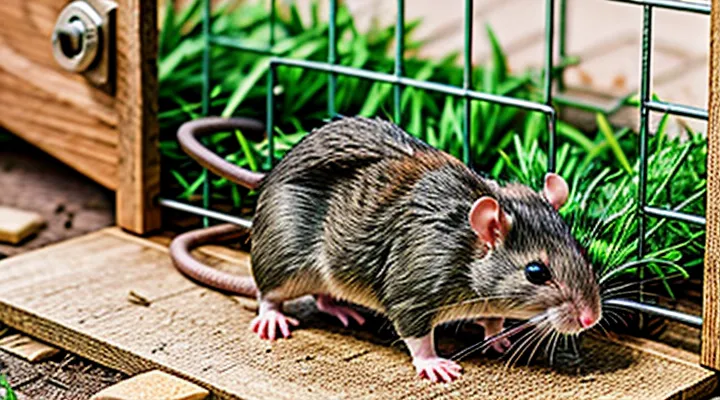
Understanding Rat Traps
Types of Rat Traps
Snap Traps
Snap traps are mechanical devices that deliver an instantaneous kill to rats when the animal contacts the trigger. Their speed and precision reduce suffering and prevent escape, making them a preferred choice for indoor and outdoor control.
Select a trap sized for the target species; a 1‑2 inch opening accommodates adult rats. Choose models with a stainless‑steel spring and a hinged jaw that closes completely. Adjustable trigger sensitivity allows fine‑tuning for cautious rodents.
Bait must attract rats while remaining stable on the trigger plate. Peanut butter, dried fruit, or a small piece of meat work effectively. Apply a thin layer to the bait holder, avoiding excess that could spill onto the trigger mechanism.
Place traps along established runways: behind walls, beneath cabinets, or near burrow entrances. Position the trigger end facing the expected direction of travel, no more than 12 inches from the wall to align with the rat’s natural wall‑following behavior. Ensure the trap sits on a flat surface to prevent misfires.
Steps to set a snap trap with bait
- Open the trap by pulling the spring arm back until it locks in the armed position.
- Secure the bait holder to the trigger plate; press the bait gently into place.
- Adjust the trigger sensitivity knob (if present) until the plate releases with minimal pressure.
- Verify that the jaws close fully when the trigger is released.
- Release the spring arm to its resting position, ready for activation.
Handle traps with disposable gloves to avoid contaminating the bait and to protect against accidental closure. Keep devices out of reach of children and non‑target animals. After a catch, wear gloves, transport the trap to a sealed container, and dispose of the carcass according to local regulations. Reset the trap promptly if further control is required.
Electronic Traps
Electronic traps provide a rapid, humane solution for rat control when combined with appropriate attractants. Their high‑voltage discharge eliminates the target instantly, reducing the risk of injury to non‑target animals and minimizing mess.
Choose a model equipped with a sealed chamber, voltage regulation, and a safety lock. Verify that the power source—rechargeable battery or mains adapter—matches the intended deployment duration. Inspect the trigger mechanism for smooth operation before use.
Select bait that appeals to the local rat population. Common choices include peanut butter, dried fruit, or a small piece of meat. Apply a thin layer to the bait platform, avoiding excess that could interfere with the sensor.
Setting the trap
- Place the trap along walls, near suspected runways, and away from human traffic.
- Insert the chosen bait into the designated holder.
- Activate the power switch and engage the safety lock.
- Ensure the trigger sensor is unobstructed; adjust the angle if necessary.
- Monitor the trap for at least 24 hours, then inspect for captures.
After a successful strike, disconnect power before handling. Use gloves to remove the dead rodent, seal it in a disposable bag, and dispose of it according to local regulations. Clean the interior with a mild detergent, rinse, and dry thoroughly before resetting.
Regular maintenance extends device lifespan. Replace batteries or check charger connections monthly. Examine the electrode plates for corrosion and wipe them with an alcohol‑based solution. Test the trigger mechanism weekly to confirm reliability.
By following these procedures, electronic traps operate efficiently, delivering consistent results while maintaining safety and hygiene standards.
Live Traps
Live traps capture rats without killing them, allowing release far from the infested area. They consist of a sturdy cage, a trigger mechanism, and a secure latch that closes when the animal enters.
Select a trap sized for adult rats; the interior should provide enough room for the rodent to turn around. Place the trap on a stable surface, preferably along walls or near known activity paths, because rats travel close to edges.
Bait placement determines success. Apply a small amount of high‑fat food—peanut butter, cheese, or dried fruit—directly on the trigger plate or on a small platform that forces the rat to step onto the mechanism. Avoid excessive bait that can be removed without activating the trap.
Steps to set a live rat trap:
- Open the cage and secure the latch in the release position.
- Attach the trigger plate according to the manufacturer’s instructions.
- Position the bait on the designated spot, ensuring it does not obstruct the latch.
- Close the cage gently, confirming that the latch engages but remains releasable.
- Check the trap at least twice daily; when a rat is captured, transport it at least one mile away and release it in a suitable habitat.
Regular cleaning prevents scent buildup that could deter rats. Replace worn components promptly to maintain reliable operation.
Glue Traps (Ethical Considerations)
Glue traps capture rodents by immobilizing them on a sticky surface. The adhesive remains active for weeks, allowing a trapped rat to remain attached until death occurs from exhaustion, dehydration, or injury. This method eliminates the need for a separate killing device, but it raises several ethical concerns that must be addressed before inclusion in any trapping protocol.
- Non‑target capture: Small mammals, birds, and reptiles may inadvertently encounter the trap, resulting in prolonged suffering. Placement near food sources, water lines, or wildlife corridors increases this risk.
- Pain and distress: Immobilization prevents the animal from escaping, leading to a slow death. The absence of a quick, humane kill mechanism conflicts with standards that prioritize minimal suffering.
- Disposal requirements: Dead or dying specimens must be handled with protective gloves, sealed in a disposable bag, and discarded according to local hazardous‑waste regulations. Failure to follow these steps can expose handlers to disease and create environmental contamination.
- Legal restrictions: Several jurisdictions classify glue traps as inhumane and prohibit their sale or use. Compliance with municipal ordinances and wildlife protection statutes is mandatory.
Alternatives that reduce ethical issues include snap traps, electronic devices, or exclusion methods that block entry points. When bait is employed, these options deliver rapid mortality or prevent infestation without the prolonged agony associated with adhesive capture. Selecting a method aligned with humane standards and regulatory frameworks ensures effective rat control while maintaining responsible animal treatment.
Anatomy of a Snap Trap
Trigger Mechanism
The trigger mechanism is the component that converts a rat’s contact with the bait into a rapid release of the trap’s spring, ensuring immediate capture.
Common trigger designs include:
- Spring‑loaded snap bar – a metal bar held under tension until the rat disturbs a latch.
- Pressure‑sensitive plate – a platform that collapses when weight exceeds a preset threshold.
- Trip wire – a thin line positioned near the bait that pulls a trigger pin when disturbed.
To achieve reliable operation, adjust the trigger’s sensitivity before placement. Press the trigger arm gently; it should move freely but return to its locked position without excessive force. If the arm is too loose, increase tension by tightening the adjustment screw; if too stiff, loosen the screw until the arm releases with a light touch.
After setting, test the mechanism by applying a small weight equivalent to a rat’s body mass. The trap must snap shut within a fraction of a second. Verify that the bait remains secure and does not interfere with the trigger’s movement.
Regular maintenance extends trap effectiveness. Clean debris from the trigger surface, inspect the spring for corrosion, and replace worn components. Re‑test each trap after any adjustment to confirm consistent performance.
Bait Pan/Pedal
The bait pan, also known as the pedal, is the component that holds the attractant and triggers the trap’s mechanism when a rat steps on it. Proper selection and preparation of this element determine the effectiveness of the device.
Choose a pan that fits the trap model snugly; gaps allow bait to spill and reduce contact with the trigger. Stainless‑steel or heavy‑plastic pans resist corrosion from wet or oily baits and are easy to clean. Avoid lightweight aluminum pans that deform under the weight of the animal.
Prepare the bait as follows:
- Cut solid food (peanut butter, cheese, dried fruit) into pieces no larger than 1 cm to prevent spillage.
- Coat the pan surface evenly; excess material should be scraped off to keep the rat’s foot on the trigger.
- If using oily substances, apply a thin layer on parchment paper placed inside the pan; this prevents bait from adhering to the metal.
Position the pan at the trap’s entrance, aligning it with the natural path of rat traffic. Ensure the pedal sits level with the floor; an inclined surface can cause the rat to avoid contact. Secure the pan with the trap’s locking mechanism so that any pressure on the bait immediately releases the spring.
After each catch, remove the pan, dispose of remaining bait, and wash with hot, soapy water. Dry thoroughly before re‑baiting to avoid rust and to maintain consistent trigger sensitivity. Regular inspection of the pan for cracks or wear prevents malfunction and extends the trap’s service life.
Spring Mechanism
The spring mechanism is the driving force that triggers a rat trap. It consists of a coiled steel wire, a latch, and a trigger plate. When the trigger is disturbed, the spring releases stored energy, snapping the jaws shut with sufficient force to kill the rodent instantly.
Proper adjustment of spring tension determines the trap’s reliability. A spring that is too loose may fail to close fully, allowing the rat to escape. A spring that is overly tight can cause premature release or make bait placement difficult. To achieve optimal tension, follow these steps:
- Pull the spring back until the latch clicks into the locked position.
- Test the release by gently pressing the trigger; the jaws should close rapidly and completely.
- If the jaws close sluggishly, increase tension by pulling the spring further; if they close too violently, reduce tension slightly.
Bait placement interacts directly with the spring’s operation. Position the bait on the trigger plate so that the rat must apply pressure to reach it. This ensures the spring is engaged at the moment the rodent attempts to feed, guaranteeing an immediate response.
Maintenance prolongs spring performance. After each use, inspect the coil for signs of fatigue, rust, or deformation. Clean the spring with a mild solvent, dry thoroughly, and apply a thin layer of lubricant to prevent corrosion. Replace the spring if any cracks or loss of elasticity are observed.
Correct handling minimizes accidental discharge. Keep fingers clear of the trigger area while setting the spring, and use a tool such as a small stick to pull the coil back. Store unused traps in a sealed container to protect the springs from moisture and dust.
By controlling tension, aligning bait, and maintaining the coil, the spring mechanism functions reliably, delivering consistent results in rodent control.
Release Bar
The release bar, also known as the trigger lever, is the mechanism that holds the trap in a ready state and releases the snapping arm when a rat applies pressure. Correct positioning and tension of the bar determine whether the trap activates instantly or fails to trigger.
To configure the release bar for optimal performance:
- Pull the bar back until it clicks into the pre‑set notch; this creates the required tension.
- Verify that the bar moves freely without binding; any friction can delay activation.
- Adjust the notch depth if the trap feels too stiff or too loose; a medium setting works for most rodent sizes.
- After adjustment, press the bait platform gently; the bar should lift slightly, indicating proper engagement.
Testing the setup before placement prevents misfires:
- Hold the trap by the base, apply a light push to the bait platform, and observe whether the bar snaps back immediately.
- If the bar hesitates, release the tension, re‑set the notch, and repeat the test.
- Once the bar reacts consistently, the trap is ready for deployment.
Common errors include overtightening, which can cause the bar to break, and insufficient tension, which results in delayed closure. Regular inspection of the bar for cracks or wear ensures reliable operation over multiple uses.
Preparing for Trap Setting
Safety First
Protective Gear
When handling rodent bait and spring‑loaded traps, direct contact with toxic substances or accidental trigger of the mechanism poses a health risk. Wearing appropriate protective equipment eliminates exposure and prevents injuries.
- Heavy‑duty disposable gloves resistant to chemicals and punctures.
- Long‑sleeved, tightly woven shirt and trousers to shield skin from splashes.
- Safety goggles or face shield to block debris and bait particles.
- Sturdy, non‑slip boots with steel toe caps for foot protection.
- Disposable respirator mask when using strong‑smelling or powdered baits.
Gloves must be inspected for tears before each use and replaced immediately if compromised. Eye protection should be secured firmly to avoid displacement during trap placement. After completing the setup, remove all gear in a controlled order, dispose of single‑use items in sealed containers, and wash reusable clothing according to manufacturer guidelines. Proper maintenance of protective gear sustains its effectiveness and reduces the likelihood of cross‑contamination in subsequent pest‑control operations.
Handling Pests and Traps
Effective pest control begins with understanding rodent behavior and selecting appropriate trapping equipment. Choose a snap‑type or live‑capture device designed for rats, verify that the mechanism operates smoothly, and place the trap in areas of known activity such as walls, corners, or near food sources.
Safety measures protect both the handler and non‑target animals. Wear thick gloves to avoid bites, keep traps out of reach of children and pets, and inspect the surrounding environment for hazards before deployment.
Installation steps
- Clean the placement zone to remove debris that could interfere with the trigger.
- Position the trap with the spring arm facing the wall, allowing the rat to approach from the side.
- Secure the base to the floor or surface using the built‑in clips or a stable platform.
- Test the trigger by applying gentle pressure; the mechanism must release instantly.
- Attach the bait according to the guidelines below.
Bait selection influences capture rates. Peanut butter, dried fruit, or small pieces of meat provide strong olfactory cues. Apply a pea‑sized amount to the bait holder, ensuring it does not obstruct the trigger plate. Place the bait at the far end of the trap so the rodent must fully enter before reaching it.
After each capture, deactivate the trap, wear gloves, and dispose of the rodent in accordance with local regulations. Reset the device with fresh bait, inspect the spring for wear, and replace any damaged components. Regular monitoring maintains trap effectiveness and reduces the likelihood of secondary infestations.
Choosing the Right Bait
Effective Bait Options
Effective bait selection determines trap success. Choose attractants that emit strong scent, retain moisture, and resist quick spoilage.
- Peanut butter: high fat content, strong aroma, adheres well to trigger mechanisms.
- Dried fruit (e.g., raisins, apricots): sweet scent, lightweight, easy to attach.
- Fresh meat or fish: intense odor, ideal for hungry rodents; use small pieces to prevent mess.
- Cheese (hard varieties): aromatic, durable, useful when other options are unavailable.
- Grain or seeds (corn, wheat, sunflower): familiar food source, inexpensive, can be mixed with a binding agent.
- Pet food (canned or dry): familiar protein source, readily available, attractive scent.
Prepare bait by shaping a pea‑sized amount to fit the trap’s trigger plate. Secure the bait with a thin layer of peanut butter or wax to prevent removal by the rat before triggering. Position the trap along walls, near burrows, or in concealed corners where rodent activity is evident. Ensure the bait remains visible and does not obstruct the trap’s mechanism.
Use non‑toxic attractants; avoid chemicals that could harm children, pets, or non‑target wildlife. Replace bait regularly to maintain potency, especially in warm environments where spoilage accelerates.
Bait Placement Strategy
Effective rat trap deployment hinges on precise bait positioning. Place the attractant directly beneath the trigger mechanism, ensuring the rodent must contact the trigger to reach the food. This forces engagement and reduces the chance of a missed strike.
Key considerations for bait placement:
- Use a small amount of fresh, high‑fat food (peanut butter, bacon, or dried fruit) to concentrate the scent.
- Apply the bait to the trap’s trigger plate, not to the surrounding surfaces, to avoid accidental release.
- Position the bait so that the rat’s natural approach path leads straight to the trigger, typically along walls or near known runways.
- Secure the bait with a thin layer of wax or petroleum jelly to prevent it from being dragged away without activating the trap.
Maintain a clean environment around the trap; remove debris that could distract the rodent. Replace bait daily to preserve potency and monitor for signs of activity, adjusting placement if capture rates decline.
Optimal Trap Placement
Identifying Rat Activity
Rats leave distinct evidence that confirms their presence and guides effective trap placement. Look for fresh droppings, typically dark, rice‑shaped pellets, found along walls, behind appliances, and near food sources. Gnaw marks on wood, plastic, or wiring indicate active foraging routes; fresh cuts appear lighter in color than older damage. Grease or rub marks on surfaces reveal frequent travel paths, especially near baseboards or corners. Nesting material—shredded paper, fabric, insulation—accumulates in concealed areas such as attics, crawl spaces, or wall voids. Unexplained odors, especially a musky scent, often accompany large colonies.
Additional clues include:
- Scratching sounds within walls, especially at night.
- Presence of live or dead rats near entry points.
- Chewed food packaging or spilled crumbs near suspected activity zones.
Documenting these signs clarifies where baited traps will intersect rat movement, maximizing capture rates while minimizing unnecessary placement.
Strategic Locations
Selecting optimal placement for baited rat traps maximizes capture rates and reduces the number of devices required. Rats travel along concealed routes, prefer sheltered areas, and avoid open spaces where predators might detect them. Position traps where these behaviors intersect.
- Near walls, especially at a 45‑degree angle to the baseboard, because rats habitually run parallel to walls.
- Inside or just beyond entry points such as garage doors, crawl‑space vents, and utility openings.
- Within dark corners of storage rooms, pantries, and under shelving where food residues accumulate.
- Adjacent to known droppings, gnaw marks, or grease trails that indicate active pathways.
- Close to water sources, including leaky pipes, sink cabinets, and pet water bowls.
Each location exploits a natural rat preference: wall edges provide cover; entry points serve as transit hubs; dark corners conceal activity; visible signs confirm recent movement; and water supplies sustain the population. Placing a baited trap in these zones aligns with rat foraging patterns, ensuring the lure is encountered promptly and the trigger mechanism engages reliably.
Setting the Trap
Step-by-Step Instructions
Arming the Trap Safely
To arm a snap‑type rat trap safely, follow these precise steps:
- Remove the spring latch by pulling it back until it clicks into the open position.
- Hold the spring with a thumb or a pair of pliers, keeping fingers away from the tensioned bar.
- Insert the bait holder (if the model includes one) into the designated slot, ensuring it sits flush with the trap base.
- Attach the bait securely, using a small amount of peanut butter, dried fruit, or a piece of meat. Avoid overloading, which can shift the trap’s balance.
- Release the spring latch slowly until it snaps shut, confirming that the trap is locked and the trigger is engaged.
After arming, place the trap on a flat surface, positioning the trigger end toward the expected rodent path. Inspect the mechanism for any loose parts before deployment. Wear disposable gloves when handling the trap to prevent scent transfer and to protect skin from accidental closure.
Applying Bait Correctly
Selecting the right bait and positioning it accurately are critical for a successful rat trap.
- Choose a food that rats find irresistible, such as peanut butter, dried fruit, or small pieces of meat. Ensure the bait is fresh; stale material loses scent and reduces attraction.
- Apply a minimal amount—just enough to cover the trigger mechanism. Excess bait can block the trigger, preventing activation.
- Secure the bait to the trap’s bait holder using a thin layer of adhesive or by pressing it firmly into the groove. This prevents the rat from removing the bait without triggering the trap.
- Place the baited trap along known rat pathways, near walls, or behind objects where rodents travel. Align the trap so the bait faces the entry direction, encouraging the rat to approach from the intended angle.
- Inspect the bait daily. Replace any bait that has been disturbed, dried out, or contaminated to maintain potency.
Proper bait application maximizes trap efficiency while minimizing wasted effort.
Common Mistakes to Avoid
Incorrect Baiting
Incorrect bait placement undermines trap efficiency. Using food that rats ignore, such as fresh fruit on a wooden trap, reduces capture rates. Bait that is too large can block the trigger mechanism, preventing the spring from releasing. Wet or greasy substances may cause the trap to stick, delaying activation. Positioning bait too far from the trigger forces the rat to reach beyond the designed range, increasing the chance of escape.
Common errors include:
- Selecting bait with strong odors that repel rather than attract rats.
- Securing bait with excessive glue, which can detach when the rat pulls.
- Applying bait directly on the trap’s spring, impairing movement.
- Ignoring the need for fresh bait; stale material loses scent potency quickly.
- Placing bait on surfaces that are difficult for rats to access, such as elevated ledges.
Correcting these mistakes enhances trap performance. Choose high‑protein or high‑fat items, like peanut butter or dried meat, that retain scent. Attach a small amount of bait to the trigger area using a thin layer of adhesive that holds without impeding motion. Replace bait daily to maintain freshness. Position the trap along established rat pathways, ensuring the bait is within the reach zone of the trigger. By eliminating these improper baiting practices, the trap operates as intended and maximizes capture success.
Improper Trap Placement
Improper placement of a rat trap dramatically reduces capture rates. Setting a device in open walkways, near bright lights, or on smooth surfaces prevents rats from approaching the bait. Traps placed too close to human activity often trigger accidental closures, alerting rodents to the danger.
Common placement errors include:
- Positioning the trap on a wall or vertical surface rather than on a flat floor.
- Installing the trap directly on a metal or plastic shelf where rats cannot gain traction.
- Placing bait on top of the trigger mechanism instead of beneath it, causing premature activation.
- Locating the trap in areas with heavy foot traffic, causing disturbance and reduced effectiveness.
- Using a single trap in a large infestation zone, leaving extensive foraging routes unmonitored.
Correcting these mistakes involves locating traps along walls, behind appliances, or in concealed corners where rats travel. The bait should rest on the trigger platform, and the trap must rest on a stable, non‑slippery surface to ensure reliable operation.
Handling Set Traps Carelessly
Proper placement of a baited rat trap requires disciplined handling after the trigger mechanism is engaged. Rough movement, dropping the trap, or touching the trigger can dislodge the bait, reduce the spring tension, and allow the target to escape. The result is a loss of control over the pest and an increased risk of injury to the handler.
Risks associated with careless manipulation include:
- Premature activation that endangers non‑target animals or humans.
- Bait contamination that diminishes attractiveness and encourages avoidance.
- Mechanical failure caused by misalignment of the snap or trigger components.
- Repeated resetting that wastes bait and extends the infestation timeline.
To maintain trap integrity, follow these practices:
- Wear disposable gloves to prevent scent transfer and protect skin.
- Position the trap on a stable surface; avoid placing it on uneven or movable objects.
- Keep hands away from the trigger bar until the trap is fully set.
- Use a dedicated tool, such as a trap‑setting stick, to apply pressure without direct contact.
- Verify that the bait remains securely attached before leaving the area.
Adhering to these steps eliminates the hazards of careless handling and ensures the trap functions as intended, delivering consistent results in rat control efforts.
Post-Setting Procedures
Checking Traps Regularly
Frequency of Checks
Checking a baited rat trap at appropriate intervals determines success and minimizes animal suffering.
The interval depends on bait type, trap placement, and local rat activity. Fresh bait loses attractiveness quickly; moist foods may dry within hours, while oily or peanut‑based baits retain scent longer. Traps placed near high‑traffic pathways capture rodents faster than those in peripheral areas.
Recommended checking schedule
- First 12 hours: Inspect the trap at least once. Early captures indicate correct placement and effective bait.
- Every 24 hours thereafter: Conduct a daily check while activity remains high. Replace bait if it appears dried, contaminated, or depleted.
- Every 48 hours in low‑activity zones: Reduce frequency when rats are less frequent, but do not exceed two days without inspection.
- After severe weather: Examine the trap immediately after rain, extreme heat, or freezing conditions, as bait may be compromised.
During each inspection, perform the following actions:
- Verify whether the trap is triggered; record capture time and location.
- Remove any captured rodents promptly, following local regulations.
- Assess bait condition; discard and apply fresh bait if texture, smell, or moisture has changed.
- Examine the trap mechanism for rust, debris, or misalignment; repair or replace as needed.
If no captures occur after three consecutive daily checks, relocate the trap to a fresh run line or adjust bait composition. Consistent monitoring prevents bait spoilage, reduces false‑positive triggers, and ensures humane control of the rat problem.
Disposing of Pests
Safe and Hygienic Methods
When preparing a rat trap that uses bait, maintain a clean environment to prevent disease transmission. Wear disposable gloves and, if the bait is liquid or oily, use a protective apron. Wash hands thoroughly after handling any material that may have contacted rodents.
- Choose bait that is packaged and sealed; avoid fresh food scraps that can spoil quickly.
- Place bait on a small piece of disposable paper or plastic, then position it on the trap to keep direct contact limited.
- Position the trap on a stable surface away from food preparation areas, ensuring it will not tip over.
- After setting, seal the trap in a clear plastic bag if it will remain unattended for more than a few hours.
After capture, transfer the trap to a sealed container, then dispose of the rodent and bait according to local regulations. Disinfect the trap with a solution of bleach (1 part bleach to 9 parts water) or an approved sanitizer, rinse, and allow it to dry before reuse. Clean the surrounding area with the same disinfectant, paying special attention to floors and countertops. Replace gloves and wash clothing if any contamination occurred.
Cleaning and Reusing Traps
Sanitation Guidelines
Effective sanitation is essential when installing a baited rat trap. Clean surfaces reduce the risk of contaminating food supplies and prevent secondary pest attraction.
- Remove food debris, spilled grains, and droppings from the trap area before placement.
- Disinfect the floor and surrounding surfaces with a solution containing at least 1 % bleach or an EPA‑approved sanitizer.
- Wear disposable gloves; replace them after handling bait or cleaning the site.
- Store unused bait in sealed, labeled containers away from human contact and pet access.
- Dispose of dead rodents and used trap components in double‑bagged waste, then seal and remove promptly.
After the trap is set, continue sanitation by regularly inspecting the area for fresh droppings or spilled bait. Clean any spills immediately with the same disinfectant used during preparation. Replace bait according to manufacturer recommendations, never using expired or contaminated material. Maintaining these practices safeguards health, limits disease transmission, and enhances the effectiveness of the trapping operation.
Ongoing Prevention Tips
Sealing Entry Points
Sealing entry points is a critical step before deploying a baited rat trap. Identifying and blocking all possible routes prevents new rodents from entering the treated area, allowing the trap to work efficiently and reducing the likelihood of reinfestation.
Begin by inspecting the interior and exterior of the building. Look for gaps around pipes, vents, doors, windows, and foundation cracks. Pay particular attention to:
- Gaps larger than ¼ inch (6 mm) around utility penetrations
- Openings under doors and sliding panels
- Cracks in walls, floors, and basements
- Unsealed holes in roofing or soffits
After locating each opening, apply the appropriate sealing material:
- Use steel wool or copper mesh for small holes, then cover with caulk or expanding foam to create a durable barrier.
- Install metal flashing or hardware cloth over larger gaps, securing it with screws or construction adhesive.
- Fit door sweeps and weatherstripping to ensure a tight seal on all doors and windows.
- Fill foundation cracks with hydraulic cement, allowing it to cure fully before proceeding.
Verify the integrity of the seal by conducting a visual check and, if possible, a smoke test to confirm that no airflow escapes through concealed cracks. Once all entry points are sealed, place the baited rat trap in a strategic location—near walls, behind objects, or along known rodent pathways—knowing that the environment now discourages new intruders and maximizes trap effectiveness.
Food Storage Best Practices
Proper storage of attractant material directly influences trap efficiency and safety. Secure bait in containers that prevent moisture ingress, limit oxidation, and block pest access. Use airtight, opaque vessels made of food‑grade plastic or glass; label each with content, date of preparation, and expiration. Rotate supplies based on a first‑in‑first‑out schedule to avoid stale or degraded bait that loses effectiveness.
- Keep containers in a cool, dry area away from direct sunlight.
- Separate bait from regular food stores to eliminate cross‑contamination.
- Store at temperatures below 20 °C (68 °F) for most grain‑based attractants; adjust for protein or fruit baits according to manufacturer guidelines.
- Place traps on stable surfaces; ensure bait stations are elevated to reduce accidental contact by non‑target animals.
- Inspect containers weekly for cracks, leaks, or signs of infestation; replace compromised units immediately.
Document storage conditions in a logbook, noting temperature readings and any replenishment actions. Consistent record‑keeping supports traceability and helps identify patterns that may affect trap performance. By adhering to these storage protocols, bait remains potent, hygiene standards are maintained, and the overall success of a rat‑control program is maximized.