
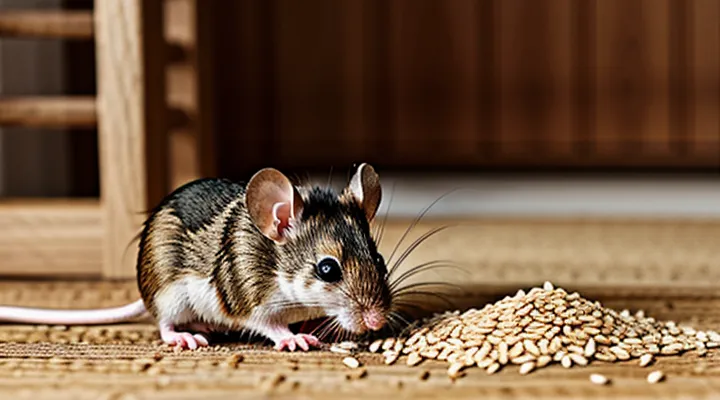
Understanding Mouse Nutritional Needs
Essential Dietary Components for Mice
Protein Requirements
Mice receiving grain‑based diets require a precise amount of protein to sustain growth, reproduction, and overall health. The optimal protein content depends on life stage and physiological condition.
- Growth phase (weanlings to young adults): 18‑20 % crude protein. Supports rapid tissue development and immune competence.
- Maintenance phase (adult non‑breeding mice): 14‑16 % crude protein. Sufficient for metabolic needs without excess nitrogen waste.
- Reproductive phase (pregnant or lactating females): 20‑24 % crude protein. Provides the amino acids necessary for fetal development and milk production.
- Aged mice: 16‑18 % crude protein. Compensates for reduced protein synthesis efficiency.
Key amino acids that must be present in adequate quantities include lysine, methionine, threonine, and tryptophan. Grain formulations often lack sufficient methionine; supplementing with soy protein isolate or purified amino acids corrects this deficiency.
When formulating a grain diet:
- Verify the crude protein percentage on the ingredient label; adjust with protein concentrates if the value falls below the target range.
- Ensure the amino acid profile meets or exceeds the National Research Council (NRC) recommendations for mice.
- Monitor feed intake and body condition; deviations may indicate protein imbalance.
- Re‑evaluate protein levels during any change in the colony’s reproductive status or when introducing new grain varieties.
Accurate protein provision, combined with balanced amino acids, is the cornerstone of a successful grain‑based feeding program for laboratory mice.
Fat Requirements
Mice require dietary fat to supply essential fatty acids, support cell membrane integrity, and facilitate the absorption of fat‑soluble vitamins. When grain‑based diets are the primary energy source, fat should be incorporated to meet these physiological needs without compromising carbohydrate balance.
The optimal fat inclusion for laboratory or pet mice ranges from 4 % to 6 % of the total diet on a dry‑matter basis. Values below 3 % may lead to reduced growth rates and impaired reproductive performance, while levels above 8 % can increase the risk of obesity and hepatic lipidosis.
Key sources of suitable fat for grain diets include:
- Sunflower oil (rich in linoleic acid, an omega‑6 essential fatty acid)
- Flaxseed oil (high in alpha‑linolenic acid, an omega‑3 precursor)
- Fish oil (provides EPA and DHA, beneficial for neural development)
- Animal fat powders (concentrated, low‑moisture options for precise formulation)
When formulating, ensure that the omega‑6 to omega‑3 ratio remains between 4:1 and 10:1 to promote a balanced inflammatory response. Monitor the overall caloric density; a typical mouse diet containing 5 % fat delivers approximately 3.5 kcal g⁻¹, which aligns with the species’ metabolic rate.
Regular assessment of body condition and feed intake helps verify that the fat level supports healthy weight maintenance and reproductive efficiency without inducing excess adiposity. Adjustments should be made promptly if deviations from target growth curves or health parameters are observed.
Vitamin and Mineral Needs
Mice receiving a grain‑based diet require specific vitamins and minerals to maintain health and support growth. Grains are low in certain micronutrients, so supplementation must be precise.
A balanced micronutrient profile includes:
- Vitamin A: 300–400 IU per kilogram of diet; supports vision and epithelial integrity.
- Vitamin D3: 1000–1500 IU per kilogram; aids calcium absorption and bone development.
- Vitamin E: 30–40 mg per kilogram; functions as an antioxidant protecting cell membranes.
- B‑complex vitamins: Thiamine (0.5 mg/kg), Riboflavin (1.0 mg/kg), Niacin (15 mg/kg), Pantothenic acid (5 mg/kg), Pyridoxine (2 mg/kg), Cobalamin (0.01 mg/kg); essential for energy metabolism and nervous system function.
- Vitamin C: 30–40 mg per kilogram; required for collagen synthesis and immune competence.
- Calcium: 0.8–1.0% of diet weight; critical for skeletal strength and neuromuscular signaling.
- Phosphorus: 0.6–0.8% of diet weight; works with calcium to form bone tissue.
- Magnesium: 0.05–0.10% of diet weight; involved in enzymatic reactions and muscle function.
- Potassium: 0.2–0.3% of diet weight; maintains fluid balance and nerve transmission.
- Sodium: 0.1–0.2% of diet weight; required for osmotic regulation.
- Zinc: 30–40 mg per kilogram; supports immune response and enzymatic activity.
- Iron: 50–60 mg per kilogram; necessary for hemoglobin formation.
- Copper: 5–7 mg per kilogram; participates in oxidative metabolism.
- Manganese: 10–12 mg per kilogram; contributes to bone formation and antioxidant defenses.
When formulating grain mixes, incorporate a premixed vitamin‑mineral supplement that meets these concentrations. Verify that the final diet does not exceed tolerable upper limits, particularly for fat‑soluble vitamins and trace minerals, to avoid toxicity. Regularly assess mouse body condition and adjust supplementation based on growth rates, reproductive status, and health indicators.
The Role of Grains in a Mouse Diet
Benefits of Grains for Mice
Energy Source
Grains provide the primary caloric input for laboratory and pet mice. Selecting a grain with a high metabolizable energy (ME) value ensures that mice meet their basal metabolic demands without excessive intake. Corn, wheat, and barley deliver approximately 3.5–4.0 kcal g⁻¹ ME, while oats and rice supply slightly lower values, around 3.2–3.4 kcal g⁻¹. Energy density influences growth rates, reproductive performance, and body composition; therefore, feed formulations must align the grain’s energy content with the target physiological outcomes.
When constructing a grain‑based diet, consider these factors:
- Protein‑energy ratio: Maintain a ratio of 1 g protein per 4–5 g carbohydrate to avoid imbalanced growth.
- Fiber content: Limit insoluble fiber to under 5 % of the diet to prevent gastrointestinal disturbances.
- Fat contribution: Keep added fat below 5 % of total weight; excess fat can inflate energy density and mask carbohydrate deficiencies.
- Storage stability: Use grains with low moisture (<13 %) and store at ≤4 °C to prevent rancidity and nutrient loss.
Practical feeding guidelines recommend offering 3–5 g of mixed grain per 100 g of body weight per day for adult mice. Adjust portions upward for breeding pairs or growing juveniles, monitoring body weight weekly to detect over‑ or under‑nutrition. Provide fresh water alongside the grain to facilitate digestion and nutrient absorption.
Regular analysis of the grain batch for moisture, peroxide value, and caloric content confirms consistency. Replace any lot that deviates by more than 5 % from the established energy profile to maintain reliable experimental or husbandry conditions.
Fiber Content
Fiber is essential for a mouse’s gastrointestinal health. Adequate fiber promotes peristalsis, prevents impaction, and supports a stable gut microbiome. When selecting grain based diets, aim for a dietary fiber content of 5‑7 % of the total dry matter. Below this range, fecal consistency becomes dry and hard; above it, stools may become loose and nutrient absorption can decline.
Common grain sources provide varying fiber levels:
- Oats: 10‑12 % soluble fiber, beneficial for moisture retention.
- Barley: 8‑10 % mixed fiber, supports both bulk formation and fermentation.
- Wheat bran: 12‑14 % insoluble fiber, adds bulk and aids transit.
- Rye: 9‑11 % fiber, balances soluble and insoluble fractions.
To maintain optimal fiber intake, combine grains with a small proportion of high‑fiber additives such as shredded cellulose or psyllium husk. A typical blend might consist of 70 % primary grain (e.g., oats) and 30 % supplemental fiber source, adjusted according to observed stool quality.
Monitoring indicators ensures proper fiber levels:
- Stool texture – firm but pliable indicates adequate fiber.
- Frequency of defecation – 2‑4 times daily reflects normal motility.
- Body condition – stable weight and coat quality suggest balanced digestion.
Adjust the fiber proportion gradually, altering one component at a time, and record outcomes for each change. This systematic approach enables precise control over fiber content, ensuring mice receive a diet that supports digestive efficiency without compromising other nutritional requirements.
Essential Nutrients
Mice require a balanced profile of nutrients to maintain health, growth, and reproductive efficiency when their diet consists primarily of grains. The following nutrients must be present in adequate amounts:
- Protein (15‑20 % of diet): Supplies amino acids for muscle development and enzyme synthesis. Sources include soy, pea, and canola meals blended with grain.
- Essential fatty acids: Provide energy and support cell membrane integrity. Include omega‑6 (linoleic acid) and omega‑3 (alpha‑linolenic acid) from flaxseed or fish oil emulsions.
- Vitamins:
Vitamin A – supports vision and immune function.
Vitamin D – regulates calcium absorption.
Vitamin E – protects cellular membranes from oxidation.
B‑complex (B1, B2, B6, B12, niacin, folic acid) – essential for metabolic pathways. - Minerals:
Calcium – bone formation, muscle contraction.
Phosphorus – works with calcium for skeletal health.
Magnesium – enzyme activation.
Potassium – nerve transmission.
Zinc – immune response and wound healing.
Iron – oxygen transport.
Trace elements (copper, manganese, selenium) are required in minute quantities but must be supplied to prevent deficiencies. - Fiber: Roughage from whole‑grain hulls promotes gastrointestinal motility and stabilizes gut flora.
When formulating grain‑based rations, ensure each nutrient meets the National Research Council (NRC) recommendations for laboratory mice. Regular analysis of feed composition validates that protein, fat, vitamin, and mineral levels remain within target ranges. Adjustments should be made promptly if analytical results deviate from established criteria.
Potential Risks of Improper Grain Feeding
Obesity and Related Health Issues
Feeding mice grain in excess leads to rapid weight gain, which predisposes them to obesity‑related disorders such as insulin resistance, hepatic steatosis, and reduced lifespan. Elevated body fat interferes with thermoregulation and impairs locomotor activity, increasing susceptibility to infections and cardiovascular strain.
Obesity manifests through measurable changes:
- Body condition scores above 3 on a 5‑point scale.
- Elevated fasting glucose and triglyceride levels.
- Enlarged adipocytes visible in histological sections.
- Decreased treadmill endurance and altered gait patterns.
Effective management requires precise control of grain intake and balanced nutrition:
- Determine daily caloric needs based on age, sex, and activity level; limit grain portion to 10–15 % of total calories.
- Offer grain in measured doses twice daily, avoiding free‑feeding.
- Complement grain with high‑fiber, low‑fat protein sources to promote satiety.
- Monitor body weight weekly; adjust portions immediately upon detecting a 5 % increase.
- Rotate grain varieties to prevent monotony and reduce the risk of excessive starch accumulation.
Adhering to these protocols minimizes adiposity, preserves metabolic health, and supports optimal experimental outcomes.
Nutritional Imbalances
Feeding mice primarily with grain products can create several nutritional imbalances. Grains supply abundant carbohydrates but lack sufficient protein, essential fatty acids, vitamins, and minerals required for optimal rodent health.
- Protein deficiency: Grain‑based diets often contain 5–10 % crude protein, far below the 14–20 % needed for growth, reproduction, and immune function. Resulting signs include reduced weight gain, impaired fur condition, and diminished litter size.
- Calcium‑phosphorus ratio disruption: Grains are low in calcium while providing relatively high phosphorus. An imbalanced Ca:P ratio (below 1:1) predisposes mice to skeletal deformities, dental abnormalities, and reduced bone density.
- Vitamin A and D insufficiency: Absence of fortified ingredients leads to night blindness, poor calcium absorption, and compromised skin health.
- Essential fatty acid shortage: Lack of omega‑3 and omega‑6 fatty acids contributes to dermatitis, poor coat quality, and inflammatory disorders.
- Fiber excess: High insoluble fiber from whole grains can cause gastrointestinal irritation, reduced nutrient absorption, and diarrhea.
Corrective strategies focus on supplementing the grain base with balanced components:
- Add a high‑quality rodent protein source (e.g., soy, casein, or insect meal) to raise overall protein to at least 16 % of the diet.
- Incorporate calcium‑rich supplements such as ground limestone or calcium carbonate to achieve a Ca:P ratio of 1.2–1.5 : 1.
- Fortify the mix with a premixed vitamin and mineral blend covering vitamins A, D, E, B‑complex, and trace elements (zinc, selenium, copper).
- Include a measured quantity of fish oil or flaxseed oil to supply essential fatty acids, targeting 2–4 % of total diet weight.
- Adjust fiber content by blending refined grains with low‑fiber alternatives (e.g., rice flour) and monitoring fecal consistency.
Regular monitoring of body weight, coat condition, and reproductive performance helps detect emerging imbalances early. Laboratory analysis of feed composition ensures that nutrient levels remain within established rodent dietary standards.
Digestive Problems
Feeding mice grain-based diets can trigger digestive disturbances if the feed is unsuitable or mismanaged. Grain particles that are too large, overly dry, or contaminated with mold may cause intestinal blockage, excessive gas, or nutrient malabsorption.
Typical digestive issues include:
- Impaction from coarse kernels that resist breakdown.
- Fermentation leading to bloating and diarrhea when grains ferment in the hindgut.
- Deficiency or excess of specific nutrients, such as fiber or starch, disrupting normal gut flora.
Observable signs are reduced activity, abnormal stool consistency, weight loss, and abdominal swelling. Early detection prevents progression to severe health problems.
Effective practices:
- Choose finely milled, high‑quality grains free of contaminants.
- Store grain in airtight containers to maintain moisture balance and prevent mold growth.
- Limit daily grain portion to 5–10 % of total caloric intake, supplementing with balanced protein and fiber sources.
- Soak or sprout grains for 12–24 hours to enhance digestibility and reduce antinutrients.
- Monitor stool and body condition daily; adjust grain type or amount at the first indication of digestive upset.
Recommended Grains for Mice
Safe Grain Choices
Oats
Oats are a suitable grain for laboratory and pet mice because they supply soluble fiber, moderate protein, and a balanced profile of carbohydrates and fats. The soluble fiber promotes healthy gut motility, while the protein content (approximately 13 % by weight) supports growth and tissue repair without overwhelming the animal’s renal system. Oats also contain essential vitamins such as thiamine and minerals like manganese, which contribute to metabolic efficiency.
When incorporating oats into a mouse diet, follow these precise guidelines:
- Offer rolled or instant oats that have been cooled to room temperature; avoid raw groats, which are difficult to chew.
- Limit oat portion to 5–10 % of the total daily grain mix to prevent excessive caloric intake.
- Combine oats with harder grains (e.g., wheat or barley) to encourage natural gnawing behavior and prevent dental overgrowth.
- Store oats in airtight containers at 15‑20 °C; discard any batch that shows signs of moisture, mold, or insect infestation.
- Conduct weekly weight checks on the mice; adjust oat quantity if body condition deviates from target range.
Prepared correctly, oats enrich the grain selection for mice, providing a reliable source of nutrients while supporting digestive health and behavioral needs.
Barley
Barley provides a balanced source of carbohydrates, moderate protein, and soluble fiber, making it suitable for the daily diet of laboratory or pet mice. Its natural levels of B‑vitamins and minerals such as magnesium and phosphorus support metabolic functions and bone health.
Before offering barley, remove debris, rinse thoroughly, and dry to prevent moisture‑related spoilage. Light cooking—boiling for 3–5 minutes—softens the kernels, reduces anti‑nutritional factors, and improves digestibility. After cooling, the grain may be mixed with other seeds or formulated pellets.
Feeding guidelines:
- Adult mouse (20‑30 g): 0.5–1 g barley per day, representing 10‑15 % of total grain intake.
- Juvenile mouse (under 4 weeks): 0.3–0.6 g, adjusted for growth rate.
- Combine with protein‑rich sources (e.g., soy, insects) to meet complete amino‑acid requirements.
- Offer fresh portions daily; discard uneaten grain after 24 hours to avoid contamination.
Store barley in a sealed container at 15‑20 °C, away from direct sunlight. Use desiccant packs or vacuum sealing for long‑term preservation. Inspect regularly for mold, insects, or off‑odors; discard compromised batches immediately.
Safety notes: avoid sprouted barley, which can produce toxic compounds. Monitor mice for signs of digestive upset, such as soft stools or reduced intake, and adjust portion size accordingly. Regular health checks ensure that barley remains a beneficial component of the overall grain regimen.
Brown Rice
Brown rice provides a balanced source of carbohydrates, moderate protein, and essential B‑vitamins that support the energy needs of laboratory or pet mice. Its fiber content aids digestion, while the low fat level prevents excessive weight gain when offered in appropriate amounts.
Preparation should follow these steps:
- Rinse the rice thoroughly to remove surface dust and potential contaminants.
- Cook with a water‑to‑rice ratio of 2 : 1, bringing the mixture to a boil, then simmer for 20 minutes until the grains are soft but not mushy.
- Cool the cooked rice to room temperature before serving; hot rice can cause burns, and chilled rice may discourage intake.
- Portion the rice into small, bite‑size pieces (approximately 2–3 mm) to reduce the risk of choking.
Recommended feeding frequency is two to three times per week, with each serving limited to 0.5–1 g per mouse, depending on body weight and overall diet composition. Combine brown rice with a protein‑rich supplement or a commercial mouse pellet to ensure a complete nutrient profile.
Potential concerns include mold growth if rice is stored moist for more than 24 hours, and the development of sprouted grains that can produce toxins. Discard any rice that appears discolored, has an off‑odor, or shows signs of spoilage. Regularly monitor mice for signs of digestive upset, such as soft stools or reduced activity, and adjust the amount of brown rice accordingly.
Millet
Millet offers a high‑energy carbohydrate source suitable for laboratory and pet mice. It contains approximately 70 % starch, 10 % protein, and a modest amount of dietary fiber, providing quick energy without excessive fat. The grain also supplies essential minerals such as magnesium, phosphorus, and trace amounts of zinc, contributing to skeletal health and metabolic function.
When incorporating millet into a mouse diet, observe the following guidelines:
- Store in a cool, dry environment; moisture promotes mold growth that can produce mycotoxins harmful to rodents.
- Use whole millet kernels or finely milled millet flour, depending on the desired texture and the age of the mice. Younger pups benefit from finely ground millet, while adults can handle whole kernels.
- Limit millet to no more than 15 % of the total grain mix to maintain a balanced nutrient profile. Excessive millet may displace protein‑rich grains such as soy or wheat, leading to deficiencies.
- Combine millet with complementary grains (e.g., barley, oats) and a protein source to ensure adequate amino acid intake.
- Introduce millet gradually, monitoring for signs of digestive upset or allergies. Replace any uneaten millet daily to prevent spoilage.
Potential concerns include the relatively low protein content compared to other grains and the presence of phytic acid, which can bind minerals and reduce absorption. Mitigate these issues by soaking millet for several hours before drying and grinding, a process that reduces phytic acid levels.
In summary, millet serves as an efficient carbohydrate component in a mixed‑grain regimen for mice when stored properly, proportioned correctly, and combined with protein‑rich ingredients.
Quinoa
Quinoa provides a high‑protein, low‑fat option for laboratory or pet mice. The seed contains all essential amino acids, a balanced ratio of carbohydrates, and a moderate amount of fiber, which supports digestive health without excessive bulk.
To incorporate quinoa safely, follow these steps:
- Rinse thoroughly under cold water to remove saponins that can cause gastrointestinal irritation.
- Cook in plain water at a 2:1 liquid‑to‑seed ratio; bring to a boil, reduce heat, and simmer for 12–15 minutes until grains are soft but retain shape.
- Cool to room temperature before offering; warm seeds may burn delicate oral tissues.
- Measure portions at 0.5 g per mouse per day, adjusting for age and body weight; young or pregnant individuals may require slightly higher amounts.
- Mix quinoa with a standard rodent chow base (e.g., 10 % quinoa by weight) to ensure balanced nutrient intake and prevent overconsumption of any single component.
- Store uncooked quinoa in an airtight container in a cool, dry place; keep cooked portions refrigerated and use within 48 hours to avoid mold growth.
Monitor mice for signs of intolerance, such as loose stools or reduced feed intake. If adverse symptoms appear, reduce or discontinue quinoa and revert to the standard diet. Regular health checks confirm that quinoa contributes positively to growth rates and body condition when integrated according to the guidelines above.
Grains to Avoid or Limit
Wheat (in large quantities)
Wheat provides a high‑energy carbohydrate source suitable for large‑scale mouse feeding programs. When incorporated as a primary grain, it supports growth and maintenance while keeping costs manageable.
Nutritional composition of wheat includes approximately 70 % carbohydrates, 12 % protein, 2 % fat, and 12 % dietary fiber, along with modest levels of B‑vitamins, iron, and zinc. These values align with the dietary requirements of laboratory and pet mice when balanced with supplemental protein and fat sources.
Preparation steps ensure safety and digestibility:
- Remove debris and foreign material by sieving.
- Optionally grind to a fine consistency to prevent selective feeding.
- Adjust moisture to below 12 % to inhibit mold development.
- Avoid cooking; raw or lightly toasted wheat retains optimal nutrient density.
Proper storage extends shelf life and prevents spoilage:
- Store in a cool (≤ 20 °C), dry environment.
- Use airtight containers or sealed bags with oxygen absorbers.
- Rotate stock regularly, discarding any grain showing discoloration or odor.
Potential issues arise from excessive wheat consumption:
- Elevated carbohydrate intake may cause rapid weight gain.
- High fiber levels can reduce nutrient absorption if not balanced.
- Lack of essential amino acids necessitates complementary protein sources.
Recommended implementation:
- Allocate 40–60 % of the total grain mixture to wheat.
- Supplement the remaining portion with soy, oats, or barley to provide diversified nutrients.
- Offer wheat in measured portions twice daily, adjusting quantities based on body weight and activity level.
- Monitor body condition weekly; reduce wheat proportion if signs of obesity or poor coat quality appear.
Corn (as a primary food)
Corn is a widely accepted staple in the diet of laboratory and pet mice because it supplies readily digestible carbohydrates and essential fatty acids. The grain’s high starch content delivers quick energy, while the modest protein level (approximately 8 % by weight) complements amino‑acid profiles of other feed components. Fiber present in corn kernels supports intestinal motility, and the natural carotenoids contribute to vitamin A intake.
When incorporating corn as the primary grain, follow these precise guidelines:
- Offer whole, dry kernels or finely ground corn meal; avoid moist or sprouted forms that promote mold growth.
- Limit daily corn intake to 15–20 % of the total diet by weight; excess starch can lead to obesity and glucose intolerance.
- Store corn in airtight containers at 15–20 °C; protect from humidity and direct sunlight to prevent mycotoxin development.
- Combine corn with protein‑rich supplements (e.g., soy or fish meal) to achieve a balanced amino‑acid profile.
- Monitor mice for signs of digestive upset; adjust portion size if fecal consistency changes or weight gain accelerates.
Nutritional balance requires that corn be paired with complementary grains such as wheat, barley, or oats, which provide higher protein and fiber levels. Regularly rotate grain mixes to prevent nutrient deficiencies and reduce the risk of palatability fatigue.
For breeding colonies, increase corn proportion during lactation to meet the elevated energy demands of nursing females, but revert to standard ratios once pups are weaned.
Implementing these practices ensures that corn serves as an effective, safe, and nutritionally appropriate cornerstone of a mouse grain‑based feeding program.
Sugary Cereals
Sugary cereals provide quick energy but contain high levels of simple sugars that can disrupt a mouse’s digestive balance and promote obesity. Excessive carbohydrate intake interferes with nutrient absorption from staple grains, leading to reduced weight gain and potential metabolic issues.
Recommended practices for incorporating sugary cereals into a mouse diet:
- Limit portions to no more than 5 % of total daily intake by weight.
- Select cereals with sugar content below 10 % and minimal added flavors or preservatives.
- Mix cereals with a base grain such as wheat or barley to dilute sugar concentration.
- Monitor body condition weekly; any rapid weight increase or loose stools warrants immediate reduction or removal.
- Replace sugary cereals with natural grain alternatives (e.g., rolled oats, millet) for long‑term feeding programs.
Avoid offering cereals that list high‑fructose corn syrup, honey, or artificial sweeteners among the first three ingredients. Consistent observation of health indicators ensures that the inclusion of sugary cereals does not compromise overall nutrition.
Preparing Grains for Mouse Consumption
Soaking and Sprouting Grains
Benefits of Soaking
Soaking grains before offering them to pet mice enhances nutrient availability. Water softens the seed coat, allowing enzymes to access starches and proteins more efficiently. The process reduces levels of phytic acid and other antinutrients that bind minerals, thereby increasing absorption of calcium, iron, and zinc.
- Improves digestibility: softened grains break down faster in the gastrointestinal tract, decreasing digestive strain.
- Increases hydration: moisture content contributes to overall fluid intake, supporting kidney function and preventing dehydration.
- Lowers choking risk: pliable grains are easier to chew, reducing the chance of oral injury.
- Promotes gut health: pre‑soaked grains encourage growth of beneficial bacteria, aiding fermentation and short‑chain fatty‑acid production.
- Enhances palatability: moist texture is more attractive to mice, encouraging regular consumption and preventing selective feeding.
Implementing a brief soak (4–6 hours at room temperature, followed by thorough rinsing) aligns with best practices for grain‑based rodent diets. This simple step maximizes the nutritional value of the feed while safeguarding animal welfare.
Sprouting Techniques
Sprouting transforms dry grains into highly digestible, nutrient‑dense feed suitable for laboratory and pet mice. The process begins with selecting high‑quality, untreated seeds such as wheat, barley, oat, or millet. Prior to germination, rinse the grains thoroughly to remove dust and potential contaminants, then soak in cool water for 4–6 hours. After soaking, drain and rinse again; excess moisture should be eliminated to prevent mold growth.
Maintain a dark, humid environment at 20‑22 °C for the initial 24 hours. Transfer the grains to a shallow tray lined with a breathable fabric, spreading them in a single layer no thicker than ½ inch. Cover loosely with another damp cloth to retain humidity while allowing airflow. Rinse and drain the grains twice daily, ensuring they remain moist but not waterlogged. Within 48–72 hours, sprouts will reach 1–2 cm in length, indicating sufficient enzymatic activity for mouse consumption.
Harvest by gently removing the sprouts with a fine mesh sieve, shaking off residual water. Pat dry with a clean cloth or allow brief air‑drying to reduce moisture content below 12 %. Store the sprouted grains in airtight containers in a refrigerator, using them within 5 days to preserve freshness and prevent spoilage.
Key considerations for safe implementation:
- Use only non‑treated, organic grains to avoid pesticide residues.
- Monitor temperature and humidity closely; deviations can encourage bacterial growth.
- Discard any sprouts showing discoloration, foul odor, or slime.
- Rotate batches weekly to maintain a constant supply of fresh sprouted feed.
Integrating sprouted grains into a balanced mouse diet enhances protein quality, vitamin levels, and fiber content while reducing the effort required for digestion. This method provides a reliable, cost‑effective means of improving overall animal health and experimental consistency.
Cooking Grains
Boiling Methods
Boiling grains before offering them to mice ensures soft texture, reduces antinutrients, and eliminates potential pathogens. Use clean water, avoid additives, and monitor temperature closely.
- Rinse grains thoroughly to remove dust and debris.
- Place grains in a saucepan, cover with water at a ratio of 3 parts water to 1 part grain.
- Bring to a rolling boil, then reduce heat to maintain a gentle simmer.
- Cook for 5–8 minutes for small grains (e.g., millet, rice) and 10–12 minutes for larger kernels (e.g., barley, oats).
- Test softness by pressing a grain between fingertips; it should yield without crushing.
- Drain excess water completely; residual moisture can spoil the feed.
- Cool to room temperature before storage or immediate use.
Store boiled grains in airtight containers within the refrigerator for up to three days. Discard any portion that develops off‑odors or mold. Consistent boiling practice supports healthy digestion and nutrient absorption in laboratory or pet mice.
Portion Control for Cooked Grains
Proper portion sizing of cooked grains is essential for maintaining mice health and preventing obesity. A typical adult mouse consumes approximately 0.5 g of dry grain per day; after cooking, this translates to about 1 g of moist grain, accounting for water absorption. Measure portions with a precision scale to ensure consistency.
- Weigh the cooked grain before each feeding.
- Divide the daily allowance into two equal feedings to mimic natural foraging patterns.
- Adjust quantities for juveniles (reduce by 30 %) and for larger breeds (increase by up to 20 %).
- Monitor body condition weekly; reduce portions if weight gain exceeds 5 % of target.
Portion control also reduces waste and contamination risk. Remove uneaten grain after 30 minutes to prevent spoilage and mold growth. Store excess cooked grain in airtight containers at 4 °C and use within 48 hours. By adhering to precise measurements, scheduled feedings, and prompt removal of leftovers, caregivers provide balanced nutrition while minimizing health hazards.
Feeding Guidelines and Best Practices
Introducing New Grains
Gradual Introduction
Introducing grains to a mouse’s diet requires a step‑by‑step approach to avoid digestive upset and ensure acceptance.
Begin with a small quantity of finely milled grain mixed into the regular feed. A ratio of 1 part grain to 9 parts standard diet is sufficient for the first 48 hours. Observe the animals for signs of refusal or abnormal stool.
If consumption is steady, increase the proportion incrementally. Adjust the ratio to 2 parts grain to 8 parts base feed for the next two days, then to 3 parts grain to 7 parts base feed for another 48 hours. Continue this pattern until grains represent no more than 30 % of the total ration.
Key points for successful transition:
- Use freshly ground grain to enhance digestibility.
- Provide water at all times; grains increase fluid requirements.
- Maintain consistent feeding times to reduce stress.
- Record daily intake and body weight to detect adverse reactions early.
Should any mouse exhibit reduced appetite, diarrhea, or weight loss, revert to the previous ratio and pause further increases for at least three days. Only resume the gradual escalation after normal parameters are restored.
Monitoring for Adverse Reactions
When introducing a new grain diet to laboratory or pet mice, systematic observation of each animal is essential to detect negative health effects promptly.
Key indicators of adverse reactions include:
- Reduced food intake or refusal of the offered grain
- Rapid weight loss exceeding 5 % of baseline body weight
- Diarrhea, loose stools, or blood in feces
- Respiratory distress, such as labored breathing or nasal discharge
- Skin abnormalities, including erythema, itching, or lesions
- Lethargy, uncoordinated movement, or tremors
- Unusual mortality within 24–72 hours of diet change
Document every observation in a dedicated log, noting the date, time, animal identifier, and specific symptoms. Use standardized scoring to quantify severity, enabling comparison across subjects and time points.
If any sign appears, follow these steps:
- Isolate the affected mouse to prevent spread of potential pathogens.
- Cease the grain feed immediately; revert to the previously validated diet.
- Provide supportive care—fluid therapy for dehydration, analgesics for pain, or antibiotics if bacterial infection is suspected.
- Notify the overseeing veterinarian or animal care committee, supplying the recorded data.
- Conduct a post‑mortem examination for deceased individuals to identify underlying causes.
Regular review of the collected data will reveal patterns, allowing adjustments to grain composition, portion size, or feeding schedule before widespread implementation.
Storage of Grains
Preventing Pests
Feeding mice with grain requires strict control of storage and delivery methods to avoid attracting unwanted insects, rodents, or other wildlife. Secure containers with tight-fitting lids prevent accidental spills that can become food sources for pests. Place containers on elevated surfaces to reduce contact with floor-dwelling insects and to discourage crawling insects from reaching the grain.
- Use airtight, UV‑resistant bins made of metal or heavy‑wall plastic.
- Inspect grain before each refill; discard any clumped, moldy, or infested portions.
- Store bins in a climate‑controlled area, maintaining temperature below 20 °C and humidity under 60 % to inhibit fungal growth that attracts insects.
- Implement a regular cleaning schedule: remove residue from trays, feeders, and surrounding surfaces weekly.
- Install physical barriers such as mesh screens on ventilation openings to block entry of flies and beetles.
Monitoring is essential. Conduct visual checks twice a week for signs of pest activity—e.g., webbing, droppings, or gnaw marks. If detection occurs, isolate the affected container, apply a food‑grade insecticide according to manufacturer instructions, and replace the grain with a fresh batch.
By combining sealed storage, environmental control, routine sanitation, and vigilant inspection, the risk of pest infestation remains minimal while maintaining optimal nutrition for the mice.
Maintaining Freshness
Keeping grain fresh is essential for mouse health and optimal consumption. Store grain in airtight containers made of glass, metal, or heavy‑wall plastic to prevent air, insects, and rodents from entering. Place containers in a cool, dry area away from direct sunlight; temperatures between 10 °C and 20 °C reduce spoilage risk. Use desiccant packets or a small amount of food‑grade silica gel to absorb residual moisture, but replace them regularly.
Rotate stock systematically. Label each batch with the purchase date and use older grain first. Before adding new grain, inspect the container for signs of mold, clumping, or off‑odors. Discard any grain that shows discoloration, moisture damage, or unusual smell.
Maintain cleanliness throughout handling:
- Scoop grain with a clean spoon or scoop; avoid using hands that may transfer oils.
- Clean the storage container weekly with mild soap and hot water; rinse thoroughly and dry before refilling.
- Keep the feeding area free of spilled grain; remove leftovers after each feeding session to limit exposure to ambient humidity.
Monitor environmental conditions. A hygrometer can track relative humidity; keep levels below 60 % to inhibit fungal growth. If humidity rises, transfer grain to a drier location or increase desiccant usage.
Regularly assess grain quality. Conduct a quick visual test: spread a thin layer on a tray, observe for clumping after a few hours. If clumps form, moisture has penetrated and the grain should be replaced. By following these practices, grain remains nutritionally intact, palatable, and safe for mice.
Frequency and Quantity of Grain Feeding
Daily Portions
When feeding laboratory or pet mice grain-based diets, the daily amount must match the animal’s metabolic demand and body weight. Over‑feeding leads to obesity and health complications; under‑feeding causes weight loss and reduced fertility.
- Adult mice (20–30 g): 3–4 g of mixed grain per day, divided into two feedings.
- Juvenile mice (10–15 g): 2–2.5 g of mixed grain per day, divided into three feedings.
- Pregnant or lactating females: increase to 4.5–5 g per day, supplied in smaller, more frequent portions to maintain steady intake.
- Aged mice (>18 months): reduce to 2.5–3 g per day, monitor body condition weekly.
Adjust portions based on observed body condition scores, activity level, and any concurrent treats. Record daily consumption to detect deviations promptly and modify the ration accordingly.
Balancing with Other Foods
A balanced diet for pet mice requires that grains constitute only a portion of the total intake, supplemented with protein sources, fresh vegetables, and occasional treats. Overreliance on grain can lead to excess carbohydrates and insufficient protein, compromising growth and immune function.
- Grain: 30‑40 % of daily ration, measured by weight rather than volume. Choose whole‑grain varieties such as rolled oats, barley, or wheat bran.
- Protein: 20‑30 % of diet. Include commercial mouse pellets, cooked egg white, or small amounts of lean cooked meat.
- Fresh vegetables: 20‑25 % of diet. Offer leafy greens (e.g., kale, romaine) and root vegetables (e.g., carrot, beet). Provide no more than 5 g per mouse per day to avoid excess moisture.
- Treats and fruits: 5‑10 % of diet. Limit sugary items (e.g., apple slices) to prevent obesity and dental issues.
Adjust portions based on the mouse’s age, activity level, and health status. Juvenile mice demand higher protein ratios, while adult maintenance requires stable carbohydrate intake. Regularly observe body condition and stool consistency; weight gain or loose stools indicate the need to reduce grain proportion or increase fiber.
Hydration must accompany solid foods. Provide fresh water daily, and consider moistening dry grain with a small amount of water to aid digestion, especially for older mice with reduced chewing efficiency.
Common Mistakes to Avoid
Overfeeding Grains
Overfeeding grains leads to rapid weight gain, gastrointestinal distress, and metabolic disorders in laboratory and pet mice. Excess starch increases blood glucose, promoting insulin resistance and fatty liver disease. Elevated fiber intake can cause bloating, reduced nutrient absorption, and diarrhea.
Typical signs of grain overload include:
- Obesity or noticeable abdominal distention
- Lethargy and reduced activity
- Soft, watery feces or occasional mucus
- Abnormal grooming behavior due to discomfort
To prevent these outcomes, adhere to the following guidelines:
- Limit grain portion to 10‑15 % of the total daily diet by weight, ensuring the remainder consists of balanced protein, fat, and vitamin sources.
- Offer grain in measured scoops rather than free‑feeding; replenish only after the previous amount is fully consumed.
- Rotate grain types weekly to avoid excessive accumulation of any single carbohydrate.
- Monitor body condition scores weekly; adjust grain quantity immediately if a mouse shows a score above the optimal range.
- Record daily intake for each cage; discrepancies may indicate spillage or hoarding, which can mask overconsumption.
Implementing precise portion control and regular health checks eliminates the risk of grain‑induced complications while maintaining the nutritional benefits of cereal components.
Relying Solely on Grains
Relying exclusively on grains to feed laboratory or pet mice creates a diet that lacks essential nutrients. Grains supply carbohydrates and some protein, but they provide insufficient levels of vitamins A, D, E, K, and B-complex, as well as trace minerals such as zinc, selenium, and copper. Deficiencies manifest as poor growth, impaired immune function, and reduced reproductive performance.
Key drawbacks of a grain‑only regimen:
- Inadequate essential fatty acids → skin lesions, compromised coat quality.
- Low calcium‑phosphorus ratio → skeletal abnormalities, weakened dentition.
- Absence of dietary fiber diversity → gastrointestinal dysbiosis, slower gut motility.
- Limited amino acid profile → reduced muscle development and slower wound healing.
To maintain health while using grains as a primary component, supplement the diet with:
- A balanced vitamin–mineral premix formulated for rodents.
- Small quantities of animal‑based protein (e.g., boiled egg, lean meat) to complete the amino acid spectrum.
- Fresh vegetables or leafy greens for vitamin C, fiber, and antioxidants.
- Commercial rodent chow pellets that contain fortified nutrients, mixed with grains at a ratio of no more than 70 % grain to 30 % chow.
Monitoring body weight, coat condition, and reproductive output provides early indicators of nutritional imbalance. Adjust supplementation promptly if any parameter deviates from normal ranges.
Neglecting Water Access
Providing grain without guaranteeing water leads to rapid dehydration. Mice consuming dry feed must have immediate access to fresh moisture; otherwise, renal strain, reduced feed intake, and increased mortality occur.
Dehydration disrupts digestion, concentrates urine, and impairs thermoregulation. Even well‑balanced grain formulations cannot compensate for a lack of water, because metabolic water produced from carbohydrate oxidation is insufficient for normal physiological functions.
To prevent water neglect, implement the following measures:
- Install a leak‑proof water bottle with a stainless‑steel spout; replace the bottle daily.
- Position the water source within 2 cm of the grain dispenser to encourage simultaneous drinking.
- Check water clarity each morning; discard cloudy or contaminated fluid.
- Use a small ceramic dish for supplemental water during breeding cycles; clean after each use.
- Monitor humidity levels; maintain 40‑60 % relative humidity to reduce evaporative loss.
Regular inspection of water delivery systems eliminates the risk of accidental omission, ensuring that grain feeding remains effective and humane.