
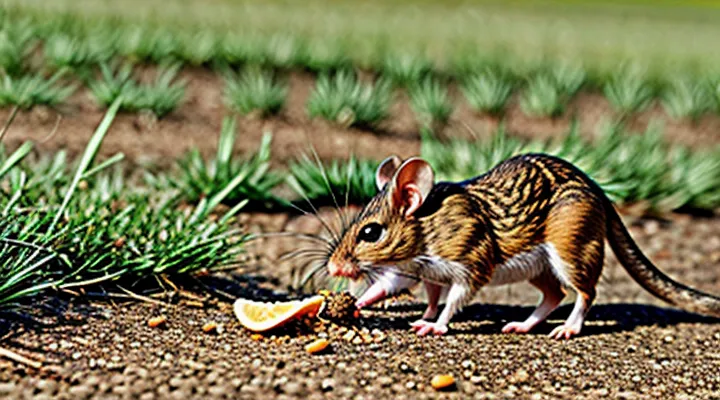
Understanding Field Mice and Their Diet
Natural Diet of Field Mice
Seasonal Variations in Food Sources
Field mice experience marked changes in available nourishment throughout the year. Recognizing these fluctuations enables reliable supplementation that aligns with natural foraging patterns.
In spring, fresh grass shoots, tender herb leaves, and newly emerged insect larvae become abundant. Supplementary items that mimic this profile include:
- Soft‑seed mixes containing wheat, oat, and barley kernels, lightly moistened to resemble moist vegetation.
- Dried mealworms or small beetle fragments, offering protein comparable to emerging larvae.
Summer brings prolific seed production from grasses and broad‑leaf plants, alongside a surge in ground‑dwelling insects. Effective additions for this period are:
- Unprocessed sunflower and millet seeds, providing high‑energy fats.
- Fresh clover or alfalfa sprigs, delivering fiber and vitamins.
- Live or frozen crickets, sustaining protein intake during peak activity.
Autumn marks a transition to fallen nuts, acorns, and dried seed heads. Appropriate offerings consist of:
- Crushed hazelnuts or chestnut pieces, supplying fats essential for pre‑winter fat storage.
- Dried corn kernels, offering carbohydrates for energy reserves.
- Small quantities of dried earthworms, maintaining protein levels as insect activity declines.
Winter limits natural food to stored seeds, bark, and occasional sap. To prevent starvation, provide:
- High‑calorie seed blends rich in sunflower, pumpkin, and safflower seeds.
- Hardened grain blocks or compressed hay pellets, ensuring continuous access despite snow cover.
- Moisture‑rich food gels or soaked seed cubes, preventing dehydration when water sources freeze.
Adjusting quantities to reflect seasonal scarcity—reducing portions in times of natural abundance and increasing them during lean months—maintains stable body condition and supports reproductive success. Monitoring for leftover food helps gauge adequacy and prevents waste that could attract predators.
Nutritional Needs and Requirements
Field mice thriving in open landscapes require a balanced diet that mirrors the composition of naturally occurring resources. Their energy intake must support rapid metabolism, reproductive cycles, and seasonal activity spikes.
- Proteins: 15–20 % of daily caloric intake; sourced from insects, seeds, and young shoots. Adequate protein sustains muscle growth and tissue repair.
- Fats: 5–10 % of calories; obtained from oil‑rich seeds, nuts, and arthropod larvae. Fats supply concentrated energy for cold periods and high‑intensity foraging.
- Carbohydrates: 60–70 % of calories; delivered by grasses, grains, and tubers. Carbohydrates fuel routine locomotion and thermoregulation.
- Vitamins and minerals: Vitamin A, B‑complex, D, and E, plus calcium, phosphorus, magnesium, and potassium, are present in leafy vegetation, berries, and soil‑derived grit. These micronutrients facilitate bone development, immune function, and enzymatic processes.
- Water: Continuous access to fresh moisture, whether from dew, puddles, or plant sap, prevents dehydration and supports renal health.
Seasonal shifts alter nutrient availability. In spring, abundant insects boost protein levels; summer provides plentiful seeds and grasses for carbohydrates; autumn introduces nuts and fallen fruits rich in fats; winter demands reliance on stored seeds and underground tubers, emphasizing higher fat consumption to maintain body heat. Monitoring these patterns enables caretakers to supplement gaps without disrupting natural foraging behavior.
Overall, a diet that reflects the proportional distribution of proteins, fats, carbohydrates, micronutrients, and water found in the field ensures optimal physiological performance and reproductive success for field mice living in their native ecosystems.
Ethical and Practical Considerations for Feeding Wild Animals
The «Do No Harm» Principle
Potential Negative Impacts of Human Intervention
Human involvement in feeding wild field mice often disrupts ecological balance. Supplemental food sources can alter population density, leading to competition with native species and increased predation pressure. When food availability spikes artificially, mice may expand beyond the carrying capacity of their habitat, causing overgrazing of vegetation and soil degradation.
Key adverse outcomes include:
- Reduced genetic diversity – concentrated feeding areas favor certain individuals, limiting gene flow.
- Disease amplification – high-density groups facilitate transmission of pathogens such as hantavirus and parasites.
- Behavioral conditioning – reliance on human-provided nutrition diminishes foraging skills, increasing vulnerability when supplies cease.
- Predator–prey imbalance – predators attracted to abundant mice may shift hunting patterns, affecting other small‑animal populations.
Long‑term ecological monitoring confirms that unregulated feeding interventions compromise the resilience of meadow ecosystems. Sustainable management requires minimizing direct food provision and preserving natural foraging conditions.
Ecological Balance and Food Web Disruptions
Feeding field mice according to their natural diet influences the stability of grassland ecosystems. When supplemental food aligns with native seed and insect sources, mouse populations maintain densities that support predator species without causing overpopulation.
Excessive or nutritionally imbalanced provisioning can trigger several disruptions:
- Rapid increase in mouse numbers leads to heightened seed predation, reducing plant regeneration.
- Elevated rodent densities attract higher numbers of raptors and carnivorous mammals, potentially amplifying predation pressure on other small vertebrates.
- Concentrated feeding sites create localized hotspots of waste, fostering opportunistic scavengers and altering microbial activity in the soil.
- Imbalanced diets may weaken mouse health, increasing susceptibility to disease and facilitating pathogen spillover to sympatric species.
Maintaining ecological balance requires:
- Selecting food items that mimic the composition of wild foraging resources (e.g., native grasses, wild seeds, arthropods).
- Distributing supplemental feed evenly across the habitat to avoid aggregation.
- Monitoring population trends and adjusting provision rates to prevent density spikes.
- Conducting periodic assessments of predator–prey dynamics to detect shifts in trophic interactions.
Adhering to these practices preserves the integrity of the food web, ensuring that field mice continue to function as both seed dispersers and prey without destabilizing the broader ecosystem.
Responsible Feeding Practices
Choosing Appropriate Food Items
When providing sustenance for field mice in their native environment, the primary consideration is compatibility with their natural diet and the ecological balance of the habitat. Food choices must reflect the species’ foraging behavior, seasonal availability, and nutritional requirements.
Select items that mimic wild resources:
- Seeds and grains – wheat, millet, oat, and barley kernels; harvested in late summer, these provide carbohydrates and protein.
- Legume pods – pea, bean, and lentil shells; rich in essential amino acids and readily consumed during spring.
- Insect larvae – mealworms or beetle larvae; source of high‑quality protein, especially valuable during breeding periods.
- Fresh greens – young shoots of grasses, clover, and dandelion leaves; supply vitamins and fiber.
- Fruit fragments – berries, apple slices, and grapes; offer sugars and antioxidants but should be limited to prevent spoilage.
Avoid processed foods, high‑fat snacks, and artificial additives, as they can disrupt gut flora and attract predators. Introduce new items gradually to monitor acceptance and prevent overconsumption of any single component. Regularly assess the condition of feeding stations for contamination and replenish with fresh supplies to maintain a stable, naturalistic food source for the mice.
Determining Safe Feeding Locations
Providing supplemental food for field mice requires careful placement to protect the animals from predators, disease, and habitat disruption. Selecting a feeding spot that mimics natural foraging conditions reduces stress and encourages normal behavior.
- Choose areas with dense ground cover, such as tall grasses or low shrubs, that conceal mice from aerial and terrestrial hunters.
- Avoid locations near open water sources where moisture can promote mold growth on food items.
- Prefer sites on well‑drained soil to prevent food from becoming soggy or attracting insects.
- Ensure the spot is away from human traffic paths, livestock pens, and pesticide application zones to minimize accidental contamination.
- Position feeders within the known home ranges of resident mouse populations, identified through recent field observations or tracking data.
Implement the chosen site by securing food containers at ground level, using predator‑proof lids and non‑metallic materials that do not attract rodents to the structure itself. Distribute small quantities daily to prevent accumulation and reduce the likelihood of secondary pest infestations.
Monitor the area regularly for signs of predation, food spoilage, or non‑target species activity. Adjust placement or feeding frequency promptly if adverse effects appear, maintaining a balance between nutritional support and ecological integrity.
Preventing Over-Reliance and Habituation
Feeding field mice in their native environment can create dependence if food is supplied excessively or predictably. To maintain natural foraging behavior, implement the following measures:
- Offer supplemental feed only during extreme weather or scarce natural resources; discontinue once conditions improve.
- Vary the placement, timing, and type of food to prevent mice from associating a single location with a constant supply.
- Limit portions to amounts that complement, not replace, wild seed and insect availability.
- Use natural materials such as grain husks or dried insects that mimic the nutritional profile of wild diets.
Monitor mouse activity regularly. A decline in foraging excursions or an increase in congregations around feeding sites signals emerging habituation. Adjust the program by reducing frequency, relocating feed stations, or pausing provision altogether until independent foraging resumes. Consistent observation and adaptive management preserve the species’ self‑sufficiency while still offering support during periods of genuine need.
Safe and Sustainable Feeding Methods
Identifying Suitable Food Sources
Seeds and Grains
Seeds and grains constitute the primary energy source for field mice living outdoors. Selecting appropriate varieties ensures adequate caloric intake, supports reproductive cycles, and reduces reliance on human‑provided feed.
Suitable options include:
- Small‑seed cereals such as millet, wheat, and oats; their size matches the rodents’ bite capacity.
- Legume seeds like lentils and peas; high protein content benefits growth.
- Natural grasses and wild grasses seed heads; provide fiber and mimic natural foraging.
Nutritional considerations
- Carbohydrates supply immediate energy; cereals deliver 60–70 % of total calories.
- Protein levels of 12–18 % in legume seeds support tissue development.
- Fat content should remain below 5 % to prevent obesity and digestive issues.
Presentation and distribution
- Scatter seeds thinly across foraging zones; dense piles encourage hoarding and increase predation risk.
- Use biodegradable mesh bags to protect feed from rain while allowing mice to retrieve kernels.
- Replace depleted portions daily to maintain consistent availability.
Seasonal adjustments
- Spring and summer: increase proportion of high‑protein legumes to match breeding demands.
- Autumn: add energy‑dense grains to assist in building fat reserves for winter.
- Winter: provide a mixture of whole grains and cracked corn to facilitate easy chewing under cold conditions.
Monitoring
- Observe for signs of overconsumption, such as rapid weight gain or reduced activity.
- Record consumption rates to adjust quantities and prevent waste.
- Inspect for mold or spoilage; discard compromised feed immediately.
Fruits and Vegetables
Field mice thrive on a diet that balances protein, carbohydrates, and fiber; fruits and vegetables supply essential sugars, vitamins, and bulk without compromising natural foraging behavior.
Suitable fruits include:
- Apples, cored and cut into bite‑size pieces
- Berries (blueberries, strawberries, raspberries) washed and offered whole
- Grapes, halved to prevent choking
- Pears, trimmed of seeds and sliced thin
Appropriate vegetables comprise:
- Carrots, grated or diced
- Cucumbers, sliced thinly
- Sweet potatoes, boiled and mashed
- Peas, shelled and lightly steamed
Preparation guidelines:
- Remove pits, stems, and any toxic parts (e.g., apple seeds, grape skins with mold)
- Present food on natural substrates such as leaf litter or bark to mimic wild conditions
- Limit portions to a few grams per mouse per day to avoid overfeeding and attract predators
Seasonal adjustments:
- Offer seasonal produce to align with natural availability, reducing reliance on stored supplies
- Monitor consumption; a sudden decline may indicate illness or competition, prompting a review of food quality and placement
Consistent provision of these fruit and vegetable selections supports healthy weight, reproductive success, and resilience of field mice within their native habitats.
Insects and Other Protein Sources
In the wild, field mice obtain most of their protein from arthropods and occasional vertebrate matter. Selecting appropriate insects and supplementary protein items enhances survival rates, supports reproductive success, and promotes healthy body condition.
Commonly consumed insects include:
- Crickets (Acheta domesticus) – high in protein, readily available in grasslands.
- Mealworms (Tenebrio molitor larvae) – soft-bodied, easy for small rodents to handle.
- Grasshoppers – rich in essential amino acids, abundant during late summer.
- Beetle larvae (e.g., darkling beetles) – provide lipids and micronutrients.
Other protein sources suitable for supplementation:
- Earthworms – abundant after rainfall, offer moisture and nutrients.
- Small carrion fragments – occasional ingestion supplies calcium and iron, but must be fresh to avoid disease.
- Insect pupae – dense nutrient packs, especially useful during breeding periods.
- Commercial rodent protein blocks – formulated with soy, fish meal, and dried insects for controlled nutrition.
Guidelines for offering protein:
- Present live or freshly killed insects in shallow depressions to mimic natural foraging.
- Limit daily protein intake to 15‑20 % of total dietary calories to prevent kidney strain.
- Rotate insect species to ensure a balanced amino acid profile.
- Avoid using insects harvested from pesticide‑treated fields; contaminants can accumulate in mouse tissues.
- Store supplemental protein blocks in airtight containers, replace them every 30 days to prevent mold growth.
Safety considerations:
- Inspect all insects for parasites before placement; discard any with visible larvae or discoloration.
- Monitor mouse activity after introducing new protein items; reduced foraging may indicate intolerance.
- Ensure water sources remain uncontaminated, as protein-rich foods can increase bacterial proliferation in standing water.
Integrating a diverse array of arthropods and carefully selected protein supplements aligns with the natural dietary patterns of field mice, fostering robust populations within their native ecosystems.
Establishing Feeding Stations
Design and Placement
Effective feeding stations for wild field mice must combine durability, concealment, and accessibility. Materials such as untreated hardwood, UV‑resistant plastic, or metal mesh resist weather and gnawing while avoiding toxic coatings. Structures should include a shallow tray (2–3 cm deep) to limit spillage and a protective overhang (5–7 cm) that shields feed from rain and predators. A removable lid with a small entry slot (≈1 cm) permits mouse access but deters larger mammals and birds.
- Use non‑reflective colors that blend with the surrounding vegetation.
- Incorporate a secure anchoring system (stakes, buried weights, or ground‑spike brackets) to prevent displacement by wind or larger animals.
- Design the interior surface with a textured finish to reduce slippage and encourage stable feeding.
- Include a simple cleaning hatch to facilitate regular maintenance without dismantling the entire unit.
Placement decisions influence both consumption rates and safety. Position stations within established foraging corridors, typically 10–30 m from cover such as tall grass, low shrubs, or stone piles. Elevate trays 2–5 cm above ground to keep feed dry while remaining reachable for mice. Space multiple stations at intervals of 20–40 m to distribute activity and minimize competition. Avoid locations near predator pathways, human traffic, or water sources prone to flooding. Align stations with the natural orientation of the terrain, allowing wind‑driven seed dispersal to replenish feed gradually.
Regular monitoring—weekly visual checks and monthly substrate analysis—confirms that design and placement sustain consistent intake without attracting non‑target species. Adjust material choices or site selection promptly if signs of wear, predation, or contamination appear. This systematic approach ensures reliable nutrition delivery while preserving the ecological integrity of the field mouse habitat.
Hygiene and Maintenance
Maintaining hygienic conditions around feeding stations is essential for the health of wild field mice and for preventing disease transmission. Clean feeding platforms reduce the risk of bacterial growth, fungal spores, and parasite infestations. Use metal or smooth‑finished wooden trays that can be easily scrubbed after each feeding cycle. Rinse with hot water, apply a mild, non‑toxic disinfectant, and allow complete drying before refilling.
Regular inspection of the feeding area prevents contamination. Look for droppings, urine stains, or mold on surrounding vegetation. Remove any spoiled food promptly; decaying matter attracts insects and rodents that may compete with the target species. Replace feed with fresh portions at consistent intervals to maintain nutritional quality and discourage scavenger buildup.
A simple maintenance schedule supports consistency:
- Daily: Remove uneaten food, wipe surfaces, check for moisture accumulation.
- Weekly: Deep clean trays, disinfect, and rotate placement to avoid soil compaction.
- Monthly: Inspect surrounding habitat for signs of pest activity, adjust placement to minimize overlap with predator pathways.
Water sources should be kept separate from feed to avoid dampness that fosters microbial growth. Provide shallow, clean containers that are refreshed every 24 hours. Ensure containers are made of materials resistant to rust and do not leach chemicals into the water.
By adhering to these hygiene and maintenance practices, field mice receive reliable nutrition while the ecosystem remains balanced and free from avoidable health hazards.
Monitoring and Adapting Feeding Strategies
Observing Mouse Behavior
Accurate observation of field‑mouse activity provides the data needed to design an effective feeding strategy that aligns with natural foraging patterns.
During daylight, mice typically remain concealed in burrows or dense cover, emerging briefly to assess food sources. Crepuscular peaks occur at dawn and dusk, when individuals increase surface movement, sniffing and sampling potential items. Tracking these intervals reveals the optimal times for placing supplemental feed without disrupting established routines.
Key behaviors to monitor include:
- Scavenging routes: Repeated paths indicate preferred foraging corridors; placing feed along these tracks encourages uptake.
- Handling time: Short bites suggest high palatability, while prolonged manipulation may signal unfamiliar or unappealing food.
- Social interactions: Aggressive encounters at a feeding site can signal overcrowding; spacing feed stations reduces conflict.
- Cache formation: Observation of hoarding behavior identifies species that store excess provisions, allowing placement of larger quantities for later retrieval.
Documenting activity with motion‑activated cameras or direct field notes enables quantitative analysis of visitation frequency, species composition, and seasonal shifts. Correlating these metrics with environmental variables—temperature, vegetation cover, predator presence—refines the timing and composition of feed offerings, ensuring they complement, rather than replace, natural diet sources.
Implementing a systematic observation protocol therefore maximizes the efficiency of supplemental feeding while preserving the ecological integrity of the mice’s habitat.
Adjusting Food Offerings
Adjust food provisions to match seasonal plant availability, population density, and predator pressure. Offerings that are too abundant attract predators and encourage disease, while insufficient supplies lead to malnutrition and reduced reproductive success.
Key variables influencing adjustments:
- Seasonal growth cycles – Replace leafy greens with seeds in autumn, increase protein sources during breeding months.
- Population fluctuations – Scale quantities upward when census data show a rise in numbers; reduce when density declines.
- Predator activity – Disperse feed across multiple low‑visibility sites when predation risk is high; concentrate in sheltered microhabitats during calm periods.
- Weather conditions – Add moisture‑rich foods during drought; provide dry, high‑energy items in cold, wet spells.
Implement the following protocol each month:
- Conduct a quick visual count of active mouse runs and burrow entrances.
- Record recent weather patterns and predator sightings.
- Select food types that correspond to the current growth stage of local vegetation.
- Calculate the total mass of food needed: (average mouse weight × estimated individuals × daily caloric requirement) ÷ 30.
- Distribute the calculated amount in several shallow trays placed near natural cover.
Regular monitoring of consumption rates and health indicators—body condition, litter size, and foraging behavior—confirms whether adjustments are effective. Immediate modification of the diet composition or quantity is required if any metric deviates from established benchmarks.
Potential Risks and How to Mitigate Them
Attracting Predators
Strategies for Predator Deterrence
Providing sustenance to field mice in their native environment requires minimizing losses to predators. Effective deterrence combines habitat management, feeding‑station design, and chemical or physical barriers.
Habitat management reduces predator access. Dense ground cover and low shrubbery create visual obstruction, limiting the ability of raptors and snakes to spot foraging rodents. Maintaining a mosaic of grass heights discourages foxes, which prefer open sight lines for hunting.
Feeding‑station design focuses on predator exclusion. Install platforms elevated 30–45 cm above ground, supported by narrow legs that prevent larger mammals from reaching the feed. Fit each platform with a removable predator guard—a metal or PVC cone that narrows toward the base, allowing mice to climb while blocking cats and weasels. Position stations near natural burrows to exploit existing escape routes.
Chemical and natural repellents add a defensive layer. Apply predator‑specific deterrents, such as capsaicin‑based sprays, to the perimeter of feeding areas. These irritants deter mammals without harming mice. Rotate repellent formulations weekly to prevent habituation.
A concise list of actionable measures:
- Plant a 0.5‑m perimeter of thorny or aromatic herbs (e.g., rosemary, thistle) around feeding sites.
- Use motion‑activated ultrasonic emitters calibrated to frequencies that deter foxes and feral cats.
- Schedule feedings during daylight hours when nocturnal predators are less active.
- Rotate feeding locations every 3–5 days to avoid establishing predictable patterns for predators.
- Monitor stations daily for signs of predator intrusion (tracks, disturbed soil) and adjust barriers promptly.
Implementing these tactics creates a hostile environment for predators while preserving easy access for field mice, thereby increasing the success rate of supplemental feeding programs.
Disease Transmission
Limiting Contact and Contamination
Limiting human interaction and preventing contamination are essential for successful nutrition delivery to field mice in their wild environment. Direct contact introduces stress, alters natural foraging behavior, and creates pathways for pathogens. Contaminants from hands, tools, or surrounding debris can compromise food quality and pose health risks to the rodents.
Use designated feeding stations constructed from inert, non‑porous materials. Position stations at least 20 meters from human pathways, trails, and livestock zones. Clean each station with diluted bleach solution (1 % concentration) before placement, and allow it to dry completely to eliminate residual chemicals. Avoid using scented or flavored containers that could attract non‑target species.
- Install feeding trays at ground level to match natural foraging height.
- Cover trays with fine mesh that excludes insects and larger mammals while permitting mouse access.
- Replenish food once daily, using gloves changed between each handling session.
- Store supplemental feed in sealed, airtight containers away from sunlight and moisture.
Regularly inspect stations for signs of mold, spoilage, or foreign debris. Remove any contaminated material immediately and document occurrences to adjust placement or feeding schedules. By maintaining strict separation between human activity and the feeding sites, the risk of disease transmission and behavioral disruption remains minimal, supporting the health and sustainability of field mouse populations.
Human-Wildlife Conflict
Maintaining a Safe Distance
When providing food to field mice, keep a distance that prevents habituation and reduces stress on the animals. Approach the feeding site no closer than one meter, and remain motionless while the rodents consume the offering. This spacing discourages reliance on human presence and preserves natural foraging behavior.
Key practices for safe distancing:
- Position feed containers on the ground, not on elevated surfaces, to keep the sight line low.
- Remain concealed behind vegetation or a natural barrier while observing from the established distance.
- Avoid sudden movements or loud noises that could startle the mice; maintain a calm, steady posture.
- Limit visits to the site to brief intervals, allowing the mice to resume normal activity without prolonged human exposure.
Consistently applying these measures ensures that supplemental feeding supports health without altering the species’ innate patterns or increasing vulnerability to predators.
Educating Others on Responsible Practices
Educating the public about responsible feeding of field mice in their native environment requires clear, evidence‑based guidance.
- Offer only natural, unprocessed seeds, grains, and insects that match the species’ diet.
- Provide food in limited quantities to prevent habituation and overpopulation.
- Place feed stations away from human dwellings to reduce predator attraction and disease transmission.
- Use weather‑resistant containers that protect food from moisture and contamination.
Instructional programs should combine written materials with hands‑on demonstrations. Distribute concise pamphlets at community centers, schools, and agricultural extension offices. Conduct field workshops where participants observe proper placement of feed stations and learn to monitor mouse activity without interference.
Digital outreach enhances reach; create short instructional videos that illustrate each step, embed them on relevant websites, and share through social media platforms frequented by outdoor enthusiasts.
Evaluation of educational impact is essential. Collect feedback through brief surveys after workshops, track changes in feeding practices via follow‑up observations, and adjust content to address identified gaps.
By consistently applying these methods, educators can foster sustainable interactions between humans and field mice, preserving ecological balance while meeting the needs of both wildlife and interested observers.