
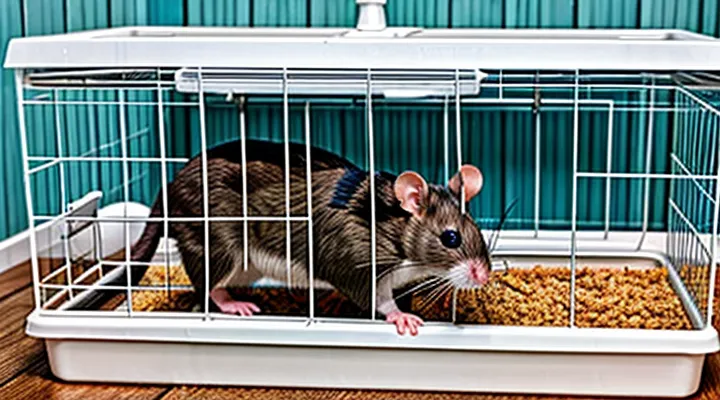
Why Regular Cage Cleaning is Crucial
Health Benefits for Your Rats
Preventing Respiratory Issues
Keeping the air quality inside a rat enclosure healthy is essential for preventing respiratory problems. Dust and ammonia from urine and feces accumulate quickly; regular removal of soiled bedding and prompt cleaning of waste reduce these irritants. Use low‑dust bedding such as paper pulp or aspen shavings, and replace it at least twice a week. Ensure the cage is placed in a well‑ventilated area; a gentle cross‑draft prevents stagnant air and limits ammonia buildup.
When cleaning, follow a routine that limits aerosol generation:
- Remove all animals and place them in a temporary, secure container.
- Disassemble accessories (tunnels, wheels) and rinse with warm water.
- Scrub the cage interior with a mild, non‑toxic detergent; avoid harsh chemicals that can leave residues.
- Rinse thoroughly to eliminate soap traces.
- Apply a diluted, rodent‑safe disinfectant (e.g., a 1 % hydrogen peroxide solution) and let it sit for the recommended contact time.
- Rinse again and dry completely before returning the bedding and accessories.
Personal protective equipment further reduces risk. Wear a disposable mask rated for fine particles and gloves to avoid direct contact with cleaning agents. Perform the cleaning process in a separate room or near an open window to prevent inhalation of airborne particles.
Monitoring the enclosure for signs of respiratory distress—such as sneezing, labored breathing, or nasal discharge—allows early intervention. If symptoms appear, increase ventilation, replace bedding more frequently, and consult a veterinarian experienced with rodents. Consistent, thorough cleaning combined with proper airflow and safe products creates an environment where rats are less likely to develop respiratory issues.
Minimizing Skin Infections
Maintain a dry, clean environment to reduce the risk of bacterial and fungal skin infections in rats. Replace soiled bedding daily, using absorbent material that wicks moisture away from the animals. Ensure the cage floor is free of urine pools; a slatted base with a sealed bottom tray simplifies waste removal and prevents prolonged exposure to damp surfaces.
Implement strict personal hygiene protocols when handling cages. Wash hands with antibacterial soap before and after contact, and wear disposable nitrile gloves to avoid direct skin contact with potentially contaminated surfaces. Disinfect cage components with a rodent‑safe solution (e.g., a 1 % diluted bleach solution or a veterinary‑approved disinfectant) and rinse thoroughly to eliminate residue that could irritate skin.
Monitor rats for early signs of infection and act promptly. Look for redness, swelling, hair loss, or crusty lesions. If symptoms appear, isolate the affected animal, consult a veterinarian, and adjust cleaning frequency or disinfectant concentration accordingly.
Preventive steps
- Change bedding each day; use low‑dust, highly absorbent material.
- Clean the cage interior with a rodent‑safe disinfectant weekly; rinse and dry completely.
- Wear gloves and practice hand washing before and after cage maintenance.
- Inspect rats daily for skin abnormalities; record any changes.
- Keep the cage in a well‑ventilated area to discourage humidity buildup.
By adhering to these practices, the likelihood of skin infections diminishes, supporting overall rat health and reducing the need for medical intervention.
Odor Control for Your Home
Maintaining a rat cage with regular cleaning prevents unpleasant smells from spreading throughout the house. Effective odor control begins with proper cage management and extends to the surrounding living area.
Frequent removal of waste and soiled bedding eliminates the primary source of odor. Replace bedding at least twice weekly, and use absorbent materials such as paper-based or wood shavings that trap moisture. Dispose of used bedding in sealed bags before discarding.
Cleaning the cage with a mild, non‑toxic detergent followed by a thorough rinse removes residual scents. Avoid harsh chemicals that could irritate the animals or leave lingering odors. After each cleaning session, dry the cage completely to inhibit bacterial growth.
Air circulation reduces odor accumulation. Position the cage near a window or use a small fan to promote airflow without creating drafts directly on the rats. An activated‑carbon filter placed nearby captures volatile compounds that escape the cage.
Additional measures for the home environment include:
- Placing a layer of newspaper or a washable mat under the cage to absorb spills.
- Running a HEPA or charcoal air purifier in the room where the cage is located.
- Keeping the room temperature stable, as excessive heat accelerates odor development.
- Using natural deodorizers such as a small bowl of baking soda away from the cage to absorb ambient smells.
By integrating these practices, the cage remains hygienic and the household stays free of rodent‑related odors.
Essential Cleaning Supplies
Basic Tools
Pet-Safe Disinfectant
A pet‑safe disinfectant is essential for maintaining a hygienic rat enclosure without risking the animals’ health. Choose a product that is specifically labeled for small mammals, free of harsh chemicals such as bleach, phenols, or quaternary ammonium compounds. Verify that the active ingredient is approved by veterinary authorities and that the manufacturer provides a safety data sheet confirming non‑toxicity after drying.
When applying the disinfectant, follow these steps:
- Remove all bedding, food, and accessories; discard any heavily soiled material.
- Rinse the cage with warm water to eliminate debris.
- Apply the disinfectant according to the label’s concentration guidelines; typically a dilute solution (e.g., 1 %–2 % active ingredient) is sufficient.
- Ensure full surface coverage by spraying or wiping; pay special attention to corners, mesh, and water bottle rims.
- Allow the solution to remain in contact for the recommended dwell time (usually 5–10 minutes) to achieve microbial kill.
- Rinse thoroughly with clean water to remove residual chemicals; let the cage air‑dry completely before reintroducing bedding and rats.
Safety checks include confirming that the disinfectant does not emit strong odors, does not leave a sticky residue, and does not cause skin irritation in rats. Conduct a spot test on a small, hidden area of the cage material before full application to detect potential discoloration or degradation.
Regular rotation of disinfectants—using two different pet‑safe formulas on alternating cleaning cycles—prevents microbial adaptation and reduces the chance of resistant strains developing within the enclosure.
Scrub Brushes and Sponges
Scrub brushes and sponges are essential tools for removing bio‑film, urine residue, and food debris from a rat cage. Choose brushes with stiff, non‑abrasive bristles such as nylon or stainless‑steel to reach corners without damaging plastic bars. Sponges made of antimicrobial silicone or high‑density cellulose retain cleaning solutions longer and reduce bacterial growth.
- Use a dedicated brush for each cage to prevent cross‑contamination.
- Rinse brushes and sponges after each use with hot water (≥ 60 °C) and a dilute bleach solution (1 % sodium hypochlorite) to disinfect.
- Store tools in a sealed container away from food supplies to maintain sterility.
When cleaning, apply the chosen disinfectant to the brush or sponge, scrub all surfaces—including wire mesh, corners, and feeding trays—until no visible grime remains. Rinse thoroughly with running water to eliminate chemical residues. Allow the cage to air‑dry completely before re‑introducing animals; moisture promotes mold and bacterial proliferation.
Regular inspection of brushes and sponges is required. Replace any item showing frayed bristles, discoloration, or persistent odor, as these indicate reduced effectiveness and potential contamination. Maintaining a rotation of spare tools ensures uninterrupted cleaning cycles and consistent hygiene standards.
Disposable Gloves
Disposable gloves provide a barrier between the caretaker’s hands and contaminants found inside a rat enclosure, preventing cross‑contamination and protecting both animal and handler.
When selecting gloves, choose powder‑free nitrile or latex options with a thickness of 0.1–0.15 mm. Verify that the material resists common cleaning agents such as diluted bleach, enzymatic detergents, and mild disinfectants. Ensure the size fits snugly to maintain tactile control while allowing full range of motion.
Proper use follows a simple sequence:
- Wash hands thoroughly before donning gloves.
- Inspect gloves for tears or punctures; discard any compromised pair.
- Wear a single pair while removing old bedding, scrubbing surfaces, and applying disinfectant.
- Change gloves immediately after contact with feces, urine, or heavily soiled material.
- Remove gloves by turning them inside out to avoid skin contact with the outer surface, then wash hands again.
Disposal must be immediate and complete. Place used gloves in a sealed biohazard bag or a dedicated waste container before discarding them in accordance with local regulations. Regularly replace glove stocks to avoid using expired or degraded products, which could compromise barrier integrity.
Optional Aids
Enzyme Cleaners
Enzyme cleaners break down organic residues through biological catalysts, turning proteins, fats, and carbohydrates into soluble compounds that can be rinsed away. Their action eliminates odors at the source rather than masking them, which is essential for maintaining a healthy environment for rodents.
When applying an enzyme cleaner to a rat cage, follow these steps:
- Remove all bedding, food, and water containers.
- Rinse the cage with warm water to eliminate loose debris.
- Dilute the enzyme concentrate according to the manufacturer’s instructions; typical ratios range from 1:10 to 1:20.
- Apply the solution to all interior surfaces, focusing on corners, wire mesh, and any crevices where droppings accumulate.
- Allow the mixture to sit for the recommended contact time (usually 10–15 minutes) to ensure complete breakdown of organic matter.
- Rinse thoroughly with clean water to remove residual enzymes and dissolved waste.
- Dry the cage with a lint‑free cloth or let it air‑dry before re‑adding bedding and accessories.
Key advantages of enzyme cleaners include:
- Rapid decomposition of biologically derived stains, reducing the risk of bacterial growth.
- Compatibility with plastic, metal, and stainless‑steel components, preventing corrosion.
- Low toxicity; most formulations are safe for animals when fully rinsed.
- Minimal environmental impact compared with harsh chemical disinfectants.
Safety considerations:
- Wear gloves to avoid skin irritation from concentrated solutions.
- Store the product in a cool, dark place to preserve enzyme activity.
- Keep the container sealed to prevent contamination and evaporation.
Regular use of enzyme cleaners, combined with routine cage cleaning, sustains optimal hygiene and supports the well‑being of pet rats.
High-Pressure Sprayer
A high‑pressure sprayer provides rapid, thorough rinsing of a rat enclosure, reaching corners and mesh without excessive manual effort.
The device delivers a focused stream that dislodges dried bedding, urine crystals, and food residue. Adjustable pressure prevents damage to plastic components while ensuring water penetrates all surfaces.
Safety measures include setting the pressure below 30 psi, directing the nozzle away from the animal’s face, and using lukewarm water to avoid thermal shock. After spraying, dry the cage with a clean cloth or allow adequate airflow before reintroducing the rats.
Cleaning procedure
- Remove all accessories, bedding, and food items.
- Pre‑rinse the cage with low‑pressure water to loosen loose debris.
- Increase the sprayer to the recommended pressure and apply the jet to the floor, corners, and bar spacing, moving systematically to cover the entire interior.
- Apply a pet‑safe disinfectant, then use the sprayer to flush the solution completely, ensuring no residue remains.
- Inspect for remaining stains; repeat the spray cycle if necessary.
- Dry the cage thoroughly before reassembly.
Regular maintenance of the sprayer—cleaning the nozzle, checking seals, and storing it in a dry environment—preserves performance and prevents bacterial growth within the equipment.
Step-by-Step Cleaning Process
Daily Spot Cleaning
Removing Feces and Urine
Removing droppings and urine promptly prevents bacterial growth, odor buildup, and respiratory irritation for both rats and caretakers. The process requires protective equipment, proper disposal methods, and thorough surface treatment.
- Wear disposable gloves and a mask to avoid direct contact with waste and aerosolized particles.
- Empty the cage of all accessories (toys, tunnels, food dishes) and place them on a clean surface for later cleaning.
- Scoop solid feces with a small scoop or spatula, depositing them into a sealed bag.
- Flush liquid urine from the cage floor using a handheld sprayer or a gentle stream of warm water, directing runoff into a disposable container.
- Rinse the interior with warm water to dilute remaining residue.
- Apply a rodent‑safe disinfectant, following the manufacturer’s concentration and contact time guidelines.
- Scrub the floor and walls with a non‑abrasive brush, ensuring the disinfectant reaches all crevices.
- Rinse thoroughly to remove chemical traces, then allow the cage to air‑dry completely before reinstalling accessories and bedding.
Consistent removal after each cleaning cycle, combined with weekly deep sanitation, maintains a healthy environment and reduces the risk of disease transmission.
Wiping Down Surfaces
Wiping down surfaces eliminates food particles, urine stains, and bacterial colonies that accumulate on the interior walls, roof and accessories of a rat enclosure. Regular removal of these residues reduces the risk of respiratory infections and skin irritations among the animals.
Before starting, select a cleaning solution that is non‑toxic to rodents. Dilute a mild, unscented detergent or a veterinary‑approved disinfectant according to the manufacturer’s instructions. Test the mixture on a small, hidden area to confirm that it does not discolor plastic or metal components.
- Remove all bedding, toys, and food dishes from the cage.
- Place the empty cage on a stable surface to prevent tipping.
- Dampen a clean, lint‑free cloth or a soft sponge with the prepared solution; excess liquid should be wrung out to avoid soaking.
- Wipe the interior walls, roof, and any smooth surfaces in a single direction, applying gentle pressure to lift grime without scratching.
- Pay special attention to corners, seams and latch mechanisms where droppings tend to collect.
- Rinse the cloth or sponge with fresh water and repeat the wipe‑down to remove any residual cleaning agent.
After the final wipe, dry all surfaces with a separate absorbent cloth or allow them to air‑dry for several minutes. Re‑install the cleaned accessories, then add fresh bedding and food.
Perform a thorough surface wipe at least once a week, and after any illness outbreak or accidental spill. Spot‑clean as needed to maintain a consistently sanitary environment for the rats.
Weekly Deep Clean
Preparing the Cage
Before any cleaning begins, the cage must be cleared and readied to prevent stress to the animal and to protect equipment. Remove the rat, place it in a secure temporary carrier, and keep the carrier in a quiet area. Discard all used bedding, nesting material, and any debris that cannot be salvaged.
- Strip the cage of accessories such as wheels, ladders, and hideouts.
- Rinse each component with warm water to eliminate loose particles.
- Inspect for damage; replace cracked plastic, rusted metal, or broken parts.
- Soak removable items in a mild detergent solution for at least five minutes.
After soaking, scrub surfaces with a non‑abrasive brush, focusing on corners and joints where droppings accumulate. Rinse thoroughly to remove all soap residues. Apply a rodent‑safe disinfectant according to the product’s concentration guidelines; allow the recommended contact time before a final rinse with clean water.
Dry all parts completely, using a clean towel or air‑drying rack. Reassemble the cage, positioning accessories securely. Add a fresh layer of appropriate bedding, ensuring even depth for comfort and absorption. Only then can the rat be returned to a clean, well‑prepared environment.
Disassembling Components
Disassembling a rat cage separates all surfaces that collect waste, enabling complete decontamination. Remove each element before applying cleaning agents to prevent hidden residue and reduce cross‑contamination.
- Detach the wire mesh top by releasing the latch or sliding the hooks; set it aside on a clean surface.
- Unscrew the plastic base from the side panels using a screwdriver of appropriate size; keep screws in a small container.
- Lift the feeding tray and water bottle holder; discard any leftover food and rinse them briefly.
- Separate any auxiliary accessories (tunnels, chew toys, hammocks) by unclipping or unsnapping according to their attachment method.
Handle components with gloves to avoid direct contact with droppings and urine. Inspect each piece for cracks or rust; replace damaged items to maintain a safe environment. Soak metal parts in a diluted enzymatic cleaner for at least ten minutes, then scrub with a non‑abrasive brush. Plastic sections tolerate warm, mild detergent; avoid harsh chemicals that may degrade the material.
After cleaning, rinse all parts with hot water, dry thoroughly, and reassemble in the reverse order of disassembly. Secure screws tightly but avoid overtightening, which can strip threads. Verify that the mesh top locks firmly and that all accessories are firmly attached before returning the rats to the cage. This systematic approach ensures a hygienic enclosure and reduces the risk of disease.
Washing and Rinsing
When washing a rat cage, begin by emptying all accessories and disposing of leftover food. Scrape loose bedding and droppings into a trash bag, then rinse the interior with warm water to loosen remaining particles. Apply a mild, pet‑safe detergent to a soft brush or sponge; avoid harsh chemicals that could leave residues. Work the brush in circular motions, focusing on corners, wire mesh, and any textured surfaces where debris tends to accumulate.
After scrubbing, rinse the cage thoroughly with clean, lukewarm water until no suds remain. A final rinse with distilled or filtered water helps eliminate trace detergent. Inspect the interior for any lingering soap film; if present, repeat the rinse cycle. Once rinsed, allow the cage to air‑dry completely before reassembly. A dry environment reduces bacterial growth and prevents mold formation.
Key steps for effective washing and rinsing:
- Remove all removable items and discard waste.
- Rinse with warm water to loosen debris.
- Use a pet‑safe, low‑pH detergent and a soft brush.
- Scrub all surfaces, paying special attention to mesh and joints.
- Rinse repeatedly until water runs clear and free of suds.
- Air‑dry the cage fully before adding fresh bedding and accessories.
Drying Thoroughly
After washing a rat enclosure, complete drying eliminates residual moisture that encourages bacterial growth, mold development, and odor accumulation. Moist environments also compromise the structural integrity of cage components, shortening their service life.
- Remove standing water with a clean, absorbent cloth or paper towel.
- Disassemble removable parts (bedding trays, water bottles, food dishes) and pat each surface dry.
- Position the cage in a well‑ventilated area; allow natural airflow for at least 30 minutes.
- Accelerate evaporation with a low‑speed fan or a dedicated pet‑safe dryer set to cool air.
- Verify dryness by touching all surfaces, especially corners, hinges, and slatted walls; repeat drying steps if any dampness remains.
Only after confirming every surface is dry should you reassemble the cage and reintroduce the rats. This practice safeguards health, reduces cleaning frequency, and maintains a stable environment for the animals.
Reassembling the Cage
After washing all parts, allow each component to dry completely before reassembly. Drying prevents moisture buildup that can encourage bacterial growth.
Reassemble the cage in the following order:
- Base and frame – Position the base on a stable surface, then attach the frame according to the manufacturer’s screw pattern. Tighten each screw evenly to avoid warping.
- Wire mesh – Align the mesh with the frame slots, then secure it using the supplied clips or zip ties. Ensure no gaps remain where a rat could escape.
- Hiding places and accessories – Place tunnels, houses, and climbing structures on the mesh before adding bedding. This arrangement keeps items stable and reduces the need for later adjustments.
- Bedding – Spread a uniform layer of appropriate substrate over the base. Level the bedding to prevent uneven surfaces that could cause stress.
- Food and water dispensers – Attach the feeders and water bottles, confirming that they are firmly locked and positioned away from the bedding to keep supplies clean.
- Final inspection – Check all connections, verify that the cage is sturdy, and confirm that no cleaning residues remain. Replace any worn parts before returning the rats.
A systematic reassembly process restores structural integrity, minimizes re‑contamination, and creates a safe environment for the animals.
Monthly Sanitization
Using a Stronger Disinfectant
A robust disinfectant eliminates pathogens that survive standard cleaning cycles. Conventional soaps remove debris but rarely achieve a 99.9 % kill rate for bacteria, fungi, and viruses common in rodent habitats.
Select an agent that meets the following criteria:
- EPA‑registered for animal enclosure use
- Broad‑spectrum activity against Gram‑positive, Gram‑negative, and spore‑forming organisms
- Low toxicity to rats when used at recommended dilution
- Compatibility with cage materials such as plastic, metal, and wood
Prepare the solution exactly as the manufacturer specifies; over‑dilution reduces efficacy, while excessive concentration risks chemical burns. Wear nitrile gloves and protective eyewear, then apply the disinfectant to all interior surfaces, water bottles, and feeding trays. Ensure continuous contact for the minimum time listed on the label—typically five to ten minutes—before proceeding.
After the contact period, rinse thoroughly with clean water to remove residue. Dry the cage completely with a clean cloth or allow air‑drying for at least fifteen minutes. Inspect for lingering moisture, which can foster microbial growth.
Finally, document the disinfectant brand, dilution ratio, and contact time in a maintenance log. Regular records help verify that each cleaning cycle meets the established hygiene standards.
Airing Out the Cage
Airing the cage removes stale odors, reduces humidity, and limits the growth of mold and bacteria. Fresh air restores a healthier environment for the animals and prevents respiratory problems caused by accumulated waste gases.
- Remove all bedding, toys, and accessories before exposure.
- Place the empty cage in a well‑ventilated area away from direct sunlight and drafts.
- Allow the cage to stand uncovered for 30 – 60 minutes; longer periods are advisable after deep cleaning.
- Use a clean, dry cloth to wipe interior surfaces while the cage is open.
- Re‑assemble the cage with fresh bedding and items only after it is completely dry.
When airing, monitor temperature to avoid chilling the cage structure. Ensure the space is free of pollutants such as smoke or strong odors that could settle on the cage interior. Repeating this process weekly maintains optimal air quality and supports overall rodent health.
Specific Cleaning Considerations
Substrate and Bedding
Types of Bedding
Choosing the appropriate bedding directly influences cage sanitation and the effort required for regular cleaning.
Paper‑based products, such as shredded paper or compressed paper pads, absorb moisture quickly, reduce odor, and generate minimal dust. Their low particle size simplifies removal during spot cleaning, but they can become soggy if wet, necessitating frequent replacement.
Wood shavings, particularly aspen or kiln‑dried pine, provide a soft substrate and moderate absorbency. Aspen produces little resin, limiting respiratory irritation, while pine may release aromatic oils that can affect sensitive rodents. Both types generate dust; selecting low‑dust variants mitigates respiratory concerns.
Hemp bedding offers high absorbency, natural antimicrobial properties, and low dust levels. It retains shape, allowing easy scooping of soiled sections without disturbing the entire cage. The material decomposes slowly, extending the interval between full substrate changes.
Corn cob bedding absorbs moisture efficiently and is inexpensive. It compacts over time, creating hard clumps that can be difficult to remove. Regular stirring prevents compaction but may increase handling time.
Reusable options, such as fleece liners, eliminate disposable waste and allow thorough washing. They require daily spot cleaning and weekly laundering at high temperatures to maintain hygiene. Failure to launder properly can lead to bacterial buildup.
When selecting bedding, consider absorbency, dust production, ease of removal, and impact on cage cleaning frequency. Matching the bedding’s characteristics to the cleaning routine optimizes hygiene and reduces labor.
Frequency of Replacement
Regular replacement of cage components prevents bacterial buildup and protects rodent health.
- Bedding should be changed completely every 2–3 days; spot‑cleaning between changes removes droppings and urine.
- Water bottles require new sterile bottles weekly; inspect for cracks each refill and replace immediately if damage appears.
- Food dishes need thorough cleaning after each feeding; replace disposable dishes every 1–2 weeks, reusable dishes after a full sanitizing cycle.
- Cage liners or liners for wire floors must be swapped every 3–4 days; heavier use or humidity may demand more frequent changes.
- Filter pads for ventilation systems should be replaced according to manufacturer guidelines, typically every 2 weeks, and inspected weekly for clogging.
Consistent scheduling, recorded in a maintenance log, ensures timely swaps and reduces the risk of illness.
Food and Water Bowls
Daily Cleaning Protocol
A rat cage requires a consistent cleaning routine to prevent disease, control odor, and preserve a comfortable environment for the animals. Implementing a strict daily protocol eliminates the buildup of waste and reduces the risk of bacterial contamination.
- Remove all food dishes and water bottles; discard uneaten food and rinse containers with hot water.
- Empty the bedding, shaking out visible debris, then replace with a fresh layer of absorbent material no thicker than two inches.
- Wipe interior surfaces, including bars and corners, using a cloth soaked in a mild, non‑toxic disinfectant; rinse thoroughly with clean water.
- Inspect the cage for signs of damage or excessive moisture; repair or dry affected areas before returning the rats.
- Refill water bottles with fresh, filtered water and replenish food dishes with the appropriate daily ration.
- Return the rats to the cleaned cage, monitoring them for any signs of stress or illness.
Following these steps each day maintains optimal hygiene, supports the health of the rodents, and simplifies deeper weekly cleaning tasks.
Sanitizing Procedures
Effective rat cage sanitation requires a systematic approach that eliminates pathogens and prevents re‑contamination. Begin each cleaning cycle by removing all bedding, toys, and food remnants. Transfer live rats to a secure temporary enclosure with fresh, clean bedding.
- Pre‑wash – Rinse cage surfaces with warm water to dislodge debris.
- Disinfect – Apply a veterinary‑approved sanitizer (e.g., 10 % diluted bleach solution, quaternary ammonium compound, or hydrogen peroxide) ensuring full contact with walls, bars, and corners. Observe the manufacturer’s dwell time, typically 5–10 minutes.
- Rinse thoroughly – Flush the cage with clean water to remove residual chemicals, preventing toxicity to the animals.
- Dry – Air‑dry or use a low‑heat dryer until surfaces are completely moisture‑free; moisture promotes bacterial growth.
- Re‑assemble – Replace all accessories with sanitized equivalents, add fresh bedding, and return the rats.
Additional precautions: wear disposable gloves and eye protection throughout the process; never mix different disinfectants, as reactions may produce harmful gases; maintain a log of cleaning dates, solutions used, and concentrations to ensure consistency. Regular deep sanitization—once weekly for heavily used cages, bi‑weekly for less active setups—supplements daily spot cleaning and sustains a hygienic environment.
Toys and Accessories
Material-Specific Cleaning
When cleaning a rat enclosure, choose a method that matches the cage’s construction material. Using inappropriate agents can damage the surface, leave harmful residues, or compromise structural integrity.
-
Plastic cages – Rinse with warm water, then apply a mild, unscented dish soap. Scrub with a soft brush; avoid abrasive pads that can scratch. Rinse thoroughly and allow to air‑dry before re‑adding bedding. Do not use bleach or ammonia, as they can degrade polymer bonds.
-
Wire‑mesh cages – Disassemble removable parts. Soak metal components in a solution of one part white vinegar to three parts water for 10 minutes to dissolve mineral deposits. Rinse, then wipe with a cloth dampened with diluted hydrogen peroxide (1 % solution) to eliminate pathogens. Dry completely to prevent rust. Avoid chloride‑based cleaners that accelerate corrosion.
-
Glass or acrylic panels – Spray with a 70 % isopropyl alcohol solution, let sit for 30 seconds, then wipe with a lint‑free microfiber cloth. For stubborn stains, use a non‑abrasive glass cleaner free of ammonia. Do not apply petroleum‑based products, which can cause clouding.
-
Wooden accessories – Remove detachable items and clean with a solution of one tablespoon lemon juice per cup of warm water. Gently scrub with a soft brush, then rinse with a damp cloth. Immediately dry and, if the wood is untreated, apply a thin layer of pet‑safe mineral oil to preserve moisture resistance. Avoid any oil‑based solvents that could seep into the wood and become toxic.
After material‑specific cleaning, sanitize the entire cage with a diluted quaternary ammonium disinfectant (follow manufacturer’s concentration guidelines). Rinse any surfaces that will contact food or water, then reinstall all components. Regularly rotating these procedures according to material type maintains durability and ensures a safe environment for the animals.
Inspection for Damage
Before any cleaning session, examine the cage for cracks, loose fittings, rust, or worn mesh. Damage can compromise sanitation, allow escape, and cause injury to the animals.
Identify common problem areas:
- Bars and mesh: look for bent or broken sections; replace if any strand is missing or sharp edges are exposed.
- Door hinges and latches: test for smooth operation; tighten screws or replace corroded hardware.
- Plastic components: check for cracks or discoloration that indicates brittleness; discard compromised pieces.
- Water and food dispensers: ensure seals are intact; replace cracked bottles or cracked bowls.
Document any defects, then repair or substitute the affected parts before proceeding with washing, disinfecting, and drying. This pre‑emptive check prevents re‑contamination and ensures a safe environment for the rodents.
Maintaining a Clean Environment Between Deep Cleans
Air Circulation
Proper air circulation is essential for maintaining a healthy environment in a rat cage. Stagnant air promotes the growth of mold, bacteria, and respiratory irritants, which can quickly compromise the well‑being of the occupants.
- Position the cage near a window or a room with natural airflow, avoiding direct drafts that could chill the animals.
- Install a small vent or mesh panel on one side of the enclosure to allow fresh air to enter while excess heat exits.
- Use a low‑speed fan set on a timer to create gentle movement; ensure the airflow does not exceed 0.5 m/s to prevent stress.
- Clean ventilation openings weekly with warm, soapy water, then rinse thoroughly to remove residue.
Monitoring humidity levels helps assess ventilation effectiveness. Aim for a relative humidity of 40‑60 %; higher values indicate insufficient air exchange. A hygrometer placed inside the cage provides real‑time data, prompting adjustments to vent size or fan speed.
When performing a deep clean, remove all bedding and accessories, then wipe interior surfaces with a diluted vinegar solution (1 part vinegar to 4 parts water). After drying, replace bedding with a breathable material such as paper strips, which facilitates airflow while absorbing moisture.
Regular assessment of airflow, combined with systematic cleaning, ensures that the cage environment remains sanitary, odor‑free, and supportive of the rats’ respiratory health.
Litter Training Techniques
Effective litter training reduces waste accumulation and simplifies cage sanitation. Select a low‑dust, absorbent substrate such as paper‑based bedding or specially formulated rodent litter. Place the material in a shallow tray that fits the cage floor, ensuring the tray edges are sealed to prevent spillage.
- Introduce the tray gradually. Start with a small section of the cage floor covered by litter; expand the area over several days until the entire floor is lined.
- Encourage consistent use by positioning food and water stations opposite the litter zone, creating a natural traffic pattern that leads rats to deposit waste in the designated area.
- Reinforce proper placement with gentle redirection. When a rat deposits outside the tray, move the droppings into the litter and guide the animal back to the tray.
- Maintain a clean surface by removing clumped litter daily and replacing soiled portions weekly. This prevents odor buildup and discourages rats from seeking alternative elimination spots.
- Monitor humidity levels. Excess moisture can cause litter to break down, increasing the risk of bacterial growth. Adjust the cage’s ventilation and replace damp litter promptly.
Consistent application of these techniques results in a tidy enclosure, minimizes cleaning time, and promotes a healthier environment for the animals.
Managing Spills and Messes
Effective handling of spills and messes is essential for maintaining a healthy rat enclosure. Prompt removal prevents bacterial growth and reduces odor, ensuring a safe environment for the animals.
When a spill occurs, follow these steps:
- Remove the source immediately; seal any food containers that have been compromised.
- Use disposable paper towels to blot liquid, avoiding rubbing that could spread the mess.
- Disinfect the affected area with a diluted, rat‑safe solution (e.g., 1 % hydrogen peroxide or a commercial cage cleaner). Allow the surface to stay wet for the manufacturer‑recommended contact time, then wipe it dry with fresh paper towels.
- Replace any soiled bedding with fresh material, shaking out debris before disposal.
- Inspect the cage for hidden residues, especially in corners, tunnels, and chew toys, and clean those spots with a soft brush and the same disinfectant.
Routine checks reduce the likelihood of unnoticed spills. Conduct a quick visual scan of the cage each day, focusing on feeding stations, water bottles, and bedding layers. If minor crumbs or droppings are present, sweep them away with a small handheld vacuum or a soft brush before they accumulate.
For larger messes, such as a broken water bottle or a spilled food bowl, empty the cage temporarily. Transfer the rats to a secure holding container, then dismantle the cage components. Wash each part in warm, soapy water, rinse thoroughly, and sanitize before reassembly. This thorough approach eliminates residual contaminants and restores optimal hygiene.