
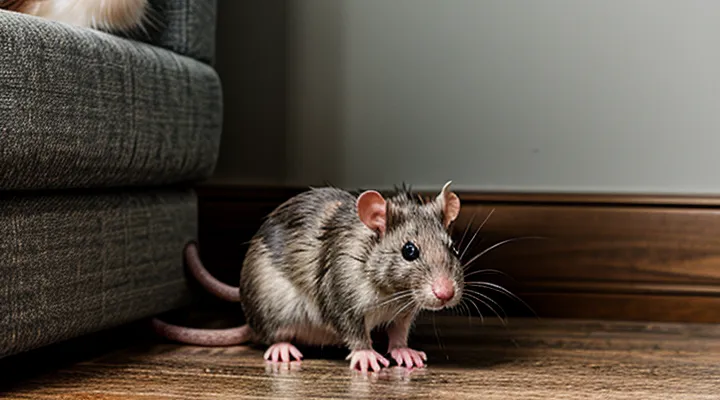
«Understanding Rat Anatomy and Grooming Needs»
«The Importance of Paw Health»
«Common Paw Issues in Rats»
Rats’ paws are prone to several health problems that can quickly affect overall well‑being. Recognizing these issues early prevents pain, infection, and reduced mobility.
- Overgrown or torn nails – Nails that are not trimmed become sharp, can embed in the pad, or split, causing bleeding and infection.
- Pododermatitis – Inflammation of the foot pads, often linked to hard bedding, excessive humidity, or obesity; signs include redness, swelling, and crusty discharge.
- Fungal infections (e.g., ringworm) – Appear as dry, scaly patches on pads or toes; may spread to surrounding fur if untreated.
- Mite infestations – Small, moving specks visible in the fur around the paws; lead to intense itching, hair loss, and secondary bacterial infection.
- Burns and abrasions – Result from contact with hot surfaces, chemicals, or rough cage elements; present as raw, painful tissue that can become ulcerated.
- Ulcerations and abscesses – Often follow untreated injuries; characterized by open sores, pus, and swelling.
Effective management relies on routine observation and preventive care. Trim nails weekly using proper rodent nail clippers, ensuring the quick is not damaged. Provide soft, chew‑proof bedding and maintain cage temperature between 68–74 °F with low humidity to discourage fungal growth. Clean the enclosure daily, removing waste and disinfecting surfaces with a rodent‑safe solution. Inspect paws during each handling session; any discoloration, swelling, or discharge warrants immediate veterinary evaluation. Prompt treatment may include topical antiseptics, antifungal creams, or systemic medication prescribed by a veterinarian. Regular grooming of the fur around the paws reduces debris accumulation and allows early detection of skin abnormalities.
«Signs of Paw Problems»
Observing a rat’s feet is essential for preventing infection, discomfort, and long‑term mobility issues. Healthy paws are smooth, free of debris, and show no swelling or discoloration. Any deviation from this baseline warrants immediate attention.
Typical indicators of paw trouble include:
- Redness, bruising, or dark patches on pads or toes.
- Swelling that makes the foot appear puffier than usual.
- Crusting, scabbing, or open wounds on the pads, between digits, or around the nail bed.
- Excessive licking, chewing, or biting of the paws, which may signal pain or irritation.
- Hair loss or bald spots surrounding the feet, often accompanied by dry, flaky skin.
- Limping, reluctance to climb, or uneven weight distribution while moving.
- Unusual odor emanating from the paws, suggesting bacterial or fungal growth.
Prompt identification of these signs enables timely veterinary care and supports effective rat paw and coat maintenance.
«The Importance of Fur Health»
«Common Fur Issues in Rats»
Rats frequently exhibit fur problems that can compromise skin health and overall wellbeing. Recognizing these conditions early enables effective intervention.
-
Alopecia – Patchy hair loss often results from nutritional deficiencies, hormonal imbalance, or parasitic infestation. Regular weight monitoring and balanced diet help prevent recurrence.
-
Matted coat – Dense tangles develop when grooming is insufficient or when the animal is obese. Daily gentle combing removes knots and reduces skin irritation.
-
Dry, flaky skin – Low humidity and inadequate fatty‑acid intake cause desiccation. Providing a humidifier and supplementing omega‑3 fatty acids restore moisture balance.
-
Ectoparasites (lice, mites) – Visible movement or excessive scratching signals infestation. Immediate topical acaricide treatment, followed by cage sanitization, eliminates the source.
-
Fungal infections (ringworm) – Circular patches with hair loss and crusting indicate dermatophyte growth. Antifungal medication, combined with thorough cleaning of bedding, prevents spread.
-
Over‑grooming – Stress or boredom leads to self‑induced hair loss. Enriching the environment with chew toys and tunnels reduces compulsive behavior.
-
Dermatitis – Irritation from allergic reactions to bedding material or food additives appears as reddened, inflamed skin. Switching to hypoallergenic substrates and monitoring diet resolves symptoms.
Effective management requires routine visual inspections, prompt veterinary consultation when lesions appear, and consistent hygiene practices within the habitat. Maintaining optimal nutrition, environmental conditions, and enrichment directly mitigates the prevalence of these fur issues.
«Signs of Fur Problems»
Rats rely on a healthy coat and intact paw pads for temperature regulation, protection, and mobility. Early detection of fur abnormalities prevents discomfort and secondary infections.
Common indicators of coat issues include:
- Thin or missing hair, especially around the ears, tail base, or limbs.
- Dull, brittle fur that lacks the typical glossy sheen.
- Visible bald patches or uneven fur density.
- Redness, swelling, or discoloration of the skin beneath the hair.
- Scabs, crusts, or pus formation on the back, neck, or paws.
- Persistent scratching, nibbling, or excessive grooming behavior.
- Flaking or dry skin that creates a powdery residue.
- Unusual odor emanating from the fur or paw pads.
When any of these signs appear, isolate the animal, examine the affected area for wounds or parasites, and adjust environmental conditions such as humidity and bedding. Prompt veterinary consultation is advisable for persistent or severe symptoms. Regular visual inspections during routine handling help maintain optimal coat condition and overall well‑being.
«Essential Care Practices for Rat Paws»
«Regular Paw Inspection»
«What to Look For»
When evaluating a pet rat’s paws and coat, focus on observable abnormalities that indicate health issues.
- Redness, swelling, or heat around the pads suggests inflammation or infection.
- Cracks, ulcers, or scabs on the foot surface signal trauma or poor grooming.
- Excessive licking or chewing of the paws points to discomfort, pain, or parasitic irritation.
- Limping, uneven gait, or reluctance to walk reveals musculoskeletal or neurological problems.
- Hair loss, thinning fur, or bald patches indicate skin disorders, nutritional deficiencies, or ectoparasites.
- Dull, brittle, or dry coat reflects inadequate humidity, diet imbalance, or underlying disease.
- Presence of fleas, mites, or visible debris on fur signals external parasites.
- Discoloration, such as darkening or pallor of the pads, may denote circulatory issues or anemia.
Regular visual inspection, combined with tactile assessment—feeling for warmth, texture changes, or tenderness—provides early detection of potential problems. Prompt veterinary consultation is advised when any of these signs appear.
«Gentle Cleaning Techniques»
Gentle cleaning preserves the delicate skin and coat of pet rats, preventing irritation and infection. Use lukewarm water (approximately 30‑32 °C) and a mild, unscented soap formulated for small mammals. Soak a soft cloth or gauze pad, wring out excess liquid, and gently wipe each paw, paying attention to the pads and webbing. Avoid submerging the entire foot; excess moisture can soften the skin and promote bacterial growth.
When addressing the fur, apply the damp cloth in short, overlapping strokes, moving from the base of the hair toward the tip. This technique removes debris without pulling the hair shaft. For areas with stubborn dirt, a few drops of diluted soap on the cloth are sufficient; rinse the cloth thoroughly before a second pass to eliminate soap residue.
Key practices:
- Test water temperature with a fingertip before each cleaning session.
- Limit cleaning frequency to once every 3‑4 days unless the rat becomes visibly soiled.
- Pat the paws and coat dry with a clean, lint‑free towel; do not rub.
- Inspect the pads for cuts, abrasions, or signs of over‑grooming after each cleaning.
- Store cleaning supplies in a dry, sealed container to prevent contamination.
Regular, gentle cleaning supports healthy skin turnover and maintains the natural insulation of the coat, contributing to overall well‑being.
«Maintaining Nail Length»
«Safe Trimming Methods»
Trimming a rat’s nails and grooming its coat prevents injuries and maintains skin health. Overgrown claws can snag bedding or cause painful breaks, while tangled fur can harbor parasites and irritate the skin.
Select tools designed for small mammals: a pair of stainless‑steel nail clippers with a fine tip, a rotary or handheld electric trimmer with a guard, and a slicker brush with soft bristles. Disinfect each instrument before use and keep a styptic powder or cornstarch nearby to stop bleeding.
Safe trimming procedure
- Restrain the rat gently but securely, using a towel or a specialized holder to limit sudden movements.
- Examine the nail; locate the transparent “quick” to avoid cutting it.
- Clip only the tip, leaving a small margin above the quick.
- For fur, start with a brush to remove loose hair, then run the trimmer along the back, sides, and hindquarters, keeping the guard engaged to prevent skin contact.
- Pause frequently to check the animal’s comfort and adjust pressure as needed.
After trimming, apply a light dusting of styptic powder if any nail bleeding occurs. Offer the rat a treat and monitor for signs of stress or discomfort. Regular weekly grooming sessions reinforce handling tolerance and keep paws and fur in optimal condition.
«Alternatives to Trimming»
Providing alternatives to clipping rat fur and paw hair reduces stress and preserves natural insulation. Regular grooming with a soft brush removes loose strands, distributes skin oils, and prevents matting without the need for cutting. A gentle brush applied daily keeps the coat uniform and encourages healthy skin turnover.
- Environmental enrichment: Offer textured tunnels, chew toys, and climbing structures that naturally stimulate self‑grooming. Rats will rub against surfaces, shedding excess hair and maintaining paw cleanliness.
- Nutritional support: Supply a balanced diet rich in omega‑3 fatty acids and protein. Adequate nutrition promotes strong hair follicles, resulting in a coat that sheds less and requires minimal trimming.
- Moisture management: Use a damp, lint‑free cloth to wipe paws after exposure to damp bedding or water. This removes debris and prevents skin irritation without resorting to hair removal.
- Regular health checks: Inspect paws for debris, overgrowth, or injury weekly. Early detection allows for targeted cleaning or trimming only when absolutely necessary, preserving the overall coat integrity.
«Addressing Specific Paw Conditions»
«Bumblefoot Prevention and Treatment»
Bumblefoot, a bacterial infection of the foot pads, compromises the health of a rat’s extremities and can spread to surrounding fur if left unchecked. Early detection and consistent hygiene are essential components of any comprehensive rat paw and coat maintenance program.
Prevention measures focus on environmental control and routine inspection:
- Keep cage bedding dry and replace it weekly to reduce moisture buildup.
- Provide solid, non‑slippery flooring (e.g., wire mesh or sealed wood) to prevent excessive pressure on the pads.
- Trim nails regularly to avoid abnormal gait that stresses the foot pads.
- Clean paws with a mild, pet‑safe antiseptic solution during weekly health checks.
- Monitor diet for adequate protein and vitamin C, supporting tissue repair and immune function.
If bumblefoot appears, immediate treatment limits tissue damage and protects nearby fur:
- Clean the affected area with sterile saline, removing debris and crust.
- Apply a topical antibiotic ointment formulated for small mammals, covering the wound with a breathable dressing.
- Administer a systemic antibiotic prescribed by a veterinarian, following the full dosage schedule.
- Re‑evaluate the cage environment, adjusting humidity and substrate to prevent recurrence.
- Schedule follow‑up examinations every 2–3 days until swelling subsides and the wound shows clear granulation.
Consistent application of these preventive and therapeutic protocols sustains paw integrity, reduces infection risk, and preserves the overall condition of a rat’s coat.
«Dealing with Cuts and Abrasions»
When a pet rat sustains a cut or abrasion, immediate attention prevents infection and promotes rapid healing. Clean the wound with a sterile saline solution or warm water; avoid harsh antiseptics that may irritate delicate tissue. Gently pat the area dry with a lint‑free cloth, then apply a thin layer of veterinary‑approved ointment containing a mild antibacterial agent. Monitor the site twice daily for swelling, discharge, or discoloration; any sign of worsening condition warrants veterinary consultation.
Key practices for managing minor injuries:
- Trim surrounding fur to expose the wound, reducing debris accumulation.
- Use a non‑adhesive dressing (e.g., a small piece of gauze secured with medical tape) if the rat is likely to lick the area.
- Keep the cage environment clean, with fresh bedding changed regularly to limit bacterial exposure.
- Provide a balanced diet rich in protein and vitamin C to support tissue regeneration.
- Limit the rat’s activity for 24–48 hours, preventing strain on the affected paw.
If the cut exceeds 1 cm, penetrates deeply, or bleeding persists after gentle pressure for five minutes, seek professional veterinary care promptly. Early intervention and consistent wound management are essential for preserving paw integrity and overall health.
«Comprehensive Fur Care for Rats»
«Promoting Healthy Fur Through Diet»
«Nutritional Requirements for Skin and Coat»
Protein supplies the amino acids required for keratin synthesis, the primary component of fur. Adequate levels of high‑quality animal protein support strong, resilient hair and prevent brittleness.
Essential fatty acids, particularly omega‑3 (eicosapentaenoic acid, docosahexaenoic acid) and omega‑6 (linoleic acid), maintain skin moisture and promote a glossy coat. Sources such as fish oil, flaxseed oil, and safflower oil should be added in measured amounts to avoid excess caloric intake.
Vitamins influence pigment formation, cell turnover, and antioxidant protection:
- Vitamin A – regulates epithelial cell growth; found in liver, carrots, and sweet potatoes.
- Vitamin E – scavenges free radicals, preserving membrane integrity; abundant in wheat germ and sunflower seeds.
- B‑complex (B2, B3, B5) – support metabolic pathways that synthesize fatty acids and keratin; present in whole grains and leafy greens.
Minerals contribute to skin health and hair structure:
- Zinc – essential for collagen production and wound healing; supplied by meat, pumpkin seeds, and fortified cereals.
- Selenium – reinforces antioxidant enzymes, reducing oxidative damage; obtained from Brazil nuts and eggs.
Hydration directly affects skin elasticity. Fresh water must be available at all times; dehydration leads to dry, flaky skin and increased shedding.
Balanced feeding schedules prevent overconsumption of carbohydrates, which can trigger obesity and skin disorders. A typical rat diet combines commercially formulated pellets (providing consistent protein and micronutrient levels) with fresh vegetables, occasional fruit, and controlled supplemental oils.
Regular monitoring of body condition and coat appearance allows timely adjustments to nutrient ratios, ensuring optimal skin integrity and a healthy, lustrous fur coat.
«Supplements for Fur Health»
A balanced diet alone rarely supplies all nutrients required for a glossy, resilient coat in pet rats; targeted supplementation bridges that gap.
- Omega‑3 fatty acids (fish oil or algae oil) – reduce inflammation, improve skin elasticity, and promote shine.
- Vitamin E – antioxidant that protects hair follicles from oxidative damage and supports overall coat texture.
- Biotin (Vitamin H) – essential for keratin synthesis; deficiency often manifests as brittle or thinning fur.
- Linseed (flaxseed) oil – rich source of α‑linolenic acid, a plant‑based omega‑3 that complements marine oils.
- Probiotics – maintain gut flora balance, indirectly influencing skin health and fur condition.
When introducing any supplement, start with the lowest recommended dose and observe the rat for adverse reactions such as diarrhea or changes in appetite. Adjust dosage according to body weight, typically calculated per gram of body mass. Choose products formulated for small mammals; avoid human multivitamins that contain excess minerals or additives.
Consistent supplementation, combined with regular grooming and a high‑quality protein base, sustains coat density, prevents matting, and supports the integrity of the paws’ fur. Monitoring coat condition weekly provides immediate feedback on the effectiveness of the chosen regimen.
«Bathing and Grooming Techniques»
«When and How to Bathe Your Rat»
Bathing a rat is a rare necessity, not a routine. Excessive washing can strip natural oils, dry the skin, and irritate delicate foot pads. Schedule a bath only when the animal is visibly soiled, has a persistent odor, or carries substances that could harm its health.
When to bathe
- Presence of sticky or oily residue that cannot be removed with a damp cloth.
- Strong, unpleasant smell that persists after routine grooming.
- Exposure to chemicals, mold, or fecal matter that may cause infection.
Preparation
- Choose a shallow container no deeper than two inches; fill with lukewarm water (approximately 30 °C).
- Gather a mild, unscented pet shampoo formulated for small rodents; avoid products containing detergents, fragrances, or harsh chemicals.
- Have a soft towel, a hairdryer on low heat, and a clean, dry space ready for post‑bath care.
Bathing procedure
- Gently place the rat in the water, supporting its body to prevent slipping.
- Wet the fur with a cup or spray bottle, avoiding the eyes and ears.
- Apply a few drops of shampoo, lather lightly, and massage from head to tail, paying special attention to the paws where dirt accumulates.
- Rinse thoroughly with clean lukewarm water until no suds remain; residual soap can cause skin irritation.
- Lift the rat, pat dry with the towel, and keep it warm until completely dry. Use a hairdryer on the lowest setting if needed, maintaining a safe distance to prevent burns.
Aftercare
- Inspect the paws for cuts or redness; treat minor injuries with a veterinarian‑approved antiseptic.
- Return the rat to its usual enclosure only after it is fully dry and comfortable.
- Resume normal feeding and enrichment; monitor for any signs of stress or respiratory issues.
Bathing should remain an occasional intervention, reserved for genuine hygiene concerns. Regular grooming with a soft cloth and routine inspection of the paws and coat provide sufficient care for most pet rats.
«Brushing and Shedding Management»
Regular brushing prevents matting, reduces hair loss, and promotes healthy skin on rats. Use a soft‑bristle brush or a small, pet‑specific comb. Begin with gentle strokes, moving from the head toward the tail, and avoid pulling on tangled sections. If resistance occurs, apply a light detangling spray safe for rodents, then continue brushing.
- Brush each rat 2–3 times weekly during the shedding season; reduce to once a week in cooler months.
- Choose a brush length appropriate for the animal’s coat density; short‑haired rats require a finer brush, while long‑haired varieties benefit from a wider, softer brush.
- Inspect paws during each session for debris, crust, or signs of irritation; clean with a damp, lint‑free cloth if necessary.
Shedding management relies on consistent removal of loose fur and monitoring of coat condition. Increase grooming frequency when a rat exhibits rapid hair loss or excessive clumping. Provide a clean environment to minimize fur accumulation on bedding and accessories, which reduces the amount of hair the animal ingests during self‑grooming.
- Vacuum cage bedding weekly to eliminate detached fur.
- Offer a low‑dust, high‑fiber diet to support coat health and reduce excessive shedding.
- Replace grooming tools every 6 months or when bristles become worn.
Effective brushing and shedding control contribute directly to the overall well‑being of pet rats, ensuring comfortable paws, smooth fur, and reduced risk of skin issues.
«Preventing and Treating Parasites»
«Identifying Common Rat Parasites»
Rats commonly host ectoparasites and endoparasites that affect paw health and coat condition. Early detection prevents irritation, infection, and fur loss, supporting overall grooming standards.
Typical ectoparasites include:
- Fleas (Ctenocephalides spp.) – small, fast‑moving insects; cause itching, visible blood spots on bedding, and occasional anemia.
- Mites (e.g., Myobia, Radfordia) – microscopic skin dwellers; produce intense scratching, crusty patches, and hair thinning near the paws.
- Lice (Polyplax spp.) – wingless insects attached to fur; generate localized redness and a gritty feel when running a fingertip through the coat.
Common endoparasites that indirectly impact paws and fur:
- Rodent tapeworms (Hymenolepis nana) – eggs appear in feces; heavy infestations lead to weight loss and dull fur.
- Capillaria spp. – intestinal nematodes; cause diarrhea, dehydration, and secondary skin dryness.
- Protozoa (e.g., Giardia duodenalis) – produce watery stools; nutrient malabsorption results in brittle coat and paw skin cracking.
Identification methods:
- Visual inspection of fur and paw pads for moving insects, scabs, or hair loss.
- Microscopic examination of skin scrapings to confirm mites or lice.
- Fecal flotation or direct smear to detect eggs and cysts of internal parasites.
- Regular weight monitoring; unexplained loss may signal hidden infestations.
Prompt treatment based on veterinary diagnosis restores paw comfort and fur quality, reinforcing effective rat grooming practices.
«Safe Treatment Options»
Proper rat paw and coat maintenance requires treatments that do not jeopardize the animal’s health. Choose products formulated for small rodents, free of harsh chemicals, and approved by veterinary authorities.
Safe options include:
- Warm saline rinses – dissolve 0.9 % sodium chloride in lukewarm water, apply with a soft gauze to clean minor debris without irritating sensitive skin.
- Hypoallergenic grooming wipes – use wipes containing aloe‑verae and chamomile extracts; they cleanse and soothe without alcohol or fragrance.
- Veterinary‑prescribed antiseptic ointments – apply a thin layer of bacitracin or mupirocin to minor cuts; limit use to the recommended dosage and duration.
- Natural oil treatments – a few drops of fractionated coconut oil or hemp seed oil can moisturize fur and prevent cracking, provided the rat does not ingest large amounts.
When addressing fungal or mite infestations, select medications approved for rodents, such as:
- Topical miconazole cream – effective against dermatophytes; apply once daily for the prescribed period.
- Ivermectin paste – administer the exact dose calculated by weight; monitor for signs of toxicity.
Routine inspection of paws and fur, combined with the above treatments, ensures healthy skin integrity and a clean coat without exposing the rat to unnecessary risks.
«Creating an Optimal Environment for Paw and Fur Health»
«Cage Setup and Bedding Choices»
«Substrate Considerations»
Choosing an appropriate substrate directly influences the condition of a rat’s paws and coat. The material must support natural digging behavior while minimizing abrasion and moisture retention.
- Texture: Soft, low‑abrasion fibers such as paper‑based bedding or finely shredded wood protect delicate foot pads. Rough or sharp particles increase the risk of cuts and callus formation.
- Absorbency: High‑capacity substrates quickly wick away urine and droppings, preventing prolonged exposure to dampness that can soften fur and promote skin infections.
- Dust content: Low‑dust formulations reduce respiratory irritation and limit particles that settle on the coat, where they can cause matting and attract pests.
- Chemical safety: Untreated, pesticide‑free bedding eliminates toxic residues that could irritate skin or be ingested during grooming.
- Ease of cleaning: Materials that can be removed and replaced without extensive scrubbing help maintain a hygienic environment, reducing the likelihood of bacterial growth on paws and fur.
When evaluating a substrate, assess each factor against the specific needs of the individual rat. Replace bedding regularly, monitor paw integrity for signs of wear, and observe coat condition for excessive shedding or matting. Adjust the choice of material promptly if any adverse effects appear.
«Enrichment to Encourage Self-Grooming»
Providing rats with enrichment that promotes self‑grooming supports healthy paws and a clean coat. Natural textures, tactile toys, and safe foraging opportunities stimulate the animals’ instinct to clean themselves.
- Rough‑sawn wood blocks or untreated pine branches allow rats to rub and chew, removing loose hair and debris.
- Sisal rope or shredded paper bundles give a gentle abrasive surface for paw massage while encouraging nibbling.
- Small, hollow plastic tubes filled with hay or oat husks create a foraging challenge that triggers licking and paw manipulation.
- Elevated platforms with soft fleece pads let rats stretch and scratch, aiding skin circulation and fur distribution.
Integrate these items gradually to avoid stress. Place each enrichment piece in a different corner of the cage, rotating them weekly to maintain novelty. Ensure all materials are free of chemicals, adhesives, and loose fibers that could cause ingestion or injury.
Observe grooming frequency and paw condition daily. Increased self‑cleaning activity, reduced matting, and smooth pads indicate effective enrichment. Replace worn or contaminated items promptly to preserve hygiene and prevent infection.
«Temperature and Humidity Control»
«Impact on Skin and Coat»
Proper maintenance of rat paws and fur directly influences skin health and coat quality. Clean, dry paws prevent bacterial growth, reducing the risk of dermatitis and ulceration. Regular inspection allows early detection of abrasions or swelling, enabling prompt treatment before infection spreads to surrounding skin.
Adequate grooming removes loose hair and debris, decreasing matting that can trap moisture and create a breeding ground for parasites. A well‑groomed coat reflects the animal’s overall health; dull or brittle fur often signals nutritional deficiencies or underlying skin disorders.
Environmental factors affect both skin and coat. Excessive humidity encourages fungal growth, while overly dry conditions lead to flaky skin and brittle hair. Maintaining a stable ambient temperature and proper ventilation mitigates these extremes.
Nutrition supplies essential fatty acids, proteins, and vitamins required for epidermal regeneration and hair shaft strength. Diets lacking these nutrients result in dry patches, hair loss, and increased susceptibility to trauma.
Key impacts of attentive care:
- Reduced incidence of infections and irritations.
- Improved fur sheen and uniformity.
- Enhanced barrier function against external irritants.
- Faster healing of minor wounds.
- Lower prevalence of parasites and mites.
Consistent monitoring, appropriate grooming tools, balanced diet, and controlled environment collectively preserve skin integrity and promote a healthy, resilient coat.
«Maintaining Ideal Conditions»
Maintaining optimal environmental conditions is essential for healthy rat paws and coat. Temperature should remain between 68 °F and 78 °F (20 °C–26 °C); extreme heat or cold can cause skin cracking and fur loss. Humidity levels between 40 % and 60 % prevent excessive dryness without encouraging mold growth in bedding.
Clean, absorbent substrate reduces moisture buildup and limits bacterial exposure. Replace bedding weekly and spot‑clean daily to remove urine and feces. Use dust‑free materials such as paper‑based or aspen shavings to avoid respiratory irritation that can affect grooming behavior.
Nutrition directly influences paw integrity and fur quality. Provide a balanced diet rich in protein, essential fatty acids, and vitamins A, D, and E. Supplement with omega‑3 sources (e.g., fish oil) to promote skin elasticity and reduce inflammation.
Regular grooming supports condition maintenance. Trim overgrown nails with a rat‑specific clipper to prevent pressure sores. Brush the coat at least three times weekly using a soft brush to remove loose hair and distribute natural oils evenly.
Monitor the cage for signs of distress: redness, swelling, or matting. Immediate intervention—adjusting temperature, humidity, or diet—prevents minor issues from escalating.
Key practices:
- Keep temperature 68 °F–78 °F (20 °C–26 °C).
- Maintain humidity 40 %–60 %.
- Use dust‑free, absorbent bedding; replace weekly.
- Feed a protein‑rich, fatty‑acid‑enhanced diet.
- Trim nails and brush coat regularly.
- Inspect paws and fur daily for abnormalities.
«When to Seek Veterinary Attention»
«Recognizing Serious Symptoms»
«Emergencies vs. Non-Emergencies»
When a pet rat shows signs of paw or coat trouble, the first step is to determine whether the situation requires immediate veterinary intervention or can be managed at home.
Urgent conditions include severe bleeding, a paw that is visibly swollen, hot, or emitting pus, and any sudden loss of fur accompanied by skin lesions that are rapidly expanding. These symptoms indicate infection, trauma, or systemic illness that can deteriorate within hours. Prompt professional assessment prevents irreversible damage and reduces the risk of complications such as osteomyelitis or sepsis.
Non‑urgent issues comprise minor abrasions, occasional dry patches, or occasional hair loss that progresses slowly and does not involve pain, swelling, or discharge. Such problems respond well to routine hygiene, topical ointments, and environmental adjustments. Regular grooming, proper humidity levels, and a balanced diet typically resolve these concerns without veterinary involvement.
Key distinctions
- Bleeding: profuse → emergency; light spotting → monitor.
- Swelling: marked, warm, painful → emergency; mild puffiness without pain → non‑emergency.
- Fur loss: rapid, uneven, with raw skin → emergency; gradual thinning, no open wounds → non‑emergency.
- Behavior: sudden limping, vocal distress → emergency; mild reluctance to move → observe.
If any emergency criteria are present, contact a qualified veterinarian within the same day. For non‑emergency cases, implement a consistent grooming schedule, apply a veterinarian‑approved moisturizer to dry areas, and ensure the cage substrate is clean and dust‑free. Document changes daily; escalation to professional care is warranted if symptoms worsen or fail to improve within a few days.
«Preparing for a Vet Visit»
«What Information to Provide»
When offering guidance on rat paw and fur maintenance, include only the facts that enable consistent, healthy outcomes.
- Frequency of grooming: specify the number of sessions per week, the duration of each session, and the tools (soft brush, grooming glove, nail clipper) required.
- Cleaning protocol: detail the method for washing paws (warm water, mild pet‑safe cleanser, gentle drying) and fur (spot‑cleaning versus full bath), including temperature range and rinsing steps.
- Signs of irritation: list observable indicators such as redness, swelling, hair loss, scabbing, or abnormal odor, and describe the appropriate response for each.
- Nail management: provide the recommended length for healthy nail growth, the technique for trimming without causing trauma, and the interval between trims.
- Dietary considerations: state nutrients that support skin and coat health (omega‑3 fatty acids, high‑quality protein, vitamin E) and the acceptable daily amounts for an average adult rat.
- Environmental factors: outline optimal humidity (40‑60 %), bedding material (dust‑free, absorbent), and temperature range (18‑24 °C) that prevent paw cracking and fur matting.
- Health monitoring schedule: define the periodic veterinary check‑ups (quarterly) and the specific examinations (paw pads, coat condition, parasite screening) to be performed.
Present this information in a clear, step‑by‑step format so that caretakers can reference it quickly and apply each recommendation without ambiguity.