
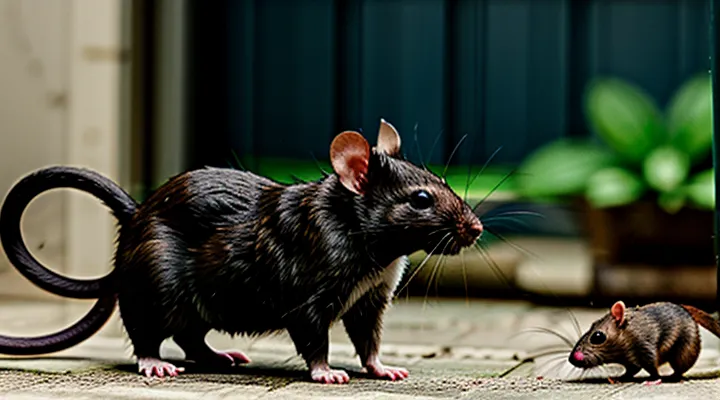
Understanding the Problem: Identifying the Pest
Differentiating Between Rats and Mice
Size and Appearance
When selecting rodent control agents, the dimensions and visual characteristics of the product determine handling, placement, and safety.
The physical size of the poison influences dosage accuracy and the type of delivery system it can accommodate. Small sachets or pellets fit discreetly into snap traps, while larger blocks or bulk containers require bait stations or sealed containers to prevent spillage and unintended exposure. Matching the product’s volume to the intended application area avoids waste and reduces the risk of non‑target contact.
Appearance serves as a primary identifier for users and inspectors. Distinctive colors differentiate toxic baits from harmless attractants; for example, bright orange or red markings signal the presence of anticoagulant compounds. Form factor—granules, tablets, blocks, or liquid gels—affects how the bait adheres to surfaces and how rodents interact with it. Transparent or lightly tinted packaging allows quick visual confirmation of content integrity without opening the container.
Key considerations for size and appearance:
- Dimension compatibility: Ensure the product fits the chosen trap or station.
- Dosage clarity: Verify that each unit contains the recommended amount of active ingredient.
- Color coding: Look for manufacturer‑specified warning hues that indicate toxicity.
- Form factor: Choose granules for spreading, blocks for stationary placement, or gels for concealed baiting.
- Packaging visibility: Prefer containers that reveal bait condition without compromising safety.
Adhering to these criteria streamlines procurement, supports precise deployment, and minimizes accidental exposure during the acquisition of rodent control substances.
Droppings and Gnaw Marks
Droppings and gnaw marks provide the primary evidence needed to assess infestation severity before selecting rodent control products. Fresh, dark droppings indicate active feeding, while older, lighter feces suggest a declining population. Gnaw marks on wiring, insulation, or food containers reveal the species involved and the extent of damage, guiding the choice of bait formulation and delivery method.
Key observations for purchasing decisions:
- Dropping size and color – larger, black pellets point to rats; smaller, brown pellets indicate mice.
- Location of deposits – clusters near food sources signal foraging activity; scattered finds along walls suggest travel routes.
- Gnaw pattern – clean, straight bites are typical of rats; shallow, irregular nibbles belong to mice.
- Material affected – damage to plastic or wood may require stronger, chew‑resistant bait stations; wiring damage calls for quick‑acting anticoagulants to prevent fire hazards.
By correlating these signs with product specifications—such as bait size, active ingredient concentration, and station durability—purchasers can match the most effective poison to the observed infestation, ensuring efficient control and reduced risk of non‑target exposure.
Assessing the Infestation Level
Signs of Activity
When evaluating a property for rodent control, observable evidence of activity determines whether purchasing bait is justified.
Common indicators include:
- Fresh droppings along baseboards, behind appliances, and in hidden corners; pellets are typically ¼‑inch long for mice and ½‑inch for rats.
- Gnaw marks on wood, plastic, or wiring; fresh cuts appear lighter in color and may have a smooth, clean edge.
- Grease streaks or smears along walls where rodents travel, often visible as dark, oily lines.
- Nests constructed from shredded paper, insulation, or fabric, usually located in concealed spaces such as wall cavities, attics, or under appliances.
- Audible sounds, especially at night: scratching, scurrying, or squeaking emanating from ceilings, walls, or floor voids.
- Presence of live or dead rodents, which confirms an active infestation and validates immediate bait deployment.
Identifying these signs promptly informs the selection of appropriate quantities and formulations of rodenticide, ensuring effective and responsible pest management.
Location of Activity
When acquiring rodent control substances, the purchase venue must meet legal and safety standards. Licensed pest‑control suppliers, certified hardware stores, and reputable online marketplaces are the only sources that guarantee compliance with local regulations. Verify that the retailer holds the necessary permits and provides product‑specific documentation, such as safety data sheets, before completing the transaction.
Key considerations for the location of the purchase and subsequent handling:
- Physical stores: must display a visible licensing badge, restrict access to the product area, and require proof of age or professional status.
- Online platforms: require encrypted checkout, clear return policies, and delivery to a verified address; avoid sites lacking customer reviews or certification.
- Storage after acquisition: designate a locked, ventilated cabinet away from food preparation areas, children’s reach, and domestic animals; label the container with hazard warnings and keep the inventory log up to date.
Types of Rodenticides and Their Mechanisms
Anticoagulants
First-Generation Anticoagulants
First‑generation anticoagulants are vitamin K antagonists that interrupt blood clotting in rodents. Common compounds include warfarin, chlorophacinone, diphacinone and coumachlor; each interferes with the synthesis of clotting factors, leading to internal bleeding after ingestion.
These agents act effectively against rats and mice when delivered in bait concentrations of 0.005–0.025 % for warfarin and 0.025–0.05 % for the other chemicals. Repeated exposure can induce resistance, especially to warfarin, making rotation with second‑generation products advisable in long‑term control programs.
Regulatory frameworks classify first‑generation anticoagulants as restricted‑use rodenticides. Labels must display active ingredient, concentration, hazard statements, and required protective equipment. Purchasers must verify that the product complies with local pesticide legislation and carries a current registration number.
When acquiring bait, follow these steps:
- Choose a licensed distributor with documented quality‑assurance procedures.
- Confirm that the container lists the exact active ingredient and concentration.
- Check expiration date; potency declines sharply after the printed limit.
- Request a certificate of analysis if available; it validates ingredient purity.
- Ensure packaging includes tamper‑evident seals and child‑resistant closures.
After receipt, store bait in a locked, temperature‑controlled area away from foodstuffs and non‑target animals. Keep the original container; repackaging increases exposure risk. Dispose of unused product according to hazardous‑waste guidelines to prevent environmental contamination.
Second-Generation Anticoagulants
Second‑generation anticoagulant rodenticides (SGARs) are synthetic compounds that disrupt the blood‑clotting cascade of rodents, leading to fatal hemorrhage after a single ingestion. Common active ingredients include brodifacoum, difenacoum, bromadiolone, and difethialone. These substances possess high lipid solubility, allowing rapid absorption and prolonged biological activity, which reduces the need for multiple bait applications.
When selecting SGAR products, consider the following factors:
- Active ingredient potency – brodifacoum and difethialone exhibit the highest toxicity; bromadiolone and difenacoum are slightly less potent but still effective for moderate infestations.
- Formulation type – baits are available as wax blocks, pellets, or liquid concentrates; choose a form that matches the target environment and rodent behavior.
- Dosage concentration – typical concentrations range from 0.005 % to 0.025 % of active ingredient; ensure the label matches the required lethal dose for the species present.
- Regulatory compliance – verify that the product is approved for use in your jurisdiction and that any licensing requirements are satisfied.
- Packaging integrity – select sealed containers that prevent moisture ingress and accidental exposure.
Proper handling includes storing SGARs in a locked, temperature‑controlled area, using gloves during bait placement, and disposing of unused material according to local hazardous‑waste guidelines. Accurate record‑keeping of purchase dates, batch numbers, and application sites supports traceability and aids in evaluating control effectiveness.
Non-Anticoagulant Poisons
Cholecalciferol (Vitamin D3)
Cholecalciferol, marketed as a rodenticide, induces lethal hypercalcemia when ingested by rats and mice. Selecting a product requires verification of concentration, typically 0.075 % to 0.1 % for residential use and up to 0.5 % for commercial settings. Higher concentrations increase speed of action but raise risk of secondary poisoning; therefore, match concentration to the intended environment.
When purchasing, confirm that the supplier holds the appropriate registration with regulatory agencies (e.g., EPA in the United States). Request a copy of the label and safety data sheet; these documents list active ingredient, permissible application sites, and personal protective equipment. Verify batch numbers and expiration dates to avoid degraded potency.
Key considerations for safe acquisition:
- Licensed distributor or reputable online retailer with clear return policy.
- Packaging that meets tamper‑evident standards and includes child‑resistant closures.
- Clear statement of active ingredient percentage and recommended dosage per kilogram of target weight.
- Availability of a material safety data sheet (MSDS) in PDF format.
Storage guidelines demand a cool, dry location away from food, feed, and non‑target wildlife. Seal containers after each use to prevent moisture ingress, which can reduce efficacy. Record the date of purchase and anticipated disposal date; most formulations lose potency after three years.
Application instructions emphasize bait placement in tamper‑proof stations, limited to areas of known rodent activity. Do not exceed the label‑specified bait density, typically 1 g per square meter, to minimize exposure to non‑target species. After successful control, remove and destroy remaining bait according to local hazardous waste regulations.
Purchasing decisions should balance potency, legal compliance, and safety features. Proper documentation, verified sourcing, and adherence to label directions ensure effective rodent management while mitigating unintended hazards.
Bromethalin
Bromethalin is a second‑generation anticoagulant rodenticide that interferes with mitochondrial oxidative phosphorylation, leading to rapid energy depletion in rats and mice. When selecting a bromethalin product, verify that the label specifies a concentration of 0.025 % to 0.05 % for residential use and up to 0.1 % for commercial applications. Concentrations outside these ranges may indicate a formulation intended for other pest species or an unregulated product.
Key purchasing criteria:
- Regulatory compliance – ensure the product is registered with the relevant national pesticide authority and carries a current registration number.
- Active ingredient purity – reputable manufacturers list purity levels (typically ≥ 95 %); lower purity can reduce efficacy and increase the risk of resistance.
- Formulation type – options include blocks, pellets, and ready‑to‑use bait stations; choose the format that matches the target environment (e.g., blocks for burrows, pellets for open areas).
- Packaging size – calculate the required amount based on the estimated rodent population and the product’s application rate (usually 0.5 g per square meter for blocks). Over‑purchasing leads to unnecessary storage and potential misuse.
- Safety features – look for tamper‑resistant containers, child‑proof lids, and clear hazard warnings to minimize accidental exposure.
Before completing the transaction, confirm that the seller provides a Material Safety Data Sheet (MSDS) and that the product includes clear instructions for placement, dosage, and disposal. Verify the expiration date; bromethalin loses potency after the manufacturer’s recommended shelf life, typically 24 months from the date of manufacture.
Finally, retain a copy of the purchase receipt and the product label for future reference. Documentation supports compliance audits and facilitates rapid response if adverse events occur.
Zinc Phosphide
Zinc phosphide is a fast‑acting rodenticide commonly used against rats and mice. When acquiring this chemical, follow a systematic approach to ensure legality, safety, and effectiveness.
- Verify that the product is approved for use in your jurisdiction; consult local agricultural or pest‑control regulations.
- Purchase only from licensed distributors who provide a current safety data sheet (SDS) and label the product with concentration, expiration date, and handling instructions.
- Request a certificate of analysis to confirm purity and absence of contaminants.
- Confirm that the supplier offers secure packaging, preferably sealed, tamper‑evident containers that meet transport standards for hazardous materials.
Before application, read the SDS thoroughly. Note the recommended dosage, typically expressed in grams of zinc phosphide per kilogram of bait, and adjust according to target species and infestation severity. Use calibrated scales to measure the exact amount; avoid over‑mixing, which can increase risk to non‑target animals.
Store the remaining product in a locked, ventilated area away from food, feed, and water sources. Maintain a temperature range specified on the label, and keep the container upright to prevent leakage. Record the purchase date, batch number, and expiration date in a logbook for future reference.
When transporting zinc phosphide, label the container with hazard symbols and keep it separated from incompatible chemicals such as acids or oxidizers. Use secondary containment to prevent spills during transit.
By adhering to these steps, purchasers minimize legal exposure, protect human health, and achieve reliable rodent control outcomes.
Safety Considerations and Regulations
Protecting Children and Pets
Child-Resistant Bait Stations
Child‑resistant bait stations provide a physical barrier that prevents accidental access by children while allowing rodents to enter and consume the poison. The design typically incorporates a locked lid that requires simultaneous pressure and twist actions, which most toddlers cannot perform. Materials such as heavy‑gauge plastic or metal ensure durability and resistance to tampering.
When selecting a station, verify that it meets regulatory standards (e.g., EPA‑approved, UL 437). Key specifications include:
- Secure locking mechanism verified by a child‑safety test.
- Weather‑proof construction for indoor and outdoor placement.
- Capacity sufficient for the intended bait quantity.
- Clear labeling space for product information and expiration dates.
During purchase, confirm that the bait station is sold as a complete unit with compatible rodent poison. Check for a warranty and a return policy that covers defects in the locking system. Install the station according to the manufacturer’s instructions, position it away from high‑traffic areas, and regularly inspect the latch for wear. Proper use of child‑resistant bait stations reduces the risk of non‑target exposure while maintaining effective rodent control.
Placement Strategies
When selecting rodent toxin, the placement of bait determines efficacy and safety. Position the product where target species travel, while minimizing exposure to non‑target animals and humans.
- Identify high‑traffic zones such as wall voids, near food storage, and along baseboard seams.
- Place baits behind appliances, under sinks, and within concealed cavities to restrict access by pets.
- Use tamper‑resistant stations in areas frequented by children; secure stations to surfaces to prevent displacement.
- Distribute multiple low‑dose stations rather than a single large quantity to encourage consumption without overwhelming the pest.
- Rotate station locations every two weeks to prevent bait aversion and to cover newly active pathways.
After deployment, monitor stations daily, record removal rates, and replenish only as needed. Adjust placement based on observed activity patterns to maintain pressure on the infestation while preserving environmental safety.
Environmental Impact
Secondary Poisoning
Secondary poisoning occurs when non‑target animals ingest a rodenticide after feeding on poisoned rodents. The effect can be lethal or sub‑lethal, depending on the toxin’s persistence and the amount transferred through the food chain.
The risk is highest with anticoagulant baits that remain active in the predator’s bloodstream for days. Secondary exposure also threatens scavengers, birds of prey, and domestic pets that may encounter dead or dying rodents.
When selecting a product, prioritize the following characteristics:
- Active ingredients with short biological half‑life (e.g., bromadiolone alternatives, non‑anticoagulant toxins).
- Formulations labeled “low secondary toxicity” or “target‑specific”.
- Baits designed for indoor use, reducing exposure to wildlife.
- Packages that include tamper‑resistant containers and clear usage instructions.
Read the label thoroughly. Verify compliance with local wildlife protection statutes and confirm that the manufacturer provides a secondary‑poisoning risk assessment. Documentation of the active ingredient’s LD50 for non‑target species is essential for informed purchasing.
Store baits in locked, climate‑controlled facilities away from food preparation areas. Dispose of unused or expired product according to hazardous‑waste regulations. Clean up any spillage promptly to prevent accidental ingestion by pets or wildlife. Monitoring trapped rodents for signs of incomplete consumption helps identify potential secondary exposure before it spreads.
Non-Target Animals
When selecting rodenticide, consider species that may encounter the product unintentionally. Identify wildlife, domestic pets, and beneficial insects that share the same environment as the targeted rats or mice.
Assess product formulation. Choose baits with low secondary toxicity, such as anticoagulants that require multiple feeding events, reducing risk to non‑target species that might ingest a single dose. Opt for pellet or block baits that are less attractive to birds and larger mammals.
Implement placement controls. Position bait stations inside sealed units, mounted at ground level, and out of reach of animals that cannot climb or fit into the device. Locate stations away from pathways used by pets, livestock, and wildlife corridors.
Verify labeling compliance. Ensure the product carries clear warnings about non‑target exposure and includes instructions for safe disposal of unused bait. Review local regulations that may mandate specific packaging or restricted access measures.
Monitor the area after deployment. Conduct regular inspections for signs of unintended consumption, such as dead or sick non‑target animals, and adjust bait placement or switch to alternative control methods if necessary.
Legal Requirements and Restrictions
Local Regulations
When acquiring rodent‑control toxins, compliance with municipal and state statutes is mandatory. Authorities typically impose the following requirements:
- A valid pest‑control license or registration for the purchaser, especially for products classified as restricted‑use pesticides.
- Age verification to ensure the buyer is at least 18 years old; some jurisdictions require a higher minimum age for concentrated formulations.
- Mandatory labeling that includes active ingredient concentration, hazard warnings, and first‑aid instructions; labels must remain intact and legible at the point of sale.
- Documentation of the transaction, such as a receipt that records product name, quantity, and batch number, retained for a specified period (often 12 months) for inspection purposes.
- Limits on the amount of poison that can be sold to a single individual or household within a given timeframe, designed to prevent stockpiling.
- Restrictions on the sale of certain active ingredients (e.g., anticoagulant rodenticides) to licensed professionals only; over‑the‑counter availability may be prohibited.
- Requirements for secure storage after purchase, including locked containers and restricted access, to reduce accidental exposure.
- Obligations to report adverse incidents, such as non‑target wildlife poisoning, to local environmental agencies within prescribed deadlines.
Failure to observe these provisions can result in fines, suspension of licensing privileges, or criminal prosecution. Prior to any purchase, consult the relevant city ordinance, county health department, or state pesticide regulatory agency to verify current rules.
Product Label Information
When selecting rodent control products, the label provides the essential data for safe and effective use. The label identifies the active ingredient, typically a anticoagulant such as bromadiolone or a neurotoxin like brodifacoum, and states the concentration per gram or milliliter. This information determines the potency and helps compare alternatives.
The label also specifies the target species, indicating whether the formulation is intended for rats, mice, or both. It includes the recommended application rate, expressed in units per square meter or per bait station, and the expected time to lethal effect. Dosage guidelines ensure that the amount placed in the environment achieves control without excessive exposure.
Safety warnings appear prominently. They outline hazards to humans, domestic animals, and non‑target wildlife, and they provide instructions for personal protective equipment, such as gloves and masks. The label mandates that the product be kept out of reach of children and describes emergency procedures, including first‑aid steps and contact numbers for poison control centers.
Storage and stability details are listed. The expiration date, storage temperature range, and conditions (e.g., keep in a dry, locked container) are clearly marked to preserve efficacy. The manufacturer’s name, address, and registration number are printed for traceability and regulatory compliance.
Finally, the label contains disposal instructions. It directs users to follow local hazardous waste regulations, avoid flushing unused material down drains, and to seal empty containers before discarding.
Key label components
- Active ingredient and concentration
- Target species and intended use
- Application rate and expected time to effect
- Hazard warnings and protective measures
- Expiration date, storage conditions, and manufacturer details
- Disposal and waste‑handling guidelines
Choosing the Right Rodenticide
Bait Formulations
Blocks
When purchasing rodent control products, solid bait units are often supplied as compact blocks. These blocks contain a measured concentration of active ingredient, allowing precise dosage per application. Their uniform shape simplifies placement in targeted areas and reduces the risk of accidental spillage.
Key attributes to evaluate before acquisition:
- Active ingredient concentration – confirm that the percentage aligns with the intended infestation level.
- Block size and weight – choose dimensions that match the size of the treatment zone; larger blocks cover broader surfaces, while smaller units suit confined spaces.
- Formulation type – some blocks incorporate attractants or slow‑release matrices; select the option that best fits the target species’ feeding habits.
- Regulatory compliance – verify that the product meets local pesticide registration requirements and carries appropriate safety certifications.
Handling procedures must reflect the solid nature of the bait. Store blocks in a cool, dry environment to preserve potency. Use gloves and protective eyewear when removing blocks from packaging, and place them on non‑absorbent trays to prevent contamination of surrounding surfaces. After placement, monitor the blocks for signs of degradation; replace any that appear cracked or crumbling, as compromised integrity can reduce effectiveness and increase exposure risk.
Disposal guidelines dictate that unused or spent blocks be sealed in a rigid container before transport to a licensed hazardous‑waste facility. This prevents leaching of toxic compounds into the environment and complies with waste‑management regulations.
By focusing on these block‑specific considerations, purchasers can ensure accurate dosing, maintain safety standards, and achieve reliable rodent control outcomes.
Pellets
Pellet bait offers a concentrated, easily measured form of rodenticide that simplifies placement in infested areas. Choose pellets that contain active ingredients approved for indoor and outdoor use, such as brodifacoum, bromadiolone, or diphyllurian. Verify that the concentration matches the target species; typical formulations range from 0.005 % to 0.03 % active ingredient.
When evaluating suppliers, consider the following factors:
- Product registration with relevant regulatory agencies (EPA, local health department).
- Clear labeling that includes ingredient list, concentration, and hazard warnings.
- Availability of tamper‑resistant packaging to reduce accidental exposure.
- Batch traceability and expiration dates.
- Established distribution channels that guarantee product integrity (e.g., licensed pest‑control distributors).
Dosage calculation should be based on the weight of the target rodent. Manufacturers generally recommend one pellet per 5–10 g of body mass. Place pellets in bait stations or low‑traffic zones where rodents travel, avoiding areas accessible to children, pets, or non‑target wildlife.
Store unused pellets in a sealed, labeled container within a locked cabinet. Maintain a temperature range of 5 °C–30 °C and protect from moisture, which can degrade potency. Record purchase dates and batch numbers to facilitate inventory rotation and compliance audits.
Before purchase, confirm that local ordinances permit the selected active ingredient and that the intended application complies with safety regulations. Documentation of the purchase receipt and safety data sheet should be retained for reference.
Soft Baits
Soft baits are a popular delivery method for rodent control products because they combine a potent toxin with a highly palatable matrix. When selecting soft baits, focus on the active ingredient, concentration, and formulation. The toxin must be approved for use against rats and mice, and the concentration should match the severity of the infestation; higher concentrations are suitable for heavy infestations, while lower levels reduce risk to non‑target species.
The bait matrix should appeal to the target species. Ingredients such as fish meal, peanut butter, or grain paste increase acceptance. Verify that the product is designed to resist drying and maintain moisture, which preserves attractiveness and ensures consistent dosing.
Regulatory compliance is mandatory. Confirm that the product carries the appropriate registration number and label warnings required by local authorities. Packaging must include child‑resistant closures and clear instructions for placement and disposal.
Key factors to evaluate when purchasing soft baits:
- Active ingredient (e.g., brodifacoum, bromadiolone, difenacoum) and its legal status
- Concentration per gram of bait
- Palatability additives and moisture content
- Safety features (child‑resistant packaging, bait stations)
- Shelf life and storage conditions (cool, dry environment)
- Manufacturer reputation and product reviews
Proper storage prolongs efficacy. Keep baits in their original sealed containers, away from direct sunlight and extreme temperatures. Rotate stock according to the expiration date and discard any compromised units.
When deploying soft baits, place them in tamper‑proof stations near active runways, feeding sites, and burrow entrances. Position stations low to the ground and out of reach of pets and children. Monitor stations regularly, replenishing as needed and recording consumption to assess control progress.
By adhering to these criteria, purchasers can obtain soft baits that deliver reliable rodent control while minimizing unintended exposure.
Bait Stations
Tamper-Resistant Stations
Tamper‑resistant stations are essential components for safely deploying rodent‑control products. They enclose anticoagulant baits, preventing accidental contact by children, pets, or non‑target wildlife. When selecting a station, prioritize models that meet regulatory standards, feature locked access, and provide clear visibility of bait levels through reinforced windows.
Key specifications to verify include:
- Certified UL or ISO compliance for lock mechanisms.
- Construction from corrosion‑resistant materials suitable for indoor and outdoor use.
- Seal integrity that withstands weather conditions and discourages gnawing.
- Easy‑to‑clean interior surfaces that resist residue buildup.
Installation guidelines dictate placement at least 10 feet from food preparation areas, within 30‑foot radius of identified infestation zones, and at a height that limits reach by non‑target species. Regular inspection should confirm lock function, bait freshness, and structural integrity. Documentation of station serial numbers and maintenance dates supports accountability and aids in audit trails for pest‑management programs.
Disposable Stations
Disposable stations are single‑use containers designed to hold rodent bait securely until the product is consumed or the station is discarded. The sealed construction prevents non‑target animals and children from accessing poison, reducing accidental exposure. Materials such as high‑density polyethylene or biodegradable polymers provide durability during placement and facilitate safe removal after the bait is spent.
When selecting a disposable station, consider the following criteria:
- Compatibility with the specific bait formulation (gel, block, or pellet) to ensure proper dosing.
- Tamper‑resistant latch mechanisms that meet regulatory standards for child safety.
- Size appropriate for the intended placement area, whether along walls, in corners, or within crawl spaces.
- Clear labeling area for product information, batch number, and disposal instructions.
Installation involves positioning the station at active rodent pathways, securing it to a fixed surface if required, and loading the recommended amount of poison according to the manufacturer’s guidelines. After the bait is depleted, the entire unit should be sealed in a plastic bag, placed in a designated waste container, and removed according to local hazardous waste protocols.
Proper disposal eliminates residual toxin, prevents secondary poisoning, and complies with environmental regulations. Maintaining a log of station locations, dates of placement, and removal times supports traceability and facilitates future pest‑control planning.
Factors to Consider
Type of Rodent
When selecting rodenticide, identify the specific rodent species present, because each species exhibits distinct feeding habits, size ranges, and susceptibility to active ingredients.
Rats commonly encountered include:
- Norwegian (brown) rat (Rattus norvegicus) – large, ground‑dwelling, prefers grain and meat.
- Roof (black) rat (Rattus rattus) – smaller, agile, favors stored food and elevated habitats.
Mice typically found are:
- House mouse (Mus musculus) – very small, thrives in indoor environments, feeds on crumbs and grains.
- Field mouse (Apodemus spp.) – slightly larger, prefers outdoor vegetation and seeds.
Key distinctions affecting poison choice:
- Body mass determines the lethal dose required; larger rats need higher concentrations than mice.
- Bait preference varies: rats often accept larger, moist baits; mice favor fine, dry formulations.
- Habitat access influences bait placement; roof rats require elevated stations, while Norway rats can be targeted at ground level.
Accurate species identification ensures the selected rodenticide matches the target’s biological profile, maximizing efficacy and minimizing non‑target exposure.
Severity of Infestation
Assessing infestation severity is the first step before selecting rodent control products. Accurate evaluation prevents unnecessary expenditure, reduces risk to non‑target species, and increases the likelihood of eradication.
Key indicators of infestation level:
- Visible droppings: Concentrated clusters in corners, along walls, or near food sources signal moderate to heavy activity.
- Gnaw marks: Damage to wiring, furniture, or packaging indicates active foraging and higher population density.
- Nesting material: Presence of shredded paper, insulation, or fabric confirms established colonies.
- Audible activity: Frequent scratching or scurrying, especially at night, suggests a sizable group.
- Population tracking: Repeated sightings of the same individuals or multiple rodents in a short period denote rapid growth.
Severity categories guide product choice:
- Low (isolated sightings, minimal signs): Targeted bait stations or single‑use traps suffice; purchase limited quantities.
- Moderate (regular signs, scattered nests): Multiple bait stations, granular bait, and supplemental traps are advisable; acquire sufficient stock to cover the affected area.
- High (extensive droppings, multiple nests, constant activity): Comprehensive bait distribution, possibly professional-grade formulations, and extensive trapping are required; bulk purchase ensures continuous coverage.
Matching product type to severity reduces waste and enhances safety. Low‑severity situations benefit from low‑toxicity bait, while high‑severity cases may justify stronger anticoagulant formulations, provided protective measures are in place. Accurate severity assessment thus directly influences the quantity and potency of rodent poison to be procured.
Environmental Conditions
When selecting rodent control agents, the surrounding environment determines product suitability, safety, and efficacy. Understanding climate, storage, and usage settings prevents degradation, accidental exposure, and legal complications.
Key environmental factors to evaluate before purchase:
- Temperature range: Choose formulations stable between the lowest and highest temperatures expected in the storage area and target location. Gel baits may liquefy above 30 °C, while solid blocks retain potency down to –10 °C.
- Relative humidity: High humidity can cause clumping in powder poisons, reducing dispersal. Opt for moisture‑resistant granules in damp basements or crawl spaces.
- Light exposure: Ultraviolet radiation breaks down many active ingredients. Store products in opaque containers and avoid placing baits in direct sunlight.
- Ventilation: Poor airflow increases the risk of inhalation for occupants and non‑target animals. Select low‑dust or sealed bait stations for poorly ventilated attics.
- Proximity to food preparation areas: In kitchens or pantry environments, prioritize tamper‑proof, child‑resistant packaging and non‑palatable bait matrices to minimize accidental ingestion.
- Presence of non‑target wildlife or pets: Outdoor applications near gardens require anticoagulant baits with low secondary‑poisoning potential; indoor use may favor quick‑acting neurotoxins with minimal residual risk.
- Regulatory climate: Regional statutes may restrict certain active ingredients based on environmental impact. Verify compliance with local pest‑control legislation before acquisition.
By aligning product choice with these conditions, purchasers ensure that rodent poison remains effective throughout its lifespan while mitigating hazards to humans, domestic animals, and the broader ecosystem.
Proper Application and Disposal
Strategic Placement of Bait
High-Activity Areas
When selecting rodenticide, focus first on the locations where rodents are most active. These zones indicate where bait will be most effective and where purchase decisions should prioritize product type and quantity.
Identify high-activity zones by observing droppings, gnaw marks, and nesting material. Typical signs appear along walls, behind appliances, in pantry corners, and near garbage containers. Mapping these spots provides a clear picture of infestation density and guides the amount of bait required.
Choose formulations that match the specific conditions of each zone. For sealed indoor areas, opt for tamper‑resistant blocks or pellets that reduce accidental exposure. In open or outdoor high‑traffic zones, consider weather‑resistant granules or liquid baits that remain potent despite moisture.
Allocate the purchased quantity proportionally: concentrate larger supplies in the most contaminated areas, while using smaller amounts in peripheral zones. This strategy minimizes waste and maximizes control efficiency.
Key considerations when buying:
- Product safety rating (EPA‑registered, low secondary poisoning risk).
- Delivery method suited to the identified zone (block, pellet, liquid, granule).
- Shelf life appropriate for the expected duration of use.
- Packaging size that aligns with the mapped high‑activity areas, avoiding excess stock.
By targeting procurement to the precise locations where rodents congregate, you ensure optimal bait placement, reduce unnecessary exposure, and achieve faster population reduction.
Away from Food and Water Sources
When selecting rodent toxin, ensure the bait is positioned far enough from any food or water supplies to prevent accidental consumption by humans, pets, or non‑target wildlife. Direct contact with consumables can compromise hygiene standards, trigger regulatory violations, and increase the risk of secondary poisoning.
Maintain a minimum clearance of 3 feet (≈1 meter) between bait stations and kitchen countertops, pantry shelves, garbage containers, pet dishes, and outdoor water troughs. If walls or cabinets are present, install bait behind a solid barrier that blocks visual and olfactory access. In high‑traffic areas, increase the distance to 6 feet (≈2 meters) to reduce inadvertent exposure.
Practical steps for purchasers:
- Identify all locations where food is prepared, stored, or served.
- Locate water dispensers, pet bowls, and outdoor watering devices.
- Choose bait stations that include lockable covers and tamper‑resistant designs.
- Verify product labels for clear usage instructions and recommended placement distances.
- Record the exact coordinates of each bait placement for future inspection and compliance audits.
Monitoring and Replenishment
Frequency of Checks
When acquiring rodenticide, regular verification of several key factors reduces risk and ensures effectiveness.
First, inspect the expiration date on every container. Replace any product that has passed its shelf life; potency declines sharply after the listed date.
Second, confirm the active ingredient concentration. Compare the label with the dosage recommendations for the target species and the size of the infestation. Mismatched strength can lead to insufficient control or unnecessary hazards.
Third, review the safety data sheet (SDS) before purchase. Verify that the formulation complies with local regulations and that the packaging includes child‑resistant closures and clear hazard warnings.
Fourth, assess the quantity ordered relative to the anticipated treatment area. Over‑stocking creates storage challenges and increases the chance of accidental exposure.
Fifth, perform a post‑purchase audit within 24 hours. Ensure that the received product matches the order description, that seals are intact, and that all required documentation (certificates of analysis, compliance stickers) is present.
A practical schedule for these checks can be summarized:
- At delivery – confirm product identity, packaging integrity, and documentation.
- Within 24 hours – verify expiration date and active ingredient label.
- Weekly during use – re‑examine remaining stock for signs of degradation or damage.
- Before re‑ordering – review consumption rates and adjust future purchase volumes accordingly.
Adhering to this routine maintains the reliability of the rodent control program and minimizes legal or safety liabilities.
Signs of Consumption
When selecting rodenticide, monitoring for evidence that the bait has been ingested is essential to verify effectiveness and to manage safety risks.
- Reduced activity or lethargy in targeted rodents
- Presence of dead individuals near bait stations within 24‑48 hours
- Visible discoloration or staining of bait remnants
- Unusual droppings containing partially digested bait particles
- Signs of internal hemorrhage or blood‑tinged vomit observed during necropsy
Observation of these indicators confirms that the poison is being consumed. Absence of such signs after several days suggests bait aversion, placement errors, or insufficient dosage, prompting reassessment of product choice, deployment strategy, or environmental conditions. Immediate containment of exposed bait and proper disposal of carcasses prevent secondary poisoning and maintain compliance with regulatory standards.
Safe Disposal of Rodenticides
Unused Bait
When acquiring rodent control products, the presence of unused bait influences cost efficiency, safety, and compliance. Evaluate inventory before purchase to avoid excess stock that may expire or become a hazard.
- Verify expiration dates on all sealed packages; discard any that surpass the manufacturer’s recommended shelf life.
- Assess packaging integrity; damaged seals compromise potency and increase the risk of accidental exposure.
- Match bait type to target species and infestation level; purchasing a larger quantity of a specific formulation than required leads to unnecessary waste.
- Account for local regulations governing the possession of rodent poisons; some jurisdictions limit the amount an individual may legally hold.
- Store unused bait in a locked, temperature‑controlled area, away from food sources and children, to maintain effectiveness and prevent misuse.
Proper documentation of remaining bait supports inventory control and facilitates safe disposal when required. Maintaining a clear record of quantities on hand reduces the likelihood of over‑ordering and ensures that any surplus can be managed according to legal disposal guidelines.
Dead Rodents
Dead rodents provide direct evidence of infestation severity, species composition, and the effectiveness of any previously used control measures. Their presence indicates whether a single‑dose product will suffice or if a multi‑dose formulation is required, and it reveals the size range of the target population, which determines the appropriate toxicity level.
Examination of deceased specimens should focus on three observable traits: species identification, body mass, and the condition of the carcass. Species determines susceptibility to specific active ingredients; for example, house mice (Mus musculus) respond differently to anticoagulants than Norway rats (Rattus norvegicus). Body mass guides the minimum lethal dose, ensuring the chosen poison delivers sufficient concentration without excessive waste. Carcass condition—whether the animal died from a previous poison, a trap, or natural causes—helps assess whether resistance to anticoagulants may be present.
Key factors to evaluate when selecting a rodenticide based on dead‑rodent data:
- Active ingredient class (anticoagulant, bromethalin, cholecalciferol, etc.) matched to species susceptibility.
- Concentration per unit weight that aligns with the measured body mass range.
- Formulation type (pellet, block, bait station) compatible with observed feeding behavior.
- Legal restrictions and safety certifications for the intended environment (residential, commercial, agricultural).
- Shelf life and storage requirements to maintain potency until deployment.
After gathering the relevant information, follow these steps: confirm species identification; calculate the average weight of the dead population; select an active ingredient with proven efficacy against that species; choose a concentration that delivers the calculated lethal dose; verify compliance with local regulations; and purchase a product that meets all criteria. This systematic approach ensures the chosen poison addresses the specific characteristics revealed by the dead rodents, maximizing control effectiveness while minimizing unnecessary exposure.
Alternatives to Chemical Control
Trapping Methods
Snap Traps
Snap traps remain a fundamental component of rodent control when selecting the appropriate toxic agents for rats and mice. Their design, durability, and safety features directly affect the efficiency of a pest‑management program.
When evaluating snap traps for purchase, consider the following criteria:
- Size and target species – Larger models accommodate rats; smaller versions are intended for mice. Choose a trap that matches the typical body weight of the infestation.
- Trigger mechanism – Spring‑loaded levers provide rapid closure. Models with adjustable sensitivity reduce false releases caused by non‑target movement.
- Material composition – Stainless steel or hardened steel offers corrosion resistance and repeated use without loss of strength. Plastic frames are lighter but may degrade in humid environments.
- Safety mechanisms – Built‑in guards prevent accidental activation during handling and placement. Look for traps that comply with occupational safety standards.
- Ease of baiting – Open platforms or removable bait cups simplify loading of toxic baits, ensuring consistent exposure to the poison.
- Cost per unit and lifespan – Reusable traps represent a lower long‑term expense compared to disposable alternatives, provided they retain functional integrity after multiple cycles.
- Regulatory compliance – Verify that the trap meets local pest‑control regulations, especially concerning humane treatment and disposal of captured rodents.
Proper procurement also involves sourcing from reputable suppliers who provide clear product specifications and warranty information. Request sample units when possible to test trigger sensitivity before committing to bulk orders.
Integrating snap traps with strategically placed poison baits creates a multi‑modal approach that maximizes kill rates while minimizing waste. Position traps along walls, near entry points, and in active runways; combine with anticoagulant or bromethalin baits that fit the trap’s baiting system. Regular inspection and prompt removal of captured rodents maintain trap effectiveness and reduce the risk of secondary poisoning.
By adhering to these selection guidelines, purchasers can acquire snap traps that complement toxic bait strategies, delivering reliable, controlled, and compliant rodent eradication.
Glue Traps
When selecting adhesive traps for rodent control, focus on product specifications, safety features, and placement guidelines.
The adhesive surface must retain mice and rats without tearing. High‑strength glue maintains effectiveness for several weeks, even in humid environments. Look for traps labeled “weather‑resistant” if placement will be outdoors or in damp basements.
Safety considerations include child‑proof packaging and clear warnings about non‑target species. Traps that incorporate a protective cover reduce accidental contact during handling. Verify that the manufacturer provides instructions for humane disposal; most recommend sealing the trapped animal in a plastic bag before discarding.
Effective deployment follows a few practical steps:
- Identify active pathways: along walls, behind appliances, and near food sources.
- Position traps perpendicular to travel routes, with the glue side facing the rodent’s approach.
- Space traps 10–15 feet apart in high‑traffic zones; increase density in severe infestations.
- Replace traps when the adhesive surface becomes dry or saturated with debris.
Cost assessment should compare unit price to expected lifespan. Bulk packages often lower per‑trap cost but may include excess that expires before use. Confirm the expiration date on the packaging; adhesive quality declines after this period.
Regulatory compliance varies by jurisdiction. Some regions restrict the sale of glue traps for wildlife protection. Check local regulations to ensure legal acquisition and use.
By evaluating adhesive strength, safety design, placement strategy, and legal requirements, buyers can obtain glue traps that complement broader rodent management programs.
Live Traps
Live traps are devices that capture rats and mice without killing them, allowing for humane removal or relocation. When acquiring rodent poison, selecting appropriate live traps complements the control strategy by preventing accidental poisoning of non‑target animals and reducing secondary exposure.
Effective live traps share several essential characteristics:
- Size suited to target species; larger traps for rats, smaller for mice.
- Durable construction, typically stainless steel or high‑impact plastic, to resist gnawing.
- Sensitive trigger mechanism that activates with minimal pressure, ensuring quick capture.
- Secure, ventilated holding compartment that prevents escape and minimizes stress.
- Easy‑to‑clean design for rapid turnover and sanitation.
Compliance with local pest‑control regulations is mandatory; many jurisdictions require licensed operators to document trap usage and disposal methods. Verify that the chosen model meets certification standards for humane capture.
Integrating live traps with poison deployment demands careful placement. Position traps away from bait stations to avoid contaminating captured rodents with toxic substances. Inspect traps at regular intervals—at least twice daily—to release or humanely euthanize captured animals before prolonged confinement leads to suffering.
Choosing the right live trap enhances overall rodent management, reduces risk to pets and humans, and supports responsible pesticide procurement.
Exclusion Techniques
Sealing Entry Points
Sealing entry points stops rats and mice from entering the building, reducing reliance on toxic baits.
Begin with a thorough inspection. Walk the exterior and interior, focusing on foundations, walls, roofs, and utilities. Look for gaps larger than a quarter‑inch, damaged screens, cracked mortar, and openings around pipes, vents, and cable entries.
Common access routes include:
- Gaps beneath doors and windows
- Cracks in foundation walls
- Openings around plumbing stacks and dryer vents
- Unsealed spaces around electrical conduits
- Damaged or missing soffit vents
Select durable, rodent‑proof materials. Steel wool or copper mesh works for irregular gaps; hardware cloth (¼‑inch mesh) fits larger openings. Silicone caulk seals small cracks, while expanding foam fills irregular voids but must be covered with a metal barrier to prevent chewing.
Steps to seal effectively:
- Clean the area of debris and loose material.
- Insert steel wool or mesh into the gap, compressing it tightly.
- Apply a bead of silicone caulk around the perimeter of the filler.
- For larger openings, attach hardware cloth with screws or nails, then cover seams with caulk.
- Use expanding foam only where structural movement is minimal; overlay with mesh to deter gnawing.
Schedule quarterly inspections to verify the integrity of seals, especially after severe weather. Promptly repair any new damage to maintain a barrier.
A robust sealing program, combined with informed selection of rodent control products, creates a comprehensive strategy that minimizes the need for poison and enhances overall pest management effectiveness.
Maintaining a Clean Environment
A spotless kitchen, pantry, and storage area reduce the likelihood that rats and mice will encounter bait, thereby increasing the efficiency of any rodent control product you acquire. Regular removal of food debris, sealing of containers, and prompt disposal of waste eliminate attractants that could compete with poison and cause rodents to avoid traps.
Key cleaning actions:
- Sweep and vacuum floors daily to remove grain, crumbs, and droppings.
- Wipe countertops and shelves with a disinfectant after each meal preparation.
- Store dry goods in airtight containers; inspect for damage before restocking.
- Empty trash bins at least once a day, using lids that close securely.
- Inspect exterior doors and windows for gaps; seal openings with steel wool or caulk.
A clean environment also safeguards non‑target species by limiting accidental exposure to toxic baits. When the area is free of alternative food sources, rodents are more likely to ingest the purchased poison, ensuring the intended outcome with minimal waste.
Natural Repellents
Peppermint Oil
Peppermint oil is a natural repellent that can complement chemical rodenticides when purchasing pest‑control solutions. Its strong menthol scent irritates the olfactory system of rats and mice, discouraging entry into treated areas without causing toxicity to humans or pets.
When selecting peppermint oil for rodent management, consider the following criteria:
- Purity: Choose a product labeled 100 % pure, steam‑distilled oil; synthetic blends may lack efficacy.
- Concentration: Opt for concentrations of 30 % or higher for topical applications; lower percentages dilute the deterrent effect.
- Packaging: Prefer amber‑glass bottles that protect the oil from light‑induced degradation.
- Source verification: Verify that the supplier provides a certificate of analysis confirming the botanical origin (Mentha piperita) and absence of additives.
Application guidelines for peppermint oil in a rodent‑control regime include:
- Dilute the oil with a carrier such as water or mineral oil at a ratio of 1 part oil to 10 parts carrier.
- Apply the mixture to entry points, nesting sites, and along baseboards using a spray bottle or cotton swab.
- Reapply every 3–4 days, especially after cleaning or exposure to moisture, to maintain potency.
- Combine with conventional bait stations only after confirming that the oil does not mask the bait’s odor, which could reduce consumption.
Purchasing peppermint oil from reputable distributors ensures consistent quality, reduces the risk of adulterated products, and supports effective integration into a comprehensive rodent‑control strategy.
Ultrasonic Devices
Ultrasonic devices emit high‑frequency sound waves that rodents find uncomfortable, reducing their activity in treated areas. When purchasing rodent poison, consider these devices as a complementary measure rather than a replacement, because they do not kill but can limit exposure to bait.
Key factors for evaluating ultrasonic units alongside poison purchases:
- Frequency range: 20–50 kHz is typical for effective rodent deterrence; lower frequencies may be audible to humans.
- Coverage area: Verify the square‑foot rating matches the intended environment (e.g., a 500 ft² kitchen versus a 2,000 ft² warehouse).
- Power source: Battery‑operated models provide mobility; plug‑in units ensure continuous operation.
- Safety features: Look for automatic shut‑off when doors open to prevent interference with pets or children.
- Warranty and certifications: A minimum one‑year warranty and compliance with relevant safety standards indicate manufacturer confidence.
Integrating ultrasonic devices with poison requires strategic placement. Position emitters near bait stations to discourage non‑target species while allowing rats and mice to encounter the toxic product. Ensure that the sound does not interfere with the bait’s attractant; some rodents may avoid areas with strong ultrasonic activity, reducing bait consumption.
Finally, assess cost‑effectiveness. Calculate the total expense of ultrasonic units plus poison against expected damage reduction. A balanced approach—using ultrasonic deterrents to limit infestation spread and targeted poison to eliminate confirmed pests—optimizes control outcomes while minimizing unnecessary chemical exposure.