
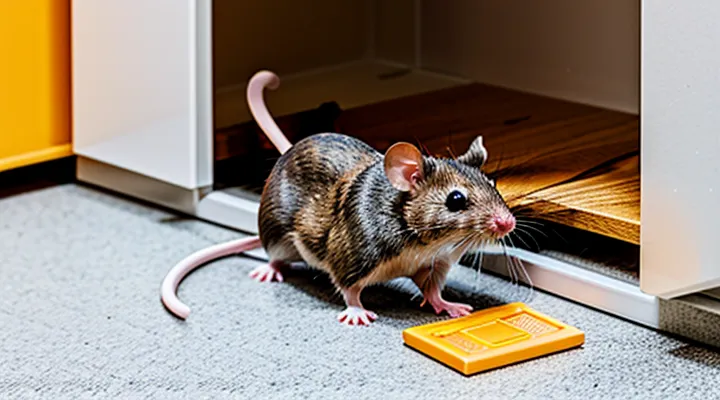
Understanding Mice Behavior and Risks
Why New Buildings are Vulnerable
Construction Gaps and Entry Points
Construction gaps and entry points represent the primary avenues through which rodents infiltrate newly erected structures. Small openings around utility penetrations, such as pipes, cables, and ducts, often remain unsealed after the framing stage. Gaps between floor joists and subfloor sheathing provide direct routes to interior spaces. Unfinished attic hatches, roof vent flaps, and improperly installed flashing create additional pathways. Exterior wall penetrations for HVAC systems, fire suppression lines, and exterior lighting fixtures frequently lack adequate weather‑resistant barriers, allowing mice to bypass exterior cladding.
Effective mitigation requires systematic identification and sealing of these vulnerabilities:
- Inspect all utility penetrations; install stainless‑steel mesh or silicone‑based sealants rated for rodent resistance.
- Apply expanding foam or metal flashing to seal gaps between joists and subfloor panels.
- Fit tight‑closing attic access doors with weatherstripping and lockable latches.
- Ensure roof vents and chimney caps are fitted with rodent‑proof screens.
- Use metal conduit sleeves for HVAC and plumbing penetrations; seal edges with high‑temperature caulk.
During the pre‑completion phase, conduct a walkthrough with a qualified pest‑management professional to verify that all identified openings meet the specified sealing standards. Document each sealed entry point and retain records for future maintenance cycles. Regular post‑occupancy inspections should focus on wear‑related breaches, replacing compromised seals promptly to maintain a rodent‑free environment.
Attraction to New Materials
Mice are drawn to the composition of fresh construction elements, which often provide food sources, shelter, and nesting opportunities. The presence of untreated timber, cellulose‑based insulation, and organic adhesives creates an environment that satisfies the rodents’ nutritional and habitat requirements.
- Untreated wood: offers easy chewing material and structural cavities.
- Cellulose insulation: supplies digestible fibers and retains moisture.
- Organic sealants and adhesives: contain starches and proteins that serve as supplemental food.
- Open joints and gaps: permit entry and concealment within walls and ceilings.
Mitigation measures focus on eliminating attractive features before occupancy. Replace raw timber with pressure‑treated or metal framing where feasible. Install mineral‑wool or foam insulation that lacks edible fibers. Apply rodent‑resistant sealants free of organic binders. Conduct comprehensive sealing of all penetrations, including conduit openings and vent shafts. Regular inspection of construction sites for debris and leftover packaging reduces incidental food sources.
By selecting non‑organic building components and enforcing strict sealing protocols, the likelihood of rodent colonization in newly erected structures declines markedly.
Health and Structural Impacts of Infestations
Disease Transmission
Rodent presence in newly constructed structures poses a direct threat to human health because mice serve as carriers of numerous pathogens. Reducing disease risk requires understanding the specific illnesses associated with these pests and the ways they reach occupants.
- Hantavirus pulmonary syndrome
- Leptospirosis
- Salmonellosis
- Lymphocytic choriomeningitis virus (LCMV)
- Plague (Yersinia pestis)
Transmission occurs through several pathways. Mice shed infectious agents in urine, feces, and saliva; these secretions contaminate food supplies, kitchen surfaces, and ventilation ducts. Inhalation of aerosolized particles from dried droppings introduces respiratory hazards. Direct bites or scratches provide another route for pathogen entry. Indirect spread arises when insects or other animals transport contaminated material within the building.
Preventive measures that limit disease transmission include:
- Designing walls, floors, and utility penetrations without gaps larger than ¼ inch; applying stainless‑steel mesh or cement‑based sealants to block entry.
- Installing sealed, elevated waste disposal units to prevent rodent access to food waste.
- Implementing a rigorous cleaning protocol that removes droppings and urine residues using EPA‑approved disinfectants before occupancy.
- Scheduling regular inspections by certified pest‑management professionals; employing bait stations and traps in concealed locations.
- Maintaining humidity levels below 50 % to deter nesting and reduce droplet formation from rodent excreta.
By integrating these controls during the construction phase, the likelihood of pathogen exposure from rodent activity diminishes, safeguarding occupant health from the outset.
Damage to Infrastructure
Mice infiltrating newly erected structures compromise critical systems, leading to costly repairs and safety hazards. Their gnawing behavior targets conductive and insulating materials, creating fire risks and reducing energy efficiency.
- Electrical wiring: chewed insulation exposes live conductors, increasing short‑circuit potential.
- HVAC components: damaged ducts and fan belts diminish airflow, impair climate control.
- Plumbing: burrowed pathways breach pipe insulation, fostering leaks and water‑damage.
- Structural elements: gnawed wooden joists weaken load‑bearing capacity, jeopardizing building integrity.
- Communication lines: severed cables disrupt data transmission and security systems.
Effective mitigation relies on proactive design and maintenance practices. Seal all openings larger than ¼ inch with steel‑welded mesh, prioritize rodent‑resistant materials for wiring and insulation, and install conduit sleeves that prevent gnawing. Integrate regular inspections during the commissioning phase to detect early signs of activity. Apply non‑toxic bait stations in concealed locations, ensuring compliance with health regulations. Adopt a comprehensive monitoring program that records intrusion evidence and triggers immediate remedial action, preserving infrastructure performance and extending asset lifespan.
Proactive Prevention Strategies During Construction
Site Preparation and Exclusion
Pre-Construction Site Assessment
A thorough pre‑construction site assessment forms the foundation for long‑term rodent control in newly built structures. The evaluation begins with a detailed review of the building’s location, surrounding vegetation, and existing wildlife activity. Records of recent pest sightings, local sewer conditions, and nearby food processing facilities help identify external pressure points.
The assessment must verify that the design incorporates physical barriers. Inspect wall and floor penetrations, utility chases, and roof openings for gaps larger than ¼ inch. Specify sealants, metal flashing, and concrete plugs capable of blocking rodent entry. Confirm that drainage plans prevent standing water and that grading directs runoff away from the foundation.
A systematic checklist guides the process:
- Survey surrounding land use and potential attractants.
- Map all structural openings, noting dimensions and material integrity.
- Evaluate waste management infrastructure for secure containment.
- Review HVAC and plumbing schematics for sealed penetrations.
- Recommend construction‑stage pest‑exclusion measures, such as temporary screens and protective netting.
Documentation of findings must be integrated into the project’s specifications. Contractors receive clear directives on required materials, installation methods, and inspection points. Early identification of vulnerabilities eliminates costly retrofits and reduces the likelihood of rodent colonization after occupancy.
Sealing Foundation and Utility Entrances
Sealing foundation cracks and utility penetrations is essential for keeping rodents out of newly constructed structures. Gaps around concrete footings, slab edges, and pipe sleeves provide direct pathways for mice; eliminating these openings reduces the likelihood of infestation.
Key actions include:
- Conduct a thorough visual inspection of the building envelope, focusing on joints between foundation walls and slabs, as well as all service entries.
- Apply a high‑quality, rodent‑resistant sealant to all identified cracks; silicone‑based or polyurethane products maintain flexibility and adhesion over time.
- Insert steel wool or copper mesh into larger voids before sealing; these materials are difficult for rodents to gnaw through.
- Install metal flashing or heavy‑duty covers over utility openings such as gas lines, electrical conduits, and plumbing stacks; ensure a tight fit with overlapping seams.
- Reinforce vent openings with fine mesh screens rated for pest exclusion; secure screens with rust‑resistant fasteners.
- Verify that door sweeps and threshold seals are properly aligned and free of gaps; replace worn components promptly.
Regular maintenance checks after construction completion confirm that seals remain intact and that no new entry points have developed. Prompt repair of compromised areas preserves the building’s integrity and prevents mouse access.
Building Materials and Design Choices
Rodent-Resistant Materials
Rodent‑resistant materials form a critical barrier against mouse intrusion in newly constructed structures. Selecting components that eliminate gaps and provide no chewable surfaces reduces the likelihood of infestation.
Recommended materials include:
- Reinforced concrete for foundations, walls and floors, applied with continuous pour to avoid joints.
- Structural steel framing, combined with metal studs and fire‑rated steel joists.
- Stainless‑steel or galvanized metal mesh for vent openings and crawl spaces.
- Polymer‑based sheathing panels with integrated sealants.
- Pressure‑treated lumber or composite boards for areas where wood is unavoidable, coated with rodent‑deterrent finishes.
Installation guidelines emphasize sealed connections: apply high‑quality silicone or polyurethane caulk to all seams, embed metal flashing around penetrations, and employ overlapping joint designs that prevent rodent access. Electrical conduit and plumbing sleeves should be encased in metal sleeves and sealed with expanding foam.
Ongoing maintenance involves periodic visual inspections of exterior cladding, roof eaves and foundation perimeters. Replace deteriorated sealant, repair cracked panels and tighten loose fasteners promptly. Consistent upkeep preserves the integrity of the rodent‑resistant envelope, sustaining protection throughout the building’s lifespan.
Integrated Pest Management (IPM) in Design
Integrated pest management (IPM) applied during the design phase creates a proactive barrier against rodent colonisation in newly constructed structures. The approach combines architectural choices, material specifications, and ongoing monitoring to minimise habitat suitability for mice.
Design‑stage actions include sealing all potential entry points, selecting non‑attractive construction materials, and configuring site layout to reduce shelter opportunities. Structural elements such as concrete foundations, metal flashing, and smooth interior finishes prevent nesting and movement. Ventilation openings, utility penetrations, and service chases must be fitted with stainless‑steel mesh or tight‑fitting covers.
Monitoring protocols require scheduled visual inspections, moisture level assessments, and placement of passive detection devices. Data collected during these checks inform timely remediation, such as repairing compromised seals or adjusting environmental conditions that favour rodent activity.
Key steps for architects, engineers, and contractors:
- Integrate sealant specifications for walls, floors, and roof assemblies into construction documents.
- Require installation of rodent‑proof hardware (e.g., self‑closing doors, metal screens) at all service penetrations.
- Specify low‑profile, non‑organic insulation materials that deter nesting.
- Establish a maintenance schedule that includes quarterly inspections of seals, drainage systems, and waste handling areas.
- Implement a record‑keeping system to track inspection results and corrective actions.
Applying these IPM principles during the planning and construction phases reduces the likelihood of mouse infestations, protects building integrity, and limits the need for reactive chemical control measures.
Waste Management and Sanitation
Proper Debris Removal
Proper debris removal is a fundamental component of rodent‑proofing newly constructed structures. Construction scraps, wood shavings, and packaging materials provide shelter and food sources for mice; eliminating these elements reduces the likelihood of colonization.
Effective debris management includes the following actions:
- Collect and dispose of all waste generated during building phases before it accumulates on site.
- Separate organic material from inert debris; recycle or discard each category according to local regulations.
- Store leftover materials in sealed containers away from building openings.
- Conduct a final sweep of interior spaces, attics, and crawl spaces to remove residual particles.
- Perform a visual inspection of exterior zones, clearing vegetation and debris that could conceal entry points.
Routine inspections should be scheduled at least quarterly during the first year of occupancy. Each inspection must verify that no new debris has accumulated and that previously sealed areas remain clean. Prompt removal of any discovered waste sustains the integrity of the rodent‑prevention strategy.
Secure Waste Storage
Secure waste storage is essential for limiting rodent access in newly constructed properties. Containers must be constructed of durable material that resists gnawing; metal or heavy‑gauge plastic with tight‑fitting lids are preferred. Lids should incorporate a sealing mechanism, such as a rubber gasket, to eliminate gaps.
Placement of waste receptacles influences mouse activity. Locate bins away from building entrances and interior corridors. Elevate units on platforms at least 12 inches above the floor to discourage climbing. Ensure that the surrounding area remains clear of debris, as accumulated litter provides hiding places.
Maintenance practices reinforce protection. Empty containers daily to prevent odor buildup that attracts rodents. Clean interior surfaces with disinfectant after each removal to eliminate residue. Inspect seals regularly for wear and replace damaged components promptly.
Implementing these measures reduces the likelihood of infestation by removing food sources and entry points. Consistent application across all waste points creates a hostile environment for mice, supporting long‑term pest‑free occupancy.
Post-Construction Prevention and Maintenance
Ongoing Inspection and Monitoring
Regular Building Inspections
Regular building inspections constitute a core element of any strategy aimed at mitigating rodent problems in newly constructed structures. Systematic visual and tactile examinations reveal gaps, openings, and conditions that attract mice before infestations become established.
Key inspection activities include:
- Verification of exterior sealing: check for cracks in foundation walls, gaps around utility penetrations, and unsealed vents.
- Assessment of interior integrity: inspect ceilings, floors, and wall cavities for evidence of gnaw marks, droppings, or nesting material.
- Evaluation of waste management areas: ensure trash containers are tightly closed and that disposal routes are free of debris.
- Review of landscaping features: trim vegetation away from building perimeters, eliminate standing water, and maintain a clear buffer zone.
Inspection frequency should align with construction phases. Initial assessment occurs at completion of structural work, followed by monthly checks during the first six months of occupancy, and quarterly reviews thereafter. Documentation of findings, corrective actions, and remediation timelines creates a traceable record that supports ongoing pest‑prevention programs.
Integrating inspection outcomes with professional rodent‑control services enables prompt sealing of identified entry points and targeted sanitation measures. Consistent adherence to this inspection regimen reduces the probability of mouse colonization, safeguards structural integrity, and protects occupant health.
Identifying Early Signs of Activity
Early detection of rodent activity in newly constructed structures reduces the need for extensive remediation. Mice enter buildings through gaps in foundations, utility penetrations, and unfinished exterior openings; recognizing their presence promptly limits population growth.
Typical indicators include:
- Fine droppings along baseboards, in cabinets, or near food sources; size comparable to black pepper grains.
- Gnaw marks on wood, plastic, or insulation, especially around entry points and wiring.
- Grease or oily trails left by footpads on walls, cabinets, or under appliances.
- Presence of shredded material, such as paper, fabric, or insulation, in concealed areas.
- Audible scratching or scurrying sounds, particularly at night, emanating from walls, ceilings, or crawl spaces.
- Small, soft nests constructed from shredded debris, often found in hidden corners or behind stored items.
Regular visual inspections of these locations, combined with motion-activated monitoring devices, provide reliable early warning. Prompt sealing of identified entry routes and removal of attractants prevent escalation to a full infestation.
Sealing and Exclusion
Addressing Gaps and Cracks
Sealing gaps and cracks constitutes a primary defense against rodent intrusion in newly constructed structures. Small openings around utility penetrations, foundation joints, and exterior walls provide easy access for mice; eliminating these pathways reduces the likelihood of infestation.
Common entry points include:
- Gaps around plumbing, electrical conduits, and HVAC ducts
- Cracks in concrete slabs, foundation walls, and brickwork
- Openings beneath doors, windows, and loading docks
- Spaces around vent covers and chimney flues
Effective sealing procedures:
- Conduct a thorough visual inspection of all exterior and interior surfaces to locate openings larger than ¼ inch.
- Apply high‑quality, rodent‑resistant caulk or sealant to fill gaps around pipes, cables, and conduit sleeves.
- Install steel‑wool or copper mesh behind expanding foam in larger voids to prevent chewing.
- Fit weatherstripping or door sweeps on all entry doors to block gaps at the threshold.
- Use metal flashing or concrete patching compounds to repair cracks in foundation and wall surfaces.
Materials selection should prioritize durability and resistance to gnawing. Polyurethane‑based sealants, silicone caulk, and stainless‑steel mesh offer long‑term protection. Regular maintenance inspections, scheduled at least biannually, ensure that newly formed cracks are addressed promptly, preserving the integrity of the building envelope.
Securing Doors and Windows
Securing doors and windows eliminates primary entry points for rodents in newly constructed structures. Proper sealing reduces the likelihood of mice penetrating interior spaces, protecting property and health.
Key actions for door and window protection:
- Install weather‑stripping or silicone caulk around door frames, focusing on gaps larger than ¼ inch.
- Fit metal or steel mesh (hardware cloth) over ventilation openings, ensuring mesh openings do not exceed ¼ inch.
- Use door sweeps that extend fully to the floor, preventing rodents from slipping beneath.
- Replace damaged or warped window screens with reinforced, tightly woven material.
- Apply self‑adhesive foam tape to the perimeter of sliding doors and windows, sealing all seams.
Routine inspection and maintenance sustain effectiveness. Conduct quarterly checks for wear, displacement, or damage to seals, sweeps, and mesh. Promptly repair compromised sections to maintain a continuous barrier against mouse intrusion.
Landscape and Exterior Maintenance
Vegetation Management
Effective vegetation management reduces rodent entry points around newly constructed structures. Trim trees and shrubs to a minimum height of 6 feet, preventing canopy bridges that facilitate climbing. Maintain a clearance zone of at least 3 feet between plant material and building foundations to eliminate shelter opportunities.
Implement landscaping practices that discourage nesting and foraging. Remove dense ground cover, leaf litter, and debris within the perimeter. Use low‑growth, non‑woody plants in proximity to walls; replace them with ornamental grasses that are regularly mowed. Ensure irrigation systems do not create standing water, which attracts insects and indirectly supports mouse populations.
Key actions for property developers:
- Prune vegetation to limit vertical and horizontal connectivity with structures.
- Establish a 3‑foot buffer of cleared soil or hardscape between plants and foundations.
- Eliminate dense mulch, compost piles, and fallen leaves within the buffer zone.
- Select plant species with minimal seed production and low shelter value.
- Schedule quarterly inspections to verify compliance with clearance standards.
Consistent application of these measures creates an environment hostile to rodent habitation, thereby supporting long‑term pest prevention in new buildings.
Drainage Control
Effective moisture management is essential for limiting rodent access in newly erected structures. Water accumulation in foundations, basements, or crawl spaces creates attractive foraging zones and softens building materials, facilitating tunnel creation and entry points.
Key actions for drainage control include:
- Designing site grading that directs surface runoff away from the building envelope.
- Installing waterproofing membranes beneath slabs and around foundation walls.
- Sealing all utility penetrations with rodent‑resistant gaskets or cement‑based compounds.
- Maintaining gutters and downspouts to prevent overflow and ensure discharge at a safe distance.
- Providing French‑drain systems or perforated pipe networks to intercept groundwater before it reaches interior spaces.
- Periodically inspecting and clearing drainage channels to avoid blockage and standing water.
Implementing these measures during construction reduces humidity levels within structural cavities, eliminates conducive habitats, and creates a physical barrier that deters mice from establishing colonies.
Collaboration with Pest Control Professionals
Expert Assessment and Treatment
Effective mouse control in newly constructed properties begins with a professional evaluation. Certified pest‑management specialists conduct a thorough site inspection, documenting structural vulnerabilities, potential entry points, and conditions that attract rodents. The assessment includes:
- Examination of foundation gaps, utility penetrations, and ventilation openings;
- Identification of interior clutter, excess moisture, and food storage practices that facilitate habitation;
- Measurement of ambient temperature and humidity levels that influence rodent activity.
Following the inspection, experts develop a treatment plan tailored to the building’s design and occupancy schedule. Core components of the plan comprise:
- Sealing of all identified ingress routes using durable materials such as steel wool, cement, or metal flashing;
- Installation of strategically placed monitoring stations equipped with non‑toxic attractants to detect early presence;
- Application of integrated pest‑management (IPM) techniques, combining environmental modification, biological controls, and, when necessary, targeted rodenticide placement in compliance with safety regulations;
- Scheduling of periodic follow‑up inspections to verify the integrity of barriers and adjust control measures as occupancy patterns evolve.
Documentation of findings and actions is provided in a detailed report, enabling property managers to maintain ongoing vigilance. Continuous collaboration between building engineers and pest‑management professionals ensures that preventive measures remain effective throughout the lifecycle of the structure.
Long-Term Prevention Plans
Long‑term prevention plans focus on eliminating conditions that attract rodents and maintaining barriers that keep them out of newly constructed properties.
Key elements of an effective program include:
- Design features that eliminate entry points, such as sealed utility penetrations, metal flashing around doors and windows, and concrete foundations without gaps.
- Exterior landscaping that reduces shelter, with trimmed vegetation, cleared debris, and proper grading to direct water away from the building envelope.
- Integrated pest‑management (IPM) protocols that specify routine inspections, bait station placement, and trap monitoring schedules.
- Documentation system that records inspection dates, findings, corrective actions, and follow‑up verification.
Implementation requires coordination between architects, contractors, and facility managers. Structural audits should be performed before occupancy, followed by quarterly reviews during the first year and semi‑annual checks thereafter. Any identified breach must be repaired within a defined timeframe, and preventive measures adjusted based on observed rodent activity.
Consistent application of these practices sustains a rodent‑free environment, protects structural integrity, and reduces long‑term remediation costs.