
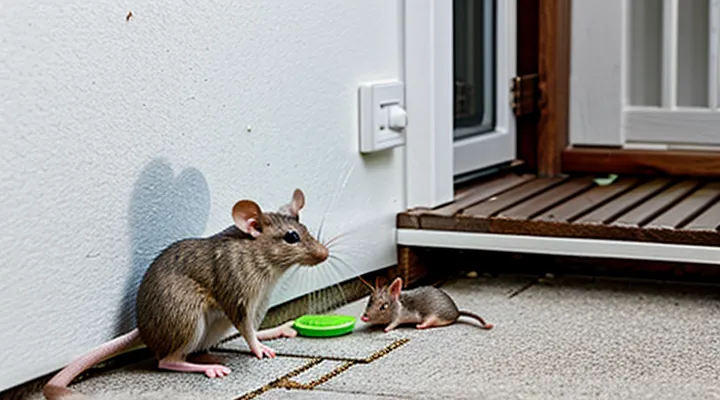
Understanding Mouse Behavior and Entry Points
Common Entry Points for Mice
Gaps in Foundations and Walls
Mice exploit any opening larger than a quarter‑inch in foundations and walls. Cracks, gaps around utility penetrations, and poorly sealed crawl‑space vents provide direct pathways from soil or exterior spaces into living areas.
Inspection should focus on the following points:
- Visible cracks in concrete footings, block walls, or brick veneer.
- Gaps around pipes, cables, and vent pipes where they pass through the foundation.
- Openings at the top of the crawl‑space or basement wall, especially where insulation or sheathing is missing.
- Unsealed joints between the foundation and exterior siding or brick.
Sealing methods include:
- Apply hydraulic cement to active cracks that shift with moisture; the material expands as it cures, closing the opening permanently.
- Use steel wool or copper mesh to fill larger gaps, then cover with a silicone‑based sealant for a flexible barrier.
- Install metal flashing around utility penetrations, securing it with construction adhesive and screws to prevent displacement.
- Fit rigid foam insulation panels to the interior side of foundation walls, sealing seams with expanding foam to block rodent entry while improving energy efficiency.
- Cover crawl‑space vents with hardware cloth (¼‑inch mesh) secured with screws and sealed with weather‑resistant caulk.
Regular maintenance—re‑examining sealed areas after heavy rain or seasonal temperature changes—prevents new openings from forming. Prompt repair of identified gaps eliminates the most common routes rodents use to infiltrate a home.
Unsealed Pipes and Utility Openings
Unsealed pipes and utility openings provide direct pathways for rodents to infiltrate residential structures. Gaps around water, gas, and electrical lines often exceed the ¼‑inch clearance that mice can squeeze through, allowing them to travel from the exterior to interior spaces without detection. These openings also create concealed routes that bypass conventional traps and barriers, increasing the likelihood of infestation.
To eliminate these entry points, follow a systematic approach:
- Inspect all exterior pipe penetrations, including sewer, drainage, and vent stacks.
- Apply a durable sealant (silicone, expanding foam, or cement) to fill gaps larger than ¼ inch.
- Insert steel wool or copper mesh into remaining narrow gaps before sealing; rodents cannot chew through metal.
- Secure utility boxes and conduit sleeves with metal flashing or hardware cloth.
- Verify that vent caps, chimney crowns, and roof flashings are intact and properly fitted.
Regularly review the exterior during seasonal changes, as temperature shifts can create new cracks. Prompt repair of any damage maintains a continuous barrier, preventing mice from exploiting pipe and utility openings as access routes.
Damaged Screens and Vents
Damaged window screens and ventilation openings provide easy passage for rodents seeking shelter and food. Cracks, torn mesh, and loose fittings create gaps as small as a quarter of an inch, which are sufficient for a mouse to squeeze through.
Inspect each screen and vent regularly. Look for tears, rusted frames, and loose screws. Test the integrity by running a fingertip along the edges; any movement indicates a potential breach. Replace torn sections with heavy‑duty fiberglass or steel mesh, and secure frames with rust‑resistant fasteners. For vents, install metal louver covers that feature fine mesh, ensuring the mesh is no larger than 1 mm.
Maintain the barriers after installation:
- Clean debris that can damage mesh fibers.
- Apply a thin coat of corrosion‑inhibiting paint to metal frames annually.
- Re‑tighten fasteners after seasonal temperature shifts.
- Verify that vent covers remain closed when not in use, especially in basements and attics.
By keeping screens and vents intact, you eliminate one of the most common access points, reducing the likelihood of rodent intrusion.
Open Doors and Windows
Open doors and windows constitute the most common entry points for rodents. When a doorway or a window remains ajar, a mouse can slip inside without encountering barriers, allowing it to explore interior spaces and locate food sources.
- Keep exterior doors closed unless passage is necessary; install self‑closing hinges to ensure they shut automatically.
- Fit screens on all windows; choose mesh with openings no larger than ¼ inch to block small rodents.
- Apply weather‑stripping or door sweeps to eliminate gaps beneath doors and around frames.
- Inspect door and window frames regularly for cracks, holes, or loose hardware; seal identified openings with steel wool, caulk, or expanding foam.
- Use door‑stop devices that prevent doors from being propped open for extended periods.
Regular maintenance of these barriers reduces the likelihood that mice will gain access. Promptly repairing damaged screens, replacing worn seals, and verifying that all openings remain sealed sustains an effective defense against rodent intrusion.
Roof and Attic Access
Mice gain indoor access primarily through gaps in the roof structure and attic openings. Identifying and eliminating these pathways is essential for keeping rodents out of the home.
Typical entry points include:
- Unsealed eaves, soffits, and fascia boards
- Gaps around vent pipes, chimneys, and skylights
- Unfinished attic doors or loose insulation panels
- Cracks in roof sheathing, decking, or flashing
To secure the roof and attic:
- Conduct a visual inspection from the exterior; use a flashlight to reveal cracks and openings.
- Apply steel wool or copper mesh to small gaps, then seal with silicone caulk or expanding foam designed for outdoor use.
- Install metal flashing or durable sealant around vent pipes and chimney bases.
- Fit a tight‑closing, weather‑stripped attic access door; replace any damaged hinges or latches.
- Replace deteriorated soffit panels and ensure vents have rodent‑proof screens.
Regular maintenance reduces the risk of new breaches. Schedule bi‑annual checks after severe weather, repair any damage promptly, and keep vegetation trimmed away from the roof to prevent rodents from climbing. Consistent attention to roof and attic integrity forms a reliable barrier against mouse intrusion.
Immediate Prevention Strategies
Sealing Entry Points
Using Steel Wool and Caulk for Small Gaps
Mice exploit openings as small as a quarter‑inch. Sealing these passages eliminates entry points and reduces the likelihood of infestation.
- Insert steel wool tightly into each gap, ensuring the fibers fill the space completely. The coarse texture deters chewing because rodents cannot gnaw through the metal strands.
- Apply a bead of silicone or acrylic caulk over the steel wool. The sealant bonds the wool to the surrounding material, prevents movement, and creates a weather‑proof barrier.
- Smooth the caulk with a putty knife or fingertip to achieve a uniform finish that adheres to wood, drywall, or masonry.
- Inspect the sealed areas periodically. Replace worn steel wool and re‑caulk any cracks that develop over time.
When working around pipes, vents, or window frames, cut steel wool to length, compress it into the opening, and immediately cover with caulk before the material sets. This combination offers a durable, low‑maintenance solution for blocking rodent access through minute openings.
Repairing Damaged Screens and Vents
Repairing damaged screens and vents is a fundamental step in keeping rodents out of a residence. Gaps, tears, or missing mesh provide direct access points for mice, especially during cooler months when they seek shelter. Damage often originates from weather, wear, or accidental impact; regular visual checks reveal compromised areas before infestation occurs.
Identify all exterior openings, including window screens, attic vents, dryer exhausts, and utility penetrations. Examine each surface for holes larger than ¼ inch, loose fittings, or corrosion that could weaken the barrier. Replace torn mesh with fiberglass or stainless‑steel screen, securing it with rust‑resistant staples or screws. For vent covers, use metal or heavy‑duty plastic panels that snap into place and seal with silicone caulk or expanding foam where edges meet the frame.
- Clean the opening to remove debris and insect nests.
- Measure the damaged section accurately.
- Cut replacement material with a margin of ½ inch beyond the defect.
- Attach the new piece using appropriate fasteners; ensure a tight fit.
- Apply a continuous bead of sealant around the perimeter to eliminate micro‑gaps.
- Inspect the repair after curing; test for movement by gently tugging the material.
Maintain the integrity of screens and vents by scheduling biannual inspections, promptly addressing any new wear, and keeping surrounding vegetation trimmed to reduce pressure on exterior fixtures. Consistent upkeep eliminates the primary entry routes that mice exploit, reinforcing the overall rodent‑exclusion strategy.
Installing Door Sweeps and Weatherstripping
Door sweeps seal the space beneath exterior doors, eliminating the primary entry point that rodents exploit. Select a sweep with a durable rubber or silicone lip that contacts the floor when the door closes. Measure the door’s width and thickness, cut the sweep to length, and attach it with the supplied screws or adhesive, ensuring a continuous seal without gaps.
Weatherstripping reinforces the perimeter of doors, preventing mice from slipping through cracks around the frame. Opt for compressible materials such as foam, felt, or vinyl that compress when the door is shut. Follow these steps:
- Clean the door jamb to remove dust and grease.
- Cut the weatherstripping to match the jamb’s dimensions.
- Apply adhesive backing or nail the strip, aligning it evenly along the top, sides, and bottom of the frame.
- Test the door’s closure; the strip should compress lightly, creating a snug barrier.
Regular inspection is essential. Verify that sweeps remain firmly attached and that weatherstripping is intact; replace any damaged sections promptly. Maintaining these seals reduces the likelihood of rodent intrusion and supports overall home protection.
Eliminating Food and Water Sources
Storing Food in Airtight Containers
Storing food in airtight containers eliminates the primary attractant that draws mice into residential spaces. Sealed containers prevent scent diffusion, deny access to crumbs, and remove visual cues that signal a food source.
Effective containers must meet three criteria:
- Material integrity – glass, heavy‑duty plastic, or metal lids with rubber gaskets that cannot be chewed through.
- Seal performance – a latch or clamp that creates a vacuum‑tight closure, ensuring no gaps for rodents to exploit.
- Size appropriateness – containers that accommodate the entire quantity of a product, avoiding partial storage that leaves exposed portions.
Placement strategies enhance protection:
- Keep containers on shelves away from floor level; mice can climb, but elevated positions increase the distance they must travel.
- Position containers inside cabinets with doors that close fully; a double barrier (cabinet door plus sealed lid) adds redundancy.
- Avoid stacking open packages beneath sealed containers; spillover can create indirect feeding zones.
Routine maintenance sustains efficacy:
- Inspect seals weekly for wear, cracks, or loss of elasticity.
- Replace damaged lids immediately; a compromised seal restores the food’s accessibility to pests.
- Clean container interiors after each use to remove residue that could attract rodents despite a sealed exterior.
Integrating airtight storage with complementary actions—such as eliminating standing water, sealing entry points, and maintaining regular cleaning—creates a comprehensive deterrent system that significantly reduces the likelihood of mouse intrusion.
Cleaning Up Spills and Crumbs Promptly
Prompt removal of food residues eliminates the primary attractant for house mice. Even tiny crumbs on countertops or a lingering spill on the floor provide a scent trail that rodents can follow from exterior entry points to interior foraging zones. By maintaining a clean surface environment, you reduce the likelihood that mice will identify the house as a reliable food source.
Key practices for immediate cleanup include:
- Wipe counters, tables, and appliances after each meal preparation or snack.
- Sweep or vacuum floors daily, focusing on corners and under furniture where particles accumulate.
- Mop wet spills promptly, using a disinfectant solution to remove both moisture and odor.
- Store garbage in sealed containers; transfer waste to an outdoor bin regularly.
- Clean pet feeding areas after each use, discarding leftover food and rinsing bowls.
Consistent execution of these actions creates a hostile foraging landscape, forcing mice to seek food elsewhere and decreasing the probability of successful infiltration.
Fixing Leaky Faucets and Pipes
Leaking water fixtures create a reliable attraction for rodents. Moisture from drips supplies drinking sources, while the constant flow erodes sealants and widens gaps that mice can exploit to enter interior spaces.
Persistent leaks also degrade structural integrity. Water intrusion softens wood, loosens drywall joints, and corrodes metal fasteners, producing openings large enough for small mammals to squeeze through.
To eliminate these vulnerabilities, follow a systematic repair process:
- Inspect all visible faucets, showerheads, and pipe joints for steady drips or corrosion.
- Shut off the water supply to the affected line before beginning work.
- Disassemble the leaking component, clean threads, and replace worn washers, O‑rings, or seals.
- Re‑tighten connections with appropriate torque; avoid over‑tightening, which can crack fittings.
- Test each repaired fixture by restoring water flow and observing for residual drips.
- For concealed pipes, use a moisture meter to detect hidden seepage; seal identified cracks with epoxy putty or pipe‑wrap tape before reinstalling insulation.
- Replace any compromised building materials—such as rotted wood or damaged drywall—after drying the area completely.
Regular maintenance of plumbing eliminates the moisture that draws mice and prevents the formation of entry routes. By addressing leaks promptly, homeowners reduce the likelihood of rodent infestation and protect the structural health of the residence.
Maintaining a Clean Environment
Regular Vacuuming and Mopping
Regular vacuuming and mopping remove food particles, crumbs, and moisture that attract rodents. Consistent cleaning eliminates the scent trails mice use to locate nourishment, reducing the likelihood that they will explore interior spaces.
Key practices for effective floor maintenance:
- Vacuum high‑traffic zones (kitchen, dining area, pantry) daily; focus on corners, under appliances, and along baseboards where debris accumulates.
- Use a vacuum equipped with a HEPA filter to capture fine particles and prevent re‑distribution of allergens.
- Mop hard surfaces at least twice a week with a mild detergent; ensure the mop is damp, not saturated, to avoid creating standing water.
- After each mopping session, dry the floor thoroughly to eliminate humidity that can support rodent activity.
- Clean vacuum bags or canisters regularly; discard contents in sealed containers to avoid providing a secondary food source.
Maintaining a schedule that combines daily vacuuming with regular mopping creates an environment lacking the resources rodents need to survive, thereby acting as a preventative measure against house infestations.
Decluttering and Removing Hiding Spots
Decluttering eliminates the environments mice use for shelter and travel. Remove piles of newspapers, cardboard boxes, and unused items from basements, attics, and closets. Store essential materials in sealed containers rather than leaving them exposed on shelves.
Maintain a clean kitchen and pantry. Store dry goods in metal or thick plastic containers with tight‑fitting lids. Dispose of food waste daily and keep trash cans covered. Clean crumbs and spills promptly to deny rodents a food source.
Inspect storage areas for potential concealment. Arrange items so that air can circulate and shadows are minimized. Avoid stacking objects directly against walls; leave a gap of at least three inches to prevent mice from nesting behind them.
Seal entry points that arise from clutter. Use steel wool or copper mesh to fill small holes, and apply expanding foam or caulk to larger gaps around pipes, vents, and electrical wiring. Reinforce doors and windows with weatherstripping to block access.
Regularly audit the home for new clutter. Implement a schedule for reviewing storage spaces, discarding unnecessary items, and reorganizing as needed. Consistent removal of hiding spots reduces the likelihood of mouse infestation.
Proper Waste Management
Proper waste management eliminates food sources that draw rodents into residential spaces. Secure containers prevent mice from accessing discarded scraps, reducing the incentive to explore entry points.
- Use bins with snap‑tight lids; inspect seals regularly for damage.
- Empty household trash daily, especially in kitchens and dining areas.
- Store recyclables in separate, sealed containers to avoid attracting pests.
- Keep compost piles away from the house and cover them with a tight‑fitting lid.
- Clean spillages immediately; wipe down surfaces to remove residue that could serve as bait.
Consistent removal of edible waste lowers the likelihood that mice will detect a viable feeding site near potential entry points. When food is unavailable, rodents prioritize shelter elsewhere, decreasing pressure on cracks, vents, and gaps.
Regular inspection of waste‑storage areas identifies breaches before they become entry routes. Replace cracked lids, repair damaged seals, and ensure that outdoor dumpsters are positioned away from the building’s foundation. Maintaining these standards sustains a hostile environment for mice, reinforcing broader rodent‑exclusion measures.
Long-Term Prevention and Maintenance
Exterior Home Maintenance
Trimming Shrubs and Trees Away from the House
Keeping shrubs and trees away from the building reduces the pathways mice use to reach the roof and walls. Overgrown vegetation creates continuous cover, allowing rodents to move from ground cover to eaves without exposure. Removing that bridge forces mice to travel in open areas where they are more vulnerable to predators and less likely to locate entry points.
- Trim branches so they end at least 18 inches (45 cm) below the roof line.
- Cut back shrub canes to maintain a minimum clearance of 12 inches (30 cm) from the exterior walls.
- Remove dead or dying foliage that can provide nesting material.
- Prune low‑lying limbs regularly, especially during the growing season, to prevent new bridges from forming.
- Dispose of trimmed material away from the house; do not pile it against the foundation.
These actions create a physical gap that discourages mice from approaching the structure, thereby supporting broader efforts to keep rodents out of the home.
Stacking Firewood Away from the Foundation
Stacking firewood at a safe distance from the house creates a physical barrier that discourages mice from using the woodpile as a bridge to the foundation. When wood rests directly against the exterior walls, rodents can gnaw through gaps, climb the pile, and gain access to cracks and crawl spaces. By keeping the stack separated, the shortest route to the building becomes longer, reducing the likelihood of successful entry.
A practical layout includes the following measures:
- Position the woodpile at least 3 feet (≈ 0.9 m) from any wall, siding, or deck.
- Elevate the bottom layer on pallets or a raised platform to prevent ground moisture and discourage burrowing.
- Arrange logs with the smallest ends facing outward; larger diameter pieces are harder for mice to chew through.
- Cover the top with a waterproof tarp, securing it to prevent wind uplift while allowing ventilation.
- Rotate stored wood regularly, removing any pieces that show signs of rodent activity.
Maintaining these practices limits shelter and food sources near the structure, thereby decreasing the incentive for mice to approach the home’s perimeter. Consistent implementation supports an overall strategy of rodent exclusion.
Keeping Garbage Bins Securely Closed
Unsecured garbage containers provide easy access to food scraps, attracting mice that can quickly move from the bin to interior cracks and openings. By ensuring that trash cans remain tightly sealed, homeowners eliminate a primary source of nourishment and reduce the likelihood of rodents exploring entry points.
- Choose bins with fitted lids that latch securely.
- Inspect seals regularly for wear; replace damaged gaskets promptly.
- Position containers away from walls and external doors to limit direct routes.
- Use foot‑operated or sensor‑activated lids for hands‑free closure.
- Store bins in a ventilated area to discourage damp conditions that mice favor.
Routine checks are essential. Verify that lids close fully after each disposal, and clean the interior of the bin to remove residual odors. Maintaining a tight seal not only deprives mice of food but also discourages them from testing other potential entry sites, reinforcing overall rodent‑proofing efforts.
Implementing Repellents and Deterrents
Natural Repellents («Peppermint Oil», «Clove Oil»)
Peppermint oil works as a deterrent because mice find its strong scent overwhelming. Apply a few drops to cotton balls and place them in potential entry points such as gaps around doors, windows, and utility openings. Replace the cotton balls every two to three days to maintain potency.
Clove oil produces a sharp aroma that mice avoid. Mix ten drops of clove oil with a cup of water in a spray bottle. Lightly mist the mixture on baseboards, the exterior of cabinets, and any cracks in the foundation. Reapply weekly, especially after cleaning or heavy rain.
Practical guidelines
- Identify likely ingress locations: gaps under appliances, vents, and basement walls.
- Prepare cotton balls or fabric strips for each spot.
- Saturate with peppermint or clove oil, not both, to prevent scent blending.
- Position the treated material where mice travel, typically along walls and near food storage.
- Monitor for signs of activity; if rodents persist, increase the number of treated points or combine with additional physical barriers.
Both oils are safe for indoor use when applied correctly, leaving no residue that harms humans or pets. Consistent application creates an environment that discourages mouse intrusion without relying on chemicals.
Electronic Ultrasonic Devices
Electronic ultrasonic devices emit sound waves at frequencies between 20 kHz and 65 kHz, a range inaudible to humans but irritating to rodents. The emitted pulses create a hostile acoustic environment that discourages mice from establishing a presence in treated areas.
Scientific trials indicate that ultrasonic emitters reduce rodent activity by up to 70 % in confined spaces. Effectiveness declines when obstacles such as furniture, walls, or insulation block the sound field. Open‑plan layouts and solid‑surface floors improve coverage, while cluttered environments diminish results.
Proper installation requires placement near entry points, along baseboards, and in corners where mice travel. Devices should be mounted at a height of 10–15 cm above the floor, directed toward interior spaces, and spaced no more than 5 m apart to maintain overlapping acoustic zones. Continuous power supply ensures uninterrupted operation; battery‑backed models provide temporary coverage during outages.
Routine maintenance includes cleaning transducer surfaces monthly and verifying that the unit operates at the specified frequency. Safety checks confirm that the device does not interfere with pet hearing; most models emit frequencies above the audible range for cats and dogs. Replacement of faulty units prevents gaps in protection.
Best‑practice checklist
- Position units at low height, aimed inward.
- Space devices ≤ 5 m apart for overlapping fields.
- Keep transducers free of dust and debris.
- Inspect power connections weekly.
- Monitor for signs of rodent activity and adjust placement accordingly.
Regular Inspections
Seasonal Checks for New Entry Points
Regular inspections of a home’s exterior are essential because rodents exploit gaps that appear or enlarge with temperature changes, weather damage, and vegetation growth. Conducting systematic checks each season reduces the likelihood that new openings will go unnoticed, thereby limiting opportunities for mice to infiltrate living spaces.
Spring brings increased activity as rodents emerge from winter nests. Examine the foundation for cracks caused by frost heave, and seal any gaps larger than a quarter‑inch. Inspect the roofline for missing shingles or damaged flashing that could allow entry during rainstorms. Trim back overgrown shrubs and vines that touch the siding, creating a bridge for climbing pests.
Summer heat can soften caulking and expand gaps around windows and doors. Verify the integrity of weatherstripping, replace deteriorated seals, and ensure that vent covers remain securely fastened. Check crawl‑space vents for proper screens, and clear debris from gutters to prevent water damage that may compromise exterior walls.
Autumn foliage adds concealment for new openings. Walk the perimeter and look for holes where leaves accumulate, especially near utility penetrations, pipe entries, and electrical conduits. Reinforce any compromised areas with steel wool or copper mesh before applying expanding foam, which rodents cannot gnaw through.
Winter freezing can cause masonry to contract and develop fissures. Inspect exterior walls for new cracks, especially around chimney bases and foundation joints. Apply a flexible, weather‑resistant sealant that remains effective at low temperatures. Verify that door sweeps are intact and that garage doors seal tightly when closed.
Seasonal checklist
- Walk the entire building envelope; note any visible gaps, cracks, or damaged materials.
- Test the fit of window and door seals; replace worn weatherstripping.
- Examine roof, eaves, and vent openings; secure or replace screens.
- Trim vegetation that contacts the structure; maintain a clear buffer zone.
- Apply appropriate filler (steel wool, copper mesh, expanding foam) to seal identified entry points.
- Record all repairs and schedule the next inspection for the following season.
By adhering to this cyclical inspection routine, homeowners create a robust barrier that deters mice from establishing new pathways into the residence.
Monitoring for Signs of Mouse Activity
Regular inspection of potential entry points and interior spaces is essential for early detection of rodent activity. Look for the following indicators:
- Small gnaw marks on wood, plastic, or wiring
- Droppings, typically dark, pellet‑shaped, and ¼‑inch long
- Grease or smudge trails along walls or cabinets
- Nests constructed from shredded paper, fabric, or insulation
- Audible scratching or scurrying sounds, especially at night
Place monitoring devices strategically where signs are most likely to appear. Snap traps or live‑catch traps positioned along walls, behind appliances, and near known food sources provide concrete evidence of presence. Motion‑activated cameras capture nocturnal movement without disturbing the environment. Sticky boards placed in concealed corners record footprints and tail marks, aiding species identification.
Maintain a log of observations. Record date, location, type of sign, and any trap activity. Correlate data across multiple weeks to identify patterns, such as seasonal peaks or recurring hotspots. Promptly address confirmed activity by sealing gaps, removing food attractants, and reinforcing barriers. Continuous monitoring creates a feedback loop that prevents escalation and reduces the likelihood of infestation.
What to Do If Mice Are Already Inside
Humane Trapping Methods
Live Traps
Live traps capture rodents without killing them, providing a humane option for homeowners who seek to keep mice out of living spaces. The device consists of a cage with a trigger mechanism; when a mouse enters to reach bait, the door closes automatically.
Effective use of live traps requires careful selection, placement, and maintenance:
- Choose traps made of sturdy metal or thick plastic, equipped with a sensitive trigger and a secure latch.
- Position traps along walls, behind appliances, and near known entry points, because mice travel close to surfaces.
- Bait each trap with high‑fat foods such as peanut butter, sunflower seeds, or small pieces of cheese; apply a pea‑sized amount to the trigger area.
- Check traps at least twice daily; prolonged confinement can cause stress or injury to the captured animal.
- Release captured mice at least two miles from the residence, preferably in a wooded or field area, to reduce the chance of return.
- Clean traps with mild detergent after each use to prevent scent buildup that might deter future captures.
Integrating live traps into an overall exclusion strategy limits mouse populations while preserving humane standards. Regular inspection of the property for gaps, cracks, and utility openings, combined with prompt trap deployment, reduces the likelihood of infestation and maintains a rodent‑free environment.
Snap Traps (Proper Placement and Disposal)
Snap traps remain one of the most reliable methods for eliminating house mice when placed correctly. Position each trap along established runways: behind appliances, inside cabinets, beneath sinks, and near wall junctions where rodents travel. Secure the bait—peanut butter, dried fruit, or small pieces of meat—directly on the trigger mechanism to encourage immediate contact. Ensure the trap sits flat on a solid surface; a tilted or uneven base reduces strike efficiency and may allow mice to avoid capture.
When a mouse is caught, wear disposable gloves and use a sealed container or a heavy‑duty plastic bag to transport the trap outdoors. Place the bag in a trash receptacle with a secure lid, then sanitize the trap with a bleach solution (1 part bleach to 9 parts water) before storage or disposal. Dispose of the bag according to local wildlife regulations; many municipalities require dead rodents to be placed in a separate waste stream.
Key points for effective use:
- Locate traps at least 12 inches from walls to intersect natural pathways.
- Replace bait daily to maintain potency.
- Check traps each morning; prompt removal prevents decomposition and secondary infestations.
- Rotate trap positions periodically to cover new activity zones.
Adhering to these placement and disposal protocols maximizes snap‑trap performance while minimizing health risks and property damage.
When to Call Professional Pest Control
Severe Infestations
Severe mouse infestations overwhelm structural gaps, contaminate food supplies, and spread pathogens that compromise human health. Damage includes gnawed wiring, insulation loss, and compromised storage containers, creating costly repairs and increased fire risk.
Signs of an advanced problem appear as dense droppings, gnaw marks on multiple surfaces, audible scurrying at night, and visible nesting material in walls, attics, or stored goods. A sudden rise in food theft or unexplained odors often accompanies these indicators.
When infestation reaches this level, immediate action must combine eradication and containment:
- Seal all entry points larger than a quarter‑inch using steel wool, copper mesh, or cement‑based caulk.
- Deploy multiple snap traps or electronic devices along established runways, spacing them 12–18 inches apart.
- Apply rodenticide baits in tamper‑proof stations, positioning them near wall voids but out of reach of children and pets.
- Remove all accessible food sources; store remaining items in metal containers with tight lids.
- Contact a licensed pest‑control professional for thorough inspection and targeted extermination.
After removal, maintain a barrier against recurrence by implementing permanent preventive measures:
- Conduct quarterly inspections of exterior foundations, vents, and utility penetrations; repair cracks promptly.
- Install door sweeps on exterior doors and screen vents with fine mesh.
- Keep vegetation trimmed at least 12 inches from the building envelope and eliminate clutter that offers shelter.
- Store garbage in sealed metal bins and dispose of it regularly.
- Monitor for fresh droppings or gnaw marks; intervene at the first sign of activity.
Consistent vigilance and prompt response to early indicators prevent minor sightings from escalating into severe infestations that jeopardize property integrity and occupant health.
Difficulty in Eradicating Pests
Mice infiltration presents a persistent obstacle for homeowners because once a colony establishes itself, eradication demands extensive effort and resources. The difficulty stems from several biological and environmental factors:
- Rapid reproduction: A single pair can produce dozens of offspring within weeks, expanding the population faster than most control measures can keep pace.
- Adaptable foraging behavior: Mice exploit tiny gaps in foundations, walls, and utility penetrations, rendering conventional sealing methods insufficient without thorough inspection.
- Nocturnal activity: Nighttime foraging limits visual detection, allowing infestations to grow unnoticed until damage becomes evident.
- Resistance to poisons: Repeated exposure to rodenticides can select for tolerant individuals, reducing chemical efficacy over time.
Addressing these challenges requires a systematic approach that combines exclusion, sanitation, and monitoring. Seal all potential entry points with steel wool or cement, eliminate food sources by storing perishables in airtight containers, and install snap traps or electronic devices along known travel routes. Regularly inspect vulnerable areas—basements, attics, and crawl spaces—to identify early signs of activity and intervene before the population reaches a critical threshold. Consistent application of these measures reduces the likelihood that eradication will become a protracted, costly process.