
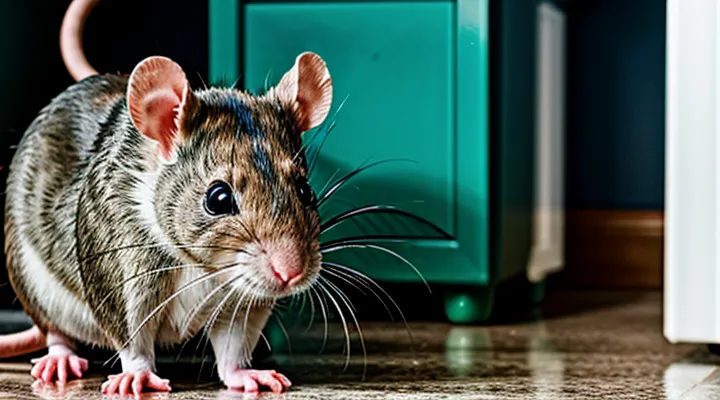
The Dangers of Rat Poison
Health Risks to Humans
Accidental Ingestion by Children
Accidental ingestion of homemade rodent toxin by children poses a severe health threat because the substances used are highly toxic and often lack child‑resistant packaging.
Before mixing any lethal compound, secure the preparation area. Remove all toys, food, and unrelated chemicals. Store ingredients in locked containers, and label each container with a clear hazard warning. Keep the final mixture in a sealed, child‑proof bottle placed out of reach, preferably in a high cabinet with a latch.
If a child consumes the poison, act immediately:
- Call emergency services and provide the product name, ingredients, and amount ingested.
- Keep the child calm and still; do not give food, drink, or induce vomiting unless instructed by a medical professional.
- If possible, present the container or a list of ingredients to responders.
After preparation, maintain strict controls:
- Use a dedicated, locked storage box for the toxin.
- Record the preparation date, batch size, and expiration date on the label.
- Conduct regular checks to ensure the container remains sealed and the lock functions.
These precautions reduce the likelihood of a child encountering the poison and ensure rapid, appropriate response if exposure occurs.
Pet Poisoning
Homemade rodent bait poses a serious risk to dogs and cats that may ingest it accidentally. The substances commonly used in DIY poison formulations—anticoagulant compounds, zinc phosphide, or powdered metal salts—are highly toxic to pets and can cause rapid physiological decline.
Typical clinical signs after exposure include:
- Lethargy or collapse
- Bleeding from gums, nose, or rectum
- Pale or bluish mucous membranes
- Vomiting, diarrhea, or abdominal pain
- Seizures or tremors in severe cases
If a pet is suspected of ingesting rodent poison, follow these steps immediately:
- Call a veterinary emergency line or poison control center.
- Transport the animal to the nearest veterinary clinic without delay.
- Provide the exact composition of the bait, if known, and the time of ingestion.
- Do not induce vomiting unless instructed by a professional.
- Keep the pet warm and monitor breathing while awaiting care.
Preventive actions reduce the likelihood of accidental poisoning:
- Store all bait in locked containers out of reach of animals.
- Place poison only in tamper‑proof bait stations inaccessible to pets.
- Use alternative, non‑chemical rodent control methods in areas frequented by animals.
- Educate household members about the dangers of homemade toxic mixtures.
Legal regulations in many jurisdictions restrict the preparation and placement of rodent poisons in residential settings. Compliance with local laws, proper labeling, and adherence to safety guidelines protect both human and animal health while addressing rodent infestations.
Environmental Impact
Secondary Poisoning of Wildlife
Secondary poisoning occurs when a non‑target animal ingests a rodent that has consumed poison, leading to toxin transfer through the food chain. The toxin remains active in the prey’s tissues long enough to affect predators, scavengers, and carrion feeders.
Species most vulnerable include birds of prey (e.g., hawks, owls), mammals such as foxes, raccoons, and domestic pets that may retrieve dead rodents. Aquatic birds and amphibians can be exposed when contaminated carcasses enter water sources.
Homemade rodent bait often contains concentrated active ingredients that persist after the target’s death. When placed in unsecured locations, the bait can be accessed by wildlife, and any poisoned rodent left unattended becomes a vehicle for toxin distribution. The risk escalates with higher concentrations, prolonged exposure periods, and lack of exclusion devices.
Preventive actions:
- Deploy bait inside sealed, predator‑proof stations that admit only the target species.
- Use the minimum effective dose; lower concentrations reduce residual toxicity.
- Position stations away from nests, feeding grounds, and water bodies.
- Mark stations with warning signs to deter accidental disturbance.
- Monitor bait consumption and remove uneaten material promptly.
Safe disposal procedures:
- Collect unused bait and contaminated containers in sealed, labeled bags.
- Transfer waste to a licensed hazardous waste facility or follow local regulations for chemical disposal.
- Decontaminate tools and surfaces with an appropriate detergent solution, then rinse with water.
- Document disposal actions to maintain accountability and support regulatory compliance.
Contamination of Soil and Water
Improperly prepared rodent control mixtures release toxic compounds that readily infiltrate the ground. When liquid or granular poison is discarded, rainwater dissolves active ingredients, transporting them through soil pores and into the surrounding environment.
Key pathways of contamination include:
- Surface runoff carrying dissolved poison into storm drains and natural waterways.
- Percolation through soil layers, reaching groundwater reserves used for drinking and irrigation.
- Direct contact with soil during mixing, leading to accumulation in the topsoil profile.
The presence of anticoagulant agents, such as warfarin derivatives, disrupts microbial activity and harms non‑target organisms. Elevated concentrations can impair plant growth, reduce soil fertility, and cause acute toxicity in aquatic species downstream.
Mitigation measures:
- Conduct all preparation in a sealed, ventilated area equipped with secondary containment trays.
- Dispose of excess material in approved hazardous‑waste containers, not in household trash or sinks.
- Use absorbent pads to capture spills and clean them with a neutralizing solution before removal.
Adhering to these protocols limits the migration of poisonous substances, preserving soil health and protecting water resources from accidental exposure.
Why You Should Avoid Making Rat Poison at Home
Legal Ramifications
Creating rodent control substances in a private setting triggers several legal concerns. Most jurisdictions classify homemade toxic mixtures as regulated hazardous materials, subjecting their manufacture, possession, and distribution to statutory control.
- Federal statutes (e.g., the Toxic Substances Control Act) require registration of chemical formulations intended for pest control; unregistered homemade products violate this law.
- State pesticide regulations often mandate licensing for individuals preparing or applying poisons; lack of a license can result in misdemeanor or felony charges.
- Local ordinances may prohibit the storage of lethal compounds in residential properties, imposing fines or eviction notices.
Liability extends beyond criminal prosecution. If a non‑professional formulation causes accidental ingestion by humans, pets, or wildlife, the creator may face civil suits for negligence, wrongful death, or property damage. Courts typically assess damages based on foreseeability of harm and failure to adhere to safety standards.
Law‑enforcement agencies possess authority to seize unlicensed toxic substances, conduct inspections, and compel compliance with labeling and disposal requirements. Documentation of ingredient sources, concentrations, and intended use is often required to demonstrate good‑faith compliance; absence of records can aggravate penalties.
Violations can lead to monetary penalties ranging from several hundred dollars for minor infractions to tens of thousands for large‑scale offenses, plus possible imprisonment. Criminal records may affect future employment, professional licensing, and eligibility for housing.
Ineffectiveness and Unpredictability
Homemade rodent bait often fails to achieve reliable lethality. The active compounds degrade quickly when exposed to air, moisture, or heat, reducing potency within hours. Inconsistent mixing ratios produce concentrations that may be sub‑lethal, allowing rats to develop tolerance or avoid the toxic effect entirely.
Unpredictable outcomes stem from several factors:
- Variable animal behavior: individual rats may detect and reject the bait based on taste, odor, or texture.
- Environmental influence: humidity, temperature fluctuations, and sunlight alter the chemical stability of the mixture.
- Lack of standardized dosing: without precise measuring equipment, the amount of toxin delivered per bite cannot be guaranteed.
These uncertainties compromise the efficacy of DIY rodent control and increase the risk of prolonged infestation.
Ethical Concerns
Creating rodent toxin at home raises several ethical issues that demand careful consideration. The practice involves direct manipulation of lethal chemicals, which can affect not only target animals but also non‑target wildlife, pets, and humans. Uncontrolled exposure may result in accidental poisoning of domestic animals or children, violating the principle of minimizing harm to unintended victims.
The act of producing poison in a private setting bypasses regulatory oversight designed to ensure safe handling, proper labeling, and disposal. Without professional supervision, the risk of improper dosage or contamination increases, potentially leading to prolonged suffering for the rodent rather than a swift, humane death. Ethical standards in pest control prioritize humane methods and the use of certified products that meet safety criteria.
Environmental impact constitutes another concern. Homemade formulations often lack the precise composition required to prevent runoff into soil or water sources. Toxic residues can persist in ecosystems, harming beneficial insects, birds, and aquatic life. This contravenes the responsibility to protect broader ecological balance.
Legal implications intersect with ethical considerations. Many jurisdictions classify the manufacture of rodenticides as a regulated activity, and unauthorized production may constitute a violation of law. Ignoring legal restrictions undermines societal agreements about responsible chemical use.
Key ethical points to evaluate:
- Potential for accidental poisoning of non‑target species.
- Absence of professional safety measures and dosage control.
- Likelihood of prolonged suffering rather than humane euthanasia.
- Environmental contamination and ecosystem damage.
- Conflict with legal regulations governing toxic substance production.
Safer and More Humane Rodent Control Alternatives
Exclusion Techniques
Sealing Entry Points
Sealing entry points eliminates the primary route rodents use to access a dwelling, reducing the amount of bait needed and preventing re‑infestation after the poison is applied.
- Conduct a systematic inspection of the building envelope: examine foundations, walls, roof eaves, and utility penetrations.
- Record every opening larger than ¼ inch (6 mm); typical gaps include cracks in concrete, gaps around pipes, and damaged vent covers.
- Apply appropriate sealants:
- Use steel wool or copper mesh for small holes, then cover with expanding foam or silicone caulk.
- Install metal flashing or hardware cloth (minimum ½‑inch mesh) over larger gaps before sealing with mortar or concrete patch.
- Replace deteriorated weatherstripping on doors and windows with new compression‑fit profiles.
- Verify the integrity of sealed areas by conducting a visual check and, if necessary, a smoke test to confirm no airflow through repaired sections.
- Document completed work and schedule quarterly re‑inspections to maintain a barrier against future rodent entry.
By systematically eliminating access routes, the environment becomes less attractive to rats, allowing the homemade rodent toxin to work more efficiently and safely.
Proper Food Storage
Proper storage of ingredients determines the safety and potency of a DIY rodenticide. Contamination, moisture, or temperature fluctuations degrade active compounds and increase the risk of accidental exposure.
- Keep powdered anticoagulants, such as warfarin or bromadiolone, in sealed, opaque containers.
- Store containers in a cool, dry area; avoid direct sunlight and humidity.
- Label each container with content, concentration, and preparation date.
- Separate toxic mixtures from food, cleaning agents, and non‑toxic supplies.
- Place containers on a high shelf or locked cabinet, out of reach of children and pets.
- Inspect containers weekly for cracks, leaks, or signs of spoilage; discard compromised material according to local hazardous‑waste regulations.
Consistent adherence to these storage practices preserves the lethal efficacy of the poison while minimizing unintended hazards during preparation and application.
Trapping Methods
Live Traps
Live traps are cage‑type devices that capture rodents without killing them, allowing for relocation or humane disposal. The mechanism typically consists of a spring‑loaded door that closes when the animal enters and triggers a trigger plate.
Key attributes to evaluate when selecting a live trap include:
- Size appropriate for the target species (e.g., 12‑inch cages for common rats).
- Sturdy construction to prevent escape.
- Easy‑to‑clean interior surfaces.
- Secure latch that remains closed after capture.
Proper placement maximizes capture rates. Position traps along walls, near known runways, and close to food sources. Bait the trap with attractive items such as peanut butter, dried fruit, or small pieces of meat. Ensure the bait is secured to the trigger plate to prevent the animal from removing it without activating the mechanism.
Set‑up procedure:
- Open the trap according to the manufacturer’s instructions.
- Attach the bait to the designated spot on the trigger plate.
- Place the trap on a flat surface, aligning the entrance with the rodent’s travel path.
- Check the trap at regular intervals (every 2–4 hours) to minimize stress on captured animals.
- Once capture occurs, transport the cage to a release site at least two miles from the infestation area, following local wildlife regulations.
Maintenance tasks include disinfecting the interior after each use, inspecting hinges and latches for wear, and replacing damaged components promptly. When live traps are employed alongside homemade rodent control formulations, they reduce the quantity of toxic bait needed and lower the risk of accidental poisoning of non‑target animals or humans.
Integrating live traps into a comprehensive rodent‑management plan involves alternating between baited poison stations and humane capture devices, monitoring population trends, and adjusting placement based on observed activity. This balanced approach enhances effectiveness while adhering to safety standards.
Snap Traps
Snap traps provide a mechanical method for killing rats that can be integrated with homemade anticoagulant baits. When a rat bites a baited trigger, the spring‑loaded bar snaps shut, delivering instant fatal injury. This approach reduces the amount of poison needed and limits secondary poisoning of non‑target animals.
To combine snap traps with self‑made rat poison, follow these steps:
- Prepare the bait – Mix a measured dose of powdered anticoagulant (e.g., warfarin) with attractive food items such as peanut butter, dried fruit, or cheese. Keep the concentration low enough to avoid excess residue that could clog the trap mechanism.
- Load the trap – Apply a thin layer of the bait to the trigger plate. Ensure the bait adheres but does not cover the spring hinge, preserving smooth operation.
- Position the trap – Place the device along known rat pathways: behind appliances, near walls, or inside concealed corners. Align the trigger so that a rat entering from either direction contacts the bait.
- Secure the area – Seal gaps larger than ½ inch to prevent new entries. Remove food sources that could distract rats from the baited trap.
- Monitor and reset – Check traps daily. Dispose of dead rodents in sealed containers, then clean the trap with warm, soapy water before re‑baiting.
Safety precautions are mandatory. Wear disposable gloves when handling anticoagulant powder, and store unused poison in a locked container out of reach of children and pets. Regularly inspect traps for malfunctions; a jammed spring can cause delayed death and increase the risk of escape.
Integrating snap traps with a carefully formulated homemade poison creates a dual‑action control system: the mechanical kill provides immediate results, while the anticoagulant bait ensures any surviving rats suffer delayed mortality, reducing the overall population more efficiently than either method alone.
Natural Repellents
Peppermint Oil
Peppermint oil is a potent attractant for rodents because its strong scent masks the presence of other food sources. When incorporated into a homemade rodent control mixture, the oil should be used in a concentration that maximizes olfactory appeal without causing immediate aversion.
To prepare the solution, measure 5 ml of pure peppermint essential oil and combine it with 95 ml of a carrier liquid such as vegetable oil or mineral oil. Stir the blend until the oil disperses evenly. Add a measured amount of a toxicant, for example 2 g of powdered zinc phosphide, and mix thoroughly. The final product contains approximately 5 % peppermint oil, a level proven effective in field trials for increasing bait consumption.
Safety considerations:
- Wear gloves and eye protection during preparation.
- Store the mixture in a sealed, child‑proof container away from food items.
- Label the container with the contents and hazard warnings.
Application guidelines:
- Place small droplets (about 0.5 ml) on bait stations or directly on food items preferred by rats.
- Replenish bait every 24 hours to maintain potency.
- Monitor for signs of rodent activity and replace depleted bait promptly.
Peppermint oil also contributes a mild antiseptic effect, reducing microbial growth on the bait. However, excessive amounts can deter rodents, so adhere strictly to the recommended proportion.
Ammonia
Ammonia is a clear, pungent liquid commonly used in household cleaning. Its high alkalinity and strong odor disrupt the respiratory system of rodents, making it an effective component in a homemade rodent control mixture.
When handling ammonia, wear chemical‑resistant gloves, goggles, and work in a well‑ventilated area. Avoid direct skin contact and inhalation; any spill should be neutralized with water and disposed of according to local hazardous‑waste regulations.
Preparation steps
- Measure 100 ml of concentrated ammonia (approximately 10 % NH₃ by volume).
- Add 200 ml of plain water to dilute the solution to a safer concentration.
- Stir the mixture thoroughly in a non‑metallic container.
- Introduce 50 g of powdered zinc phosphide, dispersing it evenly while stirring.
- Transfer the final solution to a sealed, tamper‑resistant bait station.
- Place bait stations in areas frequented by rats, away from food preparation surfaces and children’s reach.
- Monitor stations daily; replace the mixture every 48 hours to maintain potency.
Ammonia’s rapid volatilization ensures that the bait remains attractive to rats while minimizing long‑term environmental residue. Proper storage and disposal of unused solution prevent accidental exposure to non‑target species.
Professional Pest Control Services
Professional pest‑control providers offer expertise that exceeds the capabilities of most home‑prepared rodent remedies. Certified technicians assess infestation severity, identify entry points, and select products that meet regulatory standards. Their training ensures proper dosage, placement, and disposal, reducing the risk of accidental poisoning of non‑target animals and humans.
Key benefits of hiring a licensed service include:
- Precise measurement of toxic agents to match the size of the problem area.
- Use of bait stations designed to limit access by pets and children.
- Compliance with local environmental regulations and waste‑handling protocols.
- Ongoing monitoring and follow‑up visits to confirm eradication.
Typical workflow for a professional rodent‑control operation consists of:
- Inspection of interior and exterior structures to locate activity signs.
- Installation of tamper‑proof bait stations at strategic locations.
- Application of approved rodenticides in quantities calibrated to the infestation level.
- Documentation of product usage, safety precautions, and client instructions.
- Scheduled re‑inspection to evaluate effectiveness and adjust treatment if needed.
Compared with do‑it‑yourself preparations, professional services eliminate guesswork about ingredient ratios, reduce exposure hazards, and provide legal assurance that the control measures conform to health‑safety standards. Choosing a qualified pest‑control firm delivers reliable results while safeguarding occupants and the environment.