
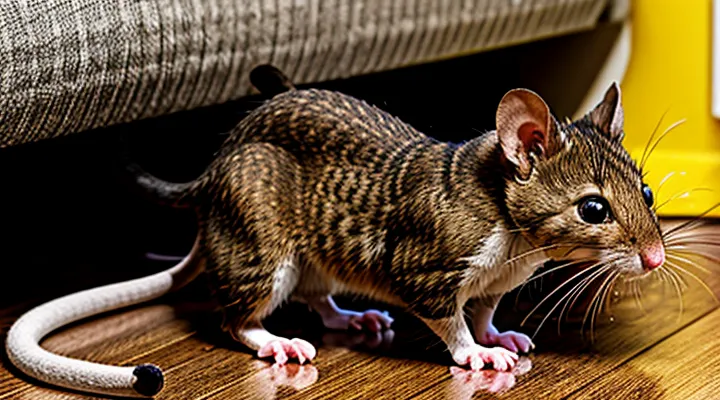
Understanding the Mouse Problem
Identifying a Mouse Infestation
Signs of Mice
Mice leave distinct evidence that confirms their presence and guides the selection and placement of poison products.
- Dark, rice‑shaped droppings, typically 3‑5 mm long, found along walls, behind appliances, or in stored food packages.
- Gnawed edges on food containers, wiring, wooden structures, and baseboards; bite marks are roughly 2‑3 mm wide and often irregular.
- Shredded paper, fabric, or insulation forming nests in concealed areas such as attics, closets, or behind furniture.
- Fresh footprints in dusty surfaces, sometimes accompanied by tail marks where the animal has brushed against a surface.
- Scratching or scurrying sounds at night, especially near walls, ceilings, or within stored items.
- A musky, ammonia‑like odor that intensifies as the population grows.
Identifying these indicators enables targeted deployment of rodent‑specific baits, reduces unnecessary exposure to non‑target species, and supports effective, safe control measures within the home environment.
Common Entry Points
Mice typically gain access to residential spaces through tiny openings that are easy to overlook. Identifying these points is essential for placing bait securely and preventing accidental exposure to non‑target animals or humans.
- Gaps around utility lines, pipes, and cables: openings as small as ¼ inch can accommodate a mouse. Seal with steel wool combined with caulk or use metal mesh patches.
- Cracks in foundation walls, basement floors, and crawl‑space joists: inspect for horizontal or vertical fissures, then fill with expanding foam reinforced with a metal barrier.
- Openings beneath doors and windows: weatherstripping, door sweeps, and tight-fitting window screens reduce ingress.
- Gaps around vent covers, dryer exhausts, and chimney flues: install mesh screens rated for rodent exclusion.
- Holes in insulation, especially near attic access points: trim excess insulation and close any visible openings with rigid foam or metal flashing.
After sealing, position rodent‑specific bait stations directly adjacent to the repaired entry points. This placement maximizes contact with mice while limiting risk to pets and children, as the stations are designed to contain the poison safely. Regularly inspect the sealed areas for new cracks and maintain the barriers to ensure continued effectiveness.
Choosing Safe and Effective Products
Types of Mouse Poisons
Anticoagulants
Anticoagulant rodenticides disrupt blood clotting, leading to internal hemorrhage in mice after ingestion. They are available in single‑dose and multiple‑dose formulations; single‑dose products contain higher concentrations of active ingredients and are designed to kill the target with one bite, while multiple‑dose products require repeated consumption to achieve lethal levels.
When selecting a safe option for residential use, consider the following criteria: low secondary‑poisoning risk, clear labeling, child‑resistant packaging, and compliance with local regulations. Products that meet these standards typically use warfarin, bromadiolone, or difenacoum as active compounds, combined with attractants that encourage feeding.
Recommended anticoagulant products for home environments:
- Warfarin‑based bait (e.g., “Warfarin Mouse Bait” 0.025 %): low toxicity to non‑target species, effective against resistant populations when placed in sealed stations.
- Bromadiolone bait (e.g., “Bromadiolone Mouse Pellet” 0.005 %): high potency, suitable for indoor use in tamper‑proof containers.
- Difenacoum bait (e.g., “Difenacoum Mouse Block” 0.005 %): stable in humid conditions, recommended for crawl spaces and basements.
Safety measures:
- Place baits inside sealed, tamper‑proof stations to prevent accidental contact by children or pets.
- Position stations along walls, behind appliances, and in concealed pathways where mouse activity is observed.
- Monitor stations daily; replace depleted units promptly and dispose of unused bait according to manufacturer instructions.
- Wear disposable gloves when handling bait; wash hands thoroughly after each use.
- Keep a record of bait locations and dates of deployment to track effectiveness and ensure timely removal after the infestation is resolved.
Anticoagulant rodenticides provide a reliable method for controlling mice when applied with strict adherence to safety protocols and product guidelines.
Non-Anticoagulant Rodenticides
Non‑anticoagulant rodenticides provide an alternative to blood‑clotting poisons when targeting house mice. These compounds act on the nervous system, metabolic pathways, or cellular membranes, delivering rapid lethality without the risk of delayed clotting effects that can complicate monitoring.
Common categories include:
- Bromethalin – a neurotoxin that disrupts mitochondrial function, causing paralysis and death within 24–48 hours. Available in pellet and block forms, it is effective at low concentrations and resistant to bait shyness.
- Cholecalciferol (Vitamin D₃) – induces hypercalcemia, leading to organ failure. Typically supplied as a wax block or granular bait, it requires careful dosage to avoid accidental exposure.
- Zinc phosphide – reacts with stomach acids to release phosphine gas, a potent respiratory toxin. Offered as coated granules or pellets, it is suitable for indoor use when sealed in tamper‑proof stations.
- Sodium fluoroacetate (1080) – interferes with the citric‑acid cycle, causing cellular energy collapse. Commercially limited in many regions, it appears in gel or paste formulations for confined spaces.
Safety measures:
- Place bait stations out of reach of children and non‑target animals; lockable containers are preferred.
- Wear disposable gloves when handling products; wash hands thoroughly after each use.
- Label each station with the active ingredient and hazard symbols; keep a Material Safety Data Sheet accessible.
- Store unopened containers in a cool, dry place, sealed from moisture and light to preserve potency.
- Dispose of dead rodents and contaminated materials according to local hazardous‑waste regulations; avoid direct contact or crushing.
When selecting a product, prioritize formulations that match the infestation level and the layout of the residence. Pellet baits suit scattered activity, while block or gel options concentrate exposure in high‑traffic zones. Verify that the chosen rodenticide is registered for indoor residential use in your jurisdiction, and follow the manufacturer’s dosage guidelines precisely to minimize risk to humans and pets.
Product Selection Considerations
Pet and Child Safety
When using rodent‑control poisons in a household, the primary concern is preventing accidental exposure to children and pets. Choose products that are formulated with low secondary toxicity and feature tamper‑resistant packaging. Store all bait in locked compartments out of reach of non‑target animals.
- Select anticoagulant blocks that contain bittering agents to deter licking.
- Prefer liquid traps with sealed chambers that release poison only when a mouse enters.
- Use bait stations made of rigid plastic with snap‑fit lids that require two‑handed operation to open.
- Keep the area around bait stations clear of food, water dishes, and pet toys.
Recommended items meeting these criteria include:
- Bait stations with built‑in safety locks – provide clear visual indicators when opened, reducing the chance of accidental contact.
- Bitter‑flavored anticoagulant pellets – discourage ingestion by pets and children while remaining effective against rodents.
- Enclosed liquid bait dispensers – contain the toxic solution within a break‑proof container, releasing it only upon mouse activation.
Apply bait according to label directions, place stations along walls where mice travel, and monitor daily for consumption. After a successful control period, remove all devices, clean the area with mild detergent, and replace with a pet‑safe deterrent, such as ultrasonic repellers, to maintain a rodent‑free environment without further chemical risk.
Environmental Impact
The environmental consequences of common rodent‑control poisons used in residential settings depend on the active ingredients, formulation, and disposal practices.
First‑generation anticoagulants such as warfarin and diphacinone persist in the soil for weeks, potentially affecting earthworms and non‑target insects. Second‑generation compounds (bromadiolone, brodifacoum) exhibit higher toxicity and longer half‑lives, increasing the risk of secondary poisoning when predators or scavengers consume contaminated carcasses. Both groups can leach into groundwater if placed in damp areas or if bait stations are not sealed.
Alternative products, including zinc phosphide and bromethalin, present different ecological profiles. Zinc phosphide releases phosphine gas upon ingestion, which degrades rapidly and poses minimal soil accumulation, yet it can harm avian species that feed on poisoned rodents. Bromethalin disrupts cellular energy production without leaving persistent residues, reducing long‑term soil impact but still capable of secondary toxicity.
Proper usage mitigates adverse effects:
- Locate bait stations away from water sources and drainage pathways.
- Employ tamper‑resistant containers to limit access by wildlife and children.
- Retrieve and dispose of dead rodents according to local hazardous‑waste regulations.
- Rotate active ingredients annually to prevent resistance and reduce cumulative environmental load.
Choosing products with lower persistence, adhering to placement guidelines, and following disposal protocols collectively limit ecological disruption while maintaining effective rodent control in the home environment.
Efficacy and Speed of Action
Effective rodent control products for residential use vary in potency and onset of lethality. The most reliable agents contain anticoagulants, bromethalin, or zinc phosphide, each delivering distinct performance metrics.
- First‑generation anticoagulants (e.g., Warfarin, Diphacinone) – mortality rate 70‑80 % after 3‑5 days of continuous ingestion. Suitable for moderate infestations; slower action permits multiple feedings, enhancing bait acceptance.
- Second‑generation anticoagulants (e.g., Brodifacoum, Difenacoum) – mortality rate 90‑95 % within 24‑48 hours. Higher potency reduces required bait quantity, but strict placement is essential to avoid secondary exposure.
- Bromethalin formulations – disrupts cellular energy production, causing death in 24‑36 hours. Efficacy exceeds 85 % against resistant populations; rapid action limits bait consumption.
- Zinc phosphide pellets – releases phosphine gas upon gastric acid contact, producing fatal results in 6‑12 hours. Near‑instant lethality makes it ideal for acute outbreaks, though odor and handling precautions demand careful application.
Speed of action correlates directly with active ingredient concentration and mouse feeding behavior. Products that act within 24 hours reduce the risk of bait avoidance and secondary poisoning, while slower‑acting anticoagulants increase the likelihood of bait uptake across a broader segment of the colony.
Safety considerations include securing bait in tamper‑proof stations, positioning away from children and pets, and adhering to label‑specified dosage limits. Regular monitoring of trap‑free zones confirms product performance and guides subsequent placement adjustments.
Safe Application of Rodenticides
Preparation and Placement
Safety Gear
When handling rodenticides, personal protection prevents accidental exposure and reduces health risks. Appropriate equipment isolates the user from toxic substances, safeguards skin and respiratory pathways, and simplifies cleanup after application.
- Disposable nitrile gloves: chemical‑resistant, puncture‑proof, and easy to discard after each use.
- Protective goggles or safety glasses: sealed lenses block splashes and dust particles that may contain poison.
- Half‑face respirator with organic vapor cartridges: filters inhaled fumes and aerosolized particles during bait preparation and placement.
- Disposable coveralls or Tyvek suits: lightweight, non‑woven material that prevents residue from contacting clothing and skin.
- Footwear covers or booties: impermeable sleeves that protect shoes from contaminant transfer when moving between treated and untreated zones.
Each item should be inspected for damage before use, worn according to manufacturer instructions, and removed in a designated decontamination area. After handling, wash hands thoroughly with soap and water, even when gloves were used. Proper disposal of used gear follows local hazardous waste regulations to avoid environmental contamination.
Strategic Placement Zones
Strategic placement of rodent baits maximizes efficacy while minimizing risk to non‑target animals and humans. Identify high‑traffic pathways, concealed nesting spots, and feeding areas; position products where mice are most likely to encounter them.
- Wall voids and baseboards: Mice travel along these surfaces; insert bait stations flush with the gap.
- Behind appliances: Refrigerators, stoves, and dishwashers create warm, sheltered zones; place tamper‑resistant packs underneath.
- Under cabinets and shelves: Food residues attract rodents; secure bait in sealed containers on the lower shelf.
- Near entry points: Gaps around pipes, vents, and doors serve as primary access routes; attach bait directly to the frame.
Each zone should host a single bait type appropriate for the environment—e.g., anticoagulant pellets in concealed stations, quick‑acting toxin blocks in open areas. Ensure stations are out of reach of children and pets, and replace them according to product guidelines. Proper zoning reduces bait wastage and accelerates population control.
Securing Bait Stations
Securing bait stations is critical for safe rodent control and for preventing accidental contact by children, pets, or non‑target wildlife. Proper placement and protective features also enhance the bait’s effectiveness by limiting exposure to environmental elements.
- Choose locations away from high‑traffic areas, preferably along walls, behind appliances, or in concealed corners where mice travel.
- Install stations at least 12 inches off the floor and 6 inches from the nearest wall to reduce the chance of pets climbing onto them.
- Use lockable or tamper‑resistant models that snap shut with a keyed latch; verify that the latch engages fully before loading bait.
- Mark each station with a clear warning label indicating “Rodent Control – Do Not Touch”.
Inspect stations weekly. Remove spent bait, clean interior surfaces with mild detergent, and reload only fresh, manufacturer‑approved poison. Record inspection dates and any signs of tampering or non‑target activity.
Recommended products include:
- Rat & Mouse Bait Station, Lock‑N‑Seal – heavy‑duty steel body, key‑controlled lock, weather‑proof seal.
- Tamper‑Proof Bait Box, EcoSafe – UV‑resistant plastic, snap‑tight lid, built‑in pet guard.
- SecureBait™ Model 3 – integrated LED indicator for low‑bait alerts, reinforced hinges, optional child‑proof cover.
Select stations that meet local regulatory standards and match the bait formulation being used. Consistent application of these security measures minimizes risk while maintaining rodent control efficiency.
Monitoring and Maintenance
Checking Bait Stations
Regular inspection of bait stations is essential for effective rodent control. Begin each check by confirming that the station remains securely closed; a broken latch indicates possible tampering and reduces safety. Verify that the bait is intact, free of moisture, and not depleted—replace any compromised material immediately. Look for signs of mouse activity, such as droppings or gnaw marks, around the station; increased evidence suggests the need for additional units or repositioning.
Maintain a log of inspection dates, bait condition, and observed activity. Record replacements and note any anomalies, such as non‑target species interference. This documentation helps identify patterns, adjust placement, and evaluate product performance over time.
When cleaning stations, wear disposable gloves and use a mild disinfectant. Rinse the interior, dry thoroughly, and reinstall the latch before adding fresh bait. Avoid using harsh chemicals that could degrade the poison or leave residues attractive to pets.
Follow a consistent schedule: inspect stations at least once daily during active infestation, then reduce frequency to every 2–3 days once mouse activity declines. Promptly remove and dispose of spent stations according to local hazardous waste guidelines to prevent accidental exposure.
Replenishment Schedule
When using rodent‑control baits at home, maintaining an effective supply requires a clear replenishment timetable. Replace each product before its potency declines, typically after the manufacturer’s indicated active‑ingredient shelf life expires or when visual signs of degradation appear, such as discoloration or moisture accumulation. Store unopened containers in a cool, dry place away from direct sunlight to preserve efficacy.
A practical schedule considers usage rate, placement density, and seasonal rodent activity. Monitor bait stations weekly; if any station shows reduced bait mass or increased mouse activity, replenish immediately. For high‑traffic areas, plan bi‑weekly checks; for low‑traffic zones, a monthly review suffices. Record each inspection date and the amount replenished to track trends and adjust future intervals.
- Replace baits every 6 months if unopened; discard any container past its printed expiration date.
- Refill stations within 48 hours after detecting depletion or after a mouse capture event.
- Conduct weekly visual inspections of all stations; note signs of moisture, pest interference, or bait clumping.
- Adjust frequency to weekly in winter months when mice seek shelter, otherwise maintain a monthly routine.
- Log each replenishment action, including product name, quantity added, and location, to ensure accountability and compliance with safety guidelines.
Disposal of Carcasses
When a mouse dies after exposure to a rodent poison, immediate and secure disposal prevents secondary poisoning of pets, children, and wildlife. First, wear disposable nitrile gloves to avoid direct contact with the carcass and any residual toxin. Place the dead mouse in a sealable plastic bag, squeeze out excess air, and tie the knot tightly. For added protection, insert the sealed bag into a second bag and seal it as well. Store the double‑bagged carcass in a freezer for at least 24 hours; the low temperature neutralizes most anticoagulant poisons and reduces odor.
After freezing, remove the bags from the freezer and discard them with regular household waste, following local regulations that may require a specific disposal method for poisoned rodents. If municipal guidelines prohibit disposal of poisoned wildlife in regular trash, contact the local health department or waste management service for instructions on hazardous waste collection or approved incineration facilities.
When using commercial rodent control products, choose those that include clear disposal instructions on the label. Products that provide pre‑filled disposal bags or biodegradable containers simplify the process and reduce the risk of accidental exposure. Keep all disposal materials out of reach of children and pets, and record the date and location of each disposal for future reference in case of a pest‑control audit.
Post-Eradication Measures
Cleaning and Sanitation
Disinfecting Contaminated Areas
After applying rodent toxin, clean all surfaces that may have come into contact with the poison. Remove dead rodents, spilled bait, and any residue before proceeding to disinfection.
Use disinfectants that neutralize toxic compounds and eliminate bacterial growth. Recommended products include:
- 1 % sodium hypochlorite solution (household bleach diluted 1:9 with water). Apply, let stand for five minutes, then rinse.
- 70 % isopropyl alcohol. Spray directly on non‑porous surfaces; allow to evaporate.
- Hydrogen peroxide (3 % solution). Apply, wait three minutes, then wipe with a clean cloth.
- EPA‑registered quaternary ammonium cleaners labeled for pesticide residue. Follow label instructions for contact time.
Wear disposable gloves and a mask during the process. Dispose of contaminated wipes, rags, and gloves in sealed plastic bags before discarding them in the trash. Ensure ventilation by opening windows or using an exhaust fan while cleaning. After the area dries, verify that no odor or visible residue remains before re‑entering the space.
Odor Removal
When rodent bait is placed indoors, the chemical scent can linger in the environment and alert mice to the danger, reducing effectiveness. Effective odor control preserves bait attractiveness while protecting occupants from unpleasant smells.
First, select products formulated with low‑volatile compounds. Many modern anticoagulant pellets incorporate scent‑masking agents such as vanilla or citrus extracts, which limit detectable odor without compromising toxicity.
Second, locate bait stations in concealed areas. Installing sealed plastic containers with ventilation openings restricts odor dispersion. Position stations behind appliances, under cabinets, or within wall cavities where airflow is limited.
Third, employ supplemental odor‑absorbing materials. Activated charcoal packets placed near bait stations adsorb volatile organic compounds. Charcoal can be replaced weekly to maintain capacity.
Fourth, clean any accidental spills promptly. Use a solution of warm water and a mild, non‑ionic detergent, followed by a rinse with distilled water. After drying, apply a thin layer of baking soda to neutralize residual smell.
Fifth, consider air‑purification devices. HEPA filters combined with carbon‑activated filters remove airborne particles and odors. Place a unit near the bait area and operate continuously for 24–48 hours after bait deployment.
Practical checklist for odor management
- Choose bait with built‑in scent‑masking agents.
- Install sealed, vented bait stations in low‑traffic zones.
- Add activated charcoal near each station.
- Clean spills with detergent, then apply baking soda.
- Run a carbon‑filter air purifier for at least two days.
By integrating these measures, the odor associated with rodent poison remains minimal, ensuring bait remains effective and the indoor environment stays comfortable.
Preventing Future Infestations
Sealing Entry Points
Sealing entry points is the most reliable method to limit mouse access before applying any rodent poison. By eliminating pathways, the amount of toxic bait required drops dramatically, reducing risk to pets and children.
Typical ingress locations include gaps around pipes and cables, cracks in foundation walls, openings beneath doors, unscreened vents, and spaces around utility penetrations. Each opening offers a potential route for rodents to enter living spaces.
Effective sealing materials are steel wool, copper mesh, expanding polyurethane foam, silicone caulk, concrete repair mix, door sweeps, and weatherstripping. Choose products that resist gnawing and remain durable under temperature fluctuations.
Procedure for sealing:
- Inspect all interior and exterior walls, floors, and ceilings for openings larger than ¼ in.
- Clean debris and dust from each gap to ensure adhesion.
- Insert steel wool or copper mesh into larger holes, then apply expanding foam to fill remaining space.
- Apply silicone caulk around pipe collars and window frames.
- Install door sweeps on the bottom of exterior doors and replace worn weatherstripping.
- Verify seal integrity by observing for fresh gnaw marks after 48 hours.
Completing these steps creates a physical barrier that complements the use of rodent poison, enhancing overall safety and efficacy.
Food Storage Best Practices
Proper food storage reduces rodent attraction and supports safe use of rodent‑control products. Keep all consumables in airtight containers made of glass, metal, or heavy‑wall plastic. Seal containers with screw‑top lids or clamps that prevent chewing. Store dry goods on elevated shelves, away from walls and floor level, to eliminate easy access points.
Maintain a clean environment around storage areas. Dispose of waste daily, using sealed trash bags that are removed from the premises regularly. Clean spills immediately, and sweep or vacuum crumbs from countertops, floors, and pantry shelves. Regularly inspect containers for damage; replace compromised packaging before contamination occurs.
Implement systematic inventory control:
- Rotate stock using the “first‑in, first‑out” method to avoid spoilage and lingering odors that attract rodents.
- Label each container with purchase dates and expiration dates for quick identification.
- Conduct monthly visual checks for signs of gnawing, droppings, or nesting material; address any findings promptly with approved rodent‑control measures.
Adhering to these practices minimizes the need for toxic baits, protects food quality, and ensures that any necessary rodent‑control products are used in a controlled, low‑risk environment.
Habitat Modification
Habitat modification creates conditions that limit mouse activity and concentrate contact with bait, thereby improving safety and effectiveness of indoor rodent poisoning.
Seal all potential entry points. Inspect walls, floors, and ceilings for gaps larger than ¼ inch and fill them with steel wool, expanding foam, or silicone caulk. Install door sweeps on exterior doors and weather stripping around windows. Eliminate food sources by storing pantry items in airtight containers, cleaning crumbs promptly, and securing garbage in bins with tight‑fitting lids. Reduce clutter that offers shelter, especially in basements, attics, and storage areas. Control moisture by fixing leaks and using dehumidifiers in damp zones, as rodents are attracted to water.
These measures reduce the amount of poison required, limit accidental exposure for pets and children, and prevent non‑target species from encountering bait.
Recommended products for habitat modification:
- Steel wool and copper mesh for gap filling
- Silicone or polyurethane caulk for sealing cracks
- Heavy‑duty door sweeps and weather‑stripping kits
- Food‑grade airtight containers (plastic or glass)
- Trash cans with child‑proof locking lids
- Dehumidifier units for high‑humidity rooms
Implementing environmental controls before deploying rodenticides ensures a targeted approach, minimizes hazards, and maximizes the likelihood of successful mouse eradication.