
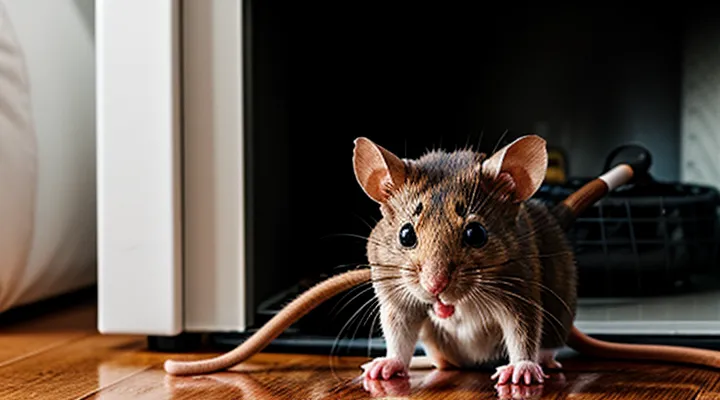
Understanding the Challenge of Mice Infestations
Why Mice are a Problem
Health Risks Associated with Mice
Mice serve as reservoirs for a range of pathogens that can affect human health directly or indirectly. Contact with rodent urine, feces, saliva, or nesting material introduces bacterial, viral, and parasitic agents into indoor environments.
- Leptospirosis – spirochete bacteria excreted in urine; inhalation of aerosolized particles or skin contact with contaminated surfaces may cause fever, headache, and organ dysfunction.
- Hantavirus pulmonary syndrome – virus present in droppings and saliva; inhalation of dust contaminated with rodent excreta can lead to severe respiratory distress and high mortality.
- Salmonellosis – Salmonella bacteria spread through feces; ingestion of food contaminated by rodent droppings results in gastrointestinal illness, dehydration, and possible septicemia.
- Lymphocytic choriomeningitis – virus transmitted through urine, droppings, or bites; infection may cause meningitis, encephalitis, or flu‑like symptoms.
- Bartonella (rat‑bite fever) – bacteria transmitted by bites or scratches; leads to fever, rash, and lymphadenopathy.
- Allergic reactions – proteins in mouse urine and dander trigger asthma attacks, rhinitis, and dermatitis, especially in sensitized individuals.
- Ectoparasite‑borne diseases – fleas, mites, and ticks feeding on mice can carry plague, typhus, or other zoonoses, facilitating secondary transmission to humans.
Rodent infestations also compromise food safety. Contamination of stored grains, pantry items, and prepared meals increases the risk of spoilage and toxin production. Structural damage caused by gnawing may expose occupants to mold growth, further aggravating respiratory conditions.
Mitigating these health hazards requires prompt identification of rodent activity, thorough sanitation of affected areas, and implementation of exclusion measures to prevent re‑entry.
Property Damage Caused by Mice
Mice infiltrate walls, insulation, and stored goods, chewing through wiring, piping, and structural components. Their incisors can sever electrical cables, creating short circuits that may damage appliances, trigger fires, or result in costly repairs. Water lines punctured by gnawing lead to leaks, mold growth, and compromised building integrity.
Food supplies suffer direct loss as rodents contaminate pantry items with urine, feces, and saliva, rendering products unsafe for consumption. Contaminated goods often require disposal, increasing waste and expense. Additionally, the presence of droppings can attract secondary pests, compounding the problem.
Structural damage extends to furniture and fixtures. Soft wood, upholstery, and paper products are vulnerable to gnawing, resulting in weakened support, torn fabrics, and irreparable loss. Persistent gnaw marks may also diminish resale value of affected items.
Typical property damage caused by mice
- Severed or exposed electrical wiring
- Punctured water or gas lines
- Compromised insulation and drywall
- Contaminated food stores
- Damaged furniture, cabinetry, and paper materials
Understanding the extent of damage underscores the need for effective, low‑risk rodent control solutions that prevent infestations while protecting occupants and property.
When to Consider Poisoning
Signs of a Mouse Infestation
Mice leave distinct evidence that signals an infestation. Recognizing these indicators early allows for prompt, safe control measures.
- Small, dark droppings about ¼ inch long, often found near food containers, along walls, or in cabinets.
- Gnaw marks on wood, plastic, or wiring; teeth leave clean, crescent‑shaped incisions.
- Greasy or oily trails that appear as dark lines on surfaces where mice travel.
- Scratching or rustling noises, especially at night, emanating from walls, ceilings, or attics.
- Nests constructed from shredded paper, fabric, insulation, or dried plant material, typically hidden in concealed spaces.
- Unexplained food shortages or damage to stored goods, accompanied by shredded packaging.
- Presence of urine stains, which may appear as yellowish spots on surfaces and emit a strong odor.
Each sign confirms rodent activity and should trigger immediate assessment and the application of approved, low‑risk toxicants designed for indoor use. Prompt action prevents health hazards, property damage, and the spread of disease.
Limitations of Non-Poisonous Methods
Non‑lethal approaches such as traps, ultrasonic devices, and exclusion techniques often fall short when a rapid, comprehensive reduction of a mouse population is required.
- Mechanical traps capture only a fraction of individuals; repeated placement and checking are necessary, and mice quickly learn to avoid them.
- Ultrasonic emitters claim to repel rodents, yet scientific studies show inconsistent results that diminish after a few days as the animals become habituated.
- Physical barriers, including sealing entry points, demand thorough inspection of a structure; missed gaps allow continued access, and retrofitting older buildings can be costly and time‑consuming.
- Biological deterrents, such as predator scents, provide temporary discomfort but do not eliminate established colonies.
These methods also present operational drawbacks. Maintenance involves frequent monitoring, replacement of consumables, and occasional professional assistance. Effectiveness is influenced by the size of the infestation, the layout of the premises, and the mice’s adaptive behavior. Consequently, reliance on non‑poison solutions alone may result in prolonged exposure, ongoing damage to food stores, and increased risk of disease transmission.
Choosing Safe and Effective Mouse Poisons
Types of Mouse Poisons and Their Mechanisms
Anticoagulant Rodenticides
Anticoagulant rodenticides are chemicals that disrupt blood clotting in rodents, causing fatal internal bleeding after ingestion. The compounds mimic vitamin K antagonists, preventing the synthesis of clotting factors and leading to hemorrhage within 24–72 hours.
Common active ingredients include:
- Warfarin
- Bromadiolone
- Difenacoum
- Brodifacoum
These substances are formulated as pellets, blocks, or liquid baits intended for indoor placement. Effective use requires precise dosage: each bait unit contains a measured amount that delivers a lethal dose to a mouse while minimizing excess exposure.
Safety measures:
- Position baits in sealed stations that restrict access to children and pets.
- Locate stations away from food preparation surfaces and food storage.
- Wear disposable gloves when handling bait to prevent skin contact.
- Record placement locations to monitor consumption and ensure complete coverage.
Storage guidelines demand a cool, dry environment, with containers kept in their original packaging. Labels must remain intact to preserve hazard information. Disposal of unused bait follows local hazardous‑waste regulations; never discard in regular trash.
Non‑target risk is mitigated by using tamper‑proof stations and selecting low‑toxicity formulations that target small rodents specifically. Regular inspection of bait stations confirms that only intended species have accessed the product, allowing prompt removal of depleted units.
Non-Anticoagulant Rodenticides
Non‑anticoagulant rodenticides provide an alternative to warfarin‑based poisons for indoor mouse control. Their toxicity derives from mechanisms such as cellular energy disruption, calcium overload, or phosphide gas release, which avoid the blood‑clotting effects of traditional anticoagulants. Because they act quickly and do not require prolonged exposure, they reduce the risk of secondary poisoning in pets and children when applied correctly.
Common non‑anticoagulant formulations suitable for residential use include:
- Bromethalin blocks mitochondrial ATP production; lethal dose for mice is 0.5 mg/kg. Products are supplied as solid blocks or granules that can be placed in tamper‑resistant bait stations.
- Cholecalciferol (vitamin D3) causes hypercalcemia; lethal dose is 3 mg/kg. Available in pellet form, it should be mixed with a minimal amount of attractive food to ensure consumption.
- Zinc phosphide reacts with stomach acid to produce phosphine gas; lethal dose is 0.2 mg/kg. Typically offered as coated pellets that remain inert until ingested, limiting accidental exposure.
- Sodium fluoroacetate (1080) interferes with the citric‑acid cycle; lethal dose is 0.5 mg/kg. Sold in low‑concentration sachets for targeted bait placement.
Safe handling practices:
- Store all products in locked containers, away from food preparation areas.
- Use bait stations that prevent access by non‑target species; ensure stations are placed behind appliances, under cabinets, or in wall voids.
- Wear disposable gloves when loading bait, and wash hands thoroughly after handling.
- Record placement locations and monitor bait consumption daily; remove stations once mouse activity ceases.
- Dispose of unused bait and contaminated materials according to local hazardous‑waste regulations.
When selecting a non‑anticoagulant poison for home use, prioritize formulations with clear dosage instructions, low secondary‑toxicity profiles, and packaging designed for indoor environments. Proper application eliminates the mouse problem while maintaining safety for occupants and pets.
Factors for Selecting a Safe Product
Pet and Child Safety Considerations
When rodent control involves toxic baits, the presence of children and pets demands strict precautions. Exposure can result in severe health effects, so every step must be planned to eliminate accidental ingestion or contact.
- Keep baits out of reach: place them in sealed, tamper‑proof stations mounted at least 18 inches above floor level and away from walls, corners, and any routes pets or children use.
- Use low‑toxicity formulations: select products classified as secondary‑kill agents, which require larger doses to affect non‑target species, reducing risk if a small amount is ingested.
- Apply minimal amounts: follow label instructions precisely; excess bait creates unnecessary hazards and increases the chance of unintended exposure.
- Monitor regularly: inspect stations daily for missing bait or signs of tampering, and replenish only when needed.
Choose products that carry clear labeling for household safety, such as those with bittering agents or child‑resistant packaging. Verify that the active ingredient is approved for indoor use and has a documented safety profile for accidental exposure in humans and common household animals.
Store unused bait in its original container, sealed tightly, and place it in a locked cabinet or high shelf inaccessible to non‑adults. Dispose of empty containers and expired bait according to local hazardous‑waste guidelines; never discard them in regular trash where children might retrieve them. If a pet or child contacts or ingests bait, seek medical assistance immediately and provide the product label to responders.
Environmental Impact
Using rodenticides in residential settings introduces chemicals into the household ecosystem. Even products labeled as low‑risk can affect organisms beyond the intended target.
Direct toxicity extends to non‑target species that encounter bait or consume poisoned mice. Predatory birds, cats, and insects may suffer secondary poisoning after ingesting contaminated prey. Evidence shows measurable mortality among backyard wildlife when such poisons are employed.
Chemical residues persist in indoor dust, soil near entry points, and runoff that reaches drainage systems. Persistent compounds can leach into groundwater, influencing aquatic habitats and disrupting microbial communities essential for decomposition.
Packaging and disposal generate additional environmental burdens. Plastic containers and foil liners contribute to landfill volume, while improper disposal of unused bait increases the risk of accidental exposure to children, pets, and wildlife.
Mitigation measures:
- Choose products with rapid degradation profiles and minimal bioaccumulation.
- Place bait in tamper‑proof stations to limit access by non‑target animals.
- Remove and seal used bait containers before discarding them in accordance with local hazardous‑waste regulations.
- Monitor for signs of secondary poisoning in pets and local fauna, adjusting control methods promptly.
Bait Station Design and Security
Effective bait stations combine reliable containment with user safety. A well‑engineered unit prevents accidental exposure while delivering a lethal dose to rodents that enter the device.
Key design elements include:
- Tamper‑resistant latch – locks automatically when bait is inside, releases only with a specialized tool.
- Opaque housing – eliminates visual cues that might attract non‑target animals.
- Durable polymer or metal construction – withstands chewing and environmental stress.
- Secure mounting brackets – attach the station to walls or ceilings, keeping the opening out of reach.
- Integrated ventilation – maintains bait potency without allowing scent to escape.
Placement strategy focuses on rodent pathways: behind appliances, along baseboards, and near entry points. Install stations at least 12 inches above floor level and 6 inches away from any food preparation surfaces. Replace bait according to manufacturer’s schedule, typically every 30 days or after a confirmed kill.
Security protocols protect children and pets. Verify that the latch is fully engaged before leaving the area. Conduct weekly visual inspections for signs of tampering or damage; repair or replace compromised units immediately. Store spare bait in a locked container separate from the stations to prevent unauthorized access.
Recommended Safe Mouse Poison Products
Brands Known for Safer Formulations
When selecting rodent control products for indoor use, choose manufacturers that prioritize reduced toxicity and clear safety mechanisms. Their formulations typically combine anticoagulant agents with low‑dose concentrations, secondary bait stations, and tamper‑proof packaging to minimize accidental exposure.
- d-CON® – offers enclosed bait stations with a single‑dose anticoagulant block, preventing contact with children and pets.
- Tomcat® – provides sealed plastic containers and a reduced‑strength warfarin alternative, designed for indoor placement.
- Victor® – markets a “Secure‑Bait” line featuring a hardened matrix that resists chewing and a reduced active‑ingredient level.
- JT Eaton® – supplies a “Safe‑Guard” series that incorporates a bittering agent to deter non‑target animals and includes child‑proof lids.
These brands invest in rigorous testing, clear labeling, and compliance with EPA low‑risk criteria, ensuring that the poison remains effective against mice while limiting hazards for humans and domestic animals. Proper placement—inside walls, behind appliances, and away from food preparation areas—completes the safety protocol.
Reviewing Product Labels for Safety Information
When selecting a rodent‑control product for indoor use, the label provides the only reliable source of safety data. All decisions about dosage, placement, and handling must be based on the information printed on the container.
Key elements to verify on every label include:
- Active ingredient – name and concentration; determines toxicity level.
- Target species – confirms the product is formulated for mice, not for other pets or humans.
- Hazard classification – symbols such as skull‑and‑crossbones, exclamation mark, or specific GHS pictograms.
- First‑aid instructions – steps for ingestion, inhalation, or skin contact emergencies.
- Precautionary statements – required protective equipment, ventilation, and restrictions on use around food or children.
- Expiration date – ensures potency has not degraded.
- Storage requirements – temperature range, lock‑away recommendations, and disposal guidelines.
Interpretation of hazard symbols follows the Globally Harmonized System (GHS). A black skull‑and‑crossbones indicates acute toxicity; an exclamation mark signals a less severe risk that still mandates protective measures. Follow the accompanying statements verbatim to avoid accidental exposure.
Compliance with local regulations is confirmed by certification logos such as EPA registration, FDA approval, or EU CE marking. These marks verify that the product has undergone testing for efficacy and safety. Absence of such certification should prompt rejection of the product.
Consistent label review before purchase, during use, and before disposal minimizes the risk of accidental poisoning and ensures the product performs as intended against mouse infestations.
Safe Application and Disposal of Mouse Poisons
Preparing for Poison Application
Identifying Mouse Activity Areas
Identifying where mice are active is essential for applying safe rodenticides effectively. Look for fresh droppings, typically small, dark, and tapered at one end; clusters near walls, cabinets, or pantry shelves indicate regular traffic. Gnaw marks on food containers, wiring, or wooden structures reveal entry points and feeding stations. Grease or oily smears along baseboards suggest a habitual pathway, while displaced insulation or shredded paper signals nesting sites.
Key indicators to confirm activity include:
- Concentrated droppings within a 12‑inch radius of a suspected area.
- Visible gnaw holes ranging from ¼ to ½ inch in diameter on soft materials.
- Fresh urine stains, often invisible but detectable by a faint ammonia odor.
- Presence of shredded plant material, fabric, or paper in concealed corners.
Mapping these signs on a floor plan allows precise placement of bait stations, reducing the amount of poison needed and limiting exposure to non‑target animals and household members. Once high‑traffic zones are marked, position sealed, low‑dose bait containers directly on the identified paths, and monitor regularly for reduced activity before expanding treatment.
Securing Food and Water Sources
When using rodent poisons in a residential setting, the first priority is to eliminate any opportunity for mice to access food and water. Unprotected supplies not only attract pests but also increase the risk of accidental ingestion of toxic baits by humans or pets.
- Store all dry goods in containers with airtight seals; glass jars with screw‑top lids or heavy‑duty plastic bins work best.
- Place pet food in the same type of containers and keep them on elevated surfaces away from walls.
- Remove crumbs, spills, and food residue from countertops, floors, and appliance exteriors after each meal.
- Dispose of garbage in bins with tight‑fitting lids; empty them regularly to prevent buildup.
Water sources require equal vigilance. Mice can survive on minimal moisture, so depriving them of liquid reduces their activity.
- Keep drinking water for humans and pets in sealed bottles or dispensers; avoid open bowls when possible.
- Eliminate standing water in sinks, pet dishes, and plant saucers; dry them after each use.
- Repair leaks in pipes, faucets, and appliances promptly to remove hidden moisture.
Maintain a clean environment to support the effectiveness of safe rodenticides.
- Sweep and mop floors nightly, focusing on corners and behind appliances where droppings accumulate.
- Use a vacuum with a HEPA filter to capture rodent hair and droppings that could contaminate food areas.
- Inspect storage areas weekly; discard any compromised packaging or expired items.
By securing food and water, you limit mouse access, increase the likelihood that poisoned baits are the only viable option for the pests, and protect household members from unintended exposure.
Proper Placement of Bait Stations
Strategic Locations for Efficacy
Place rodent bait where mice travel most frequently. Identify pathways along walls, behind appliances, and in concealed corners. Positioning directly in these routes maximizes contact and reduces exposure to non‑target animals.
- Near baseboards and skirting boards, especially where droppings or gnaw marks are evident.
- Inside cabinets or pantry shelves, behind stored food containers, and along the back wall of the refrigerator.
- Behind large furniture pieces such as sofas, dressers, and bookcases, where mice can hide undisturbed.
- In utility areas: under sinks, near water heaters, and around boiler units, because moisture attracts rodents.
- Within crawl spaces and attic joists, using sealed bait stations that prevent accidental contact with pets or children.
Secure each bait station with a tamper‑resistant cover. Ensure the product remains dry; moisture degrades active ingredients and can diminish potency. Rotate stations every two weeks to maintain freshness and monitor consumption. Replace any empty or contaminated stations promptly to sustain pressure on the infestation.
Preventing Accidental Access by Non-Targets
When rodent‑control agents are used inside a residence, the greatest risk comes from unintended contact by children, pets, or wildlife. Proper handling eliminates that risk.
Select bait that is packaged in tamper‑resistant stations. These units lock the poison inside, allowing only the target animal to retrieve the bait through a small entry slot. Opt for formulations with low secondary toxicity; they reduce danger if a non‑target animal ingests a fragment.
Place stations according to the following criteria:
- Height: mount at least 4 feet above floor level, away from furniture that pets can climb.
- Location: avoid kitchens, dining areas, and any zone where children play.
- Concealment: install behind doors, inside utility closets, or under cabinets where only the mouse can reach.
Add physical safeguards:
- Use lockable bait boxes with a spring‑loaded latch.
- Install mesh barriers around the station to block larger animals.
- Keep all poison containers in a locked cabinet separate from food supplies.
Label each station with a clear warning sign. Record the product name, concentration, and expiration date on a visible inventory sheet. Review the sheet quarterly to confirm that no container is missing or compromised.
Inspect stations weekly. Remove any damaged units, replace depleted bait, and dispose of dead rodents in sealed bags before discarding them in an outdoor trash container. Regular maintenance prevents accidental exposure and maintains an effective control program.
Monitoring and Replenishing Bait
How to Check Bait Stations
Inspecting bait stations is a critical step in any home rodent‑control program that uses safe, low‑toxicity products. Proper inspection ensures the bait remains effective, prevents accidental exposure, and confirms that the station is positioned correctly.
Before each inspection, wear disposable gloves and wash hands afterward. Open the station only in a well‑ventilated area away from food preparation surfaces. Remove the cover, note any damage, and verify that the seal is intact. Examine the bait for discoloration, moisture, or clumping; replace any compromised material immediately. Record the date of inspection and the condition of the bait to maintain a clear usage timeline.
Key actions for checking bait stations:
- Verify that the station is securely mounted and cannot be knocked over.
- Ensure the latch or closure mechanism functions smoothly.
- Confirm the bait quantity matches the manufacturer’s recommended amount.
- Look for signs of non‑target animal interference, such as bite marks or chewed edges.
- Clean the interior with a mild detergent, rinse, and dry before resealing.
After completing the checklist, reinstall the station at the original location or relocate it to a high‑traffic rodent pathway if activity is observed elsewhere. Document any adjustments in a logbook to track effectiveness over time. Regular, systematic checks maintain the safety and potency of the rodent‑control system while minimizing risk to humans and pets.
Recognizing When to Stop Baiting
When bait stations no longer attract mice, continuing to apply poison creates unnecessary risk. Observe the following indicators to determine the appropriate moment to cease baiting.
- Traps and stations show little or no mouse activity for several consecutive days.
- Bait consumption drops sharply after an initial period of steady use.
- No new droppings, gnaw marks, or nesting material appear in areas previously infested.
- The number of dead rodents recovered declines to zero over a week‑long observation.
Additional considerations
- Pets or children have gained access to bait locations; remove all poison immediately.
- Local regulations require removal of rodenticides after a specific timeframe; comply without delay.
- The targeted infestation has been eliminated, and preventive measures (sealing entry points, sanitation) are in place.
When any of these conditions are met, stop baiting, clean stations, and store any remaining product according to label instructions. This approach minimizes exposure while maintaining effective rodent control.
Safe Disposal of Deceased Mice and Leftover Poison
Handling Dead Mice Safely
After applying rodent poison indoors, dead mice present health and contamination risks. Proper handling prevents accidental exposure and limits disease spread.
- Wear disposable gloves, a mask, and eye protection.
- Use a sealed plastic bag or a rigid container with a tight‑fit lid.
- Avoid direct contact with fur, saliva, or excrement.
Removal procedure:
- Open the area where the mouse lies; keep the pet‑free zone isolated.
- Grasp the animal with gloved hands, place it into the bag or container without squeezing.
- Seal the bag, expel excess air, and label it “poisoned rodent – hazardous waste.”
- Transfer the sealed package to an outdoor trash bin that is not accessible to children or pets.
Disposal options:
- Place sealed bags in a municipal hazardous‑waste collection if available.
- If local regulations permit, seal the container in a double‑bagged trash bag and dispose of it with regular garbage.
- Do not compost or bury the carcass in garden soil.
Sanitation steps:
- Disinfect the surface where the mouse was found with a diluted bleach solution (1 part bleach to 9 parts water) or an EPA‑approved disinfectant.
- Wash hands thoroughly with soap and water after removing gloves.
- Launder any clothing or fabrics that may have contacted the carcass separately from other laundry.
Following these actions eliminates secondary poisoning hazards and maintains a safe household environment after rodent control measures.
Environmentally Responsible Disposal Methods for Poison
When rodent poison is no longer needed, it must be removed from the home in a way that prevents contamination of soil, water, and non‑target wildlife.
- Keep the remaining poison in its original, tightly sealed container. Do not transfer to other vessels, as this can weaken the seal and increase the risk of leaks.
- Clearly label the container with “hazardous rodenticide – do not discard in regular trash.”
- Contact the municipal hazardous‑waste program or a licensed disposal service. Many jurisdictions require that toxic chemicals be delivered to an approved collection point for incineration or specialized treatment.
- If a collection point is unavailable, arrange for a certified pest‑control professional to retrieve and dispose of the material according to local regulations.
- Do not dispose of poison down sinks, toilets, or storm drains. These pathways can introduce toxins into wastewater treatment systems and natural waterways.
- Clean any surfaces that have come into contact with the poison using a detergent‑based solution, then rinse with water and dry. Do not reuse cleaning water for plants or pets.
Following these steps ensures that the toxic agents used for rodent control do not re‑enter the environment, protecting ecosystems and complying with legal waste‑management requirements.
Post-Poisoning Measures and Prevention
Cleaning and Sanitizing Infested Areas
Disinfecting Surfaces
When rodent bait is placed indoors, residues can spread to countertops, floors, and food preparation areas. Contact with these residues may cause accidental ingestion or skin irritation, making surface disinfection a critical control measure.
- Diluted bleach solution (1 part bleach to 9 parts water) eliminates bacterial contaminants and neutralizes small amounts of poison.
- Hydrogen peroxide (3 % concentration) provides a non‑chlorine alternative that degrades quickly without leaving harmful residues.
- Commercial enzymatic cleaners break down organic matter and reduce odor, supporting a safer environment for humans and pets.
- Alcohol‑based wipes (≥70 % isopropyl) offer rapid disinfection for high‑traffic surfaces but should be used on non‑porous materials only.
Application procedure:
- Remove visible bait particles and any spilled powder with disposable gloves.
- Apply the chosen disinfectant to a clean cloth or spray bottle; ensure full coverage of the affected area.
- Allow the solution to remain wet for the manufacturer‑specified contact time (typically 1–5 minutes).
- Rinse with clean water if the surface will contact food; dry with a disposable towel.
Precautions include wearing gloves and eye protection, ventilating the room during cleaning, and storing disinfectants out of reach of children and pets. After treatment, label the area as “treated” and restrict access until the surface is completely dry. This protocol minimizes secondary exposure while maintaining a hygienic environment.
Eliminating Odors and Contaminants
When rodent poison is applied indoors, residual odor and contaminants can attract pests, irritate occupants, and compromise hygiene. Prompt removal of bait residues, thorough cleaning of contact surfaces, and proper ventilation prevent secondary infestation and maintain a safe environment.
- Use sealed bait stations made of airtight plastic to confine odor and prevent accidental contact.
- Apply enzymatic cleaners to surfaces where poison has been handled; these agents break down organic residues and neutralize smells.
- Deploy activated charcoal packets in the treated area; charcoal adsorbs volatile compounds and reduces lingering odor.
- Install air purifiers equipped with HEPA and carbon filters; continuous airflow removes airborne particles and chemical traces.
- Dispose of used bait containers in sealed, double‑layered bags before placing them in an outdoor waste receptacle.
After the poison has been set, remove any spilled bait with disposable gloves, place the material in a sealed container, and wash the gloves before disposal. Clean countertops, floors, and cabinets with a solution of mild detergent and water, followed by a rinse with a vinegar‑water mixture to eliminate residual scent. Allow the cleaned area to dry completely before re‑exposing it to normal use.
Maintain a minimum of 30 minutes of continuous ventilation after application; open windows and use fans to direct airflow outward. Wear a certified respirator when handling concentrated products, and store all toxic agents in a locked cabinet away from food items. Adhering to these procedures ensures that odor and contaminant levels remain low while preserving the effectiveness of safe rodent control measures.
Preventing Future Infestations
Sealing Entry Points
Sealing entry points is a prerequisite for any home rodent‑control strategy that relies on low‑risk poisons. By eliminating gaps, you limit the areas where mice can travel, forcing them to encounter bait stations placed in the few remaining pathways.
Identify all potential openings. Common locations include gaps around pipes, vents, foundation cracks, baseboard seams, and door thresholds. Use a flashlight and a thin piece of paper to detect drafts or movement.
Apply appropriate materials to each opening:
- Steel wool or copper mesh for holes larger than a pencil tip; secure with expanding foam for added durability.
- Silicone or acrylic caulk for cracks in walls, floors, and around window frames.
- Weather‑stripping or door sweeps on exterior doors and garage entries.
- Mesh screens on vents and dryer exhausts, ensuring no tears.
After sealing, position poison baits in concealed locations such as behind appliances, under cabinets, or within insulated wall cavities. The reduced access forces mice to traverse the limited routes, increasing the likelihood of bait consumption while minimizing exposure to non‑target animals. Regularly inspect sealed areas for new gaps and repair them promptly to maintain the effectiveness of the control program.
Maintaining a Clean Environment
Maintaining a clean environment is essential when employing safe rodent‑control agents at home. Proper sanitation reduces attractants, limits mouse activity, and minimizes the risk of accidental exposure to poison.
- Remove food residues: store pantry items in airtight containers, clean crumbs and spills immediately, and dispose of waste in sealed bags.
- Eliminate shelter: seal gaps around doors, windows, and utility penetrations; repair damaged flooring or insulation that could provide nesting sites.
- Manage water sources: fix leaks, dry damp areas, and avoid standing water in sinks or pet bowls.
- Organize clutter: keep storage areas tidy, discard cardboard boxes or paper piles that could serve as hideouts.
- Dispose of dead rodents promptly: use gloves, place carcasses in sealed containers, and follow local regulations for disposal.
Regular cleaning routines complement the use of low‑toxicity rodenticides by preventing mice from encountering bait in unintended locations. A disciplined approach to hygiene ensures that poison remains effective where it is placed and reduces the likelihood of secondary poisoning of pets or children.
Regular Inspections
Regular inspections are a critical component of any home‑based rodent control strategy that relies on safe toxic baits. Consistent monitoring confirms that bait stations remain functional, that poison quantities are adequate, and that no unintended exposure has occurred.
A practical inspection routine includes the following steps:
- Verify each bait station is securely closed and positioned away from food preparation areas, children’s play zones, and pet pathways.
- Check for signs of bait consumption: empty chambers, partially used pellets, or residue indicating activity. Replace depleted bait promptly with fresh, labeled product.
- Inspect surrounding surfaces for spillages or dust. Clean any contamination with disposable gloves and a damp cloth, then dispose of waste in a sealed bag.
- Look for evidence of mouse activity beyond the baited zones—droppings, gnaw marks, or nesting material—to assess whether additional stations are required.
- Record the date, time, and observations for each station in a logbook. Note any anomalies, such as unexpected tampering or pest movement patterns.
Conduct inspections at least once daily during the initial two‑week period after deployment, then reduce frequency to every 3–4 days once activity stabilizes. Adjust the schedule if environmental conditions change, such as increased humidity or temperature fluctuations that may affect bait potency.
Documented inspection data enables timely adjustments, ensures compliance with safety regulations, and minimizes the risk of secondary poisoning. By adhering to a disciplined inspection protocol, homeowners maintain effective control while protecting non‑target occupants.