
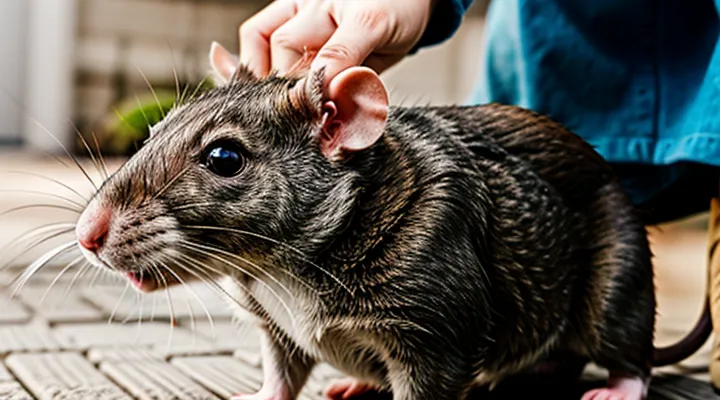
Understanding Rat Behavior and Body Language
Recognizing Signs of Contentment and Relaxation
Observing a rat’s behavior is essential for gentle handling. A relaxed animal exhibits a calm posture, smooth movements, and steady breathing. These indicators suggest the creature feels safe and can tolerate close contact.
Typical signs of contentment include:
- Soft, rhythmic whisker twitching
- Slow, consistent tail flicks without tension
- Open, relaxed ears positioned slightly back
- Quiet vocalizations such as low squeaks or gentle chirps
- A tendency to curl into a loose ball when placed on a lap
When these cues appear, approach with a slow hand motion, allow the rat to sniff your fingers, and then provide light strokes along the dorsal line. Maintaining the same pace reinforces trust and minimizes stress.
Identifying Signs of Stress or Fear
When handling a pet rat, recognizing stress or fear prevents injury and builds trust. Observable cues fall into three categories: body posture, vocalizations, and behavioral changes.
- Body posture: flattened ears, hunched back, tail pressed tightly against the body, or rapid, shallow breathing.
- Vocalizations: high‑pitched squeaks, chattering, or prolonged silence when normally vocal.
- Behavioral changes: sudden attempts to flee, excessive grooming, refusal to eat, or aggressive lunges and bites.
If any of these signs appear, cease contact immediately. Allow the rat to retreat to its hideaway, reduce ambient noise, and avoid direct eye contact. Re‑introduce handling gradually, starting with brief, gentle touches and rewarding calm behavior with treats. Consistent observation and responsive adjustment create a secure environment for both owner and rat.
Respecting Your Rat’s Boundaries
Understanding a rat’s signals prevents stress and injury. When a rat backs away, flattens its ears, or freezes, stop the interaction immediately. Respect for personal space builds trust and encourages future affection.
- Observe body language before reaching out; a relaxed posture with whiskers forward indicates readiness.
- Offer a hand slowly, allowing the rat to sniff and decide whether to approach.
- Limit petting sessions to a few minutes initially; increase duration only as the animal shows comfort.
- Avoid sudden movements, loud noises, or squeezing, which can be perceived as threats.
- Provide an escape route, such as a cage door or a clear path, so the rat can retreat without obstruction.
Consistently honoring these boundaries creates a reliable routine, reduces defensive behaviors, and promotes a calm, cooperative companion.
Preparing for Interaction
Ensuring a Safe and Calm Environment
Providing a rat with a secure, tranquil setting reduces stress and minimizes the risk of injury during handling. A stable environment begins with a dedicated space that limits sudden noises, bright lights, and abrupt movements. The enclosure should be placed on a level surface away from high‑traffic areas, ensuring the animal can retreat to a hideaway whenever it feels threatened.
- Keep the cage clean; replace bedding regularly to prevent odors that can alarm the rat.
- Use a solid, non‑slippery surface for hand‑over‑hand interaction; a silicone mat or towel offers grip without harming delicate paws.
- Maintain a consistent temperature between 18‑24 °C (64‑75 °F); extreme heat or cold can cause agitation.
- Provide nesting material and tunnels to allow the rat to hide, fostering a sense of security.
- Limit the number of people handling the rat each day; familiarity with a few caretakers builds confidence.
Before approaching, observe the rat’s behavior. Signs of calmness include slow breathing, relaxed whiskers, and gentle grooming. If the animal displays rapid movements, raised fur, or vocalizations, pause and give it space. Only proceed when the rat appears settled, extending a hand slowly and allowing it to sniff before gentle contact.
Establishing these conditions creates a predictable, low‑stress atmosphere, enabling safe and enjoyable interaction with the pet rodent.
Washing Your Hands and Removing Jewelry
Before any physical contact with a pet rat, clean hands thoroughly and eliminate metal accessories that could harm the animal. Bacteria on human skin can cause infections in a rat’s delicate respiratory and integumentary systems; washing with warm water and antibacterial soap for at least 20 seconds removes pathogens. Rinse completely and dry with a disposable or dedicated towel to prevent moisture transfer.
Jewelry such as rings, bracelets, watches, and necklaces presents two risks: accidental scratching of the rat’s skin and snagging on its fur or whiskers. Remove all items and store them safely before approaching the cage. If removal is impractical, use smooth, non‑metallic coverings (e.g., silicone sleeves) that cannot catch on the animal’s coat.
Practical checklist:
- Wet hands with warm water.
- Apply antibacterial soap, lather, and scrub for a minimum of 20 seconds.
- Rinse thoroughly; ensure no soap residue remains.
- Pat dry with a clean, single‑use towel.
- Remove rings, bracelets, watches, necklaces, and any other protruding objects.
- Verify that no hidden accessories (e.g., watch bands) remain on the wrists or forearms.
Following these steps each time you handle a rat reduces stress for the animal, minimizes injury risk, and maintains a hygienic environment for both pet and owner.
Approaching Your Rat Gently
Approaching a pet rat requires calm movements and respect for the animal’s natural caution. Begin by lowering yourself to the rat’s level; sit or kneel so the eyes are near the floor. This reduces the perceived threat and allows the rat to observe you without feeling exposed.
Before contact, extend a hand slowly, palm down, and keep fingers relaxed. The scent of your skin should be familiar; avoid sudden gestures that could startle. Allow the rat to sniff the fingertips; this brief investigation signals acceptance and builds trust.
When the rat shows interest—twitching whiskers, gentle nudges, or a relaxed posture—gently place the hand flat on the cage floor and let the rat step onto it. Do not lift the animal immediately; let it choose to climb onto your palm at its own pace. Once settled, support the body with both hands, cradling the torso while keeping the head free.
If the rat retreats, do not force interaction. Return the hand to a neutral position, pause, and repeat the approach after a few minutes. Consistent, low‑stress encounters reinforce confidence and encourage the rat to seek contact voluntarily.
Key practices for a gentle approach:
- Maintain a quiet environment; minimize loud noises and abrupt lighting changes.
- Use slow, deliberate motions; avoid rapid hand sweeps.
- Offer a small treat on the fingertips to create a positive association.
- Observe body language; flattened ears, relaxed tail, and steady breathing indicate readiness.
- Limit each session to a few minutes initially, gradually extending the duration as the rat becomes comfortable.
The Art of Petting
Initial Contact: Slow and Deliberate Movements
Approach the rat with calm, measured movements. Extend a relaxed hand within the animal’s line of sight, allowing the rat to observe the gesture. Keep the palm open and facing downward to present a non‑threatening surface.
- Move toward the cage slowly, avoiding sudden changes in direction.
- Pause at a comfortable distance (about 12–18 inches) to let the rat assess the approach.
- Lower the hand to the cage level, maintaining a steady, gentle pace.
- Allow the rat to sniff the fingertips before any contact is attempted.
If the rat retreats, stop immediately and give it space. Resume the approach after a brief pause, repeating the slow, deliberate pattern. Consistent, unhurried actions build trust and reduce stress, enabling safe handling.
Preferred Petting Areas: Head, Neck, and Back
Gentle Strokes and Scratches
Gentle strokes and light scratches form the foundation of a positive bond with a pet rat. The animal’s skin is delicate; excessive pressure causes stress and may lead to defensive biting. Apply pressure comparable to a feather’s touch, moving from the head toward the back. Avoid direct contact with the tail, which is highly sensitive.
Key practices for effective, safe handling:
- Begin with short sessions of 2–3 minutes, extending as the rat shows relaxation signs such as flattened ears and slow breathing.
- Use the fingertips rather than the palm to deliver a soft, sweeping motion along the dorsal surface.
- Incorporate brief, gentle scratches behind the ears or under the chin; these areas contain many scent glands and respond positively to light stimulation.
- Observe the rat’s body language continuously; a sudden flinch or attempt to escape indicates the need to reduce intensity.
When the rat appears comfortable, increase the duration of strokes gradually, maintaining a consistent rhythm. Consistency reinforces trust and reduces the likelihood of aggression. Regular, measured contact also encourages grooming behavior, which contributes to the animal’s overall health.
Avoiding Sensitive Areas
When handling a pet rat, steer clear of regions that trigger stress or injury. The animal’s anatomy includes several zones that demand special caution.
- Tail – fragile, prone to breakage; avoid grasping or pulling.
- Ears – thin cartilage; gentle contact only, no pressure.
- Whiskers – sensory hairs; touching may cause disorientation.
- Pinnae (outer ear folds) – delicate skin; excessive handling can lead to sores.
- Genital area – highly sensitive; refrain from any direct contact.
- Underbelly – soft skin; rough strokes may cause discomfort.
Approach the rat from the side, allow it to sniff your hand, then use a light, steady motion across the back and shoulders. Maintain a calm environment, keep movements smooth, and limit interaction duration until the animal shows signs of relaxation. This practice minimizes stress and preserves the rat’s well‑being during affectionate contact.
Observing Your Rat’s Reaction
Observing your rat’s reaction is essential for safe handling. Begin by offering a gentle hand, allowing the animal to sniff before contact. Notice the ears: forward or slightly tilted indicates curiosity, while flattened or backward points to fear. Monitor whisker movement; rapid twitching often precedes stress. A calm rat will exhibit steady breathing and relaxed posture; rapid breathing or a stiff body signals discomfort.
Use these observable cues to adjust your approach:
- Ears forward → proceed with gentle petting.
- Ears flattened/backward → pause, give space, and try again later.
- Whiskers twitching rapidly → reduce pressure and limit contact duration.
- Body tense or hunching → cease interaction, allow the rat to retreat.
- Slow, steady breathing and relaxed limbs → continue gentle strokes.
Responding promptly to these signals prevents injury and builds trust, ensuring a positive experience for both owner and pet.
Building Trust and Bonding
Short and Frequent Petting Sessions
Short, regular petting intervals keep a rat calm and reinforce trust. Rats tolerate handling for only a few minutes before becoming restless; extending the session increases cortisol release and may lead to defensive bites. Limiting each interaction to 2–5 minutes preserves a relaxed state while providing consistent positive reinforcement.
- Begin with a gentle hand placement, allowing the rat to sniff before contact.
- Keep sessions brief; aim for 2–5 minutes per handling episode.
- Repeat sessions 2–3 times daily, spacing them by several hours.
- Observe ear position, whisker tension, and vocalizations; signs of agitation require immediate cessation.
- End each session with a soft release onto a familiar surface, reinforcing the safe environment.
Integrating these brief encounters into a daily routine establishes a predictable pattern that rats quickly learn. Adjust duration and frequency based on individual temperament; some rats tolerate slightly longer periods, while others prefer more frequent, shorter contacts. Consistent timing and attentive observation ensure the interaction remains safe and enjoyable for both pet and owner.
Incorporating Treats During Interaction
Treats can enhance rapport and reinforce calm behavior during handling sessions. Offer a small portion of a preferred food item immediately after a gentle stroke; the positive association encourages the rat to remain relaxed for future interactions.
Select treats that are nutritionally appropriate and easy to manage. Recommended options include:
- Small pieces of fresh fruit such as apple or banana (seedless, skin removed)
- Tiny portions of cooked, unseasoned chicken or boiled egg
- Commercial rodent treats formulated without added sugars or artificial colors
Limit each treat to a size comparable to a grain of rice. Overfeeding may lead to obesity and disrupt the rat’s diet. Use a clean fingertip or a tweezers to present the treat, avoiding direct hand contact that could transfer scents or oils.
Timing matters. Provide the treat within a few seconds of a gentle petting motion, then withdraw the hand slowly. This sequence teaches the rat that calm contact precedes a reward, reducing startle responses.
Maintain hygiene by washing hands before and after each session and discarding any uneaten treat to prevent contamination. Consistent, measured use of treats builds trust and supports safe, enjoyable handling of a pet rat.
Recognizing Individual Preferences
Rats display unique tactile preferences that influence how they respond to human contact. Recognizing these individual differences prevents stress and encourages a trusting relationship.
Observe body language before and during interaction. A relaxed posture, ears positioned forward, and slow whisker movements indicate acceptance. Sudden stiffening, tail flicking, or high‑pitched squeaks signal discomfort and a need to pause.
Begin with light strokes on the head or back, allowing the animal to approach the hand voluntarily. Adjust pressure, location, and duration based on the rat’s reactions.
- Preferred zones: head, neck, and upper back; avoid the belly and tail base unless the rat explicitly seeks contact.
- Pressure: soft, feather‑light touches; increase only if the rat leans into the hand.
- Session length: start with 10–15 seconds, extending gradually as the rat remains calm.
If the rat withdraws or exhibits defensive signals, cease petting immediately and give space. Re‑evaluate preferences after a short break, then retry with modified technique. Consistent attention to each rat’s signals cultivates safe, enjoyable handling.
The Importance of Patience
Patience determines the success of any encounter with a domesticated rat. Rushing the animal can trigger stress responses, causing the rat to retreat or become defensive. Allowing the creature time to assess a new hand or environment reduces fear and encourages curiosity.
A calm approach gives the rat an opportunity to explore scents and sounds at its own pace. When the animal feels secure, it is more likely to accept gentle strokes and to tolerate brief handling sessions. Consistent, unhurried interactions build trust, which translates into smoother grooming, health checks, and transport.
Practical steps for exercising patience:
- Begin each session by placing a hand near the cage without immediate contact; observe the rat’s reaction for several seconds.
- Introduce touch gradually, starting with a light tap on the back, then progress to a brief hold once the rat shows relaxed posture.
- Limit initial handling to one to two minutes; extend duration only after the rat remains calm for the entire period.
- Pause if the rat exhibits rapid breathing, pinned ears, or attempts to escape; resume only after the animal settles.
Patience also supports learning. Repeated, gentle exposure teaches the rat that human presence is predictable and non‑threatening. Over weeks, the rat will seek out interaction, allowing more extensive petting and easier care.
Common Mistakes to Avoid
Forcing Interaction
Forcing interaction occurs when an owner attempts to handle a rat despite clear signs of discomfort. This behavior interrupts the animal’s natural coping mechanisms and can quickly lead to heightened stress.
Stress manifests as rapid breathing, squeaking, attempts to flee, or aggressive bites. Prolonged exposure to these conditions weakens the immune system and may cause chronic health problems.
Recognizing reluctance prevents escalation. Indicators include a tense body, ears flattened against the head, and avoidance of the hand. When any of these cues appear, immediate cessation of contact is required.
Safe handling relies on voluntary participation. Allow the rat to approach, sniff, and explore the hand before attempting a pet. Reward calm behavior with treats and gentle praise. Gradual increases in contact duration build confidence without triggering fear.
- Observe the rat’s posture before each session.
- Initiate contact only after the animal approaches voluntarily.
- Use short, gentle strokes; stop at the first sign of tension.
- Incorporate treats to associate touch with positive outcomes.
- Extend interaction time gradually, respecting the rat’s comfort level.
Adhering to these practices eliminates the need for coercion, fosters trust, and ensures a healthy relationship between owner and pet rat.
Making Sudden Movements or Loud Noises
When handling a pet rat, sudden movements and loud sounds can trigger a stress response that leads to biting, scratching, or escape attempts. Rats rely on subtle cues; abrupt actions disrupt their sense of safety and may cause them to perceive the handler as a predator.
- Approach the cage slowly, pausing before reaching in.
- Speak in a calm, low tone; avoid shouting or sudden claps.
- Keep hand motions smooth and predictable; do not jerk or flick fingers.
- If the rat appears startled, pause, lower the volume, and allow the animal to settle before proceeding.
Consistent, gentle behavior trains the rat to associate human contact with security. Over time, the animal will relax during petting sessions, reducing the likelihood of defensive reactions. Maintaining a quiet environment and steady hand movements is essential for building trust and ensuring safe interaction.
Petting When Your Rat is Unwell or Stressed
When a rat shows signs of illness or stress, gentle contact must replace the usual enthusiastic petting. The animal’s tolerance declines, and abrupt movements can worsen discomfort.
- Respiratory noises, nasal discharge, or wheezing
- Lethargy, loss of appetite, or weight loss
- Hunched posture, trembling, or excessive grooming
- Aggressive snaps, sudden retreats, or avoidance of the hand
These indicators signal the need for a softer approach.
Use a calm hand, keep fingers together, and support the body’s weight without lifting. Limit contact to brief, soothing strokes along the back, avoiding the belly and tail where the rat may feel vulnerable. Maintain a quiet environment; eliminate loud noises and sudden lighting changes.
Observe the rat’s reaction continuously. If the animal flinches, vocalizes distress, or attempts to escape, cease contact immediately. Offer a warm, clean enclosure and access to fresh water. If symptoms persist beyond a few hours, seek veterinary advice to prevent escalation.
Ignoring Warning Signs
When handling a domestic rat, recognizing stress or discomfort signals is essential for both animal welfare and handler safety. Overlooking these cues can lead to bites, scratches, and long‑term health issues for the pet.
Typical warning signs include:
- Rigid posture or tense muscles
- Rapid, shallow breathing
- Tail twitching or flicking
- Ears flattened against the head
- Vocalizations such as high‑pitched squeaks or chattering
- Attempting to flee or sudden immobility
Ignoring any of these behaviors may cause the rat to become defensive. Bites can transmit bacteria, and repeated stress can suppress the immune system, making the animal prone to illness. The handler also risks injury from unexpected aggression.
To prevent neglect of warning signs:
- Pause interaction at the first indication of tension.
- Observe the rat for at least a few seconds before attempting to touch or lift.
- Adjust handling technique—use gentle, supportive support and avoid restraining movements.
- Provide a calm environment: low noise, stable temperature, and minimal sudden motions.
- If signs persist, give the rat time to recover before resuming contact.
Consistent attention to these signals ensures safe, humane interaction and promotes a trusting relationship between owner and pet.
Advanced Petting Techniques
Incorporating Play into Petting
Integrating play into gentle handling enhances a rat’s comfort and strengthens the bond between animal and owner. Begin each session with a calm environment, then introduce a short, structured activity before or after petting. This routine signals that interaction is both safe and enjoyable.
- Offer a small, chew‑safe toy for brief exploration, then resume stroking along the back.
- Use a lightweight tunnel or tube; place the rat inside, gently guide it out, and continue petting as it emerges.
- Employ a soft brush to mimic grooming; light strokes encourage the rat to move and respond actively.
Observe the rat’s reactions closely. If it retreats, freezes, or shows signs of stress, pause the play element and return to simple, steady petting. Consistent, low‑intensity games combined with careful handling promote confidence and reduce anxiety during future interactions.
Exploring Different Textures and Scents
When handling a pet rat, the tactile and olfactory environment influences both animal comfort and human safety. Rough surfaces, such as untreated wood or wire cages, can snag delicate fur and cause stress. Soft, smooth materials—coconut fiber bedding, fleece blankets, or silicone pads—allow the rat to relax while providing a secure grip for the handler. Avoid abrasive textures that could damage the skin; instead, choose fabrics that slide gently under the paws and whiskers.
Scent cues also affect a rat’s receptivity. Natural aromas like fresh hay, clean pine shavings, or mild lavender can calm the animal, whereas strong fragrances—citrus, strong cleaners, or scented oils—may trigger defensive behavior. Introducing a neutral, unscented environment before petting minimizes surprise reactions.
Key considerations for texture and scent selection:
- Prefer smooth, low‑friction surfaces for hand‑to‑rat contact.
- Use bedding made from untreated, dust‑free fibers.
- Introduce mild, natural odors; keep chemical smells to a minimum.
- Rotate cleaning agents to prevent lingering strong scents.
- Observe the rat’s response; adjust materials if signs of discomfort appear.
Understanding «Bruxing» and «Boggling» as Positive Reinforcement
Rats display two distinct oral‑motor behaviors that signal comfort and willingness to engage: bruxing and boggling. Both actions can be harnessed as positive reinforcement during handling, reducing stress and encouraging cooperative interaction.
Bruxing occurs when a rat gently gnaws on a surface, teeth lightly contacting without causing damage. The motion indicates relaxation and a desire for tactile contact. When a rat begins to brux while being held, maintain the current grip, apply a calm voice, and reward the behavior with a brief pause or a small treat. Consistency reinforces the association between gentle handling and a pleasant outcome.
Boggling involves rapid, rhythmic movements of the whiskers and head, often accompanied by a soft chattering sound. This pattern reflects heightened interest and a readiness to explore. Upon observing boggling, extend a fingertip or a soft brush to the rat’s back, allowing it to investigate. Follow the interaction with a treat or a brief session of petting, then return the rat to its enclosure.
Practical application:
- Observe the animal before initiating contact; bruxing or boggling indicate readiness.
- Use a light, steady grip; avoid squeezing, which can interrupt the positive signals.
- Pair each observed behavior with an immediate reward (treat or gentle stroke) to strengthen the link.
- Record frequency of each behavior to track progress and adjust handling techniques.
By interpreting bruxing and boggling as affirmative cues, caretakers create a predictable environment where the rat learns that gentle handling leads to rewarding outcomes, fostering safe and enjoyable interaction.