
Understanding the Enemy: Rat Behavior and Biology
Identifying Rat Species and Habits
Common Rat Species in Urban Environments
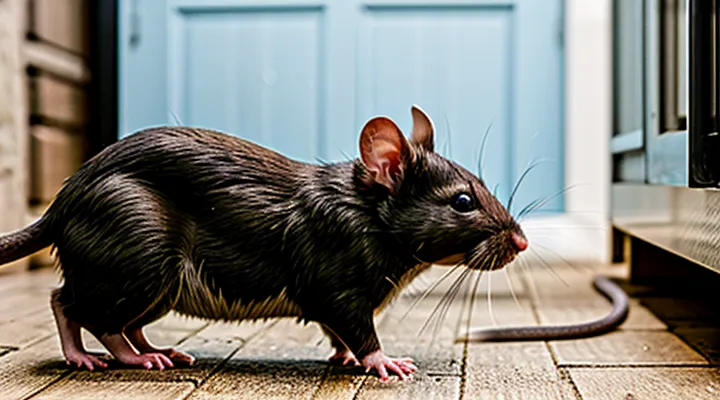
Urban areas host a limited set of rat species that adapt to human habitats and present the greatest challenge for control programs. The most prevalent are the brown rat (Rattus norvegicus) and the roof rat (Rattus rattus). A third, less common, species is the Asian house rat (Rattus tanezumi), which increasingly appears in dense city districts.
- Brown rat (Rattus norvegicus) – Large, robust, prefers ground‑level burrows, sewers, and basements; thrives on waste and grain stores; reproduces rapidly, with litters of up to 12 young.
- Roof rat (Rattus rattus) – Slender, excellent climber, occupies attics, roof spaces, and trees; favors fruit, nuts, and high‑placed food sources; capable of establishing colonies in vertical structures.
- Asian house rat (Rattus tanezumi) – Similar in size to the brown rat, shows flexibility in habitat choice, often found near markets and food processing zones; exhibits aggressive competition with native rat populations.
Each species displays distinct foraging patterns, nesting preferences, and reproductive cycles, which dictate the selection of targeted eradication methods. Understanding these biological differences is essential for designing permanent removal strategies that address the specific behaviors of the urban rat fauna.
Signs of Rat Infestation
Rats leave unmistakable evidence that indicates a breach in sanitation or structural integrity. Detecting these indicators early prevents widespread damage and facilitates permanent removal strategies.
- Droppings: small, dark, pellet‑shaped excrement found along walls, behind appliances, or in stored food containers.
- Gnaw marks: fresh, clean cuts on wood, plastic, or wiring, typically ¼‑inch wide, often near entry points.
- Grease trails: oily smears along baseboards, ceilings, or cabinets where rodents rub their bodies.
- Nesting material: shredded paper, fabric, insulation, or dried plant matter accumulated in hidden corners, attics, or crawl spaces.
- Unusual noises: scratching, scurrying, or squeaking sounds heard at night, especially within walls or ceilings.
- Odor: a strong, musky scent emanating from urine or feces, intensifying in confined areas.
Each sign warrants immediate inspection and remediation to ensure lasting eradication of the rodent problem.
Why Rats Are a Problem
Health Risks Posed by Rats
Rats serve as vectors for numerous pathogens that jeopardize human health. Direct contact with rodent saliva, urine, or feces can introduce infectious agents into households and workplaces.
Key diseases transmitted by rats include:
- Leptospirosis, a bacterial infection affecting kidneys and liver.
- Hantavirus pulmonary syndrome, causing severe respiratory distress.
- Salmonellosis, leading to gastrointestinal illness.
- Rat‑bite fever (streptobacillosis), producing fever and arthritis.
- Lymphocytic choriomeningitis, which may result in meningitis.
Rodent allergens, particularly proteins found in urine and dander, trigger asthma attacks and allergic rhinitis, especially in children and sensitized adults. Continuous exposure elevates the risk of chronic respiratory conditions.
Contamination of stored food and drinking water occurs when rats breach containers, deposit droppings, or gnaw packaging. This compromises nutritional safety and facilitates food‑borne outbreaks.
Effective, lasting rat control measures must address these health threats. Eliminating breeding sites, sealing entry points, and employing integrated pest‑management strategies reduce pathogen exposure and safeguard public health.
Property Damage Caused by Rats
Rats cause extensive damage to structures, utilities, and stored goods. Their gnawing habit compromises wood, plastic, and insulation, creating holes that weaken walls, floors, and roofing. Burrowing activity undermines foundations and can lead to uneven settling of buildings.
Electrical systems are vulnerable because rodents frequently chew through wiring, exposing conductors and increasing the risk of short circuits and fires. Damage to insulation also reduces energy efficiency, raising heating and cooling costs.
Food supplies and packaging suffer contamination from urine, feces, and saliva. These secretions carry pathogens that spoil products and render them unsafe for consumption, resulting in financial loss and potential health hazards.
Water pipes and plumbing fixtures are subject to bite marks that cause leaks, corrosion, and blockages. Persistent moisture from leaking pipes encourages mold growth, further degrading indoor air quality and structural integrity.
Typical manifestations of rat‑induced damage include:
- Holes in structural timber and drywall
- Chewed electrical cords and conduit
- Compromised insulation layers
- Damaged PVC and metal piping
- Contaminated food containers and storage areas
- Evidence of gnaw marks on furniture and appliances
Addressing these impacts requires immediate repair of compromised elements and implementation of long‑term control measures to prevent re‑infestation. Effective eradication strategies eliminate the source of damage, protect property value, and reduce ongoing maintenance expenses.
Strategic Rat Eradication: A Multi-Pronged Approach
Inspection and Assessment
Locating Entry Points
Locating entry points is the first step in achieving permanent rat removal. A systematic inspection reveals the pathways that rodents exploit to access interior spaces. Begin by examining the building envelope from the outside, focusing on areas where structural components meet.
- Inspect foundation walls for cracks wider than a quarter‑inch; seal with hydraulic cement or expandable foam.
- Check door thresholds and window frames; install weather‑stripping and replace damaged screens.
- Examine utility penetrations, including plumbing, electrical conduits, and HVAC ducts; use metal flashing or silicone sealant to close gaps.
- Review roof eaves, soffits, and vent openings; cover with mesh of at least one‑millimeter aperture.
- Survey crawl spaces and basements; install solid barriers at the perimeter and maintain a dry environment to deter burrowing.
After exterior measures, conduct an interior sweep. Look for signs of gnawing around baseboards, cabinetry, and cabinetry backsplashes. Apply steel wool or copper mesh to small openings, then cover with a durable sealant. Confirm that all identified routes are fully sealed before implementing any baiting or trapping strategies.
Identifying Food and Water Sources
Effective rat management begins with eliminating all accessible nourishment. Rats survive on a wide range of organic material; any unsecured source creates a persistent attraction.
Common food supplies include:
- Uncovered pantry items such as grains, cereals, pet food, and dried fruit.
- Spilled crumbs on countertops, floors, and under appliances.
- Garbage containers lacking tight-fitting lids.
- Compost piles positioned near the building.
- Birdseed, livestock feed, and garden produce left exposed.
Water availability is equally critical. Primary sources consist of:
- Leaking pipes, faucets, and fixtures that produce drips.
- Condensation collecting on cold surfaces or in HVAC systems.
- Open pet water dishes left unattended.
- Stagnant water in basins, buckets, or drainage troughs.
- Moisture‑rich debris piles, including mulch and leaf litter.
Detection methods involve systematic inspection of each area. Visual checks for residue, moisture stains, and droppings reveal active feeding zones. Moisture meters locate hidden leaks. Infrared cameras detect temperature differentials indicating dampness. Regular audits of waste management practices confirm that no food or water remains reachable. Eliminating identified sources removes the fundamental incentive for rodent presence, supporting long‑term eradication efforts.
Non-Lethal Rat Control Methods
Exclusion Techniques
Exclusion techniques form the foundation of permanent rat control by preventing rodents from entering structures. The method relies on identifying and sealing all potential access points, reinforcing building integrity, and maintaining barriers over time.
Key principles include:
- Inspection of exterior walls, foundations, and rooflines for gaps larger than ¼ inch.
- Installation of metal flashing, cement mortar, or steel wool to close openings.
- Replacement of deteriorated siding, soffit, or vent covers with rodent‑proof materials.
- Use of door sweeps and weatherstripping on all entry doors.
- Regular trimming of vegetation and removal of debris that could serve as climbing aids.
Implementation proceeds in three stages. First, conduct a thorough survey to map every conceivable entry. Second, apply appropriate sealing materials, prioritizing permanent solutions such as welded steel mesh over temporary plugs. Third, document completed work and schedule periodic re‑inspections to verify the integrity of barriers.
Ongoing maintenance is essential. Replace damaged seals promptly, monitor for new gnaw marks, and adjust landscaping to eliminate shelter. Consistent application of these exclusion measures eliminates the need for recurrent poison or trap deployments, ensuring long‑term rodent‑free environments.
Habitat Modification
Habitat modification directly reduces the conditions that allow rodents to thrive, forming the foundation for lasting rat control.
- Seal all exterior gaps larger than ½ inch with steel wool, concrete, or metal flashing.
- Install door sweeps and weatherstripping on all entry doors.
- Repair cracks in foundations, walls, and around utility penetrations.
- Remove stacked debris, clutter, and stored items that provide shelter.
- Trim vegetation away from building walls and eliminate overgrown shrubs that connect roofs to ground.
- Store food in airtight containers; clean spills promptly in kitchens, pantries, and waste areas.
- Place waste bins on sealed lids, locate them away from structures, and empty them regularly.
Consistent inspection of sealed points, structural integrity, and sanitation practices prevents re‑infestation. Promptly address any new openings or water leaks to maintain an environment unsuitable for rat habitation.
Lethal Rat Control Methods
Trapping Strategies
Effective rodent control relies on precise trapping methods. Selecting the appropriate trap type, positioning devices strategically, and maintaining bait integrity create a comprehensive barrier against infestation.
- Snap traps: spring‑loaded mechanisms deliver instant kill, suitable for high‑traffic pathways.
- Live‑capture traps: enclosed chambers allow relocation, useful where humane handling is required.
- Glue boards: adhesive surfaces immobilize small rodents, best for confined spaces.
- Electronic traps: voltage‑based devices provide rapid termination, ideal for areas with limited access.
Placement dictates success. Identify primary runways by observing droppings, gnaw marks, and grease trails. Position traps perpendicular to these routes, with the trigger end facing the expected direction of travel. Install devices near walls, behind appliances, and within concealed cavities where rodents seek shelter.
Bait selection influences capture rates. Peanut butter, dried fruit, and small meat pieces emit strong odor cues, attracting both Norway and roof rats. Apply a pea‑sized amount to the trigger mechanism; excessive bait reduces sensitivity and may allow escape.
Regular inspection ensures continued efficacy. Check traps daily, remove captured rodents, and reset devices with fresh bait. Replace malfunctioning traps promptly to prevent habituation. Dispose of carcasses in sealed containers to avoid disease transmission.
Integrating these practices with structural exclusion—sealing entry points, trimming vegetation, and maintaining sanitation—creates a durable solution that prevents re‑infestation and supports long‑term eradication objectives.
Rodenticides: Types and Safe Use
Rodenticides constitute the principal chemical approach for achieving lasting rat control. Their effectiveness depends on selecting the appropriate class and applying it according to strict safety protocols.
Common categories include:
- « Anticoagulant » compounds such as bromadiolone and difenacoum, which disrupt blood clotting and cause delayed mortality.
- « Brominated » agents like bromethalin, which interfere with cellular energy production.
- « Zinc phosphide », which releases phosphine gas upon contact with stomach acids, producing rapid lethal effects.
- « Cholecalciferol », a vitamin D₃ analogue that induces hypercalcemia and organ failure.
Safe deployment requires adherence to the following principles:
- Identify target zones and limit bait placement to interior areas inaccessible to children and non‑target wildlife.
- Employ tamper‑resistant bait stations that prevent accidental exposure.
- Follow label‑specified dosage rates; excessive amounts increase risk of secondary poisoning.
- Record bait locations and monitor for signs of consumption, adjusting placement only after thorough inspection.
- Dispose of unused bait and contaminated containers in accordance with local hazardous‑waste regulations.
Integrating chemical control with sanitation, structural exclusion, and population monitoring maximizes the probability of permanent rat eradication while minimizing environmental hazards.
Understanding Bait Stations
Bait stations provide a sealed environment for rodenticide, limiting exposure to non‑target species while delivering lethal doses to rats. The device consists of a hardened outer shell, a tamper‑resistant lock, and a removable interior tray that holds the bait matrix. Materials such as stainless steel or heavy‑duty polymer ensure durability against gnawing and weather conditions.
Effective deployment requires strategic placement. Position stations along known runways, near food sources, and within 10‑15 feet of active burrows. Install units at ground level or slightly elevated to match rat movement patterns. Avoid locations with high human traffic or domestic animal access.
Safety protocols mandate regular inspection. Check each station weekly for bait depletion, damage, or unauthorized entry. Replace spent bait promptly, using the same formulation to maintain consistent potency. Record observations in a log to track activity trends and adjust station density accordingly.
Maintenance includes cleaning the interior tray with mild detergent after each bait change, followed by thorough rinsing and drying. Ensure the lock mechanism functions smoothly; lubricate if necessary to prevent jamming.
When integrated into a comprehensive control program, bait stations reduce population levels sustainably, minimizing reinfestation risk and supporting long‑term rodent management objectives.
Safety Precautions for Rodenticides
Effective rodent control demands strict adherence to safety protocols. Improper handling of rodenticides poses severe health risks to humans, domestic animals, and non‑target wildlife.
All products must be stored in locked, clearly labeled containers, away from food, feed, and water sources. Temperature‑controlled environments prevent degradation that could alter toxicity.
Personal protective equipment (PPE) is mandatory during preparation, application, and cleanup. Required items include chemical‑resistant gloves, goggles, disposable coveralls, and respiratory protection when ventilation is inadequate. PPE should be inspected before each use and replaced if damaged.
Application techniques must follow manufacturer instructions precisely. Measure doses with calibrated devices; avoid excess that can lead to secondary poisoning. Apply bait only in designated stations that restrict access by children and pets. Stations should be placed along established rodent pathways, at least 10 cm from walls, and secured to prevent tampering.
Ventilation is essential in enclosed spaces. Open windows, use exhaust fans, or employ approved respirators to maintain airflow below recommended contaminant limits.
Immediate spill response includes isolating the area, wearing appropriate PPE, and using absorbent materials approved for chemical cleanup. Dispose of contaminated waste according to local hazardous waste regulations; never discard in regular trash or down drains.
Training records must document personnel competency, including refresher courses at least annually. Emergency procedures—such as first‑aid measures for ingestion, inhalation, or skin contact—should be posted visibly near work areas and reviewed regularly.
Adhering to these precautions ensures that rodenticide use remains a controlled, effective component of long‑term rat management while protecting health and the environment.
Post-Extermination Management
Cleaning and Sanitation After an Infestation
After a rodent intrusion, comprehensive cleaning eliminates food sources, nesting material, and disease vectors, thereby reducing the likelihood of recurrence.
The process begins with the removal of all visible debris. Dispose of contaminated insulation, droppings, and gnawed objects in sealed, puncture‑resistant bags. Place bags in a locked trash container and arrange for prompt collection by a licensed waste service.
Next, disinfect all affected surfaces. Apply an EPA‑registered rodent‑specific disinfectant to countertops, floors, walls, and equipment. Follow manufacturer contact‑time guidelines to ensure pathogen inactivation. For porous materials such as carpet or upholstery, consider professional steam cleaning or replacement if contamination is extensive.
Finally, implement preventive sanitation measures. Store food in airtight containers, eliminate standing water, and maintain regular waste removal schedules. Seal entry points with steel wool, cement, or metal flashing to block future access.
Key actions:
- Remove and seal all contaminated waste in double‑layered bags.
- Apply EPA‑approved disinfectant, respecting required dwell time.
- Steam‑clean or discard heavily soiled porous items.
- Store food in rodent‑proof containers; keep areas dry.
- Schedule frequent trash collection and inspect for new entry points.
Consistent adherence to these sanitation protocols sustains a hostile environment for rodents, supporting long‑term eradication efforts.
Preventing Future Infestations
Effective prevention of recurring rodent problems relies on a systematic approach that addresses entry, attraction, and monitoring.
Seal all potential openings larger than a quarter‑inch. Use steel wool, copper mesh, or concrete to block gaps around pipes, vents, foundation cracks, and door frames. Install self‑closing doors and weather‑stripping on exterior doors to eliminate gaps caused by wear.
Maintain an environment that deters rodents. Store food in airtight containers; eliminate standing water; keep garbage in sealed bins and remove waste regularly. Trim vegetation and remove debris within a three‑meter radius of the building to reduce shelter and travel pathways.
Implement a routine inspection schedule. Conduct visual checks monthly for signs of gnawing, droppings, or nesting material. Deploy snap traps or electronic monitoring devices in strategic locations to detect early activity. Record findings to identify patterns and adjust preventive measures promptly.
Engage professional pest‑management services for periodic assessments. Certified technicians can perform detailed structural surveys, apply rodent‑proofing materials, and recommend targeted baiting strategies when necessary.
Adopt an integrated pest‑management (IPM) framework that combines physical barriers, sanitation, regular monitoring, and expert intervention. Consistent application of these measures sustains long‑term rodent control and minimizes the risk of future infestations.