
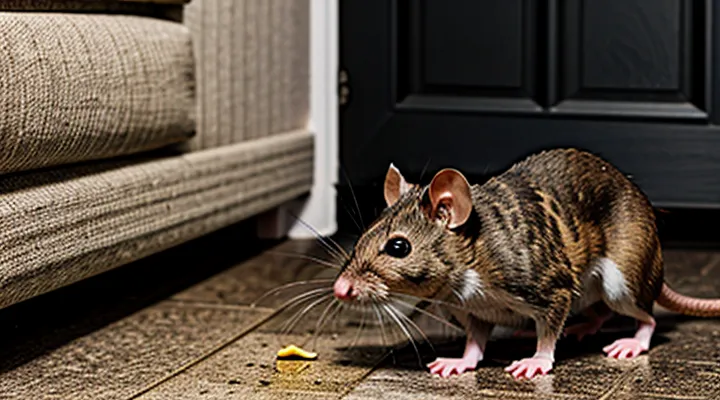
Understanding the Mouse Problem
Signs of a Mouse Infestation
«Droppings and Urine Trails»
Droppings and urine trails provide the most reliable evidence of mouse activity inside a residence. Their size, shape, and location pinpoint the species, the level of infestation, and the pathways used for travel and nesting. Identifying these signs early allows targeted intervention before the population expands.
Typical characteristics:
- Dark brown to black pellets, 3‑5 mm long, often found along walls, behind appliances, and in hidden corners.
- Shiny, amber‑colored urine streaks that may appear as faint lines on surfaces or as damp spots on fabrics and insulation.
- Accumulation near food sources, entry points, and nesting materials.
Health risks stem from pathogens carried in feces and urine, including hantavirus, salmonella, and leptospira. Direct contact or inhalation of aerosolized particles during cleaning can cause serious illness. Protective measures are mandatory: wear disposable gloves, a fitted N‑95 respirator, and disposable coveralls when handling contaminated material.
Effective decontamination follows a three‑step protocol:
- Isolation – Seal the affected area to prevent further spread; remove food, water, and bedding from the zone.
- Disinfection – Apply a registered rodent‑specific disinfectant (e.g., a 10 % bleach solution or a 0.5 % hydrogen peroxide product). Saturate droppings and urine stains, allow the solution to remain for at least 10 minutes, then wipe with disposable absorbent pads.
- Removal – Collect all contaminated material in sealed, leak‑proof bags. Dispose of bags according to local hazardous‑waste regulations. Clean tools and protective gear with the same disinfectant before removal from the site.
After cleaning, inspect surrounding walls, baseboards, and ceiling joists for additional droppings. Use a UV flashlight to reveal faint urine trails invisible to the naked eye. Document all findings to guide placement of traps and bait stations along confirmed travel routes.
Eliminating mouse presence permanently requires integrating droppings and urine analysis into a comprehensive control plan: locate entry points, seal gaps larger than ¼ inch, reduce attractants, and maintain rigorous sanitation. Continuous monitoring of droppings and urine trails confirms the success of these measures and signals any resurgence before it becomes unmanageable.
«Gnaw Marks and Damage»
Gnaw marks are the most reliable indicator that mice are present and actively foraging. Fresh incisor teeth leave shallow, V‑shaped grooves on wood, plastic, wiring, and insulation. Older marks appear darker and may be covered with dust or debris. Identifying the location and depth of these scratches helps pinpoint entry points and high‑traffic routes.
Typical damage caused by rodent chewing includes:
- Compromised structural integrity of wooden beams and furniture.
- Exposed electrical wiring, increasing fire risk.
- Punctured plastic piping, leading to leaks.
- Damaged insulation, reducing thermal efficiency.
- Contaminated food containers, creating health hazards.
Each type of damage creates conditions that encourage further infestation. Exposed wires attract mice seeking shelter, while cracked walls provide new openings for entry. Prompt repair of gnaw‑related damage eliminates shelter and food sources, making the environment unsuitable for long‑term occupancy.
Assessment should involve a systematic survey of suspected areas, recording the size, orientation, and frequency of marks. Photographic documentation supports later verification of repairs. After locating all affected zones, replace or reinforce compromised materials with rodent‑resistant alternatives such as steel wool, metal flashing, or hard‑plastic sheathing.
Repair actions must be followed by sealing identified entry points. Use caulk, concrete, or metal mesh to close gaps larger than ¼ inch. Reinforcing doors, windows, and foundation cracks with weatherstripping or steel plates prevents re‑entry. Combining thorough damage remediation with exclusion measures creates a durable barrier that discourages mice from returning.
«Unusual Noises and Odors»
Unusual sounds and odors are reliable indicators of rodent activity and should be incorporated into any permanent mouse‑removal strategy.
A high‑pitched squeak, rustling in walls, or intermittent scurrying at night signals movement within concealed passages. These noises often precede visible damage, allowing early intervention before populations expand.
Odors provide complementary evidence. A sharp, ammonia‑like scent indicates urine deposits, while a faint, sweet, grainy smell points to droppings or nesting material. Both odors persist long after mice have vacated an area, revealing hotspots that require thorough inspection and treatment.
Key actions based on auditory and olfactory clues:
- Locate the source by following the direction of the sound or scent; trace walls, ceilings, and hidden voids.
- Seal entry points near the identified zones with steel‑wool, caulk, or hardware cloth to prevent re‑entry.
- Apply targeted bait or traps directly in the affected area, ensuring placement along known travel routes.
- Clean and disinfect contaminated surfaces using enzymatic cleaners to eliminate residual odor that may attract survivors.
- Monitor the site for a minimum of two weeks, listening for continued activity and re‑checking for lingering smells; repeat treatment if necessary.
By systematically interpreting these sensory signals, homeowners can pinpoint infestations, execute precise control measures, and sustain a mouse‑free environment over the long term.
Why Mice Are Attracted to Your Home
«Food Sources»
Food availability is the primary factor that sustains mouse populations inside a residence. Eliminating or securing every potential nutrient source cuts the incentive for rodents to enter and remain.
- Unsealed pantry containers
- Open cereal boxes, pet food bowls, and snack packages
- Crumbs on countertops, floors, and behind appliances
- Leaking pipes or condensation that creates damp, mold‑prone spots
- Birdseed, fruit bowls, and compost bins placed near doors or windows
To deny access, store dry goods in airtight, metal or heavy‑wall containers; transfer pet feed to sealed bins and feed only at scheduled times; clean surfaces after each meal, sweeping or vacuuming promptly; fix leaks and reduce humidity with proper ventilation; relocate outdoor feeding stations at least ten feet from the house and keep indoor fruit or compost in sealed receptacles. Consistent removal of these attractants deprives mice of sustenance, making long‑term exclusion feasible.
«Shelter and Warmth»
Mice seek locations that provide protection from predators, weather, and human activity. Loose insulation, cluttered storage areas, and gaps in walls create ideal shelters. Removing these refuges reduces the likelihood of infestation.
Seal openings larger than a quarter‑inch with steel wool, caulk, or hardware cloth. Inspect the exterior for cracks around foundations, vents, and utility penetrations; repair each defect. Trim vegetation that contacts the building, preventing rodents from using branches as bridges.
Eliminate indoor warmth sources that attract mice. Store food in airtight containers; clean crumbs and spills promptly. Keep appliances, especially ovens and refrigerators, free of residual heat after use. Replace worn door sweeps and weatherstripping to block drafts that may draw rodents inside.
Maintain a tidy environment:
- Declutter basements, attics, and garages; store items off the floor.
- Remove shredded paper, cardboard, and fabric piles.
- Dispose of garbage regularly in sealed bins.
By systematically denying shelter and heat, the habitat becomes unsuitable for mice, supporting long‑term exclusion.
«Water Access»
Mice need a reliable water source; eliminating that resource weakens their ability to survive and reproduce inside a residence.
Typical household water supplies include leaking pipes, dripping faucets, pet water bowls left unattended, condensation on windows, and standing water in plant trays.
- Repair all pipe leaks and faucet drips promptly.
- Install splash‑proof covers on kitchen and bathroom sinks.
- Replace open pet water dishes with sealed containers and refill only when necessary.
- Use saucers or trays beneath indoor plants; empty excess water daily.
- Ensure basement and crawl‑space drainage functions correctly; install dehumidifiers if humidity remains high.
- Remove standing water from gutters, bird baths, and exterior puddles that can seep indoors.
Regular inspection of these potential sources prevents re‑establishment of mice populations. Scheduling monthly checks of plumbing fixtures, pet feeding areas, and indoor plant setups maintains a dry environment that discourages rodent habitation.
Immediate Action: Trapping and Removal
Choosing the Right Traps
«Snap Traps»
Snap traps provide immediate, lethal control of house mice and can form a core component of a long‑term eradication plan. The device consists of a spring‑loaded bar that delivers a rapid, forceful strike when the mouse triggers the trigger mechanism. Proper selection, placement, and maintenance maximize effectiveness and reduce the risk of non‑target injuries.
- Choose traps with a sturdy base, a sensitive trigger, and a high‑impact bar; stainless‑steel models resist rust in damp areas.
- Position traps perpendicular to walls, with the trigger end facing the rodent’s travel route; mice typically run along baseboards and behind appliances.
- Bait with a small amount of high‑fat food such as peanut butter, cheese, or seed; avoid excessive bait that may obscure the trigger.
- Set traps in concealed locations where children and pets cannot reach them; use protective covers or lockable boxes if necessary.
- Check traps daily; remove dead mice promptly, wearing gloves, and dispose of carcasses in sealed bags to prevent disease spread.
- Reset or replace traps after each capture to maintain continuous pressure on the population.
Integrating snap traps with preventive measures—sealing entry points, eliminating food sources, and maintaining cleanliness—creates a comprehensive strategy that discourages re‑infestation and supports lasting mouse‑free conditions. Regular inspection of the property ensures that any new ingress routes are addressed before rodents can re‑establish.
«Live Traps»
Live traps capture mice without killing them, allowing humane removal while preventing population growth inside the residence.
Selecting an effective trap requires attention to size, construction, and trigger mechanism.
- Size: interior chamber must accommodate adult house mice (approximately 3–4 inches long).
- Construction: sturdy plastic or metal, smooth interior walls to prevent escape.
- Trigger: sensitive spring‑loaded or foot‑pedal system that activates with minimal weight.
Proper placement and baiting maximize capture rates.
- Position traps along walls, behind appliances, and near known gnawing sites; mice travel close to edges.
- Use high‑protein attractants such as peanut butter, sunflower seeds, or dried fruit, applied sparingly to the trigger area.
- Set traps perpendicular to the wall, with the entry hole facing the baseboard.
Monitoring and release procedures ensure humane handling and prevent re‑infestation.
- Check traps at least twice daily; remove captured mice promptly to avoid stress.
- Release each mouse at least one mile from the property, preferably in a wooded area with natural cover.
- Clean traps with mild detergent after each use to eliminate scent trails that could deter future captures.
Integrating live traps with complementary measures solidifies long‑term mouse control.
- Seal entry points using steel wool and caulk to block re‑entry.
- Maintain a clean environment: store food in sealed containers, eliminate clutter, and manage waste promptly.
- Combine traps with strategic use of exclusion devices and, if necessary, professional pest‑management services for persistent problems.
«Electronic Traps»
Electronic traps provide a rapid, humane solution for indoor mouse control. The device emits a high‑voltage shock that kills the rodent instantly, eliminating the need for poisons or glue boards. Because the kill is immediate, there is no risk of suffering, and the trap can be inspected without handling live animals.
Key characteristics of effective electronic traps include:
- Voltage rating: Models typically deliver 2,000–3,000 volts, sufficient to ensure a lethal shock.
- Bait compartment: A small, enclosed area holds attractant without exposing it to the environment, reducing contamination.
- Power source: Plug‑in units require a standard outlet; battery‑powered versions offer placement flexibility but need regular replacement.
- Safety features: Insulated housing and a sealed killing chamber prevent accidental contact with the high voltage.
- Capacity: Traps vary from single‑kill units to multi‑kill designs that can hold several deceased rodents before emptying is required.
Placement guidelines maximize capture rates:
- Identify high‑traffic zones such as along walls, behind appliances, and near entry points.
- Position traps perpendicular to the wall, with the bait side facing the wall to match the rodents’ natural running pattern.
- Maintain a clear area of at least 12 inches around each trap to allow unrestricted access.
- Replace bait every two to three days to retain attractiveness.
Maintenance procedures are straightforward. After a kill, disconnect power, open the removable tray, and dispose of the carcass in a sealed bag. Clean the interior with a mild detergent to remove residue, then reassemble and reactivate the device. Battery‑operated units require inspection of contacts and replacement of the battery pack at the manufacturer’s recommended interval.
When integrated with a comprehensive rodent‑exclusion plan—sealing gaps, removing food sources, and reducing clutter—electronic traps substantially lower the probability of reinfestation. Their quick action, low labor demand, and minimal environmental impact make them a reliable component of long‑term mouse management.
Effective Trap Placement Strategies
«Along Walls and Corners»
Mice instinctively move close to surfaces, using walls and corners as protective pathways that conceal their presence and reduce exposure to predators. This habit concentrates their activity along the perimeter of rooms, under baseboards, and behind cabinetry, creating predictable routes that can be targeted for control.
Effective long‑term mouse management relies on interrupting these pathways. Identify every opening larger than a quarter‑inch along walls, floors, and ceilings; seal each with steel wool, caulk, or metal flashing. Install traps, bait stations, or electronic devices directly against the wall at a height of 2–4 inches, aligning them with known travel lines. Apply rodent‑repellent granules or ultrasonic emitters in corners where mice congregate, ensuring continuous coverage. Maintain a clean environment by removing food residues and storing supplies in sealed containers, thereby eliminating attractants that draw rodents to edge zones.
Key actions
- Survey entire interior for gaps, cracks, and holes; prioritize sealing along baseboards and wall joints.
- Position snap traps, live‑catch traps, or bait stations flush against walls, spaced 12–18 inches apart.
- Deploy deterrent devices (ultrasonic or scent‑based) in every corner and behind furniture.
- Conduct regular inspections to verify that seals remain intact and traps are functional.
- Keep floors and countertops free of crumbs; store waste in sealed bins.
By concentrating preventive measures on the structural edges that mice favor, homeowners create a hostile environment that discourages re‑entry and supports permanent eradication.
«Near Food Sources»
Food sources located within a few feet of walls, cabinets, or appliances create a direct pathway for rodents to enter living spaces. Mice locate these resources through scent trails and visual cues, then establish foraging routes that become permanent if the supply remains uninterrupted.
- Store dry goods in airtight containers made of glass, heavy‑duty plastic, or metal; sealed lids prevent odor leakage.
- Transfer pantry items to shelves that are elevated from the floor and away from the base of cabinets; this reduces the chance of mice climbing to reach food.
- Clean up spills, crumbs, and pet food immediately; use a damp cloth to remove residue that could attract rodents.
- Dispose of garbage daily in bins with tight‑fitting lids; keep outdoor trash cans at least three meters from the house’s foundation.
- Rotate and inspect stored food regularly; discard any items showing signs of infestation or damage.
Eliminate standing water and damp spots near food storage areas, as moisture enhances scent diffusion and encourages mouse activity. Seal gaps around pipes, vents, and electrical conduits with steel wool or silicone caulk to block access points that lead directly to food zones.
By removing readily available nourishment and preventing indirect access, the environment becomes inhospitable for mice, supporting a lasting reduction in their presence within the residence.
«In Dark, Seldom-Used Areas»
Mice exploit dark, rarely accessed spaces because these areas provide shelter, moisture and easy routes to food sources. Effective control begins with a thorough assessment of every such location in the residence.
Identify all low‑light zones: finished basements, unfinished crawl spaces, attics, closets, behind appliances, and under stairwells. Use a flashlight to inspect for droppings, gnaw marks, shredded insulation, and nesting material. Record each finding to prioritize treatment.
Seal entry points before deploying any control devices. Apply steel‑wool or copper mesh to gaps larger than ¼ inch, then cover with cement, expanding foam, or metal flashing. Pay special attention to utility penetrations, vent openings, and pipe sleeves.
Implement trapping and baiting within the targeted zones:
- Place snap traps along walls, perpendicular to the travel path, with the trigger end facing the wall.
- Use bait stations containing anticoagulant or bromadiolone pellets, positioned out of reach of children and pets.
- Deploy electronic or ultrasonic devices only after confirming they are rated for enclosed spaces, as open areas diminish efficacy.
Reduce attractants that encourage mice to remain in these areas. Store firewood away from the structure, keep stored items in sealed containers, and eliminate standing water by fixing leaks and improving drainage.
Maintain a monitoring schedule. Inspect traps and bait stations weekly, replace consumables, and re‑check sealed openings after each season. Continuous vigilance in dark, seldom‑used areas prevents re‑infestation and supports long‑term eradication of the rodent problem.
Safe Disposal of Trapped Mice
When a mouse is captured, immediate and hygienic disposal prevents disease spread and discourages re‑entry. Wear disposable gloves, seal the animal in a sturdy, leak‑proof container, and place the container in a freezer for at least 24 hours to ensure death before removal. Afterward, double‑bag the sealed container, label it as hazardous waste, and discard it according to local regulations—typically through municipal solid‑waste services that accept dead rodents.
Key steps for safe disposal:
- Put on gloves; avoid direct skin contact.
- Transfer the trapped mouse to a rigid plastic box with a tight‑fitting lid.
- Freeze the box for a minimum of one day.
- Place the frozen box in a heavy‑duty trash bag, seal, and label.
- Dispose of the bag in the designated waste stream; do not compost or recycle.
Clean the work area with a disinfectant solution after handling, then wash hands thoroughly with soap and water. Maintaining this protocol eliminates health risks while supporting long‑term mouse eradication from the residence.
Long-Term Prevention: Sealing Entry Points
Identifying Potential Entry Points
«Cracks in Foundations and Walls»
Cracks in foundations and walls provide direct entry points for mice, allowing them to move from the exterior into living spaces. Even hairline fissures can accommodate a rodent’s body, making thorough inspection essential for long‑term control.
Identify all openings by conducting a systematic visual survey. Focus on areas where the foundation meets the soil, around utility penetrations, and along the perimeter of exterior walls. Use a bright flashlight and a flexible mirror to reveal hidden gaps behind baseboards and trim.
Seal identified cracks with materials that resist gnawing and moisture. Recommended products include:
- Polyurethane expanding foam for gaps up to 1 cm; apply in layers and trim excess once cured.
- Cement‑based mortar or hydraulic cement for larger fissures; press firmly to fill voids and smooth the surface.
- Steel wool followed by caulk for openings around pipes and wires; steel wool deters chewing, while caulk creates a weather‑tight seal.
After sealing, reinforce vulnerable zones with metal flashing or hardware cloth (minimum ¼‑inch mesh). Attach the barrier with stainless‑steel screws to prevent corrosion and ensure durability.
Maintain the barrier by inspecting it quarterly, especially after heavy rain or ground movement. Replace any compromised sections promptly to avoid re‑establishment of access routes.
By eliminating structural gaps, the house becomes a hostile environment for mice, removing the primary pathway they exploit for permanent habitation.
«Gaps Around Pipes and Wires»
Mice gain entry through even the smallest openings around plumbing, electrical conduits, and cable bundles. Unsealed gaps provide a direct pathway from walls, basements, and attics to living spaces, allowing rodents to travel unnoticed.
Identify all penetrations where pipes, wires, or vents intersect walls, floors, and ceilings. Common locations include:
- Utility chases behind appliances
- Entry points for water, gas, and drainage lines
- Cable bundles that run through drilled holes
- Gaps around HVAC ducts and vent fans
Inspect each opening with a flashlight and a thin probe or wire. Any space larger than ¼ inch (6 mm) can accommodate a mouse. Document the findings before proceeding with repairs.
Seal gaps using materials that resist gnawing and moisture:
- Steel wool – tightly packed into the opening, then covered with a sealant to prevent removal.
- Expanding polyurethane foam – suitable for irregular gaps, but apply a thin layer to avoid excess expansion that could create new voids.
- Mortar or cement – ideal for gaps around concrete or brick pipes; ensure full coverage after cleaning the surface.
- Metal flashing or mesh – wrap around larger penetrations, securing with screws or construction adhesive.
After sealing, verify the integrity of the repair by re‑probing the area. Maintain a schedule of quarterly inspections, especially after renovations or seasonal temperature changes that may cause building movement and re‑open seams.
By systematically locating and fortifying every gap surrounding pipes and wires, you remove a primary access route, significantly reducing the likelihood of a persistent mouse problem.
«Damaged Vents and Screens»
Damaged vents and screens are common entry points for rodents. Cracks, torn mesh, and loose frames create openings large enough for mice to squeeze through. Once inside, they can access walls, insulation, and food supplies, undermining any effort to achieve lasting rodent control.
Inspect every ventilation opening, including attic hatches, dryer vents, and bathroom exhaust fans. Look for:
- Torn or missing screen material
- Gaps between the vent housing and surrounding structure
- Corroded fasteners that no longer hold the frame securely
Repair work should include:
- Replacing damaged screens with heavy‑gauge metal mesh (¼‑inch or smaller).
- Sealing gaps with steel wool followed by high‑temperature silicone caulk to prevent re‑entry.
- Reinforcing vent frames with stainless‑steel screws or brackets.
Regular maintenance prevents new damage. Schedule quarterly checks, especially after severe weather or construction activity. Promptly address any wear to keep the home sealed against mouse intrusion.
«Openings Under Doors and Around Windows»
Openings beneath doors and around windows provide the most accessible routes for mice to enter a residence. Even gaps as narrow as a quarter‑inch permit rodents to squeeze through, allowing them to explore interior spaces and establish nesting sites.
- Inspect the perimeter of each exterior door; measure the clearance between the door bottom and the floor.
- Install a brush‑type or solid door sweep that contacts the floor when the door is closed; replace worn sweeps promptly.
- Examine window frames for gaps at the sides, top, and bottom; use silicone sealant or expandable foam to fill cracks.
- Apply metal flashing or steel wool behind caulk in larger openings; cover with a thin layer of exterior-grade sealant for durability.
- Verify that weatherstripping is intact around all movable panels; reinstall when compression is lost.
After sealing, perform a routine check each season. Look for signs of wear, new cracks from building settlement, or damage caused by pests. Reapply sealants or replace sweeps as needed to maintain an uninterrupted barrier. Consistent attention to these entry points eliminates the primary avenues mice use, supporting lasting rodent exclusion from the home.
Materials for Sealing
«Steel Wool and Caulk»
Sealing potential entry points is the most reliable method for long‑term rodent exclusion. Steel wool and caulk together create a barrier that mice cannot bypass.
Steel wool’s dense, fibrous structure resists gnawing. When pressed into cracks, it expands to fill irregular spaces, leaving no smooth surface for teeth to grip. Its flexibility allows placement in gaps of varying shapes and sizes, from pipe openings to foundation fissures.
Caulk acts as a permanent sealant over the steel wool. Silicone or acrylic formulations adhere to wood, concrete, and metal, hardening into a flexible membrane that remains intact despite temperature changes. The combination blocks both mice and other small pests while preventing drafts and moisture infiltration.
Application steps
- Locate all exterior and interior gaps larger than ¼ in. Common sites include vent openings, utility penetrations, and baseboard seams.
- Remove debris and dry the area to ensure adhesion.
- Pack steel wool tightly into each gap, shaping it to fill the opening completely.
- Apply a continuous bead of caulk over the wool, smoothing it with a fingertip or tool to eliminate air pockets.
- Allow the caulk to cure according to the manufacturer’s instructions before exposing the area to traffic or moisture.
Regular inspection is required. Replace steel wool that shows signs of compression or rust, and reapply caulk where cracks reappear.
Safety precautions: wear gloves to avoid skin irritation, use fire‑resistant steel wool near heat sources, and ensure adequate ventilation when applying caulk.
When executed correctly, the steel‑wool‑and‑caulk method eliminates mouse access points, providing a durable solution for permanent rodent control.
«Mesh and Hardware Cloth»
Mesh and hardware cloth provide a durable physical barrier that prevents mice from entering structural openings. The material consists of tightly woven metal wire, typically galvanized steel, available in gauges ranging from 1/4 mm to 1 mm. A smaller mesh size (1/4 mm) blocks even juvenile rodents, while a thicker gauge resists gnawing.
Effective deployment requires sealing all potential entry points:
- Inspect foundation, crawl spaces, and attic for gaps larger than 6 mm.
- Cut mesh to overlap each opening by at least 2 cm on all sides.
- Secure edges with stainless‑steel screws or nails; apply a rust‑inhibiting sealant to prevent corrosion.
- Install hardware cloth on vent covers, chimney flues, and utility penetrations, ensuring a tight fit around pipes and wires.
- Reinforce existing door sweeps and window screens with a strip of mesh attached to the interior frame.
Maintenance involves periodic visual checks for corrosion, displacement, or damage caused by weather or construction activity. Replace compromised sections promptly to maintain an uninterrupted barrier. Combining mesh installation with proper sanitation and trapping further reduces the likelihood of re‑infestation, establishing a long‑term solution for mouse control.
«Expanding Foam (with Caution)»
Expanding foam can seal gaps that mice use to enter a residence. The material expands to fill cracks, gaps around pipes, and openings in foundations, creating a barrier that rodents cannot easily bypass.
Application steps:
- Identify all potential entry points by inspecting walls, floors, and exterior trim.
- Clean the area of debris and moisture; foam adheres poorly to dirty surfaces.
- Insert the nozzle of a low‑expansion, rodent‑grade spray foam into the gap, applying a thin, continuous bead.
- Allow the foam to expand fully, then trim excess with a utility knife once cured.
- Seal the trimmed surface with a waterproof caulk to protect against moisture infiltration.
Safety precautions:
- Wear gloves and eye protection; uncured foam adheres to skin and can cause irritation.
- Ventilate the room; fumes may be harmful in confined spaces.
- Avoid applying foam near electrical wiring or HVAC ducts; expansion can exert pressure on delicate components.
- Store cans upright and keep out of reach of children and pets.
Limitations:
- Foam does not deter mice already inside; combine with trapping or baiting for complete control.
- Large structural cracks may require steel wool or metal flashing before foam application, as foam alone can degrade over time.
- Re‑application may be necessary after significant building settlement or seasonal temperature shifts.
When used correctly, expanding foam provides a durable, low‑maintenance seal that contributes significantly to long‑term rodent exclusion.
Regular Inspection and Maintenance
Regular inspection and maintenance form the backbone of any lasting rodent control program. Systematic checks reveal new entry routes, damage, and signs of activity before populations establish.
Key inspection tasks include:
- Visual scan of walls, floors, and ceilings for gnaw marks, droppings, or nesting material.
- Examination of utility penetrations, vent covers, and pipe sleeves for gaps larger than ¼ inch.
- Assessment of exterior foundations, crawl spaces, and attic access points for cracks or openings.
- Monitoring of stored food containers, waste bins, and pet feeding areas for spillage or unsecured lids.
Maintenance actions derived from inspection findings focus on exclusion and sanitation:
- Seal all identified openings with steel wool, copper mesh, or cement‑based filler; reinforce vulnerable structures with metal flashing.
- Install door sweeps and weather stripping on exterior doors to eliminate gaps.
- Trim vegetation, remove debris, and keep landscaping away from the building envelope to reduce shelter.
- Store dry goods in airtight containers; clean crumbs and spills promptly; use sealed trash cans with tight lids.
- Schedule quarterly re‑inspections to verify the integrity of seals and to detect any resurgence of activity.
Consistent application of these procedures prevents re‑infestation, reduces reliance on chemical controls, and sustains a mouse‑free environment.
Eliminating Food and Water Sources
Proper Food Storage
«Airtight Containers»
Airtight containers are essential for preventing mice from accessing food supplies. By sealing all entry points, these containers eliminate the primary attractant that draws rodents into residential spaces.
Key characteristics of effective containers include:
- Lids that lock securely with a gasket or silicone seal.
- Materials such as heavy‑duty plastic or stainless steel that resist gnawing.
- Transparent design for easy visual inspection of contents.
- Size appropriate for the quantity of stored items to avoid overfilling.
To integrate airtight containers into a comprehensive mouse control strategy, follow these steps:
- Transfer all dry goods—cereals, grains, pet food, nuts—into sealed units.
- Position containers on elevated surfaces or inside cabinets where mice cannot reach them.
- Inspect seals regularly for wear or damage; replace compromised lids immediately.
- Dispose of any contaminated food before repackaging, as residual odors can still attract rodents.
Using sealed storage eliminates a critical food source, thereby reducing the likelihood of infestations and supporting long‑term rodent exclusion in the household.
«Clean Pantry Habits»
A tidy pantry removes food sources that attract rodents and reduces hiding places, directly supporting long‑term mouse control in residential spaces. Regular cleaning eliminates crumbs, spills, and residue that otherwise provide nourishment for pests.
- Store dry goods in airtight containers; plastic or metal bins with sealing lids prevent access.
- Inspect packages for tears or openings before placing them on shelves; discard damaged items immediately.
- Sweep shelves and floor weekly; use a vacuum with a HEPA filter to capture fine particles.
- Rotate stock based on expiration dates; older products should be used or removed to avoid spoilage.
- Keep the pantry door closed; install a brush seal or weather stripping to block entry points.
Consistent application of these practices deprives mice of food and shelter, making the pantry an inhospitable environment and reinforcing overall pest‑prevention efforts.
Managing Pet Food
Proper handling of pet food is a critical factor in achieving lasting rodent control inside a residence. Food left unsecured provides an attractive, reliable source of nutrition for mice, encouraging them to enter and remain in the home. By eliminating this resource, the incentive for infestation diminishes dramatically.
Unsealed containers, spilled kibble, and feeding stations placed on the floor create easy access points. Mice can detect crumbs and odors, locate the source, and establish foraging routes that lead to further contamination. Reducing the availability of pet food therefore removes a primary driver of mouse activity.
- Store dry and wet pet food in airtight, metal or heavy‑plastic containers equipped with lockable lids.
- Transfer only the portion needed for each feeding into a separate, shallow dish; discard leftovers within 30 minutes.
- Clean feeding areas after each meal, sweeping or vacuuming crumbs and wiping surfaces with a mild detergent.
- Position feeding stations on elevated platforms or inside enclosed cabinets to prevent floor access.
- Use timed or automatic dispensers that release measured amounts, preventing overfeeding and spillage.
Implementing these practices deprives mice of a dependable food supply, forcing them to seek alternatives outside the dwelling. Combined with other exclusion methods—such as sealing entry points and maintaining general cleanliness—the disciplined management of pet food supports permanent mouse eradication from the house.
Addressing Water Leaks and Spills
Water sources create ideal conditions for rodents; even minor drips or unattended spills can sustain a population inside a residence. Eliminating these moisture points removes a primary attractant and reduces the likelihood of re‑infestation.
Identify and repair all plumbing defects. Inspect kitchens, bathrooms, basements, and utility rooms for signs of corrosion, condensation, or loose fittings. Replace worn seals, tighten connections, and apply pipe‑thread sealant where leaks appear. Verify repairs by running water and observing for any residual moisture over several hours.
Control accidental spills promptly. Wipe surfaces dry after cooking, cleaning, or any activity that generates liquids. Use absorbent mats under sinks and appliances prone to leakage. Empty and dry pet water dishes each night to prevent standing water.
Maintain a dry environment through regular housekeeping:
- Sweep and mop floors to eliminate crumbs and damp patches.
- Store food in airtight containers; avoid open bowls that can collect condensation.
- Keep trash cans sealed and empty them frequently.
- Ensure proper ventilation in damp areas; use dehumidifiers if humidity remains above 50 %.
Inspect structural elements that may harbor water. Seal gaps around windows, doors, and foundation cracks with silicone or expanding foam. Replace damaged roofing or flashing that permits rain infiltration.
By systematically removing water sources, the habitat becomes inhospitable to mice, supporting long‑term exclusion of the pests from the home.
Regular Cleaning and Sanitation
«Sweeping and Vacuuming»
Sweeping and vacuuming remove food particles, droppings, and nesting material that attract mice and sustain their presence. A clean floor eliminates the sensory cues mice use to locate feeding sites, reducing the likelihood of repeated incursions.
- Sweep all rooms daily, focusing on corners, under appliances, and behind furniture where crumbs accumulate.
- Use a vacuum equipped with a HEPA filter to capture fine debris and rodent hair; empty the canister or replace the bag immediately after each session.
- Discard vacuum contents in a sealed bag and place it in an outdoor trash receptacle to prevent re‑infestation.
- Perform a thorough vacuum of upholstery, curtains, and pet bedding weekly, as these areas often conceal residual scent trails.
Consistent execution of these practices creates an environment that offers no food source or shelter, thereby supporting long‑term mouse exclusion.
«Wiping Down Surfaces»
Regular cleaning of all interior surfaces removes food residues and scent trails that attract rodents, making the environment less inviting for infestation.
- Eliminate crumbs: Sweep, vacuum, and mop floors daily, focusing on corners, under appliances, and behind furniture.
- Disinfect countertops: Apply a mild, non‑toxic disinfectant, wipe thoroughly, and rinse with clean water.
- Clean cabinets and drawers: Remove items, wipe interior shelves with a damp cloth, and dry completely before restocking.
- Sanitize pet feeding areas: Wash bowls with hot, soapy water after each use; dry before refilling.
- Attend to hidden surfaces: Wipe the undersides of tables, the tops of refrigerator coils, and the exterior of trash cans.
Consistent removal of microscopic food particles and odor markers deprives mice of the resources they need to survive, supporting long‑term exclusion strategies.
Maintain a schedule: daily spot‑cleaning of high‑traffic zones, weekly deep cleaning of all surfaces, and monthly inspection of hard‑to‑reach areas. This systematic approach reduces the likelihood of re‑entry and complements structural sealing, trapping, and baiting measures aimed at permanent rodent control.
Natural Deterrents and Advanced Solutions
Peppermint Oil and Other Scents
Peppermint oil works as a natural mouse deterrent because its strong menthol scent overwhelms the rodents’ olfactory receptors, causing avoidance of treated areas. Apply 10–15 drops of pure peppermint essential oil to cotton balls, then place them in corners, behind appliances, and along wall voids where mouse activity is observed. Replace cotton balls every three to four days to maintain potency.
Other aromatic substances exhibit similar repellent properties:
- Eucalyptus oil: diffuse or saturate cloth strips; strong camphor aroma disrupts mouse navigation.
- Cedar wood shavings: emit volatile phenols that repel rodents; distribute thin layers in drawers and storage spaces.
- Clove oil: mix with water (1 % solution) and spray around entry points; pungent eugenol discourages entry.
- Citronella oil: apply to perimeter gaps; citrus‑mint fragrance interferes with scent trails.
Effectiveness depends on consistent application and integration with structural exclusion methods. Seal cracks, install door sweeps, and eliminate food sources while maintaining scented barriers to achieve lasting mouse control.
Ultrasonic Repellents (Effectiveness Discussion)
Ultrasonic devices emit high‑frequency sound waves that rodents cannot hear, intending to create an uncomfortable environment that drives them away. Laboratory tests show that frequencies between 20 kHz and 65 kHz can cause stress responses in mice, reducing activity in confined test chambers. Field studies in residential settings report mixed results: some households experience a noticeable decline in sightings, while others see no change after several weeks.
Effectiveness depends on several variables. The sound intensity must remain above the threshold that triggers a physiological reaction; low‑power units often fail to reach this level throughout a typical room. Obstacles such as walls, furniture, and insulation absorb or reflect ultrasonic waves, creating dead zones where mice can shelter. Continuous operation is required because rodents quickly habituate to a constant signal; devices that cycle frequencies or include random intervals maintain a higher deterrent effect.
Key considerations for practical use:
- Position devices at least 12 inches off the floor and away from solid surfaces to maximize coverage.
- Install one unit per 500 sq ft; larger areas need overlapping fields.
- Combine ultrasonic repellents with exclusion techniques (sealed entry points, traps) to address any mice that bypass the acoustic barrier.
- Verify that pets, especially cats and dogs, are not adversely affected; some species exhibit heightened sensitivity to ultrasonic noise.
Overall, ultrasonic repellents can reduce mouse activity when deployed correctly and supplemented with other control measures, but they rarely achieve complete eradication on their own.
Professional Pest Control Services
«When to Call an Exterminator»
Mice infestations become unmanageable when visual evidence, damage, or health risks exceed the capacity of DIY measures. Call a professional exterminator if any of the following conditions are present:
- Active nests or droppings discovered in multiple rooms.
- Continuous gnawing damage to wiring, insulation, or food containers despite traps or baits.
- Presence of mouse urine or feces in food preparation areas, indicating contamination risk.
- Repeated trap failures after several weeks of diligent placement.
- Signs of disease transmission, such as unexplained allergic reactions among occupants.
Professional intervention is also warranted when structural access points cannot be sealed by the homeowner. If gaps larger than ¼ inch exist around pipes, vents, or foundation cracks, a licensed technician can assess and implement rodent-proofing solutions that exceed typical DIY capabilities.
When budgeting for pest control, request a written estimate that details inspection, treatment methods, and follow‑up visits. Verify that the provider holds certification for rodent management and uses EPA‑approved products. A clear contract reduces the likelihood of recurring infestations and ensures compliance with safety standards.
«Integrated Pest Management (IPM)»
Integrated Pest Management (IPM) provides a systematic framework for achieving lasting mouse suppression within residential environments. The approach combines scientific observation with targeted actions, reducing reliance on chemical interventions and minimizing health risks.
Effective IPM begins with thorough monitoring. Identify signs of activity—droppings, gnaw marks, nesting material—and map entry points. Accurate identification of the species informs the selection of appropriate control measures.
Prevention focuses on exclusion and sanitation. Seal cracks, gaps around utility lines, and openings beneath doors with steel wool, caulk, or hardware cloth. Remove food sources by storing pantry items in airtight containers, promptly cleaning spills, and eliminating clutter that offers shelter.
Control tactics are applied in a hierarchy:
- Mechanical devices: snap traps or electronic kill traps placed along walls, behind appliances, and near identified pathways.
- Bait stations: enclosed units containing anticoagulant or non‑anticoagulant rodenticides, positioned out of reach of children and pets; use only after confirming that non‑chemical options have proven insufficient.
- Biological agents: encourage natural predators such as domestic cats, or consider professional release of predatory insects where permissible.
- Chemical sprays: employ only as a last resort, targeting cracks and voids where direct contact is possible; follow label instructions to avoid secondary contamination.
Evaluation requires regular reassessment. Record trap captures, inspect sealed openings monthly, and adjust tactics based on observed outcomes. Persistent documentation ensures that the program adapts to changing conditions and maintains efficacy over time.