
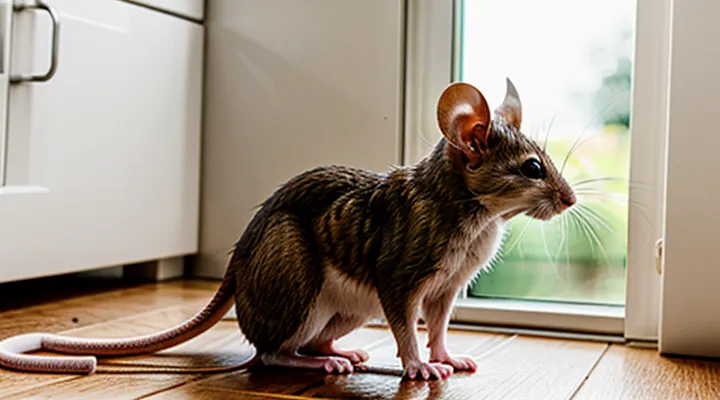
Understanding Musophobia «The Fear of Mice»
What Triggers the Fear?
Common Misconceptions About Mice
Mice are often misunderstood, which intensifies anxiety for people who share living spaces with them. Clarifying false beliefs removes unnecessary dread and supports practical coping.
- Mice are aggressive predators – they avoid confrontation, flee when threatened, and rarely bite unless provoked.
- All mice carry disease – only a minority harbor pathogens; proper sanitation limits health risks.
- A single mouse indicates a massive infestation – a lone sighting usually reflects a temporary foraging trip, not a hidden colony.
- Mice are attracted solely to food crumbs – they also seek shelter, warmth, and nesting material; eliminating entry points is more effective than constant cleaning.
- Poison is the safest control method – toxic baits pose hazards to pets, children, and non‑target wildlife; integrated traps and exclusion techniques reduce danger.
Understanding these points diminishes irrational fear and directs attention to evidence‑based measures such as sealing gaps, using humane traps, and maintaining a tidy environment. Accurate knowledge transforms apprehension into confident, measured action.
Psychological Factors
Fear of mice often originates from learned associations, innate threat detection, and individual temperament. Classical conditioning links the sight of a mouse to an unpleasant reaction, reinforcing avoidance. Evolutionary mechanisms predispose humans to react to small, fast-moving creatures as potential disease carriers, heightening vigilance. Personality traits such as high neuroticism amplify physiological arousal when a rodent appears, while low tolerance for uncertainty increases the perceived danger.
Cognitive distortions sustain the fear. Overestimation of the mouse’s size, belief that any encounter will lead to infestation, and catastrophizing potential harm create a feedback loop that intensifies anxiety. Memory bias reinforces negative experiences, causing the brain to prioritize mouse-related threats over neutral stimuli.
Addressing these psychological components involves:
- Systematic desensitization: gradual exposure to mouse images, sounds, and controlled live encounters while practicing relaxation techniques.
- Cognitive restructuring: challenging exaggerated beliefs, replacing “any mouse will cause a problem” with evidence‑based statements.
- Stress‑reduction training: mindfulness or breathing exercises to lower baseline arousal, reducing the impact of sudden rodent sightings.
- Personality‑focused coping: developing coping strategies for individuals with high neuroticism, such as scheduled worry periods and problem‑solving plans.
Implementing these interventions reduces the automatic fear response, enabling more rational interaction with occasional rodent presence in the household.
Practical Strategies for Managing Your Fear
Gradual Exposure Techniques
Start with Visuals «Pictures, Videos»
Begin by collecting clear, high‑resolution photographs of common house mice. Choose images that display the animal at various distances and angles, from close‑up details of fur and whiskers to full‑body shots in typical indoor settings. Pair each picture with a short caption describing size, behavior, and harmless nature.
Next, source short video clips that illustrate normal mouse activity: foraging, grooming, and moving along walls. Prefer videos with steady framing and minimal background noise. Watching these recordings repeatedly reduces shock value and builds familiarity with the creature’s routine movements.
Implement a systematic exposure routine:
- Review one photograph for 30 seconds, noting specific features without judgment.
- Follow with a 1‑minute video segment, focusing on the mouse’s calm actions.
- Record personal reactions in a brief log: heart rate, breathing pattern, and any anxiety spikes.
- Increase exposure length by 15 seconds each session, maintaining the same visual material until discomfort diminishes.
Create a visual reference board in a frequently visited area of the home. Attach printed images and QR codes linking to the chosen videos. Regular visual contact reinforces the perception of mice as ordinary, non‑threatening occupants of the household environment.
Finally, evaluate progress by comparing initial reaction logs with those after several weeks of consistent visual exposure. A marked reduction in physiological arousal indicates successful mitigation of fear through controlled visual desensitization.
Move to Indirect Exposure «Mouse Traps, Droppings»
Begin by introducing visual contact with mouse‑related objects while maintaining a safe distance. Place a conventional snap trap in an area where mice are known to travel, but keep the device out of immediate reach. Observe the trap’s structure, the bait, and the mechanism without attempting to handle it. This passive observation reduces anxiety by converting an abstract fear into a concrete, manageable scenario.
Next, incorporate evidence of mouse activity, such as droppings, into the exposure routine. Collect a small, sealed sample of fresh droppings from a low‑traffic corner. Hold the container at arm’s length, note the scent and appearance, then set it aside. Gradually decrease the distance over several sessions, allowing the nervous system to adapt to the stimulus without direct confrontation.
A systematic schedule reinforces progress:
- Day 1–2: View trap from 6 feet, note details for 2 minutes.
- Day 3–4: Reduce distance to 4 feet, repeat observation.
- Day 5–6: Approach to 2 feet, maintain calm breathing.
- Day 7–8: Hold droppings container at 4 feet, focus on sensory information.
- Day 9–10: Move container to 2 feet, sustain observation for 1 minute.
Each step should conclude with a brief relaxation period to prevent heightened arousal. Consistency, measured proximity, and controlled exposure to trap components and droppings gradually diminish the fear response, enabling confident coexistence with the presence of rodents in the home environment.
Consider Controlled Exposure «With Professional Help»
Controlled exposure, administered by a qualified specialist, provides a systematic pathway to diminish mouse‑related anxiety within the household environment. The process begins with a comprehensive assessment to identify the intensity of the fear response, personal triggers, and any co‑occurring conditions. This evaluation informs a tailored exposure plan that balances gradual confrontation with safety considerations.
A professional therapist guides each session, ensuring that exposure intensity progresses at a pace compatible with the client’s tolerance. The specialist also equips the individual with coping mechanisms—such as diaphragmatic breathing or cognitive reframing—to employ during encounters, thereby reinforcing resilience and reducing physiological arousal.
Typical exposure protocol includes:
- Preparation – education about mouse behavior, creation of a controlled setting, and establishment of a clear safety plan.
- Initial exposure – observation of a mouse from a safe distance, using video or a contained enclosure, without direct interaction.
- Incremental steps – gradual reduction of distance, introduction of tactile contact through a protective barrier, and eventual brief, supervised handling.
- Consolidation – repeated practice in real‑home scenarios, such as checking mouse traps or cleaning areas where rodents may appear, under therapist supervision.
- Evaluation – periodic reassessment of fear levels, adjustment of exposure intensity, and reinforcement of coping strategies.
Consistent participation yields measurable reductions in avoidance behavior and physiological symptoms. Ongoing monitoring by the professional ensures that progress remains steady and that any setbacks are addressed promptly, preserving the effectiveness of the intervention.
Cognitive Behavioral Approaches
Identifying Negative Thought Patterns
Fear of rodents often stems from distorted mental habits that exaggerate danger and minimize coping ability. Recognizing these habits is the first step toward reducing anxiety at home.
Common negative patterns include:
- Catastrophic amplification – assuming a single mouse sighting will lead to an infestation or serious harm.
- Selective attention – noticing every mouse movement while ignoring evidence of effective control measures.
- Overgeneralization – extending a single unpleasant encounter to all future interactions with rodents.
- Personalization – believing the presence of mice reflects personal failure or negligence.
- Thought‑action fusion – equating the thought of a mouse with an inevitable physical reaction, such as panic or paralysis.
To identify these patterns, follow a structured self‑monitoring routine:
- Record each mouse‑related incident in a brief log, noting the situation, immediate thoughts, and emotional intensity.
- Review entries daily, marking recurring themes that match the list above.
- Challenge each identified thought by asking for factual evidence: Is there proof of imminent danger? Have previous control efforts succeeded?
Documented awareness of distorted thinking creates a factual baseline, enabling targeted cognitive restructuring and practical measures that diminish fear within the household.
Replacing Fear-Inducing Thoughts with Rational Ones
Fear of mice often stems from imagined danger rather than actual risk. Identify the specific thought that triggers anxiety—such as “a mouse will bite or spread disease”—and evaluate it against factual evidence. Mice rarely bite humans and are not primary vectors for serious illness in a typical household. Recognizing this discrepancy reduces the emotional intensity of the fear.
Replace each fear‑inducing belief with a logical alternative:
-
Fear: “Mice are aggressive predators.”
Rational: “Mice are timid, avoiding contact with people.” -
Fear: “A mouse in the kitchen means contamination.”
Rational: “Mice may leave droppings, but proper cleaning eliminates any health concern.” -
Fear: “Seeing a mouse will cause a panic attack.”
Rational: “A brief exposure can be managed with controlled breathing and a focus on factual information.”
Practicing the substitution repeatedly trains the brain to default to evidence‑based judgments. Over time, the emotional response diminishes, allowing calm interaction with the home environment despite occasional rodent sightings.
Seeking Professional Help
When to Consult a Therapist
When the anxiety triggered by mice interferes with daily activities, professional help becomes necessary. Persistent panic attacks, sleeplessness, or avoidance of rooms where rodents might appear indicate that self‑help strategies are insufficient. If the fear limits work performance, social interactions, or leads to compulsive cleaning rituals, a therapist’s guidance is warranted.
Common signs that recommend consulting a mental‑health specialist include:
- Intense physiological responses (rapid heartbeat, sweating) at the mere thought of mice.
- Inability to enter the kitchen, pantry, or basement despite no immediate threat.
- Recurrent intrusive thoughts about infestation that dominate mental focus.
- Reliance on extreme measures (e.g., sealing all entry points, using excessive traps) that cause distress or damage.
- Development of secondary fears, such as avoidance of pet ownership or outdoor activities, linked to the original phobia.
A qualified therapist can provide evidence‑based interventions such as cognitive‑behavioral therapy, exposure techniques, and anxiety management tools. Early engagement prevents the fear from solidifying into a chronic condition and restores functional living environments. If any of the above criteria apply, schedule an appointment promptly.
Types of Therapy Available
Fear of rodents in a domestic setting can be reduced through several therapeutic approaches, each targeting the anxiety response from a different angle.
- Exposure therapy – Gradual, controlled encounters with mice, beginning with pictures and advancing to live observation, diminish avoidance behavior.
- Systematic desensitization – Combines relaxation techniques with incremental exposure, pairing calm states with increasingly realistic mouse stimuli.
- Cognitive‑behavioral therapy (CBT) – Identifies and restructures irrational thoughts about mice, replacing them with balanced assessments and coping strategies.
- Virtual‑reality exposure – Simulated environments provide safe, repeatable interaction without actual rodents, facilitating habituation.
- Relaxation training – Practices such as diaphragmatic breathing, progressive muscle relaxation, or mindfulness lower physiological arousal during exposure.
- Pharmacological support – Short‑term use of anxiolytics or beta‑blockers may ease acute symptoms, allowing other therapies to proceed more effectively.
Selecting a method depends on personal preference, severity of the phobia, and access to qualified professionals. Combining techniques—such as CBT with systematic desensitization—often yields the most durable reduction in mouse‑related anxiety.
Mouse Prevention and Control «Reducing Encounters»
Securing Your Home
Sealing Entry Points
Sealing entry points removes the most common route mice use to invade a residence, directly reducing the likelihood of encounters that trigger fear. Identify all potential openings, including gaps around pipes, vents, door frames, and foundation cracks. Use steel wool or copper mesh to block small holes, then apply a durable sealant such as silicone or expanding polyurethane foam to create a permanent barrier. For larger gaps, install metal flashing or cement patches before sealing.
- Inspect exterior walls, roof eaves, and basement for cracks larger than ¼ inch.
- Fill gaps with steel wool, then coat with waterproof sealant.
- Cover vent openings with mesh screens rated for rodent protection.
- Install door sweeps on all exterior doors and ensure weatherstripping is intact.
- Repair damaged siding, trim, and soffits to eliminate hidden entryways.
Regular maintenance of these barriers prevents new infestations, decreasing the frequency of mouse sightings and the associated anxiety they cause. By eliminating access points, the home environment becomes less inviting to rodents, allowing the fear response to diminish over time.
Proper Food Storage
Proper food storage reduces the attraction of rodents, directly supporting efforts to lessen anxiety about mouse presence at home. Seal all containers with airtight lids, store dry goods in metal or thick plastic bins, and keep pantry shelves free of spills. Regularly inspect packaging for tears and discard compromised items.
Key practices include:
- Transfer bulk items into smaller, resealable containers shortly after purchase.
- Label containers with purchase dates; rotate stock to use older supplies first.
- Maintain a clean environment by wiping down surfaces after each use and sweeping crumbs from floors and countertops.
- Store pet food in locked cabinets or elevated shelves, away from the main kitchen area.
Consistent application of these measures removes food sources that entice mice, thereby decreasing the likelihood of encounters and the accompanying fear.
Effective Mouse Trapping and Removal
Humane Trapping Options
Humane trapping provides a practical way to remove mice from a residence without causing unnecessary suffering, thereby reducing the anxiety associated with their presence.
Live‑catch traps are typically made of metal or sturdy plastic and feature a spring‑loaded door that closes when the animal steps onto a trigger plate. Effective use requires placing the trap along established rodent pathways, using a small amount of peanut butter, oats, or dried fruit as bait, and checking the device at least twice daily to prevent prolonged confinement. Once captured, the mouse should be released at least 100 meters from the home, preferably in a wooded or field area where shelter and food are available.
Multi‑capture live traps accommodate several individuals, allowing for repeated captures without resetting the device. These models often include a removable tray that simplifies cleaning and reduces stress on captured animals. Placement strategies mirror those for single‑catch traps, but the larger capacity makes them suitable for infestations involving multiple occupants.
Bucket traps combine a shallow container with a ramp and a trigger mechanism. The mouse climbs the ramp, falls into the bucket, and cannot escape. This design eliminates the need for a door and minimizes the risk of injury. Bait placement at the far end of the ramp encourages entry, and the transparent walls allow for visual monitoring.
When selecting a humane trap, consider the following criteria:
- Material durability: Metal constructions resist chewing and last longer than flimsy plastic.
- Ease of cleaning: Removable trays or smooth interiors prevent residue buildup.
- Trigger sensitivity: Adjustable pressure plates accommodate different mouse sizes.
- Size of capture chamber: Sufficient space reduces stress and prevents escape.
After release, seal entry points such as gaps around pipes, vents, and foundation cracks to prevent re‑entry. Regular inspection of the home’s exterior and interior eliminates new access routes, reinforcing the overall strategy for coping with rodent fears.
Professional Pest Control Services
Professional pest‑control operators begin with a thorough inspection of the residence. They locate entry points, identify signs of activity, and assess conditions that attract rodents. The inspection provides a factual basis for targeted action, removing uncertainty that fuels anxiety.
The service package typically includes:
- Sealing cracks, gaps, and utility openings to block access.
- Deploying bait stations or traps placed according to the infestation pattern.
- Applying rodent‑specific repellents in concealed areas.
- Conducting follow‑up visits to verify elimination and adjust measures.
These actions produce an immediate decline in mouse sightings, limiting direct encounters that trigger fear. Ongoing monitoring prevents re‑infestation, sustaining a calm environment over weeks and months.
When selecting a provider, verify state licensing, request documentation of past residential projects, and confirm a written guarantee covering recurrence. Transparent pricing and a clear schedule of visits further reduce uncertainty, reinforcing confidence in the solution.
Maintaining a Clean Environment
Regular Cleaning Practices
Consistent cleaning eliminates food residues and shelter, directly limiting mouse activity and easing the anxiety associated with their presence.
- Remove crumbs and spills promptly; wipe surfaces after meals.
- Store dry goods in sealed containers; inspect packaging for damage.
- Vacuum carpets and upholstery weekly; empty the vacuum bag into an outdoor trash bin.
- Clean behind appliances, under furniture, and inside cabinets; use a damp cloth to clear dust and droppings.
- Dispose of garbage in tightly sealed bins; take out trash daily.
Each action reduces the resources mice need to survive, decreasing the likelihood of sightings. Fewer encounters lower stress levels, making the home environment feel safer. Maintaining this routine creates a predictable, mouse‑free setting, which gradually diminishes fear.
Eliminating Hiding Spots
Eliminating hiding places reduces the likelihood of unexpected mouse encounters, which directly lowers anxiety. Identify and seal all potential entry points: gaps around pipes, vents, and baseboards; cracks in walls; openings under doors. Use steel wool, caulk, or expandable foam to fill small gaps; install door sweeps and weatherstripping for larger openings.
Clear clutter that offers shelter. Remove piles of cardboard, stacks of newspapers, and unused appliances from storage areas. Keep shelves organized and store items in sealed containers. Regularly vacuum corners and behind furniture to eliminate debris that rodents might use for nesting.
Maintain a clean kitchen environment. Store food in airtight containers, promptly clean crumbs, and keep countertops free of residue. Empty trash cans daily and use lids that close securely. Clean pet feeding areas after each meal to prevent lingering scents that attract mice.
Implement a systematic inspection schedule. Conduct monthly walkthroughs to detect new gaps, displaced objects, or signs of rodent activity. Document findings and address issues immediately to prevent re‑establishment of hiding zones.
By systematically removing concealment opportunities, the home becomes less inviting to mice, diminishing surprise sightings and easing the fear associated with their presence.