
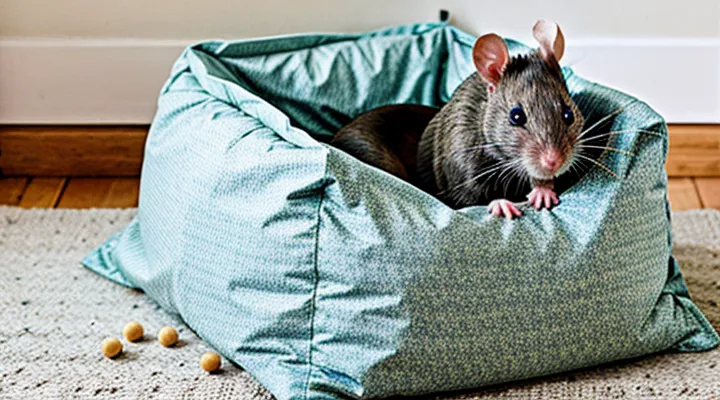
Why Make Your Own Rat Bed?
Benefits of DIY Rat Beds
Cost-Effectiveness
Creating a rat bed at home reduces expenses compared with purchasing commercial products. Raw materials such as untreated wood, shredded paper, and fabric scraps are inexpensive and often available from household waste or discount stores. By sourcing these items yourself, the total outlay can be kept under ten dollars for a fully functional enclosure.
- Wood platform: 2 × 4 ft pine board, $4‑$5.
- Bedding substrate: shredded newspaper, $1‑$2 per roll.
- Soft lining: old T‑shirt or fleece, $0‑$1 if repurposed.
- Fasteners: nails or zip ties, $0.50‑$1.
Labor time averages 30‑45 minutes for cutting, assembling, and adding bedding. The modest time investment translates into long‑term savings because the bed’s components are durable and replaceable individually. Replacing only worn fabric or adding fresh bedding costs a few cents per week, far lower than the recurring price of pre‑made cages.
Optimizing cost‑effectiveness involves three actions: (1) use reclaimed materials to eliminate purchase costs; (2) cut components to exact dimensions to avoid waste; (3) clean and sterilize reusable fabrics instead of buying disposable liners. Implementing these steps maintains a functional, hygienic habitat while keeping overall spending minimal.
Customization Options
When constructing a rat sleeping platform, tailoring dimensions, materials, and accessories enhances comfort and longevity. Selecting appropriate components allows the enclosure to match the animal’s size, activity level, and owner preferences.
- Size adjustment: Measure the rat’s length and plan a surface at least 1.5 times longer and 1.2 times wider. Extend the platform with additional panels for larger colonies.
- Material choice: Use untreated, chew‑safe woods such as birch or pine. Replace hard surfaces with soft, washable fabrics like fleece for added warmth.
- Insulation options: Insert a thin layer of non‑toxic padding between wood and fabric to regulate temperature. Consider removable thermal sheets for seasonal changes.
- Accessory integration: Attach climbing ropes, tunnels, or hide‑aways directly to the platform using stainless‑steel staples or non‑abrasive bolts. Include detachable feeding trays for easy cleaning.
- Modular design: Build the bed from interlocking sections that can be reconfigured. This enables quick adaptation as the rats grow or as the enclosure layout evolves.
- Cleaning features: Incorporate a smooth underside that slides out for vacuuming. Use removable fabric covers that are machine‑washable.
By systematically addressing each element, the rat bed can be customized to deliver optimal hygiene, durability, and enrichment.
Health and Safety Considerations
When constructing a rat bed, prioritize the animal’s health and prevent hazards that could compromise safety.
- Choose non‑toxic materials; avoid treated wood, paints, or adhesives containing phenols, formaldehyde, or heavy metals.
- Ensure structural stability; support beams must bear the weight of the rat and any bedding without cracking or collapsing.
- Provide adequate ventilation; incorporate airflow gaps or breathable fabric to prevent moisture buildup and mold growth.
- Eliminate sharp edges; sand all surfaces smooth and round corners to avoid cuts or abrasions.
- Use washable, hypoallergenic bedding; replace regularly to reduce parasite infestation and bacterial colonization.
- Keep the bed away from electrical cords or heating elements; maintain a minimum distance of 12 inches to avoid burns or electrocution.
- Implement easy‑clean design; detachable panels or removable covers simplify disinfection with mild soap and water.
Adhering to these measures creates a secure environment that supports the rat’s well‑being while minimizing risk of injury or illness.
Materials and Tools You'll Need
Fabric Choices for Rat Beds
Fleece: The Preferred Option
Fleece provides the optimal surface for a homemade rat enclosure. Its softness reduces the risk of skin irritation, while its low‑pile texture prevents matting and allows easy cleaning. The material’s durability withstands repeated washing without losing loft, ensuring a consistent sleeping platform for weeks.
Key advantages of fleece:
- High absorbency captures moisture, keeping the interior dry.
- Quick‑dry properties limit bacterial growth.
- Non‑abrasive surface protects delicate paws and whiskers.
- Lightweight design simplifies cutting and stitching.
When selecting fleece, choose a medium‑weight fabric (approximately 250–350 gsm). Avoid blends with excessive polyester, as they can retain odors. Pre‑wash the material to remove finishes that might irritate rodents. After cutting to the desired dimensions, stitch a hem around the edges to prevent fraying and to create a pocket for inserting a washable insert if desired.
Maintenance involves routine laundering at 30 °C with a mild detergent. Air‑dry or tumble‑dry on low heat to preserve softness. Inspect seams regularly for tears; repair promptly to maintain a secure habitat. Using fleece in a DIY rat bed delivers a hygienic, comfortable environment that supports health and activity.
Other Safe Fabric Alternatives
When selecting fabric for a homemade rat sleeping platform, prioritize materials that are non‑toxic, easy to clean, and free of loose fibers that could be ingested. Below are safe alternatives that meet these criteria.
- Cotton flannel – soft, breathable, and machine‑washable; select 100 % cotton without chemical finishes.
- Fleece (polyester) – provides warmth and comfort; choose low‑pile fleece to prevent snagging.
- Bamboo fabric – naturally antimicrobial and highly absorbent; verify that the textile is pure bamboo viscose without added dyes.
- Hemp canvas – sturdy, breathable, and resistant to mold; pre‑wash to remove any processing residues.
- Linen – strong, breathable, and quick‑drying; use undyed, organic linen to avoid chemical exposure.
- Tencel (lyocell) – derived from sustainably sourced wood pulp, offers smooth texture and excellent moisture management; ensure the fabric is free of fire‑retardant treatments.
- Organic muslin – lightweight and loosely woven, allowing airflow; double‑layer if additional padding is desired.
Key preparation steps apply to all options:
- Cut fabric to the desired dimensions, leaving a 1‑inch margin for stitching if a removable cover is planned.
- Wash the pieces in hot water with a mild, unscented detergent; rinse thoroughly to eliminate detergent residues.
- Dry completely before assembly to prevent mildew.
- If stitching, use a fine‑gauge, rust‑free needle and plain cotton thread; avoid decorative stitches that could create loose ends.
- Inspect the finished surface for frayed edges; trim or seal any exposed threads with a fabric‑safe sealant.
By following these guidelines, the resulting rat bed will be comfortable, hygienic, and safe for continuous use.
Fabrics to Avoid
When constructing a rat bed, the fabric selection directly influences the animal’s comfort, hygiene, and safety. Certain textiles create hazards that outweigh any aesthetic appeal.
- Synthetic fleece and polyester blends – generate static electricity, trap moisture, and shed micro‑fibers that rodents can ingest.
- Rough wool or felt – contain coarse fibers that can irritate delicate skin and cause abrasions.
- Fabric with loose threads or frayed edges – present choking or entanglement risks if the rat gnaws and pulls them apart.
- Materials treated with chemical dyes or flame retardants – may release toxic substances when chewed or exposed to heat.
- Heavy canvas or denim – retain heat, become damp quickly, and are difficult to clean, fostering bacterial growth.
Avoid fabrics that shed, retain moisture, or contain harmful chemicals. Opt for tightly woven, untreated natural fibers such as plain cotton or unbleached linen, which provide softness, breathability, and ease of laundering. Regularly inspect the bedding for wear; replace any fabric showing signs of damage to maintain a safe environment.
Essential Tools for Bed Making
Scissors and Cutting Mats
Scissors and cutting mats are indispensable tools when constructing a homemade rat bed. Their proper selection and use determine the precision of fabric cuts, the safety of the work surface, and the longevity of the materials.
Choosing the right scissors involves evaluating blade material, length, and ergonomics. Stainless‑steel blades resist corrosion from moisture and bedding debris. A blade length of 6–8 inches provides sufficient leverage for cutting fabric, fleece, or cardboard without excessive hand strain. Handles with rubberized grips reduce fatigue during repetitive cuts.
A cutting mat protects both the work surface and the scissors. Look for a self‑healing mat that restores its surface after each cut, ensuring consistent accuracy. Thickness of 3–4 mm offers durability while remaining flexible enough to fold for storage. A mat featuring a grid pattern assists in measuring and aligning pieces before cutting.
Maintenance guidelines:
- Clean scissors after each session with a damp cloth; apply a light oil to the pivot to prevent rust.
- Inspect blades for nicks; sharpen or replace if cutting resistance increases.
- Wipe the mat with a mild detergent; avoid solvents that could degrade the surface.
- Store scissors in a sheath or dedicated compartment to protect the blades.
- Roll or fold the mat without folding it sharply to maintain the self‑healing layer.
By adhering to these specifications, the builder ensures clean, accurate cuts, reduces material waste, and creates a safe environment for both the craftsman and the rats.
Sewing Machine vs. Hand Sewing
When constructing a small rodent sleeping pad, the choice between a mechanical stitcher and manual stitching determines speed, seam strength, and material handling.
A sewing machine delivers rapid, uniform stitches. It easily penetrates dense fabrics such as fleece or denim, allowing multiple rows of reinforcement without fatigue. The needle’s consistent depth creates seams that resist fraying when the rat gnaws or claws the edges. Machine tension can be adjusted to accommodate lightweight cotton batting, preventing puckering. The primary drawback is the need for power, a stable work surface, and occasional maintenance of bobbins and needles.
Hand sewing offers complete control over stitch length and placement. Fine, invisible stitches can be placed around delicate trim or decorative elements that a machine might miss. Portable tools enable work in confined spaces, useful for on‑the‑spot repairs. Manual effort limits the length of continuous stitching, and repetitive motions may lead to uneven tension, reducing seam durability under constant chewing.
Practical comparison:
- Speed – machine: high; hand: low
- Seam uniformity – machine: consistent; hand: variable
- Power requirement – machine: electricity; hand: none
- Portability – machine: limited; hand: high
- Control over delicate areas – machine: moderate; hand: high
For a basic rat bed, a machine provides the quickest, strongest construction. If the design includes intricate embellishments or must be assembled without electricity, hand stitching remains a viable alternative. Selecting the method aligns with available tools, desired finish, and the expected wear from the pet’s activity.
Measuring Tapes and Rulers
Accurate dimensions ensure a rat bed fits the cage and provides a stable surface. Use a flexible measuring tape for curved edges and a rigid ruler for straight cuts; both tools must be calibrated before work.
A metal tape with a lockable blade offers durability and resistance to stretching. A clear‑backed plastic ruler provides quick reference for short lengths. Choose a tape marked in both inches and centimeters to accommodate different pattern units.
- Measure the interior length of the cage floor. Record the value, then subtract 0.5 in (1.3 cm) to allow clearance.
- Measure the width at the narrowest point. Reduce the result by 0.25 in (0.6 cm) to avoid crowding.
- Determine the desired height of the bedding platform. Standard rats benefit from a 2‑inch (5 cm) rise; adjust based on available space.
- Verify each dimension twice before marking the material.
After marking, place the ruler along the line, align the tape at the start point, and cut with a sharp utility knife. Re‑measure the cut piece to confirm compliance; trim any excess. Repeating this check after each step prevents cumulative errors and yields a snug, functional rat bed.
Step-by-Step Guide to Making a Simple Fleece Hammock
Preparing Your Fabric
Measuring and Cutting
Accurate dimensions ensure the structure fits the cage and provides a safe enclosure for the rodents. Begin by measuring the interior length, width, and height of the cage, allowing a 1‑2 cm clearance on each side to accommodate ventilation and movement. Record the measurements in centimeters or inches, depending on the tools available.
Select a sturdy, non‑toxic material such as untreated pine, birch plywood, or acrylic sheet. Verify that the material thickness is at least 5 mm to prevent warping under the weight of bedding and accessories. Use a metal ruler or tape measure to transfer the recorded dimensions onto the material, drawing straight lines with a fine‑point marker.
Proceed with cutting:
- Secure the material on a stable work surface with clamps.
- Align a fine‑toothed saw (e.g., a Japanese pull saw or a precision panel saw) with the marked line.
- Cut slowly, maintaining the saw blade perpendicular to the surface to avoid angled edges.
- After each cut, inspect the edge for splinters; sand lightly with fine‑grade sandpaper if necessary.
- Repeat the process for all sides, ensuring each piece matches the original measurements within ±0.5 cm.
Finally, test the assembled pieces by placing them together inside the cage. Minor adjustments can be made by trimming excess material or sanding uneven edges before securing the final joints. This systematic approach to measuring and cutting produces a reliable, custom‑fitted rat bed.
Hemming the Edges
Hemming the edges gives the rat bed a finished look and prevents fraying of the fabric or fleece that forms the sleeping surface. A clean hem also reduces the chance of the animal catching a loose thread, which could lead to injury.
Materials required:
- Soft fabric or fleece cut to the dimensions of the bed
- Matching thread or nylon cord
- Sewing needle or heavy‑duty stapler (optional)
- Scissors
- Measuring tape or ruler
Procedure:
- Measure the perimeter of the fabric and fold the edge inward ¼ inch (6 mm). Press the fold with fingertips to create a crisp line.
- Fold the edge again ¼ inch (6 mm) so the raw edge is concealed inside the double fold. This creates a narrow channel for stitching.
- Secure the folded edge with a few temporary pins or a few staple hits to keep it in place while sewing.
- Stitch a straight seam along the folded edge using a tight, even stitch. A running stitch of 2–3 mm spacing provides sufficient strength; a lockstitch on a sewing machine works well for thicker fleece.
- Remove pins or staples, then turn the fabric right‑side‑out. The hem should lie flat without puckering.
Tips for durability:
- Use a thread that matches the fabric’s color and tensile strength; polyester or nylon thread resists stretching.
- If the bed will be moved frequently, add a second row of stitching a few millimeters inside the first seam.
- For very soft fleece, a lightweight fabric glue applied to the folded edge before stitching can reinforce the hem without adding bulk.
A properly hemmed perimeter extends the life of the rat bed, maintains a tidy appearance, and ensures a safe, comfortable environment for the pet.
Assembling the Hammock
Sewing the Main Body
To construct the central part of a DIY rat bed, gather fabric, thread, a sewing needle or machine, scissors, and a ruler. Choose a durable, breathable material such as cotton canvas; avoid fabrics that shed fibers which could be ingested.
- Measure the desired dimensions. A common size is 12 in × 8 in × 4 in (length × width × height). Add ½ in to each edge for seam allowance.
- Cut two identical rectangles for the top and bottom panels and two strips for the side walls. The side strips should be the bed’s length plus seam allowance and the height plus seam allowance.
- Align the side strips with the edges of one rectangle, right sides together, and sew a continuous seam to form a tube. Use a straight stitch of ¼ in length; reinforce corners with backstitches.
- Turn the tube inside out so stitching is concealed. Press the seams flat with an iron set to a low temperature appropriate for the fabric.
- Place the second rectangle over the open ends of the tube, right sides together. Stitch around the perimeter, leaving a 2‑in opening for turning.
- Turn the entire assembly right side out through the opening. Close the opening with a hand‑stitched slipstitch or a machine blind stitch for a neat finish.
The resulting shell provides a sturdy, washable enclosure that can be filled with bedding material. Adjust dimensions to suit larger or smaller rodents, but maintain consistent seam allowances to ensure structural integrity.
Adding Hanging Loops
When constructing a DIY rat bed, hanging loops provide a simple way to suspend accessories, keep the enclosure tidy, and prevent the pet from chewing on loose cords.
Select a sturdy, non‑toxic material such as cotton rope, nylon webbing, or thin steel cable. The diameter should be at least 3 mm to support the weight of typical hamster hammocks, chew toys, or feeding stations without stretching.
Attach the loops securely to the frame:
- Identify two opposite points on the cage’s metal bars where the load will be balanced.
- Drill or punch a 4 mm hole through each bar, ensuring the opening does not compromise structural integrity.
- Thread the chosen material through the holes, leaving a 2‑inch tail on each side.
- Tie a double reef knot, then pull the ends tight to eliminate slack.
- Trim excess material flush with the knot to avoid dangling strands.
Before use, test each loop by applying a gradual load of up to 200 g. Observe for any slippage or deformation; reinforce with an additional knot if necessary. Position hanging items at least 2 inches away from the cage walls to give the rats ample space to climb and explore safely.
Attaching to the Cage
When a homemade rat bed is placed inside the cage, secure attachment prevents shifting, maintains hygiene, and protects the structure from chewing damage. Follow these precise steps to anchor the bed safely.
- Choose a mounting method compatible with the cage material (metal, plastic, or wire). For metal cages, use stainless‑steel screws or self‑tapping bolts; for plastic, opt for nylon screws with washers to avoid cracking.
- Drill pilot holes through the bed’s frame at the designated attachment points. Align holes with the cage’s sidebars or crossbars, ensuring a clearance of at least 2 mm to accommodate movement without binding.
- Insert screws or bolts through the frame and into the cage bars. Tighten until the bed is firmly fixed but not over‑compressed, which could deform the frame.
- Add a non‑slip rubber washer or silicone pad between the bed and cage surface. This layer reduces vibration and prevents the bed from rattling when the rats move.
- Verify stability by applying moderate pressure to the bed’s edges. The unit should resist wobble and remain level; adjust screw tension if any movement is detected.
If the cage lacks solid bars, employ zip ties or heavy‑duty Velcro strips. Thread zip ties through pre‑drilled holes in the bed, then loop them around the cage’s mesh, pulling tight to create a locked connection. For Velcro, attach the hook side to the cage frame with adhesive‑backed strips, then press the loop side onto the bed’s underside.
Regularly inspect the attachment points for wear, rust, or loosening. Replace corroded hardware promptly to preserve the integrity of both the cage and the bedding structure.
Alternative DIY Rat Bed Designs
Snuggle Sacks and Pouches
Pattern Considerations
When designing a rat bed, the pattern determines comfort, durability, and ease of construction. Measure the animal’s length and add 1‑2 inches to accommodate stretching and turning. A width of 1½‑2 times the length provides sufficient room without excess material. Decide between a rectangular or oval shape; rectangles fit standard fabric cuts, while ovals reduce material waste and mimic natural burrows.
Select a pattern that incorporates a pocket or flap for a removable liner. Include a seam allowance of ¼‑½ inch around all edges; this prevents fraying and allows for stitching with a standard sewing machine. Reinforce corners with a small triangle or gusset if the design includes a raised edge to keep the bedding from collapsing.
Key pattern elements:
- Cut pieces: two identical outer panels, one inner liner, and optional edge trim.
- Seam placement: align seams on the interior side to hide stitching.
- Closure method: zipper, velcro, or overlapping flap, chosen for ease of cleaning.
- Material orientation: place the fabric’s grain parallel to the longest side to maintain strength.
Finalize the pattern by drafting a simple sketch, labeling each piece, and noting dimensions and seam allowances. Verify that the layout fits on the chosen fabric width to minimize waste before cutting. This systematic approach ensures a functional, long‑lasting rat bed.
Sewing Instructions
Create a sturdy, comfortable sleeping platform for a pet rat by following these sewing steps. Gather fabric, batting, thread, a sewing needle or machine, and a pattern sized to the animal’s body length plus a few centimeters for movement.
- Cut two rectangles of soft, breathable fabric (e.g., cotton flannel) measuring approximately 12 cm × 20 cm.
- Cut a piece of lightweight batting to the same dimensions; this provides cushioning without adding bulk.
- Place the fabric pieces right sides together, insert the batting between them, and align edges.
- Pin the layers securely, then stitch around the perimeter using a 0.5 cm seam allowance. Leave a 5 cm opening on one short side.
- Turn the assembled pouch right side out through the opening, ensuring the batting is evenly distributed.
- Close the opening with a blind stitch or a small, neat topstitch, maintaining a smooth interior surface.
- Optional: Add a detachable flap by cutting an additional strip of fabric (2 cm × 12 cm), folding it in half, and stitching one edge to the bed’s side for easy cleaning.
After completion, wash the bed on a gentle cycle and tumble dry low to preserve softness. Inspect seams regularly for wear, reinforcing any frayed areas promptly to extend the bed’s lifespan. This method yields a reusable, hygienic sleeping area that supports the rat’s natural nesting behavior.
Cube Beds
Constructing the Frame
When building a rat bed, the frame provides the essential support structure. Begin by selecting a sturdy, non‑toxic material such as untreated pine, birch plywood, or reclaimed hardwood. Cut the material into four equal lengths for the sides; typical dimensions are 12 inches tall by 10 inches wide, but adjust to suit the size of your rodents.
Secure the corners with wood glue and reinforce with small brad nails or stainless‑steel screws to prevent wobbling. Apply a thin layer of non‑slip silicone adhesive on the interior edges to improve stability without exposing the animals to chemicals.
Next, attach a cross‑brace at the midpoint of each long side. Use a ½‑inch thick dowel or metal rod, positioned perpendicular to the sides, to eliminate sagging under the weight of bedding. Fasten the brace with two screws on each end, ensuring the head of each screw sits flush with the wood surface.
Finally, sand all exposed edges smooth, then coat the entire frame with a water‑based, pet‑safe sealant. Allow the sealant to cure for at least 24 hours before adding the nesting material. This process yields a durable, safe foundation for a homemade rat sleeping platform.
Covering with Fabric
A fabric covering protects a rat’s nest, adds warmth, and simplifies cleaning. Choose a breathable, washable material such as cotton flannel or fleece; avoid fabrics that shed fibers or retain moisture.
- Measure the base dimensions; cut the fabric to extend 2–3 cm beyond each edge.
- Fold the excess edges inward and stitch a simple hem to prevent fraying.
- Lay the fabric over the padded core, aligning corners for a snug fit.
- Secure the fabric with a few non‑toxic staples or a light stitch at each corner, ensuring the cover remains flat.
- Trim any excess material, then wash the cover before placing it on the bed.
The finished cover can be removed, laundered, and reinstalled without disassembling the entire enclosure.
Maintaining and Cleaning Your Rat Beds
Regular Cleaning Schedule
Spot Cleaning Tips
Spot cleaning keeps a DIY rat nest hygienic without dismantling the entire structure. Use a soft cloth or paper towel to lift visible debris, then apply a small amount of diluted white‑vinegar solution (1 part vinegar to 4 parts water) directly on the stained area. Allow the liquid to sit for 30–60 seconds, then blot until the spot is dry.
- Choose absorbent, non‑scratch bedding (e.g., shredded paper) that releases waste easily.
- Keep a dedicated cleaning kit—cloth, spray bottle, and pet‑safe disinfectant—within arm’s reach.
- Apply the solution sparingly; excess moisture can cause mold growth in the substrate.
- After blotting, place a dry towel over the area for 5–10 minutes to absorb residual dampness.
- Rotate the nest periodically so worn sections are replaced before they become heavily soiled.
Avoid harsh chemicals such as bleach or ammonia; they can irritate a rat’s respiratory system. Test any cleaning agent on a small, hidden patch first to confirm that the material does not discolor or break down. Once the spot is dry, return the rat to the refreshed area and monitor for any signs of discomfort. Regular spot cleaning, combined with weekly full‑bed changes, maintains a clean environment while preserving the nest’s structural integrity.
Deep Cleaning Methods
Deep cleaning ensures the rat bed remains hygienic, reduces odor, and prevents disease. Begin by disassembling the bedding structure; remove all fabric, wood, or plastic components and place them in a separate area for treatment.
- Soak fabric panels in hot water (minimum 60 °C) with a mild enzymatic detergent for 30 minutes. Rinse thoroughly, then tumble dry on high heat or air‑dry in a well‑ventilated space.
- Submerge wooden slats in a solution of diluted bleach (1 part bleach to 9 parts water) for 10 minutes. Scrub with a stiff brush, rinse with clean water, and allow to dry completely before reassembly.
- For plastic frames, apply a non‑abrasive cleaner and a soft cloth, then rinse and dry. Avoid abrasive pads that could damage the surface.
After all components are dry, reassemble the bed and add a fresh layer of bedding material. Perform this deep cleaning cycle every 4–6 weeks, or whenever visible contamination occurs, to maintain a safe environment for the rats.
When to Replace Your Rat Beds
Replace rat bedding promptly when it shows visible wear, odor, or contamination. A soiled surface can harbor bacteria, parasites, and ammonia, increasing the risk of respiratory problems and skin infections.
Typical indicators for replacement include:
- Discoloration or staining from urine, feces, or food.
- Persistent sour smell despite regular cleaning.
- Frayed or torn fabric, shredded edges, or loose seams.
- Accumulation of droppings or nesting material that cannot be removed.
- Signs of mold, mildew, or dampness on the material.
Even if the bed appears clean, schedule a full replacement every 4–6 weeks for standard cotton or fleece options. For high‑absorbency fabrics, extend the interval to 8 weeks, but monitor the same wear indicators. Seasonal changes may accelerate deterioration; increase replacement frequency during humid summer months.
When replacing, clean the cage thoroughly with a mild, pet‑safe disinfectant, rinse well, and allow complete drying before installing the new bed. Use a fresh, unscented material to avoid introducing artificial fragrances that can stress rodents. Regular inspection and timely replacement maintain a hygienic environment and support the health of pet rats.