
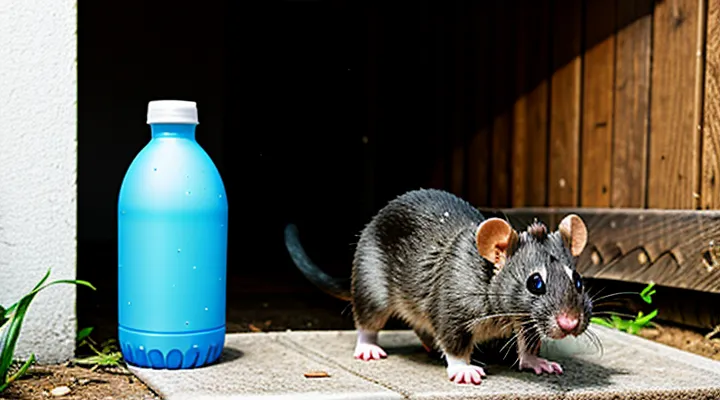
«Why Choose a Bottle Rat Trap?»
«Advantages of DIY Traps»
DIY rat traps crafted from bottles offer practical benefits that outweigh commercial alternatives. Construction requires only inexpensive, readily available materials, reducing overall cost while providing a reusable solution for recurring infestations.
- Low expense: a standard plastic bottle and a few simple accessories cost a fraction of a store‑bought trap.
- Customizable design: dimensions and bait placement can be altered to target specific rodent sizes and behaviors.
- Easy maintenance: components can be disassembled, cleaned, and reassembled without specialized tools.
- Environmental impact: repurposing a bottle eliminates waste and avoids the plastic packaging associated with retail products.
- Immediate availability: no waiting for shipments; the trap can be assembled on site as soon as the problem is identified.
These advantages make homemade bottle traps an efficient, adaptable, and sustainable choice for effective rodent control.
«Environmental and Safety Considerations»
When building a bottle-based rodent trap, the choice of materials directly affects ecological impact. Use clear, recyclable plastic containers rather than styrofoam or non‑recyclable composites. Avoid adhesives containing solvents that could leach into the environment; instead, opt for non‑toxic tape or silicone sealants approved for food‑contact applications.
Key safety and environmental points:
- Location selection: Place traps away from water sources, wildlife corridors, and areas frequented by children or pets to prevent accidental ingestion or non‑target capture.
- Non‑target protection: Incorporate a mesh barrier or entry slit sized for rats only, reducing the risk of harming birds, insects, or small mammals.
- Sanitation: Wear disposable gloves when handling bait and disposing of captured rodents. Clean the bottle with hot, soapy water or a diluted bleach solution (1 % concentration) before reuse.
- Disposal: Seal dead rodents in a biodegradable bag and discard according to local waste‑management regulations. Recycle the bottle after thorough cleaning; do not litter or burn plastic components.
- Chemical avoidance: Do not add poisons, pesticides, or strong scents to the bait. Natural attractants such as peanut butter or fruit preserve are sufficient and eliminate secondary poisoning hazards.
Adhering to these guidelines ensures the trap functions effectively while minimizing ecological disturbance and protecting human health. Compliance with regional wildlife protection statutes and occupational safety standards further reduces liability and promotes responsible pest control.
«Gathering Your Materials»
«Essential Tools and Supplies»
«Bottle Selection Criteria»
Choosing the right bottle directly influences the success of a rodent trap built from a container.
- Capacity of 500 ml to 1 L provides sufficient space for a rat while remaining manageable.
- Neck diameter of 2–3 cm allows a rat to enter but prevents easy escape.
- Transparent material enables visual monitoring of capture without opening the trap.
- Rigid plastic or glass resists cracking under repeated handling and exposure to outdoor conditions.
- Wide mouth facilitates placement of bait and insertion of a one‑way entry device.
- Secure screw‑on or snap‑on lid ensures a tight seal when the trap is set.
- Low cost and ready availability reduce overall project expense and simplify replacement.
Apply these criteria to match the target pest size, deployment environment, and maintenance schedule, ensuring consistent performance of the bottle‑based rat capture system.
«Bait Recommendations»
Choosing the right attractant determines whether a bottle trap captures rodents efficiently. Fresh, high‑protein foods stimulate the strongest response in rats because they rely on scent to locate nourishment. Recommended items include:
- Cooked chicken or turkey, shredded into small pieces.
- Hard‑boiled eggs, halved or quartered.
- Peanut butter, applied in a thin layer on a piece of cardboard.
- Canned tuna, drained and broken into flakes.
- Cheese with a strong aroma, such as cheddar or blue, cut into cubes.
When using meat, ensure it is unseasoned and free of spices that might deter the animal. For plant‑based alternatives, ripe fruit such as banana or apple can be effective, but they spoil quickly and should be replaced every 24 hours. Combining a protein source with a small amount of sweet attractant, like a dab of honey, can increase appeal without compromising the trap’s cleanliness.
Placement of the bait matters as well. Position the lure near the entrance of the bottle, secured with a small piece of wire or a toothpick to prevent it from falling into the container. Avoid using strong detergents or scented cleaners on the bottle, as residual chemicals interfere with the scent trail. Replace bait promptly after capture or when it begins to dry, maintaining a potent odor that draws rats from a distance.
«Safety Precautions During Preparation»
When assembling a bottle trap for rodents, follow strict safety measures to protect yourself and others.
- Wear disposable gloves to prevent direct contact with bait and any potential pathogens.
- Use a clean, well‑ventilated area away from food preparation surfaces.
- Keep the trap out of reach of children and pets; store it in a locked cabinet until deployment.
- Cut the bottle with a sharp utility knife or scissors, applying steady pressure and cutting away from the body to avoid accidental lacerations.
- Disinfect the bottle after cutting with a solution of 70 % isopropyl alcohol or a diluted bleach mixture; allow it to air dry before adding bait.
- Dispose of used bait and any contaminated materials in a sealed plastic bag, then place the bag in a trash container designated for hazardous waste.
- Label the trap clearly with “Contains bait – do not touch” to warn anyone handling it later.
Before beginning, verify that all tools are in good condition, replace damaged blades, and ensure that personal protective equipment is available. Failure to observe these precautions can result in skin irritation, accidental ingestion of harmful substances, or injury from sharp edges.
«Step-by-Step Construction Guide»
«Preparing the Bottle»
«Cutting and Shaping»
Select a clear, sturdy plastic bottle with a capacity of 1–2 liters. Remove the label, rinse thoroughly, and let it dry completely.
Mark a cutting line about two‑thirds up from the base. Use a sharp utility knife or a clean pair of scissors to slice through the plastic in a single, smooth motion. Apply steady pressure to avoid jagged edges.
Trim the top portion to create a funnel shape. Cut a circular opening slightly larger than the bottle’s neck, then cut a second, smaller opening at the apex of the funnel. The smaller opening will serve as the entry point for rodents.
Smooth all cut edges with sandpaper or a deburring tool. Run the sandpaper along each edge until no sharp fragments remain. This step prevents injury to the animal and reduces the risk of the trap tearing.
Optional modifications:
- Cut a small notch near the top to attach a bait holder.
- Score a shallow groove around the funnel’s rim to reinforce the shape with tape or heat‑shrink tubing.
After shaping, assemble the trap by inserting a bait platform into the funnel and securing the bottle upright on a stable surface. The final structure directs rodents into the narrow exit, where they become trapped.
«Creating the Entrance»
The entrance is the critical point where a rat commits to the trap. Proper construction ensures the animal can enter easily but cannot escape.
Begin with a clean, empty plastic bottle of one litre capacity. Cut the bottle near the top, leaving a 2‑inch margin above the neck. Smooth the cut edge with sandpaper or a knife to prevent damage to the rat’s whiskers.
Create a funnel by rolling the cut section inward until it forms a cone that narrows toward the bottle’s opening. Secure the shape with strong tape or a zip‑tie, making sure the apex points into the bottle interior. The funnel must be wide enough for a rat to pass without hesitation but narrow enough to block backward movement.
Attach the entrance to the bottle’s neck. Insert a small piece of PVC pipe or a sturdy straw into the bottle opening, extending the funnel’s tip outward by 1–2 inches. Seal the joint with silicone sealant or waterproof tape to eliminate gaps.
Bait placement is essential. Position a small amount of peanut butter, dried fruit, or meat at the base of the funnel, just inside the bottle. The scent should be strong enough to draw the rat from a distance but limited to a pea‑sized amount to avoid spillage.
Finally, test the entrance by observing a rat’s approach. The animal should slip through the funnel, reach the bait, and become trapped by the bottle’s narrow neck. Adjust the funnel angle or seal any leaks if the rat hesitates or escapes.
Key steps for creating the entrance:
- Cut the bottle near the top, leaving a 2‑inch margin.
- Form a cone from the cut section; secure it.
- Insert a PVC pipe or straw to extend the funnel.
- Seal all joints with tape or silicone.
- Place a minimal amount of bait at the funnel’s base.
- Verify functionality and make adjustments as needed.
«Assembling the Trap Mechanism»
«Attaching the Bait Holder»
Securely mounting the bait holder is essential for a functional bottle rat trap. Begin by selecting a sturdy piece of wire or a small metal hook that can support the weight of the bait without bending. Cut the wire to a length of about 2–3 inches, leaving a short tail for attachment.
- Form a small loop at one end of the wire by twisting the metal around a pair of pliers.
- Insert the loop through the neck of the bottle, positioning it just below the cut edge where the trap opening will be.
- Pull the loop through the bottle wall until the wire sits flush against the exterior, creating a stable anchor point.
- Attach a second loop on the opposite side of the wire, creating a “U” shape that will hold the bait platform.
- Place a disposable plastic lid or a piece of cardboard on the “U” shape; this will serve as the bait holder. Secure the platform by twisting the free tails of the wire around it, ensuring the bait rests flat and cannot slip out.
Check that the bait holder is firmly attached by gently tugging on the platform; it should remain immobile. A well‑secured holder prevents bait displacement when the trap is moved or when a rat interacts with the device.
«Setting the Trigger»
When preparing a bottle‑based rat trap, the trigger mechanism determines whether the device will activate reliably. The trigger must respond to the animal’s weight while remaining stable enough to avoid false releases caused by wind or minor vibrations.
Key components for an effective trigger include:
- A sturdy cardboard or wooden platform positioned inside the bottle’s neck, serving as the pressure surface.
- A pivoted lever or spring‑loaded arm attached to the platform, calibrated to tip when a rat steps onto it.
- A release latch that holds the baited bait platform in place until the lever is depressed, then allows the bottle to tip or the door to open.
Installation steps:
- Cut a circular disc slightly larger than the bottle’s opening; secure it with adhesive so it forms a snug seal.
- Attach the lever to the disc’s edge using a small nail or screw, ensuring the free end rests just above the bait platform.
- Position the latch so that the lever’s motion lifts the latch, freeing the platform and causing the bottle to collapse.
- Test the trigger with incremental weights to confirm the activation threshold matches the typical weight of a rat (approximately 200‑300 g).
A well‑adjusted trigger provides consistent operation, minimizing the need for frequent maintenance and increasing capture efficiency.
«Final Checks and Adjustments»
Before using the trap, verify that the entry opening matches the target size. The hole should be just large enough for a rat to squeeze through while discouraging larger non‑target animals. Test the opening with a finger or a small object; adjust with a utility knife or scissors as needed.
Check the bait placement. Secure the attractant at the bottom of the bottle so it does not shift when the animal enters. If the bait is loose, use a small piece of mesh or a dab of adhesive to keep it stationary.
Inspect the bottle for cracks, leaks, or weak seals. Fill the trap with water or a non‑toxic liquid to the recommended level, then press the lid firmly. Look for drips around the rim; reinforce with waterproof tape if any seepage appears.
Position the trap in an area of known rat activity, away from human foot traffic and pet pathways. Place it on a flat surface and, if necessary, elevate it slightly using a brick or wooden block to align with the animal’s natural travel routes.
Monitor the trap after deployment. Check it at least twice daily for captures, and reset any disturbed components. Replace bait and refill liquid promptly to maintain effectiveness.
«Setting and Monitoring the Trap»
«Strategic Placement of Traps»
«Identifying Rat Activity Areas»
Locating rat activity zones is essential for positioning a bottle trap where it will encounter the greatest traffic.
Visible evidence includes fresh droppings (dark, cylindrical, 1‑2 cm long), urine stains that darken surfaces, and gnaw marks on wood, plastic, or wiring. These signs cluster near food sources, water points, and shelter.
Structural clues consist of burrow entrances (small holes with loose soil), worn pathways along walls or baseboards, and nests built from shredded material. Rats often travel along the same routes, leaving compacted footprints and shredded insulation.
- Inspect kitchens, pantries, and storage areas for droppings and gnaw marks.
- Follow trails from food containers to waste bins, noting any repeated patterns.
- Examine walls, under appliances, and behind furniture for holes or compacted soil.
- Use a flashlight to reveal urine stains on dark surfaces and to trace faint footprints.
- Map identified points, prioritizing locations with multiple signs within a 2‑meter radius.
Place the bottle trap directly on the mapped pathways, positioning the baited end near droppings or gnaw marks. Secure the trap to prevent displacement and ensure the opening faces the direction of observed traffic. This placement maximizes capture probability by exploiting the rats’ established movement corridors.
«Optimizing Trap Location»
Place the trap where rats naturally travel. Identify runways that connect food sources, water, and nesting sites; these paths concentrate activity and increase capture probability.
Select locations that provide shelter and darkness. Rats avoid open, brightly lit areas, so position the bottle under debris, inside a cabinet, or against a wall where shadows prevail. Ensure the spot is free from heavy foot traffic that could disturb the device.
Consider environmental factors that affect bait longevity. Cool, dry places preserve attractants longer, reducing the need for frequent replenishment. Avoid areas prone to flooding or excessive moisture, which can compromise the bottle’s integrity.
Implement a systematic placement process:
- Conduct a visual survey of the property to locate droppings, gnaw marks, and grease trails.
- Mark each suspected runway on a floor plan.
- Prioritize intersections of multiple runways for trap placement.
- Install a bottle at each chosen point, securing it to prevent displacement.
- Monitor daily for captures and relocate any unused traps to higher‑traffic intersections.
Regularly rotate trap positions based on observed activity patterns. Relocating devices after several days prevents rats from learning trap locations and maintains pressure across the infestation area. This approach maximizes catch rates while minimizing bait waste.
«Regular Inspection and Maintenance»
«Checking for Catches»
After assembling the bottle trap, regular inspection determines whether it is functioning and when to intervene. Early detection prevents prolonged suffering and reduces the risk of escape, ensuring the device remains effective throughout its deployment.
- Examine the bottle at least twice daily; morning checks catch nocturnal activity, evening checks confirm recent captures.
- Look through the transparent side for any movement or signs of debris that indicate a rat has entered.
- If a rat is present, approach calmly, cover the bottle with a cloth to prevent panic, and gently tilt the trap to release the animal into a prepared container.
- Clean the interior with hot water and a mild detergent after each capture to eliminate scent cues that might deter future visitors.
- Reset the bait and reposition the trap if needed, ensuring the entry hole remains unobstructed.
Consistent monitoring sustains trap efficiency and provides reliable data on capture rates.
«Re-baiting and Resetting»
Re‑baiting restores the trap’s lure after a capture or after the bait loses potency. Fresh bait preserves the scent gradient that draws rodents into the bottle, preventing a decline in catch rates. The process also eliminates contamination from dead prey, which can deter further activity.
Procedure for re‑baiting and resetting
- Remove the bottle from its mounting point; wear gloves to avoid transferring human odor.
- Discard any remaining bait and inspect the interior for debris; rinse with a mild detergent solution, then rinse thoroughly with water and allow to dry completely.
- Apply a measured amount of fresh, high‑protein bait (e.g., peanut butter, dried fish, or canned cat food) to the designated bait platform, ensuring an even coating that does not spill into the trap’s entrance.
- Re‑attach the bottle securely to its support, confirming that the entry hole remains unobstructed and the seal is tight.
- Record the time of reset to monitor bait lifespan; replace bait every 48–72 hours or sooner if moisture or spoilage is observed.
Consistent re‑baiting and prompt resetting maintain the trap’s effectiveness, extending its operational period without additional hardware.
«Handling and Disposal of Rats»
«Humane Options for Live Traps»
When constructing a bottle‑based rat trap, selecting a humane live‑capture method reduces stress on the animal and simplifies release. A clear, smooth‑sided container prevents injury during entry, while a narrow exit channel guides the rat toward a release point without causing entanglement.
Key characteristics of an ethical live trap include:
- Transparent or semi‑transparent walls for visual monitoring, allowing timely checks and preventing prolonged confinement.
- A smooth interior surface, such as polished glass or PET, that eliminates sharp edges and reduces the risk of cuts.
- A gentle slope or ramp leading to a secured release hatch, ensuring the rat can exit voluntarily when the trap is opened.
- Adjustable entry size, sized to admit a rat but exclude larger non‑target species, minimizing by‑catch.
Implementation steps:
- Cut a standard soda bottle at the neck, preserving a smooth taper that serves as the entry tunnel.
- Attach a small, hinged latch to the bottle’s opening; the latch remains closed when the trap is set and opens with minimal force when released.
- Secure a short, inclined plank inside the bottle, directing the rat toward the latch opening.
- Position bait at the far end of the tunnel, using a low‑odor food item to attract the rat without overwhelming its senses.
After capture, transport the trap in a ventilated container, open the latch in an outdoor area away from dwellings, and allow the rat to exit unimpeded. Clean the bottle with mild detergent before resetting to maintain hygiene and prevent odor buildup. This approach balances efficacy with animal welfare, aligning trap construction with humane pest‑management standards.
«Disposal Methods for Deceased Rats»
When a rat captured in a bottle trap dies, immediate and safe disposal prevents odor, disease spread, and secondary infestations. The following methods are recommended for handling deceased rodents:
- Burial: Dig a hole at least 12 inches deep, place the carcass inside, and cover with soil. Choose a location away from vegetable gardens and water sources to avoid contamination.
- Sealed plastic bag: Place the dead rat in a heavy‑duty, zip‑lock bag, expel excess air, and seal tightly. Dispose of the bag in an outdoor trash receptacle that is collected regularly.
- Incineration: Use a metal container or fire pit, ensuring the fire reaches a temperature of 600 °F (315 °C) for complete combustion. Allow ashes to cool before scattering them in an uninhabited area.
- Composting: Incorporate the carcass into a high‑temperature compost bin that maintains at least 140 °F (60 °C) for several days. This method requires strict monitoring to prevent pathogen survival.
- Professional pest‑control service: Contact licensed waste‑disposal providers who can collect and destroy the remains in accordance with local health regulations.
Each method must comply with municipal ordinances and health codes. Selecting the appropriate disposal technique depends on available resources, environmental considerations, and legal requirements. Proper execution eliminates health risks associated with trapped rodents and maintains the effectiveness of the bottle trap system.
«Sanitation After Capture»
After a rat is removed, immediate sanitation prevents disease spread and protects subsequent trap performance.
- Wear disposable gloves while handling the carcass.
- Place the dead rodent in a sealed, puncture‑resistant bag; discard the bag in a municipal waste container designated for animal waste.
- Rinse the bottle interior with hot water to eliminate blood and tissue residues.
- Soak the trap in a solution of 1 part household bleach to 9 parts water for at least five minutes; agitate to reach all surfaces.
- Rinse thoroughly with clean water, then dry with a disposable paper towel or allow air drying in a well‑ventilated area.
- Store the cleaned trap in a sealed plastic bag or airtight container until the next deployment.
Regularly replace gloves and cleaning supplies to maintain hygiene standards. Failure to follow these steps can contaminate the environment and reduce the trap’s effectiveness.
«Troubleshooting Common Issues»
«Trap Not Activating»
When a bottle rat trap fails to trigger, the issue typically lies in the trigger mechanism, placement, or bait selection. Identify the malfunction before rebuilding the device.
- Verify that the trigger wire or string is taut enough to move the bottle’s neck when a rat pulls the bait. Loose or overly stiff material prevents activation.
- Ensure the bait is secured but not obstructed; a piece of cheese or peanut butter should hang just beyond the bottle’s opening, allowing the rat to reach it without pushing the bottle away.
- Check the bottle’s orientation; the neck must slope downward so gravity assists the trigger. A level or upward‑facing neck reduces the force applied by the animal.
- Examine the entry hole for size consistency; a hole too large lets the rat escape without contacting the trigger, while a hole too small restricts entry and causes hesitation.
- Inspect for debris or residue on the trigger surface; any buildup can jam movement.
Correct the identified fault, re‑tighten or replace the trigger component, reposition the trap according to the listed guidelines, and refresh the bait daily. After adjustments, test the mechanism with a small weight to confirm reliable activation before deploying the trap.
«Rats Avoiding the Trap»
Rats frequently ignore bottle traps when certain conditions are present. Their natural wariness, combined with specific trap characteristics, reduces capture rates.
Key reasons for avoidance:
- Unappealing bait scent – strong or unfamiliar odors deter rodents.
- Improper placement – locations with high foot traffic or near alternative food sources lessen interest.
- Insufficient entry angle – steep or narrow openings make entry difficult.
- Visible trap components – clear plastic or bright colors alert rats to the danger.
- Inadequate moisture – dry interiors fail to simulate a safe shelter.
To improve effectiveness when constructing a bottle trap for rats, address each factor:
- Select a bait with a mild, familiar aroma such as peanut butter or dried fruit; test for acceptance before full deployment.
- Position the trap along established runways, close to walls, and away from competing food sources.
- Cut the bottle opening to create a gradual slope of at least 45 degrees, ensuring easy ingress.
- Use opaque or darkened bottles to conceal the trap’s interior from the rodent’s sight.
- Add a small water source or damp cloth to maintain humidity, mimicking a protected nest environment.
Implementing these adjustments directly counters the behaviors that cause rats to bypass bottle traps, thereby increasing capture success.
«Durability and Reuse Tips»
A durable bottle rat trap withstands repeated use and exposure to outdoor conditions without losing effectiveness. Selecting materials and applying simple preservation methods extend the trap’s service life and reduce waste.
- Choose a high‑density PET bottle; thicker walls resist cracking and maintain shape after multiple captures.
- Reinforce the bottle’s rim with heat‑shrink tubing or silicone sealant to prevent deformation when the trap is hung or placed in a wind‑prone area.
- Apply a thin coat of waterproof spray to the exterior; this blocks moisture absorption and slows UV degradation.
- Install a stainless‑steel or coated wire hook for suspension; corrosion‑resistant hardware eliminates rust that could weaken the trap.
- Clean the interior after each use with a mild detergent and rinse thoroughly; removing residues prevents odor buildup that could deter future activity.
- Store the trap in a shaded, dry location when not in use; limiting sunlight and humidity preserves the plastic’s structural integrity.
Consistent application of these measures yields a trap that remains functional for months, minimizes replacement costs, and aligns with sustainable pest‑control practices.