
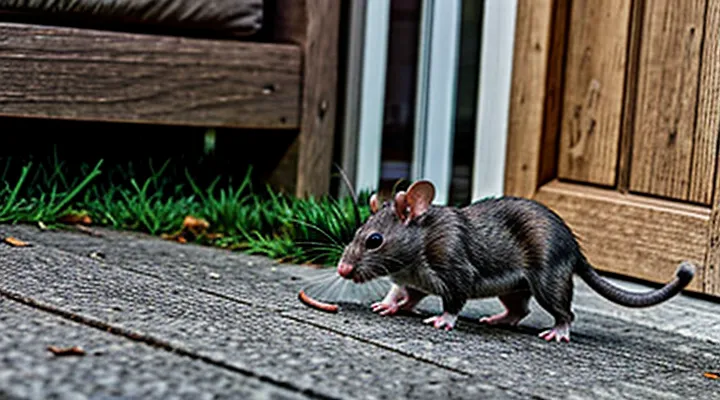
Understanding Rat Behavior
Why Rats Hide
Natural Instincts
Rats rely on innate foraging and territorial cues when emerging from concealed areas. Food odors that mimic natural seeds, grains, or insects trigger the search drive, prompting movement toward the source. Introducing a modest amount of high‑protein bait, such as dried mealworms or peanut butter, creates a scent gradient that rats follow instinctively.
Predator‑related stimuli also exploit survival instincts. A faint, synthetic ferret scent or recorded rustle of foliage can provoke curiosity and cause rats to investigate perceived threats, often leading them into open spaces where traps can be placed.
Social behavior influences exposure. Rats emit ultrasonic calls when locating food or safe routes. Playing recorded conspecific vocalizations near entry points stimulates the urge to join a perceived feeding group, encouraging individuals to exit hiding spots.
Environmental factors reinforce natural patterns. Maintaining a low‑light environment that mimics dusk, when rats are most active, aligns with their crepuscular rhythm and increases the likelihood of emergence. Adjusting temperature to a mild range (20–22 °C) also supports comfortable foraging activity.
Practical application
- Place bait along established runways, ensuring a clear scent trail.
- Add a subtle predator scent at the opposite end of the runway to guide movement.
- Deploy recorded rat vocalizations near the bait to stimulate social foraging.
- Dim ambient lighting and keep ambient temperature within the preferred range.
By leveraging these instinctual drivers, rats transition from hidden shelters to exposed areas, allowing effective control measures.
Search for Food and Shelter
Rats emerge from concealment primarily when they detect reliable sources of nourishment and safe nesting sites. Understanding these motivations enables effective attraction strategies.
- Place high‑protein, aromatic foods such as peanut butter, dried fruit, or cooked meat near suspected entry points. The strong scent penetrates crevices and triggers foraging behavior.
- Use bait stations that protect the food from weather while allowing easy access. Weather‑proof containers maintain scent potency and prevent spillage that could alert non‑target species.
- Provide temporary shelter by arranging insulated cardboard boxes, wooden shavings, or rolled newspaper in quiet corners. Rats gravitate toward enclosed spaces that mimic natural burrows.
- Position shelter materials adjacent to food sources. The proximity creates a combined incentive: a safe resting spot within reach of a meal.
- Refresh bait every 24–48 hours to sustain interest. Stale food loses olfactory appeal, reducing the likelihood of rats investigating the area.
- Avoid strong cleaning agents or disinfectants near bait locations. Residual chemicals mask food odors and deter rodents.
By concentrating edible attractants and temporary hideaways in strategic locations, rats are compelled to leave hidden areas and reveal their presence for monitoring or control measures.
Common Hiding Spots
Inside Walls and Ceilings
Rats that nest behind drywall, joists, or ceiling insulation are rarely seen until damage appears. Identify their presence by listening for scratching, noting droppings, and inspecting for gnaw marks near entry points such as utility openings, vent grills, or gaps around pipes. Seal obvious openings with steel wool, copper mesh, or expanding foam before attempting to draw the animals out.
Place bait where rodents can reach it without exposing the bait to non‑target species. Recommended locations include:
- Small holes drilled a few inches above the floor inside wall cavities, covered with a removable plug that holds a piece of peanut butter‑coated cheese or a commercial rodent lure.
- Ceiling joist gaps accessed from attic hatch, using a shallow dish of bait secured with tape.
- Utility chases where rats travel, attaching a baited trap to the side of the conduit.
Use a gradual approach: start with low‑risk bait stations, monitor activity for 24‑48 hours, then increase bait quantity if no response. Once rats begin visiting the bait, replace stations with snap traps or live‑capture cages positioned in the same cavities. After capture, re‑inspect the structure, repair any damaged insulation, and apply a permanent barrier such as metal flashing around all penetrations.
Maintain vigilance by scheduling monthly checks of the bait stations and re‑sealing any new gaps discovered during routine maintenance. Consistent monitoring prevents re‑infestation and ensures that hidden rodents are removed promptly.
Basements and Attics
Rats frequently choose basements and attics because these areas offer darkness, shelter, and easy access to food sources. The low traffic in these spaces reduces disturbance, allowing rodents to establish nests and multiply undetected.
Identify entry points by inspecting walls, floor joists, and utility penetrations. Look for gnaw marks, droppings, and shredded insulation. Seal openings larger than ¼ inch with steel wool, copper mesh, or concrete, as rodents can chew through softer materials.
Create an environment that discourages lingering:
- Reduce clutter and store boxes off the floor.
- Keep stored items in sealed plastic containers.
- Install proper ventilation to lower humidity levels.
- Remove water sources by fixing leaks and using drip trays.
Deploy baited devices near known activity zones. Preferred baits include peanut butter, dried fruit, or fish oil, applied to snap traps, live-catch cages, or electronic devices. Position traps along walls, behind stored items, and near entry points, ensuring they are stable and not obstructed.
Monitor traps daily, replace bait as it loses potency, and record captures to assess population trends. After confirming removal, conduct a final inspection to verify that no new signs of activity appear before reinstating stored items.
Maintain preventive measures by conducting quarterly checks of seals, cleaning debris, and limiting food availability. Consistent vigilance in basements and attics sustains a rat‑free environment.
Kitchens and Pantries
Kitchens and pantries provide the most attractive environment for rats because food, water, and shelter are readily available. The first step in coaxing rodents out of these spaces is to remove all accessible sustenance. Store dry goods in sealed, rodent‑proof containers; clean crumbs and spills immediately; and keep trash bins tightly covered. Eliminating the incentive forces rats to seek food elsewhere, increasing the likelihood that they will encounter bait or traps placed strategically.
- Position snap or electronic traps along walls, behind appliances, and near entry points where rats travel.
- Apply strong‑smelling attractants such as peanut butter, dried fruit, or commercial rodent lures on trap surfaces.
- Deploy scent‑based deterrents (e.g., peppermint oil or ammonia) away from trap sites to guide rats toward the baited areas.
- Seal gaps around pipes, vents, and cabinets with steel wool or metal mesh to restrict movement and direct traffic toward capture devices.
Maintain a regular inspection schedule. Check traps daily, replace bait, and record activity to identify hot spots. After successful captures, conduct a thorough sanitation sweep: vacuum debris, disinfect surfaces, and repair any structural damage that could provide new hiding places. Consistent removal of food sources combined with targeted trapping creates an environment where rats are compelled to leave concealed areas in search of nourishment, ultimately reducing their presence in kitchens and pantries.
Gardens and Outdoors
Rats conceal themselves in dense foliage, low ground cover, and garden debris, making detection difficult. Effective removal begins with altering the habitat to reduce hiding places and encourage movement.
- Clear fallen leaves, mulch, and excess compost from pathways and planting beds.
- Trim hedges, grasses, and groundcover to a height of 6‑8 inches, exposing the soil surface.
- Eliminate standing water by fixing irrigation leaks and draining puddles.
- Place bait stations near known activity zones, using high‑protein items such as peanut butter, dried fish, or boiled eggs.
- Apply natural attractants (e.g., anise oil, cinnamon) along predictable travel routes to create scent trails.
- Install temporary shelter disruptions, such as rolling logs or moving stone piles, to force rats to relocate.
- Position predator cues—artificial owl silhouettes or cat urine—near entry points to heighten alertness and movement.
After deploying lures, inspect stations at dawn and dusk when rats are most active. Replace depleted bait promptly, and secure traps to prevent accidental capture of non‑target species. Maintain regular garden sanitation to sustain low‑population conditions and minimize re‑infestation.
Strategies to Lure Rats Out
Food-Based Lures
Type of Bait
Effective bait selection determines the success of any effort to draw rats from concealed areas. Rats respond to specific food odors, texture, and nutritional content; matching these preferences maximizes capture rates.
- Peanut butter – strong scent, high fat content, adheres to trap surfaces, remains attractive over time.
- Dry cat or dog food – granular texture releases aroma gradually, appeals to omnivorous diet.
- Sunflower seeds – natural rodent favorite, easy to handle, resistant to spoilage.
- Fresh fruit pieces (apple, banana) – sweet aroma stimulates curiosity, but requires frequent replacement to avoid fermentation.
- Meat scraps or fish oil – powerful protein odor, highly effective for aggressive foragers, must be sealed to prevent decay.
- Commercial rodent blocks – formulated with attractants and slow‑release chemicals, designed for prolonged use.
Choose bait based on the target environment: indoor settings favor low‑mess options like peanut butter, while outdoor infestations tolerate meat or fish oil. Rotate baits periodically to prevent habituation; consistent freshness preserves olfactory appeal. Proper placement—near wall voids, along runways, and adjacent to entry points—enhances exposure and increases the likelihood of rats emerging from hiding.
Bait Placement Strategies
Effective bait placement maximizes attraction while minimizing avoidance. Select a bait that matches local rat preferences—peanut butter, dried fruit, or high‑protein pet food—then position it where rats travel unnoticed.
- Place bait along walls, near baseboards, or behind appliances; rodents avoid open spaces.
- Use small, single‑serving portions to prevent spillage that could alert rats to human activity.
- Position bait at low height, approximately 2–4 inches above the floor, aligning with the natural runway path.
- Deploy bait in clusters of two to three stations spaced 6–10 ft apart; this creates a scent trail encouraging movement.
- Refresh bait every 24–48 hours to maintain potency and discourage habituation.
- In areas with heavy debris, hide bait under loose material or inside insulated pipe sections to conceal scent from predators while remaining accessible to rats.
Monitor stations regularly, noting which locations yield activity. Adjust placement based on observed patterns, moving bait toward less trafficked zones until rats consistently emerge from concealed areas.
Scent-Based Lures
Pheromone Traps
Pheromone traps exploit rats’ natural chemical communication to draw individuals from concealed areas into a capture device. The lure consists of synthetic analogues of rat‑produced scent markers that trigger investigative behavior, especially in sexually active or territorial rodents.
Effective deployment requires the following actions:
- Choose a trap model that incorporates a sealed chamber and a pheromone dispenser designed for rodents.
- Position the trap along established runways, near nesting sites, or adjacent to food sources.
- Secure the device at ground level, ensuring the scent can disperse without obstruction.
- Replace the pheromone cartridge according to the manufacturer’s schedule, typically every two to four weeks, to maintain potency.
- Monitor trap activity daily; remove captured rats promptly to prevent escape and reduce stress on the device.
Pheromone traps provide several advantages. They target rats without reliance on toxic baits, limiting exposure to non‑target species and domestic pets. The method works indoors and outdoors, as the scent remains effective in a range of temperatures and humidity levels. Additionally, the visual presence of a trap can deter further intrusion by signaling a hostile environment.
Limitations include reduced attraction during periods of low breeding activity, when rats produce fewer social cues. In dense infestations, a single trap may capture only a fraction of the population; multiple units increase coverage. Environmental factors such as strong ventilation or heavy rain can dilute the scent, necessitating strategic placement away from drafts and moisture.
Integrating pheromone traps with complementary tactics—such as sealing entry points, removing food residues, and employing mechanical exclusion—creates a comprehensive strategy for coaxing hidden rats out of shelter and achieving long‑term control.
Natural Scents
Natural olfactory cues provide a reliable method for coaxing rats from concealed areas. Rodents rely heavily on scent for foraging and territorial behavior, making specific aromas effective tools for exposure.
- Peanut butter – strong, fatty odor that attracts both wild and domestic rats.
- Apple or pear slices – sweet, fermenting scent stimulates curiosity.
- Coconut oil – rich smell mimics natural food sources, especially in humid environments.
- Catnip (nepetalactone) – irritates sensory receptors, prompting investigation.
- Mild garlic or onion extract – pungent aroma draws rats seeking protein.
Application guidelines:
- Place a small amount (approximately one teaspoon) of the chosen scent on a disposable platform near suspected entry points.
- Refresh the bait every 24 hours to maintain potency.
- Position the platform on a flat surface to prevent spillage and ensure visibility.
- Monitor activity with motion‑activated cameras or trail‑marking powder to confirm movement.
Safety considerations:
- Use food‑grade substances to avoid toxic exposure to non‑target species.
- Keep scented bait out of reach of children and pets.
- Dispose of used bait in sealed containers to prevent secondary infestations.
- Record observations and adjust scent type or placement based on rat response patterns.
Environmental Manipulation
Creating Uncomfortable Conditions
Creating conditions that disrupt a rat’s sense of safety forces it to abandon concealed areas and seek more tolerable environments. Remove any material that offers insulation, such as shredded paper, insulation foam, or stacked firewood. Replace dense bedding with smooth, hard surfaces that impede nesting. Seal gaps larger than a quarter‑inch to prevent new entry points, and install metal flashing around vents and pipe openings.
- Reduce ambient temperature by lowering heating in attics or crawl spaces; rats prefer warm, stable climates.
- Decrease moisture by fixing leaks, using a dehumidifier, and ventilating damp zones; low humidity discourages nesting.
- Increase illumination with motion‑activated lights; sudden brightness interrupts nocturnal activity.
- Introduce low‑frequency sound devices that emit frequencies uncomfortable for rodents; continuous noise interferes with communication.
- Apply predator‑derived scents, such as fox urine or ferret oil, on perimeters; olfactory cues trigger avoidance behavior.
These measures collectively raise the physiological and psychological cost of staying hidden, prompting rats to venture into exposed areas where traps or exclusion methods become effective.
Removing Hiding Spots
Eliminate every potential refuge to force rodents into open areas where bait or traps can work effectively. Begin by inspecting walls, ceilings, and floor joists for cracks, gaps, or loose insulation. Seal openings with steel wool, caulk, or metal mesh; these materials resist chewing and prevent re‑entry. Remove clutter such as cardboard boxes, piles of laundry, and unused appliances that provide cover. Store food containers in sealed metal or glass vessels and keep garbage in tightly fitted lids.
Maintain a clean environment to discourage rats from establishing new hideaways. Sweep debris from basements, attics, and crawl spaces daily. Trim vegetation that touches the building, and keep shrubs trimmed away from exterior walls to reduce access points. Repair damaged screens, vents, and door sweeps promptly.
- Identify all structural gaps larger than ¼ inch.
- Apply durable sealing materials to each gap.
- Dispose of nesting material and remove shelter‑giving objects.
- Conduct a weekly visual check to confirm that no new hiding spots have appeared.
Consistent removal of concealment areas deprives rats of safety, compelling them to emerge where control measures can be applied.
Preparing for Rat Removal
Safety Precautions
Personal Protective Equipment
When attempting to draw rats out of concealment, direct contact with the animals or their droppings poses a high risk of disease transmission, bite injuries, and respiratory irritation. Protective barriers therefore become a non‑negotiable element of any safe operation.
Essential personal protective equipment includes:
- Thick, puncture‑resistant gloves (nitrile or leather) to prevent bites and skin exposure to urine or feces.
- Disposable coveralls or a lab coat with sealed cuffs to limit contamination of clothing.
- Eye protection such as safety goggles or a full face shield to guard against splashes and airborne particles.
- A properly fitted N95 or higher‑efficiency respirator with a disposable filter for protection against aerosolized pathogens and dust.
- Closed‑toe, slip‑resistant footwear with steel toe caps for additional foot protection.
Each item must be inspected before use, ensuring integrity of seams, straps, and filters. Replace damaged or compromised gear immediately to maintain a sealed barrier.
During the lure process, maintain a clean work area, dispose of used PPE in sealed biohazard containers, and perform hand hygiene after removal. Consistent adherence to these safeguards minimizes health hazards while improving the likelihood of successfully coaxing rodents from their hiding places.
Securing Food and Water Sources
Securing food and water eliminates the primary incentive for rats to remain concealed. Remove all accessible sustenance to compel rodents to search elsewhere, where they become more visible.
- Store dry goods in sealed, rodent‑proof containers; metal or heavy‑gauge plastic with tight‑locking lids prevents gnawing.
- Clean kitchen surfaces after each meal; sweep crumbs, wipe spills, and dispose of leftovers in containers with secure lids.
- Keep pet food in airtight bins; feed pets only at scheduled times and remove uneaten portions promptly.
- Install tight‑fitting lids on trash cans; empty waste daily and place bins on a solid surface that rats cannot climb.
- Eliminate standing water by fixing leaks, draining puddles, and storing water containers upside down when not in use.
- Use moisture‑absorbing mats or dehumidifiers in damp areas such as basements, crawl spaces, and under sinks.
By denying rats easy access to nourishment, they are forced to venture from hidden nests in search of food and water, increasing the likelihood of detection and facilitating further control measures.
Choosing a Removal Method
Trapping Methods
Effective trapping requires precise bait placement, appropriate trap selection, and systematic monitoring. Choose devices that capture or kill rodents without allowing escape, and position them along established runways, near walls, or close to food sources.
- Snap traps: steel bar delivers lethal force; ideal for quick kills; use high‑protein bait such as peanut butter or dried fish.
- Live‑catch cages: wire mesh enclosure with one‑way entry; suitable for relocation; secure with sturdy latch and cover to prevent release.
- Glue boards: adhesive surface traps movement; best for secondary infestations; handle with gloves to avoid skin contact.
- Electronic traps: voltage pulse kills instantly; rechargeable battery provides repeated use; pair with scented attractant for increased success.
Key considerations include:
- Bait selection: match food preference of the target species; rotate scents to prevent habituation.
- Trap density: deploy at least one device per 10‑square‑foot area of activity.
- Safety: keep traps out of reach of children and non‑target animals; follow manufacturer instructions for disposal.
- Monitoring: check traps daily, record captures, and reset promptly to maintain pressure on the population.
Consistent application of these methods forces concealed rats onto visible pathways, enabling rapid reduction of the infestation.
Professional Pest Control
Professional pest control services address concealed rodent activity through systematic attraction and removal strategies. Technicians begin with a thorough inspection to locate entry points, nesting sites, and travel pathways. Data gathered during this phase guides the placement of attractants and devices.
- Deploy high‑potency, odor‑based baits in identified travel corridors; position them low to the ground and away from non‑target species.
- Install snap or electronic traps at wall voids, behind appliances, and within wall cavities; use trigger mechanisms calibrated for rodent size.
- Apply exclusion measures such as steel‑wool, metal flashing, or expanding foam to seal gaps larger than ¼ inch.
- Implement environmental modifications: remove food debris, store waste in sealed containers, and eliminate standing water sources.
- Conduct continuous monitoring with motion‑sensing cameras or passive infrared sensors to confirm activity and adjust bait locations accordingly.
Follow‑up visits verify trap success, assess for new ingress, and reinforce exclusion work. All actions comply with local regulations and safety standards, minimizing health risks while ensuring effective eradication of hidden rats.
Post-Lure Actions
Sealing Entry Points
Identifying Access Points
Effective removal of concealed rodents starts with pinpointing every route they use to enter a building. Identify entryways before deploying bait or traps; otherwise, animals will simply retreat to unseen passages.
Inspect the structure systematically. Look for signs such as gnaw marks, droppings, and disturbed insulation. Conduct a visual sweep during daylight, then repeat at night with a flashlight to reveal hidden openings. Use a piece of flour or talc to dust suspected gaps; footprints left behind confirm active use.
- Gaps beneath exterior doors and windows
- Openings around utility lines (electric, plumbing, gas)
- Vents and exhaust fans lacking screens
- Cracks in foundation, walls, and roof sheathing
- Unsealed gaps around pipe penetrations and conduit sleeves
- Loose or missing weatherstripping
Record each location, measure its dimensions, and prioritize larger or frequently used points. After documentation, seal openings with appropriate materials—steel wool, hardware cloth, expanding foam, or cement—ensuring a durable barrier that prevents re‑entry. Once all access routes are secured, bait and traps placed in interior zones will attract rats that can no longer retreat to hidden exits.
Materials for Sealing
Effective sealing prevents rats from re‑entering once they have been coaxed out of concealed spaces. Choose materials that resist gnawing, conform to irregular gaps, and endure environmental conditions.
- Steel wool: dense fibers block small openings; combine with caulk for added durability.
- Copper mesh: harder than steel wool, resists chewing; suitable for larger vents and ducts.
- Expanding polyurethane foam: fills irregular cracks, expands to seal; apply in thin layers to avoid excess buildup.
- Silicone or acrylic caulk: seals seams around pipes and windows; maintain flexibility for slight movement.
- Concrete or mortar: permanently fills large holes in foundations or walls; cure fully before exposing to moisture.
- Metal flashing or sheet metal: covers gaps around roof eaves and soffits; fasten with screws or rivets to prevent displacement.
Preparation steps:
- Identify all potential entry points by inspecting walls, floors, ceilings, and utility penetrations.
- Clean each opening to remove debris and rodent residue; contamination can compromise adhesion.
- Insert the chosen barrier material, ensuring it fits tightly without leaving voids.
- Secure the barrier with appropriate fasteners or sealants; verify that no gaps remain.
- Monitor sealed areas regularly for signs of damage or new activity, and repair promptly.
Using the appropriate sealing materials in conjunction with removal tactics creates a comprehensive strategy that eliminates hiding spots and discourages future infestations.
Sanitation and Prevention
Regular Cleaning
Regular cleaning eliminates food residues, water sources, and shelter that attract rodents, making the environment unsuitable for hidden rats. Removing these incentives forces them to search for more hospitable areas, increasing the likelihood that they will emerge from concealed locations.
Key cleaning actions:
- Sweep and vacuum floors daily to collect crumbs and droppings.
- Wipe countertops, tables, and appliance surfaces with a disinfectant after each use.
- Empty trash bins before they overflow; seal lids tightly.
- Clean pet feeding stations and store food in airtight containers.
- Wash dishes promptly; avoid leaving dishes soaked overnight.
- Inspect and clean behind appliances, under furniture, and in storage closets weekly.
Consistent removal of attractants reduces the rats’ perceived safety net. When food and water are scarce, rats expand their foraging range, often leaving nests to seek resources elsewhere. This behavioral shift creates opportunities for traps and exclusion measures to be more effective.
Maintain a cleaning schedule:
- Daily: surface cleaning, dishwashing, trash management.
- Weekly: deep cleaning of hidden areas, inspection for droppings.
- Monthly: thorough sanitation of storage rooms, ventilation ducts, and crawl spaces.
Adhering to this regimen sustains an inhospitable setting, compelling concealed rats to surface where control methods can be applied.
Proper Waste Management
Proper waste management directly influences rodent behavior by eliminating concealed food sources and creating predictable foraging patterns. When waste is stored in sealed containers, rats lose access to hidden sustenance, prompting them to search for alternative supplies. This search can be guided toward baited areas, making the rats more visible and easier to control.
Key practices include:
- Use airtight, lidded bins for all organic waste.
- Position containers away from building foundations and entry points.
- Schedule regular collection to prevent overflow and odor buildup.
- Separate compostable material from general refuse and keep it in a dedicated, tightly sealed unit.
- Clean spills immediately and scrub surfaces that may retain food residues.
By enforcing these measures, waste becomes a predictable resource rather than a concealed lure. Predictability encourages rats to leave hidden nests and travel to designated feeding stations where bait can be placed effectively. The result is a controlled environment where rodent activity is observable and manageable.