
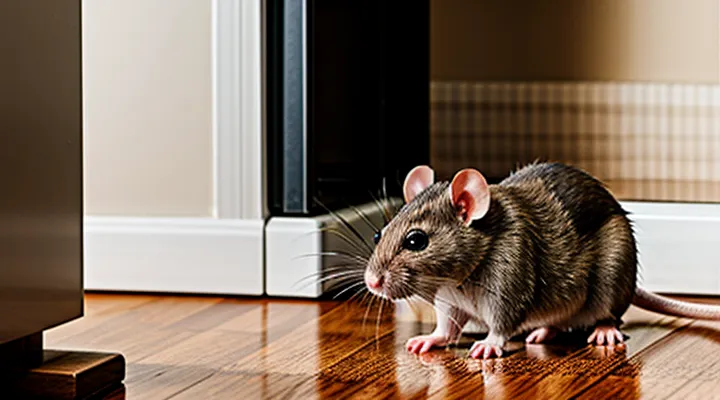
Understanding Rat Behavior in Apartments
Why Rats Hide
Rats remain concealed because exposure threatens survival. Understanding this behavior is essential for any effort to encourage a hidden rodent to emerge.
- Predators: sight and scent attract cats, birds of prey, and humans; remaining unseen reduces attack risk.
- Food protection: concealed locations guard stored scraps from competitors, ensuring a reliable supply.
- Temperature control: insulated crevices buffer extreme heat or cold, preserving body heat.
- Territory defense: limited access points prevent intruders from entering an established domain.
- Stress avoidance: low‑profile positioning minimizes disturbance from vibrations and noises that signal danger.
Recognizing these motivations guides the selection of bait type, placement, and timing, increasing the likelihood that a concealed rat will leave its refuge.
Common Hiding Spots
Signs of Rat Infestation
Rats leave unmistakable evidence that signals a hidden presence. Recognizing these indicators is essential before attempting any method to coax the animal out of concealment.
- Gnaw marks on wood, plastic, or electrical wiring indicate active chewing.
- Droppings, typically ½‑inch long, dark, and rod‑shaped, appear near food sources, along walls, or in hidden corners.
- Greasy tracks left on surfaces, especially in low‑light areas, reveal frequent movement paths.
- Strong, musky odor, especially in enclosed spaces, suggests a breeding population.
- Nests constructed from shredded paper, fabric, insulation, or dried plant material are often found in wall cavities, attics, or behind appliances.
- Audible sounds such as scratching, scurrying, or squeaking, most noticeable at night, confirm activity.
Each sign confirms an infestation and guides the placement of bait, traps, or deterrents to draw the concealed rodent into a controlled area. Identifying these clues promptly reduces the risk of structural damage and disease transmission.
Preparing Your Apartment
Eliminating Food Sources
Storing Food Properly
Rats locate food sources through scent; unsecured edibles create a reliable signal that keeps them concealed. Eliminating those signals forces the animal to search elsewhere, increasing the likelihood that it will encounter traps or bait placed by the homeowner.
- Store dry goods in containers with sealed lids made of metal or thick plastic.
- Keep perishable items refrigerated or frozen; dispose of leftovers promptly.
- Place pet food in sealed containers and feed only at scheduled times.
- Clean crumbs and spills immediately; sweep and mop floors regularly.
- Use trash cans with tight‑fitting lids and empty them daily.
When food is consistently inaccessible, the rat’s foraging range expands beyond the hidden nest. This behavioral shift aligns with the deployment of mechanical or chemical attractants, allowing the pest to be observed, captured, or eliminated more effectively.
Cleaning Up Crumbs and Spills
A rat will return to any source of food that it discovers, so eliminating residual crumbs and liquid messes removes the incentive to stay hidden.
- Sweep floors daily, paying special attention to areas behind appliances, under furniture, and along baseboards where debris accumulates.
- Vacuum carpets and rugs thoroughly, using a hose attachment to reach corners and seams.
- Wipe countertops, tables, and shelves with a disinfectant solution after each meal preparation or snack.
- Clean up spills immediately; absorb liquids with paper towels, then sanitize the surface to eliminate scent trails.
- Store food in sealed containers; discard open packages and empty bins regularly.
Consistent removal of these attractants forces the rodent to search elsewhere, making it more likely to emerge when bait is presented. By maintaining a spotless environment, you reduce the rat’s perceived safety zone and increase the effectiveness of any subsequent lure strategy.
Sealing Entry Points
Identifying Gaps and Cracks
Locate all openings that allow a rat to remain concealed. Every unsealed space creates a pathway for movement and a refuge for the animal. Ignoring these passages prevents any lure from reaching its target.
Inspect walls, floors, and ceilings systematically. Begin at the floor level and work upward, using a bright flashlight to reveal shadows. Run a thin piece of cardboard or a flexible ruler along baseboards, window frames, and pipe penetrations; any resistance or audible squeak indicates a gap. Examine exterior walls for cracked mortar, damaged siding, or missing caulking around vents. Check under appliances and behind cabinets, where utility lines enter the living area.
- Probe seams between drywall sheets; a gap wider than ¼ inch permits entry.
- Feel for drafts around doors; a gap larger than 1 mm allows scent to travel.
- Tap on plaster; hollow sounds signal voids that may hide rodents.
- Use a mirror to view tight corners behind furniture without moving objects.
Seal identified openings before deploying bait. Apply steel wool or copper mesh into gaps, then cover with expanding foam, silicone sealant, or metal flashing as appropriate. Reinforce larger cracks with plywood or sheet metal. Once all passages are blocked, place traps or bait stations near the remaining accessible routes; the rat, deprived of hiding places, will be compelled to emerge.
Recommended Sealing Materials
Effective rat control in an apartment relies on eliminating escape routes. Sealing gaps forces the animal into open areas where bait or traps become accessible. The following materials provide reliable blockage against rodent intrusion.
- Steel wool – compressible, resistant to chewing; pack tightly into small holes before covering with caulk.
- Copper mesh – fine gauge, flexible; suitable for vent openings and pipe sleeves, resists gnawing.
- Silicone caulk – waterproof, adheres to wood, metal, and drywall; seal cracks around windows, baseboards, and cabinets.
- Expanding polyurethane foam – fills larger voids in walls or under floors; apply sparingly, then trim excess.
- Metal flashing – thin steel or aluminum strips; cover gaps around door thresholds and utility penetrations.
- Hardware cloth (¼‑inch mesh) – durable, can be nailed over larger openings such as crawl‑space vents.
- Concrete sealant – epoxy‑based product; repair cracks in concrete slabs or foundations where rats may burrow.
Apply each material to the specific type of opening. For example, insert steel wool into screw‑hole gaps, then seal with silicone to prevent displacement. Use metal flashing on door thresholds where pressure from foot traffic could push softer sealants aside. Regularly inspect sealed areas for signs of wear and reapply as needed to maintain a continuous barrier.
Removing Water Sources
Removing water sources is essential when trying to encourage a concealed rat to emerge in a residence. Rats seek moisture for drinking and for maintaining the humidity needed to survive. Eliminating these supplies forces the animal to search elsewhere, increasing the likelihood of exposure.
Identify all potential water points:
- Leaking pipes, faucets, or showerheads; repair or shut off immediately.
- Pet water bowls; empty after each use and store upside‑down when not needed.
- Houseplants; avoid over‑watering and discard saucers that collect excess liquid.
- Condensation on windows or walls; wipe away regularly and improve ventilation.
- Food preparation areas; clean spills promptly and dry countertops.
After removal, maintain a dry environment:
- Use a dehumidifier in damp rooms, especially basements and bathrooms.
- Install vent fans to reduce humidity after showers or cooking.
- Seal cracks around sinks and appliances with silicone caulk to prevent seepage.
- Store laundry outdoors or in a well‑ventilated area to avoid damp piles.
A consistently dry setting deprives the rat of its primary sustenance, prompting it to leave its hiding place in search of water elsewhere in the building. This behavior can be leveraged alongside other control measures to achieve successful removal.
Luring Methods
Baits and Attractants
Food Baits
Food baits are the most reliable method for coaxing a concealed rat to emerge in a residential setting. Choose attractants that match the rodent’s dietary preferences and guarantee a strong scent trail.
- Peanut butter, mixed with a small amount of flour, forms a sticky, aromatic paste that rats cannot easily remove.
- Sunflower seeds, unsalted and unroasted, provide a hard‑shell nutrient that encourages repeated visits.
- Dried fruit pieces, such as raisins or apricots, emit a sweet odor attractive to omnivorous rodents.
- Commercial rodent bait blocks, containing grain and protein, deliver consistent palatability and controlled dosage.
Placement determines success. Position baits along known travel routes, near walls, behind furniture, and within 12 inches of suspected nesting sites. Secure the bait on a flat surface or attach it to a small piece of cardboard to prevent displacement. Avoid high‑traffic human areas to reduce accidental contact.
Safety measures include wearing disposable gloves when handling baits, sealing unused portions in airtight containers, and keeping children and pets away from bait stations. Replace bait every 48‑72 hours to maintain freshness and monitor for rat activity. Record any signs of consumption to assess the effectiveness of the chosen attractant.
Non-Food Attractants
Rats respond strongly to environmental cues that suggest safety, nesting, or territory. When food is unavailable or undesirable, non-food stimuli can be employed to coax the animal from its refuge.
Materials that emit strong odors or tactile sensations are effective. Common options include:
- Petroleum‑based products: Light mineral oil or petroleum jelly placed on a cotton ball releases a slick scent that rats find intriguing.
- Strongly scented oils: Peppermint, eucalyptus, or citronella applied to a cloth create volatile compounds that attract attention and encourage movement.
- Warmth sources: A low‑heat heating pad wrapped in fabric emits gentle heat, mimicking a burrow environment and drawing the rat toward the area.
- Soft nesting material: Bundles of shredded paper, cotton batting, or fabric strips provide a texture rats seek for building nests.
- Sound devices: Low‑frequency rattles or ultrasonic emitters generate vibrations that stimulate curiosity and may prompt the rodent to investigate.
Placement matters. Position attractants along known runways, near entry points, or at the edge of the suspected hiding zone. Ensure the items are stable and not easily knocked over, preventing the rat from retreating back into concealment.
Monitoring with a flashlight or motion‑activated camera confirms whether the attractant succeeds. If the rat engages, a humane trap or safe capture method can be introduced without relying on edible bait.
Trapping Strategies
Types of Traps
Choosing the right trap determines whether a concealed rat will emerge from a flat. Effective devices combine attraction, safety, and ease of placement.
- Snap traps: steel bar delivers rapid lethal force; bait placed on trigger; suitable for narrow corners and behind appliances.
- Live‑catch traps: enclosed cage with a single entry door; bait inside; allows relocation without harming the animal; requires frequent monitoring to prevent stress.
- Glue boards: adhesive surface coated with attractant; captures rat upon contact; best for short‑term use in areas where lethal methods are prohibited; disposal must follow local regulations.
- Electronic traps: battery‑powered circuit delivers a high‑voltage shock; kills instantly; includes indicator light for confirmation; ideal for hidden spaces where visual checks are difficult.
- Multi‑catch traps: series of linked cages sharing a single bait station; captures several rodents sequentially; useful when infestation size is unknown; requires regular emptying.
Placement considerations: position traps along walls, near suspected runways, and close to food sources. Secure each device to prevent accidental activation by children or pets. Rotate bait types—peanut butter, dried fruit, or meat scraps—to determine the strongest lure for the specific rat. Monitoring and prompt removal of captured rodents complete the process, ensuring the problem is resolved efficiently.
Strategic Trap Placement
Effective rat removal in a residential setting hinges on precise trap positioning. Identify the rodent’s primary pathways by observing droppings, gnaw marks, and food sources. Focus on concealed routes such as behind appliances, under cabinets, and along baseboards where the animal travels undisturbed.
Select a trap type suited to the environment—snap, live‑capture, or electronic—ensuring the trigger mechanism is sensitive enough for a small mammal. Bait with high‑protein items (peanut butter, cooked egg, or tuna) to attract the rat quickly. Place the bait at the far end of the trap so the rodent must fully enter before the trigger activates.
- Position traps perpendicular to walls, with the entry side facing the wall; rats prefer to run alongside surfaces.
- Locate traps near identified signs of activity, typically within 12–18 inches of droppings or gnaw marks.
- Secure traps on stable surfaces; avoid placement on uneven flooring that could cause false triggers.
- Keep traps away from children and pets by using enclosed bait stations or placing them in inaccessible corners.
- Rotate trap locations daily if no capture occurs, maintaining pressure on the rat’s movement pattern.
Maintain a clean environment by sealing food containers, removing clutter, and sealing entry points after the rat is captured. Continuous monitoring of trap performance ensures rapid elimination and prevents re‑infestation.
Using Scents and Sounds
Repellent Scents
Repellent scents provide a non‑lethal option for coaxing a hidden rat to abandon its refuge. The odors interfere with the animal’s keen sense of smell, creating an environment that feels unsafe and prompting movement toward cleaner, less offensive areas.
- Peppermint oil – strong menthol aroma; apply on cotton balls or cloth strips.
- Ammonia – sharp, pungent vapor; place in shallow containers near suspected entry points.
- Citronella – citrus‑grass scent; use spray or soaked rags.
- Eucalyptus – woody, medicinal smell; diffuse or dab on fabric.
- Clove oil – spicy, intense odor; mix with water and spray lightly.
Apply each scent in small quantities, positioning the material at the periphery of the rat’s suspected hideout and along common travel routes. Replace or refresh sources every 24 hours to maintain potency. Avoid direct contact with food preparation surfaces and keep pets away from treated items.
Handle all chemicals in a well‑ventilated area, wear gloves, and store unused supplies out of reach of children. After the rat vacates, seal entry gaps, remove contaminated materials, and clean the area with a mild disinfectant to prevent re‑infestation.
Attractive Scents
Rats respond strongly to food‑related odors; exploiting this behavior can coax them from concealed areas.
- Peanut butter, mixed with a small amount of sugar, releases a rich, fatty scent that rats find irresistible.
- Nutmeg and cinnamon combine sweet and spicy notes that attract rodents without overwhelming humans.
- Dried fruit, especially raisins or apricots, emits a fermenting aroma that mimics natural foraging cues.
- Cheese, particularly aged varieties, produces a pungent, protein‑rich smell that triggers feeding instincts.
Apply a thin layer of the chosen attractant on a disposable tray or piece of cardboard. Place the bait near suspected entry points, behind appliances, or in corners where droppings have been observed. Ensure the lure is accessible but not so abundant that it encourages nesting; a modest amount creates a clear scent trail without providing a permanent food source.
Maintain a clean environment while the scent works: remove competing odors such as strong cleaning chemicals, scented candles, or pet food that could mask the bait. Replace the lure every 24–48 hours to preserve potency, and monitor for rat activity using motion‑activated cameras or fresh droppings.
Handle all attractants with gloves, store them in sealed containers, and dispose of used bait promptly to prevent secondary infestations.
By selecting appropriate aromatic baits and positioning them strategically, the hidden rodent can be drawn out for capture or exclusion.
Post-Lure Actions
Rat Removal and Disposal
Effective rat removal begins with confirming the animal’s presence and identifying its activity zones. Look for droppings, gnaw marks, and grease trails; trace these signs to pinpoint the most frequented routes and hideouts. Seal obvious entry points—cracks, gaps around pipes, and vent openings—using steel wool, caulk, or metal mesh to prevent re‑entry.
- Place bait stations in concealed locations along identified pathways. Use high‑protein foods such as peanut butter, dried fruit, or cooked meat, secured in tamper‑resistant containers to avoid accidental exposure to children or pets.
- Employ snap traps or live‑capture cages positioned perpendicular to the wall, with the trigger end facing the anticipated travel direction.
- Add a few drops of natural deterrents (e.g., peppermint oil) around alternative routes to guide the rodent toward the baited devices.
- Check traps at least twice daily; dispose of captured rats promptly to reduce stress on the animal and limit odor buildup.
For disposal, wear disposable gloves and a mask, then place the carcass in a sealed plastic bag. Transfer the bag to an outdoor trash container that is emptied regularly, or deliver it to a licensed wildlife removal service. Clean and disinfect the trap, surrounding surfaces, and any areas contacted by the rat with a solution of bleach (1 part bleach to 9 parts water) or an EPA‑approved disinfectant. Finally, monitor the apartment for several weeks, resetting traps if new activity appears, to ensure complete eradication.
Preventing Future Infestations
Ongoing Maintenance
Effective pest control does not end when the rodent leaves its concealment. Continuous upkeep prevents re‑infestation and protects health standards.
Maintain a clean environment. Remove food residues, store pantry items in sealed containers, and sweep crumbs from floors and countertops daily. Dispose of garbage in tightly fitted lids and transport it to outdoor bins promptly.
Inspect and service traps regularly. Check snap traps, live‑capture cages, and glue boards each morning; replace bait, reset mechanisms, and discard any captured rodents according to local regulations. For electronic devices, verify battery charge and clean sensor surfaces to ensure reliable operation.
Seal entry points. Examine walls, baseboards, and pipe penetrations for gaps larger than a quarter inch. Apply steel wool, caulk, or expanding foam to block access routes. Re‑evaluate seals after any renovation or furniture relocation.
Monitor activity. Place motion‑activated cameras or motion‑sensing devices in previously used pathways to detect hidden movement. Review footage weekly and adjust bait placement if activity persists.
Schedule professional inspection. Arrange quarterly visits from licensed exterminators to conduct comprehensive assessments, identify hidden nests, and apply preventative treatments if necessary. This external audit complements homeowner efforts and provides expert verification of a rat‑free environment.
Professional Pest Control Considerations
Professional pest‑control operators begin with a thorough site inspection. Identify entry points, assess signs of activity, and map the rat’s probable pathways. This information guides the choice of luring techniques and prevents accidental spread to adjacent units.
Key considerations include:
- Regulatory compliance – verify local licensing requirements, record‑keeping mandates, and disposal protocols for captured rodents.
- Health and safety – equip personnel with gloves, respirators, and eye protection; isolate the area to limit resident exposure to contaminants.
- Bait selection – use certified, species‑specific attractants; rotate formulations to avoid habituation.
- Trap placement – position devices along walls, behind appliances, and near known droppings; ensure traps are stable and tamper‑proof.
- Environmental impact – choose non‑toxic lures when possible; minimize disruption to non‑target wildlife.
After deployment, maintain a log of trap checks, capture dates, and bait performance. Adjust placement or bait type based on observed activity. Once the rat is coaxed out, employ humane removal or approved lethal methods, then seal identified entry points and recommend resident sanitation practices to reduce recurrence.