
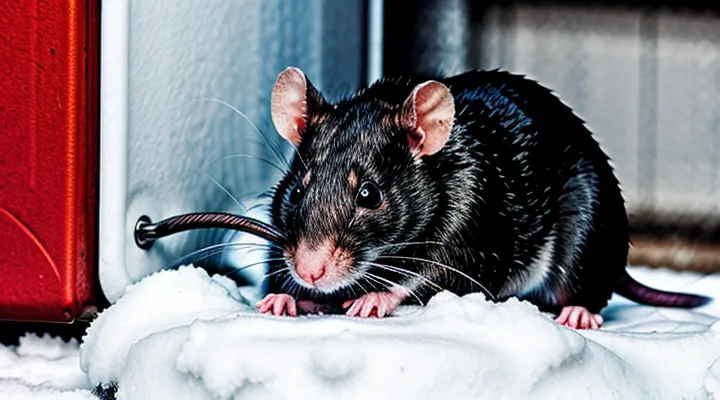
Understanding Rat Thermoregulation
The Ideal Temperature Range for Rats
Maintaining an appropriate ambient temperature is essential for preventing chill in laboratory and pet rats.
- Minimum comfortable temperature: 68 °F (20 °C)
- Optimal range: 70‑75 °F (21‑24 °C)
- Upper limit before heat stress: 80 °F (27 °C)
Temperatures below the minimum cause vasoconstriction, reduced activity, and shivering. Rats may huddle, seek warm surfaces, or display a dull coat. Prolonged exposure leads to hypothermia, slowed metabolism, and impaired immune function.
To keep the environment within the optimal window, use thermostatically controlled heating pads, enclosure insulation, and regular temperature checks with calibrated thermometers. Adjust ventilation to avoid drafts while preventing overheating.
Consistent monitoring and environmental control ensure rats remain within the ideal temperature range, reducing the risk of cold‑related distress.
Factors Affecting Rat Body Temperature
Environmental Conditions
Rats respond to ambient temperature, humidity, and airflow, which together shape the signs of hypothermia. A drop in room temperature below 20 °C (68 °F) reduces a rat’s core heat, prompting visible behaviors such as huddling, reduced movement, and trembling. High humidity impedes evaporative cooling, causing the animal to retain moisture and feel colder; moisture‑laden fur appears damp and clumped. Strong drafts increase convective heat loss, leading to rapid skin cooling and shivering.
Key environmental indicators that a rat may be cold:
- Ambient temperature under 20 °C (68 °F) for a prolonged period.
- Relative humidity above 70 % combined with low temperature.
- Direct exposure to moving air from vents, fans, or open windows.
- Cold surfaces on which the rat rests, such as metal cages or stone bedding.
Monitoring these conditions allows caretakers to adjust heating, increase bedding insulation, and reduce airflow, thereby preventing the physiological stress associated with low body temperature.
Health Status
A rat’s health status provides the most reliable clues that its body temperature has dropped. Observable changes in behavior, appearance, and physiological functions indicate hypothermia and should be assessed promptly.
- Shivering or tremors, especially when the animal is at rest.
- Reduced activity, lethargy, or reluctance to move.
- Pale or bluish skin, particularly on the ears, tail, and extremities.
- Slowed respiration and heart rate, detectable by gentle palpation.
- Decreased appetite and reluctance to drink.
Additional indicators include a cold, moist coat and a tendency to huddle in corners or under bedding. Measuring core temperature with a rectal thermometer confirms the condition; values below 35 °C (95 °F) classify the rat as cold.
Prompt intervention—such as providing a warm environment, heated bedding, and, if necessary, veterinary care—prevents progression to severe hypothermia and supports recovery of the animal’s overall health.
Recognizing Signs of Cold in Rats
Behavioral Indicators
Huddling and Shivering
Rats exposed to temperatures below their thermoneutral zone exhibit two primary physiological responses: huddling and shivering. Both behaviors serve to conserve heat and indicate that the animal’s core temperature is falling.
-
Huddling: Rats cluster together or press their bodies against a surface. The posture reduces exposed surface area, limits heat loss, and often appears as a compact, curled shape. Persistent huddling, especially when the group size increases despite adequate shelter, signals discomfort from cold.
-
Shivering: Rapid, rhythmic muscle contractions become visible in the neck, back, or limbs. Shivering frequency rises as ambient temperature drops, and the tremor persists until the rat reaches a warmer environment or receives external heat. Continuous shivering without external stimulus confirms that the animal’s thermoregulatory mechanisms are actively compensating for low temperature.
Observation of these behaviors, combined with ambient temperature measurements, provides a reliable method for assessing whether a rat is experiencing cold stress. Immediate provision of bedding, nesting material, or localized heating will mitigate the condition.
Lethargy and Reduced Activity
A rat that is exposed to low temperatures often exhibits a marked decline in movement. The animal may remain in one spot for extended periods, showing little inclination to explore or forage. This behavioral shift reflects the body’s attempt to conserve heat by reducing muscular activity.
Key indicators of temperature‑induced lethargy include:
- Prolonged periods of inactivity, even when food or enrichment is available.
- Slow, hesitant locomotion when the rat does move, with reduced speed and frequent pauses.
- Diminished grooming behavior; the rat may neglect regular self‑cleaning routines.
- Lowered responsiveness to external stimuli such as gentle handling or auditory cues.
Physiologically, cold stress triggers vasoconstriction and a decrease in metabolic rate. The resulting energy conservation manifests as reduced activity levels. Observers should differentiate this pattern from illness‑related lethargy by checking for additional signs such as respiratory distress, nasal discharge, or weight loss. If inactivity persists despite a warm environment, veterinary assessment is warranted.
Appetite Changes
Rats exposed to low temperatures often display reduced food intake. The decline is measurable and occurs before more severe symptoms appear. Researchers observe the following patterns:
- Meal size drops by 20‑30 % within the first 12 hours of exposure to temperatures below 10 °C.
- Frequency of feeding sessions declines; rats may skip one or two daily bouts.
- Preference shifts toward high‑energy foods, such as seeds or nuts, indicating an attempt to compensate for increased metabolic demand.
The appetite suppression results from vasoconstriction and reduced gastrointestinal motility caused by cold stress. Monitoring food consumption provides a reliable, non‑invasive indicator that a rat is experiencing thermal discomfort. Consistent recording of daily intake allows early intervention, such as supplemental heating or enriched diets, to prevent further physiological decline.
Physical Manifestations
Piloerection («Fluffed Fur»)
Piloerection, commonly called “fluffed fur,” occurs when tiny muscles at the base of each hair contract, causing the coat to stand upright. The response is triggered by the sympathetic nervous system to reduce heat loss through a layer of trapped air.
When a rat’s body temperature drops, piloerection becomes one of the earliest visible signs. The fur appears puffed, especially along the back, neck, and tail. The skin underneath may look lighter because the raised hairs reflect more light.
Observable indicators of cold‑induced piloerection include:
- Fur visibly lifted from the body, giving a “fluffy” silhouette.
- Reduced movement of the tail, which often curls tightly against the body.
- Slight shivering or tremors accompanying the fur change.
- Preference for warm surfaces or nesting material.
For caretakers, monitoring these traits provides a reliable method to assess thermal discomfort. Maintaining ambient temperature within the species‑specific range and providing adequate bedding will minimize the occurrence of piloerection caused by cold stress. If the behavior persists despite environmental adjustments, evaluate the animal for additional health issues.
Pale or Bluish Extremities
Pale or bluish coloration of a rat’s paws, ears, and tail signals insufficient body heat. Normal extremities appear pink to light brown; a shift toward pallor or a cyanotic hue indicates vasoconstriction and reduced peripheral circulation.
When evaluating a rat, compare the color of its extremities to the torso. If the limbs look noticeably lighter or exhibit a faint blue tint, the animal is likely experiencing cold stress. A quick capillary refill test—pressing a fingertip against the skin and observing the time for color to return—provides additional confirmation; refill longer than two seconds suggests compromised perfusion.
To address this condition, take the following steps:
- Move the rat to a temperature‑controlled environment (ambient temperature ≥ 20 °C).
- Provide a low‑intensity heat source, such as a warmed pad set to a safe temperature, ensuring the rat can retreat if it becomes too warm.
- Monitor extremity color and refill time at regular intervals (every 15 minutes) until normal pink coloration and rapid refill are restored.
Persistent pallor or cyanosis despite warming measures warrants veterinary assessment, as it may indicate severe hypothermia or underlying circulatory problems.
Cold to the Touch
A rat that feels noticeably cooler than the surrounding environment is likely experiencing a drop in body temperature. The skin and fur will transmit a lower temperature to the hand, often described as “cold to the touch.” This physical cue provides a rapid assessment without specialized equipment.
- Touch the rat’s back or flank; a cold surface indicates reduced circulation.
- Compare the rat’s temperature to a warm‑blooded reference, such as a human palm; a marked difference confirms chill.
- Observe the animal’s behavior simultaneously: lethargy, shivering, or huddling often accompany the cold sensation.
- Note any discoloration of the ears or tail, which may appear paler when blood flow is constrained by cold.
When a rat feels cold, immediate steps include:
- Relocating the animal to a draft‑free, insulated area.
- Providing a low‑intensity heat source, such as a heating pad set to a safe temperature.
- Monitoring the temperature by touch every few minutes until it returns to normal warmth.
- Consulting a veterinarian if the rat remains cold despite warming measures, as prolonged hypothermia can lead to organ failure.
Recognizing the “cold to the touch” sign enables swift intervention, preventing the escalation of hypothermic conditions and supporting the animal’s recovery.
Potential Health Risks Associated with Cold Exposure
Respiratory Issues
Rats that are exposed to low temperatures often exhibit respiratory changes that signal discomfort. Cold constricts peripheral blood vessels, reducing oxygen delivery to lung tissue and prompting faster, shallower breaths. Observe the breathing pattern: rapid, irregular inhalations accompanied by occasional audible wheezing indicate that the animal is struggling to maintain adequate ventilation in a chilly environment.
Additional respiratory signs of chill include:
- Nasal discharge that becomes thicker and more viscous, reflecting moisture loss from the airways.
- Visible effort when inhaling, such as flaring nostrils or abdominal muscle tension.
- A drop in overall respiratory rate after the rat is warmed, showing that the previous tachypnea was temperature‑related rather than pathological.
These symptoms often appear alongside other cold‑related behaviors, but they alone provide a reliable indicator that the rodent’s body temperature is below optimal levels. Prompt warming—by increasing ambient temperature, providing bedding, or offering a heated pad—should restore normal breathing patterns within minutes. Continuous monitoring of respiratory status is essential, as prolonged cold stress can progress to pneumonia or other serious infections.
Weakened Immune System
A rat’s ability to maintain body temperature directly reflects its physiological condition. When a rat cannot keep warm, the most common underlying factor is a compromised immune system that reduces metabolic heat production and impairs peripheral circulation.
Cold exposure triggers physiological responses that become visible through behavior and appearance. Reduced immune function limits the animal’s capacity to generate heat, leading to measurable changes.
Typical signs of a cold rat include:
- Persistent huddling in corners or nesting material
- Decreased locomotion and reluctance to explore
- Pale, cool ears and tail compared to body core
- Shivering or tremor‑like movements
- Slowed grooming and reduced food intake
These observations correlate with immune suppression. A weakened immune system diminishes cytokine activity, lowers basal metabolic rate, and hampers vasoconstriction control, all of which contribute to an inability to sustain normal body temperature.
To address the issue, follow these steps:
- Verify ambient temperature and eliminate drafts.
- Provide supplemental heat sources such as heating pads or insulated cages.
- Conduct a veterinary examination to assess immune markers and rule out infection.
- Enhance nutrition with protein‑rich diets and supplements that support immune function.
- Monitor body temperature regularly using a rectal thermometer or infrared device.
Prompt identification of cold-related symptoms and immediate intervention can prevent further health decline and restore normal thermoregulation.
Hypothermia
Rats suffering from hypothermia exhibit distinct physiological and behavioral changes that enable reliable detection. Core temperature drops below the normal range of 36‑38 °C, leading to metabolic slowdown and impaired thermoregulation.
Observable indicators include:
- Shivering or tremors that persist despite gentle warming.
- Lethargic posture, reduced movement, and prolonged immobility.
- Cold, pale extremities; ears and tail become bluish or white.
- Decreased respiration rate; shallow breaths may be audible.
- Loss of coordination; stumbling or inability to navigate familiar environments.
Laboratory assessment can confirm hypothermia. Rectal or infrared thermometry provides precise core temperature readings. Blood analysis often reveals elevated blood glucose and altered electrolyte balance, reflecting stress response.
Preventive measures focus on ambient temperature maintenance above 20 °C, provision of nesting material, and regular health checks. Immediate intervention—gradual rewarming, insulated housing, and fluid support—reduces mortality risk and restores normal physiological function.
Preventing Cold Stress in Rats
Optimal Cage Setup
Appropriate Bedding Materials
Effective bedding choices directly influence a rodent’s ability to maintain body temperature, making them essential when assessing whether a rat is experiencing cold stress. A suitable substrate provides insulation, retains moisture without becoming soggy, and encourages normal nesting behavior, all of which help keep the animal warm and allow clear observation of thermal signs.
Materials commonly recommended for optimal thermal regulation include:
- Compressed wood shavings (e.g., Aspen or Pine). Soft, low‑dust variants create a thick layer that traps heat while remaining easy to manipulate for nest building.
- Paper‑based bedding (e.g., shredded paper or cellulose pellets). Highly absorbent, these products stay dry longer, preventing chilling from dampness.
- Corncob bedding. Dense structure offers good insulation; however, monitor for excessive moisture accumulation.
- Fleece blankets or fabric pads placed beneath the primary substrate. Provide an additional heat‑retaining layer without compromising ventilation.
When evaluating a rat for signs of cold, observe the following behaviors and physical cues within the context of the bedding environment:
- Nest construction – A chilled rat will gather more material, creating a larger, tighter nest.
- Body posture – Curling tightly and huddling against the bedding indicates attempts to conserve heat.
- Skin temperature – Palpate the foot pads; cool, pale pads suggest reduced peripheral circulation.
- Activity level – Reduced movement and lethargy often accompany low ambient temperature.
Maintain bedding depth of at least 2–3 cm to ensure sufficient insulation, replace soiled substrate regularly to avoid moisture buildup, and supplement with a heat source if ambient room temperature falls below the species‑specific comfort range (approximately 20‑24 °C). Proper bedding management not only supports thermoregulation but also clarifies the interpretation of cold‑related signs in rats.
Draft-Free Environment
A rat that is exposed to cold drafts will exhibit physiological and behavioral changes that can mask the typical indicators of low body temperature. In a draft‑free enclosure, these signs become more reliable.
- Shivering or rapid respiratory movements increase when ambient temperature drops; without drafts, the movements are not confused with attempts to escape airflow.
- Fur piloerection appears as a uniform puffing of the coat rather than localized fluffs caused by wind.
- Reduced activity levels and nesting behavior intensify; the animal will seek warmth in a stable spot instead of constantly repositioning to avoid drafts.
- Core temperature measured with a rectal probe shows a clearer correlation with ambient temperature when the environment is sealed from drafts.
To maintain a draft‑free setting:
- Seal gaps around doors, cages, and ventilation openings with weather‑strip material.
- Use solid walls or acrylic panels rather than mesh that permits airflow.
- Position heating devices away from open windows or vents to prevent uneven air currents.
- Check for leaks regularly and repair any structural damage that could introduce cold air.
By eliminating drafts, the observer can distinguish genuine hypothermic responses from stress‑induced behaviors, leading to accurate assessment of the rat’s thermal state.
Adequate Shelter
Adequate shelter is essential for preventing a rat from becoming chilled. A properly designed enclosure maintains a stable ambient temperature, reduces drafts, and provides a comfortable resting area.
Key components of suitable shelter include:
- Insulated walls or bedding that retain heat.
- A sealed, but ventilated, structure to avoid cold air infiltration while preventing humidity buildup.
- Elevated platforms or nests constructed from soft, warm materials such as shredded paper or fleece.
- A consistent temperature range between 68 °F and 75 °F, monitored with a reliable thermometer.
When a rat lacks these features, it may exhibit signs of cold stress, such as shivering, hunching, reduced activity, or a pale, cold tail. Providing the described shelter eliminates these indicators and promotes overall health.
Environmental Heating Solutions
Heat Lamps and Pads
Rats that exhibit shivering, huddling, or reduced activity may be suffering from low ambient temperature. Supplemental warmth can prevent hypothermia and support normal metabolism. Heat lamps and heating pads are the primary devices used to raise localized temperature without altering the entire enclosure climate.
Heat lamps emit infrared radiation that warms the surface directly beneath them. Choose a lamp with adjustable output and a built‑in thermostat to avoid overheating. Position the lamp at a safe distance—typically 12–18 inches from the cage floor—to create a warm zone while leaving a cooler area for thermoregulation. Use a metal or ceramic fixture to mount the lamp securely and prevent accidental contact with bedding.
Heating pads provide conductive warmth through direct contact. Opt for a low‑wattage pad designed for small‑animal use, equipped with a temperature controller set between 30–32 °C (86–90 °F). Place the pad on one side of the cage floor, covering only a portion of the base to allow the rat to move away if it becomes too warm. Ensure the pad is waterproof and insulated on the underside to protect the cage structure.
Safety considerations:
- Verify that all electrical components are rated for indoor, low‑voltage operation.
- Inspect cords regularly for wear or fraying.
- Install a thermostat or timer to maintain a stable temperature range.
- Keep the heating source away from flammable materials such as paper bedding or wooden accessories.
Monitoring is essential. Observe the rat’s behavior for signs of discomfort, such as excessive panting, lethargy, or avoidance of the heated area. Use a digital thermometer to record ambient and surface temperatures at multiple points within the enclosure. Adjust the lamp or pad settings promptly if readings exceed recommended limits.
When implemented correctly, heat lamps and pads create a controlled warm zone that alleviates cold stress while allowing the animal to regulate its own body temperature. This approach supports health, enhances recovery from illness, and improves overall welfare.
Room Temperature Management
Effective control of ambient temperature provides a reliable basis for assessing whether a laboratory rat is experiencing hypothermia. Maintaining a stable environment eliminates external variables that could mask physiological responses.
A rat that is cold typically exhibits shivering, reduced activity, and a drop in core body temperature below 36 °C. Peripheral vasoconstriction leads to pale extremities and a noticeable decrease in surface temperature when measured with a non‑contact infrared thermometer.
To ensure accurate detection, follow these temperature‑management practices:
- Set the room thermostat to 22 ± 1 °C; this range supports normal thermoregulation for adult rats.
- Verify uniformity with a calibrated grid of temperature probes; deviations greater than 0.5 °C indicate hotspots or drafts.
- Record ambient temperature at the start of each observation period and adjust HVAC settings if readings fall outside the target range.
- Use a heat‑conductive cage floor or supplemental warming pads only when ambient temperature consistently drops below 20 °C; remove supplemental heat before measurements to avoid false readings.
- Conduct core temperature checks with a rectal probe after a minimum 10‑minute acclimation period in the controlled environment.
Consistent room temperature management eliminates confounding factors, allowing clear identification of a rat’s cold state through observable behavior and precise thermal measurements.
Nutritional Support
High-Calorie Diet
Rats exposed to low ambient temperatures exhibit physiological and behavioral changes that signal thermal stress. A diet rich in calories supplies additional energy for non‑shivering thermogenesis, allowing the animal to maintain core temperature more effectively. Consequently, the presence or absence of cold‑related signs can be interpreted in the context of dietary energy intake.
Key observations for assessing whether a rat is experiencing cold include:
- Reduced peripheral blood flow, evident as pale or bluish extremities.
- Increased shivering movements or tremors during handling.
- Preference for nesting material and prolonged periods of huddling.
- Elevated respiratory rate and visible steam from nostrils in very cold environments.
- Decreased activity levels and reluctance to explore.
When a high‑calorie diet is provided, the following effects modify these indicators:
- Enhanced brown adipose tissue activation reduces shivering frequency.
- Faster recovery of normal limb coloration after brief cold exposure.
- Shorter duration of nesting behavior, as metabolic heat generation lessens the need for external insulation.
- Stabilized respiratory patterns, with fewer abrupt increases in breathing rate.
Practical recommendations for using diet to mitigate cold stress:
- Supply a balanced feed containing 20–25 % additional calories compared with standard laboratory chow.
- Include medium‑chain triglycerides to promote rapid oxidation and heat production.
- Ensure consistent feeding times to maintain steady metabolic fuel availability.
- Monitor body weight to avoid excessive gain that could confound thermoregulatory assessments.
By correlating the intensity of cold‑related signs with the caloric density of the diet, researchers can more accurately determine whether observed behaviors stem from genuine thermal discomfort or are masked by metabolic heat generation.
Hydration
Hydration status provides a reliable indicator when assessing whether a rodent is experiencing low body temperature. A cold rat often exhibits reduced water intake, leading to measurable changes in urine concentration and body weight.
- Decreased drinking behavior: observable drop in the frequency of visits to water sources.
- Darker, more concentrated urine: higher specific gravity detected with a refractometer or dip‑stick test.
- Weight loss of 5 % or more within 24 hours: reflects fluid deficit combined with metabolic heat loss.
Blood plasma osmolality rises in response to fluid depletion, and this elevation correlates with peripheral vasoconstriction, a physiological response to conserve heat. Monitoring plasma sodium and chloride levels offers additional confirmation; elevated values typically accompany hypothermia.
Thermal imaging of the ventral abdomen can reveal reduced surface temperature, which, together with the hydration markers above, confirms that the animal’s thermoregulatory mechanisms are compromised by insufficient fluid reserves. Prompt rehydration—through subcutaneous saline or warmed water—restores plasma volume, improves peripheral circulation, and normalizes body temperature.
When to Seek Veterinary Attention
Persistent Symptoms
Rats that experience prolonged exposure to low temperatures exhibit specific, lasting signs that differentiate temporary chill from true hypothermia. Recognizing these persistent indicators enables timely intervention and prevents deterioration.
- Shivering that continues beyond a few minutes
- Ruffled or flattened fur that does not return to normal texture
- Lethargic behavior, including reduced exploration and prolonged immobility
- Decreased body temperature measured rectally below 35 °C (95 °F)
- Pale or bluish extremities, especially the tail and paws
- Reduced respiratory rate and shallow breaths
Each symptom reflects a failure of the animal’s thermoregulatory mechanisms. Continuous shivering signals ongoing metabolic effort to generate heat, while fur changes indicate compromised insulation. Persistent lethargy and diminished activity result from reduced muscle function under cold stress. Sustained low core temperature confirms systemic hypothermia, and discoloration of extremities reveals peripheral vasoconstriction that limits blood flow. Altered breathing patterns arise as the organism conserves energy.
Monitoring should involve regular visual checks and periodic temperature measurement. Any appearance of the listed signs for more than five minutes warrants immediate warming measures, such as transferring the rat to a pre‑heated enclosure (≥25 °C) and providing a supplemental heat source. Follow-up observations must confirm symptom resolution before returning the animal to its standard environment.
Severe Hypothermia
Severe hypothermia in rodents occurs when core body temperature falls below 30 °C (86 °F). At this stage, metabolic processes slow dramatically, and organ function is compromised.
Observable indicators include:
- Rigid, tremor‑free limbs
- Darkened, mottled fur, especially on the tail and ears
- Decreased respiratory rate, often shallow and irregular
- Loss of righting reflex; the animal remains on its back when placed upright
- Pale or cyanotic mucous membranes
- Unresponsiveness to tactile stimulation
Physiological changes involve reduced cardiac output, bradycardia, and impaired blood coagulation. Blood glucose may drop sharply, increasing the risk of seizures. Prolonged exposure to temperatures near freezing accelerates the progression from mild chill to fatal hypothermia.
Immediate intervention steps:
- Transfer the rat to a warm, dry environment; ambient temperature should be maintained at 28–30 °C (82–86 °F).
- Apply a heating pad set to low intensity beneath a towel, avoiding direct skin contact to prevent burns.
- Administer warmed (37 °C) sterile saline subcutaneously to address hypoglycemia and dehydration.
- Monitor core temperature with a rectal probe; aim for a gradual increase of no more than 1 °C per hour.
- Seek veterinary assistance if the animal does not regain righting reflex within 30 minutes or shows signs of cardiac arrhythmia.
Preventative measures focus on maintaining cage temperature above 22 °C (72 °F), providing nesting material, and limiting exposure to drafts. Regular health checks can detect early signs of chill before severe hypothermia develops.
Underlying Health Concerns
A rat that appears cold may be signaling an underlying medical problem rather than merely feeling chilly. Reduced body temperature often accompanies respiratory infections, where inflammation impairs heat production. Metabolic disorders such as hypothyroidism diminish the animal’s ability to generate warmth. Poor peripheral circulation, frequently caused by cardiovascular strain, limits heat delivery to extremities. Chronic stress and malnutrition weaken thermoregulatory mechanisms, making the rat vulnerable to temperature loss.
Key health concerns associated with a cold‑sensing rat include:
- Respiratory tract infection or pneumonia
- Hypothyroidism or other endocrine imbalances
- Cardiovascular insufficiency affecting blood flow
- Severe dehydration or nutrient deficiencies
- Acute hypothermia resulting from exposure or shock
Veterinary assessment should focus on objective measurements. Record rectal temperature, inspect fur for dampness or loss of sheen, note shivering or lethargy, and listen for abnormal breathing sounds. Laboratory tests may be required to identify infectious agents, assess thyroid hormone levels, and evaluate electrolyte balance.
Prompt intervention reduces risk of complications. Provide a calibrated heat source, ensure bedding is dry and insulating, and eliminate drafts. Adjust diet to meet caloric and vitamin requirements. Schedule a veterinary examination within 24 hours to diagnose and treat the underlying condition.