
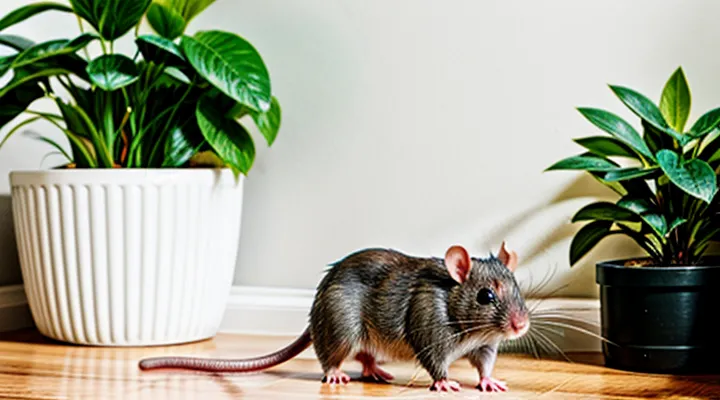
The Appeal of Pet Rats
Why Rats Make Great Apartment Pets
Intelligence and Trainability
Rats possess a high degree of problem‑solving ability, memory retention, and social cognition, which make them adaptable to confined indoor environments. Their capacity to recognize patterns and respond to cues enables reliable interaction with owners and reduces stress in limited spaces.
Trainability emerges from this cognitive flexibility; rats can learn commands, navigate obstacle courses, and perform tricks when reinforced consistently. Conditioning strengthens the bond between animal and caretaker, promotes mental stimulation, and prevents destructive behaviors that could damage apartment furnishings.
Practical steps for developing rat intelligence and trainability:
- Establish a routine of short, daily training sessions lasting 5–10 minutes to maintain focus.
- Use high‑value treats such as small pieces of fruit or commercial rat rewards as positive reinforcement.
- Introduce simple cues (e.g., “come,” “step up”) paired with hand signals; repeat until the rat reliably responds.
- Incorporate puzzle toys and foraging boxes to encourage exploration and problem‑solving.
- Gradually increase task complexity, adding obstacles or timed challenges once basic commands are mastered.
- Record progress in a log to monitor learning speed and adjust reinforcement schedules accordingly.
Social Nature
Rats are highly social mammals; isolation can lead to stress, aggression, and health decline. In an apartment setting, providing opportunities for interaction satisfies innate group‑living instincts and promotes well‑being.
A solitary rat may exhibit repetitive behaviors, reduced appetite, and weakened immune response. Pairing compatible individuals or offering regular human contact mitigates these risks. Compatibility assessment should consider age, gender, and temperament before introducing companions.
Key practices for supporting social needs:
- House two or more rats together whenever space permits; a minimum of 30 inches of floor area per animal is advisable.
- Provide enrichment that encourages cooperative play, such as tunnels, climbing structures, and chewable toys.
- Schedule daily handling sessions of 10–15 minutes per rat to reinforce trust and reduce fear of humans.
- Observe interactions for signs of dominance or distress; separate individuals showing excessive aggression.
- Rotate enrichment items regularly to maintain novelty and stimulate group exploration.
Monitoring behavior and health indicators ensures that social arrangements remain beneficial. Adjust group composition or enrichment strategies promptly if negative patterns emerge. Maintaining a socially enriched environment aligns with best practices for rat care in compact living spaces.
Low Maintenance (Relative to Other Pets)
Rats require fewer daily interventions than dogs, cats, or small mammals such as hamsters. They do not need regular walks, grooming appointments, or extensive outdoor enclosure cleaning. Food portions are small, and a balanced pellet diet supplemented with fresh vegetables can be prepared once every two to three days. Waste management is limited to a single cage liner change per week, reducing time spent on litter upkeep.
Key maintenance points:
- Cage size: a 20‑gal aquarium or equivalent provides sufficient space; cleaning the interior once a week prevents odor buildup.
- Feeding schedule: dispense measured pellets daily; replace fresh produce every 48 hours to maintain nutrition.
- Health monitoring: observe behavior and coat condition during routine handling; veterinary visits are typically annual unless illness appears.
- Social interaction: brief daily handling sessions satisfy companionship needs without extensive time commitment.
Compared with other common apartment pets, rats present a streamlined care routine that fits modest schedules while still offering engaging interaction.
Preparing for Your Apartment Rat
Choosing the Right Rat
Where to Acquire Your Rat
Acquiring a healthy rat is the first step toward successful apartment care. Reliable sources reduce the risk of illness, ensure proper temperament, and provide essential health documentation.
• Reputable breeders – specialize in specific strains, maintain clean facilities, and conduct health screenings. Request vaccination records and a written contract outlining return policies.
• Certified pet stores – must comply with local licensing requirements, keep animals in appropriate habitats, and offer basic care advice. Verify that staff are knowledgeable about rodent health.
• Rescue organizations – adoptable rats are often socialized and receive veterinary care before placement. Fill out an application, attend an intake interview, and agree to a post‑adoption follow‑up.
• Local animal shelters – occasionally house rats rescued from other homes. Check shelter listings, inquire about quarantine procedures, and ensure the animal has been examined by a veterinarian.
• Online classified platforms – provide access to a wider pool of sellers. Prioritize listings that include recent health certificates, clear photographs, and a willingness to answer detailed care questions. Arrange a meeting in a public space and transport the rat in a secure carrier.
Select a source that offers documentation, transparent health history, and a clear return or support policy. This approach minimizes future complications and supports responsible pet ownership in a confined living environment.
Single vs. Multiple Rats
Keeping rats in a small living space requires a decision between housing a single animal or a pair (or larger group). The choice influences enclosure size, enrichment, health monitoring, and overall management.
Single rat considerations
- Requires less floor area; a standard cage can accommodate a solitary occupant.
- Simplifies cleaning schedule because waste output is lower.
- Reduces risk of aggressive interactions that can occur in mismatched pairings.
- Limits vocalization volume, which may be preferable in noise‑sensitive environments.
Multiple rat considerations
- Satisfies the species’ innate social nature; companionship reduces stress‑related behaviors.
- Encourages natural play, leading to improved muscular development and mental stimulation.
- Allows observation of social dynamics, providing early detection of illness when one individual shows abnormal behavior.
- Distributes grooming duties, promoting cleaner fur and lower parasite load.
When space permits, a minimum of two rats is recommended to meet social requirements. If the apartment layout restricts cage dimensions, a single rat may be acceptable provided enrichment items (toys, tunnels, foraging opportunities) are supplied regularly to mitigate isolation effects.
Essential Supplies
Cage Selection and Placement
Choosing an appropriate cage is the first step in providing a healthy environment for a pet rat living in a small dwelling. The enclosure must accommodate the animal’s natural activity level and allow for easy maintenance.
Key criteria for cage selection:
- Minimum floor area of 450 cm² per rat; larger spaces reduce stress and promote exercise.
- Solid, chew‑resistant base such as untreated wood or heavy‑duty plastic; prevents damage and limits ingestion of harmful substances.
- Wire mesh with openings no larger than 0.5 cm; ensures ventilation while preventing escape.
- Secure latch system that rats cannot manipulate; protects against accidental release.
- Removable trays for bedding and waste; simplifies cleaning and odor control.
Placement considerations focus on safety, accessibility, and comfort. Position the cage away from direct sunlight, drafts, and heating vents to maintain a stable temperature. Elevate the enclosure on a sturdy surface at least 30 cm above the floor; this deters predators such as cats and limits exposure to floor‑level contaminants. Locate the cage in a quiet area of the apartment, avoiding high‑traffic zones that generate noise and vibration. Ensure the cage is not placed near toxic cleaning agents or food preparation surfaces. Provide a stable, level platform to prevent wobbling during the rat’s movements.
Regular inspection of the cage’s structural integrity, latch functionality, and ventilation pathways supports long‑term welfare. Prompt replacement of worn components eliminates hazards before they affect the animal’s health.
Minimum Size Requirements
A rat requires a cage that provides enough floor space to move freely, explore, and exercise without risk of injury. The minimum recommended interior dimensions are 24 inches (61 cm) in length, 12 inches (30 cm) in width, and 12 inches (30 cm) in height. These measurements correspond to a floor area of roughly 2 square feet (0.19 m²), which allows a typical pet rat to perform natural behaviors such as running, climbing, and foraging.
Adequate space supports physical health, reduces stress, and minimizes the likelihood of obesity. When selecting a cage, consider the following criteria:
- Interior length ≥ 24 inches (61 cm)
- Interior width ≥ 12 inches (30 cm)
- Interior height ≥ 12 inches (30 cm)
- Solid flooring or a safe wire mesh with a spacing no larger than ½ inch (1.3 cm) to prevent foot injuries
- Easy access for cleaning and for adding enrichment items
Cages that meet or exceed these dimensions comply with most veterinary guidelines for small‑rodent welfare in residential settings. Adjustments for multiple rats should increase the floor area proportionally, adding at least 2 square feet (0.19 m²) per additional animal.
Ventilation and Location Considerations
Ventilation is a critical factor for a healthy rat habitat in a small living space. Adequate airflow reduces the buildup of ammonia from urine, limits humidity spikes, and helps maintain a stable temperature. Install a small, battery‑operated fan near the cage, ensuring that the airflow does not create drafts directly on the animal. Position the fan so that fresh air circulates around the cage without blowing through the bedding, which could disperse particles.
Location of the cage influences both ventilation efficiency and the rat’s well‑being. Choose a spot away from direct sunlight, heating vents, and cold drafts. A quiet corner with consistent ambient temperature prevents stress caused by rapid temperature fluctuations. Ensure the cage is not placed near food preparation areas to avoid contamination and strong odors that may affect the rat’s respiratory system.
Key considerations for optimal placement and airflow:
- Height: elevate the cage a few inches off the floor to improve air circulation and protect against accidental spills.
- Distance from walls: maintain at least 12 inches (30 cm) between the cage and any wall to allow unobstructed airflow.
- Accessibility: locate the cage where routine cleaning and feeding can be performed without disturbing other household activities.
- Safety: avoid proximity to open windows or balconies where the rat could escape if the cage is inadvertently opened.
«Proper ventilation and thoughtful cage placement minimize health risks and promote a stable environment for a pet rat in an apartment».
Bedding and Substrate
Choosing appropriate bedding and substrate is essential for rat health and comfort in a compact living space. Safe materials must be low‑dust, non‑aromatic, and capable of absorbing urine while providing a soft surface for nesting.
Recommended options include:
- Paper‑based bedding (e.g., shredded paper, recycled pulp): high absorbency, minimal dust, safe for chewing.
- Aspen shavings: scent‑free, low dust, suitable for burrowing behavior.
- Coconut fiber (coir): excellent moisture retention, natural texture, moderate dust levels.
- Hemp bedding: biodegradable, low dust, pleasant texture for nesting.
Materials to avoid:
- Pine or cedar shavings: contain phenols that irritate respiratory systems.
- Corncob bedding: high dust content, potential for splintering.
- Straw: low absorbency, promotes mold growth when wet.
Implementation guidelines:
- Place a base layer of 2–3 cm of chosen substrate in the cage bottom.
- Add a secondary layer of soft material (e.g., tissue paper) for nesting.
- Change the primary substrate completely every 1–2 weeks; spot‑clean soiled areas daily.
- Monitor for signs of respiratory irritation or excessive moisture; adjust material or cleaning frequency as needed.
Proper bedding selection supports hygiene, reduces health risks, and encourages natural nesting behavior, contributing to a stable environment for a pet rat in an apartment setting.
Food and Water Bowls
Selecting appropriate vessels for feeding and hydrating a pet rat is essential for health and hygiene. Stainless‑steel or ceramic bowls resist chewing, are easy to sanitize, and do not retain odors. Plastic dishes, even those marketed as chew‑proof, may develop cracks that harbor bacteria; they should be avoided unless specifically designed for rodents.
Size matters. A bowl with a diameter of 4–5 cm comfortably holds a standard rat portion of pellets or fresh produce without overflow. For water, a small bottle with a sipper tube provides constant access and reduces spillage, but a shallow water dish of similar dimensions works if the rat prefers drinking from a bowl. Ensure the water source is positioned lower than the food bowl to prevent contamination.
Placement influences behavior and cleanliness. Position bowls on a stable, non‑slippery surface such as a silicone mat to prevent sliding during vigorous chewing. Keep the feeding station away from bedding and nesting areas to limit droppings in the food. Rotate bowls daily to maintain even wear and to detect any damage early.
Maintenance routine:
- Rinse bowls with warm water after each feeding.
- Disinfect weekly using a dilute solution of white vinegar (1 part vinegar to 4 parts water) or a rodent‑safe sanitizer.
- Inspect for cracks or sharp edges; replace immediately if damage is observed.
- Refill water bottles daily to ensure freshness and prevent biofilm formation.
Choosing durable, appropriately sized vessels, positioning them thoughtfully, and adhering to a strict cleaning schedule collectively support the well‑being of a rat living in an apartment environment.
Enrichment and Toys
Providing a rat with a stimulating environment reduces stress, encourages natural behaviors, and promotes physical health. A variety of enrichment items should be rotated regularly to maintain interest.
- Chewing blocks made of safe wood or mineral material satisfy the animal’s instinct to gnaw and protect cage fixtures.
- Climbing structures such as rope ladders, woven branches, or plastic tubes create vertical space and support agility.
- Puzzle feeders that require manipulation to release food engage problem‑solving skills while delivering nutrition.
- Tunnels and hideaways fashioned from cardboard or PVC offer shelter and opportunities for exploration.
- Interactive toys, for example, small balls with textured surfaces or bells attached to lightweight platforms, stimulate curiosity and auditory senses.
Enrichment should be introduced gradually. Observe the rat’s response; remove any item that causes injury or excessive stress. Regular cleaning of toys prevents bacterial buildup and extends their usable life. Combining chewable, climbable, and mentally challenging objects creates a balanced routine that mirrors the animal’s natural habitat within the constraints of an apartment setting.
First Aid Kit Basics
A reliable first‑aid kit is indispensable for maintaining a healthy rat in a small living space. The kit must be compact, easily accessible, and tailored to the specific needs of a small rodent.
Essential components include:
- Sterile gauze pads and non‑adhesive wound dressings
- Small‑diameter scissors and tweezers for precise handling
- Antiseptic solution or wipes formulated for sensitive skin
- Saline solution for eye and nasal irrigation
- Injectable vitamin K or clotting factor supplement for accidental bleeding
- Emergency contact numbers for a veterinarian experienced with exotic pets
Storage guidelines require a sealed, waterproof container placed at a fixed location near the animal’s habitat. The container should be labeled with the contents and expiration dates. Regular inspection every three months ensures that all items remain sterile and within their usable period.
Basic emergency actions are as follows:
- Assess the rat’s condition quickly; note any bleeding, respiratory distress, or unconsciousness.
- Apply gentle pressure with a sterile gauze pad to control bleeding; use tweezers only to remove foreign objects if necessary.
- Flush eyes or nasal passages with saline solution, avoiding excessive force.
- Administer an appropriate dose of vitamin K if severe bleeding occurs, following the veterinarian’s dosage chart.
- Transport the animal to a veterinary clinic immediately if the condition does not improve within a few minutes.
Maintaining a well‑stocked, organized first‑aid kit reduces response time during emergencies and supports the overall welfare of a rat living in an apartment.
Creating a Safe and Stimulating Environment
Cage Setup and Furnishings
Hiding Spots and Shelters
Rats require secure hiding places to feel safe and reduce stress. In an apartment setting, these shelters should be discreet, easy to clean, and positioned away from high‑traffic areas.
A well‑designed refuge combines natural materials with practical considerations:
- A sturdy box or plastic container with ventilation holes, lined with shredded paper or fleece.
- A wooden crate fitted with a removable lid, allowing quick inspection and cleaning.
- A stack of cardboard tubes, cut to fit together, creating a maze‑like tunnel system.
- A corner of a large cage equipped with a nest box, providing a dedicated retreat while keeping the rat within a controlled environment.
Placement guidelines enhance effectiveness:
- Locate shelters near the rat’s feeding station to encourage regular use.
- Position them behind furniture or under a bed to mimic natural concealment spots.
- Avoid direct sunlight or drafts, which can cause discomfort.
Maintenance practices ensure hygiene and durability:
- Replace bedding material weekly to prevent odor buildup.
- Disinfect containers with a mild, pet‑safe solution monthly.
- Inspect structural integrity regularly; repair cracks or loose seams promptly.
Integrating these hiding spots and shelters into the living space supports the rat’s instinctual need for privacy, promotes well‑being, and contributes to a harmonious apartment environment.
Climbing Structures and Levels
Rats instinctively explore vertical space; a well‑designed climbing system satisfies this need while protecting furniture and walls. Install sturdy platforms at varying heights, ensuring each attachment point can support at least 200 g. Secure connections with metal brackets or reinforced plastic clips to prevent collapse.
Key components for an effective vertical environment include:
- Horizontal rungs spaced 5–7 cm apart, allowing natural foot placement.
- Inclined ramps with a gentle slope (≤30°) to facilitate movement between levels.
- Elevated hideouts positioned near the top of the structure, offering privacy without restricting airflow.
- Modular sections that can be rearranged as the rat’s activity pattern changes.
Materials should be non‑toxic, easy to clean, and resistant to gnawing. Solid hardwood, untreated bamboo, and high‑density polyethylene meet these criteria. Avoid painted surfaces that may chip or contain harmful solvents.
Regular inspection of joints and support beams prevents wear from constant climbing. Replace any compromised part promptly to maintain safety and prolong the system’s lifespan.
Chew Toys and Gnawing Materials
Chew toys satisfy a rat’s natural gnawing instinct and protect furniture, wiring, and cage components. Providing appropriate materials reduces the risk of dental problems and destructive behavior.
- Safe wood blocks, untreated hardwood, and natural branches support tooth wear while offering tactile stimulation.
- Mineral‑based chew sticks deliver calcium and phosphorus, contributing to skeletal health.
- Paper products such as unprinted newspaper, shredded cardboard, and untreated tissue paper present lightweight options for short‑term gnawing sessions.
- Commercially available chew toys made from hardened silicone or natural fibers combine durability with texture variety.
Rotate items every few days to maintain interest and prevent habituation. Inspect each piece for splintering, sharp edges, or mold before offering it to the rat. Replace damaged objects promptly.
Cleaning procedures depend on material type. Wash reusable toys with mild soap and hot water, then dry thoroughly. Discard disposable items after a single use to avoid bacterial buildup.
Monitoring chewing patterns helps identify preferences and potential health issues. Excessive gnawing of a single object may indicate dental discomfort; consult a veterinarian if abnormal behavior persists.
Apartment-Proofing for Rat Playtime
Identifying and Eliminating Hazards
Keeping a rat in a small living space requires a systematic review of potential dangers and prompt removal of each identified risk.
The first step is to conduct a thorough inspection of the apartment. Look for exposed wiring, loose cords, and small gaps around windows or doors that could allow escape or entry of predators. Check for toxic substances such as cleaning agents, pesticides, and heavy‑metal paints. Verify that all furniture and décor items are stable and will not collapse under the rat’s weight.
Once hazards are catalogued, eliminate them according to the following actions:
- Secure or conceal electrical cords with protective tubing; replace damaged wires immediately.
- Seal gaps and cracks using steel wool or silicone caulk to prevent escape routes and insect infiltration.
- Store all chemicals in locked cabinets, out of reach and away from the rat’s enclosure.
- Replace any furniture with sharp edges or unstable legs with sturdy alternatives or reinforce them with brackets.
- Remove small objects that could be swallowed, such as beads, rubber bands, or loose fabric threads.
Regular maintenance reinforces safety. Schedule weekly checks to confirm that no new hazards have emerged, especially after renovations or seasonal cleaning. Replace worn bedding, inspect cage accessories for wear, and monitor the environment for signs of mold or excess humidity, which can lead to respiratory problems.
By systematically identifying risks and implementing concrete mitigation measures, a rat can thrive safely within an apartment setting.
Designated Play Areas
Designating a specific play area for a pet rat maximizes safety and encourages natural behavior. A confined zone prevents accidental damage to furniture and limits exposure to hazardous materials such as electrical cords or toxic cleaning agents. The space should be easily accessible, well‑ventilated, and equipped with climbing structures, tunnels, and chew‑safe objects.
Key elements for an effective play zone:
- A sturdy, escape‑proof enclosure or a rat‑proofed room corner, reinforced with mesh or acrylic panels.
- Multiple levels constructed from untreated wood or plastic, providing vertical exploration.
- Secure hiding spots, such as small boxes or PVC tubes, to satisfy the rat’s instinct to seek shelter.
- A non‑slip flooring surface, for example a textured mat, to prevent injuries during rapid movement.
- Regular cleaning schedule, using mild, pet‑safe detergents, to maintain hygiene without stressing the animal.
Position the play area away from high‑traffic zones and direct sunlight, reducing stress and minimizing the risk of accidental contact with household hazards. Consistent use of the designated zone reinforces the rat’s understanding of safe boundaries and supports overall well‑being.
Temperature and Humidity Control
Rats thrive in a stable thermal environment; temperatures between 18 °C and 27 °C (65 °F‑80 °F) prevent heat stress and hypothermia. Temperatures above 30 °C (86 °F) accelerate respiration and increase the risk of dehydration, while prolonged exposure below 15 °C (59 °F) reduces activity and immune function.
Relative humidity should remain within 30 %‑70 %. Humidity lower than 30 % accelerates skin drying and can cause respiratory irritation; humidity above 70 % encourages mold growth and bacterial proliferation, which compromise respiratory health.
Practical measures:
- Place a calibrated thermometer inside the cage, away from direct sunlight or heat sources.
- Use a reliable hygrometer to track ambient humidity; record readings at least twice daily.
- Install a small, low‑noise thermostat to maintain room temperature within the target range.
- Employ a humidifier during dry winter months or a dehumidifier when humidity exceeds the upper limit.
- Locate the cage away from windows, radiators, air‑condition vents, and drafty doors to avoid rapid temperature fluctuations.
- Ensure adequate ventilation without creating strong airflow directly on the animals.
- Adjust heating or cooling devices promptly if readings deviate from the recommended range.
Consistent monitoring and timely adjustments preserve the physiological balance essential for healthy, active rats in an apartment setting.
Daily Care and Routine
Feeding Your Rat
Balanced Diet Requirements
A rat kept in an apartment requires a diet that supplies all essential nutrients while remaining safe for a confined environment. The diet must combine commercial pellets, fresh produce, protein sources, and adequate water.
- Commercial pellets formulated for rats provide a reliable source of protein, fat, fiber, vitamins, and minerals. Choose a brand that lists a complete nutrient profile and avoid mixes with added sugars or artificial flavors.
- Fresh vegetables such as carrots, broccoli, and leafy greens add vitamin C, potassium, and fiber. Offer 1‑2 tablespoons per rat daily, rotating varieties to prevent nutrient gaps.
- Protein treats, including boiled egg, cooked chicken, or mealworms, should not exceed 10 % of total intake. Limit portions to a few small pieces several times a week.
- Fruit can be given sparingly; berries, apple slices, or banana provide additional sugars and antioxidants, but excess fruit may cause digestive upset.
Water must be available at all times in a clean, leak‑proof bottle. Replace the supply daily and monitor for contamination.
Supplementary calcium can be added through a small amount of crushed calcium block or a few grains of calcium powder, especially for growing or pregnant rats. Vitamin D is typically synthesized from limited exposure to natural light; ensure the animal receives brief, indirect sunlight or a low‑intensity UV source.
Avoid foods toxic to rats: chocolate, caffeine, alcohol, onions, garlic, and raw beans. Remove all small objects that could be swallowed inadvertently, such as plastic wrappers or metal staples.
Portion sizes should be adjusted to maintain a healthy body condition. An adult rat typically consumes 15‑20 g of pellets plus the supplemental items listed above. Regularly weigh the animal and observe coat quality, activity level, and stool consistency to gauge dietary adequacy.
Providing a well‑balanced diet supports immune function, dental health, and overall vitality, enabling the rat to thrive in a limited living space.
Treats and Supplements
Treats provide enrichment and supplemental nutrition for rats living in compact dwellings. Select items that are low in sugar and free of artificial additives; natural fruits, vegetables, and small portions of whole‑grain cereal meet these criteria.
- Apple slices (seed‑free)
- Carrot sticks
- Broccoli florets
- Cooked quinoa
- Unsalted, unflavored peanuts (limited to one or two per week)
Each offering should be sized to fit a rat’s mouth, preventing choking hazards. Introduce new foods gradually to monitor tolerance and avoid digestive upset.
Supplements address potential deficiencies arising from limited diet variety. A balanced regimen may include:
1. Vitamin C powder (rat‑specific formulation, 10 mg per kilogram of body weight, administered once daily)
2. Calcium carbonate tablets (½ tablet per week for adult rats)
3. Probiotic capsules (one‑quarter capsule mixed into fresh water, refreshed every three days)
Dosage must correspond to the animal’s weight and age; excessive supplementation can cause toxicity. Regular veterinary check‑ups verify blood‑level stability and adjust the plan accordingly.
Storage guidelines preserve freshness and prevent contamination. Keep treats in airtight containers within the refrigerator, discarding any items that develop mold or odor. Supplements should be stored in a cool, dry place, away from direct sunlight. Feeding sessions occur twice daily, aligning with the rat’s natural foraging rhythm; this schedule supports metabolic health and reduces the risk of obesity.
Maintaining a disciplined approach to treats and supplements enhances overall well‑being while fitting the spatial constraints of apartment living.
Feeding Schedule
A consistent feeding schedule supports health, reduces stress, and prevents obesity in a confined environment. Provide fresh food at the same times each day, allowing the rat to anticipate meals and establish a routine.
Typical schedule:
- Morning feeding (07:00–08:00): Offer a measured portion of high‑quality rodent pellets, supplemented with a small amount of fresh vegetables such as carrots or leafy greens.
- Mid‑day snack (12:00–13:00): Present a handful of fruit pieces or a slice of apple, ensuring seeds are removed.
- Evening feeding (18:00–19:00): Replenish pellets and include a protein source, for example boiled egg white or a few pieces of cooked chicken, alongside a fresh water bottle.
Adjust portions based on the rat’s age, activity level, and body condition. Replace uneaten fresh food within two hours to maintain hygiene. Monitor water intake daily; refill the bottle each morning and check for leaks. Regular observation of eating patterns helps identify health issues early.
Water Access
Providing constant access to fresh water is essential for a pet rat living in a small dwelling. A water bottle with a stainless‑steel sipper tube prevents spillage and reduces the risk of contamination. Position the bottle on a stable surface, away from food dishes and chewable objects, to discourage gnawing and tipping.
Maintain water quality through regular maintenance:
- Clean the bottle and sipper tube with mild soap and rinse thoroughly at least twice weekly.
- Replace the water daily to avoid bacterial growth.
- Inspect the sipper for cracks or blockages before each refill.
When selecting a dispenser, prioritize models with a secure cap and a chew‑resistant tube. Avoid open bowls, which can become quickly soiled and attract pests. Ensure the water source remains within the rat’s reach without forcing the animal to stretch or climb excessively, thereby minimizing stress and injury.
Cage Cleaning and Maintenance
Daily Spot Cleaning
Daily spot cleaning prevents the buildup of urine, feces, and food residue that can quickly degrade air quality in a compact living space. Persistent odors attract pests and may cause respiratory irritation for both the rodent and the occupant.
- Identify the exact location where the rat has urinated or dropped food.
- Remove solid waste with disposable gloves, placing it in a sealed bag.
- Apply a rodent‑safe enzymatic cleaner to the stained area; avoid harsh chemicals that could harm the animal’s skin or respiratory system.
- Gently scrub with a soft cloth or paper towel until the stain disappears.
- Allow the surface to air‑dry completely before the rat returns to the spot.
Perform the procedure at least once a day, preferably after each feeding session, to maintain a hygienic environment and reduce the risk of disease transmission. Regular spot cleaning complements broader weekly sanitation efforts and supports the well‑being of a pet rat in an apartment setting.
Weekly Deep Cleaning
Weekly deep cleaning maintains a healthy environment for a pet rat and prevents odor buildup in confined living quarters. Regular removal of accumulated debris eliminates sources of bacterial growth that can affect both the animal and its human companions.
Key tasks for a thorough weekly clean‑up include:
- Emptying the cage, discarding all bedding, and washing the interior with a rodent‑safe detergent followed by a rinse with dechlorinated water.
- Scrubbing feeding dishes, water bottles, and any plastic accessories with a soft brush to remove residue.
- Vacuuming carpeted areas and floorboards beneath the cage to capture shed fur and droppings.
- Wiping down nearby furniture, window sills, and countertops with a mild, non‑toxic cleaner to eradicate lingering scent markers.
After cleaning, replace bedding with fresh, absorbent material and re‑assemble cage components. Position the cage away from direct drafts while allowing adequate ventilation to promote airflow and reduce humidity.
Establish a fixed day each week for deep cleaning, recording the date in a calendar to ensure consistency. Pair the routine with daily spot cleaning—removing soiled bedding and wiping spills—to reduce the workload of the weekly session and sustain overall sanitation.
Litter Training (Optional but Recommended)
Litter training provides a reliable method for maintaining cleanliness in a confined living space. Properly trained rats will consistently use a designated container, reducing the need for frequent floor cleaning and minimizing odor buildup.
Key steps for successful implementation include:
- Selecting a shallow, sturdy litter box that fits comfortably within the cage or a corner of the apartment floor.
- Filling the box with a dust‑free, absorbent substrate such as paper‑based pellets or aspen shavings.
- Placing the box near the rat’s preferred nesting area, as rodents tend to eliminate close to where they rest.
- Introducing a small amount of used bedding from the rat’s cage into the box to encourage recognition of the appropriate spot.
- Observing the rat’s behavior for several days, reinforcing successful use with gentle verbal cues or brief tactile guidance.
Consistency in placement and substrate type promotes rapid habituation. If a rat occasionally eliminates outside the box, reposition the container to align with the observed preference and repeat the reinforcement process. Regular removal of waste and replacement of substrate preserve hygiene and extend the lifespan of the litter material.
Health and Well-being
Recognizing Signs of Illness
Behavioral Changes
Rats adapt quickly to confined living spaces, displaying distinct behavioral shifts that require proactive management. Increased nocturnal activity often leads to heightened noise levels during evenings; provision of sound‑absorbing bedding and placement of the cage away from bedroom walls reduce disturbance. Territorial marking intensifies when the enclosure lacks sufficient enrichment, prompting frequent scent‑depositing and chewing of cage components. Introducing a variety of chewable toys, tunnels, and climbing structures satisfies exploratory instincts and curtails destructive behavior.
Key adjustments to support a harmonious apartment environment include:
- Expand vertical space within the cage to accommodate climbing, thereby channeling energy away from furniture.
- Rotate enrichment items weekly to maintain novelty and prevent boredom‑driven aggression.
- Implement a consistent lighting schedule that mimics natural daylight cycles, stabilizing circadian rhythms and diminishing erratic activity.
- Schedule multiple short play sessions outside the cage each day, encouraging social interaction and reducing stress‑induced grooming excesses.
Monitoring these behavioral indicators enables early detection of stress or health concerns, allowing timely intervention and preserving both rodent welfare and residential tranquility.
Physical Symptoms
Physical symptoms in a pet rat indicate the adequacy of its living conditions and overall health. Recognizing these signs enables timely intervention and prevents escalation of problems.
Common observable symptoms include:
- Dull or patchy fur, loss of sheen, or excessive shedding;
- Reduced appetite, refusal to eat, or sudden weight loss;
- Lethargy, reluctance to move, or prolonged periods of inactivity;
- Labored breathing, wheezing, or nasal discharge;
- Watery eyes, crusted eyelids, or frequent blinking;
- Diarrhea, abnormal stool consistency, or blood in feces;
- Unusual swelling of the abdomen, limbs, or facial area;
- Aggressive biting, excessive grooming, or self‑mutilation.
Underlying causes often relate to environmental stressors such as inadequate ventilation, improper temperature, insufficient enrichment, or exposure to toxins. Nutritional deficiencies, parasitic infestations, and infectious diseases also manifest through the listed symptoms.
Effective monitoring involves daily visual checks, regular weighing, and maintaining a log of behavioral changes. Immediate veterinary consultation is recommended when any symptom persists beyond 24 hours or when multiple signs appear simultaneously.
Common Rat Ailments
Rats kept in apartments are prone to several health problems that require prompt identification and treatment.
Common ailments include:
- Respiratory infections such as pneumonia and sinusitis, often triggered by poor ventilation or dusty environments.
- Skin disorders, including dermatitis and fungal infections, which may develop from inadequate bedding hygiene or exposure to damp surfaces.
- Parasite infestations, notably mites, lice, and internal worms, that thrive in crowded or unsanitary cages.
- Dental issues, especially overgrown incisors, resulting from insufficient gnawing materials and leading to malocclusion.
- Gastrointestinal disturbances, including diarrhea and constipation, frequently linked to diet imbalances or sudden food changes.
- Tumors, particularly mammary and pituitary adenomas, which become more prevalent with age and require veterinary monitoring.
Effective prevention relies on regular cage cleaning, proper ventilation, balanced nutrition, and routine veterinary examinations. Early detection of symptoms—sneezing, hair loss, excessive scratching, abnormal bite marks, irregular stool, or visible masses—facilitates timely intervention and reduces the risk of severe complications.
Maintaining a clean, enriched living space and establishing a schedule for health checks form the cornerstone of a rat’s well‑being in a residential setting.
Finding a Rat-Savvy Veterinarian
Finding a veterinarian with specific experience in rat health is essential for maintaining a pet’s wellbeing in a small living space. Rats have unique physiological traits, dietary needs, and susceptibility to particular diseases; a practitioner familiar with these factors can provide accurate diagnoses, appropriate treatments, and preventative care.
Key criteria for selecting a rat‑savvy veterinarian include:
- Certification in exotic or small‑animal medicine.
- Documented experience treating rodents, evidenced by case studies, client testimonials, or published articles.
- Availability of diagnostic tools suited for small mammals, such as miniature radiography and precise dosing equipment.
- Willingness to discuss nutrition, enrichment, and housing considerations specific to apartment environments.
Potential sources for locating qualified professionals:
- Directories of exotic‑animal specialists maintained by veterinary colleges or professional associations.
- Online forums and communities dedicated to rat owners, where members share recommendations and recent experiences.
- Local animal shelters or rescue groups that collaborate with veterinarians experienced in rodent care.
After identifying candidates, assess compatibility through a brief consultation. Inquire about the clinic’s protocols for handling rats, emergency response capabilities, and cost structure for routine visits. Establishing a clear communication channel ensures timely advice and swift intervention when health issues arise.
Preventative Care and Check-ups
Preventative care ensures a pet rat remains healthy while living in a compact indoor environment. Regular veterinary visits, consistent health monitoring, and strict hygiene practices form the core of a responsible care plan.
Veterinary examinations should occur at least twice a year for adult rats and quarterly for juveniles or rats with known health concerns. Each appointment must include a physical assessment, dental check, and parasite screening. Vaccinations are unnecessary for rats, but blood work can detect early signs of disease.
Daily observation supports early detection of problems. Indicators such as changes in weight, fur condition, activity level, and respiratory sounds require immediate attention. Maintaining a log of food intake, stool appearance, and behavior patterns facilitates accurate reporting to the veterinarian.
Environmental management reduces exposure to pathogens. Essential actions include:
- Cleaning cage bottom and accessories with mild, non‑toxic disinfectant weekly.
- Replacing bedding material every 2–3 days to prevent ammonia buildup.
- Providing fresh water daily and checking for contamination.
- Rotating toys and enrichment items to avoid wear‑related injuries.
Implementing these measures creates a stable, low‑risk setting that promotes longevity and well‑being for a rat residing in an apartment.
Training and Bonding
Socializing Your Rat
Handling and Cuddling Techniques
Proper handling minimizes stress and promotes trust. Begin each interaction by allowing the rat to sniff the hand, then gently scoop the animal from beneath the chest and support the hindquarters. Maintain a calm posture; sudden movements increase anxiety. When lifting, keep the rat close to the body to provide a sense of security.
Effective cuddling relies on gradual exposure to contact. Follow a step‑by‑step routine:
- Place a soft blanket on the lap, encourage the rat to explore voluntarily.
- Gently stroke the dorsal area with a light, consistent motion.
- Progress to light pressure on the flanks, observing for signs of relaxation such as flattened ears and slow breathing.
- If the rat remains calm, introduce brief, light embraces, supporting the torso and avoiding pressure on the tail.
Consistent practice reinforces positive associations. «Gentle handling reduces stress» and encourages the rat to seek contact, making cohabitation in an apartment both safe and enjoyable.
Building Trust
Building trust with a pet rat is fundamental for a harmonious apartment environment. Trust reduces stress, encourages cooperation, and improves overall health.
- Offer daily, brief handling sessions; keep movements slow and predictable.
- Reward calm behavior with treats placed near the hand, reinforcing positive associations.
- Provide a secure hideaway that the rat can retreat to when feeling threatened.
- Maintain a consistent schedule for feeding, cleaning, and interaction, allowing the animal to anticipate routine.
Observe the rat’s body language. Flattened ears, rapid grooming, or prolonged stillness indicate discomfort. Adjust handling intensity accordingly and avoid sudden gestures that may trigger fear.
Sustaining trust requires regular, gentle contact and respect for the rat’s personal space. Gradual introduction of new objects or changes in the apartment should be paired with reassurance, such as offering a familiar scent or a favorite chew.
A well‑established bond facilitates easier health checks, smoother relocation within the living space, and a more enjoyable companionship for both parties.
Basic Command Training (Optional)
Basic command training offers optional tools for managing a pet rat in a confined living space. Structured cues can reduce unwanted chewing, improve handling safety, and promote mental stimulation.
Key commands typically include:
- «Come»: call the rat to approach the hand or a designated spot.
- «Stay»: encourage the rat to remain stationary for brief periods.
- «Target»: guide the rat to touch a small object, useful for directing movement.
- «No»: signal the cessation of a behavior such as biting or climbing onto prohibited surfaces.
Effective training practices:
- Sessions limited to five minutes to match the rat’s short attention span.
- Immediate reward with a preferred treat following correct response.
- Consistent verbal cue paired with a distinct hand signal.
- Quiet environment free of sudden noises that could startle the animal.
Although not mandatory, implementing these commands can enhance coexistence in an apartment. The caretaker gains greater confidence in interactions, and the rat benefits from predictable structure that mitigates stress and property damage.
Interactive Play and Enrichment
Interactive play and enrichment are essential for maintaining the health and well‑being of a rat living in a confined space. Adequate stimulation prevents boredom, reduces stress, and promotes natural behaviors such as foraging, climbing, and problem‑solving.
Physical enrichment includes climbing structures, tunnels, and hammocks made from safe, chew‑resistant materials. Providing a rotating selection of platforms and ladders encourages regular exercise and muscle development. Sensory enrichment can be achieved with textured bedding, safe scented herbs, and occasional exposure to varied lighting conditions, which stimulate the rat’s keen sense of smell and vision.
Practical recommendations:
- Offer a daily session of puzzle toys that require manipulation to release hidden treats; rotate puzzles every few days to maintain novelty.
- Introduce chew blocks, wooden dowels, or untreated willow branches to satisfy gnawing instincts and protect dental health.
- Install a small, sturdy wheel with a solid surface; ensure the wheel rotates freely and has a diameter of at least 12 inches to prevent spinal strain.
- Create a foraging arena by scattering small food pieces among shredded paper or shredded cardboard, encouraging natural searching behavior.
- Schedule short, interactive handling periods where the caretaker gently guides the rat through tunnels or hand‑held mazes, reinforcing trust and mental engagement.
Safety considerations: all items must be free of toxic coatings, paint, or treated wood. Regularly inspect toys for wear and replace damaged components. Limit the size of objects to prevent accidental ingestion. Maintain a clean environment by removing waste and disinfecting enrichment items weekly.
Consistent implementation of varied, safe enrichment activities supports a thriving, content rat within an apartment setting.
Addressing Common Concerns
Odor Control Strategies
Effective odor management is essential for maintaining a pleasant living environment when housing a pet rat in a flat. Unpleasant smells can attract pests, cause neighbor complaints, and affect indoor air quality.
Key measures include:
- Frequent cleaning of the cage and accessories; remove waste daily and wash surfaces with mild, unscented detergent weekly.
- Selection of low‑odor bedding, such as paper‑based or aspen shavings; avoid pine or cedar, which emit strong aromatic oils.
- Proper diet control; limit foods that produce strong fecal odors, and provide fresh water in a sealed bottle to reduce spill‑related smells.
- Adequate ventilation; place the cage near a window or use a small, quiet fan to promote air circulation without creating drafts.
- Use of odor‑absorbing agents; place activated charcoal packets or natural mineral zeolite beneath the cage liner to trap volatile compounds.
- Regular disposal of waste; seal used bedding in a plastic bag before discarding to prevent odor release in communal trash areas.
Implementing these practices consistently ensures that the rat’s habitat remains hygienic and odor‑free, supporting both the pet’s health and the apartment’s overall comfort.
Preventing Escapes
Preventing a pet rat from escaping an apartment requires a combination of secure enclosure design, routine inspection, and environmental management.
A sturdy cage should feature bars no wider than ½ inch, welded joints, and a latch that cannot be opened by the animal. Place the cage on a stable surface to eliminate wobble that might encourage climbing. Use a mesh cover that fits tightly over the top, securing it with clips rather than relying on friction alone.
Regular checks detect weaknesses before they become hazards. Inspect hinges, lock mechanisms, and wire integrity weekly; replace any corroded or bent components immediately. Verify that doors close fully and that no gaps exist between the cage and surrounding furniture.
Control the surrounding environment to reduce motivation for escape. Keep the cage away from open windows, balconies, and high‑traffic areas. Provide enrichment items—tunnels, chew toys, and climbing structures—inside the cage to satisfy exploratory instincts and lessen the urge to seek exit routes.
Maintain a consistent cleaning schedule. Remove debris that could be used as leverage to pry open latches. Clean the cage floor with non‑toxic disinfectants, then dry thoroughly before returning the rat.
By integrating robust cage construction, systematic inspection, and thoughtful habitat arrangement, the risk of an accidental escape diminishes significantly.
Dealing with Chewing Habits
Rats possess continuously growing incisors; without regular gnawing, teeth become overgrown, leading to pain, reduced mobility, and potential health complications. In an apartment setting, unchecked chewing can damage furniture, electrical cords, and structural elements, creating safety hazards for both pet and occupants.
Effective management of chewing behavior relies on providing appropriate outlets and safeguarding vulnerable items. Recommended actions include:
- Supplying a variety of chew‑safe objects such as untreated wooden blocks, natural branches, and mineral‑based chew toys; rotate items weekly to maintain interest.
- Installing cord protectors or split‑tube covers on all exposed wiring; secure loose cables with zip‑ties or conduit.
- Applying pet‑safe deterrent sprays to furniture legs, baseboards, and door frames; reapply according to manufacturer guidelines.
- Designing the cage interior with sturdy platforms, tunnels, and chewable enrichment that mimic natural foraging environments.
Routine inspection of the living area should occur daily, focusing on signs of wear, new chew marks, or displaced items. Replace damaged chew toys promptly and adjust enrichment variety to prevent boredom‑driven destruction. Consistent provision of appropriate gnawing resources, combined with protective measures, minimizes property damage while supporting dental health and overall well‑being of the apartment‑dwelling rat.
Introducing New Rats (If Applicable)
Introducing a new rat into an apartment requires careful planning to ensure harmony and health. The process begins with health screening, followed by gradual acclimatization and monitoring of social dynamics.
Health screening
- Verify that both the resident and newcomer are free of parasites, respiratory infections, and skin conditions.
- Conduct a veterinary check‑up within two weeks before contact.
Quarantine period
- Isolate the newcomer in a separate cage for at least seven days.
- Observe for signs of illness, such as sneezing, nasal discharge, or lethargy.
Gradual introduction
- Place the cages side by side for several days, allowing scent exchange through the bars.
- Exchange bedding or use a cloth to transfer familiar odors.
- After the initial scent phase, arrange short, supervised sessions in a neutral, escape‑proof enclosure.
Assessing compatibility
- Watch for aggressive posturing, biting, or persistent avoidance.
- Favor pairs that display mutual grooming, calm exploration, and shared nesting.
Integration steps
- If interactions remain positive, increase the duration of joint sessions while maintaining separate sleeping areas.
- Once confident, merge the cages, providing multiple hiding spots and enrichment to reduce territorial disputes.
Ongoing observation
- Continue daily checks for stress indicators, including weight loss, excessive grooming, or altered feeding patterns.
- Adjust habitat layout promptly if conflicts arise.
By adhering to health verification, quarantine, and staged exposure, the introduction of additional rats can proceed smoothly, preserving the well‑being of all occupants within the apartment.