
Understanding Water Rats
Identifying Water Rats
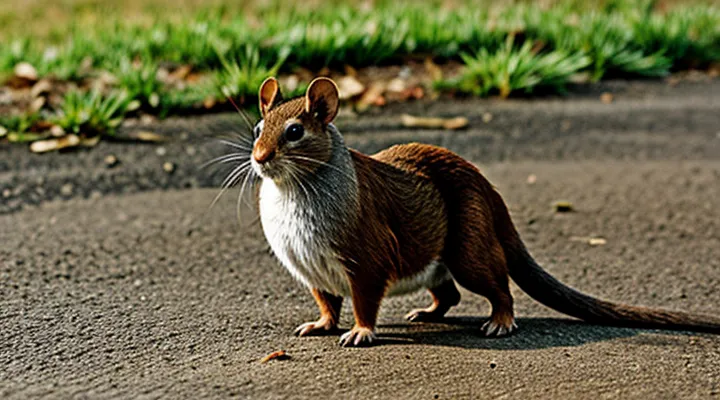
Physical Characteristics
Water rats (Hydromys chrysogaster) are semi‑aquatic rodents commonly found near ponds, streams, and irrigation ditches on residential and commercial grounds. Their presence indicates moist environments and potential structural vulnerabilities that facilitate entry into buildings.
Key physical traits:
- Length: 30–45 cm body, plus a 20–30 cm tail; overall size comparable to a medium house mouse.
- Fur: dense, water‑repellent coat; dorsal side dark brown to black, ventral side lighter gray.
- Tail: thick, scaly, slightly flattened; functions as a rudder for swimming.
- Feet: webbed hind feet with strong claws; enable rapid movement in water and on slippery surfaces.
- Whiskers: long, highly sensitive; assist navigation in low‑visibility aquatic habitats.
- Teeth: continuously growing incisors; capable of gnawing through soft wood, insulation, and plastic piping.
- Eyes: small, positioned high on the skull; provide limited vision but excellent night detection.
These characteristics dictate control strategies. The streamlined body and webbed feet allow water rats to exploit underground drainage, so sealing gaps around pipes, foundation walls, and crawl spaces is essential. Their strong incisors require robust materials—metal flashing, concrete, or steel mesh—to prevent chewing damage. The dense, water‑repellent fur reduces the effectiveness of simple bait stations; therefore, moisture‑based traps and professional exclusion methods are recommended. Understanding size and tail morphology helps in selecting cage dimensions that capture the animal without injury. Recognizing sensory reliance on whiskers supports the use of low‑light or infrared monitoring devices to confirm activity.
Signs of Infestation
Water rats leave clear evidence of their presence, allowing early detection before damage escalates.
Typical indicators include:
- Fresh droppings, 1‑2 cm long, dark brown to black, found near water sources, under decks, or in stored feed.
- Gnawed vegetation, insulation, wiring, or wooden structures, often with smooth, rounded bite marks.
- Distinctive musky odor, strongest near nesting sites or heavily trafficked pathways.
- Visible tracks in soft soil, mud, or snow, displaying four‑toed footprints with a pronounced heel pad.
- Nests constructed of shredded plant material, paper, or insulation, located in concealed, damp areas such as crawl spaces, basements, or along drainage lines.
- Unexplained water loss or increased humidity in confined spaces, caused by the rats’ frequent drinking and urination.
Identifying these signs promptly enables targeted removal measures and prevents structural damage, disease transmission, and costly repairs.
Why Water Rats Are a Problem
Property Damage
Water rats cause extensive damage to building components, compromising structural integrity and increasing repair costs. Their constant gnawing weakens wooden beams, joists, and rafters, leading to cracks and potential collapse. Burrowing in insulation creates gaps that allow heat loss, raising energy consumption and fostering moisture buildup that encourages mold growth.
Electrical systems suffer when rats chew wiring, exposing conductors and creating fire hazards. Damaged cables may short circuit, triggering costly outages and posing safety risks. Plumbing is vulnerable as rodents gnaw plastic pipes, resulting in leaks that erode foundations and promote soil instability.
Exterior elements are not exempt. Rats tunnel beneath foundations, displacing soil and undermining footings. Their nests in crawl spaces and attics introduce fecal matter that stains surfaces, contaminates air, and accelerates deterioration of drywall and ceiling tiles.
Key damage categories to assess include:
- Structural timber degradation
- Insulation loss and moisture intrusion
- Compromised electrical wiring
- Leaking or ruptured plumbing
- Foundation and footing displacement
- Surface contamination and mold development
Identifying these issues early allows targeted remediation before eradication efforts begin. Professional inspection should document each damage type, prioritize repairs, and integrate pest control measures to prevent recurrence. Prompt restoration restores safety, preserves property value, and reduces long‑term expenditure.
Health Risks
Water rats present a direct threat to human health through the pathogens they carry and the contamination they cause. Their presence on a property increases exposure to infectious agents, foodborne illnesses, and allergic reactions.
- Leptospirosis – bacterial infection transmitted via urine‑contaminated water or surfaces.
- Salmonellosis – gastrointestinal illness from fecal contamination of food or water.
- Hantavirus – respiratory disease associated with inhalation of aerosolized rodent droppings.
- Rat‑borne hemorrhagic fever – viral infection spread through bites or contact with blood.
- Allergic sensitization – skin irritation and asthma triggered by rodent dander and urine proteins.
Rodent urine and feces infiltrate drinking water, irrigation systems, and stored provisions, creating reservoirs for disease transmission. Direct contact during handling or removal can result in bites, scratches, and secondary infections. Inhalation of dried droppings or nesting material releases aerosolized particles that irritate the respiratory tract.
Effective mitigation requires immediate elimination of the infestation, thorough disinfection of contaminated areas, and protective measures for personnel. Use gloves, masks, and disposable coveralls when cleaning. Replace compromised food supplies, seal entry points, and maintain regular inspections to prevent re‑infestation and protect occupants from health hazards.
Prevention Strategies
Eliminating Food Sources
Proper Waste Management
Proper waste management directly reduces water rat attraction. Secure all trash containers with tight-fitting lids; replace damaged lids promptly. Store waste away from building foundations and drainage systems.
Implement the following practices:
- Remove food residues from bins before disposal.
- Keep compost piles covered and located at least 30 feet from structures.
- Dispose of garden debris, fallen fruit, and leaf litter regularly.
- Seal pet food in airtight containers; avoid leaving leftovers outdoors.
- Schedule weekly collection or removal of bulk waste, such as cardboard and wood pallets.
Inspect drainage areas weekly. Clear blockages, eliminate standing water, and repair leaks. By maintaining a clean environment and controlling waste sources, water rat populations decline without resorting to chemical control.
Securing Pet Food
Pet food left unsecured attracts water rats, providing a reliable food source that encourages repeated visits. Proper storage eliminates this incentive and supports broader control measures.
- Store dry kibble in airtight containers made of heavy‑gauge plastic or metal with sealed lids.
- Keep wet food in sealed, disposable trays that are discarded immediately after use.
- Place containers on elevated surfaces, such as a countertop or shelving unit, to prevent rodents from reaching them from the floor.
- Remove any spilled crumbs or leftovers promptly; sweep and wipe feeding areas after each meal.
Additional precautions reinforce protection:
- Use feeding stations that lock when not in use, limiting exposure to a few minutes each day.
- Position feeding stations away from walls, gutters, and vegetation where rats can hide.
- Inspect containers regularly for damage or compromised seals, replacing them at the first sign of wear.
By denying water rats access to pet nutrition, property owners remove a critical attractant, making other eradication tactics more effective.
Modifying the Environment
Removing Standing Water
Eliminating stagnant water is essential for preventing water rats from colonizing a property. These rodents are attracted to persistent moisture because it provides easy access to food, shelter, and breeding sites. Removing such sources directly reduces habitat suitability and interrupts the infestation cycle.
Identify all locations where water accumulates after rain or irrigation. Common areas include low‑lying sections of lawns, drainage ditches, basements, crawl spaces, and under decks. Conduct a visual inspection after the first heavy rainfall to locate puddles, seepage points, and soggy soil.
Implement corrective actions:
- Regrade slopes to direct runoff away from foundations and toward proper drainage channels.
- Install or repair French drains, catch basins, and downspout extensions to channel water to designated discharge points.
- Seal cracks in foundations, walls, and flooring with appropriate sealants to stop infiltration.
- Replace damaged or clogged gutters and ensure they discharge at least three feet from the building.
- Fill depressions in driveways and patios with compacted fill material, then resurface as needed.
- Use a sump pump in basements or crawl spaces, maintaining it regularly to avoid failure during wet periods.
Maintain dry conditions through routine monitoring. Check drainage systems quarterly, clear debris that could obstruct flow, and adjust irrigation schedules to avoid overwatering. Promptly address any new pooling to prevent re‑establishment of water rat habitats.
Trimming Vegetation
Trimming vegetation reduces shelter and travel routes for water rats, limiting their access to structures and food sources. Dense shrubs, overgrown ground cover, and tall grasses create concealed pathways that rodents use to move between water bodies and buildings. By cutting back these plants, you remove protective cover and force the animals into exposed areas where they are more vulnerable to predators and control measures.
Effective vegetation management includes:
- Cutting back shrubs to a height of no more than 12 inches from the ground.
- Removing tall grass and weeds within a 10‑foot perimeter of foundations, decks, and outbuildings.
- Pruning tree branches that overhang roofs, walls, or gutters to prevent easy entry points.
- Disposing of clippings in sealed containers or compost bins that are rat‑proof.
- Maintaining regular mowing schedules, especially after heavy rain or seasonal growth spikes.
Implementing these steps creates a clear zone around the property, discourages colonization, and enhances the efficacy of other control tactics such as trapping and habitat modification. Continuous monitoring and prompt re‑trimming after seasonal growth ensure the environment remains unfavorable for water rats.
Sealing Entry Points
Sealing entry points is the most reliable barrier against water rat intrusion. Identify all potential openings where rodents can access the building envelope, then apply durable, waterproof materials to block them permanently.
Inspect the exterior for gaps around foundations, crawl spaces, and utility penetrations. Pay particular attention to:
- Cracks in concrete slabs or footings
- Openings around vent pipes, sewer lines, and downspouts
- Gaps beneath siding, brickwork, or stucco
- Unsealed spaces around door frames, windows, and garage doors
- Holes in the roofline, including eaves and soffits
Repair each defect with appropriate products:
- Use hydraulic cement for expanding cracks in concrete; it hardens quickly and resists water pressure.
- Install stainless‑steel mesh or heavy‑duty hardware cloth (minimum ¼‑inch gauge) over larger holes, then seal with silicone or polyurethane caulk.
- Apply self‑adhesive flashing tape to seal seams around vent pipes and utility conduits; reinforce with metal collars where movement is expected.
- Fill gaps under siding with foam backer rod, then cover with a high‑quality exterior sealant.
- Replace deteriorated door sweeps and install weather‑stripping on all exterior doors and windows.
After sealing, conduct a walk‑through test by spraying a fine mist of water along the repaired areas; any leakage indicates remaining openings that require additional attention. Maintaining a sealed envelope prevents water rats from re‑entering, reducing the need for repeated trapping or chemical control. Regularly re‑inspect after seasonal weather changes to ensure the barrier remains intact.
Extermination Methods
Trapping
Types of Traps
Effective control of water rats on a property relies on selecting the appropriate trap. Different trap designs target specific behaviors and provide varying levels of humaneness, durability, and maintenance requirements.
-
Snap traps – Steel spring mechanisms deliver rapid, lethal force. Ideal for high‑traffic areas where quick turnover reduces population pressure. Bait with oily fish or peanut butter to increase attraction.
-
Live‑catch cages – Wire cages with a trigger plate capture rats unharmed. Suitable for owners who prefer relocation. Check traps at least twice daily to prevent stress and disease buildup.
-
Electronic traps – Battery‑powered plates emit a high‑voltage shock that kills instantly. Provide consistent performance regardless of weather. Require periodic battery replacement and cleaning of carcasses.
-
Glue boards – Adhesive sheets immobilize rodents upon contact. Effective for monitoring activity in hard‑to‑reach crevices. Not recommended for humane control, as removal can cause prolonged suffering.
-
Bait stations with poison – Enclosed containers hold anticoagulant or bromethalin baits. Limit access to non‑target species. Use only where legal and follow label instructions to avoid secondary poisoning.
-
Water traps – Shallow, baited containers filled with water cause drowning. Primarily used in flood‑prone zones where other traps fail. Ensure depth is sufficient to submerge the rat without allowing escape.
Each trap type demands proper placement: near burrow openings, along established runways, and at water sources. Regular inspection and prompt disposal of captured rats maintain trap efficacy and reduce health risks. Selecting a combination of lethal and humane devices maximizes population reduction while complying with local wildlife regulations.
Baiting Techniques
Baiting provides a direct method for reducing water‑rat populations on residential or commercial land. Effective deployment relies on selecting appropriate toxicants, positioning stations correctly, and maintaining strict safety protocols.
- Anticoagulant baits (e.g., brodifacoum, difenacoum) cause internal bleeding after ingestion; they are suitable for established colonies.
- Zinc phosphide produces rapid mortality through phosphine gas release; best for short‑term suppression.
- Food‑based attractants (grain, fruit, fish oil) enhance consumption rates; match bait flavor to local foraging preferences.
Station placement follows predictable rat behavior. Position devices 1–2 m from water edges, along concealed runways, and near known burrow entrances. Secure stations to prevent displacement by wind or wildlife. Space stations 10–15 m apart to ensure overlapping coverage without competition.
Safety measures include wearing gloves, eye protection, and disposable clothing when handling baits. Seal stations with tamper‑resistant locks to protect non‑target animals and children. Record the active ingredient, concentration, and placement date for regulatory compliance.
Monitoring requires weekly inspection of each station. Replace depleted baits, rotate active ingredients to deter resistance, and document signs of activity such as gnaw marks or droppings. Adjust station density based on observed reductions, aiming for a gradual decline in sightings rather than abrupt elimination.
Trap Placement
Effective trap placement is essential for controlling water rats on a property. Identify areas where activity is highest: along drainage lines, near standing water, and at entry points such as culverts or low‑lying doors. Place traps perpendicular to the expected travel path, with the trigger side facing the wall or obstacle the rats use for shelter. Secure traps on a stable surface to prevent shifting when an animal contacts the mechanism.
When selecting bait, use items that water rats prefer, such as fresh fish, canned cat food, or grains soaked in water. Position bait at the rear of the trap to encourage the rat to fully enter before triggering. Rotate bait types every few days to maintain attraction.
Maintain safety and effectiveness by:
- Checking traps daily; remove captured rats promptly to avoid scent buildup.
- Wearing gloves and protective clothing during handling.
- Resetting or replacing traps that have been triggered without capture.
- Recording trap locations and results to refine placement strategy over time.
Adjust trap density based on infestation level; a minimum of one trap per 50 square feet in high‑traffic zones provides reliable coverage. Regularly inspect surrounding vegetation and debris that could provide alternative shelter, and clear these obstacles to channel rats toward the traps.
Baits and Poisons
Choosing the Right Product
Selecting an effective product is critical for eliminating water rats from a property. The choice determines speed of control, safety for occupants and pets, and long‑term prevention.
Key factors to evaluate:
- Active ingredient – Verify that the chemical is proven against water rats; common options include bromadiolone, difethialone, or anticoagulant baits formulated for semi‑aquatic rodents.
- Formulation type – Choose between solid blocks, pellet baits, or liquid concentrates based on the target area’s accessibility and exposure risk.
- Safety profile – Confirm low toxicity to non‑target wildlife, domestic animals, and humans; look for products with child‑proof packaging and clear usage warnings.
- Environmental impact – Prefer biodegradable carriers and formulations that do not contaminate water sources or soil.
- Application method – Ensure the product can be placed in burrow entrances, along runways, or in water‑adjacent zones without excessive labor.
- Regulatory compliance – Verify registration with relevant pest‑control agencies and adherence to local pesticide regulations.
- Efficacy data – Review field trial results or independent studies demonstrating rapid mortality and reduced re‑infestation rates.
- Cost‑effectiveness – Balance purchase price against expected coverage area and frequency of re‑application.
After assessing these criteria, procure the product that offers the highest efficacy while maintaining safety and regulatory standards. Proper deployment, combined with habitat modification, maximizes the likelihood of permanent eradication.
Safe Application
Effective removal of water rats from a property requires strict adherence to safety protocols when applying control measures. Use only products registered for rodent management and approved by relevant health authorities. Verify expiration dates and storage conditions before handling any chemical agents.
Before treatment, isolate the area. Seal entry points, turn off ventilation, and remove food sources. Equip personnel with gloves, eye protection, and respirators rated for the specific pesticide. Follow label instructions for dilution ratios, application methods, and exposure limits.
Safe application steps:
- Conduct a spot test on a small, hidden surface to confirm material compatibility.
- Mix chemicals in a well‑ventilated area using measured containers.
- Apply bait or spray only where water rats are active, avoiding contact with children, pets, and non‑target wildlife.
- Record dosage, location, and time of application for future reference.
- Dispose of unused product and empty containers according to local hazardous‑waste regulations.
After treatment, maintain a 24‑hour exclusion period before re‑entering the treated zones. Monitor for signs of activity and repeat application only if required, respecting the maximum frequency stated on the product label. Continuous documentation and compliance with safety guidelines minimize health risks while ensuring effective rat control.
Disposal of Carcasses
When water rat bodies remain on a site, they attract predators, spread disease, and signal a persistent infestation. Prompt, safe removal eliminates these risks and supports long‑term control.
First, equip yourself with disposable gloves, a mask rated for biological agents, and protective clothing. Seal the carcass in a heavy‑duty plastic bag, double‑bagging to prevent leakage. Disinfect the exterior of the bag with a bleach solution (1 part bleach to 9 parts water) before handling.
Choose a disposal method that complies with local regulations:
- Municipal waste collection – place the sealed bags in a rigid container and schedule a pickup with the city’s hazardous‑waste service.
- Incineration – deliver the bags to a licensed incinerator; this method destroys all tissue and eliminates pathogen survival.
- Deep burial – dig a pit at least 3 feet deep, far from water sources and food supplies, and cover the carcasses with soil and a layer of lime to accelerate decomposition.
After removal, clean the area with a disinfectant solution, then rinse and allow to dry. Dispose of all disposable PPE in the same sealed bags used for the carcasses. Record the date, location, and method of disposal for future reference and to demonstrate compliance during inspections.
Professional Pest Control
When to Call an Expert
Dealing with a water‑rat infestation can quickly exceed the capabilities of DIY methods. Professional assistance becomes necessary when the situation meets specific criteria.
- Evidence of activity in multiple locations (e.g., burrows, droppings, gnaw marks) across the property.
- Signs of structural damage, such as compromised foundations, rotted wood, or compromised drainage systems.
- Persistent odor or health‑related complaints that suggest disease transmission.
- Unsuccessful attempts with traps, repellents, or exclusion devices after several weeks.
- Legal or insurance requirements that mandate certified removal procedures.
Engaging a licensed pest‑control specialist provides access to targeted baiting programs, safe handling of hazardous chemicals, and compliance with local wildlife regulations. Experts can also perform comprehensive inspections, identify entry points, and implement long‑term prevention strategies that homeowners typically lack the tools or knowledge to execute.
If any of the listed conditions apply, contacting a qualified professional promptly reduces the risk of property damage, protects public health, and ensures a permanent resolution.
What to Expect from a Service
When you contract a professional pest‑management firm to eliminate water rats from your premises, the service follows a defined sequence. First, a qualified technician conducts a thorough site inspection, identifying entry points, nesting areas, and signs of activity. The inspection results form the basis of a written treatment plan that outlines the methods, chemicals, or traps to be used, as well as safety precautions for occupants and pets.
The execution phase includes:
- Placement of bait stations or traps in strategic locations.
- Application of rodent‑specific rodenticides, if required, adhering to regulatory standards.
- Sealing of identified entry points to prevent re‑infestation.
- Immediate removal of captured or deceased rodents, with proper disposal.
After treatment, the provider schedules a follow‑up visit, typically within two to four weeks, to assess effectiveness and adjust tactics if necessary. Clients receive a detailed report summarizing findings, actions taken, and recommendations for ongoing prevention, often accompanied by a warranty covering a specified period against recurrence.
Post-Extermination Measures
Cleaning and Sanitization
Disinfecting Contaminated Areas
After eliminating water rat activity, every surface that has contacted urine, feces, or saliva must be treated to prevent disease transmission. Begin by removing all visible debris, then apply a disinfectant approved for rodent-borne pathogens. Follow the product’s contact time to ensure microbial kill; typically, a minimum of ten minutes is required.
Key steps for effective decontamination:
- Wear disposable gloves, mask, and eye protection before entering the area.
- Sweep or vacuum loose material, discarding it in sealed bags.
- Pre‑wet surfaces with a detergent solution to loosen organic matter.
- Apply a rodent‑specific disinfectant (e.g., a 10 % bleach solution or a commercial quaternary ammonium product) evenly across floors, walls, and fixtures.
- Allow the solution to remain undisturbed for the manufacturer‑specified dwell period.
- Rinse with clean water if the disinfectant label advises, then dry the area thoroughly.
Finally, dispose of all cleaning tools and protective gear in sealed containers. Conduct a visual inspection to verify that no residues remain, and repeat the process in any spot that shows signs of contamination. This systematic approach eliminates pathogens and restores a safe environment for occupants.
Odor Removal
Water rats leave urine and feces that create persistent, unpleasant smells. Immediate removal of the source is the first step. Collect all droppings with disposable gloves, seal them in a plastic bag, and discard according to local hazardous‑waste guidelines.
After removal, treat the contaminated area with an enzymatic cleaner. Enzymes break down organic compounds, eliminating the odor at its source rather than masking it. Apply the product according to the manufacturer’s instructions, ensuring full saturation of the affected surface. Allow the solution to dwell for the recommended period before wiping or rinsing.
If the infestation has affected porous materials such as carpet, insulation, or drywall, replace them. Porous substrates retain odor molecules that cleaning agents cannot fully penetrate.
Ventilation accelerates odor dissipation. Open windows, use exhaust fans, and run portable air‑purifiers equipped with activated carbon filters. Position the purifier near the treated zone and operate it for at least 24 hours.
For lingering smells, consider the following supplemental measures:
- Sprinkle baking soda on dry surfaces, let sit for 30 minutes, then vacuum.
- Place bowls of white vinegar in the room for 12 hours to absorb volatile compounds.
- Use ozone generators sparingly, following safety guidelines, to oxidize residual odorants.
Finally, implement a regular inspection schedule. Detect and clean new deposits promptly to prevent odor buildup and discourage further rat activity.
Long-Term Prevention
Regular Property Inspections
Regular inspections of a property create the earliest opportunity to detect water rat activity before infestations become severe. Inspectors should examine foundations, drainage systems, and any structures that retain moisture. Look for gnaw marks on wood, droppings near water sources, and burrow entrances along banks or low‑lying areas.
A systematic inspection schedule reduces the chance of missing early signs. Recommended frequency:
- Quarterly checks during the rainy season, when water rats are most active.
- Bi‑annual checks in drier months.
- Additional visits after heavy storms or flooding events.
During each visit, record the following details:
- Location of any fresh droppings or nests.
- Condition of seals, vents, and crawl spaces.
- Integrity of gutters, downspouts, and runoff channels.
- Evidence of vegetation overgrowth that could provide shelter.
Documenting findings in a log allows trend analysis and informs targeted control measures. When signs are identified, immediate actions include sealing entry points, repairing leaks, and removing standing water. If the problem persists, engage a licensed pest‑management professional to implement trapping, baiting, or habitat modification.
Consistent, thorough inspections form the backbone of an effective strategy to eliminate water rat presence from a property.
Continuous Maintenance
Continuous maintenance is the cornerstone of lasting water‑rat control. Regular inspections of foundations, walls, and utility openings reveal new gaps before rodents exploit them. Seal any discovered cracks with appropriate materials such as steel‑wool, caulk, or concrete patch.
Maintain proper drainage to eliminate standing water that attracts water rats. Clear gutters, downspouts, and grading slopes so water flows away from the building. Replace damaged roofing or flashing promptly to prevent leaks that create moist habitats.
Control vegetation that provides cover and pathways to the structure. Trim overgrown shrubs, remove dense ground cover, and keep grass at a manageable height. Store firewood, compost, and other organic materials away from the building perimeter and on raised platforms.
Implement a systematic waste‑management routine. Secure trash containers with tight‑fitting lids, remove food residues promptly, and avoid leaving pet food outdoors. Regularly clean areas where water rats may forage, such as decks, patios, and outdoor kitchens.
Deploy monitoring devices, such as snap traps or electronic counters, on a scheduled basis. Record capture numbers, locations, and dates to identify trends. Replace or reposition devices according to observed activity.
Schedule quarterly reviews of all preventive measures. During each review, verify that seals remain intact, drainage systems function correctly, vegetation is controlled, and waste protocols are followed. Adjust the maintenance plan in response to any new evidence of rodent presence.
By adhering to this disciplined, ongoing regimen, property owners reduce the likelihood of re‑infestation and sustain a low‑risk environment for water rats.