
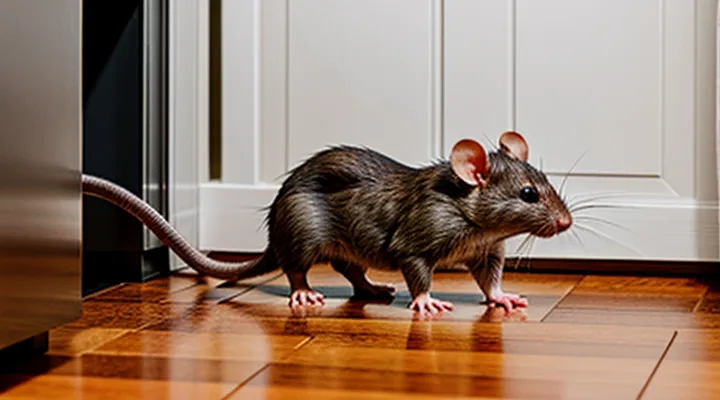
Understanding the Rat Problem
Identifying Rat Infestation Signs
Droppings and Urine
Rats leave droppings and urine wherever they travel, creating a hidden health hazard. Fresh droppings appear as dark, pellet‑shaped fragments, typically 0.5–1 cm long, with a pointed tip. Older deposits turn grayish and may crumble. Urine stains surfaces with a yellowish sheen and emit a sharp, ammonia‑like odor, especially in confined areas.
Health risks stem from pathogens carried in these excretions. Hantavirus, leptospirosis, salmonella, and various parasites can be transmitted through inhalation of aerosolized particles, direct contact, or ingestion of contaminated food. Children and immunocompromised individuals face heightened vulnerability.
Effective removal requires protective measures and thorough cleaning:
- Wear disposable gloves, N‑95 respirator, and eye protection before entering contaminated zones.
- Ventilate the area for at least 15 minutes; use fans to push air outward.
- Wet the droppings with a disinfectant solution (e.g., 1 % bleach in water) to prevent dust formation.
- Scrape and collect the saturated material into a sealed plastic bag.
- Disinfect the surface with the same bleach solution, allowing a contact time of 10 minutes.
- Rinse with clean water, then dry completely.
- Dispose of all waste in a sealed container; treat it as biohazard material.
Preventive steps reduce future deposits:
- Seal entry points larger than ¼ inch to block rodent access.
- Store food in airtight containers; eliminate spillage.
- Keep garbage cans covered and remove waste regularly.
- Maintain a dry environment; fix leaks and reduce standing water.
Monitoring after cleaning confirms success. Absence of fresh droppings for two weeks, coupled with no new urine stains, indicates that the infestation has been interrupted. Continuous vigilance and prompt sanitation remain essential components of any rodent‑control strategy.
Gnaw Marks and Damage
Rats leave unmistakable evidence through gnaw marks and structural damage. These indicators reveal entry points, nesting sites, and the extent of infestation, guiding effective elimination efforts.
Typical gnaw marks appear on wood, plastic, and wiring. Rats prefer to chew on soft materials to sharpen their incisors. Look for V‑shaped bites on wooden beams, chewed edges on baseboards, and exposed wires with bite marks. Damage to insulation and electrical cords poses fire hazards and should be addressed immediately.
Signs of damage also include:
- Holes in walls or floors larger than a quarter‑inch, often near concealed areas.
- Frayed or missing insulation around ducts and attics.
- Stained or shredded fabric in closets and storage spaces.
- Accumulated droppings near gnawed surfaces, indicating active use.
Identifying these clues enables targeted sealing of openings, removal of compromised materials, and placement of traps or bait stations in high‑activity zones. Repairing gnawed structures restores integrity and prevents re‑entry. Use steel wool, metal flashing, or cement to block holes, and replace damaged wiring with fire‑rated cable.
Documenting the pattern of gnaw marks helps monitor progress. After sealing and trapping, re‑inspect previously damaged areas weekly for new bites. Persistent marks suggest surviving rodents and require additional intervention.
By focusing on gnaw marks and associated damage, homeowners can prioritize remediation, reduce health risks, and support long‑term rat control strategies.
Strange Noises
Strange noises heard at night often signal the presence of rodents. Scratching on walls, piping sounds, and high‑pitched squeaks indicate active burrows, nesting areas, or foraging activity. Identifying the source and pattern of these sounds helps locate entry points and concentrate control measures.
When unusual sounds are detected, follow a systematic approach:
- Conduct a visual inspection of walls, ceilings, and attics for gnaw marks, droppings, or shredded material.
- Seal gaps larger than ¼ inch with steel wool, caulk, or metal flashing to prevent further ingress.
- Set snap traps or electronic traps along walls where noises originate, positioning bait at the far end of the device to encourage contact.
- Deploy bait stations containing anticoagulant rodenticides, ensuring placement in inaccessible areas to protect non‑target species.
- Apply ultrasonic emitters in confined spaces; these devices emit frequencies above 20 kHz that disrupt rodent communication and deter activity.
If noises persist after initial interventions, re‑evaluate the inspection for hidden conduits or concealed nesting sites. Consider professional extermination services for extensive infestations, as they can perform thorough cavity sealing and apply integrated pest‑management techniques that combine trapping, baiting, and environmental modification. Continuous monitoring of sound patterns confirms the effectiveness of the chosen methods and signals when the problem is fully resolved.
Sightings
Rats are rarely seen during daylight, but sightings provide the first reliable evidence of an infestation. When a rat appears, note the time, location, and activity (e.g., foraging, nesting, or fleeing). This information helps pinpoint entry points and high‑traffic zones, allowing targeted intervention.
Typical signs accompanying a sighting include:
- Fresh droppings near food sources, walls, or hidden corners.
- Gnaw marks on wood, plastic, or wiring.
- Grease or urine stains that darken over time.
- Scratching noises in walls or ceilings, especially at night.
Documenting sightings with photographs or video strengthens communication with pest‑control professionals and supports monitoring of control measures. Record each incident in a simple log, updating it after each inspection or trap check.
If a sighting occurs, immediate actions should follow:
- Seal obvious gaps larger than ¼ inch with steel wool, mesh, or caulk.
- Remove food sources by storing perishables in airtight containers and cleaning spills promptly.
- Place bait stations or snap traps along walls, near the sighting location, and behind appliances.
- Inspect and clear clutter that offers shelter, such as cardboard boxes or piles of laundry.
Consistent documentation of rat sightings, combined with rapid sanitation and exclusion steps, creates a data‑driven foundation for eliminating the problem and preventing recurrence.
Common Entry Points for Rats
Cracks and Holes in Foundations
Cracks and holes in a building’s foundation create direct pathways for rats to enter living spaces. Even small openings allow rodents to squeeze through, establishing nests and foraging routes that quickly lead to infestation.
These structural gaps compromise the integrity of the building envelope and provide shelter, warmth, and access to food sources. Unsealed gaps also enable rats to travel between the yard and interior without detection, making control efforts less effective.
Inspection should include a visual survey of the perimeter, focusing on:
- Exterior walls where mortar has deteriorated
- Basement floors and crawl‑space walls for hairline fissures
- Utility penetrations such as pipe sleeves and conduit entries
- Areas around foundation vents and drainage systems
Repair and sealing actions must be durable and rodent‑proof:
- Clean debris and loose material from each opening.
- Apply a high‑quality, cement‑based mortar or hydraulic cement to fill cracks wider than ¼ inch.
- Use steel wool or copper mesh as a backing material before applying sealant to prevent rats from gnawing through.
- For larger holes, install metal flashing or concrete blocks, securing them with construction adhesive and reinforcing with rebar where necessary.
- Cover all utility penetrations with metal sleeves and seal joints with silicone‑based rodent‑resistant caulk.
Regular maintenance includes re‑examining the foundation after heavy rain, settlement, or landscaping work. Promptly address any new fissures to sustain a barrier that denies rats entry and supports long‑term rodent control.
Gaps Around Pipes and Vents
Sealing gaps around pipes and vents eliminates the primary entry points that rodents exploit to access interior spaces. Inspect all exterior and interior penetrations where water, gas, and ventilation systems pass through walls, floors, and ceilings. Look for cracks larger than a quarter‑inch, loose fittings, and unsealed joints.
Identify high‑risk locations:
- Utility penetrations for water, sewer, and gas lines
- Dryer exhaust vents and bathroom fans
- HVAC ducts and chimney flues
- Crawl‑space and basement pipe sleeves
- Wall voids around electrical conduit
Select appropriate sealing materials. Use stainless‑steel mesh or hardware cloth (minimum ¼‑inch gauge) for large openings that require airflow, then cover with expanding polyurethane foam or silicone caulk to close remaining voids. For small cracks, apply a two‑part epoxy or a rodent‑resistant sealant that adheres to both metal and masonry.
Apply sealing steps in sequence:
- Clean the area to remove debris, dust, and grease.
- Fit mesh or hardware cloth over the opening, securing it with screws or metal brackets.
- Inject expanding foam around the mesh, allowing it to cure fully.
- Trim excess foam and smooth the surface with a putty knife.
- Finish with a bead of silicone or epoxy to ensure a weather‑tight seal.
Schedule regular inspections, preferably quarterly, to verify that seals remain intact and to address any new gaps caused by building movement or wear. Maintaining a sealed envelope around pipes and vents significantly reduces the likelihood of rodent intrusion, supporting an overall pest‑free environment.
Damaged Screens and Doors
Damaged window screens and door frames create entry points that allow rodents to infiltrate living spaces. Even small tears or gaps provide enough clearance for rats to squeeze through, compromising any other control measures.
- Inspect all exterior screens for tears, loose mesh, or missing sections; replace or patch immediately.
- Examine door thresholds, weather stripping, and hinges; tighten screws, reinstall damaged weather seals, and install steel wool or copper mesh behind gaps.
- Use a durable, rust‑resistant material such as aluminum or stainless steel for repair to withstand gnawing.
- Seal cracks around window frames and door jambs with expanding polyurethane foam or cement‑based caulk; repeat inspection after seasonal temperature changes.
Regular maintenance of screens and doors prevents re‑entry after trapping or baiting. Schedule quarterly checks, especially after storms or renovations, to ensure all barriers remain intact. Continuous vigilance eliminates the primary pathway for rats, enhancing the overall effectiveness of any eradication program.
Roof and Attic Access
Rats often enter homes through gaps in the roof structure and the attic. Access points include eaves, soffits, roof vents, and unfinished attic openings. Identifying and securing these routes prevents new infestations and limits the movement of existing rodents.
Inspection should begin with a visual survey of the roofline. Look for cracked or missing shingles, damaged flashing, and loose roofing material. In the attic, check for holes around wiring, plumbing penetrations, and insulation gaps. Use a flashlight and a mirror to examine hard‑to‑see areas.
Once entry points are located, follow these actions:
- Replace damaged shingles and repair flashing with metal or cement‑based sealant.
- Install steel‑mesh screens over vents, chimneys, and attic gable openings.
- Seal gaps around pipes, cables, and ducts with copper‑wrapped steel wool and expanding foam.
- Apply low‑profile weatherstripping to attic doors and hatch covers.
- Trim overhanging branches and vines that touch the roof, eliminating bridge routes.
After sealing, monitor the attic for signs of activity. Place snap traps or electronic bait stations along walls and near former entry points. Replace traps regularly and dispose of captured rodents according to local regulations.
Maintaining roof and attic integrity is a continuous process. Schedule seasonal inspections, especially after severe weather, to detect new damage promptly. Consistent upkeep reduces the likelihood of rat re‑entry and supports long‑term pest management.
Effective Rat Extermination Methods
Trapping Strategies
Snap Traps
Snap traps remain a primary choice for homeowners seeking rapid rat elimination. Constructed of sturdy wood or plastic, they employ a spring‑loaded bar that delivers an instantaneous kill when a rodent bites the trigger plate. The design requires no electricity or chemicals, making it suitable for any room, including kitchens and basements.
Effective deployment of snap traps involves several precise steps:
- Position traps along established rodent pathways, such as walls, behind appliances, and near garbage containers.
- Place bait—peanut butter, dried fruit, or small meat pieces—directly on the trigger plate to ensure engagement.
- Set traps at night when rat activity peaks; check them each morning and dispose of captured specimens promptly.
- Use multiple traps spaced 1–2 feet apart to increase capture probability and to prevent survivors from learning to avoid a single device.
- Replace worn springs or damaged plates to maintain lethal force; a compromised mechanism reduces success rates.
When used correctly, snap traps provide immediate results, low maintenance, and minimal risk of secondary poisoning, making them an essential component of comprehensive rat control in residential settings.
Live Traps
Live traps provide a humane alternative for removing rodents from residential spaces. The device consists of a sturdy cage with a trigger mechanism that closes the door when a rat enters to reach bait.
When choosing a trap, prioritize models made of durable metal or heavy‑duty plastic, equipped with a secure latch and a smooth interior to prevent injury. Bait selection influences success; peanut butter, dried fruit, or small pieces of meat attract most house rats.
Effective placement follows a simple pattern:
- Position traps along walls, behind appliances, or near known gnaw marks.
- Align the trigger side perpendicular to the wall, allowing the rat to approach head‑first.
- Set traps at night and inspect them each morning to minimize stress on captured animals.
After capture, handle the cage with gloves, cover it with a cloth, and transport the rodent to a release site at least two miles from the residence, preferably in a wooded or agricultural area. Release the animal at dusk, opening the door away from the observer to allow an unobstructed exit.
Maintenance includes cleaning the cage with mild detergent after each use, checking the latch for wear, and replacing bait regularly to maintain potency. By following these steps, live traps become a reliable component of an overall rodent‑control strategy.
Electronic Traps
Electronic traps provide a rapid, humane solution for eliminating rats inside a residence. They operate by delivering a high‑voltage shock that instantly kills the rodent when it contacts the baited plate. The device contains a rechargeable battery or mains power source, an infrared sensor that detects movement, and a sealed chamber that prevents escape.
Key benefits include:
- Immediate mortality eliminates the risk of disease transmission from live captures.
- No poisons or chemicals, reducing health hazards for children and pets.
- Reusable components lower long‑term costs compared with disposable snap traps.
- Minimal odor and mess, as the carcass remains inside the unit until disposal.
When selecting an electronic trap, consider the following criteria:
- Power supply: models with both battery and plug‑in options ensure functionality during outages.
- Capacity: larger chambers accommodate multiple rats, useful in heavily infested areas.
- Safety features: insulated housing and a lockout button prevent accidental activation.
- Indicator lights: visual cues confirm successful captures and battery status.
Installation guidelines:
- Position traps along walls, near known runways, and close to food sources.
- Place the bait (e.g., peanut butter or dried fruit) on the contact plate to attract the animal.
- Keep the unit out of reach of children and non‑target wildlife; mount on a stable surface to avoid tipping.
- Test the sensor before deployment to verify sensitivity.
Maintenance procedures:
- After a kill, disconnect power, open the chamber, and dispose of the carcass in a sealed bag.
- Clean the interior with a mild disinfectant to prevent residue buildup.
- Recharge or replace the battery according to the manufacturer’s schedule.
- Inspect the sensor and contact plates for wear; replace parts if performance declines.
By integrating electronic traps into a broader rodent‑control strategy, homeowners achieve swift, low‑maintenance eradication of rats while minimizing collateral risks.
Baiting Techniques for Traps
Bait selection determines trap success. Choose attractants that match rats’ dietary preferences and the environment where the trap will be set.
- High‑protein foods – peanut butter, cooked meat, hard‑boiled eggs. Strong scent and rich nutrients draw active foragers.
- Grain‑based baits – cornmeal, oats, wheat germ. Effective in storage areas and kitchens where rodents seek carbohydrate sources.
- Fatty substances – lard, bacon grease, cheese. Ideal for sewers or basement locations where rats favor oily residues.
- Commercial rodent baits – pre‑mixed formulations containing anticoagulants or neurotoxic compounds. Ensure concentration complies with local regulations and label instructions.
Placement principles:
- Position traps along walls, behind appliances, and near known runways; rats rarely cross open space.
- Secure bait to the trigger mechanism with a thin layer of adhesive or a small amount of the chosen food to prevent premature removal.
- Keep baits out of reach of children and pets by using enclosed snap traps or tamper‑resistant stations.
Timing considerations:
- Deploy baited traps in the evening when rats are most active; check and reset them early the next morning.
- Rotate bait types weekly to prevent habituation and maintain curiosity.
Safety measures:
- Wear disposable gloves when handling toxic baits to avoid skin absorption.
- Store unused bait in sealed containers labeled with hazard warnings.
- Record trap locations and capture dates to monitor population trends and adjust baiting strategy accordingly.
Baits and Poisons
Rodenticides: Types and Risks
Rodenticides are chemical agents specifically formulated to control rodent populations in residential settings. Their effectiveness depends on proper selection, dosage, and application method.
Common categories include:
- Anticoagulants – first‑generation (warfarin, chlorophacinone) require multiple feedings; second‑generation (bromadiolone, difenacoum) act after a single dose.
- Metal phosphides – zinc phosphide releases phosphine gas when ingested, causing rapid mortality.
- Neurotoxins – bromethalin disrupts cellular energy production, leading to paralysis.
- Calcium channel blockers – coumarin‑derived compounds interfere with cardiac function.
Each class presents distinct hazards:
- Secondary poisoning – non‑target predators or pets may ingest poisoned rodents, resulting in unintended fatalities.
- Residue contamination – dead rodents can contaminate food preparation surfaces, requiring thorough cleaning.
- Environmental persistence – some anticoagulants remain active in soil and water for extended periods, affecting wildlife.
- Resistance development – repeated exposure to the same anticoagulant can lead to genetic resistance in rat populations, reducing efficacy.
Safe use mandates:
- Placement of bait stations out of reach of children and domestic animals.
- Regular inspection and removal of dead rodents.
- Rotation of active ingredients to mitigate resistance.
- Compliance with local regulations governing pesticide application.
Understanding the specific properties and associated risks of each rodenticide type enables informed decisions that maximize control efficiency while minimizing collateral harm.
Safe Placement of Baits
Effective bait deployment reduces the risk of accidental poisoning and maximizes rodent control. Place baits where rats are active but out of reach of children, pets, and non‑target wildlife. Position stations near walls, behind appliances, in attic corners, and along known runways. Secure each bait in a tamper‑proof container that opens only with a rat’s weight or pressure.
- Use snap‑tight containers with built‑in shields.
- Anchor stations to the floor or a stable surface.
- Keep containers at least 1.5 m above ground level when placed on elevated surfaces.
- Avoid locations near food preparation areas, garbage bins, and pet feeding stations.
- Mark each station with a clear, durable label indicating “Rat Bait – Keep Out of Reach”.
Inspect stations weekly. Replace depleted baits promptly and discard any that have been compromised. Clean surrounding surfaces to remove food residues that could divert rats from the bait. Following these placement protocols ensures safe, targeted control while protecting household members and other animals.
Natural and DIY Rat Repellents
Natural and DIY rat repellents offer effective, low‑cost alternatives to chemical treatments. These methods rely on odors, textures, or environmental modifications that deter rodents without harming them.
- Peppermint oil: Soak cotton balls in 10 % peppermint essential oil and place them near entry points, cupboards, and nesting sites. Replace every three days to maintain potency.
- Ammonia solution: Mix equal parts water and household ammonia in a spray bottle. Apply to cracks, vents, and behind appliances; the strong scent mimics predator urine.
- Vinegar and citrus: Combine white vinegar with lemon or orange peel zest in a spray. Target surfaces where rats travel; the acidic aroma disrupts their scent trails.
- Steel wool and copper mesh: Pack steel wool or copper mesh into gaps around pipes, vents, and foundation cracks. The abrasive texture prevents gnawing and blocks access.
- Homemade snap traps with bait: Use a small piece of dried fruit or peanut butter on a wooden board, attach a spring‑loaded bar, and position the trap along wall edges. Check daily and dispose of captured rodents promptly.
- Ultrasonic emitters: Install battery‑powered ultrasonic devices in walls and attics. Emit frequencies between 20–30 kHz that are uncomfortable for rats but inaudible to humans.
Implementing these repellents requires thorough inspection of the home’s exterior and interior. Seal all openings larger than a quarter inch, remove food sources, and keep clutter to a minimum. Consistent application of the listed measures reduces rat activity and supports long‑term prevention without resorting to hazardous chemicals.
Professional Pest Control
When to Call an Exterminator
Rats can cause structural damage, contaminate food, and spread disease. Homeowners often attempt DIY traps and baits, but certain conditions demand professional intervention. Call a licensed exterminator when any of the following indicators appear:
- Infestation density exceeds ten sightings per day or multiple active nests are discovered.
- Damage to wiring, insulation, or structural components is evident.
- Rodent droppings are found in food preparation areas, kitchens, or pantry shelves.
- Attempts with over‑the‑counter traps fail to reduce activity after a week of consistent use.
- Children, pets, or immunocompromised individuals are present, increasing health risk from rodent‑borne pathogens.
- The property includes hard‑to‑reach spaces such as wall cavities, attics, or crawl spaces where rats can establish permanent colonies.
Professional exterminators provide integrated pest management, combining inspection, targeted baiting, and sealing of entry points. Their expertise includes accurate identification of species, assessment of population dynamics, and compliance with local regulations on rodent control chemicals. When the infestation threatens safety, property integrity, or health, immediate contact with a certified pest‑control service prevents escalation and reduces long‑term costs.
What to Expect from Professional Services
Professional rat‑control services begin with a thorough inspection of the property. Technicians locate entry points, assess the severity of the infestation, and identify species‑specific habits that influence treatment choices. The inspection report forms the basis of a written action plan, which outlines recommended methods, expected timelines, and cost estimates.
The action plan usually includes:
- Sealing of gaps, cracks, and utility penetrations to prevent re‑entry.
- Placement of bait stations or traps designed for the identified species.
- Use of rodenticides applied in accordance with safety regulations, if necessary.
- Environmental sanitation advice to eliminate food and water sources that attract rodents.
Implementation follows the plan precisely. Trained personnel install devices, apply chemicals, and record placement locations. All work complies with local health and safety codes, and technicians wear protective equipment to minimize exposure risks.
After initial treatment, the service provider conducts regular monitoring visits. During each visit, technicians check trap captures, replace bait, and verify that sealed openings remain intact. Monitoring continues for a period specified in the contract, typically ranging from four to twelve weeks, to ensure the population is fully eradicated.
Clients receive a final report summarizing findings, actions taken, and any remaining recommendations. Many companies offer a warranty that includes a free follow‑up visit if rodents reappear within the guarantee window. Payment terms, service frequency options, and emergency response availability are disclosed upfront, allowing homeowners to budget and plan accordingly.
Integrated Pest Management (IPM) Approach
Integrated Pest Management (IPM) provides a systematic framework for eliminating rats from a home while minimizing health risks and environmental impact. The approach begins with a thorough inspection to locate entry points, nesting sites, and food sources. Accurate identification of infestation level guides the selection of control tactics.
Key components of the IPM strategy include:
- Sanitation: Remove accessible food, store waste in sealed containers, and eliminate water sources that attract rodents.
- Exclusion: Seal cracks, gaps around pipes, vents, and doors using steel wool, cement, or hardware cloth to prevent ingress.
- Mechanical control: Deploy snap traps or electronic devices in identified activity zones; position traps perpendicular to walls for maximum effectiveness.
- Monitoring: Use non‑lethal bait stations or tracking powders to confirm rat presence and assess trap performance.
- Chemical control: Apply rodenticides only after non‑chemical measures fail, following label instructions and safety protocols to protect occupants and pets.
Implementation follows a cycle: assess, intervene, monitor, and adjust. Continuous observation ensures that any new activity is detected early, allowing prompt reinforcement of exclusion measures. By prioritizing prevention and limiting pesticide use, the IPM model achieves long‑term rat suppression with reduced collateral impact.
Prevention and Long-Term Control
Sealing Entry Points
Repairing Gaps and Cracks
Rats enter homes through openings as small as a quarter‑inch. Sealing those entry points eliminates the most common access routes and forces the pests to look elsewhere.
Identify gaps and cracks in the building envelope. Focus on foundations, walls, windows, doors, utility penetrations, and vents. Use a flashlight and a mirror to locate hidden fissures, and feel for drafts around doors and windows.
Choose repair materials appropriate to the location:
- Expanding polyurethane foam for irregular voids around pipes and cables.
- Cement‑based mortar for concrete cracks larger than ¼ in.
- Steel wool or copper mesh backed by caulk for gaps around vent pipes.
- Weather‑stripping or door sweeps for moving door thresholds.
Apply repairs in a systematic order:
- Clean the opening; remove debris, loose material, and moisture.
- Insert filler material; for foam, spray until it expands to fill the cavity, then trim excess.
- Smooth mortar or caulk flush with the surrounding surface; allow proper curing time.
- Install metal mesh or wire where rodents could chew through softer sealants, then cover with sealant.
- Test the sealed area by checking for airflow or using a smoke pencil.
Regular maintenance prevents new openings. Inspect exterior walls after heavy rain, after landscaping work, and annually before winter. Re‑apply sealants where they have cracked or detached.
By eliminating structural gaps, you remove the primary pathway rats use to infiltrate a residence, thereby strengthening any broader pest‑control program.
Installing Mesh and Barriers
Installing mesh and physical barriers is a core component of any rat exclusion plan. Rats enter homes through gaps as small as ¼ inch; sealing these openings eliminates the most common access points.
Select durable material—stainless‑steel mesh, hardware cloth, or heavy‑gauge wire screen—with openings no larger than ¼ inch. Stainless steel resists corrosion in damp areas such as basements, crawl spaces, and around plumbing. Hardware cloth offers a flexible option for irregular shapes, while heavy‑gauge wire can reinforce doors and vents.
Apply the following steps:
- Identify all potential entry points: gaps around pipes, vents, utility lines, foundation cracks, and under doors.
- Measure each opening accurately; cut mesh with a utility knife or tin snips to provide a slight overlap.
- Secure mesh using stainless‑steel screws or masonry anchors, ensuring a tight fit without gaps.
- For doorways and larger vents, install a rigid barrier—such as a metal flashing or a hinged steel plate—secured with heavy-duty hinges that allow normal operation but prevent rodent passage.
- Seal any remaining seams with expandable polyurethane foam or silicone caulk, focusing on corners and joint lines.
Regular inspection reinforces effectiveness. Check for damage after severe weather, construction activity, or pest activity. Replace compromised sections promptly to maintain an uninterrupted barrier.
Integrating mesh and barriers with sanitation, trapping, and habitat reduction creates a comprehensive approach that prevents rats from re‑establishing a foothold inside the residence.
Securing Vents and Chimneys
Securing vents and chimneys blocks one of the most common entry points for rats. Properly sealed openings eliminate access routes, reduce the likelihood of infestation, and protect interior spaces from damage and disease.
Inspect all ventilation grilles, dryer exhausts, and chimney flues for gaps larger than ¼ inch. Use a flashlight to view hidden sections and note any cracked, missing, or loose components. Replace damaged screens with heavy‑gauge metal mesh (½ inch or smaller) and fasten them with stainless‑steel screws to resist gnawing.
Apply steel wool or copper mesh to fill small cracks before installing sealant. Follow with a high‑quality, rodent‑proof caulk or expanding foam that adheres to metal and wood surfaces. Ensure the material remains flexible to accommodate temperature changes without cracking.
Maintain the barriers by:
- Cleaning debris from vent covers weekly.
- Checking for rust or corrosion quarterly and repairing promptly.
- Re‑securing mesh after severe weather or construction work.
For chimneys, install a chimney cap equipped with a solid metal screen. Verify that the cap fits tightly around the flue and that the screen mesh size does not exceed ¼ inch. Secure the cap with masonry screws or a stainless‑steel bracket to prevent removal by rodents.
Regularly test the integrity of all seals by pushing a thin rod through openings; any resistance indicates a secure barrier. If a gap is detected, repeat the sealing process immediately to maintain continuous protection.
Sanitation and Food Storage
Proper Waste Disposal
Proper waste disposal is essential for preventing rats from entering a home. Food residues and garbage attract rodents; eliminating these sources reduces the likelihood of infestation.
Store trash in containers with tight-fitting lids. Replace lids if they become warped or cracked. Keep containers away from walls and direct sunlight, which can soften plastic and create gaps.
Regularly remove waste from the property. Empty indoor bins daily and take them to an external collection point. Outdoor dumpsters should be serviced at least twice a week to avoid overflow.
Maintain cleanliness in areas where waste accumulates:
- Sweep kitchen floors after meals.
- Wipe countertops and table surfaces.
- Clean under appliances and behind cabinets.
Dispose of organic waste such as fruit peels, meat scraps, and coffee grounds in sealed bags before placing them in the bin. Compost piles must be covered and located at a distance from the house to prevent rodents from using them as food sources.
Inspect and repair any damage to waste containers, including holes, cracks, or broken seals. Replace compromised containers promptly. By consistently applying these practices, households remove a primary food source for rats, making the environment less inviting for infestation.
Storing Food in Airtight Containers
Rats locate homes by tracking food odors; sealing food removes this cue. Airtight containers prevent scent release and block physical entry, reducing the likelihood that rodents will discover and consume stored provisions.
Effective containers are made of heavy‑gauge plastic, glass, or stainless steel, feature a lock‑tight lid with a silicone gasket, and lack cracks or gaps. The seal must remain intact after repeated opening and closing; otherwise, odor can escape.
Practical steps:
- Choose containers with a verified airtight rating; avoid those labeled merely “snap‑on”.
- Store dry goods (cereals, grains, nuts, pet food) and leftovers in these containers.
- Clean containers regularly with hot water and detergent; allow them to dry completely before refilling.
- Label each container with the purchase date; use older items first to prevent spoilage.
- Keep containers on shelves away from walls and baseboards, limiting rat access routes.
Implementing these measures eliminates a primary food source, making the interior environment less attractive to rodent populations.
Cleaning Up Spills and Crumbs
Keeping surfaces free of food residues eliminates one of the most attractive resources for rats. Promptly wipe up liquid spills with a disposable cloth or paper towel, then disinfect the area with a solution containing at least 70 % isopropyl alcohol or a diluted bleach mixture (1 part bleach to 9 parts water). Allow the surface to dry completely before replacing any items.
Collect and discard crumbs daily. Use a vacuum equipped with a HEPA filter to capture particles from floors, upholstery, and hard‑to‑reach corners. Follow vacuuming with a damp mop that contains a mild detergent; rinse the mop frequently to avoid redistributing debris.
Implement a routine schedule:
- Morning: inspect kitchen counters, dining tables, and pet feeding stations; remove visible crumbs.
- After each meal: clean plates, utensils, and countertops; wipe spills immediately.
- Evening: vacuum floors and upholstery; mop with disinfectant solution.
- Night: inspect trash bins; ensure lids are sealed and replace liners if needed.
Store food in airtight containers made of glass or heavy‑wall plastic. Seal openings in cabinets and pantry shelves with silicone caulk to prevent rats from accessing stored items.
By maintaining a consistently clean environment, the incentive for rats to enter the dwelling diminishes, supporting broader pest‑control measures.
Habitat Modification
Trimming Vegetation Around the House
Trimming vegetation near the home reduces shelter and food sources for rodents. Overgrown shrubs, vines, and ground cover create pathways that allow rats to move from the yard to the building. By maintaining a clear perimeter, you eliminate hiding places and make the exterior less attractive.
Key actions:
- Cut back bushes so they end at least 12 inches from the foundation.
- Remove vines climbing walls or eaves.
- Keep lawn grass at a moderate height; mow regularly.
- Dispose of leaf piles, compost, and debris promptly.
- Trim tree branches that overhang the roof or touch the house.
A tidy landscape also simplifies inspection of potential entry points. With fewer obstacles, you can more easily spot gaps, cracks, or holes that rats might exploit. Sealing these openings after vegetation removal maximizes the preventive effect. Regular upkeep of the surrounding greenery therefore supports broader rodent‑control strategies and helps keep the interior rat‑free.
Removing Clutter and Debris
Clutter provides hiding places, nesting material, and easy pathways for rats. Eliminating excess items reduces shelter options and forces rodents to seek environments that are more exposed to control measures.
- Remove cardboard boxes, paper stacks, and fabric piles from storage areas.
- Dispose of broken appliances, unused furniture, and damaged building materials.
- Keep laundry, pet bedding, and food containers in sealed containers or closets.
- Clear debris from basements, attics, and crawl spaces; sweep floors and vacuum corners regularly.
After clearing clutter, maintain a tidy environment. Store items off the floor, use shelving that allows inspection, and schedule periodic inspections for new debris accumulation. Consistent organization prevents re‑establishment of rat habitats and supports long‑term pest‑free conditions.
Elevating Storage Items
Elevating storage items creates a physical barrier that prevents rats from accessing food sources and nesting materials. By keeping boxes, bags, and containers at least 12 inches off the floor, you eliminate the ground‑level pathways rats commonly use to reach supplies.
To implement elevation effectively:
- Use sturdy shelving units made of metal or thick wood; avoid flimsy plastic racks that rats can climb.
- Install brackets or brackets with a minimum clearance of 12 inches from the floor and 6 inches from walls.
- Secure each shelf with screws or bolts to prevent wobbling, which could allow rats to jump onto the surface.
- Place heavy items on the lowest shelf; lighter items can occupy higher levels, reducing the risk of tipping.
When arranging the elevated storage area, maintain order to avoid clutter. Overcrowded shelves create bridges and ramps that rats can exploit. Keep aisles between shelves clear, allowing easy inspection and cleaning.
Regular maintenance enhances the barrier’s effectiveness. Inspect brackets and fasteners weekly for signs of gnawing or loosening. Replace damaged components promptly to maintain structural integrity.
Combining elevated storage with other control measures—such as sealing entry points, removing debris, and using traps—strengthens overall rodent management and reduces the likelihood of infestation.