
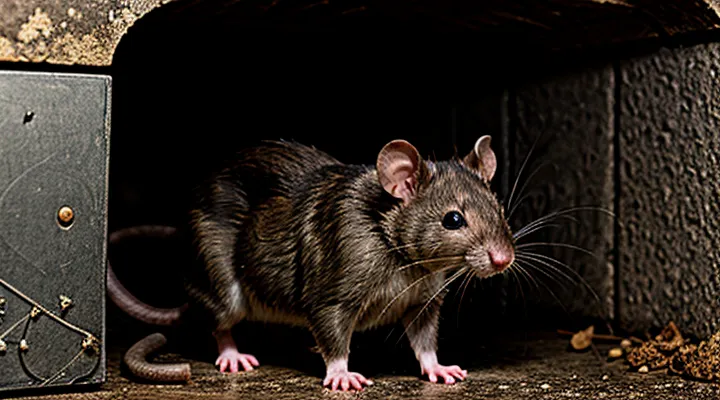
Understanding the Rat Problem in Your Cellar
Identifying Rat Infestation Signs
Visual Sightings of Rats
Rats in a cellar reveal themselves through distinct visual cues that guide effective eradication efforts. Observers commonly notice scurrying silhouettes along walls, especially near concealed pipes or storage boxes. Small, dark shapes darting between stacked items indicate active movement, while occasional pauses near food sources suggest foraging behavior.
Key visual indicators include:
- Fresh droppings, ½‑inch dark pellets, found on flooring, shelving, or behind insulation.
- Gnaw marks on wooden beams, plastic containers, and electrical wiring.
- Scratched surfaces near entry points, such as gaps around vent ducts or foundation cracks.
- Wet footprints or urine stains on concrete, often accompanied by a musky odor.
Spotting rats during daylight hours is rare; most sightings occur at dusk or in dimly lit areas. Using a flashlight or low‑intensity LED while inspecting the cellar enhances detection of eyeshine and fur outlines. Motion‑activated cameras positioned near suspected pathways capture nocturnal activity, providing reliable evidence without direct confrontation.
Accurate visual documentation—photographs of droppings, damage, and live rodents—supports targeted placement of traps and bait stations. By correlating sighting locations with structural vulnerabilities, homeowners can prioritize sealing gaps, removing clutter, and installing control devices precisely where rats travel. This focused approach reduces unnecessary exposure to chemicals and accelerates the removal process.
Rat Droppings and Urine
Rat droppings and urine are primary indicators of an active infestation and the most immediate source of health hazards in a basement environment. Their presence confirms rodent activity and signals the need for thorough remediation before any eradication measures can be effective.
Droppings appear as small, dark, cylindrical pellets, typically 1‑2 cm in length, with pointed ends. Fresh feces are moist and may retain a faint odor; older droppings become dry, crumbly, and may darken. Urine stains manifest as yellowish or amber discolorations on surfaces, often accompanied by a strong ammonia-like smell that intensifies in confined spaces.
Health risks stem from pathogens carried in rodent excreta. Hantavirus, leptospirosis, salmonellosis, and various bacterial agents can be transmitted through inhalation of aerosolized particles, direct contact with contaminated surfaces, or ingestion of food exposed to droppings or urine. Allergic reactions and asthma exacerbations are also linked to rodent allergens present in these wastes.
Cleaning protocol
- Wear disposable gloves, N‑95 respirator, and eye protection.
- Ventilate the area by opening windows and using fans to direct airflow outward.
- Dampen droppings with a disinfectant solution (e.g., 10 % bleach) to prevent aerosolization.
- Sweep or vacuum dampened material into a sealed bag; avoid dry sweeping.
- Apply the same disinfectant to urine‑stained surfaces; allow a contact time of at least 10 minutes.
- Rinse surfaces with clean water, then dry thoroughly.
- Dispose of all waste in a double‑bagged, sealed container and remove it from the premises according to local hazardous waste regulations.
Preventive actions focus on eliminating conditions that attract rodents and on maintaining a clean environment after removal. Seal cracks, gaps, and utility openings larger than ¼ inch. Store firewood and other potential shelters away from the basement walls. Keep food, feed, and waste in airtight containers. Install traps or bait stations in strategic locations, monitor for new droppings, and repeat the cleaning cycle whenever fresh signs appear. Consistent application of these measures reduces the likelihood of re‑infestation and minimizes exposure to harmful excreta.
Gnaw Marks and Damage
Rats leave unmistakable evidence in a basement through their gnawing activity. Their incisors create shallow, crescent‑shaped gouges on wooden beams, drywall edges, and plastic pipes. These marks often appear at regular intervals of ½‑inch to 1‑inch, reflecting the animal’s natural chewing rhythm. In addition to visible cuts, rats weaken structural components by removing material, which can lead to compromised support and increased risk of collapse.
The damage extends beyond aesthetics. Gnawed electrical wiring exposes copper conductors, creating fire hazards and potential power outages. Plastic and rubber seals around vents and doors become perforated, allowing further ingress of pests and moisture. Insulation material is shredded, reducing thermal efficiency and encouraging condensation, which in turn fosters mold growth. Food storage containers and packaging are chewed open, contaminating supplies with urine and droppings that pose health threats.
Addressing gnaw marks requires a systematic approach:
- Inspect all accessible surfaces for fresh and old chew patterns; prioritize structural members, wiring, and plumbing.
- Seal identified entry points with steel wool, metal flashing, or concrete mortar to prevent re‑entry.
- Replace or repair compromised wiring and damaged pipe sections to eliminate safety risks.
- Remove and discard contaminated insulation, then install new material with a moisture‑resistant barrier.
- Clean and disinfect all affected areas using a rodent‑approved sanitizer, then apply a rodent‑repellent coating to deter future activity.
Documenting the extent of gnawing helps gauge infestation severity and guides remediation efforts, ultimately restoring the basement’s integrity and safety.
Unusual Sounds
Unusual noises often indicate the presence of rodents in a basement and can guide effective removal strategies.
Rats produce a limited set of sounds that differ from typical house noises.
- Scratching on wooden beams or metal pipes, especially during quiet evening hours, suggests active gnawing or nest building.
- High‑pitched squeaks, repeated at regular intervals, usually accompany territorial disputes or mating calls.
- Soft thumping from overhead spaces signals movement within concealed cavities, such as insulation or wall voids.
Identifying these sounds allows targeted inspection. Locate the source by following the noise direction, then examine adjacent surfaces for droppings, gnaw marks, or entry holes. Seal identified openings with steel wool and caulk to prevent re‑entry.
Deploy traps or bait stations directly where the noises originate. Position devices along known pathways, such as along walls, behind appliances, and near pipe runs. Monitor daily; a reduction in the described sounds confirms successful population decline.
If noises persist after initial measures, reassess for hidden secondary nests. Expand the search to adjacent rooms, crawl spaces, and HVAC ducts, applying the same detection and sealing protocol. Consistent elimination of audible activity signals the eventual removal of the rodent problem from the cellar environment.
Causes of Cellar Rat Infestations
Food Sources
Rats remain in a cellar when food is left within reach. Accessible nourishment encourages nesting, breeding, and continuous activity, making eradication impossible without addressing the supply.
Common items that attract rodents include:
- Dry goods such as grains, flour, and cereals
- Pet food left uncovered or stored in open containers
- Household waste, especially food scraps and cardboard
- Compost piles or organic waste bins placed near the cellar entrance
- Spilled liquids or residues on floors, shelves, or equipment
Eliminating these attractants requires systematic actions:
- Transfer all dry products to airtight containers made of metal or heavy‑wall plastic
- Keep pet feeding stations outside the cellar or seal them in rigid containers after each use
- Install a sealed trash can with a tight‑fitting lid; empty it regularly and keep it away from the cellar door
- Relocate compost or organic waste to a separate, well‑ventilated area; if storage in the cellar is unavoidable, use sealed bins with a carbon filter
- Clean floors and surfaces daily; mop up spills immediately and use a detergent that removes food residues
- Inspect storage areas weekly for signs of crumbs or droppings; address any findings promptly
By removing every viable food source, the cellar becomes inhospitable, forcing rats to seek shelter elsewhere and facilitating long‑term control.
Water Sources
Rats survive by accessing water, so eliminating all potential water supplies is essential for successful cellar pest control. Leaking pipes, condensation on cold surfaces, and standing water in buckets or trays provide the moisture rats need to thrive. Inspect the entire cellar for hidden leaks, repair or replace damaged plumbing, and seal joints with appropriate sealant. Remove any containers that collect rainwater or melt snow, and store necessary liquids in tightly sealed, rat‑proof containers.
Dry the environment by improving ventilation and using dehumidifiers to lower humidity levels. Condensation on concrete walls can be reduced with waterproof coatings or insulation. Regularly check floor drains for blockages; clear debris to prevent water accumulation.
Key actions:
- Repair all pipe leaks promptly.
- Seal cracks and gaps where water may seep.
- Store liquids in sealed, metal or heavy‑plastic containers.
- Eliminate standing water in buckets, trays, or pet dishes.
- Install or maintain ventilation and dehumidification systems.
- Apply waterproofing to walls and floors prone to moisture.
By removing every source of water, the cellar becomes inhospitable to rats, supporting long‑term eradication efforts.
Entry Points
Rats enter a cellar through gaps and openings that provide direct access from the ground, walls, or utilities. Identify every potential route before sealing; missed points allow reinfestation.
Common entry points include:
- Cracks in foundation walls larger than a quarter‑inch
- Openings around pipe, conduit, and cable sleeves
- Gaps under door thresholds and floor joists
- Unsealed vent openings and exhaust fans
- Open or damaged window frames and skylights
- Gaps around utility lines entering the cellar
Seal each opening with appropriate material: hydraulic cement for foundation cracks, steel wool combined with expanding foam for pipe sleeves, weather‑striped door sweeps for thresholds, and metal flashing for vents. Replace damaged screens and install tight‑fitting covers on all utility penetrations. Regularly inspect the sealed areas for new cracks or wear, and repair promptly to maintain a rat‑free environment.
Shelter and Warmth
Rats choose cellars because the environment provides constant shelter and warmth. The underground location protects them from predators and weather, while heating systems or residual heat from appliances maintain temperatures ideal for breeding and survival. Eliminating these conditions removes the primary incentive for infestation.
To deny rats shelter and warmth, implement the following steps:
- Seal all cracks, gaps, and openings larger than ¼ inch in walls, floors, and foundation. Use steel wool combined with caulk or concrete filler to prevent gnawing.
- Insulate piping and ducts with rigid foam or metal sheathing to eliminate hidden cavities.
- Relocate or repair leaky pipes, drainage systems, and condensation sources that create damp, warm pockets.
- Store firewood, building materials, and other debris at least 18 inches away from the cellar walls and on a raised platform.
- Install a programmable thermostat or temperature‑controlled vent to lower ambient temperature during periods of inactivity, discouraging nesting.
Removing the structural and thermal advantages that a cellar offers deprives rats of a viable habitat, leading to a rapid decline in activity and preventing future infestations.
Effective Rat Eradication Strategies
Sealing Entry Points
Inspecting Foundation and Walls
Inspecting the foundation and walls is the first defensive measure against rodent infiltration in a cellar. Accurate identification of entry points prevents subsequent population growth and property damage.
Key visual checks include:
- Cracks larger than a quarter‑inch in concrete or masonry.
- Gaps around utility penetrations, pipe sleeves, and vent stacks.
- Fresh gnaw marks on wood, brick, or metal surfaces.
- Accumulated droppings or urine stains near potential openings.
A structural assessment should verify:
- Integrity of footings and retaining walls; compromised sections can be widened by burrowing activity.
- Presence of moisture pockets that soften soil and encourage tunneling.
- Condition of finished surfaces; loose plaster or deteriorated sealants create hidden routes.
Sealing procedures must employ materials resistant to chewing:
- Steel wool packed tightly into small holes, covered with epoxy or cement.
- Heavy‑gauge hardware cloth or metal flashing for larger gaps, fastened with stainless steel screws.
- Expanding polyurethane foam for irregular openings, followed by a rigid barrier.
Document each inspected area, noting size, location, and remediation method. Schedule a follow‑up inspection after repairs to confirm that closures remain intact and no new breaches have formed.
Sealing Cracks and Holes
Sealing cracks and holes blocks the pathways rats use to enter a basement, directly reducing the likelihood of infestation. Identify all potential entry points by inspecting walls, floors, and the foundation for gaps larger than a quarter inch. Use a systematic approach:
- Locate openings – shine a flashlight along seams, around pipes, and near utility penetrations; tap surfaces to detect hollow spots.
- Choose appropriate filler – apply hydraulic cement for structural cracks, expanding foam for irregular voids, and steel wool wrapped in caulk for gaps around wiring.
- Prepare surfaces – clean debris, dry moisture, and remove loose material to ensure adhesion.
- Apply sealant – press filler firmly into the opening, smooth the surface, and allow the recommended curing time.
- Re‑inspect – after curing, verify that no gaps remain; repeat the process where necessary.
Regular maintenance, such as checking for new settlement cracks after heavy rain or seasonal temperature changes, sustains the barrier and prevents rats from re‑establishing access.
Repairing Gaps Around Pipes and Vents
Rats enter a cellar through any opening that connects the interior with the surrounding soil or structure. Gaps around plumbing, drainage pipes, and ventilation ducts provide direct pathways. Sealing these openings removes one of the most reliable access points, forcing rodents to seek alternative routes that are often more difficult to exploit.
Identify all penetrations in the foundation and walls. Look for the following:
- Uncapped pipe sleeves
- Gaps around vent stacks
- Holes surrounding utility lines
- Cracks at pipe junctions
- Openings left by previous repairs
Repair each opening using appropriate materials:
- Clean the area to remove debris, dust, and loose mortar.
- Apply expandable polyurethane foam for gaps up to 1 inch; allow the foam to cure fully.
- For larger openings, install steel wool or copper mesh, then cover with cement‑based mortar or concrete patch.
- Use metal flashing or PVC collars on vent pipes, securing them with stainless‑steel screws to prevent future movement.
- Seal joints between pipe sleeves and the surrounding wall with hydraulic cement, which expands as it sets and resists moisture.
After completion, conduct a visual inspection and perform a smoke test if possible. Introduce a thin stream of smoke near the repaired zones; any visible escape indicates remaining voids. Repeat the sealing process until smoke remains contained.
Maintain the barrier by periodically checking for new cracks caused by settling or water infiltration. Promptly repair any deterioration to sustain an effective exclusion system.
Installing Mesh on Openings
Sealing all gaps that lead from the ground floor or crawl space into the cellar is a critical component of rodent exclusion. Rats exploit any unfilled crack, vent, or pipe entry, so eliminating these pathways reduces the likelihood of infestation.
Choose a mesh material that resists chewing and corrosion. Stainless‑steel hardware cloth with apertures no larger than ¼ inch provides sufficient strength and durability. Galvanized wire of comparable gauge can be used where moisture is less aggressive.
Prepare each opening by cleaning debris, removing loose paint, and drying the surface. Measure the opening, cut the mesh with a utility knife or tin snips, and allow a 1‑inch overlap on all sides to ensure a tight seal.
Installation steps
- Position the cut mesh over the opening, aligning the overlap with the surrounding structure.
- Secure the mesh with stainless‑steel screws or heavy‑duty staples placed every 6 inches around the perimeter.
- Apply a bead of exterior‑grade silicone sealant along the edges to block any residual gaps.
- Trim excess mesh flush with the surface, then cover seams with metal flashing if additional reinforcement is needed.
Regularly inspect the installed barriers for signs of rust, displacement, or new gaps caused by settling. Promptly repair any damage to maintain an effective barrier against rodent entry.
Trapping Methods
Snap Traps
Snap traps offer a rapid, lethal method for controlling rat populations in underground spaces. The mechanism consists of a spring‑loaded bar that snaps shut when the trigger is activated, delivering an instantaneous kill. Proper use maximizes effectiveness while minimizing risk to non‑target animals and humans.
Placement determines success. Position traps along established runways, typically within 1–2 feet of walls, and set them perpendicular to the wall so that the rat approaches from the side of the trigger. In a cellar, common locations include near food storage, behind insulation, and at entry points such as pipe penetrations. Ensure the trap’s jaws are flush with the wall to prevent the rodent from bypassing the device.
Effective bait selection enhances capture rates. Preferred options are high‑protein items that rats readily chew, such as peanut butter, dried fruit, or small pieces of meat. Secure the bait to the trigger mechanism to prevent premature removal. Rotate bait types periodically to avoid habituation.
Safety considerations are essential. Keep traps out of reach of children and pets; use protective gloves when handling. After a capture, wear gloves, dispose of the carcass in a sealed bag, and clean the trap with a mild disinfectant before resetting. Replace traps that show signs of wear or reduced spring tension.
Advantages of snap traps include:
- Immediate kill, reducing suffering
- Low cost and reusable design
- No chemical residues
- Minimal maintenance compared with glue boards or poison
Limitations to acknowledge:
- Requires regular monitoring
- Potential for non‑target captures if not correctly placed
- May be less effective in heavily infested areas without supplementary control measures
Integrating snap traps with sanitation practices—sealing entry points, removing food sources, and maintaining low humidity—creates a comprehensive strategy for eliminating rats from a cellar environment. Regular inspection and strategic bait rotation sustain trap efficacy over time.
Live Traps
Live traps provide a humane method for removing rats from a basement environment. The devices consist of a cage or box that closes automatically when a rodent triggers a pressure plate or trip wire. Because the animal remains alive, occupants can relocate it away from the property, complying with local wildlife regulations.
Effective use of live traps requires strategic placement, appropriate bait, and regular monitoring. Follow these steps:
- Position traps along walls, behind stored items, and near known gnaw marks; rats prefer concealed routes.
- Use high‑protein bait such as peanut butter, dried fruit, or small pieces of meat; apply a thin layer to the trigger mechanism.
- Set traps in the late afternoon; rats are most active during evening hours.
- Check traps at least every two hours; release captured rats at least 5 m (16 ft) from the building, preferably in a wooded area.
Maintenance of the cellar enhances trap performance. Remove clutter that offers hiding places, seal cracks larger than ¼ in, and eliminate food sources by storing supplies in airtight containers. Regular inspection of trap locations identifies new activity zones and prevents re‑infestation.
Electronic Traps
Electronic traps provide a rapid, chemical‑free method for controlling rodent activity in a basement. The devices emit a high‑voltage shock when a rat completes an electrical circuit by touching the baited trigger plate. This immediate lethality reduces the chance of escape and minimizes the risk of disease transmission.
Key considerations for effective deployment:
- Power source: Models operate on mains electricity, rechargeable batteries, or solar panels. Mains‑powered units guarantee continuous operation; battery‑driven traps require regular charging cycles.
- Placement: Position traps along established runways, near entry points, and close to food sources. Align the trigger plate perpendicular to the wall to increase contact probability.
- Bait selection: Use oily or protein‑rich attractants such as peanut butter, dried fruit, or commercial rodent lures. Refresh bait every 3–5 days to maintain scent potency.
- Safety features: Choose traps equipped with insulated housing, a safety switch, and a child‑proof lock to prevent accidental discharge.
- Maintenance: Inspect the trigger mechanism weekly for debris or dead rodents. Clean the interior with a mild detergent and dry thoroughly before reassembly.
- Effectiveness metrics: Record capture counts over a 7‑day period. A decline of 70 % or more indicates successful population suppression; persistent counts suggest additional traps or alternative methods are needed.
- Cost comparison: Initial purchase price ranges from $30 to $120 per unit. Long‑term expenses are limited to electricity or battery replacements, offering a lower total cost than repeated poison applications.
Integrating electronic traps with exclusion techniques—sealing cracks, installing door sweeps, and removing food debris—creates a comprehensive control strategy that eliminates rodents from the cellar quickly and safely.
Proper Trap Placement
Effective trap placement determines whether a rodent control effort succeeds. Position traps where rats travel, near walls, in concealed routes, and close to food sources. Avoid placing traps in open, brightly lit areas that rodents typically avoid.
Key considerations for optimal positioning:
- Align traps with the rat’s natural runways: low to the ground, parallel to walls, and behind objects such as storage boxes or plumbing.
- Locate traps at entry points: gaps under doors, cracks in foundation, and utility openings.
- Place traps near signs of activity: droppings, gnaw marks, or grease trails.
- Ensure a secure, stable surface: flat floors or sturdy platforms prevent traps from shifting.
- Maintain a distance of 12‑18 inches between multiple traps to cover a broader corridor without overlap.
Regularly inspect and adjust trap locations based on observed movement patterns. Replace or relocate traps that remain untouched after several days, focusing on newly identified pathways. Consistent monitoring and strategic repositioning maximize capture rates and expedite the elimination of the infestation.
Baiting Techniques for Traps
Effective baiting is essential for trapping rodents in underground storage areas. Selecting appropriate attractants and positioning them correctly maximizes capture rates while minimizing non‑target exposure.
- Use high‑protein foods such as peanut butter, canned fish, or dried meat; these odors penetrate deep into confined spaces.
- Incorporate strong aromatic substances like cinnamon oil, anise, or clove oil to enhance scent trails.
- Combine a solid base (e.g., waxed cheese block) with a liquid lure (e.g., diluted fruit juice) to sustain interest over several days.
- Apply a small amount of anticoagulant rodenticide to the bait only when legal regulations permit and when traps are designed for lethal use.
Place traps along walls, near entry points, and in dark corners where rodents travel. Secure bait to prevent shifting; use adhesive tape or a tiny cavity in the trap base. Keep bait concealed from children and pets by covering traps with a rigid shield that still allows rodent access.
Inspect traps daily. Remove captured rodents promptly, reset bait, and record locations of successful catches. Adjust bait composition if activity declines, rotating scents to prevent habituation. Continuous monitoring ensures the baiting program remains effective throughout the eradication effort.
Baits and Poisons
Types of Rodenticides
Rodenticides are a primary tool for eliminating rat infestations in subterranean spaces. Selecting the appropriate formulation reduces the likelihood of recurrence and minimizes hazards to non‑target organisms.
- First‑generation anticoagulants (warfarin, chlorophacinone, diphacinone). Require multiple feedings; effective against susceptible populations; lower risk of secondary poisoning.
- Second‑generation anticoagulants (bromadiolone, brodifacoum, difethialone). Single‑dose lethal potential; resistant strains often remain vulnerable; strict handling protocols necessary.
- Bromethalin. Neurotoxic agent disrupting cellular energy production; lethal after a single ingestion; unsuitable for environments with high wildlife activity.
- Cholecalciferol (vitamin D3). Induces hypercalcemia leading to organ failure; slower onset allows rodents to consume multiple doses, enhancing efficacy against wary individuals.
- Zinc phosphide. Releases phosphine gas upon contact with stomach acid; rapid mortality; primarily used in outdoor or well‑ventilated areas due to toxic gas emission.
Effective deployment involves placing bait stations near entry points, along walls, and in concealed niches. Bait should be concealed from pets and children, and stations regularly inspected for consumption and degradation. Monitoring for anticoagulant resistance guides the choice between first‑ and second‑generation products. Integration with exclusion measures—sealing cracks, repairing drainage, and removing food sources—optimizes long‑term control.
Safe Application of Poisons
Effective poison use requires careful selection, precise dosing, and strict safety measures. Choose rodenticides specifically approved for indoor use and labeled for basement environments. Verify that the product complies with local regulations and carries a clear hazard warning.
Before application, wear chemical‑resistant gloves, a mask rated for particulate protection, and eye protection. Ensure the cellar is well‑ventilated; open windows or use an exhaust fan to reduce inhalation risk. Keep the area free of food, water, and clutter to prevent accidental contact.
Place bait stations in locations where rat activity is evident but out of reach of children and pets. Recommended positions include:
- Behind stored boxes or pallets
- Along wall edges and baseboards
- Near entry points such as cracks or utility openings
Secure each station with a tamper‑resistant lockable container. Do not spread loose poison; use pre‑filled bait blocks or pellets to limit spillage.
Determine the correct amount by following the manufacturer’s dosage instructions. Over‑application does not increase effectiveness and raises toxicity hazards. Record the quantity used and the date of placement for future reference.
After a successful reduction in rat presence, remove all bait stations. Dispose of used containers according to hazardous waste guidelines; do not place them in regular trash. Clean the cellar with a mild detergent and rinse thoroughly to eliminate residue.
Maintain ongoing monitoring. Replace bait stations only if new activity is detected, and always adhere to the same protective protocols. This disciplined approach minimizes health risks while achieving reliable rodent control in a basement setting.
Risks and Precautions with Poisons
Poison bait can eliminate rodent infestations quickly, but it carries significant hazards that require strict control. Mishandling may lead to non‑target deaths, human poisoning, and contamination of stored goods. Regulatory agencies classify many rodent poisons as restricted substances, mandating record‑keeping and disposal procedures.
Key risks include:
- Acute toxicity to children, pets, and wildlife.
- Secondary poisoning when predators consume poisoned rats.
- Residual chemicals seeping into food stores or water supplies.
- Legal penalties for improper storage or application.
Effective safeguards consist of:
- Selecting products approved for indoor use and matching the specific rodent species.
- Placing bait in tamper‑resistant stations that close securely after a rat enters.
- Positioning stations away from food preparation areas, pantry shelves, and pet pathways.
- Wearing disposable gloves and protective eyewear during handling.
- Labeling each station with hazard warnings and keeping the material out of reach of unauthorized persons.
- Monitoring stations daily, removing dead rodents promptly, and discarding them according to local hazardous‑waste guidelines.
- Recording quantities used, dates of placement, and disposal actions for compliance audits.
When poison is the chosen method, thorough adherence to these precautions minimizes collateral damage while maintaining effectiveness against cellar infestations.
Monitoring and Disposal of Baited Rodents
Effective control of a cellar infestation requires systematic observation of bait stations and proper handling of captured rodents.
Place bait stations at strategic points: near walls, behind stored items, and along known travel routes. Use a grid layout to ensure coverage of the entire area. Record the exact location of each station, the type of bait employed, and the date of installation.
Inspect stations at regular intervals—preferably every 12‑24 hours. Document any signs of activity, such as gnaw marks, droppings, or displaced bait. When a rodent is found dead or immobilized, note the time elapsed since placement and the condition of the carcass.
Dispose of captured rodents according to local health regulations:
- Wear disposable gloves and a mask to prevent exposure to pathogens.
- Place each specimen in a sealable, puncture‑resistant bag.
- Add a small amount of disinfectant to the bag before sealing.
- Store sealed bags in a locked, cool area until collection by a licensed waste service.
After removal, clean the bait station with a mild detergent, rinse thoroughly, and allow it to dry before re‑baiting. Maintain a log that includes dates of cleaning, bait replacement, and any observed changes in rodent activity. This record supports ongoing assessment of the control program’s effectiveness and informs adjustments to bait placement or dosage.
Continuous monitoring combined with compliant disposal minimizes health risks and accelerates the elimination of the rodent problem in the cellar environment.
Natural Deterrents
Peppermint Oil and Other Scents
Peppermint oil repels rodents by overwhelming their sensitive olfactory receptors. A few drops diluted in water or carrier oil can be applied to cotton balls placed at entry points, near water pipes, and along walls. Refresh the scent every 3‑5 days to maintain potency.
Other aromatic deterrents function similarly:
- Eucalyptus oil: strong, lingering aroma; apply on fabric strips or soak rags and tuck them into cracks.
- Citronella oil: citrus‑type scent; spray a diluted solution on floor surfaces and shelving.
- Clove oil: pungent, spicy odor; dab a few drops on wooden beams or use a spray mixture for broader coverage.
Effectiveness depends on concentration, frequency of reapplication, and environmental conditions. Oils evaporate quickly in humid basements; use airtight containers for storage and consider a diffuser with a timer to ensure continuous release.
Safety considerations include:
- Avoid direct contact with skin; wear gloves when handling concentrated oils.
- Keep oils away from food storage areas and open flames, as many are flammable.
- Test a small area for material compatibility to prevent staining or degradation of plaster and wood.
Aromatic repellents work best when integrated with structural measures: seal gaps, install traps, and eliminate food sources. Relying solely on scent may reduce activity but rarely eradicates an established infestation. Combining scents with physical barriers provides the most reliable outcome.
Ultrasonic Devices
Ultrasonic emitters constitute a non‑chemical option for reducing rodent activity in underground storage areas. The devices generate high‑frequency sound waves, typically above 20 kHz, that exceed the hearing range of humans but cause discomfort to rats, prompting them to avoid the exposed zone.
The emitted signal oscillates at a constant rate or follows a programmed pattern to prevent habituation. Frequency bands around 30–50 kHz are most disruptive to Rattus norvegicus, while lower bands affect other pest species. Power output determines the radius of effective coverage; manufacturers usually specify a square‑footage range under ideal conditions.
- Frequency range: 30–50 kHz for rats
- Coverage area: 500–1 200 ft² per unit, depending on enclosure layout
- Power source: mains‑connected or battery‑operated with ≥ 30 days runtime
- Timer function: programmable on/off cycles to conserve energy
Placement must consider line‑of‑sight and material attenuation. Install devices at ceiling height, centrally within each compartment, and avoid mounting behind concrete walls, metal shelving, or dense insulation. Overlapping coverage zones eliminate blind spots. In multi‑room basements, a separate unit per room ensures uniform exposure.
Effectiveness declines when obstacles block sound propagation or when rodents become desensitized to a static frequency. Rotating frequencies or supplementing with traps increases overall success. Ultrasonic units do not eradicate populations; they discourage entry and limit foraging within the treated area.
Human safety is assured, as frequencies lie above audible perception. Pets such as cats and dogs may detect the sound; select models with adjustable output to avoid distress. Verify compliance with local regulations concerning electronic pest‑control devices.
Routine maintenance includes cleaning speaker grills, checking power connections, and replacing batteries or faulty units annually. Record placement maps and performance observations to refine future deployments.
Maintaining Cleanliness
Keeping the cellar free of food debris, moisture, and clutter removes the primary resources rats need to survive. Regular removal of spilled grains, discarded packaging, and standing water eliminates the scent trails that guide rodents to the area.
- Sweep or vacuum floors daily to collect crumbs and droppings.
- Wipe shelves, crates, and equipment with a disinfectant solution after each use.
- Store all consumables in sealed, rodent‑proof containers made of metal or thick plastic.
- Repair leaks promptly; dry any damp surfaces within 24 hours.
- Dispose of garbage in sealed bags and remove it from the cellar at least twice a week.
Establish a cleaning schedule that includes weekly deep cleaning of hard‑to‑reach corners and monthly inspection of structural gaps. Document each task to ensure consistency and to identify lapses quickly.
Combine rigorous sanitation with physical barriers—such as steel mesh on vents and sealed door sweeps—to create a hostile environment for rats. When cleanliness is maintained consistently, the likelihood of infestation drops dramatically, supporting long‑term rodent control in the cellar.
Post-Eradication Prevention and Maintenance
Maintaining a Clean and Organized Cellar
Storing Food Properly
Proper food storage is a critical factor in preventing rodent activity in underground storage areas. Food left exposed or improperly sealed creates an attractive food source, encouraging rats to enter and remain in the cellar.
Effective storage requires airtight containers, moisture control, and regular inspection. Plastic or glass containers with screw‑top lids block scent diffusion. Metal tins with sealed lids provide additional protection against gnawing. All containers should be placed on shelves, not directly on the floor, to avoid contact with potential droppings.
- Use containers made of non‑porous material.
- Store items in quantities that can be consumed within a reasonable period.
- Label each container with the purchase date and rotate stock accordingly.
- Keep the storage area clean; sweep debris and wipe surfaces daily.
- Seal any gaps, cracks, or openings in walls, floors, and doors.
Routine checks identify compromised seals or spills before they become a food source. Replace damaged containers immediately and dispose of waste in sealed bags. Maintaining a clutter‑free environment eliminates hiding places and reduces the likelihood of rat infestation.
Eliminating Water Sources
Rats survive by accessing moisture; removing standing water eliminates a primary attraction. Inspect all drainage points, pipe leaks, and condensation sources. Seal cracks around utility lines, vent pipes, and foundation walls to prevent water seepage into the cellar.
- Repair dripping faucets, broken hoses, and faulty sprinkler heads.
- Install a dehumidifier set to maintain relative humidity below 50 %.
- Direct downspouts away from the foundation with proper grading.
- Empty and clean pet water dishes, fish tanks, and other containers nightly.
- Ensure sump pumps discharge water at a safe distance from the building.
Regularly monitor moisture meters and visual signs of dampness. Promptly address any new leaks; uninterrupted dryness discourages rodent habitation.
Regular Decluttering
Regular decluttering reduces the availability of food, shelter, and nesting sites that attract rodents to underground storage areas. By keeping the cellar free of excess cardboard, discarded packaging, and unused items, you eliminate the material that rats use to conceal their movements and construct burrows.
Implement a routine schedule:
- Remove all items that have been stored for more than six months and are no longer needed.
- Store remaining belongings on elevated shelving, leaving at least six inches of clearance from the floor.
- Seal containers with tight‑fitting lids; avoid open bins or paper bags.
- Sweep the floor weekly to clear crumbs, droppings, and debris.
- Dispose of waste promptly in sealed trash receptacles located outside the cellar.
Consistent application of these practices creates an environment that is unattractive to rodents, supporting broader efforts to eradicate rats from basement spaces.
Ongoing Monitoring
Routine Inspections for New Activity
Routine inspections become essential whenever new work or changes occur in a cellar that has previously shown rat activity. The moment construction, storage reconfiguration, or equipment installation begins, the environment shifts, creating fresh entry points, shelter, or food sources for rodents. Early detection prevents infestations from gaining a foothold and reduces the need for extensive remediation later.
A practical schedule starts with a baseline assessment before any alteration starts, followed by inspections at regular intervals: weekly during the first month of activity, then bi‑weekly for the next two months, and monthly thereafter until the project stabilizes. Adjust the frequency if signs of rodent presence appear.
Key inspection points include:
- Structural openings: gaps around pipes, vents, and utility lines.
- Storage areas: misplaced food, spills, or improperly sealed containers.
- Moisture sources: leaks, condensation, and standing water.
- Nesting material: shredded insulation, cardboard, or debris.
- Droppings and gnaw marks: visible on surfaces, in corners, or along walls.
Document each visit with date, observations, and corrective actions taken. Immediate sealing of identified gaps, removal of food sources, and placement of traps or bait stations should follow any positive finding. Maintaining accurate records creates a traceable history that supports ongoing pest‑management decisions and demonstrates compliance with health‑safety standards.
Early Detection of Re-infestation
Early detection of a renewed rat presence in a cellar prevents a full‑scale resurgence and reduces the need for extensive remediation.
Visual cues indicate activity before damage escalates. Look for fresh droppings, gnaw marks on joists, shredded insulation, and greasy smears along walls. Notice any new burrows or pathways leading to utility lines.
Electronic monitoring supports constant surveillance. Install motion‑activated infrared sensors near entry points; connect them to a battery‑backed alarm that alerts when movement is recorded after dark. Place non‑poisonous bait stations equipped with chew‑sensitive switches that log each interaction.
A systematic inspection schedule maintains vigilance. Conduct a thorough walk‑through weekly for the first month after treatment, then bi‑weekly for the next two months, and monthly thereafter. During each visit, verify that traps remain set, bait stations are intact, and no new signs have appeared.
If any indicator surfaces, trigger an immediate response: reset traps, replenish bait, seal identified gaps, and consider a short‑term placement of additional snap traps to eradicate the intruder before the population expands.
Long-Term Exclusion Measures
Reinforcing Entry Point Seals
Sealing gaps and cracks that allow rodents to enter a basement is a fundamental step in eliminating an infestation. Properly reinforced barriers prevent rats from exploiting structural weaknesses, reducing the likelihood of re‑entry after removal efforts.
Begin by conducting a thorough inspection. Walk the perimeter of the cellar, checking walls, floor joists, pipe sleeves, vent openings, and utility penetrations. Use a flashlight to reveal hidden fissures, and mark each potential access point with a temporary indicator.
Select durable sealing materials suited to the identified openings. Expandable polyurethane foam works for irregular gaps up to one inch, while steel wool combined with waterproof caulk effectively blocks larger voids. For gaps around pipes and wiring, install metal flashing or copper mesh before applying sealant to create a permanent barrier. Apply sealant in layers, allowing each coat to cure fully before adding the next, ensuring a tight, moisture‑resistant seal.
After initial reinforcement, schedule periodic checks. Inspect seals quarterly, especially after heavy rain or temperature fluctuations, and repair any damage immediately. Maintaining airtight, rodent‑proof closures sustains a rat‑free environment in the cellar.
Landscaping to Deter Rodents
Effective landscaping can prevent rodents from entering a basement. Proper site grading directs water away from the foundation, eliminating moist conditions that attract rats. Install a slope of at least 6 inches per 10 feet, extending 10 feet from the wall. Ensure drainage pipes discharge at a safe distance from the building.
Maintain vegetation at a safe distance. Trim shrubs, vines, and tree branches so they do not touch the exterior. Keep grass mowed to a height of no more than 3 inches; low grass reduces cover for rodents. Remove leaf litter, compost piles, and debris within 15 feet of the structure.
Create a physical barrier between soil and the foundation. Apply a 3‑inch layer of coarse mulch or gravel to the perimeter, then cover with a 1‑inch layer of sand. This combination discourages burrowing and makes it difficult for rats to gain traction.
Implement deterrent plantings. Species such as mint, lavender, and rosemary emit scents that rodents find unpleasant. Plant these herbs in pots or directly in the ground, spacing them 2‑3 feet apart along the perimeter.
Regular maintenance reinforces these measures. Schedule quarterly inspections to verify slope integrity, vegetation clearance, and barrier condition. Replace damaged mulch or gravel promptly, and prune any overgrown plants.
By integrating grading, vegetation control, ground barriers, and repellent flora, the surrounding landscape becomes hostile to rats, reducing the likelihood of infestation in the cellar.