
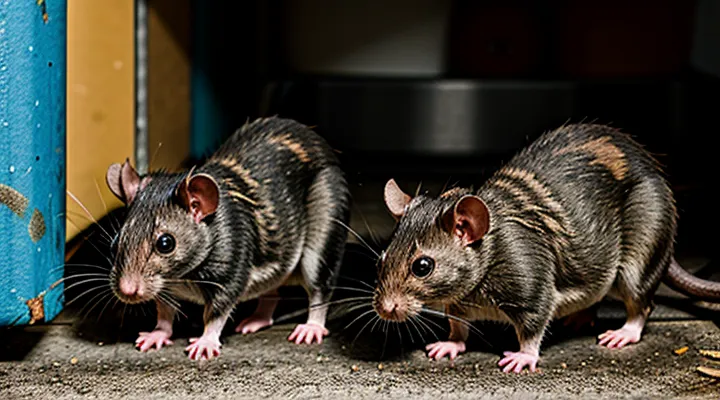
Understanding the Rat Problem
Signs of Rat Infestation
Droppings and Urine Trails
Rats leave droppings and urine trails throughout a garage, providing reliable evidence of infestation and a source of disease. Recognizing these signs enables timely intervention.
Droppings appear as small, dark, cylindrical pellets, typically 0.5‑1 cm long. They accumulate in corners, near food storage, and along pathways used by rodents. Urine stains manifest as discolored, often yellowish patches; when dried, they emit a pungent odor and may leave a faint, glossy sheen.
Health hazards stem from pathogens such as Hantavirus, Leptospira, and Salmonella, which can survive in both feces and urine. Direct contact or inhalation of aerosolized particles during cleaning poses a risk to occupants.
Effective removal follows a systematic protocol:
- Wear disposable gloves, a N‑95 respirator, and eye protection before entering the contaminated area.
- Moisten droppings with a disinfectant solution (e.g., 10 % bleach) to prevent dust release.
- Collect waste with a sealed bag; discard according to local hazardous‑waste regulations.
- Apply the same disinfectant to urine‑stained surfaces, allowing a minimum of ten minutes of contact time.
- Rinse with clean water and dry thoroughly to eliminate residual moisture that could attract rodents.
After decontamination, reduce future deposits by:
- Sealing entry points, cracks, and gaps in walls, doors, and ventilation ducts.
- Storing pet food, garbage, and gardening supplies in airtight containers.
- Maintaining a dry environment; fix leaks and improve ventilation to discourage rodent activity.
Regular inspection of droppings and urine trails, combined with prompt sanitation, forms a core component of any garage rat‑control strategy.
Gnaw Marks
Gnaw marks are a primary indicator that rats are present in a garage. The teeth of a rat continuously grow, so the animal creates fresh bite marks on wood, plastic, wiring, and insulation whenever it needs to sharpen its incisors or gain access to food sources. Recognizing these signs allows timely intervention before damage escalates.
Typical characteristics of rat gnaw marks include:
- Clean, shallow cuts with parallel ridges on the surface.
- Rough, irregular edges on softer materials such as insulation or cardboard.
- Repeated bite patterns around entry points, vents, or gaps in the structure.
When gnaw marks are observed, follow these actions:
- Seal all openings larger than ¼ inch with steel wool, metal flashing, or cement. Rats can squeeze through very small spaces, and unsealed gaps enable repeated chewing.
- Remove or replace damaged wiring, insulation, and structural components. Exposed wires pose fire hazards, and compromised insulation reduces energy efficiency.
- Install sturdy, chew‑resistant materials such as metal conduit for electrical lines and rigid PVC for tubing. These materials deter further gnawing.
- Place snap traps or electronic traps near the identified bite locations. Position traps perpendicular to walls, where rats travel along baseboards.
- Apply a rodent‑repellent gel or spray to the edges of the gnawed area. The bitter taste discourages additional chewing.
- Conduct a follow‑up inspection weekly for at least one month. Confirm that no new marks appear and that traps remain effective.
Documenting the location, size, and frequency of gnaw marks creates a map of rat activity. This map guides targeted placement of traps and barriers, reducing the need for widespread chemical treatments. Regular monitoring and prompt repair of gnaw‑related damage are essential components of an effective rat‑control program in a garage environment.
Nests and Burrows
Rats establish nests and burrows in the quiet corners of garages, using insulation, stored boxes, and concealed gaps. Detecting these sites early prevents population growth and limits damage to wiring and stored items.
- Inspect walls, ceiling joists, and floor edges for shredded material, droppings, or gnaw marks.
- Look for soft, compacted soil or debris piles near entry points; these often conceal burrow openings.
- Use a flashlight to examine dark spaces behind shelving, under pallets, and within HVAC ducts.
Once locations are identified, take immediate action:
- Remove all nesting material, sealing it in a disposable bag for disposal.
- Fill burrow entrances with steel wool or copper mesh, then cover with cement or heavy-duty sealant.
- Apply a rodenticide or bait station directly inside the sealed cavity, following label instructions and safety guidelines.
Preventive measures reinforce the elimination effort:
- Seal cracks larger than ¼ inch with expanding foam, metal flashing, or concrete.
- Install weather stripping on garage doors and repair damaged screens.
- Keep the garage clean; store items on pallets away from walls and avoid clutter that provides cover.
- Reduce moisture by fixing leaks and using a dehumidifier, as rats favor damp environments for nesting.
Regularly revisit potential nesting zones, especially after seasonal changes, to ensure no new burrows develop. Consistent monitoring and prompt sealing maintain a rat‑free garage.
Strange Noises
Strange noises in a garage often signal rodent activity. Scratching on walls, gnawing on stored materials, and high‑pitched squeaks occurring at night are typical sounds produced by rats moving through insulation, nesting in clutter, or feeding on food residues. Identifying the pattern—time of night, location, and frequency—helps confirm infestation and directs control measures.
When unusual sounds are detected, take the following actions:
- Inspect the area where the noise originates; look for droppings, gnaw marks, and shredded insulation.
- Seal entry points larger than ¼ inch with steel wool, metal flashing, or concrete to prevent further ingress.
- Remove food sources by storing feed, pet food, and garbage in sealed containers.
- Deploy snap traps or enclosed live traps along walls, near the noise source, and in concealed corners.
- Use ultrasonic repellers only after confirming they cover the entire garage space, as gaps reduce effectiveness.
- Schedule regular monitoring; re‑inspect after a week to verify that noises have ceased and no new signs appear.
Initial Assessment and Preparation
Clearing Clutter and Debris
Rats are attracted to garages that contain piles of stored items, cardboard boxes, and loose debris. These materials provide shelter, nesting sites, and food sources, making the environment conducive to infestation. Removing unnecessary clutter eliminates hiding places and reduces the likelihood of rat colonies establishing themselves.
- Remove all items that are no longer needed; discard or donate them promptly.
- Sort remaining belongings and store them in sealed, rodent‑proof containers made of metal or heavy‑wall plastic.
- Stack boxes and tools against walls, leaving a clear aisle of at least 2 feet for inspection and cleaning.
- Sweep floors thoroughly to collect dust, sawdust, and small fragments that could serve as bedding.
- Dispose of collected debris in sealed trash bags and place them in a secured outdoor dumpster or arrange for prompt pickup.
After clearing the area, inspect the garage for gaps or cracks that could allow entry. Seal openings with metal flashing, concrete, or steel wool combined with caulk. Regularly maintain the space by returning items to their designated storage solutions and performing monthly sweeps to prevent the re‑accumulation of material that could attract rodents.
Identifying Entry Points
Cracks and Holes
Rats enter garages through any opening larger than a quarter of an inch. Cracks in walls, foundation, and floorboards, as well as holes around utility pipes, vents, and door frames, provide direct pathways. Identifying these gaps early prevents infestation and reduces the need for chemical controls.
Inspect the structure systematically. Start at ground level and work upward, using a flashlight to highlight shadowed crevices. Run a thin piece of cardboard or a flexible wire along seams; if it slides easily, the opening is large enough for rodents. Pay special attention to:
- Gaps around electrical conduit and plumbing penetrations
- Seams between concrete slabs and foundation walls
- Cracks in brick or siding caused by settling or moisture
- Openings around garage door rollers and weatherstripping
Seal all identified openings before implementing traps or bait stations. Recommended sealing methods include:
- Epoxy mortar for concrete cracks wider than ¼ in.; apply after cleaning debris and moisture.
- Polyurethane caulk for small gaps around pipes and vents; ensure the surface is dry.
- Steel wool packed tightly into holes larger than ¼ in., then covered with expanding foam to create a durable barrier.
- Metal flashing for gaps at the base of garage doors; secure with self‑tapping screws.
After sealing, re‑inspect the area after 48 hours to confirm that no new cracks have appeared. Maintaining a regular schedule—quarterly visual checks and annual concrete resurfacing—keeps the garage impervious to rat ingress.
Gaps Around Pipes and Wires
Rats exploit any opening that provides access to shelter, food, or water. Gaps surrounding pipes and electrical wiring are especially attractive because they often lead directly to the interior of the garage and are difficult to notice during routine inspections.
- Inspect the perimeter of the garage for openings larger than ¼ inch around water, sewer, and gas pipes. Use a flashlight to view the interior of conduit sleeves and wall penetrations.
- Apply steel wool or copper mesh to fill small gaps before sealing. The material resists chewing and discourages further gnawing.
- Seal remaining spaces with a high‑quality silicone or polyurethane caulk. For larger voids, use expanding foam insulation, then trim excess and cover with metal flashing.
- Replace deteriorated pipe collars with new, tightly fitting ones made of PVC or metal. Secure them with stainless‑steel screws to prevent loosening.
- Route excess wiring through conduit that can be sealed with a lock‑tight coupling. Ensure all conduit ends are capped with a watertight seal.
Regularly repeat the inspection after seasonal temperature changes, as expansion and contraction can reopen sealed areas. Maintaining a continuous barrier around all utilities eliminates the primary ingress route for rodents, reducing the likelihood of infestation in the garage.
Damaged Vents and Screens
Damaged vents and screens provide the easiest route for rats to enter a garage. Cracks, torn mesh, and loose fittings create gaps larger than a rat’s skull, allowing unrestricted access to shelter and food sources.
Inspect all ventilation openings at least twice a year. Look for rusted frames, broken wire mesh, and gaps around the perimeter. Use a flashlight to examine the interior surface for gnaw marks, which indicate repeated use.
Repair actions:
- Remove rusted sections with a metal scraper.
- Cut new pieces of hardware cloth (½‑inch mesh) to cover the entire vent opening.
- Secure the mesh with stainless‑steel screws and washers, ensuring a tight seal.
- Apply a weather‑resistant sealant around the edges to eliminate residual gaps.
- Replace any broken hinges or latches with heavy‑duty hardware that rats cannot manipulate.
If a vent cannot be fully repaired, install a removable metal cover that locks in place. The cover should overlap the vent by at least two inches on all sides and be fastened with tamper‑proof screws.
Regular maintenance reduces the likelihood that rats will exploit ventilation defects. By keeping vents intact and screened, the garage remains a barrier rather than a pathway for infestation.
Exclusion: Sealing Entry Points
Materials for Sealing
Steel Wool and Caulk
Steel wool works as a mechanical barrier that rodents cannot chew through easily. Insert tightly wound bundles into gaps around doors, windows, and utility openings. The fibrous texture irritates teeth, discouraging passage. When installing, ensure the wool fills the opening completely; any exposed space reduces effectiveness.
Caulk seals the remaining cracks after steel wool placement. Choose a silicone‑based or acrylic‑latex product with strong adhesion. Apply a continuous bead over the wool and any other openings, smoothing it to create a seamless seal. The combined barrier prevents entry while also protecting the garage from moisture and drafts.
Practical steps:
- Identify all potential entry points (e.g., vent ducts, pipe sleeves, floor cracks).
- Pack steel wool into each opening, compressing it to eliminate voids.
- Apply caulk over the wool, covering the entire perimeter of the gap.
- Inspect the seal after curing; reapply caulk if cracks appear.
- Repeat the process annually or after severe weather to maintain integrity.
Hardware Cloth
Hardware cloth is a sturdy, metal mesh used to block rodent entry in garage structures. Its rigid construction resists gnawing, making it effective where softer materials fail. Choose a gauge of 19‑22 gauge and a mesh opening of ¼‑½ inch; this combination prevents rats from squeezing through while allowing airflow.
Installation begins with a thorough inspection of the garage envelope. Identify all openings larger than the selected mesh size, including gaps around doors, windows, vents, and utility penetrations. Clean each opening to remove debris and ensure a flat surface for attachment.
- Measure the dimensions of each gap and cut the hardware cloth with tin snips, leaving a 1‑inch excess on all sides.
- Secure the cut piece to the framing using self‑drilling screws or heavy‑duty staples, spacing fasteners every 6‑8 inches.
- Overlap adjacent sheets by at least 2 inches and seal the joints with metal-backed caulk or stainless‑steel wire mesh tape.
- Apply a corrosion‑resistant coating to the exposed metal, especially in humid or chemically exposed areas.
- Inspect the installation after a week; repair any loosened fasteners or new openings promptly.
Routine maintenance includes visual checks for rust, corrosion, or damage caused by impact. Replace compromised sections immediately to maintain an uninterrupted barrier. When combined with proper sanitation and trapping methods, hardware cloth provides a durable, low‑maintenance solution for eliminating rat infestations in garage environments.
Metal Flashing
Metal flashing serves as a durable barrier that can close gaps and seams where rats may enter a garage. The material’s rigidity prevents gnawing, and its corrosion‑resistant coating withstands exposure to moisture and temperature fluctuations common in garage environments.
Using metal flashing effectively requires precise installation. Identify all potential entry points, such as gaps around doors, windows, utility penetrations, and the junction between the garage wall and the roof. Choose flashing with a thickness of at least 0.5 mm to resist rodent bite pressure. Cut the pieces to fit each opening, then fasten them with corrosion‑resistant screws. Overlap adjacent sections by at least 2 inches and seal the joints with a high‑quality silicone or polyurethane sealant to eliminate any remaining voids.
- Locate every crack, hole, or seam that could serve as a passage.
- Measure and cut flashing to match each opening precisely.
- Secure flashing with screws spaced no more than 6 inches apart.
- Apply sealant over all seams and fastener heads.
- Verify that the installed barrier is flush with surrounding surfaces, leaving no protruding edges.
After installation, schedule periodic inspections, especially after heavy rain or temperature shifts that may cause material movement. Replace any damaged sections promptly and reinforce areas where rodents have attempted entry. Combining metal flashing with other control measures—such as traps, bait stations, and proper sanitation—creates a comprehensive defense that reduces the likelihood of rat infestation in the garage.
Techniques for Effective Sealing
Sealing openings eliminates the primary pathway rats use to enter a garage, making it the most reliable preventive measure.
Begin by inspecting the entire structure. Focus on the foundation, walls, doors, windows, vents, and utility penetrations. Any gap larger than ¼ inch can accommodate a rodent.
- Apply steel wool or copper mesh to fill cracks before applying sealant; rodents cannot gnaw through metal.
- Use high‑quality silicone or polyurethane caulk to bond the filler to concrete, wood, or metal surfaces. Ensure a continuous bead around each opening.
- Install hardware cloth (¼‑inch mesh) over larger gaps such as vents or pipe sleeves, then seal the edges with expanding foam.
- Fit door sweeps on garage doors and exterior doors; adjust them so they rest flush against the threshold.
- Replace damaged weatherstripping on windows and doors with durable rubber or silicone strips.
- For foundation cracks, inject epoxy injection kits that cure to a hard, impenetrable barrier.
- Seal utility conduit entries with metal conduit sleeves and wrap with stainless‑steel tape, then cover with sealant.
After sealing, conduct a secondary inspection to verify that no gaps remain. Reapply sealant annually or after severe weather, as movement in the structure can create new openings. Maintaining a fully sealed envelope prevents rats from re‑entering, reducing the need for ongoing trapping or chemical control.
Trapping and Eradication Methods
Types of Traps
Snap Traps
Snap traps provide a rapid, humane method for eliminating rats that have taken shelter in a garage. The device consists of a spring‑loaded bar that delivers an instantaneous, lethal strike when the animal triggers the trigger mechanism. This simplicity eliminates the need for chemical baits and reduces the risk of secondary poisoning.
Key considerations for effective use:
- Selection of size and strength – Choose traps rated for large rodents; a heavier spring ensures reliable closure on robust rats.
- Placement strategy – Position traps along walls, behind stored items, and near entry points, because rats travel close to vertical surfaces. Set each trap with the trigger end facing the wall to align with natural movement.
- Bait choice – Use high‑fat or protein foods such as peanut butter, bacon bits, or dried fruit. Secure a small amount to the trigger plate to encourage repeated visits.
- Safety precautions – Wear thick gloves when handling traps to avoid accidental discharge. Keep traps out of reach of children and non‑target pets; consider protective covers if necessary.
- Monitoring and maintenance – Check traps at least once daily. Remove deceased rodents promptly, clean the trap with mild detergent, and reset with fresh bait. Replace any trap that shows signs of wear or reduced spring tension.
- Disposal protocol – Place captured rats in sealed plastic bags before discarding in a municipal waste container. This prevents odor and disease transmission.
Integrating snap traps with complementary measures—such as sealing gaps, eliminating food sources, and maintaining a clutter‑free environment—creates a comprehensive approach to rat eradication in garage spaces. Consistent application of the above practices yields rapid population reduction and minimizes the likelihood of reinfestation.
Live Traps
Live traps offer a humane solution for removing rats from a garage. They capture rodents without killing them, allowing relocation away from the property.
When selecting a trap, choose a model with a sturdy cage, a sensitive trigger mechanism, and a secure latch. Prefer traps made of metal or heavy-duty plastic to withstand the force of a larger rat.
Placement is critical. Position traps along walls, near entry points, and close to signs of activity such as droppings or gnaw marks. Align the trigger side with the wall so the rat must run into the device.
Bait the trap with items that attract rats but are not overly fragrant, for example:
- Small pieces of peanut butter
- Dried fruit
- Cooked meat scraps
Check traps at least twice daily. Release captured rats at least five miles from the garage, in a wooded or rural area where they cannot return.
Maintain effectiveness by:
- Cleaning traps after each capture to remove scent.
- Rotating trap locations weekly to cover new activity zones.
- Replacing worn or damaged traps promptly.
Integrating live traps with exclusion measures—sealing gaps, trimming vegetation, and removing food sources—creates a comprehensive approach that reduces the rat population and prevents reinfestation.
Electronic Traps
Electronic traps provide a rapid, non‑chemical solution for eliminating rats in a garage. They operate by delivering a high‑voltage shock when a rodent completes an electrical circuit, causing immediate mortality. The devices are powered by batteries or mains electricity, allowing flexible placement away from power outlets.
Key considerations for effective use:
- Power source – Choose battery‑operated units for locations without easy access to electricity; ensure batteries are fresh to maintain lethal voltage.
- Trigger sensitivity – Models with adjustable sensitivity reduce false activations caused by insects or debris.
- Safety features – Look for insulated housings and automatic shut‑off after each discharge to protect humans and pets.
- Durability – Select traps rated for dust‑prone environments; stainless‑steel contacts resist corrosion caused by garage humidity.
- Capacity – Devices with multiple kill plates handle several rats before requiring service, minimizing downtime.
Installation guidelines:
- Position traps along established runways, such as near wall corners, behind stored items, or adjacent to entry points.
- Mount traps at 4–6 inches above the floor, matching the typical height of a rat’s belly to ensure contact with the conductive plates.
- Maintain a clear line of sight to the trap; avoid obstructing objects that could block the rodent’s approach.
- Verify the area is free from standing water or excess clutter that could short‑circuit the device.
Maintenance routine:
- Inspect traps weekly for dead rodents and remove them with gloves.
- Clean contact plates with a mild detergent and dry thoroughly to preserve conductivity.
- Replace batteries or test the power supply monthly; a voltage drop below the manufacturer’s threshold reduces effectiveness.
- Record capture dates to assess population trends and adjust trap density accordingly.
Cost analysis:
- Initial purchase ranges from $30 for basic models to $150 for advanced units with remote monitoring.
- Ongoing expenses are limited to battery replacement and occasional cleaning supplies, making electronic traps economically viable compared with repeated bait purchases.
Overall, electronic traps deliver swift, humane control of rat infestations in garage settings when deployed according to the outlined criteria and maintenance schedule.
Baiting Strategies
Effective Baits
Effective baits are a cornerstone of any rat‑control program in a garage. Select products that combine a potent attractant with a reliable rodenticide, and follow precise placement guidelines to maximize exposure while minimizing risk to non‑target animals.
- Bromadiolone blocks blood clotting; attracts rats with grain‑based matrix. Use 0.005 % concentration in tamper‑proof stations, positioned along walls and near food storage.
- Brodifacoum disrupts vitamin K recycling; highly palatable for omnivorous rodents. Deploy 0.005 % blocks in sealed containers, placed behind insulation and in dark corners.
- Cholecalciferol (vitamin D3) induces hypercalcemia; effective against bait‑shy individuals. Offer 0.075 % tablets on low‑profile platforms near utility lines.
- Zinc phosphide releases phosphine gas after ingestion; suitable for outdoor sections of the garage. Apply 0.1 % granules in bait stations with a cover that prevents accidental contact.
Placement rules:
- Locate bait stations 1–2 feet from the wall, where rats travel along edges.
- Space stations 10–15 feet apart to create an overlapping coverage zone.
- Keep stations out of reach of pets and children; use lockable containers compliant with local regulations.
- Replace baits every 2–3 days during active infestation, and inspect stations for consumption or spoilage.
Safety considerations:
- Wear disposable gloves when handling baits.
- Store unused product in a locked cabinet, away from food and feed.
- Record bait types, locations, and dates of deployment to track effectiveness and comply with reporting requirements.
Monitoring:
- Check stations daily for signs of activity (nibbled bait, droppings).
- Use motion‑activated cameras to verify rat presence and assess bait acceptance.
- Adjust bait type or concentration if consumption remains low after a week.
By integrating these bait selections, precise placement, and rigorous monitoring, the likelihood of eliminating a garage rat population increases substantially.
Placement of Traps
Place traps where rats travel most often. Rats move along walls, under shelving, and near concealed entry points; positioning devices in these zones maximizes contact.
- Along the perimeter, within 2–3 inches of the wall base, because rats keep close to surfaces.
- Directly adjacent to identified openings such as gaps around utility lines, vents, or door frames.
- At the rear of stored items, especially where cardboard, insulation, or clutter creates shelter.
- Near food sources, including pet feed containers, compost bins, and any spilled grain.
- In dark, damp corners, for example beneath workbenches or behind motor equipment.
Secure each trap to prevent displacement by wind or vibration. Check placement after each night’s activity; move any unused devices to alternate high‑traffic points to maintain pressure on the rodent population. Regularly rotate trap locations to cover the entire garage floor area and avoid habituation.
Safety Precautions When Trapping
When setting traps in a garage, protect yourself from bites, disease exposure, and accidental injury. Wear thick gloves, long sleeves, and safety glasses to shield skin and eyes from droppings, urine, and potential contact with trapped rodents.
- Use traps designed for indoor use; avoid snap traps with exposed springs that can cause unintended cuts.
- Position traps away from high‑traffic areas to prevent accidental triggering by people or pets.
- Secure traps on stable surfaces; lock them in place to avoid tipping or rolling.
- Inspect each trap before placement; ensure no broken parts or rust that could compromise functionality.
- Keep a first‑aid kit nearby; treat any puncture or bite immediately with antiseptic and seek medical attention if needed.
After capture, handle the animal with disposable gloves, place it in a sealed container, and dispose of it according to local regulations. Clean the trap with a disinfectant solution before reuse. Store all trapping equipment out of reach of children and pets to eliminate secondary hazards.
Professional Pest Control Services
When to Call an Expert
Dealing with rodent activity in a garage often begins with DIY measures, but certain conditions require professional intervention. Recognize these signals and act promptly to prevent structural damage, health hazards, and escalating infestations.
- Evidence of gnaw marks on wires, insulation, or structural beams.
- Large numbers of droppings or urine stains covering more than a few square feet.
- Persistent odor of ammonia or dead rodents despite cleaning attempts.
- Signs of disease vectors, such as fleas or ticks, detected in the area.
- Inability to locate or access nesting sites due to hidden cavities or extensive wall voids.
- Repeated failures of traps, bait stations, or exclusion attempts over several weeks.
- Legal or insurance requirements mandating certified pest control services.
When any of these indicators appear, contact a licensed exterminator. Professionals can conduct thorough inspections, apply targeted baiting strategies, and seal entry points that exceed the capabilities of homeowner solutions. Prompt engagement reduces long‑term costs and safeguards the garage’s integrity.
Benefits of Professional Help
Professional pest‑control services deliver measurable advantages for eliminating rodents from a garage.
- Precise assessment of infestation level and species identification.
- Deployment of licensed, EPA‑approved baits, traps, and exclusion techniques.
- Adherence to safety standards that protect property, vehicles, and stored items.
- Accelerated population reduction through coordinated eradication methods.
- Continuous monitoring and implementation of preventive barriers to deter future incursions.
These factors combine to lower the risk of damage, disease transmission, and recurring costs, making expert intervention a cost‑effective solution for garage rat problems.
Sanitation and Prevention
Proper Food Storage
Airtight Containers
Airtight containers prevent rats from accessing food sources that attract them to a garage. By sealing all entry points, these containers eliminate the scent cues rodents use to locate supplies.
- Use metal or heavy‑duty plastic bins with screw‑on lids that lock securely.
- Store pet food, birdseed, and garden produce only in containers that close with a gasket or latch.
- Place containers on shelves rather than on the floor to reduce direct contact with potential gnawing surfaces.
- Inspect seals regularly for wear; replace damaged lids before rats can breach them.
Properly sealed storage also reduces the need for additional traps, as rats lose the incentive to explore the area. Maintaining a clutter‑free environment complements the use of airtight containers, ensuring that no hidden crumbs or loose materials provide alternative food sources. Implementing these measures contributes directly to a rat‑free garage.
Elevating Stored Items
Elevating stored items creates a physical barrier that prevents rats from accessing food, shelter, and nesting material directly on the floor. Rats prefer low‑lying clutter where they can hide and travel unnoticed; raising boxes, bins, and pallets forces them to climb, increasing exposure to predators and traps.
- Use sturdy shelves or metal racks anchored to the garage wall. Ensure each level is at least 12 inches off the ground to discourage crawling.
- Place pallets on a concrete slab or metal platform, then stack items on top. Avoid wooden pallets that can be gnawed.
- Keep the floor clear of debris, cardboard, and paper. Remove any items that rest directly on the concrete.
- Install a smooth, non‑porous surface beneath elevated storage (e.g., sheet metal) to eliminate gaps where rats could squeeze through.
- Verify that all supports can bear the weight of stored goods; overload may cause collapse and create new hiding spots.
Elevated storage also improves visibility, allowing regular inspection for signs of rodent activity such as droppings or gnaw marks. By maintaining a gap between the floor and stored materials, you reduce the attractiveness of the garage as a rat habitat and enhance the effectiveness of other control measures.
Waste Management
Secure Bins
Secure bins are a fundamental component of any garage rat‑control program. Improperly closed containers provide easy access to food scraps, encouraging rodents to establish a foraging route that can expand to other parts of the space.
- Choose metal or heavy‑wall plastic bins with tight‑fitting lids; snap‑lock mechanisms prevent rats from prying them open.
- Install a latch or lock on each lid; simple spring‑clamps or padlocks are sufficient.
- Position bins away from walls and shelving, leaving at least a 12‑inch clearance on all sides to eliminate hiding spots.
- Elevate bins on a sturdy platform or pallet to keep them off the concrete floor, reducing moisture accumulation that attracts rodents.
- Clean bins regularly, removing residue after each use; a damp cloth and mild detergent eliminate scent cues that draw rats.
- Inspect lids and seals weekly for cracks, rust, or wear; replace damaged components immediately to maintain integrity.
Implementing these measures removes a primary food source, forcing rats to seek alternative habitats and decreasing the likelihood of infestation within the garage. Consistent maintenance of secure containers reinforces the overall effectiveness of rodent‑prevention efforts.
Regular Disposal
Effective control of rodent activity in a garage depends heavily on consistent waste management. Accumulated food scraps, cardboard, and other organic material provide a reliable food source, encouraging rats to remain and reproduce. By removing these resources on a scheduled basis, you eliminate the primary incentive for infestation.
Implement a routine disposal protocol:
- Collect all refuse daily; place it in sealed, rodent‑proof containers with tight‑fitting lids.
- Transfer sealed containers to an exterior dumpster that is emptied regularly; ensure the dumpster door remains closed.
- Keep recycling bins clean and free of residue; rinse containers before storage.
- Remove pet food, birdseed, and similar attractants from the garage floor; store them in metal containers with secure lids.
- Inspect trash areas weekly for hidden crumbs or spills; wipe down surfaces with a disinfectant solution.
Maintain the schedule without interruption. Consistent elimination of food and shelter removes the conditions rats need to survive, reducing their presence and supporting long‑term eradication efforts.
Landscape Maintenance Around the Garage
Trimming Vegetation
Trimming vegetation around a garage reduces shelter and food sources that attract rats. Dense shrubs, tall grass, and overgrown vines create hidden pathways that allow rodents to approach unnoticed. Removing these elements forces rats to travel in open areas where they are more vulnerable to predators and control measures.
- Cut back shrubs to a height of no more than 12 inches from the ground.
- Mow lawn regularly, keeping grass at 2–3 inches.
- Eliminate weeds growing in cracks, gutters, and around the foundation.
- Prune vines away from walls and garage doors, maintaining a clear clearance of at least 18 inches.
- Dispose of clippings in sealed bags or compost bins inaccessible to rodents.
Maintain a cleared perimeter by inspecting the garage exterior weekly. Look for new growth, fallen branches, or debris that could provide cover. Prompt removal prevents re‑establishment of hiding places.
When vegetation is trimmed, rats lose convenient routes to the garage entry points. This simplifies sealing gaps, installing traps, and applying baits, ultimately supporting a more effective rodent control program.
Removing Debris Piles
Removing debris piles is essential for effective rat control in a garage. Loose materials such as cardboard boxes, wood scraps, and discarded insulation create hiding places and nesting sites. Rats exploit these accumulations to stay concealed while foraging for food.
First, identify all sources of clutter. Conduct a systematic walk through the garage, noting each stack or pile that is not essential to storage or operation. Separate items that must remain from those that can be discarded or relocated.
Next, clear the identified debris. Follow these steps:
- Transport removable items to a designated indoor storage area or an outdoor dumpster.
- Break down large piles into manageable portions to prevent accidental shelter creation during the removal process.
- Sweep the floor with a stiff-bristle broom to dislodge hidden fragments.
- Use a shop vacuum or a wet‑dry vacuum to collect fine particles, dust, and small scraps that may remain after sweeping.
After clearing, reorganize necessary items. Store them on pallets or shelving units that keep contents off the concrete floor. Seal gaps beneath shelves with metal flashing or sturdy brackets to eliminate access points.
Finally, maintain a clean environment. Schedule weekly inspections to ensure no new debris accumulates. Promptly address spills, dropped food, or packaging waste. Consistent upkeep reduces the likelihood of rats establishing new nests and supports long‑term pest‑free conditions in the garage.
Post-Eradication Measures
Cleaning and Disinfection
Removing Contaminated Materials
Rats leave droppings, urine, and gnawed debris that can render stored items hazardous. Removing such materials eliminates food sources and reduces disease risk.
- Inspect all boxes, bags, and containers for stains, foul odors, or visible damage.
- Separate compromised items from untouched supplies; place them in sealed, puncture‑resistant bags.
- Wear disposable gloves and a mask; avoid direct contact with contaminated surfaces.
- Dispose of sealed bags in a municipal hazardous‑waste program or a sealed trash container that rats cannot access.
- Clean the emptied area with a detergent solution, then apply a disinfectant approved for rodent‑borne pathogens.
- Allow the disinfected surface to dry completely before restocking.
After removal, store remaining goods on shelving that keeps them off the floor, and use rodent‑proof containers with tight‑closing lids. Regularly audit the garage for new signs of contamination to maintain a rat‑free environment.
Using Disinfectants
Disinfectants are essential after eliminating rodent activity in a garage. They reduce the risk of disease transmission, neutralize urine and fecal residues, and eliminate lingering odors that attract new pests.
Select products that are EPA‑registered for rodent‑borne pathogens and suitable for concrete, metal, and wood surfaces. Preferred options include diluted bleach solutions (1 part bleach to 9 parts water), quaternary ammonium compounds, and hydrogen peroxide formulations. Verify label instructions for concentration, contact time, and compatibility with garage materials.
Apply disinfectant according to the following procedure:
- Remove all debris, droppings, and nesting material.
- Rinse the area with water to clear loose particles.
- Spray or mop the disinfectant evenly over the entire surface.
- Keep the treated area moist for the duration specified on the product label (typically 5–10 minutes).
- Allow the surface to air‑dry completely before restoring stored items.
Safety measures include wearing gloves, goggles, and a respirator when handling concentrated chemicals; ensuring adequate ventilation; and keeping pets and children away until the disinfectant has dried.
Incorporate regular disinfection into garage maintenance routines. After each thorough cleaning, treat high‑traffic zones and corners where rodents may have hidden. Document the date, product used, and concentration to track effectiveness over time. Consistent application minimizes residual contamination and helps maintain a rat‑free environment.
Monitoring for Reinfestation
Regular Inspections
Regular inspections form the backbone of any successful rat‑control program in a garage. By systematically examining the space, you can identify entry points, food sources, and signs of activity before an infestation escalates.
- Inspect doors, windows, and ventilation openings for gaps larger than ¼ inch.
- Examine utility lines, pipe penetrations, and wall seams for cracks or holes.
- Check stored items, especially cardboard boxes and pet food, for droppings, gnaw marks, or urine stains.
- Verify the condition of floor drains and sump pits; ensure they are covered with tight‑fitting screens.
- Review the cleanliness of the garage floor; sweep away debris and remove standing water.
Record findings after each visit, noting the location and severity of each issue. Use a simple log: date, inspected area, observed evidence, and corrective action taken. Immediate sealing of openings with steel wool, hardware cloth, or expanding foam eliminates future access. Replace damaged insulation, repair cracks, and relocate food supplies to rodent‑proof containers.
Consistent documentation creates a timeline that reveals patterns, such as seasonal spikes or recurring problem zones. Early detection enables prompt remediation, reducing the need for extensive trapping or chemical treatments and minimizing damage to stored property.
Implementing a disciplined inspection schedule—monthly during warm months and quarterly in colder periods—maintains a hostile environment for rats, ensuring the garage remains free of infestations.
Setting up Monitoring Stations
Effective monitoring stations are essential for identifying rat activity patterns and directing control measures in a garage environment. Place stations where signs of gnawing, droppings, or nesting are evident—typically along walls, near stored items, and close to entry points. Ensure each station is anchored to prevent displacement by rodents or vibrations from garage operations.
Select monitoring devices that combine passive traps with detection features. Recommended options include:
- Snap‑type traps fitted with a non‑poison lure, positioned inside a sturdy, weather‑resistant box.
- Live‑catch cages equipped with a release mechanism, allowing humane relocation.
- Electronic sensors that record movement and transmit data to a handheld receiver or smartphone app.
Install stations at a height of 4–6 inches above the floor, aligning with the typical running line of rats. Space stations evenly, maintaining a distance of 10–15 ft between them to cover the entire garage area without overlap.
Check stations daily for captures, damage, or bait depletion. Record each finding in a log, noting location, time, and number of rodents. Use this data to adjust placement, increase density in high‑activity zones, and evaluate the effectiveness of supplementary control tactics such as exclusion sealing or bait stations.
Maintain cleanliness around stations by removing debris and sealing food sources. Replace worn traps promptly and disinfect components to prevent disease transmission. A disciplined monitoring routine, combined with strategic trap selection and precise positioning, provides reliable insight into rat presence and supports decisive eradication actions.