
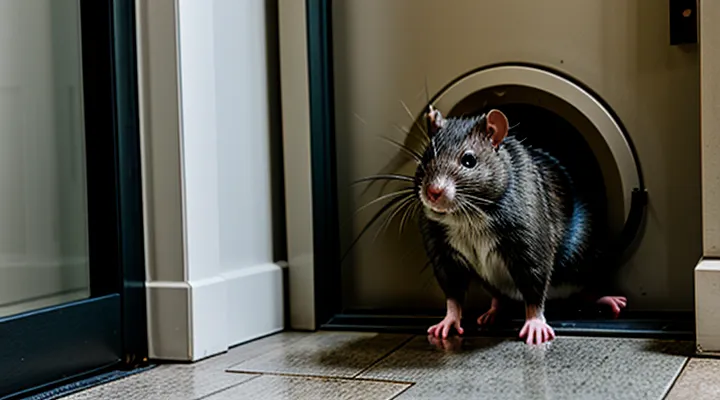
Understanding the Rat Problem at Your Entrance
Identifying Rat Infestation Signs
Droppings and Urine Trails
Droppings and urine trails provide the most reliable evidence of rat activity at a building entrance. Their presence confirms infestation, indicates entry points, and helps prioritize control measures.
Typical characteristics include:
- Dark, pellet‑shaped feces, ½ inch long, found along walls, beneath doors, and near food sources.
- Reddish‑brown urine stains that appear as wet, glossy trails on concrete, tiles, or metal surfaces.
- Accumulation in hidden corners, insulation, and crawl spaces, where rodents travel unnoticed.
Health hazards associated with these residues are significant. Pathogens such as hantavirus, leptospira, and salmonella can survive for weeks in dried droppings and urine, posing infection risks to occupants and maintenance staff. Inhalation of dust created during cleaning may trigger respiratory irritation or allergic reactions.
Effective management of droppings and urine trails involves three steps:
- Identification – Conduct a systematic inspection of all perimeter zones, focusing on low‑traffic areas, utility shafts, and drainage openings. Use a flashlight to reveal faint stains.
- Containment – Seal entry points revealed by the location of waste before removal. Apply steel wool, cement, or mesh to block gaps no larger than ¼ inch.
- Removal – Wear disposable gloves, N‑95 respirator, and protective clothing. Moisten droppings with a disinfectant solution (e.g., 10 % bleach) for at least five minutes to prevent aerosolization. Scrape and dispose of waste in sealed bags. Follow with a thorough cleaning of the area using the same disinfectant, then allow surfaces to dry completely.
Documenting the distribution of droppings and urine trails creates a map of rodent movement, enabling targeted placement of bait stations and traps. Regular monitoring of these indicators ensures early detection of re‑infestation and supports long‑term eradication efforts.
Gnaw Marks and Damage
Rats leave distinctive gnaw marks that reveal the extent of their activity in a building’s entrance. These bite impressions appear on wood, plastic, wiring insulation and concrete, indicating where rodents have tested structural integrity. Identifying «gnaw marks» early allows maintenance teams to locate entry points and prioritize interventions before the damage escalates.
Typical signs of damage include:
- Compromised structural components such as door frames and support beams, where repeated chewing weakens load‑bearing capacity.
- Exposed or severed electrical cables, creating fire hazards and costly repairs.
- Punctured insulation and sealing materials, leading to drafts, moisture ingress and reduced energy efficiency.
- Damaged signage, flashboards and decorative elements, which affect the building’s appearance and may require replacement.
Addressing these issues involves sealing identified entry points, installing durable barrier materials and regularly inspecting high‑traffic zones for fresh «gnaw marks». Prompt repair of compromised components restores structural safety and prevents further rodent infiltration. Continuous monitoring, combined with targeted exclusion methods, reduces the likelihood of recurring damage and supports long‑term pest management at building entrances.
Unusual Noises and Odors
Unusual noises and odors serve as early indicators of rodent activity at a building’s entrance. Detecting these signs allows targeted intervention before populations expand.
Typical sounds include:
- Scratching on walls, ceilings or ducts, often heard during quiet periods.
- High‑pitched squeaks emitted from concealed spaces.
- Scurrying or thudding noises caused by movement through insulation or voids.
These acoustic cues suggest active nesting or foraging, directing inspection toward specific voids, pipe chases and crawl spaces.
Odors provide complementary evidence. Commonly reported smells are:
- Ammonia‑like scent from urine deposits.
- Musky, rancid odor from feces accumulation.
- Decaying organic odor from gnawed food residues.
Presence of such smells confirms contamination zones and highlights areas where sanitation and exclusion measures are required.
Action steps based on auditory and olfactory evidence:
- Conduct a systematic visual inspection of identified zones.
- Seal entry points using metal flashing, steel wool or concrete caulk.
- Deploy snap traps or electronic devices near active noise sources.
- Install bait stations in concealed areas where odors concentrate, ensuring compliance with safety regulations.
- Implement regular cleaning to remove urine and fecal deposits, reducing attractants and disease risk.
By correlating specific sounds and smells with structural features, maintenance personnel can prioritize resources, apply proven elimination techniques, and sustain a rat‑free entrance environment.
Sightings
Frequent rat sightings at building entrances signal an active infestation that requires immediate attention. Each observation provides critical data for targeting control measures.
- Record the exact time of each sighting; rats are typically most active during dusk and pre‑dawn hours.
- Note the specific location, such as near doors, loading docks, or waste containers, to identify entry points.
- Document accompanying signs: droppings, gnaw marks, grease trails, and nesting material.
- Use motion‑activated cameras or infrared sensors to verify nocturnal activity and to estimate population size.
- Compile reports daily and compare trends to assess the effectiveness of interventions.
Accurate sighting logs enable swift sealing of gaps, strategic placement of bait stations, and focused deployment of traps. Continuous monitoring ensures that once the initial outbreak is contained, any resurgence is detected before it escalates.
Common Entry Points for Rats
Gaps Under Doors
Gaps beneath entry doors provide a direct pathway for rodents to enter a building. Even a clearance of a few millimetres allows rats to slip through, especially when the surrounding structure offers shelter and food sources. Identifying these openings early prevents infestation from establishing at the primary access point.
Effective sealing requires durable, rodent‑proof materials and proper installation techniques:
- Install stainless‑steel or copper door sweeps that extend fully across the threshold, overlapping the floor surface by at least 2 cm.
- Apply a high‑grade silicone or polyurethane sealant to fill residual spaces between the sweep and the door frame.
- Use metal flashing or heavy‑duty weatherstripping on the bottom edge of the door if the sweep cannot achieve a complete seal.
- Inspect the seal regularly for wear, damage, or displacement, and replace components promptly.
Maintaining a tight seal eliminates the most common entry route, reducing the likelihood of rodent activity at the building’s entrance.
Cracks in Foundations and Walls
Cracks in foundations and walls create hidden pathways that rodents exploit to enter a building. These openings provide shelter, moisture, and direct access to interior spaces, making them a primary target for pest‑control measures.
Identifying and sealing such fissures reduces rat activity dramatically. The process includes:
- Conducting a visual inspection of the perimeter, focusing on concrete joints, mortar gaps, and brick seams.
- Using a flash light and mirror to detect concealed cracks behind siding or under stairwells.
- Measuring each opening to select an appropriate sealing material, such as hydraulic cement for larger gaps and silicone‑based sealant for narrow fissures.
- Applying the sealant under pressure to ensure complete penetration into the crack, followed by a smooth finish that restores structural integrity.
Regular maintenance prevents re‑formation of gaps. Recommended actions are:
- Scheduling quarterly checks of the building’s foundation and wall interfaces.
- Monitoring for signs of movement or settlement that may generate new cracks.
- Promptly repairing any damage caused by weather, vibrations, or aging materials.
By systematically eliminating these structural vulnerabilities, the likelihood of rats establishing a foothold at the entrance diminishes, supporting long‑term rodent‑free conditions.
Unsealed Utility Openings
Unsealed utility openings serve as direct pathways for rodents to enter a building’s entrance, bypassing exterior barriers and providing immediate access to shelter and food sources. Gaps around pipes, conduit, and service ducts often remain unnoticed during routine inspections, creating hidden routes that facilitate rapid infestation.
To eliminate these entry points, adopt the following measures:
- Inspect all utility penetrations within a one‑meter radius of the entrance; document size and condition of each opening.
- Apply steel‑wool or copper mesh to gaps larger than 3 mm before sealing, preventing future chewing.
- Use high‑quality, rodent‑resistant sealants (e.g., silicone‑based or polyurethane) to fill remaining voids completely.
- Install rigid metal caps on pipe sleeves and conduit exits; secure with corrosion‑resistant screws.
- Conduct pressure testing after sealing to verify integrity; repeat inspection quarterly.
Routine maintenance should include visual checks of sealed openings after severe weather or building renovations. Replace compromised materials promptly and record all interventions in a centralized log to ensure accountability and traceability.
Drains and Pipes
Drains and pipes often serve as concealed routes for rodents seeking shelter and food sources near building entrances. Small gaps around pipe sleeves, vent stacks, and sanitary connections allow rats to travel from underground sewers to interior spaces. Regular visual inspections of all exposed pipework reveal wear, cracks, or missing fittings that could be exploited.
Sealing measures focus on durable materials such as stainless‑steel mesh, cement‑based mortar, or expandable foam designed for pipe penetrations. Install collars with a minimum internal diameter of 10 mm around each pipe entry, then apply a continuous sealant to eliminate gaps. Replace damaged sections promptly to prevent new openings.
Maintenance routines include flushing drains with hot water and enzymatic cleaners to remove organic debris that attracts rodents. Periodic mechanical cleaning of pipe interiors eliminates buildup that can provide nesting material. Installing one‑way check valves at strategic points restricts rat movement while preserving airflow.
Monitoring devices, such as motion‑activated cameras or infrared sensors, can be positioned near pipe junctions to verify the effectiveness of sealing actions. Combine physical barriers with targeted bait stations placed outside the sealed zones to reduce population pressure without compromising the integrity of the drainage system.
Immediate Actions and Exclusion Strategies
Sealing Entry Points
Using Steel Wool and Caulk
Steel wool provides a physical barrier that rodents cannot easily chew through. When densely packed into gaps around doors, vents, and utility openings, the fibrous material damages teeth and discourages further attempts to penetrate the entry point.
Caulk seals the remaining spaces that steel wool cannot fill. A silicone‑based or polyurethane sealant adheres to irregular surfaces, creating an airtight closure that prevents small rodents from squeezing through cracks as narrow as a few millimeters.
Effective application follows a simple sequence:
- Identify all potential entry points at the building entrance, including door frames, pipe sleeves, and drainage openings.
- Insert a generous amount of steel wool into each opening, ensuring the material contacts both sides of the gap.
- Apply caulk over the steel wool, smoothing it to eliminate voids and to bond the barrier to the surrounding structure.
- Allow the sealant to cure according to the manufacturer’s instructions before exposing the area to traffic.
Regular inspection confirms the integrity of the barrier. Replace damaged steel wool and reapply caulk if signs of wear appear, such as exposed fibers or cracked sealant. This combination of mechanical obstruction and durable sealing offers a reliable, low‑maintenance solution for preventing rodent ingress at building entrances.
Repairing Damaged Screens and Vents
Rats exploit gaps in building entry points; compromised screens and vents provide direct access to interior spaces. Restoring the integrity of these components eliminates a primary pathway, reducing the likelihood of infestation.
Begin with a systematic inspection. Verify the condition of all screens covering doors, windows, and crawl‑space openings. Examine ventilation grilles for rust, tears, or loose fasteners. Document any damage, noting size and location to prioritize repairs.
Recommended repair actions:
- Replace torn or corroded screen mesh with stainless‑steel material resistant to gnawing.
- Secure screen frames using rust‑proof screws; apply sealant around edges to prevent small openings.
- Fit vent covers with reinforced wire mesh; ensure bolts are tightened and washers are in place.
- Install metal flashing around vent openings where water runoff may cause corrosion, thereby preserving structural strength.
Schedule routine checks at least quarterly. Clean debris from screens and vents, tighten loose hardware, and reapply sealant as needed. Consistent maintenance preserves barrier effectiveness, supporting long‑term rodent exclusion at building entrances.
Installing Door Sweeps and Kick Plates
Installing door sweeps and kick plates creates a physical barrier that blocks rodents from slipping under or through entry doors. The components are inexpensive, low‑maintenance, and compatible with most commercial door frames. Proper installation eliminates gaps as small as a few millimeters, which are sufficient for rats to exploit.
Key steps for effective implementation:
- Measure the door’s bottom clearance and side jambs to select sweeps and plates that match the exact dimensions.
- Clean the contact surfaces to remove dust, grease, and debris that could prevent adhesion.
- Attach the sweep using stainless‑steel screws, ensuring the rubber or brush strip sits flush against the floor without dragging.
- Secure the kick plate to the lower portion of the door frame, aligning it with the sweep to form a continuous seal.
- Test the door repeatedly, confirming that no visible gap remains when the door is fully closed.
Regular inspection of the installed hardware detects wear, corrosion, or displacement. Replace damaged sweeps or plates promptly to maintain an uncompromised seal, thereby sustaining the overall rodent‑exclusion strategy for the building entrance.
Sanitation and Food Source Removal
Proper Waste Management
Proper waste management is a critical element in preventing rodent infestations at building entryways. Food residues, organic debris, and improperly sealed containers provide a reliable food source for rats, encouraging them to establish pathways through doors and vestibules. By eliminating these attractants, the likelihood of rats entering the premises diminishes significantly.
Key actions include:
- Storing waste in tightly sealed, rodent‑proof bins equipped with secure lids.
- Removing garbage from the building entrance at least twice daily, preferably before peak activity periods for rodents.
- Cleaning spillage immediately, using disinfectants that do not attract pests.
- Positioning waste collection points away from doorways and ensuring they are surrounded by smooth, non‑porous surfaces that rodents cannot climb.
- Conducting regular inspections of waste containers for damage, cracks, or gaps, and repairing or replacing them promptly.
Implementing a consistent schedule for waste removal, combined with rigorous container maintenance, creates an environment where rats find no accessible food or shelter near entry points. This systematic approach supports broader pest‑control measures and contributes to a secure, hygienic building entrance.
Eliminating Water Sources
Eliminating water sources is a critical component of any program aimed at removing rats from a building entrance. Rats are drawn to any location where moisture is readily available, and a reliable supply of water can sustain an infestation even when food sources are limited.
Typical water sources at entry points include leaking pipes, condensation on HVAC units, standing rainwater in gutters, and puddles formed by inadequate drainage. Exterior sprinkler systems that overspray the entrance area also create a persistent moisture environment attractive to rodents.
Practical actions to eradicate these sources:
- Inspect all plumbing fixtures, roof drains, and gutter systems for leaks; repair or replace damaged components immediately.
- Install drip‑free fittings on exterior faucets and regularly test for seepage.
- Grade the ground around the entrance to direct runoff away from the building foundation.
- Use absorbent mats or sand traps beneath doors to capture residual moisture from shoes and equipment.
- Schedule routine maintenance checks for HVAC condensate lines, ensuring proper flow and disposal.
Sustained vigilance in water management prevents rats from establishing a foothold at the entrance, supporting broader pest‑control measures and reducing the likelihood of re‑infestation.
Storing Food Securely
Secure food storage prevents rodents from being attracted to a building entrance. Food that is left uncovered or stored in easily breached containers provides a reliable food source, encouraging rats to enter and establish pathways. Eliminating this attractant reduces the likelihood of infestations and supports long‑term control measures.
Effective practices include:
- Use containers made of metal or thick plastic with tight‑fitting lids; verify that seals remain intact after each use.
- Store bulk items in sealed, rodent‑proof bins located away from entry doors and loading zones.
- Label containers clearly and maintain an inventory to avoid over‑stocking, which increases the chance of spills.
- Clean any spills immediately and dispose of waste in sealed bags before placing them in external dumpsters.
Routine inspection of storage areas identifies compromised seals or damaged containers before rats can exploit them. Prompt repair or replacement of faulty equipment sustains a barrier that discourages rodent activity at the building’s threshold. «Proper food containment» is a fundamental component of an integrated pest‑management strategy.
Trapping Methods
Snap Traps
Snap traps represent a reliable mechanical option for eliminating rats that congregate around building entrances. The device relies on a spring‑loaded bar that snaps shut when the rodent applies pressure to a trigger plate, delivering an instantaneous kill and preventing further damage to doors, doorsills and surrounding structures.
Proper placement maximizes capture rates. Install traps directly in pathways identified by droppings, gnaw marks or smudge trails. Position each trap perpendicular to the wall, with the trigger plate facing the anticipated direction of travel. Secure traps on a flat surface to avoid false activations caused by vibrations from foot traffic.
Bait selection influences effectiveness. Use high‑protein attractants such as peanut butter, cooked meat or fresh fruit. Apply a pea‑sized amount to the trigger plate, ensuring the bait does not obstruct the mechanism. Replace bait daily to maintain freshness and scent potency.
Safety measures protect maintenance personnel and non‑target species. Wear thick gloves when handling traps, and place them out of reach of children and pets. After a capture, dispose of the carcass in a sealed bag and replace the trap promptly to maintain continuous coverage.
Key actions for implementing snap traps:
- Identify active rat routes near the entrance.
- Install traps with the trigger plate oriented toward traffic flow.
- Apply a small amount of protein‑rich bait.
- Inspect traps daily, removing captured rodents and refreshing bait.
- Wear protective gloves and secure disposal bags for each removal.
When used consistently and positioned according to observed rodent behavior, snap traps provide an immediate reduction in rat activity at building thresholds, supporting broader pest‑management programs. «Snap traps deliver instant, humane control without reliance on chemicals.»
Live Traps
Live traps provide a humane alternative to lethal control when rats infiltrate a building entrance. The devices capture rodents without killing them, allowing for relocation away from the property.
Common designs include cage traps with a spring‑loaded door, multi‑catch models that hold several animals, and collapsible traps that fold for storage. All variants feature a trigger mechanism that closes the door once the rat applies pressure to a baited platform.
Effective placement follows three principles: proximity to known runways, alignment with wall edges, and avoidance of direct sunlight. Position traps near garbage containers, utility shafts, and ventilation openings, where rats frequently travel. Secure traps to the ground or a sturdy base to prevent displacement by wind or other animals.
Bait selection influences capture rates. High‑protein foods such as peanut butter, dried fruit, or small pieces of meat attract rats reliably. Apply a pea‑sized amount to the trigger platform, ensuring that the scent remains fresh by replacing bait every 24 hours.
Monitoring schedule:
- Inspect traps twice daily; remove captured rats promptly.
- Transport each animal in a ventilated container to a location at least 5 kilometers from the building.
- Release rats at dusk, near natural cover, to reduce stress and predation risk.
- Clean and disinfect traps after each use to prevent disease transmission.
Legal frameworks often require permits for relocation and prohibit release in protected areas. Verify municipal regulations before moving captured rodents. Ethical practice mandates immediate release after capture, avoiding prolonged confinement that can cause injury or distress.
Integrating live traps with exclusion measures—such as sealing entry points and maintaining sanitation—enhances overall effectiveness in eliminating rat activity from building entrances.
Electronic Traps
Electronic traps provide a rapid, humane solution for eliminating rodents at building entryways. These devices emit a high‑frequency pulse that induces muscular spasms, causing immediate incapacitation of the target without chemicals or poisons. The pulse is triggered by a sensor that detects the size and shape of a passing animal, ensuring activation only for rodents of appropriate dimensions.
Key features of electronic traps include:
- Voltage range of 2,000–5,000 V, sufficient to terminate rats instantly while preserving structural integrity of the device.
- Integrated safety lock that prevents accidental discharge when the unit is opened for cleaning.
- Battery‑powered models offering up‑to‑six‑month operation without external power sources; mains‑connected versions provide continuous readiness.
Installation guidelines emphasize secure placement at ground level, directly in the path of traffic through the entrance. The device should be anchored to a solid surface, with the sensor oriented toward the anticipated direction of movement. Positioning near walls or corners maximizes contact probability while minimizing exposure to non‑target species.
Maintenance procedures consist of regular inspection of the interior chamber for debris, removal of deceased rodents, and verification of battery charge or power connection. Most manufacturers recommend cleaning after each capture to maintain sensor accuracy and prevent odor buildup that could deter further rodent activity.
Effectiveness data from field studies indicate mortality rates above 95 % when traps are correctly sited and serviced. Electronic traps complement other control measures, such as exclusion sealing and habitat reduction, forming an integrated approach that reduces reinfestation risk.
Long-Term Prevention and Professional Help
Deterrents and Repellents
Ultrasonic Devices
Ultrasonic devices emit high‑frequency sound waves that are inaudible to humans but uncomfortable for rodents. The waves create a hostile acoustic environment, prompting rats to avoid the treated area.
Key considerations for implementation at building entrances:
- Frequency range – devices typically operate between 20 kHz and 65 kHz; higher frequencies affect younger rats, while lower frequencies target mature individuals.
- Coverage area – a single unit protects roughly 200 m²; larger entrances may require multiple synchronized units to eliminate blind spots.
- Installation height – mounting at 2–3 meters ensures optimal propagation across the vertical plane of the entryway.
- Power source – continuous operation demands reliable electricity; battery‑backed models provide redundancy during outages.
Effectiveness depends on environmental factors. Open spaces with minimal acoustic absorption allow sound waves to travel freely, enhancing deterrence. Dense construction materials, metal doors, or heavy insulation can diminish wave intensity, reducing efficacy.
Safety aspects:
- No known adverse effects on humans when devices are installed according to manufacturer specifications.
- Pets, particularly rodents‑sensitive species, may experience discomfort; separate zones or reduced‑output models are advisable.
Maintenance requirements are minimal. Periodic cleaning of vents prevents dust buildup that could impair acoustic output. Firmware updates, when available, improve frequency modulation and extend device lifespan.
Cost analysis:
- Initial investment ranges from $150 to $400 per unit, with bulk discounts for multi‑unit installations.
- Operating expenses are limited to electricity consumption, typically under 5 W per device, resulting in negligible monthly utility costs.
Overall, ultrasonic devices constitute a non‑chemical, low‑maintenance option for deterring rats from building entry points. Proper placement, adequate coverage, and regular upkeep maximize their deterrent capability while maintaining a safe environment for occupants.
Natural Repellents
Natural repellents offer a safe, non‑chemical approach to discouraging rats from entering a building’s main doorway. These substances exploit rodents’ heightened sense of smell and aversion to certain tastes, creating an environment that rats instinctively avoid.
- Peppermint oil: apply a few drops on cotton balls and place them near entry gaps; the strong menthol scent disrupts rats’ olfactory navigation.
- Cinnamon and clove powder: sprinkle a thin layer along thresholds; the pungent aroma acts as a deterrent without harming the animals.
- Cayenne or chili pepper flakes: distribute sparingly around doors and vent openings; capsaicin irritates mucous membranes, prompting rats to seek alternative routes.
- Predator urine (e.g., fox or ferret): dilute according to manufacturer instructions and spray on the perimeter of the entrance; the scent signals the presence of a natural enemy.
- Steel‑wool or copper mesh: pack tightly into cracks and gaps; the rough texture is uncomfortable for rats to gnaw through while remaining inert.
Effective deployment requires regular maintenance. Replace scented materials every two to three days, especially in warm weather, to preserve potency. Ensure that repellents do not obstruct legitimate traffic or pose a slip hazard. Combine natural methods with structural improvements—such as sealing holes, installing door sweeps, and maintaining clean waste areas—to reinforce the barrier against infestation.
Continuous observation of rat activity, through visual checks or motion‑activated cameras, confirms the efficacy of the chosen repellents. Adjust placement or rotate substances if signs of habituation appear, maintaining a consistently hostile environment at the building’s entrance.
Monitoring and Maintenance
Regular Inspections
Regular inspections form a cornerstone of any rat‑control program at building entrances. Systematic visual checks identify gnaw marks, droppings, and burrow entrances before infestations become visible. Early detection enables targeted interventions, reducing the need for extensive chemical treatments.
Key elements of an effective inspection routine include:
- Scheduled visits at least once per month, with increased frequency during peak rodent activity periods.
- Use of flashlights and mirrors to examine dark corners, utility rooms, and drainage areas.
- Documentation of findings in a standardized log, noting location, type of evidence, and severity level.
- Immediate reporting of confirmed signs to maintenance personnel for prompt action.
Consistent record‑keeping creates a data set that reveals trends, such as recurring entry points or seasonal spikes. Analysis of this information guides adjustments to sealing, trapping, and sanitation measures, ensuring long‑term suppression of rat populations at the building’s threshold.
Maintaining Landscape
Maintaining the landscape around a building entrance directly influences rodent activity. Overgrown vegetation, dense shrubbery, and accumulated debris create shelter and pathways for rats, facilitating entry into the structure. Regular trimming, removal of ground cover, and proper waste disposal reduce habitat availability and discourage foraging near the doorway.
Key maintenance actions include:
- Trimming grass and hedges to a height of no more than six inches.
- Removing fallen leaves, fruit, and compost piles from the perimeter.
- Clearing gutters and downspouts to prevent water accumulation.
- Installing hard‑scaping elements such as gravel or concrete borders that limit burrowing.
- Ensuring irrigation systems do not create standing water or excessive soil moisture.
Consistent landscape care, combined with routine inspections, forms an essential component of an integrated rodent‑control strategy for building entrances.
When to Call Professional Pest Control
Persistent Infestations
Persistent infestations in building entrances indicate that initial control measures failed to disrupt the rodent population’s breeding cycle. Evidence of ongoing activity includes fresh droppings, gnaw marks on structural components, and increased nocturnal sightings. These signs demand a reassessment of the eradication plan.
Effective response requires a combination of habitat modification, exclusion techniques, and targeted baiting. The following actions have proven reliable:
- Seal all entry points larger than ¼ inch with steel wool, concrete, or metal flashing; rodents can compress bodies to pass through smaller gaps.
- Remove food sources by installing sealed waste containers, enforcing regular cleaning schedules, and eliminating spilled feed in adjacent areas.
- Deploy snap traps or electronic devices along established runways; position devices perpendicular to walls to maximize strike efficiency.
- Apply anticoagulant bait stations in tamper‑proof units, ensuring placement near but not directly adjacent to human traffic to reduce exposure risk.
- Conduct routine inspections every two weeks, documenting trap counts, bait consumption, and structural repairs.
When infestations persist despite these measures, professional exterminators should be engaged to perform rodent‑proofing audits and consider fumigation or integrated pest‑management programs. Continuous monitoring and prompt remedial action prevent re‑colonization and protect the integrity of the building’s entrance.
Large Scale Problems
Large‑scale rat infestations at building entrances present challenges that extend beyond simple bait placement. The sheer number of rodents can overwhelm standard traps, requiring coordinated deployment of multiple control devices to achieve sufficient coverage. High population density increases the likelihood of gnaw damage to doors, hinges, and sealing strips, compromising security and energy efficiency.
Health risks multiply when rodents occupy shared entryways. Pathogen transmission escalates as droppings and urine contaminate common surfaces, creating a public‑health concern for all occupants. Mitigation demands systematic sanitation protocols, frequent waste removal, and routine disinfection of high‑traffic zones.
Resource allocation becomes critical when addressing extensive problems. Budgetary constraints often limit the purchase of professional‑grade equipment, prompting the need for cost‑effective strategies such as bulk ordering of bait stations and reuse of durable trapping systems. Efficient planning reduces waste and maximizes the impact of each intervention.
Regulatory compliance adds another layer of complexity. Local ordinances may dictate specific pesticide usage, disposal methods, and reporting requirements. Failure to adhere can result in fines and legal liability, making thorough documentation and verification essential.
Effective monitoring supports long‑term success. Integrated pest‑management programs recommend installing observation points at strategic locations, recording activity levels, and adjusting tactics based on data trends. Continuous assessment prevents resurgence and informs future resource distribution.
Key actions for managing extensive rodent issues at building entrances:
- Deploy a network of sealed bait stations covering all access points.
- Install heavy‑duty snap traps in high‑traffic corridors and stairwells.
- Seal gaps larger than ¼ inch with steel wool and cement to block entry.
- Implement routine cleaning schedules to remove attractants.
- Conduct quarterly inspections, documenting findings with photographic evidence.
- Coordinate with local health authorities to ensure compliance with pest‑control regulations.
Addressing «large scale problems» requires a systematic, data‑driven approach that balances efficacy, cost, and regulatory adherence. Consistent execution of the outlined measures reduces rodent populations, protects infrastructure, and safeguards occupant health.
Health Risks
Rats congregating at the entry of a building create direct threats to human health. Their presence introduces pathogens, contaminates surfaces, and triggers allergic responses that can compromise occupants’ well‑being.
- « Leptospira » bacteria cause leptospirosis, a severe febrile illness transmitted through rat urine.
- « Salmonella » and « E. coli » strains spread via droppings, leading to gastrointestinal infections.
- Hantavirus, carried in rodent excreta, may cause hemorrhagic fever with high mortality rates.
- Allergens present in rat hair, saliva, and dander provoke asthma attacks and rhinitis in sensitive individuals.
- Contamination of food storage areas by gnawed packaging introduces toxins and spoilage organisms.
Exposure to these hazards increases absenteeism, medical costs, and liability for property managers. Prompt eradication of rodent activity at entry points reduces disease transmission, protects food safety, and preserves a healthy indoor environment.