
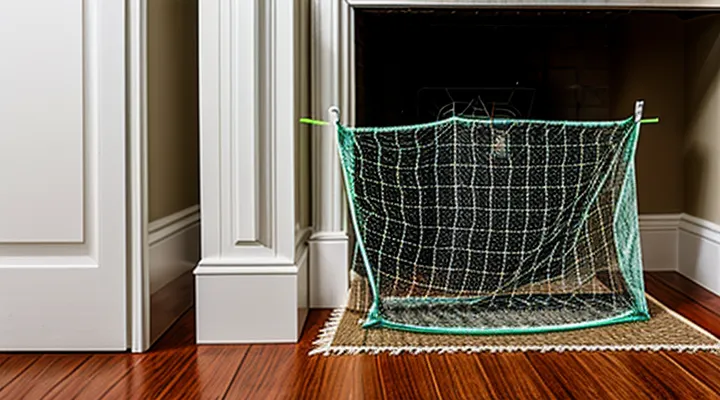
Understanding Mouse Behavior and Infestation Signs
Common Entry Points for Mice
Gaps and Cracks in Foundations
Gaps and cracks in a building’s foundation constitute primary routes through which rodents infiltrate residential spaces. Even minute openings, often invisible without close inspection, permit mice to bypass external barriers and reach interior areas.
Typical locations include:
- Expansion joints between concrete slabs and walls
- Settling fissures around basement footings
- Openings around utility penetrations, such as water pipes and electrical conduits
- Gaps at the perimeter where the slab meets the crawl‑space or grading soil
Effective remediation requires a systematic approach. First, conduct a thorough visual and tactile survey of the foundation perimeter, employing flashlights and mirrors to reveal concealed fissures. Second, clean debris and moisture from each opening to ensure adhesion of sealing materials. Third, apply appropriate fillers:
- Polyurethane foam for irregular, expanding gaps
- Hydraulic cement for active water‑seeping cracks
- Metal flashing or steel mesh for larger voids, followed by concrete patching
After sealing, install mouse‑proof netting along the exterior of the foundation. Secure the net with corrosion‑resistant staples or clamps, ensuring the mesh overlaps sealed areas by at least two inches. This overlap prevents rodents from exploiting any residual micro‑spaces between the net and the repaired foundation. Continuous monitoring of the sealed zones, especially after seasonal temperature shifts, maintains the integrity of the barrier and sustains long‑term protection against mouse intrusion.
Openings Around Pipes and Utilities
Openings surrounding water, gas, and electrical conduits provide direct pathways for rodents to enter interior spaces. Unsealed gaps allow mice to travel from exterior walls to rooms without encountering barriers, undermining any netting system installed elsewhere.
Inspection of pipe and utility penetrations should follow a systematic approach:
- Locate all entry points by tracing visible piping from the foundation to fixtures.
- Use a flashlight to reveal gaps larger than ¼ inch.
- Record each opening’s dimensions and surrounding material type.
Sealing techniques vary according to gap size and location:
- Apply stainless‑steel mesh, cut to overlap the pipe by at least 2 inches on each side, and secure with corrosion‑resistant screws.
- Fill larger voids with expandable polyurethane foam, then cover the foam surface with metal flashing to prevent gnawing.
- For irregular shapes, wrap the pipe with copper or aluminum sheeting, fastening it with heavy‑duty wire ties.
Integration with house‑wide netting requires that sealed pipe sections connect seamlessly to the primary barrier. Align mesh edges to create continuous coverage, and use zip ties or clamps to attach the netting to the sealed pipe sections, eliminating any residual gaps.
Regular maintenance includes:
- Quarterly visual checks for mesh wear or displacement.
- Reapplication of sealant where foam contracts or cracks appear.
- Replacement of compromised mesh sections within 12 months to preserve overall efficacy.
Damaged Screens and Vents
Damaged window screens and ventilation openings create direct pathways for rodents to infiltrate residential interiors. Even small tears or missing mesh sections allow mice to bypass exterior barriers, compromising the overall integrity of any mouse‑deterrent system.
Repairing or replacing compromised screens restores a continuous physical obstacle. Use weather‑resistant, fine‑mesh material that matches the gauge of existing installations. Secure edges with stainless‑steel clips or silicone sealant to prevent future separation.
Ventilation shafts require similar attention. Install rigid, corrosion‑proof netting sized to block rodents while maintaining airflow. Fit the netting tightly to the duct frame, employing metal brackets or zip‑tension fasteners to eliminate gaps.
Regular inspection schedules detect wear before infestations develop. A practical maintenance routine includes:
- Visual examination of all screens and vents quarterly.
- Immediate sealing of any identified tears with appropriate mesh patches.
- Replacement of severely degraded components rather than temporary fixes.
By eliminating these vulnerable entry points, the effectiveness of any house‑wide rodent‑exclusion network is markedly improved.
Identifying Mouse Activity
Droppings and Urine Stains
Droppings and urine stains serve as primary indicators of rodent activity within residential environments. Their presence confirms that mice have accessed interior spaces, undermining the integrity of any barrier system designed to limit infestation.
Recognition
- Dark, pellet‑shaped feces typically appear in clusters near food sources, along walls, or within concealed cavities.
- Yellowish or brownish wet patches indicate urine deposits; these stains may darken over time as they dry.
Health implications
- Fecal material contains pathogens such as Hantavirus, Salmonella, and leptospira, which can become airborne when disturbed.
- Urine residues harbor bacteria and can trigger allergic reactions or asthma exacerbations, especially in children and immunocompromised individuals.
Cleaning protocol
- Wear disposable gloves and a mask rated for particulate protection.
- Moisten droppings with a disinfectant solution (e.g., 10 % bleach) to prevent aerosolization.
- Collect solid waste with a disposable scoop; place in a sealed bag for removal.
- Apply the same disinfectant to urine stains; allow a minimum of ten minutes for contact time.
- Rinse the area with clean water; dry thoroughly to inhibit mold growth.
- Dispose of all cleaning materials in a sealed container; wash hands after glove removal.
Preventive measures
- Install tightly woven netting at entry points; ensure no gaps larger than ¼ inch.
- Seal cracks, gaps around pipes, and utility openings before net deployment.
- Maintain a clean, food‑free environment to reduce attractants that encourage mice to deposit waste.
Regular monitoring of droppings and urine stains provides early detection of breaches in the barrier system, enabling prompt remediation before infestations spread.
Gnaw Marks on Surfaces and Food Packaging
Gnaw marks appear as crescent‑shaped incisions on wood, plastic, insulation and food containers. The depth and spacing of the bites indicate a rodent’s incisors, which continuously grow and require constant chewing. Identifying these traces early prevents structural deterioration and contamination of stored provisions.
Common locations for gnaw damage include:
- Baseboards and cabinet edges where mice travel along walls.
- Wire insulation that can expose live conductors.
- Food packaging, especially cardboard boxes and plastic wraps, where compromised seals invite further consumption.
When gnaw marks are detected on packaging, the integrity of the product is compromised. Bacteria and allergens may infiltrate, leading to health risks for occupants. Immediate removal of affected items and thorough cleaning of the surrounding area are essential to maintain hygiene standards.
Physical barriers, such as tightly woven mesh nets fitted over openings and within crawl spaces, interrupt the rodents’ access routes. By sealing gaps larger than a quarter inch, nets eliminate the pathways that lead mice to gnaw surfaces and food stores. Regular inspection of net installations ensures that no tears or loose sections create new entry points.
Integrating mesh barriers with routine monitoring of gnaw evidence creates a comprehensive defense against rodent damage. The combined approach reduces repair costs, safeguards food safety, and preserves the structural integrity of the residence.
Scratching Sounds in Walls or Ceilings
Scratching noises emanating from walls or ceilings indicate active rodent movement within concealed spaces. Mice generate audible sounds while gnawing on insulation, navigating tight passages, or nesting, and the frequency of the noise often correlates with population density.
Identifying the precise location of the disturbance requires systematic inspection. Remove removable panels, listen for intensified sounds, and examine adjacent insulation for droppings, gnaw marks, or nesting material. Thermal imaging or motion‑activated cameras can confirm activity without invasive entry.
Effective barrier systems target identified entry points and internal pathways. Mesh with a ¼‑inch aperture prevents mice from squeezing through gaps while allowing ventilation. Install netting along wall cavities, ceiling joists, and utility openings, securing edges with stainless‑steel staples or heavy‑duty adhesive. Ensure overlap of at least two inches between sections to eliminate seams.
Action steps:
- Seal exterior cracks larger than ¼ inch with cement or steel wool.
- Fit reinforced mesh around vent ducts, pipe sleeves, and cable conduits.
- Place netting within wall cavities before insulation, attaching it to studs and joists.
- Conduct regular visual checks for mesh integrity and replace damaged sections promptly.
Choosing and Deploying Effective Netting Solutions
Types of Exclusion Netting
Hardware Cloth (Wire Mesh)
Hardware cloth, also known as wire mesh, consists of galvanized steel or stainless‑steel strands welded into a rectangular grid. Typical gauges range from 16 to 22, providing a balance between flexibility and strength. Mesh openings commonly measure ¼ inch (6 mm) or smaller, which prevents mice from squeezing through.
The material’s rigidity blocks rodent entry while resisting chewing and weathering. Small apertures deny passage to adult mice and juveniles alike. Because the mesh retains its shape, it can be fastened directly to framing, vents, or openings without sagging. When installed with overlapping seams and secure staples or screws, the barrier remains intact even under repeated pressure.
Practical recommendations for deploying hardware cloth in residential mouse‑proofing:
- Cut panels to cover gaps around utility penetrations, foundation cracks, and attic vents.
- Overlap adjacent sheets by at least 2 inches (5 cm) and seal seams with metal‑compatible caulk.
- Secure edges to studs or joists using rust‑resistant staples, screws, or self‑drilling fasteners.
- Install a flange or trim around doorways to prevent mice from prying the mesh away.
- Inspect periodically for corrosion or damage, replacing compromised sections promptly.
Using hardware cloth in these ways creates a durable, chew‑resistant barrier that effectively limits mouse intrusion throughout the dwelling.
Steel Wool
Steel wool serves as a practical barrier material for sealing openings that mice exploit to enter a residence. Its dense, interwoven fibers create a texture that rodents cannot easily gnaw through, making it a reliable supplement to mesh barriers.
The material’s characteristics include high compressibility, allowing it to fill irregular gaps, and a slight abrasive quality that damages rodent incisors upon contact. These properties complement netting systems by blocking residual passages that net mesh alone may leave unprotected.
Typical application involves packing steel wool tightly into cracks around pipe penetrations, vent openings, and foundation seams. For long‑term durability, the packed wool can be covered with silicone caulk or integrated into the frame of a mouse‑deterrent net. In areas prone to moisture, stainless‑steel variants reduce corrosion risk.
Advantages:
- Low cost and readily available.
- Easy to install without specialized tools.
- Non‑chemical, non‑toxic solution.
- Enhances overall integrity of rodent‑exclusion installations.
Limitations:
- Susceptible to rust when exposed to moisture over time.
- Potential fire hazard if placed near heat sources.
- Requires periodic inspection and replacement to maintain effectiveness.
Maintenance consists of visual checks at least quarterly, removal of any rusted sections, and replacement with fresh steel wool or stainless‑steel alternatives where humidity is high. Combining steel wool with sealants extends the lifespan of the barrier.
Safety considerations include keeping steel wool away from open flames and ensuring that any exposed fibers are not accessible to pets or children. Proper installation eliminates the risk of accidental ingestion by rodents, as the material is unpalatable and physically obstructive.
Specialized Pest Control Mesh
Specialized pest‑control mesh provides a physical barrier that prevents rodents from entering interior spaces while allowing airflow and light penetration. The mesh is typically constructed from stainless steel or high‑tensile polymer fibers, offering corrosion resistance and durability in humid environments such as kitchens, basements, and crawl spaces.
Key characteristics include:
- Aperture size not exceeding 6 mm, which excludes common house mice without restricting ventilation.
- Tensile strength of at least 250 MPa, ensuring resistance to gnawing and tearing.
- Coating options such as epoxy or powder‑coat to reduce rust formation and simplify cleaning.
Installation guidelines recommend securing the mesh to structural frames using stainless‑steel staples or self‑drilling screws, maintaining a continuous overlap of at least 30 mm at seams. Edge sealing with silicone or weather‑strip tape eliminates gaps that could be exploited by agile rodents. Periodic inspection—every three to six months—detects wear, displacement, or damage caused by pets or building settlement.
Advantages over conventional wire netting are:
- Higher resistance to corrosion, extending service life in damp conditions.
- Reduced visual impact due to finer weave and thinner gauge, preserving interior aesthetics.
- Compatibility with existing ventilation ducts, allowing retrofitting without major renovations.
When selecting a mesh product, prioritize certifications that verify compliance with pest‑management standards, such as ISO 9001 for quality management and ASTM E84 for fire resistance. Manufacturers that provide detailed technical data sheets enable precise matching of mesh specifications to building requirements.
Overall, employing a purpose‑designed pest‑control mesh enhances structural protection against mouse intrusion while maintaining functional airflow, representing a reliable component of an integrated rodent‑prevention strategy. «Effective barriers rely on precise engineering, not merely on size» .
Strategic Placement of Netting
Sealing Foundation Gaps
Sealing foundation gaps prevents mice from exploiting structural weaknesses, complementing netting systems designed to block entry points.
Common locations for gaps include:
- Joint between concrete slab and exterior wall
- Space around utility penetrations (pipes, cables)
- Openings at the bottom of doors and windows
- Cracks in basement walls or crawl‑space flooring
To close these openings:
- Inspect the perimeter with a flashlight and a thin probe to locate any opening wider than ¼ inch.
- Clean debris and moisture from the area to ensure adhesion.
- Apply a durable, rodent‑resistant sealant such as polyurethane caulk or hydraulic cement, pressing it firmly into the gap.
- For larger voids, install steel mesh or copper flashing, then seal edges with the same caulk.
- Allow the material to cure according to manufacturer specifications before re‑installing flooring or finishes.
Recommended materials:
- Polyurethane caulk for small cracks
- Hydraulic cement for deep, water‑exposed gaps
- Stainless‑steel mesh (¼‑inch gauge) for openings larger than ½ inch
Regular inspection after seasonal changes identifies new gaps caused by settlement or moisture expansion, ensuring continuous protection against rodent intrusion.
Protecting Vents and Drains
Vents and floor drains provide direct routes for rodents to infiltrate living spaces; gaps as small as a quarter‑inch allow passage. Sealing these openings eliminates a primary pathway for mouse intrusion.
Effective barriers consist of stainless‑steel or galvanized mesh with openings no larger than ¼ in. Mesh must withstand humidity, resist corrosion, and remain taut to prevent sagging. For vent covers, select frames that lock securely over the mesh, ensuring a continuous seal around the duct perimeter. Drain grates should incorporate a fine‑mesh insert beneath the standard cover, creating a double barrier that blocks entry while permitting water flow.
Installation steps:
- Inspect each vent and drain for cracks, rust, or loose fittings; repair structural damage before applying mesh.
- Cut mesh to dimensions that overlap the opening by at least 2 in. on all sides.
- Attach mesh using corrosion‑resistant screws or stainless‑steel staples, maintaining flush contact with the surrounding surface.
- Fit the vent or drain cover over the secured mesh, tightening fasteners to eliminate gaps.
- Apply a silicone‑based sealant around the perimeter of the cover to reinforce the barrier against weathering.
Regular maintenance includes monthly visual checks for mesh displacement, corrosion, or debris accumulation. Replace damaged sections promptly; a compromised section restores the entry point. Cleaning drains with a high‑pressure water jet removes organic build‑up that could attract rodents, while vent filters should be vacuumed to preserve airflow and barrier integrity.
By implementing robust mesh barriers, securing fasteners, and performing systematic inspections, homeowners prevent rodents from exploiting vents and drains, thereby strengthening overall rodent‑exclusion measures.
Reinforcing Entry Points Around Doors and Windows
Reinforcing entry points around doors and windows creates a physical barrier that prevents rodents from entering interior spaces. Sealing gaps eliminates the primary routes mice exploit when seeking shelter and food.
- Install weatherstripping on the lower edge of doors; choose compression or silicone-backed strips for durability.
- Apply expanding foam or low‑expansion caulk around door frames, hinges, and locksets to fill irregular openings.
- Fit tight‑fitting door sweeps that extend at least ¼ inch beyond the threshold.
- Replace damaged or warped window screens with metal mesh of ¼‑inch or smaller apertures.
- Seal window sash gaps with silicone sealant; reinforce with steel wool or copper mesh before applying sealant for added resistance.
- Inspect and repair cracks in plaster, drywall, or siding adjacent to openings; use cement‑based filler for larger voids.
Regularly inspect reinforced areas for wear, displacement, or new gaps caused by settlement or weather. Prompt maintenance sustains the integrity of the barrier, ensuring long‑term effectiveness of mouse‑deterrent measures.
Installation Techniques for Optimal Effectiveness
Measuring and Cutting Netting Accurately
Accurate measurement and precise cutting are critical steps when preparing netting for mouse control in residential settings. Begin by identifying the exact area to be covered, including doors, windows, vents, and any openings where rodents may enter. Use a flexible steel tape to follow irregular contours, recording lengths in centimeters or inches as appropriate. Add a margin of 5–10 % to accommodate overlap and tension.
When marking the netting, employ a fine‑point marker or chalk that does not bleed through the material. Align the markings with the measured dimensions, ensuring that each side includes the overlap allowance. For curved sections, divide the length into smaller straight segments and mark each individually to maintain accuracy.
Cutting should be performed with tools that produce clean edges. A sharp utility knife or heavy‑duty scissors, combined with a straight edge or cutting board, reduces fraying. Apply steady, even pressure and follow the marked line closely. After each cut, inspect the edge for burrs; trim any irregularities with a fine file or sandpaper.
Finally, verify the fit before securing the netting. Place the cut piece against the targeted opening, confirm that the overlap covers the entire perimeter, and adjust if necessary. Proper measurement and cutting minimize gaps, enhance durability, and improve the overall effectiveness of mouse deterrent barriers.
Securing Netting with Sealants and Fasteners
Securing netting against rodent intrusion requires reliable attachment methods and durable sealing materials. Properly fastened and sealed edges prevent mice from exploiting gaps or loose sections.
Key sealant types include:
- «silicone» – flexible, weather‑resistant, adheres to most building materials.
- «polyurethane» – high tensile strength, fills larger voids.
- «acrylic latex» – easy cleanup, suitable for interior applications.
Effective fasteners comprise:
- Stainless‑steel screws with rubber washers – provide mechanical hold and compress sealant.
- Heavy‑duty staples – suitable for thin framing, combined with bead of sealant.
- UV‑resistant zip ties – allow rapid attachment to PVC or metal tracks, reinforced with sealant at contact points.
Installation procedure:
- Remove debris and dry the surface surrounding the netting.
- Apply a continuous bead of the chosen «sealant» along the perimeter of the net.
- Position the netting against the sealed line, ensuring full contact.
- Secure the net with the selected «fastener», spacing units every 6–8 inches for robust hold.
- Inspect each joint, re‑apply sealant where gaps appear, and allow curing according to manufacturer specifications before exposing the area to traffic.
Regular Inspection and Maintenance of Netting
Regular inspection of mesh barriers prevents small tears, loose fittings, and edge gaps that allow rodents to bypass protection. Detecting damage early eliminates the need for extensive repairs and maintains the integrity of the rodent‑exclusion system.
- Examine all seams and joints weekly; tighten any loosened fasteners.
- Inspect corners, door frames, and window openings for fraying or displacement.
- Test tension of the netting; restore proper tautness with clamps or tension rods.
- Clean debris and dust that can degrade material strength; use a mild detergent and a soft brush.
- Replace sections showing wear, corrosion, or UV‑induced brittleness promptly.
- Record inspection dates and findings in a maintenance log for accountability.