
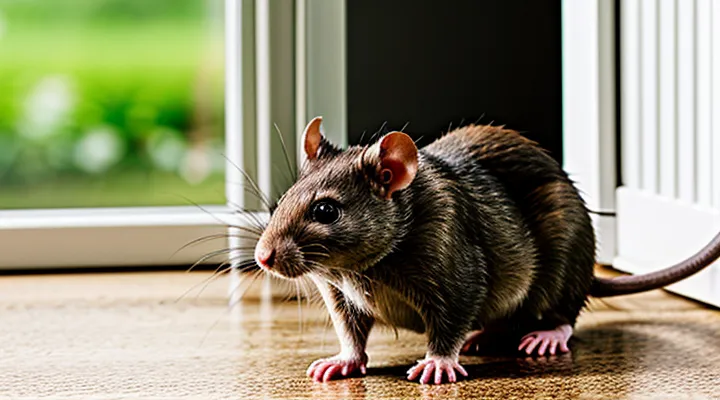
Understanding the Rat Problem
Identifying Rat Infestation Signs
Droppings and Urine Stains
Droppings and urine stains are primary indicators of a rat infestation and pose health hazards that must be addressed promptly. Fresh droppings appear as small, dark, cylindrical pellets about half an inch long; older deposits darken and may become crumbly. Urine stains often manifest as yellowish or brown discolorations on surfaces, sometimes accompanied by a strong, musky odor.
Cleaning procedures should eliminate pathogens and deter future activity:
- Wear disposable gloves and a mask to prevent inhalation of airborne particles.
- Ventilate the area for at least 15 minutes before beginning work.
- Collect droppings with a damp paper towel; avoid sweeping or dry brushing, which can aerosolize bacteria.
- Disinfect the contaminated zone with a solution of 1 part bleach to 10 parts water, ensuring the surface remains wet for a minimum of 10 minutes.
- Rinse with clean water and dry thoroughly.
- For porous materials (carpet, upholstery) that cannot be fully sanitized, consider removal and replacement.
After removal, inspect adjacent areas for additional signs, seal entry points, and maintain a clean environment to reduce attractants. Prompt, thorough decontamination of droppings and urine stains reduces disease risk and supports long‑term rodent control.
Gnaw Marks and Damage
Rats leave unmistakable gnaw marks that serve as the first reliable indicator of an infestation. The bite pattern consists of clean, V‑shaped incisions about 2 mm wide, with teeth marks spaced roughly 2 mm apart. Fresh gnawing appears light‑colored; older damage darkens as it oxidizes.
Common sites include:
- Baseboard joints and crown molding
- Electrical wiring insulation
- Plastic piping and PVC fittings
- Wooden framing members
- Furniture legs and cabinet backs
These markings reveal the pathways rats use to navigate walls and ceilings. Damage to insulation or wiring creates a fire risk, while compromised structural wood weakens load‑bearing components. Contaminated surfaces spread pathogens through urine, feces, and saliva deposited at bite sites.
To evaluate and address gnaw damage:
- Inspect all potential entry points for fresh marks; prioritize areas with exposed wiring or plumbing.
- Replace or repair compromised insulation, sealing gaps with steel wool and caulk.
- Trim or replace gnawed wood, reinforcing with metal brackets where necessary.
- Reroute or protect exposed cables using conduit or chew‑resistant sleeves.
- Clean affected surfaces with a disinfectant approved for rodent‑borne contaminants.
Prompt identification of gnaw marks and immediate remediation prevent escalation of structural and health hazards while supporting broader rat‑control measures.
Unusual Noises
Unusual noises often indicate the presence of rodents within a dwelling. Scratching sounds emanating from walls, ceilings, or attics typically result from rats nesting or moving along structural cavities. High‑pitched squeaks heard at night suggest activity in concealed areas such as insulation or behind appliances. Rattling or thumping noises near pipes point to burrowing in plumbing voids. Recognizing these auditory clues allows prompt intervention before damage escalates.
Effective response steps:
- Conduct a systematic inspection during peak activity periods (dusk to early morning) to locate the source of each sound.
- Seal entry points larger than a quarter‑inch with steel wool, caulk, or metal flashing to prevent further ingress.
- Install snap traps or electronic devices near identified noise locations, positioning bait at the back of walls or in corners where sounds are strongest.
- Deploy ultrasonic emitters only after confirming they cover the specific frequency range of the observed noises; otherwise, they may be ineffective.
- Maintain a clean environment by removing food residues, securing garbage, and eliminating water sources that attract rodents.
Monitoring after implementation should focus on the disappearance of the previously noted noises. Persistent sounds after sealing and trapping indicate hidden activity, requiring additional inspection and possibly professional pest‑control assistance.
Sightings of Live or Dead Rats
Observing a rodent, whether alive or deceased, signals an active infestation that requires swift intervention. A live rat confirms ongoing access to food, water, or shelter, while a dead specimen indicates past activity and potential health hazards from decomposing tissue and pathogens.
When a live rat is sighted, follow these steps:
- Secure the area to prevent further movement; close doors and seal gaps larger than a quarter‑inch.
- Identify the entry point by tracing walls, pipes, and vents; mark the location for immediate sealing.
- Deploy appropriate traps (snap, electronic, or live‑catch) near the sighting site, ensuring bait matches local rodent preferences.
- Inspect surrounding areas for droppings, gnaw marks, and urine stains; clean with a disinfectant solution approved for household use.
- Record the date, time, and exact location of each encounter to track patterns and inform professional assessments if needed.
If a dead rat is discovered, additional precautions are necessary:
- Wear disposable gloves and a mask to avoid direct contact with bodily fluids.
- Place the carcass in a sealed plastic bag, then dispose of it according to local waste regulations.
- Thoroughly clean the surrounding surface with a bleach‑based sanitizer (minimum 1 % concentration) and allow it to air dry.
- Examine the site for hidden nests, food sources, or water leaks that may have attracted the animal; eliminate these attractants promptly.
- Consider a comprehensive inspection by a pest‑control specialist to verify that no hidden populations remain.
Consistently documenting sightings and responding with targeted actions reduces the likelihood of recurrence and minimizes health risks associated with rodent‑borne diseases.
Common Entry Points for Rats
Cracks in Foundations
Cracks in a building’s foundation provide direct entry points for rats, allowing them to move from the soil into walls, crawl spaces, and living areas. Even hairline splits can be exploited because rats can flatten their bodies to fit through openings as small as a quarter inch. Identifying and sealing these gaps eliminates one of the most reliable pathways rodents use to invade a home.
Inspect the exterior foundation once a year and after any significant weather event. Look for:
- Horizontal or vertical splits where mortar has deteriorated.
- Gaps around utility penetrations, such as water pipes, electrical conduits, and HVAC ducts.
- Openings around foundation vents and drainage pipes.
- Areas where concrete has crumbled or where soil has shifted away from the footing.
Repair process:
- Clean the crack thoroughly; remove loose debris, dust, and any organic material that could attract rodents.
- Apply a high‑quality, waterproof polyurethane or epoxy sealant that adheres to both concrete and masonry.
- For gaps larger than ¼ in., insert a steel wool or copper mesh filler before sealing to create a physical barrier that rats cannot chew through.
- Finish with a cementitious patch or mortar to restore the structural surface and prevent moisture intrusion.
- Conduct a final visual check to confirm the sealant has fully cured and no residual openings remain.
Regular maintenance reduces the likelihood of new cracks forming. Promptly address foundation settlement, water drainage problems, and soil erosion, as these conditions accelerate fissure development. By systematically eliminating foundation cracks, homeowners remove a primary route rats use to access interior spaces, thereby strengthening overall rodent control measures.
Gaps Around Pipes and Vents
Rats enter homes through any opening that provides access to food, water, or shelter. Gaps surrounding plumbing, drainage pipes, and ventilation ducts are common entry points because they are often overlooked during routine maintenance. Even a gap as small as a quarter‑inch can accommodate a rat, allowing it to infiltrate walls, crawl spaces, and attics.
Identify and seal these openings before the infestation escalates. Begin by inspecting all visible pipe and vent penetrations on exterior walls, foundations, and rooflines. Use a flashlight and a mirror to locate cracks, holes, or loose fittings. Once identified, apply the following sealing methods:
- Expandable foam sealant for irregular gaps up to 2 in.; trim excess after curing.
- Stainless‑steel mesh or hardware cloth (¼‑in. or smaller) for larger openings; secure with corrosion‑resistant screws.
- Silicone or polyurethane caulk for seams around pipe collars and vent flues; ensure a continuous bead.
- Metal flashing or pipe sleeves for high‑traffic or high‑temperature areas; weld or bolt in place.
After sealing, verify the integrity of the work by conducting a quick air‑flow test: hold a piece of tissue near the sealed area; any movement indicates residual leakage. Repeat inspections quarterly, especially after severe weather or renovations, to maintain a barrier that prevents rats from exploiting pipe and vent gaps.
Damaged Screens and Vents
Damaged window screens and ventilation openings create direct pathways for rats to enter living spaces. Cracks, tears, or missing mesh allow rodents to squeeze through gaps as small as one inch, bypassing other control measures. Inspect all screens, attic vents, and dryer exhausts regularly; replace or repair any compromised sections promptly.
- Use metal or heavy‑duty fiberglass mesh with a 1/4‑inch opening to block entry.
- Secure edges with stainless‑steel staples or screws to prevent rats from pulling the material away.
- Apply expanding foam sealant around the perimeter of vents and screen frames to eliminate residual gaps.
- Install vent covers equipped with a fine mesh screen that can be locked in place.
- Verify that vent hoods are properly sealed to the exterior wall, using weather‑proof caulk where needed.
Maintaining intact screens and vents removes one of the most common access points, reducing the likelihood of infestation and supporting overall rodent‑proofing efforts.
Open Doors and Windows
Opening doors and windows creates direct pathways for rats to enter a dwelling. When these openings remain unsecured, rodents can move between the interior and exterior with minimal resistance, especially during cooler weather when they seek shelter.
- Keep exterior doors closed except when entering or exiting; install a self‑closing hinge if possible.
- Fit door sweeps or weatherstripping to block gaps under doors.
- Use screens on windows and vents; replace any torn or missing mesh promptly.
- Ensure sliding doors have tight seals; add a brush seal along the bottom edge.
- During high‑risk periods (harvest season, heavy rain), limit the time doors and windows stay open and monitor for signs of rodent activity.
After each use, inspect the perimeter of openings for chew marks or droppings. Repair damaged seals immediately to maintain a continuous barrier. Regular maintenance of door and window hardware reduces the likelihood that rats will exploit these entry points, supporting overall rat‑control efforts inside the home.
Prevention Strategies
Sealing Entry Points
Using Steel Wool and Caulk
Steel wool, when combined with caulk, creates a durable barrier that prevents rodents from entering structures through small openings. The densely woven fibers resist gnawing, while the sealant locks the material in place and closes any residual cracks.
Rats cannot bite through the interlaced metal strands; they will abandon attempts once resistance is encountered. Applying steel wool directly into gaps eliminates the need for larger, more invasive repairs.
Caulk serves two purposes: it adheres the steel wool to surrounding surfaces and fills voids that the wool alone cannot cover. Once the wool is packed snugly, a bead of silicone or acrylic caulk is smoothed over the area, creating a waterproof, airtight seal.
Application steps
- Identify entry points: trim, pipe penetrations, vents, and wall fissures.
- Clean the opening to remove debris and loose material.
- Compress a sufficient length of steel wool into the gap, ensuring no space remains.
- Apply caulk over the packed wool, covering the entire surface.
- Smooth the caulk with a fingertip or tool to achieve a uniform finish.
- Allow the sealant to cure according to the manufacturer’s instructions before exposing the area to moisture.
Regular inspection of sealed points detects wear or displacement. Replace compromised steel wool and reapply caulk promptly to maintain an effective barrier. This method provides a low‑cost, long‑lasting solution for keeping rats out of residential spaces.
Repairing Damaged Structures
Repairing damaged structures is essential for preventing rodent infestations. Rats exploit holes, cracks, and weakened components to enter homes, locate food, and establish nests. Restoring integrity eliminates these entry points and reduces the likelihood of re‑infestation.
Identify all compromised areas before beginning repairs. Typical problem spots include:
- Gaps around utility pipes and cables
- Cracks in foundation walls or basement slabs
- Openings at door frames, window sills, and vent covers
- Deteriorated roof sheathing or eaves
- Damaged floorboards and joists in attic or crawl spaces
Prioritize repairs that directly affect rodent access. Seal gaps with steel wool, copper mesh, or cement‑based caulk, then cover with metal flashing or hardware cloth for long‑term durability. Replace rotted wood, broken drywall, and compromised insulation to remove nesting material. For foundation cracks, inject epoxy or polyurethane sealant after cleaning debris and moisture.
After structural repairs, conduct a final inspection to confirm all openings are closed. Apply a continuous perimeter barrier, such as a concrete or stone trim, to discourage future burrowing. Maintain the repaired areas by checking for new damage quarterly and addressing issues promptly. This systematic approach strengthens the building envelope, limits rat entry, and supports overall pest‑management efforts.
Installing Mesh on Vents
Installing a metal mesh on all ventilation openings creates a physical barrier that rats cannot bypass. Choose hardware cloth with openings no larger than ¼ inch; this size blocks even juvenile rodents while allowing adequate airflow.
Measure each vent precisely, cut the mesh with tin snips, and smooth sharp edges. Secure the material using stainless‑steel screws and washers to prevent rust and maintain a tight seal. Apply a silicone sealant around the perimeter to eliminate gaps where a rat could squeeze through.
Regular maintenance enhances effectiveness:
- Inspect mesh quarterly for corrosion, loose fasteners, or torn sections.
- Replace damaged sections promptly to restore integrity.
- Clean vents to prevent debris buildup that could create alternative entry points.
When installing mesh on larger ductwork, reinforce joints with metal brackets to withstand pressure changes. Ensure that any removable vent covers also feature mesh or a fine screen; otherwise, rats may exploit the opening.
By following these steps, homeowners eliminate a common ingress route, reducing the likelihood of infestation without compromising ventilation performance.
Food and Water Management
Storing Food in Airtight Containers
Storing food in airtight containers eliminates accessible food sources that attract rodents. When food is sealed, rats cannot detect odors or gnaw through packaging, reducing the likelihood of infestation.
Select containers made of heavy‑duty plastic, glass, or metal with locking lids. Ensure lids create a complete seal, verified by pressing the lid and observing no air movement. Avoid containers with cracked seals or worn gaskets, as they permit scent leakage.
Implement a routine:
- Transfer all dry goods—cereals, grains, nuts, pet food—into sealed containers immediately after purchase.
- Label containers with purchase dates to facilitate rotation and prevent spoilage.
- Store containers on shelves away from walls and floor level; rodents prefer low, concealed routes.
- Inspect seals weekly for damage; replace compromised containers promptly.
- Clean pantry shelves with a mild detergent before restocking to remove residue that may attract pests.
Maintain the sealed environment by keeping the storage area dry and well‑ventilated. Moisture encourages mold, which can draw rodents despite sealed packaging. Regularly discard expired or moldy items, as they emit strong odors that can overcome container seals.
By consistently using airtight containers and monitoring their condition, homeowners remove a primary incentive for rats to enter living spaces, supporting effective rodent control.
Cleaning Up Spills and Crumbs Promptly
Prompt removal of spills and crumbs eliminates food sources that attract rats. Food residues provide scent cues and nourishment, encouraging rodent activity. Maintaining a clean environment reduces the likelihood of infestation.
- Wipe up liquid spills immediately with a disposable cloth or paper towel; avoid leaving moisture on countertops, floors, or appliances.
- Sweep or vacuum crumbs from floors, cabinets, and under furniture after each meal.
- Dispose of food waste in sealed containers; empty trash bins daily and line them with tight‑fitting lids.
- Store dry goods in airtight containers; avoid leaving open bags of cereal, pet food, or snacks.
- Clean kitchen appliances, including microwaves and toaster ovens, after each use; remove food particles from crevices and drip trays.
Consistent execution of these actions deprives rats of accessible nutrition, discouraging entry and habitation. Regular inspection of high‑traffic areas ensures that no residue accumulates unnoticed.
Eliminating Standing Water Sources
Rats need a reliable water supply; eliminating standing water removes a critical resource and reduces the likelihood of infestation.
- Inspect kitchens, bathrooms, and utility rooms for leaks, drips, or condensation. Repair faulty pipes, faucet seals, and appliance connections promptly.
- Empty pet water dishes nightly and refill with fresh water only when needed. Keep bowls on raised platforms to prevent pooling.
- Clear gutters, downspouts, and exterior drainage channels of debris. Ensure water flows away from the foundation and does not collect in basements or crawl spaces.
- Remove indoor plant trays, saucers, and humidifiers that retain excess moisture. Store plant pots on trays that can be emptied and dried after watering.
- Seal exterior cracks, gaps, and openings where rainwater can accumulate. Apply waterproof sealant to foundations and basement walls.
Dry environments deter rat activity and make bait stations more effective. Regularly monitoring and maintaining moisture‑free conditions supports long‑term control of rodent populations.
Yard and Garden Maintenance
Trimming Overhanging Branches
Overhanging tree limbs create a direct bridge from the yard to the roof, allowing rats to climb onto eaves, gutters, and ultimately into the attic. Once inside, rodents can access insulation, wiring, and stored food, leading to damage and health hazards.
Removing these branches cuts off a primary entry route. By limiting access points, you force rats to seek alternative, less convenient pathways, reducing the likelihood of successful infiltration.
- Inspect all trees and shrubs within five meters of the house.
- Trim limbs so they end at least 12 inches below the eaves and 24 inches away from the roofline.
- Cut back branches that touch or overhang the siding, gutters, or exterior walls.
- Collect and dispose of cut material away from the property to prevent shelter for pests.
- Apply a protective sealant to exposed wood to deter future growth and discourage gnawing.
- Schedule a seasonal review to maintain the clearance and address new growth promptly.
Consistent pruning, combined with other exclusion measures, strengthens the overall defense against rat intrusion.
Clearing Debris and Piles of Wood
Removing clutter and stacked timber eliminates shelter and travel routes that rats exploit. Open areas deprive them of hiding places, forcing exposure to predators and traps.
- Collect fallen leaves, cardboard, and scrap material; store in sealed containers or dispose of promptly.
- Disassemble wood piles, separate individual pieces, and keep them elevated on pallets or shelves away from walls.
- Maintain a clearance zone of at least one meter around the foundation, eliminating direct contact between the building and any debris.
A tidy perimeter reduces the likelihood of rodent entry and simplifies inspection and control measures.
Maintaining Compost Piles Properly
Properly managed compost piles reduce the attraction of rodents to residential properties. Compost that is moist, odor‑rich, and accessible provides an ideal food source and shelter for rats. Maintaining a clean, well‑aerated pile eliminates these conditions.
- Keep the compost bin tightly sealed with a lid that fits securely.
- Add only dry, carbon‑rich materials such as shredded newspaper, cardboard, or straw; avoid meat, dairy, and oily foods.
- Mix green (nitrogen) and brown (carbon) components in a ratio of roughly 1:3 to limit excess moisture.
- Turn the pile every 5–7 days to introduce oxygen, raise temperature, and speed decomposition.
- Monitor moisture levels; the material should feel like a damp sponge, not soggy. Add dry leaves or wood chips if it becomes too wet.
- Position the bin on a concrete or paved surface, at least 2 m from the house foundation and any entry points.
- Inspect the surrounding area weekly for signs of burrowing or gnaw marks; seal any gaps in the bin’s base.
By adhering to these practices, homeowners deprive rats of a reliable food supply and nesting site, thereby supporting broader rodent‑control efforts without relying on chemical measures.
Rat Eradication Methods
Trapping Solutions
Snap Traps: Pros and Cons
Snap traps are a mechanical solution commonly employed for indoor rodent control. They consist of a spring‑loaded bar that delivers a rapid, lethal strike when a rat triggers the trigger mechanism.
Advantages
- Immediate kill, preventing prolonged suffering.
- No need for electricity or chemicals.
- Low purchase cost; a pack of ten typically costs less than $15.
- Simple placement: set on a flat surface near suspected activity zones.
- Easy disposal of carcasses after use.
Disadvantages
- Requires careful handling to avoid accidental injury.
- Effectiveness depends on correct baiting and positioning; misplacement reduces catch rates.
- One‑time use; each trap must be reset or replaced after a capture.
- May cause distress to occupants who prefer non‑lethal methods.
- Not suitable for large infestations without extensive deployment.
When selecting snap traps, prioritize locations with clear runways, use attractive bait such as peanut butter, and wear protective gloves during setup and removal. Regular inspection ensures timely replacement, maintaining overall efficacy in a home rat‑control program.
Live Traps: Humane Removal
Live traps provide a humane alternative for removing rats without causing injury. The device consists of a cage with a one‑way door that closes when the rodent enters to reach bait. Because the animal remains alive, it can be released far from the residence, preventing re‑infestation.
To use a live trap effectively:
- Select a size appropriate for rats; a cage of at least 12 × 12 × 12 inches ensures comfortable capture.
- Place bait such as peanut butter, dried fruit, or a small piece of meat on the trigger platform.
- Position the trap along walls, behind appliances, or near visible gnaw marks, as rats travel close to surfaces.
- Check the trap at least twice daily; prolonged confinement increases stress and risk of injury.
- When a rat is captured, transport it in a secure container, release it at least two miles from the property, and avoid releasing near other dwellings or food sources.
- Reset the trap with fresh bait after each release.
Regular inspection of entry points and sealing gaps reduces the likelihood of future captures. Combining live traps with exclusion measures creates a comprehensive, humane strategy for rodent management in residential settings.
Electronic Traps: Effectiveness
Electronic traps deliver a high‑voltage shock that kills rodents instantly. Field studies show mortality rates between 85 % and 95 % when devices are positioned along established runways. Effectiveness depends on proper placement, adequate power supply, and regular battery replacement.
Key factors influencing performance:
- Placement – Align traps with walls, behind appliances, or near entry points where rats travel.
- Power – Use fresh batteries or connect to a reliable outlet; low voltage reduces lethality.
- Maintenance – Empty carcasses weekly to prevent odor buildup and ensure sensor accuracy.
- Species – Larger rats (Rattus norvegicus) respond better than smaller juveniles, which may avoid contact.
Advantages include rapid kill, no poison residue, and suitability for indoor environments where traps must be concealed. Limitations consist of higher upfront cost, occasional false triggers from non‑target objects, and the need for safe disposal of dead rodents. Selecting a model with a built‑in safety lock and audible alarm reduces accidental human contact. Regular monitoring maximizes capture rates and minimizes reinfestation risk.
Baits and Poisons
Types of Rat Baits
Effective rat control begins with selecting the appropriate bait. The choice determines attraction strength, speed of action, and safety for occupants and pets.
- Anticoagulant rodenticides – interfere with blood clotting; common active ingredients include bromadiolone, difenacoum, and chlorophacinone. Suitable for indoor use when placed in tamper‑resistant stations.
- Vitamin D₃ (cholecalciferol) baits – cause lethal hypercalcemia after ingestion. Offer a lower secondary poisoning risk, making them preferable in homes with small animals.
- Metal phosphide baits – contain zinc phosphide, releasing phosphine gas in the stomach. Provide rapid mortality but require strict handling precautions due to high toxicity.
- Food‑based attractants – peanut butter, dried fruit, grain mixes, or commercial scented pastes. Used primarily as carriers for the toxic agents listed above; alone, they attract but do not kill.
- Non‑chemical bait stations – combine a mechanical trap with a food lure, such as a snap trap pre‑baited with bacon or cheese. Useful when chemical control is undesirable.
Selection criteria focus on toxicity level, speed of kill, and exposure risk. For households with children or pets, opt for vitamin D₃ formulations housed in sealed dispensers. When rapid eradication is needed and no non‑target animals are present, metal phosphide may be appropriate. Anticoagulants remain the most widely available option for general infestations, provided they are used according to label instructions.
Placement guidelines: position baits along walls, behind appliances, and near known travel routes. Keep stations at least 12 inches from food preparation surfaces. Monitor bait consumption daily; replace depleted units promptly to maintain pressure on the rodent population. Dispose of spent baits following local hazardous‑waste regulations to prevent accidental exposure.
Safe Placement of Bait Stations
Place bait stations where rats are active but children, pets, and non‑target wildlife cannot reach them. Choose locations that are dry, hidden from sunlight, and protected from weather. Secure each unit to the floor or wall with screws or strong adhesive to prevent displacement.
- Near walls, behind appliances, or inside cabinets where rodent tracks are evident.
- At the base of pipes, in crawl spaces, and beneath furniture that rodents use for shelter.
- Inside attic entrances, garage corners, and shed corners that show gnaw marks.
Avoid areas with high traffic, such as hallways, stairways, or near food preparation surfaces. Ensure the bait is enclosed in a tamper‑resistant container that opens only when a rat applies pressure. Label each station with a warning sign and keep a record of placement dates for monitoring and re‑application. Regularly inspect stations for damage, empty them when the bait is depleted, and relocate if signs of non‑target interference appear. This systematic approach maximizes efficacy while minimizing health risks to humans and domestic animals.
Risks Associated with Poisons
Poison-based rat control introduces several hazards that can compromise household safety and public health.
- Accidental exposure of children or pets occurs when bait is placed within reach, leading to gastrointestinal distress, seizures, or death. Secure placement and tamper‑proof containers reduce this risk.
- Secondary poisoning affects non‑target wildlife that consume poisoned rodents, disrupting local ecosystems and violating wildlife protection regulations. Use targeted bait stations to limit access by other species.
- Human handlers may suffer skin irritation, inhalation injury, or systemic toxicity if protective equipment is omitted. Gloves, masks, and proper ventilation are mandatory during preparation and application.
- Improper dosing creates sub‑lethal effects, encouraging rodent resistance and rendering future poison applications ineffective. Follow manufacturer‑specified concentrations and rotate active ingredients when legally permissible.
- Environmental contamination arises from runoff carrying anticoagulants into soil and water sources, potentially affecting plants and aquatic organisms. Avoid outdoor placement during rain and dispose of unused bait according to hazardous‑waste guidelines.
- Legal repercussions follow misuse of restricted rodenticides, including fines or loss of licensing. Verify local regulations before purchase and retain documentation of authorized use.
These risks underscore the need for strict adherence to safety protocols, accurate labeling, and consideration of alternative, non‑chemical control measures when addressing rat infestations at home.
Professional Pest Control
When to Call an Exterminator
Rats can become unmanageable despite DIY measures. Professional intervention is warranted when any of the following conditions appear:
- Infestation exceeds ten active sightings per day.
- Evidence of gnawing on structural components, wiring, or insulation.
- Persistent droppings in multiple rooms, indicating widespread activity.
- Repeated failure of traps or bait stations after a week of diligent use.
- Presence of disease symptoms in residents, such as unexplained fevers or allergic reactions.
Contacting a licensed exterminator also makes sense if the property is subject to health‑code inspections, rental agreements, or insurance requirements that stipulate expert pest control. Early engagement prevents damage escalation, reduces health risks, and safeguards the integrity of the building.
When these criteria are met, schedule a certified pest‑management professional promptly. Provide detailed observations, including locations of nests, entry points, and any attempted control methods, to enable an effective treatment plan.
What to Expect from a Professional Service
Professional rat‑control services begin with a thorough inspection of the property. Technicians identify entry points, nesting locations, and the extent of infestation using visual assessment and, when necessary, motion‑activated cameras.
The service typically includes:
- Sealing of gaps, cracks, and utility openings to block future access.
- Placement of bait stations or traps that meet local health‑code standards.
- Application of rodent‑resistant materials in vulnerable areas.
- Detailed report outlining findings, actions taken, and recommendations for ongoing prevention.
- Follow‑up visit within 7‑14 days to evaluate effectiveness and adjust control measures if needed.
Clients receive written documentation of the work performed, including warranty terms for the installed barriers and devices. The contract specifies liability coverage, response time for emergencies, and any required homeowner cooperation, such as removing food sources or maintaining cleanliness.
After completion, the service provider advises on routine inspections, sanitation practices, and structural maintenance to sustain a rodent‑free environment.
Long-Term Prevention Plans
Effective rat control requires a sustained strategy that addresses entry points, habitat conditions, and ongoing monitoring. The following measures constitute a comprehensive long‑term prevention plan.
- Seal all potential openings larger than ¼ inch with steel wool, metal flashing, or cement. Pay special attention to gaps around pipes, vents, and foundation cracks.
- Install door sweeps on exterior doors and maintain weatherstripping on interior doors that lead to basements or garages.
- Store food in airtight containers made of glass, metal, or heavy‑wall plastic. Keep pantry shelves clean and free of crumbs.
- Remove standing water and fix leaky fixtures. Drain pet water bowls and bird feeders overnight to eliminate water sources.
- Trim vegetation away from the building’s perimeter. Maintain a minimum 2‑foot clearance between shrubs and the foundation to discourage rodent nesting.
- Dispose of garbage in sealed bins with tight‑fitting lids. Transfer waste to outdoor containers only after the bag is securely closed.
- Conduct quarterly inspections of attics, crawl spaces, and storage areas. Look for gnaw marks, droppings, and shredded material, and address any findings immediately.
- Deploy durable, tamper‑resistant bait stations in concealed locations if monitoring indicates activity. Replace bait according to manufacturer guidelines and record placement dates.
- Establish a maintenance schedule that includes regular cleaning of kitchen appliances, vacuuming of corners, and periodic replacement of damaged screens or weatherstripping.
Consistency in applying these actions reduces the likelihood of re‑infestation and creates an environment that is inhospitable to rats over the long term.
Post-Eradication Clean-up and Sanitation
Disposing of Rat Carcasses
Safety Precautions
When tackling a rodent problem inside a residence, protecting occupants and property must precede any extermination effort.
Wear appropriate personal protective equipment: thick gloves, disposable masks, and eye protection prevent bites, scratches, and exposure to droppings that may carry disease.
Handle traps and bait with care. Secure snap traps or live‑catch devices away from children and pets; position them along walls where rats travel, not on open floors. If using snap mechanisms, press the trigger safely and store the device out of reach after capture.
When employing chemical deterrents or rodenticides, follow label instructions precisely. Apply only in sealed bait stations, avoid direct skin contact, and keep containers sealed when not in use. Ensure adequate ventilation in treated areas to reduce inhalation risk.
Maintain a clean environment to limit attractants. Remove food scraps, store pantry items in airtight containers, and regularly empty trash bins. Repair leaks and seal entry points to diminish moisture that draws rodents.
Dispose of captured rats or dead specimens using double‑bagged plastic, sealing each bag before discarding in an outdoor trash receptacle. Disinfect surfaces with a bleach solution (1 part bleach to 9 parts water) after removal to eliminate pathogens.
Finally, restrict access for vulnerable individuals. Keep children, elderly, and immunocompromised persons away from treatment zones until all traps are cleared and the area is thoroughly cleaned.
Adhering to these precautions minimizes health hazards while effectively eliminating a rat infestation.
Proper Disposal Methods
When rodents are removed from a residence, the waste they generate must be handled in a way that eliminates health hazards and prevents re‑infestation.
- Wear disposable gloves and a mask before any contact.
- Place the carcass or contaminated material in a heavy‑duty plastic bag.
- Seal the bag tightly, then double‑bag for added protection.
- Dispose of the sealed bags in an outdoor trash container that is emptied regularly, or deliver them to a local waste‑collection point that accepts animal remains.
Traps, snap devices, and glue boards also require careful disposal. Remove the trap, secure it in a sealed bag, and label the package as “rodent waste” before discarding. For glue boards, submerge the board in a solution of hot water and detergent, then place the soaked material in a sealed bag as described above.
Local health departments or waste‑management agencies often provide specific guidelines for animal carcass disposal. When regulations are unclear, contact a licensed pest‑control professional who can arrange compliant removal and incineration services.
Following these procedures reduces the risk of disease transmission, avoids attracting other pests, and ensures compliance with municipal health standards.
Cleaning Contaminated Areas
Disinfecting Surfaces
Disinfecting surfaces eliminates food residues and scent trails that attract rodents and supports other control measures. After trapping or exterminating rats, all exposed areas must be cleaned with a solution that kills bacteria, viruses, and rodent pheromones.
Apply a disinfectant containing at least 70 % isopropyl alcohol, a diluted bleach solution (1 part bleach to 9 parts water), or a registered household sanitizer. Follow the product label for contact time, usually 5–10 minutes, to ensure microbial destruction. Use disposable gloves and eye protection to avoid skin irritation.
For thorough decontamination:
- Remove visible debris with a disposable cloth or paper towel.
- Spray the chosen disinfectant generously on countertops, floors, cabinets, and any surfaces where rats have been active.
- Allow the solution to remain wet for the specified contact period.
- Wipe the area with a clean rag or let it air‑dry.
- Dispose of used cloths in a sealed bag and wash hands thoroughly.
Repeat the process in any room where rodent activity was observed, and schedule a full‑house cleaning weekly during an infestation. Proper ventilation reduces chemical buildup and speeds drying. Maintaining a disinfected environment removes residual odors that encourage rats to return, reinforcing overall pest‑management efforts.
Airing Out Affected Spaces
Airing out spaces where rats have been active removes odor, reduces disease risk, and discourages re‑entry. Fresh air dilutes urine and feces residues, while increased airflow dries moisture that attracts rodents.
To ventilate effectively:
- Open all windows and exterior doors for at least 30 minutes.
- Position portable fans to draw air from the interior toward the open exits.
- Use a dehumidifier or a hygrometer to confirm humidity falls below 50 %.
- Replace filters in HVAC units after cleaning ducts to prevent redistribution of contaminants.
- Seal openings once ventilation is complete to maintain a dry, odor‑free environment.
When airing out rooms with visible droppings or nesting material, wear protective gloves and a mask. Remove debris before ventilation; otherwise, particles may become airborne. Conduct the process during daylight to enhance visibility and safety.
Repeat ventilation after each thorough cleaning session. Consistent airflow limits the attractiveness of the area to future rodent activity.
Preventing Re-infestation
Ongoing Monitoring
Continuous observation after initial rat control measures determines long‑term success. Even if traps and bait stations appear empty, hidden activity can persist, leading to re‑infestation. Regular checks identify new entry points, assess bait effectiveness, and confirm population decline.
Key monitoring actions include:
- Inspect walls, ceilings, and behind appliances weekly for gnaw marks, droppings, or fresh urine stains.
- Test traps every 48 hours; record captures and replace non‑functional devices promptly.
- Verify bait stations for consumption; replenish with fresh bait if levels drop below 25 percent.
- Examine exterior foundations and vents for gaps; seal openings with steel wool, caulk, or hardware cloth.
- Use motion‑activated cameras in concealed areas to detect nocturnal activity without disturbance.
Maintain a log documenting dates, locations, and observations. Review entries monthly to spot trends and adjust control tactics. Persistent documentation enables early detection of resurgence, ensuring the household remains rat‑free.
Regular Home Maintenance
Regular home maintenance creates an environment that deters rodent activity. Sealing entry points, repairing structural damage, and keeping the interior dry remove the conditions rats need to survive.
Key maintenance actions include:
- Inspecting foundations, walls, and roofs for cracks or gaps; applying steel wool and caulk to close openings.
- Installing door sweeps on exterior doors and weatherstripping around windows.
- Ensuring gutters and downspouts direct water away from the building to prevent moisture accumulation.
- Trimming vegetation, especially vines and shrubs, that touch the exterior walls.
- Storing firewood, compost, and other organic materials at least two feet from the house and elevating them off the ground.
Consistent upkeep of these elements reduces food sources and shelter, limiting the likelihood of infestation and supporting long‑term rodent control.