
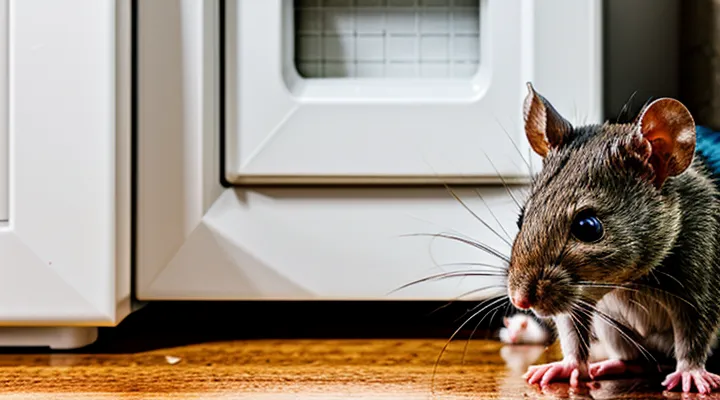
Understanding the Problem: Why Rats and Mice Are a Concern
Health Risks Associated with Rodents
Diseases Carried by Rodents
Rodents harbor a range of pathogens that can cause serious illness in humans living in apartments. Direct contact with rodent urine, feces, saliva, or bites transmits most infections, while inhalation of aerosolized particles from contaminated dust spreads others.
- Hantavirus – transmitted through inhalation of dried rodent droppings; symptoms include fever, muscle aches, and potentially fatal pulmonary syndrome.
- Leptospirosis – contracted by contact with urine‑contaminated water or surfaces; produces high fever, headache, and kidney damage.
- Salmonellosis – spread by ingestion of food or water contaminated with rodent feces; causes gastrointestinal upset, fever, and dehydration.
- Rat‑bite fever – results from bites or scratches; presents with fever, rash, and joint pain.
- Lymphocytic choriomeningitis virus (LCMV) – acquired by inhaling contaminated dust or direct contact; can lead to meningitis, encephalitis, or congenital defects.
- Plague – rare but possible via flea bites on infected rodents; manifests as fever, swollen lymph nodes, and severe systemic infection.
- Tularemia – transmitted through handling infected rodents or contaminated water; produces ulcerated skin lesions and respiratory symptoms.
Awareness of these diseases underscores the necessity of effective rodent elimination methods that avoid chemical exposure, such as sealed traps, structural exclusion, and professional sanitation. Eliminating the source removes the primary vector and reduces the risk of disease transmission within the living space.
Allergic Reactions and Asthma Triggers
Rodent infestations introduce allergens that can provoke allergic reactions and exacerbate asthma. Dander, urine, feces, and saliva contain proteins capable of triggering immune responses in sensitive individuals. Inhalation of dust contaminated with these substances may lead to wheezing, shortness of breath, or skin irritation.
Effective rodent elimination in a residence while avoiding health hazards requires controlling exposure to allergenic particles. Key measures include:
- Sealing cracks, gaps, and utility openings to prevent entry.
- Removing food sources, storing perishables in airtight containers, and maintaining regular waste disposal.
- Using mechanical traps (snap or live‑catch) instead of chemical baits that release volatile compounds.
- Wearing disposable gloves, N‑95 respirators, and protective clothing during inspection, trap placement, and cleanup.
- Disinfecting contaminated areas with a diluted bleach solution (1 part bleach to 10 parts water) after removal of droppings; allowing the surface to dry before re‑entry reduces aerosolized particles.
- Employing HEPA‑rated vacuum cleaners to collect dust and debris without dispersing allergens.
When chemical control is unavoidable, select products labeled low‑odor and free of irritant solvents. Avoid rodenticides containing anticoagulants or strong acids, as these can act as respiratory irritants for asthmatic occupants.
Post‑remediation monitoring should focus on air quality and symptom tracking. Persistent allergy or asthma symptoms after rodent removal may indicate residual contamination; repeat cleaning and, if necessary, professional indoor‑air assessment can ensure a safe environment.
Signs of a Rodent Infestation
Droppings and Urine Stains
Rats and mice leave feces and urine that can harbor Hantavirus, Salmonella, Leptospira and other pathogens. Direct contact or inhalation of dried particles poses a serious health threat in a residential setting.
Identify contamination by inspecting corners, behind appliances, pantry shelves and utility areas. Look for dark, pellet‑shaped droppings, greasy streaks or yellowish stains. Record locations before beginning cleanup.
Wear disposable gloves, a N95 respirator and a disposable coverall. Seal the work zone with plastic sheeting to prevent dust migration. Moisten droppings with a 1:10 bleach solution (sodium hypochlorite) for at least five minutes; this reduces aerosolization of infectious agents.
After soaking, scrape droppings into a sealed bag using a disposable scoop. Clean the surface with the same bleach mixture, scrubbing until stains disappear. Rinse with clean water and apply a disinfectant approved for rodent‑borne pathogens, such as hydrogen peroxide (3%) or a quaternary ammonium compound, following the manufacturer’s contact time.
Dispose of all contaminated materials in a double‑bagged, sealed container placed in an outdoor trash bin. Wash hands thoroughly with soap and water after removing protective gear. Regularly store food in airtight containers, seal entry points, and maintain a dry environment to discourage future rodent activity.
Gnaw Marks and Damage
Rats and mice leave unmistakable gnaw marks on wood, plastic, wiring, and insulation. The bite pattern is a clean, shallow notch with parallel lines where the incisors have cut through material. Identifying these signs early prevents structural weakening and reduces the chance of electrical fires caused by chewed cords.
Damage to wiring poses the greatest health risk because exposed conductors can spark, ignite surrounding combustibles, and release toxic fumes. Compromised insulation allows rodents to enter ducts and ventilation shafts, spreading contaminants throughout the living space. Chewed plumbing can lead to leaks, fostering mold growth and attracting insects.
To mitigate gnaw‑related hazards without exposing occupants to chemicals:
- Inspect edges of cabinets, baseboards, and behind appliances for fresh bite marks.
- Replace or repair any damaged electrical cables using insulated connectors; consult a licensed electrician if the extent is unclear.
- Seal entry points with steel wool or metal mesh, then apply a non‑toxic caulk to block further access.
- Use snap‑trap or electronic devices positioned away from food storage to reduce rodent activity while avoiding poison exposure.
- Schedule regular maintenance checks to verify that repaired areas remain intact.
Unusual Noises and Odors
Rats and mice produce distinctive sounds and smells that signal their presence before visible damage occurs. Recognizing these cues enables prompt, health‑safe intervention.
Sharp squeaks, scratching on walls, and intermittent scurrying are typical auditory indicators. They intensify at night when rodents are most active. Persistent, musky odors often stem from urine, feces, and nesting material. A strong, ammonia‑like scent may indicate a large population or prolonged infestation.
Identifying these signs early reduces exposure to pathogens such as hantavirus, leptospirosis, and salmonella. Immediate steps include:
- Seal entry points: Use steel wool and caulk to block gaps around pipes, vents, and baseboards.
- Remove food sources: Store pantry items in airtight containers, clean spills promptly, and keep garbage tightly sealed.
- Set traps: Employ snap or electronic traps in areas where noises are heard; avoid poison to prevent secondary poisoning risks.
- Sanitize contaminated zones: Wear disposable gloves, dispose of droppings in sealed bags, and disinfect surfaces with a bleach solution (1 part bleach to 10 parts water).
If odors persist after removal, ventilate the space thoroughly and repeat cleaning. In cases of extensive contamination, professional decontamination may be necessary to ensure complete eradication without compromising occupant health.
Non-Toxic and Safe Rodent Control Strategies
Preventing Entry: Rodent-Proofing Your Apartment
Sealing Entry Points
Effective rodent control begins with eliminating the routes they use to enter a living space. Identify all potential openings: gaps around pipes, utility lines, vents, doors, windows, and foundation cracks. Inspect the exterior and interior perimeter, paying special attention to areas where walls meet floors or ceilings.
Use durable, pest‑proof materials to seal each opening. Expandable foam works for irregular gaps up to one inch, while steel wool combined with caulk blocks larger holes that rodents can gnaw through. For gaps around door frames, install door sweeps that extend to the floor. Window screens should be intact and tightly fitted; replace torn sections with fine‑mesh hardware cloth. Seal vent openings with metal mesh of at least ¼‑inch aperture, secured with stainless‑steel staples.
Maintain the barrier over time. Re‑check sealed points quarterly, especially after seasonal temperature changes that may cause building movement. Repair any new cracks promptly, applying concrete or mortar for foundation fissures and silicone sealant for minor interior seams. Keep exterior landscaping trimmed to prevent shrubs from brushing against walls, which can create new entry routes.
By systematically closing every access point with appropriate, long‑lasting materials, the risk of rodent infestation diminishes without introducing health hazards. This preventative measure reduces reliance on chemical controls and creates a safer environment for occupants.
Securing Food and Water Sources
Securing food and water eliminates the primary attractants that sustain rodent populations in a dwelling. When nourishment is inaccessible, rats and mice are forced to search elsewhere, reducing their presence and the risk of disease transmission.
- Store dry goods in airtight, hard‑plastic containers with sealed lids; avoid cardboard or paper packaging that rodents can gnaw.
- Transfer pantry items to metal or glass containers whenever possible; metal is resistant to chewing.
- Place pet food in sealed bins and remove leftovers after each feeding; do not leave bowls on the floor overnight.
- Clean countertops, floors, and appliances immediately after meals; sweep crumbs and mop spills promptly.
- Dispose of garbage in containers equipped with tight‑fitting lids; take out trash daily to prevent buildup.
- Eliminate standing water by fixing leaky pipes, dripping faucets, and condensation on windows; use drip‑free showerheads and check under sinks regularly.
- Keep water dishes for pets or indoor plants covered when not in use; replace open water sources with sealed reservoirs if feasible.
- Inspect storage areas weekly for signs of gnaw marks or contamination; rotate inventory to use older items first.
By removing accessible food and water, the environment becomes inhospitable to rodents, supporting a long‑term, health‑safe solution for the apartment.
Maintaining Cleanliness and Decluttering
Keeping an apartment free of food scraps, spills, and standing water removes the primary attractants for rodents. Store all edible items in sealed containers, wipe countertops after each use, and promptly clean dishes. Regularly empty trash bins, line them with plastic bags, and take the waste to an external dumpster at least twice a week.
Decluttering eliminates hiding places and nesting sites. Remove piles of paper, cardboard, and fabric that could serve as shelter. Store seasonal clothing in airtight bins rather than open closets. Keep storage areas organized, ensuring that items rest on shelves instead of the floor.
Implement a routine inspection schedule:
- Examine corners, under appliances, and behind furniture for droppings, gnaw marks, or shredded material.
- Seal cracks, gaps, and holes larger than ¼ inch with steel wool, caulk, or expanding foam.
- Repair leaking pipes and faucets to eliminate moisture sources.
Adopt a cleaning cadence that aligns with the apartment’s occupancy level. High‑traffic kitchens may require daily surface sanitation, while less used rooms can be addressed weekly. Consistent adherence to these practices creates an environment hostile to rats and mice without exposing residents to chemical hazards.
Trapping Methods Without Chemicals
Live Traps: Catch and Release
Live traps provide a humane alternative for removing rats and mice from a residential unit while minimizing exposure to pathogens. The device consists of a sturdy cage with a trigger mechanism that closes the door when the animal enters to reach bait. Because the rodent remains alive, the risk of contaminating surfaces with urine, feces, or blood is reduced compared to lethal traps.
Effective use of live traps requires careful selection, placement, and handling:
- Choose a trap sized for the target species; a 12‑inch cage works for mice, while a 15‑inch model accommodates rats.
- Bait with high‑protein items such as peanut butter, dried fruit, or small pieces of meat to attract nocturnal foragers.
- Position traps along walls, behind appliances, or near visible droppings, where rodents travel.
- Set traps in the evening; check them early each morning to limit the duration of confinement.
- Wear disposable gloves when opening a trap, place the captured animal in a sealed container, and transport it at least 0.5 mile from the building before release in a wooded or agricultural area.
After removal, sanitize the trap with a diluted bleach solution (1 part bleach to 10 parts water) and rinse thoroughly. Inspect the apartment for entry points; seal cracks, gaps around pipes, and openings around doors with steel wool or caulk to prevent re‑infestation. Maintain a clean environment by storing food in airtight containers and disposing of waste regularly, which discourages rodents from returning and further reduces health hazards.
Snap Traps: Proper Placement and Disposal
Snap traps must be positioned where rodents travel, not where people frequently pass. Place each trap along walls, behind appliances, in dark corners, and near known gnaw marks. Aim for the shortest distance between the trap and the rodent’s established pathways; a direct line of travel increases capture rates and reduces the need for multiple devices.
When setting a trap, wear disposable gloves to avoid contaminating the bait with skin oils. Use a small piece of peanut butter or a crumb of dried fruit as attractant; keep the amount minimal to prevent spillage that could attract insects. Position the trigger end facing the wall, allowing the rodent to approach from the side rather than from the front, which lowers the chance of missed strikes.
After a capture, follow these steps to dispose of the dead rodent safely:
- Keep gloves on and place the trapped animal in a sealable plastic bag.
- Add a second bag inside the first, expelling excess air before sealing both layers.
- Dispose of the double‑bagged package in an outdoor trash container that is collected weekly.
- Clean the trap with a solution of diluted bleach (1 part bleach to 9 parts water), rinse, and allow it to dry completely before reuse or storage.
- Wash hands thoroughly with soap and water after removing gloves, then disinfect any surfaces that may have been touched.
Regularly inspect traps at least once daily. Replace bait and reset traps promptly to maintain effectiveness and prevent decomposition, which could pose health hazards. By adhering to precise placement and rigorous disposal procedures, snap traps provide a rapid, low‑risk solution for eliminating rats and mice from residential units.
Electronic Traps
Electronic traps provide a rapid, chemical‑free method for eliminating rodents in a residential unit. The device delivers a high‑voltage shock that instantly kills rats or mice upon contact, eliminating the need for poisons, traps with bait, or manual disposal of carcasses.
Key advantages include:
- Immediate lethality reduces the chance of disease transmission.
- No residual toxins remain in the living space.
- Silent operation minimizes disturbance to occupants.
- Reusable units lower long‑term costs compared to disposable snap traps.
When selecting a model, consider:
- Voltage rating (minimum 2,000 V for reliable termination).
- Power source (battery‑operated for portability, AC‑plugged for continuous use).
- Safety features such as insulated housing and child‑proof switches.
- Capacity for multiple kills before cleaning is required.
Installation steps are straightforward:
- Place the trap along established runways, near walls, or close to suspected entry points.
- Activate the device according to the manufacturer’s instructions, ensuring the area is clear of non‑target animals and children.
- Monitor the trap daily; remove any deceased rodents with gloves and a sealed container to prevent contamination.
Maintenance involves regular battery replacement or checking the power cord, cleaning the interior chamber with mild detergent, and inspecting the voltage indicator to confirm functionality. Proper use of electronic traps eliminates the health risks associated with chemical rodenticides while delivering efficient control of rat and mouse populations in an apartment setting.
Natural Repellents and Deterrents
Essential Oils: Peppermint, Clove, Eucalyptus
Essential oils offer a chemical‑free option for deterring rodents in residential spaces while minimizing health hazards. Their strong aromas interfere with the sensory receptors of rats and mice, prompting avoidance of treated areas.
Peppermint oil
- Concentration: 10–15 % in water or carrier oil.
- Application: Soak cotton balls, place them behind cabinets, under sinks, and along baseboards; replace every 3–4 days.
- Mechanism: Menthol and menthone overwhelm the rodents’ olfactory system, creating an unpleasant environment.
- Safety: Non‑toxic to humans at recommended levels; avoid direct skin contact without dilution.
Clove oil
- Concentration: 5–10 % in water or carrier oil.
- Application: Mix with water and spray into cracks, entry points, and nesting sites; repeat weekly.
- Mechanism: Eugenol’s pungent scent repels rodents and may act as a mild irritant to their respiratory passages.
- Safety: Generally safe; ensure ventilation and keep out of reach of children and pets.
Eucalyptus oil
- Concentration: 8–12 % in water or carrier oil.
- Application: Distribute soaked pads in attic spaces, crawl spaces, and pantry corners; refresh biweekly.
- Mechanism: Cineole and related terpenes generate a strong, fresh odor that rodents find aversive.
- Safety: Low toxicity for occupants; avoid ingestion and prolonged skin exposure without dilution.
Implementation guidelines
- Identify all potential ingress points and nesting locations before treatment.
- Combine oils in a single solution (e.g., 5 % peppermint, 3 % clove, 4 % eucalyptus) to broaden scent coverage.
- Use airtight containers for storage to preserve potency; replace oils after six months.
- Monitor rodent activity; discontinue use if no reduction is observed after two weeks and consider alternative control methods.
Properly applied, these essential oils create an inhospitable scent landscape for rats and mice while preserving indoor air quality and protecting resident health.
Ultrasonic Devices: Effectiveness and Limitations
Ultrasonic repellents emit high‑frequency sound waves that are inaudible to humans but intended to irritate rodents’ hearing. Laboratory tests confirm that exposure can cause temporary discomfort, prompting mice and rats to avoid treated areas. Field trials in residential units show a reduction in activity when devices are placed near entry points, food storage, and nesting sites.
Effectiveness varies with several factors:
- Frequency range: 20–65 kHz covers most rodent hearing thresholds; devices outside this band lose impact.
- Placement density: one unit per 200 sq ft is insufficient for multi‑room apartments; overlapping coverage improves results.
- Obstructions: walls, furniture, and carpet absorb ultrasonic energy, creating dead zones where rodents remain undisturbed.
- Species tolerance: rats adapt faster than mice, often resuming activity after a few days of continuous exposure.
Limitations include:
- Short‑range propagation limits protection to immediate surroundings; whole‑apartment coverage requires multiple units.
- No lethal effect; devices only deter, so a persistent infestation may persist despite usage.
- Lack of regulatory standards leads to inconsistent product quality; some commercial models emit frequencies below effective thresholds.
- Potential interference with pets such as hamsters or certain dog breeds, which can experience stress from the same frequencies.
When integrated with sealing entry points, proper sanitation, and, if necessary, humane trapping, ultrasonic devices can contribute to a low‑risk rodent management strategy in flats. Relying solely on sound emission is insufficient for comprehensive eradication.
Natural Predators (e.g., Cats): Considerations
Cats can serve as effective biological control agents against rodent infestations in apartments when the environment supports their welfare and safety. Their predatory instincts reduce rat and mouse activity, but implementation requires careful assessment.
- Verify that the lease permits pets and that local housing regulations allow cats.
- Choose a cat with a proven hunting drive; indoor‑only cats may lack motivation, while outdoor access increases exposure to hazards.
- Provide regular veterinary care to prevent disease transmission from captured rodents.
- Maintain a clean litter area to avoid secondary health risks associated with rodent carcasses.
- Ensure the apartment layout offers safe escape routes and hiding spots for the cat, preventing stress‑induced aggression.
- Consider potential allergies among residents; implement air filtration and routine cleaning.
- Supply a balanced diet; reliance on rodent prey alone may lead to nutritional deficiencies.
- Monitor the cat’s behavior for signs of injury or illness after encounters with rodents.
When these factors are addressed, cats become a viable, low‑chemical option for managing rodent populations without compromising occupant health.
Professional Assistance for Severe Infestations
When to Call an Exterminator
Rats and mice become a professional‑intervention issue when self‑treatment no longer contains the infestation and the risk to occupants rises. Call an exterminator if any of the following conditions are present:
- More than a few sightings per week, indicating a breeding population.
- Evidence of gnaw marks on wiring, insulation, or structural elements.
- Accumulation of droppings, urine stains, or strong odor in confined spaces.
- Damage to food storage areas, contaminated pantry items, or widespread contamination of surfaces.
- Presence of nests in walls, ceilings, or hidden cavities that cannot be accessed safely.
- Signs of disease vectors, such as fleas or ticks, associated with rodent activity.
Legal and health considerations also dictate professional involvement. Many jurisdictions require licensed pest control operators for rodent eradication in multi‑unit dwellings, especially when pesticides are applied. If the infestation threatens fire safety (chewed electrical wires) or compromises sanitation (rodent‑borne pathogens), a certified exterminator must be engaged to ensure compliance with building codes and public‑health regulations.
Attempting DIY methods after these thresholds are met often prolongs exposure to allergens, bacteria, and viruses carried by rodents. Professional services provide integrated pest‑management strategies, including sealed bait stations, targeted bait placement, and thorough inspection of voids, while minimizing chemical residues and protecting residents’ health.
Choosing a Safe and Reputable Service
When a rodent problem threatens an apartment, selecting a professional extermination service is the most reliable way to eliminate the pests while protecting occupants’ health. A reputable provider follows strict safety protocols, uses approved control methods, and offers transparent communication.
Key factors to evaluate:
- Licensing and certification – Verify that the company holds a current pest‑control license issued by local authorities and that technicians possess recognized certifications (e.g., NPA, IPM).
- Insurance coverage – Confirm general liability insurance that protects tenants and property against accidental damage or exposure during treatment.
- Evidence of integrated pest management (IPM) – Choose firms that prioritize non‑chemical strategies, such as sealing entry points, sanitation advice, and trapping, reserving pesticides for minimal, targeted use.
- Product transparency – Request a list of active ingredients, their toxicity levels, and safety data sheets. Reputable services will avoid unregistered or highly toxic substances.
- Client references and reviews – Examine recent feedback from residential customers, focusing on outcomes, professionalism, and post‑treatment monitoring.
- Guarantee and follow‑up – Prefer companies that provide a written guarantee of results and schedule a follow‑up inspection to confirm eradication and address any residual concerns.
Before signing a contract, ask for a detailed written plan outlining inspection procedures, treatment options, protective measures for occupants (e.g., temporary relocation recommendations, ventilation instructions), and waste disposal protocols. A clear, documented approach reduces the risk of accidental exposure and ensures accountability.
By applying these criteria, tenants can secure a service that eliminates rodents efficiently, respects health standards, and minimizes the likelihood of future infestations.
Integrated Pest Management (IPM) Approaches
Integrated Pest Management (IPM) provides a systematic framework for eliminating rats and mice in residential units while minimizing health hazards. The method combines thorough inspection, continuous monitoring, preventive measures, and targeted control actions.
The process begins with a detailed inspection to locate gnaw marks, droppings, and active pathways. Monitoring tools such as sticky boards or motion‑activated cameras track population trends and identify hotspots. Prevention focuses on eliminating access to food, water, and shelter through strict sanitation and structural repairs.
Key IPM tactics include:
- Sanitation: Store food in sealed containers, promptly clean spills, and dispose of waste in tightly closed bins.
- Exclusion: Seal cracks, gaps around pipes, and openings around doors and windows with steel wool, caulk, or metal flashing.
- Mechanical control: Deploy snap traps or electronic traps in concealed locations; position devices perpendicular to walls where rodents travel.
- Low‑toxicity baits: Use bait stations that contain anticoagulant or non‑anticoagulant rodenticides encased in tamper‑proof units, limiting exposure to non‑target occupants.
- Biological options: In rare cases, introduce predatory insects or nematodes that target rodent eggs; verify suitability for indoor environments before use.
Implementation follows a stepwise protocol:
- Conduct a baseline inspection and map entry points.
- Apply exclusion measures to block all identified routes.
- Reduce attractants by enforcing strict waste management and food storage practices.
- Install traps and bait stations according to the mapped activity zones.
- Record trap captures and bait consumption weekly; adjust placement as needed.
- Re‑inspect after two weeks to confirm cessation of activity; repeat steps if signs persist.
Safety considerations are integral to the IPM approach. Use sealed bait stations to prevent accidental ingestion, wear disposable gloves when handling traps, and keep devices out of reach of children and pets. Dispose of captured rodents in sealed bags and sanitize the area with a disinfectant approved for indoor use.
By adhering to these IPM principles, residents can achieve effective rodent removal without introducing chemical risks or compromising indoor air quality.